




Today we’d like to introduce you to Andy Biggs.
Andy, we appreciate you taking the time to share your story with us today. Where does your story begin?
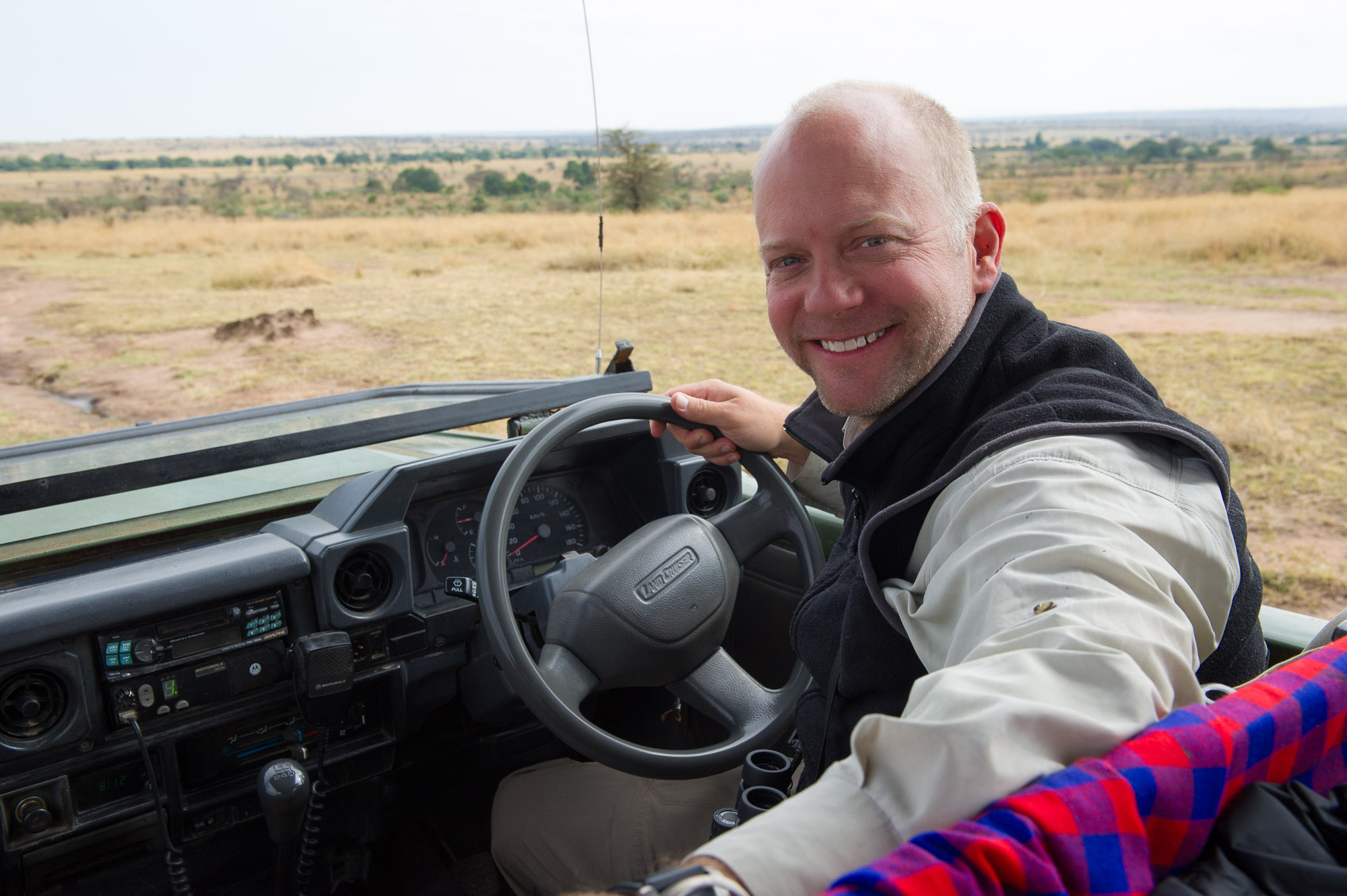
My path into the safari business actually started with a camera, not a spreadsheet. I’ve spent close to 25 years building a career around wildlife photography — spending real time in the African bush, learning to read animal behavior, understanding light and timing, and falling in love with Africa one trip at a time. That hands-on experience is really the foundation everything else was built on. You can’t sell a safari authentically if you haven’t sat in a safari vehicle waiting for the right shot, or felt what it’s like when a herd of elephant walks past your vehicle close enough to touch.
I used to be in the software industry and the transformation is what I call ‘from Silicon Valley to the Serengeti’. Quite the change from the consulting industry to planning amazing safaris for our clients.
Over time, friends and fellow photographers started asking me to help them plan their own trips — where to go, which camps were worth the money, how to string together an itinerary that actually made sense logistically instead of just hitting highlight reels. That informal advising turned into a real business.
Today, that’s evolved into Andy Biggs Safaris, a boutique safari planning company based in Houston. We work directly with top operators across Botswana, Tanzania, Kenya, Zambia, Namibia, South Africa, and beyond — to build custom, high-touch itineraries for clients who want more than a cookie-cutter trip. What sets us apart is that insider perspective: two decades of relationships, on-the-ground knowledge, and an eye for the kind of experience that actually delivers on the “trip of a lifetime” promise, rather than just a checklist of famous parks.
Can you talk to us a bit about the challenges and lessons you’ve learned along the way. Looking back would you say it’s been easy or smooth in retrospect?
Not at all — and I think anyone in this business who tells you it’s been smooth is leaving something out. The Covid years comes to mind, when there was fear of travel in the early days of the pandemic. The travel industry as a whole took a brutal hit in 2020. Safaris are about as hands-on and international as travel gets, so when borders closed, that wasn’t a slowdown — it was a full stop. I had to figure out how to stay connected to clients and camp partners with zero trips happening, and rebuild booking momentum once things opened back up, often against a backdrop of nervous travelers and shifting entry requirements.
There’s also the operational side that nobody sees from the outside. Every itinerary I build depends on rate sheets, availability, and logistics from a dozen different operators across multiple countries, each with their own systems and quirks. Getting that right — and building the internal tools and processes to handle it at scale rather than doing it all from memory — has been an ongoing challenge, not a one-time fix.
Appreciate you sharing that. What else should we know about what you do?
I run Andy Biggs Safaris, a boutique safari planning company based in Houston. We design custom African safari itineraries for travelers who want something more considered than a standard tour package — trips built around a client’s actual interests, pace, and budget rather than a one-size-fits-all route.
What I specialize in is the insider layer most agencies can’t offer: nearly 25 years of hands-on experience as a wildlife photographer in the field. I’ve stayed at the camps and understand not just what a camp advertises but what it’s actually like on the ground — the quality of guiding, the game density in a given season, whether a property really delivers the experience it’s selling.
That’s what I’m known for: matching people to the right trip, not the most popular one. Anyone can book you into the famous parks. I’m more interested in getting a solo traveler into the right camp for their exact style of safari, or building a photography-focused itinerary that accounts for light, wildlife behavior, and timing — not just logistics.
What I’m most proud of is the trust that’s built up over two decades — clients who come back for a second and third trip, and increasingly, referrals from other past guests who know I’m not going to steer them wrong to make a quick commission.
Any advice for finding a mentor or networking in general?
In this industry, relationships are the entire business — safari travel runs on trust between agents and operators, and that trust gets built in person, not over email. So my advice is pretty simple: show up in the places where those relationships form.
A few things that have worked well for me generally:
* Go where the work actually happens
* Be useful before you need anything
* Find people who’ll tell you the truth
Contact Info:
- Website: https://www.andybiggs.com
- Instagram: https://www.instagram.com/andy_biggs_safaris/