




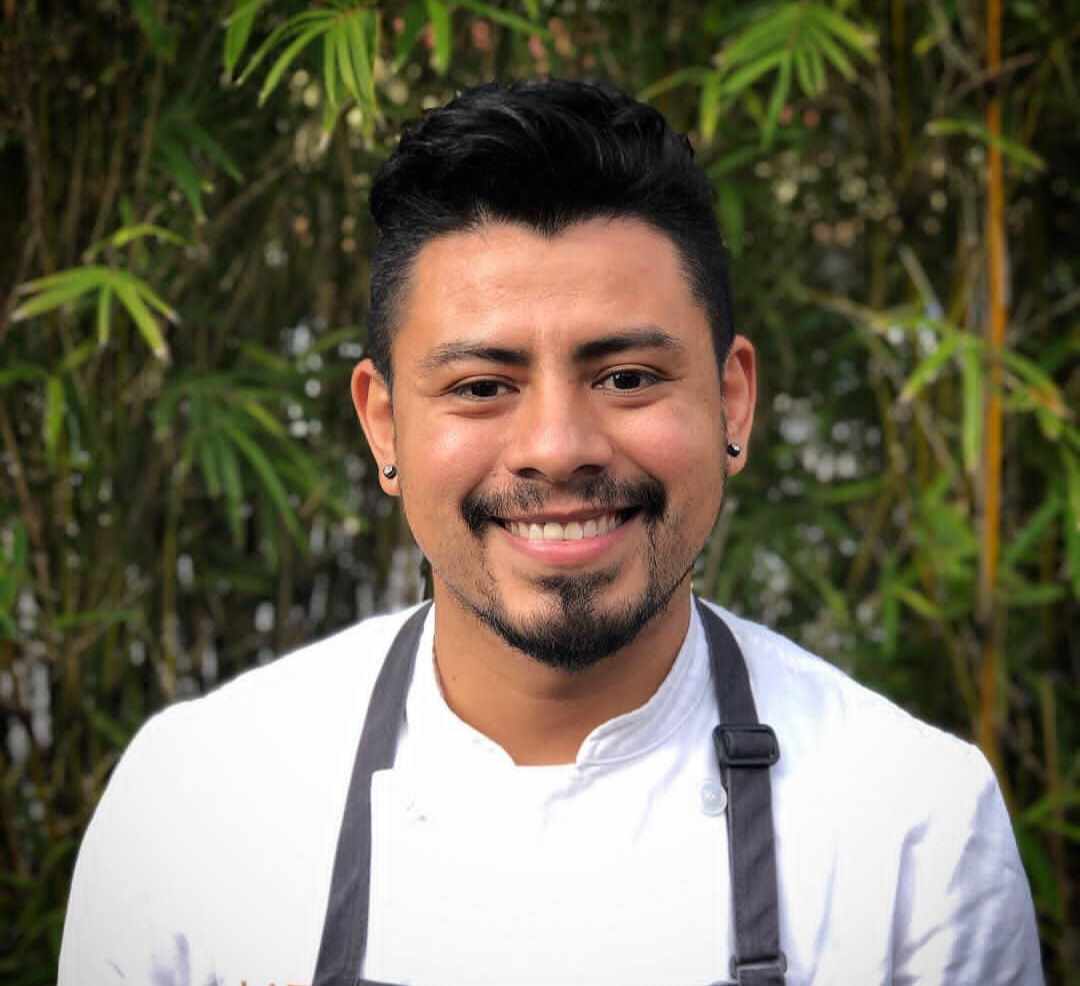
Today we’d like to introduce you to Bigler Cruz.
Hi Bigler, so excited to have you on the platform. So before we get into questions about your work-life, maybe you can bring our readers up to speed on your story and how you got to where you are today?
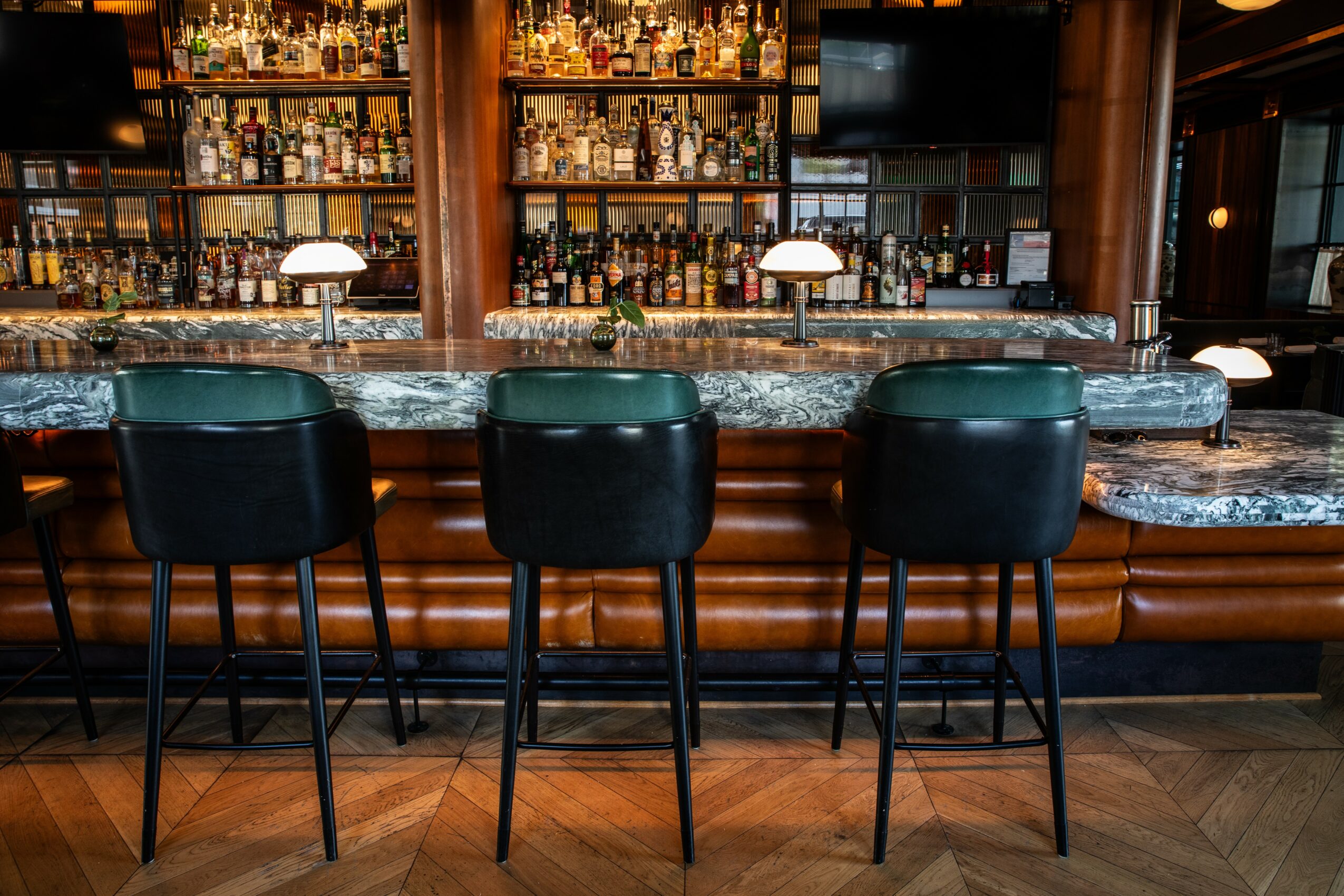
The journey of Chef Bigler “Biggie” Cruz is a story of merging heritage with decades of refined technique to create a unique culinary voice in Houston. The Foundations: From El Salvador to the Sushi Counter Early Inspiration: Bigler’s love for cooking began in El Salvador, watching his mother prepare meals over a wood fire—a simple tradition that instilled a lifelong respect for smoke and flame. Early Career: After moving to the U.S. in 2006, he began his professional journey in Virginia. Captivated by the artistry of sushi, he spent nearly two decades mastering Japanese methodology and technique. Rising Through the Ranks The Uchi Era: Bigler moved to Austin to join the nationally-acclaimed Uchi, eventually rising to become Head Sushi Chef for over five years. Coming to Houston: In 2019, he brought his family to Houston, where he served as Chef de Cuisine at the critically acclaimed Golfstrømmen, helping it become a top-rated dining destination in the city. Independent Ventures: Before establishing a permanent home, he launched Destino Culinary Ventures, an omakase-style experience that allowed him to experiment with the fusion of Latin and Japanese flavors. The Creation of Casa Kenji Casa Kenji came to fruition as a partnership between Chef Bigler and co-founders Malachi DuPre (the creator behind New Orleans’ Kenji restaurants) and John “B-John” Ballis. The Vision: The name itself reflects the concept: “Casa” honors Bigler’s Latin roots and his mother’s fire-driven cooking, while “Kenji” represents the Japanese discipline and legacy established by his partners. A Unique Identity: Opened in December 2025 in Houston’s Montrose area, the restaurant represents the first time Bigler feels he can truly be himself in the kitchen—combining the precision of a master sushi chef with the smoky, bold flavors of his childhood memories. The Result: Today, Casa Kenji stands as a “dream” concept—a flame-driven Asian steakhouse and sushi spot where every plate tells the story of Bigler’s journey from El Salvador to the top of Houston’s culinary scene.
I’m sure it wasn’t obstacle-free, but would you say the journey has been fairly smooth so far?
It has been far from a smooth road; the path to Casa Kenji was built on grit, sacrifice, and the determination to overcome systemic barriers. The Challenges Along the Way Starting from Zero: Arriving in the U.S. in 1997, Bigler faced the daunting reality of navigating a new country without knowing the language. Building a career from scratch while learning English was an immense hurdle that required years of patience and double the effort of his peers. Breaking Into a Specialized Field: As a Latino chef entering the highly traditional world of Japanese sushi, he initially faced skepticism. He had to demonstrate an undeniable level of discipline and technical mastery to earn his place at the head of the sushi bar in elite kitchens. The Weight of the “Hustle”: The restaurant industry is notoriously grueling. For years, Bigler balanced the intense, high-pressure environment of top-tier restaurants with the responsibilities of being a father and husband, often sacrificing personal time to perfect his craft and provide for his family. The Long Road to Ownership: Transitioning from a chef working for others to a business owner is a massive leap. It took nearly two decades of refining his “Destino” pop-up concept and searching for the right partners who shared his vision before he could finally open a door with his own name on it. The Resilience: These struggles weren’t just obstacles—they were the “fire” that shaped his cooking style today. The smoke and flame at Casa Kenji aren’t just techniques; they represent the heat of the journey it took to get there.
Thanks for sharing that. So, maybe next you can tell us a bit more about your work?
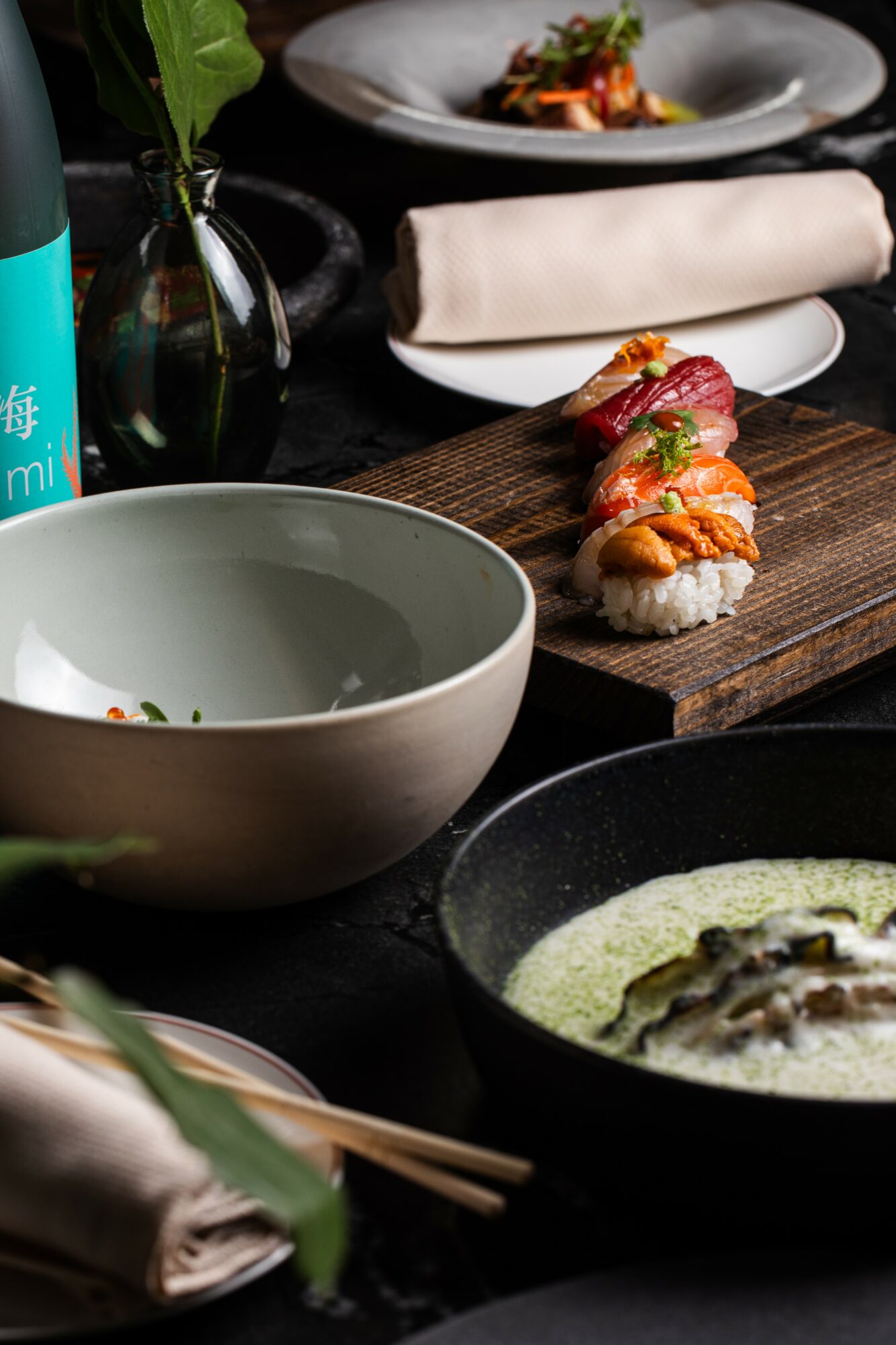
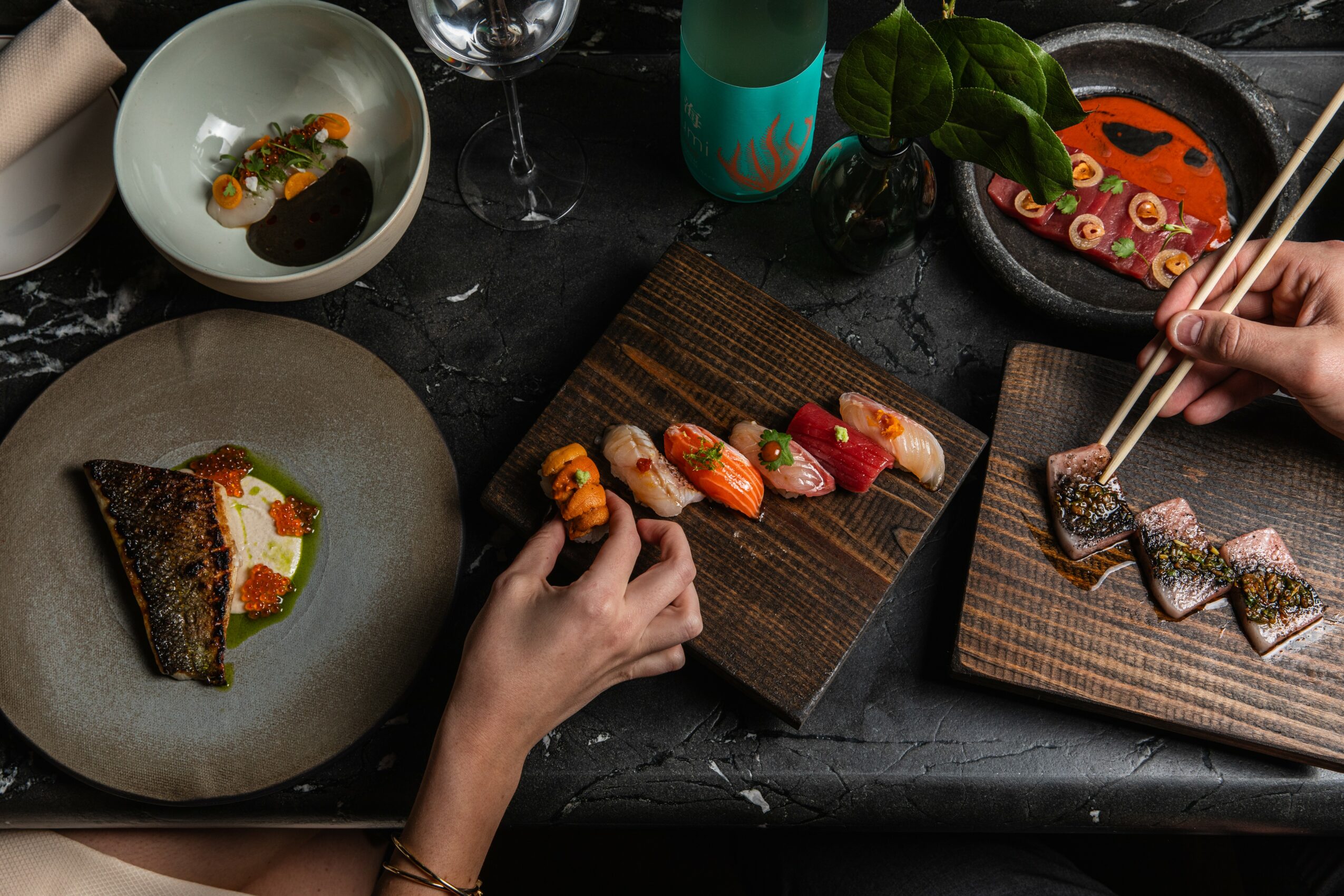
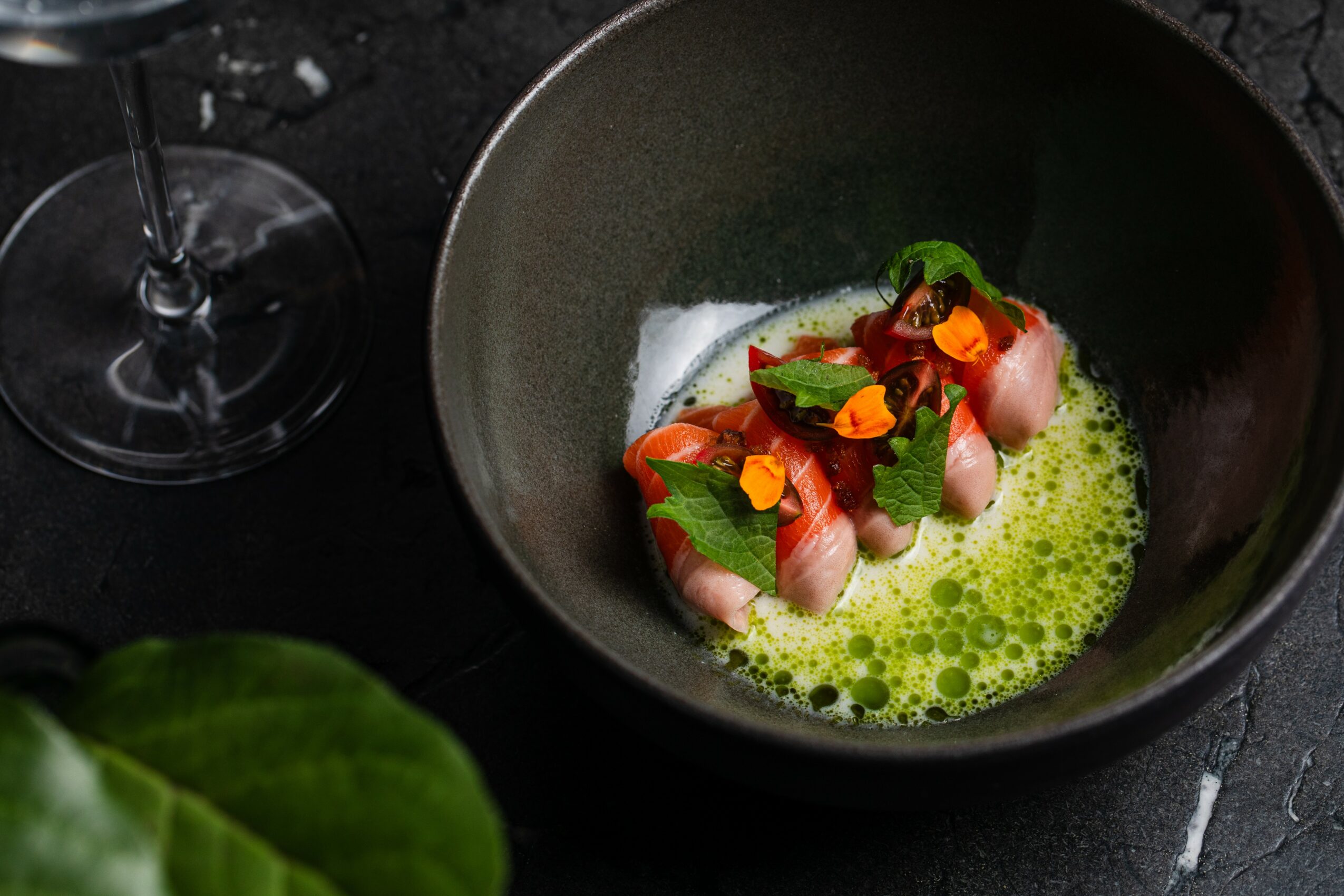
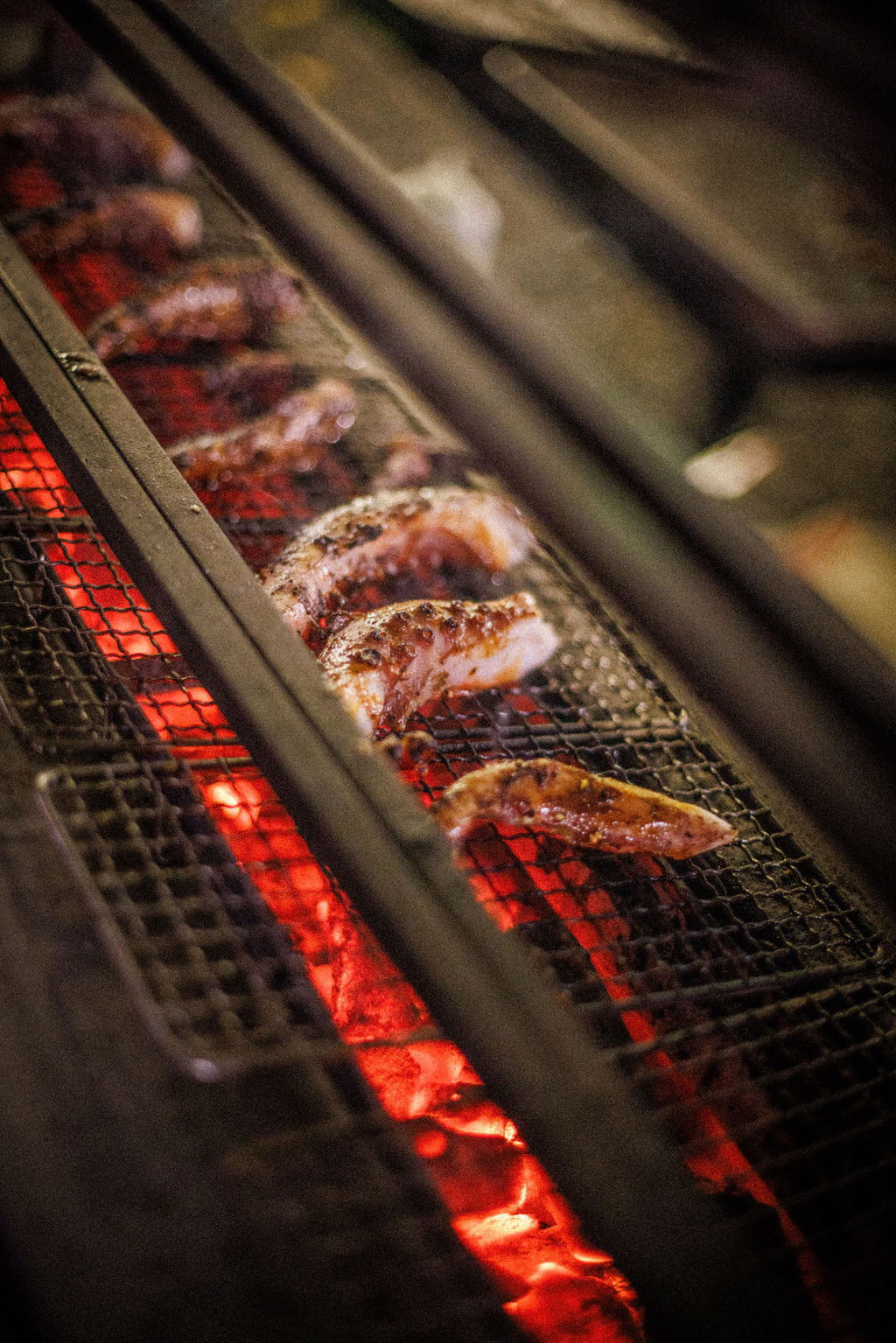
At Casa Kenji, my work is a bridge between two worlds. I specialize in Nikkei-inspired cuisine, where I blend the rigid precision of Japanese sushi techniques with the bold, soul-warming flavors of my Latin American heritage—specifically the wood-fire traditions I grew up with in El Salvador. What I Specialize In & What I’m Known For The Intersection of Flame & Fish: I am known for taking high-grade sashimi and pairing it with elements of smoke and heat. Whether it’s a perfectly sliced piece of nigiri or a charcoal-grilled steak, everything is viewed through a lens of balance and intensity. Signature Dishes: I’ve gained a following for creations like my Scallop Agua chile Negra, which uses traditional Japanese ingredients to rebuild a Latin classic. The “Destino” Style: Before Casa Kenji, I became known for my “pop-up” omakase experiences. I brought that same intimacy and storytelling to our permanent home in Montrose. What Sets Me Apart What truly differentiates my work is the authenticity of the fusion. This isn’t just “fusion” for the sake of a trend; it is my actual life story on a plate. I’m not just a sushi chef using chilies—I am a Salvadoran-born chef who spent 20 years mastering Japanese craft. That dual identity allows me to break the rules of traditional sushi in a way that still respects the ingredients. What I Am Most Proud Of Opening My Own Doors: After nearly two decades of working for others, I am most proud of finally opening a space where I don’t have to compromise. Casa Kenji is the first time I can truly cook as “Biggie. “My Resilience: I am proud of the fact that I started with nothing—no English, no connections—and worked my way from the bottom of the kitchen to becoming a business owner in one of the most competitive food cities in the world. My Team: Building a culture where we can push boundaries while keeping labor efficient and the guests happy is a daily point of pride for me.
What would you say have been one of the most important lessons you’ve learned?
The most important lesson I’ve learned is that resilience is just as vital as technique. In the kitchen, you can learn to slice fish perfectly or balance a sauce, but those skills don’t carry you through the days when the rain keeps guests away, a service communication breaks down, or you’re fighting to find your voice in a crowded industry. I’ve learned that staying true to your roots is your greatest competitive advantage. For a long time, I tried to fit the mold of what a “traditional” sushi chef should be. It wasn’t until I embraced my own story—the wood-fire cooking of my mother in El Salvador and my own journey as an immigrant—that everything clicked. True success comes when you stop trying to cook like someone else and start cooking like yourself. That authenticity is what guests feel when they sit at my counter, and it’s the only thing that keeps you going during the long hours and the uphill climbs.
Contact Info:
- Website: https://www.casakenji.com
- Instagram: @casakenjihtx
- Facebook: casa kenji