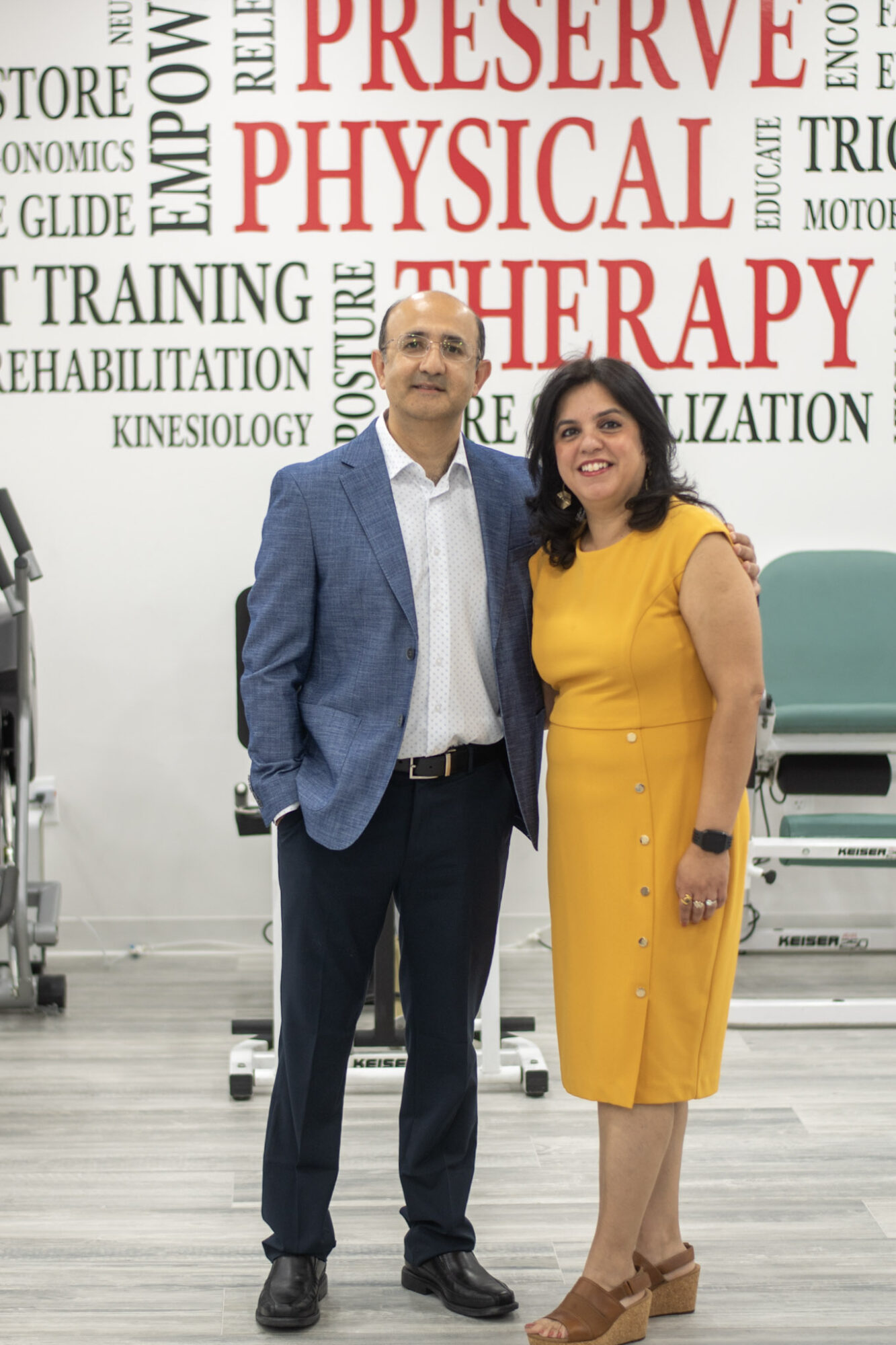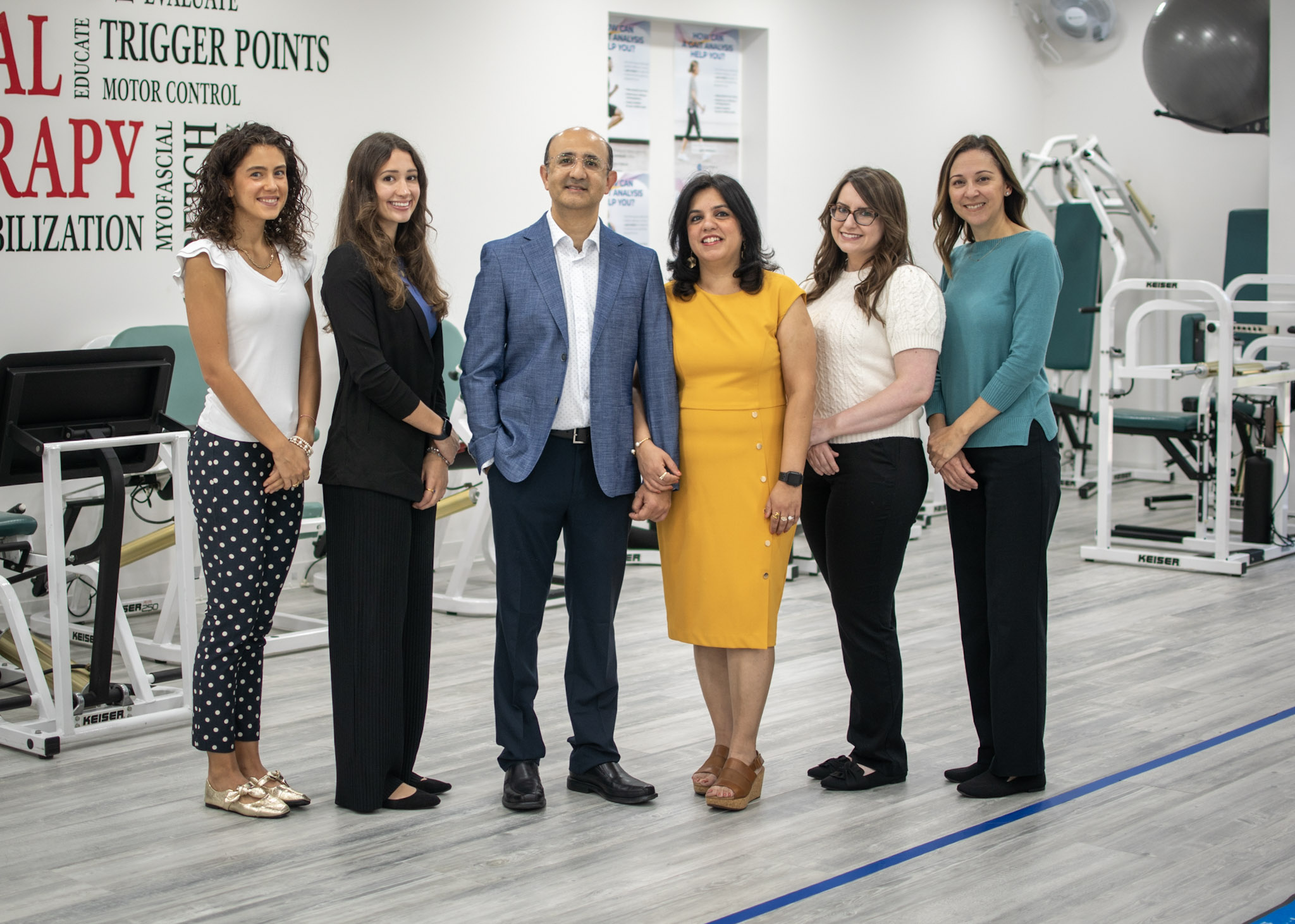




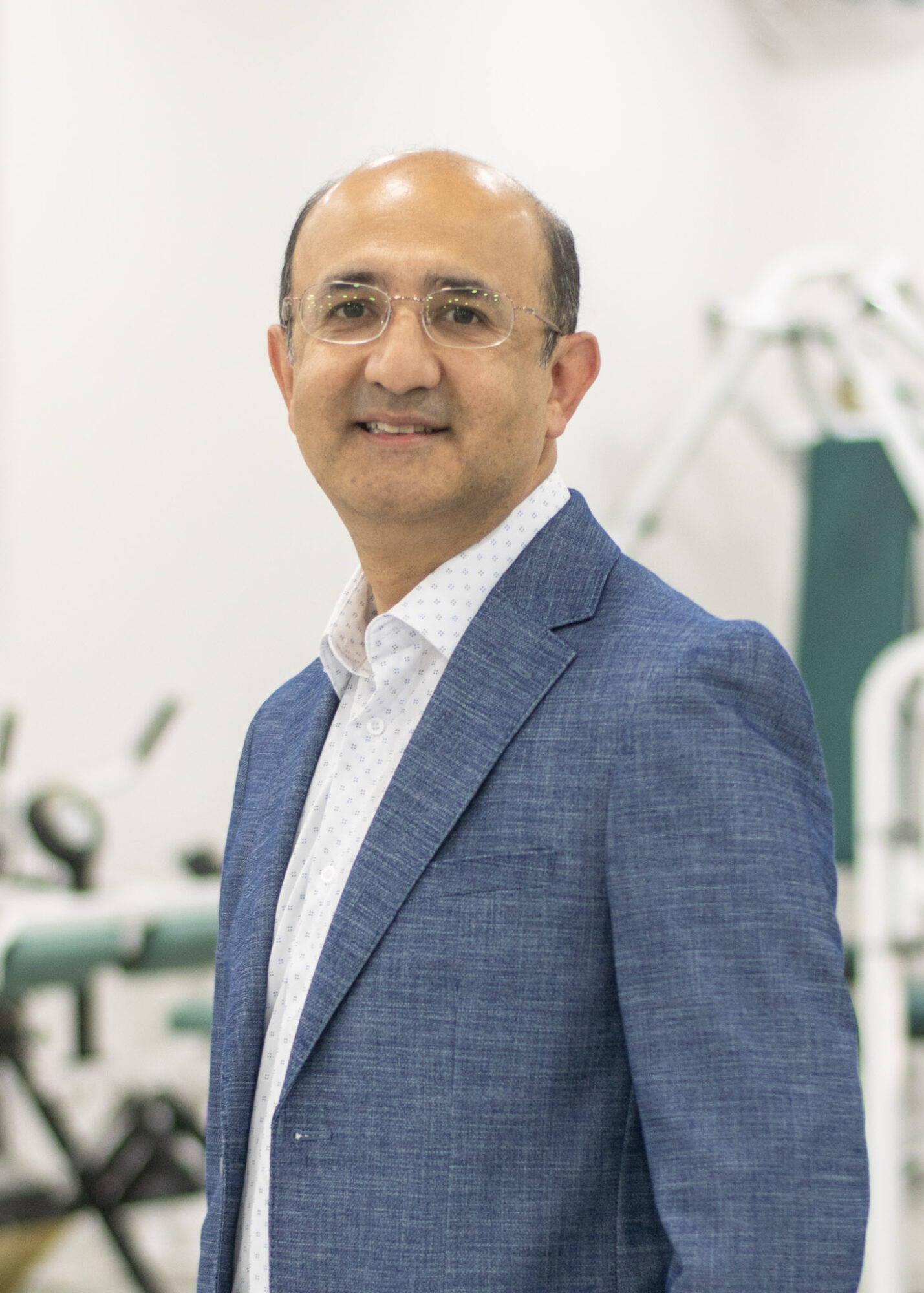
Today we’d like to introduce you to Rupal Mehta.
Hi Rupal, so excited to have you with us today. What can you tell us about your story?
My journey into physical therapy was never just about treatment plans or protocols—it was always about people, movement, and dignity. From the very beginning, I was drawn to understanding how the body heals, adapts, and regains confidence after injury or loss. What started as curiosity slowly grew into commitment, and that commitment ultimately shaped my mastery of the profession.
I earned my Bachelor’s degree, Master’s degree, Doctorate in Physical Therapy (DPT), and eventually a PhD in Physical Therapy. With each step, my clinical expertise deepened, but more importantly, so did my vision for what rehabilitation could be. I began my career working across outpatient clinics, inpatient settings, and home health, meeting patients wherever they were in their recovery—sometimes in hospitals, sometimes in clinics, and often in their own homes. These experiences gave me a rare, 360-degree perspective on healing across every stage of care.
Over time, a pattern became impossible to ignore.
I saw patients recovering after falls—but far too few being supported before a fall ever occurred. I witnessed excellent rehabilitation after injury, yet a significant gap when it came to proactive balance training, vision-related movement challenges, and long-term fall prevention. This gap was especially evident within communities where cultural, educational, and access barriers often delayed care until injury had already happened.
That realization became my calling.
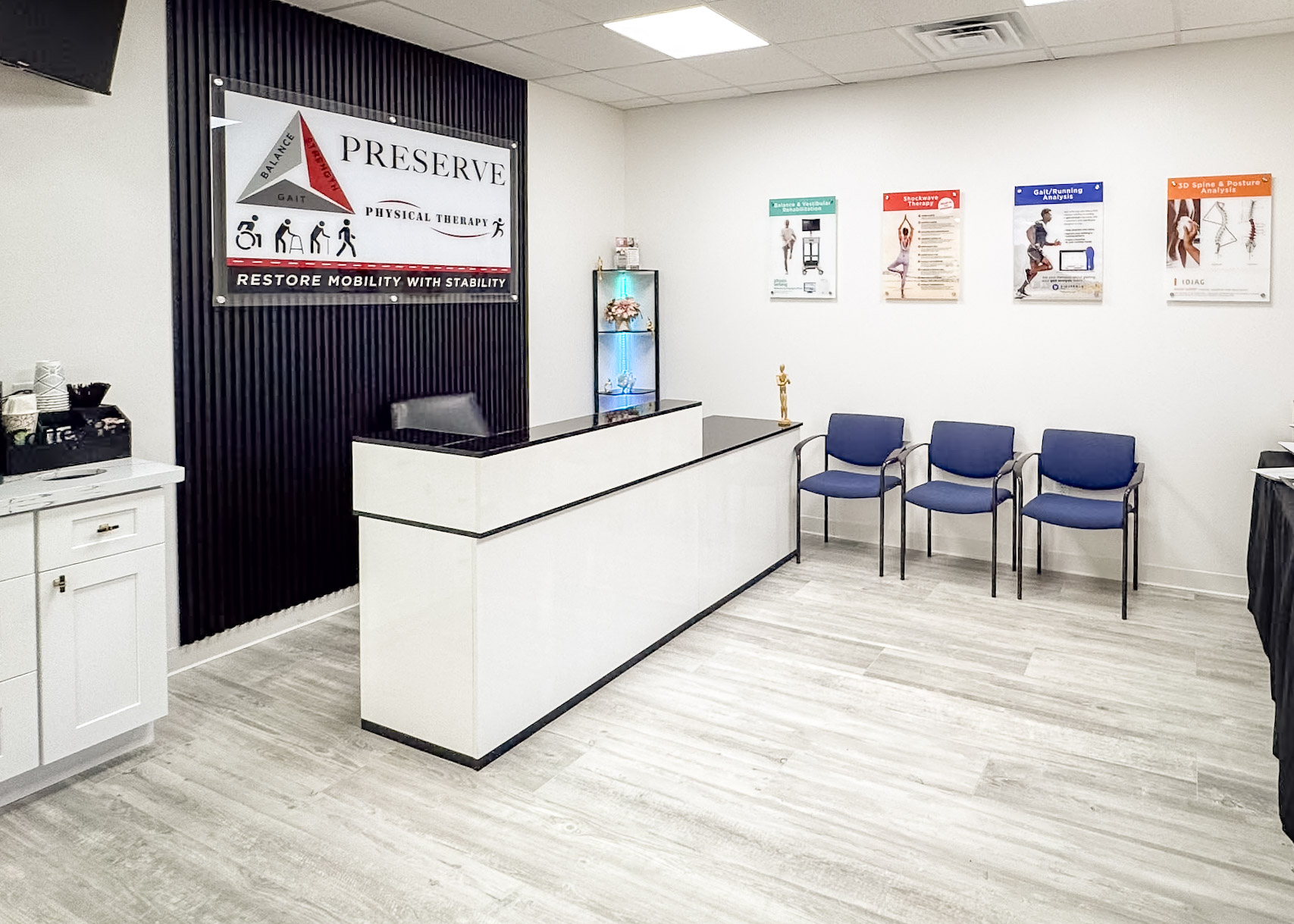
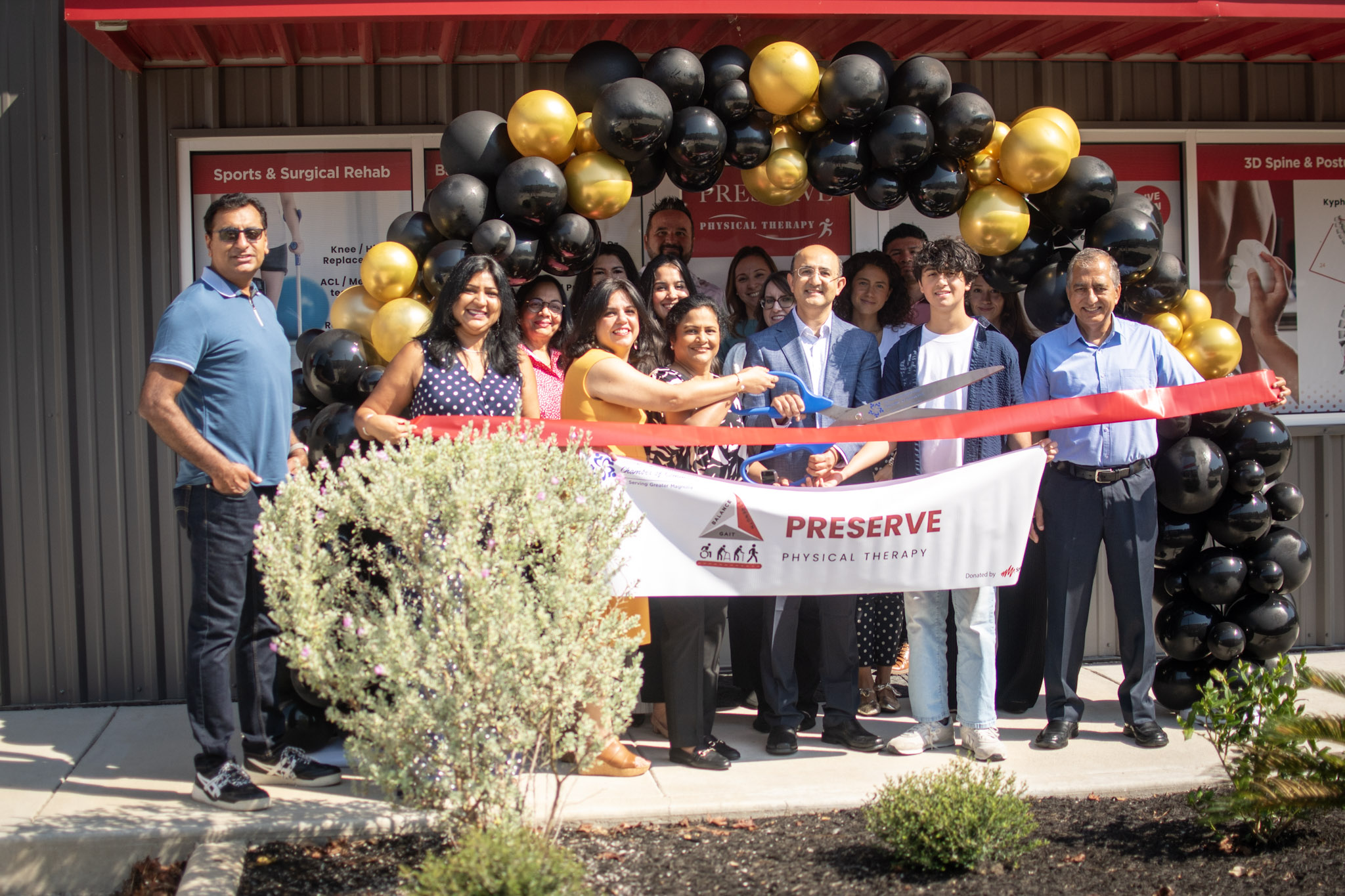
With a clear vision, I founded my own practice (Preserve Physical Therapy)—not simply as a business, but as a mission. My goal was to bridge the space between falls and rehabilitation by focusing on comprehensive balance training, vestibular and visual-motor integration, and individualized care that treats the whole person—not just the injury. My approach blends advanced clinical science with compassionate, culturally aware care, empowering patients to move with confidence, resilience, and dignity.
Would you say it’s been a smooth road, and if not what are some of the biggest challenges you’ve faced along the way?
Opening my practice was never easy. The very week we opened our doors, COVID-19 shut the world down, forcing us to close immediately. During that time, I continued providing home health care, adapting to uncertainty while staying committed to my patients. After six months, I began seeing patients part-time, rebuilding carefully and intentionally.
Balancing patient care during this period was a challenge—ensuring meaningful one-on-one treatment while remaining mindful of safety, time, and evolving circumstances. Those early struggles shaped my approach and reinforced my belief in thoughtful, patient-centered care.
They didn’t slow my mission—they strengthened it.
As you know, we’re big fans of you and your work. For our readers who might not be as familiar what can you tell them about what you do?
Over time, I began to think creatively about how physical therapy could become more engaging, precise, and empowering through the integration of technology into clinical practice. Rather than relying solely on verbal cues or repetition, I use technology that provides real-time biofeedback, allowing patients to see how their muscles activate, how their posture changes, and how their movement patterns impact their body.
This visual, data-driven feedback transforms exercises into interactive learning experiences, helping patients immediately recognize and correct compensations. By combining clinical expertise with technology, therapy becomes more personalized, effective, and motivating—enabling patients to develop greater body awareness, improved posture, and long-lasting movement habits.
Motor learning is strongest when multiple sensory systems are engaged. Visual and auditory feedback from technology enhances proprioceptive input, helping the brain develop stronger and more efficient movement patterns. This is especially important for postural retraining, core and spinal stabilization, balance and gait correction, and injury prevention and return-to-sport training. Technology transforms exercises from passive repetition into active skill-building.
At its best, physical therapy is not just about treatment—it is about understanding the body. Technology allows patients to see, feel, and truly learn how movement works.
What are your plans for the future?
When I recently opened my new location, it gave me the opportunity to reflect on a recurring pattern I was seeing in my practice. While my patients consistently improved during rehabilitation, many struggled to maintain those gains once formal therapy ended. This gap was especially noticeable in adults in their 50s and 60s, who often returned with reinjury due to loss of strength, balance, or confidence in movement.
**Preservation Program**
*(You are not meant to grow weaker with age. You are meant to grow wiser, stronger, and more confident in how you move.)*
At my practice, I believe physical therapy should not end when pain improves. True success lies in maintaining strength, balance, and posture long after rehabilitation is complete. That belief is what led me to create my Preservation Program.
As individuals move through their 50s, 60s, and beyond, the body naturally changes. Muscle mass declines, balance becomes less reliable, joints feel more vulnerable, and confidence in movement can quietly fade—especially after an injury. Traditional rehabilitation helps people recover, but it does not always protect them from what comes next.
This program exists to change that.
My Preservation Program is a clinically guided, membership-based movement program designed for men and women who want more than short-term relief. It is for those who want to remain active, independent, and resilient—without waiting for the next injury to determine their care.
Through twice-weekly, structured sessions, I focus on:
* Building full-body strength using joint-friendly pneumatic equipment
* Improving balance, coordination, and fall prevention
* Supporting bone, joint, and postural health
* Enhancing cardiovascular endurance
* Training muscles intentionally, not randomly
* Using technology and expert guidance to ensure safe, effective movement
This is not a gym you are left to navigate alone.
This is not a one-size-fits-all workout.
Every session is purposeful, supervised, and rooted in clinical knowledge—bridging the gap between rehabilitation and lifelong movement health.
My membership model allows me to focus on you, not insurance limitations. It gives me the time, consistency, and flexibility to guide your progress, adjust your program, and help you build habits that last.
Because strength is not just about lifting more weight.
It’s about standing taller.
Moving with confidence.
Trusting your body again.
This is preservation.
This is prevention.
This is strength—at every stage of life.
Contact Info:
- Website: https://www.preservept.com