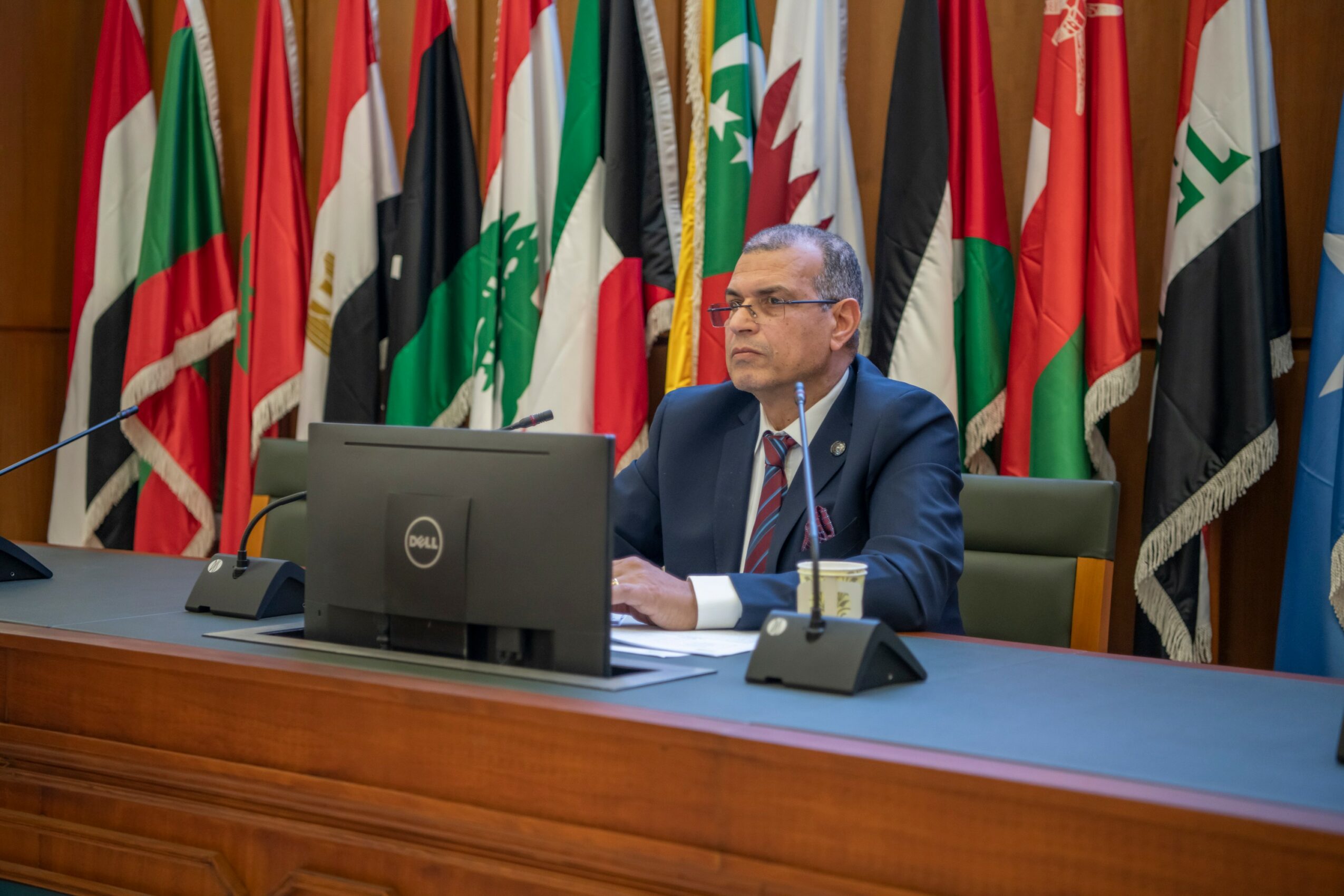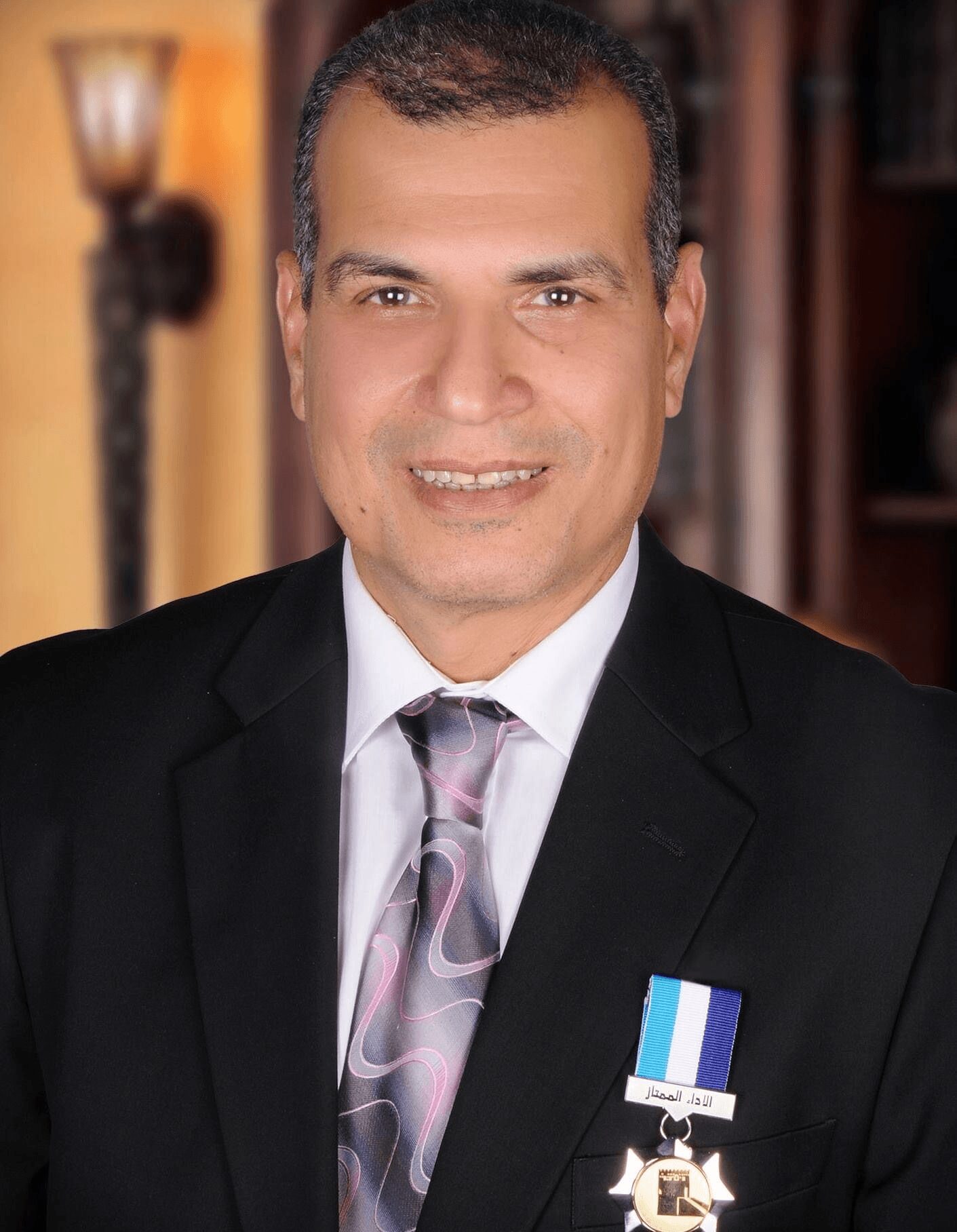






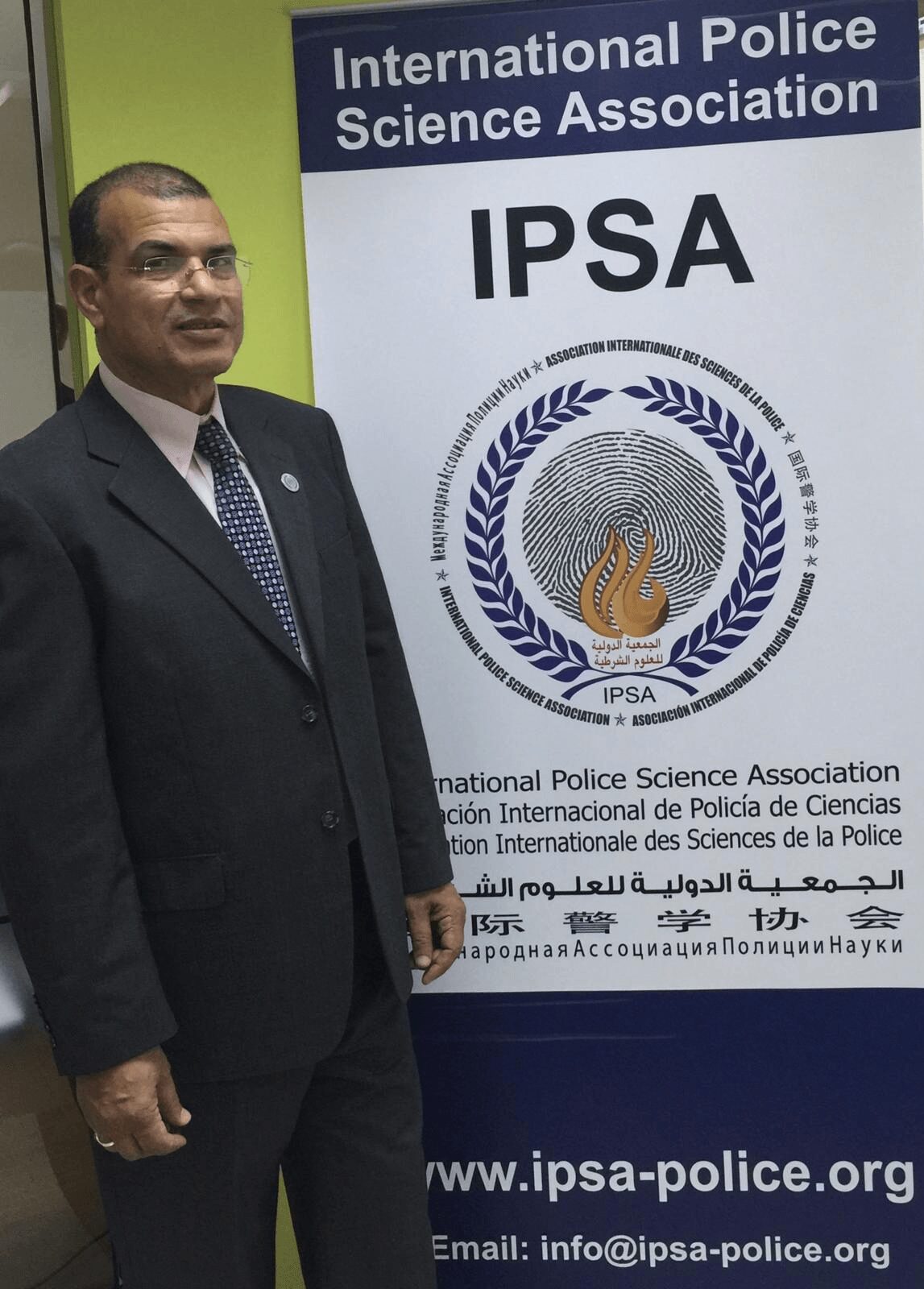
Today we’d like to introduce you to Mamdooh Abdelmottlep.
Mamdooh, we appreciate you taking the time to share your story with us today. Where does your story begin?
My journey began far from Houston, but it has always been guided by a deep commitment to public safety, justice, and the role that strong policing institutions play in building stable communities. I started my career as a young academic fascinated by how police systems operate across different cultures and how internal security shapes national development. Over the years, that passion pushed me to pursue advanced studies, conduct research, and train police leaders around the world.
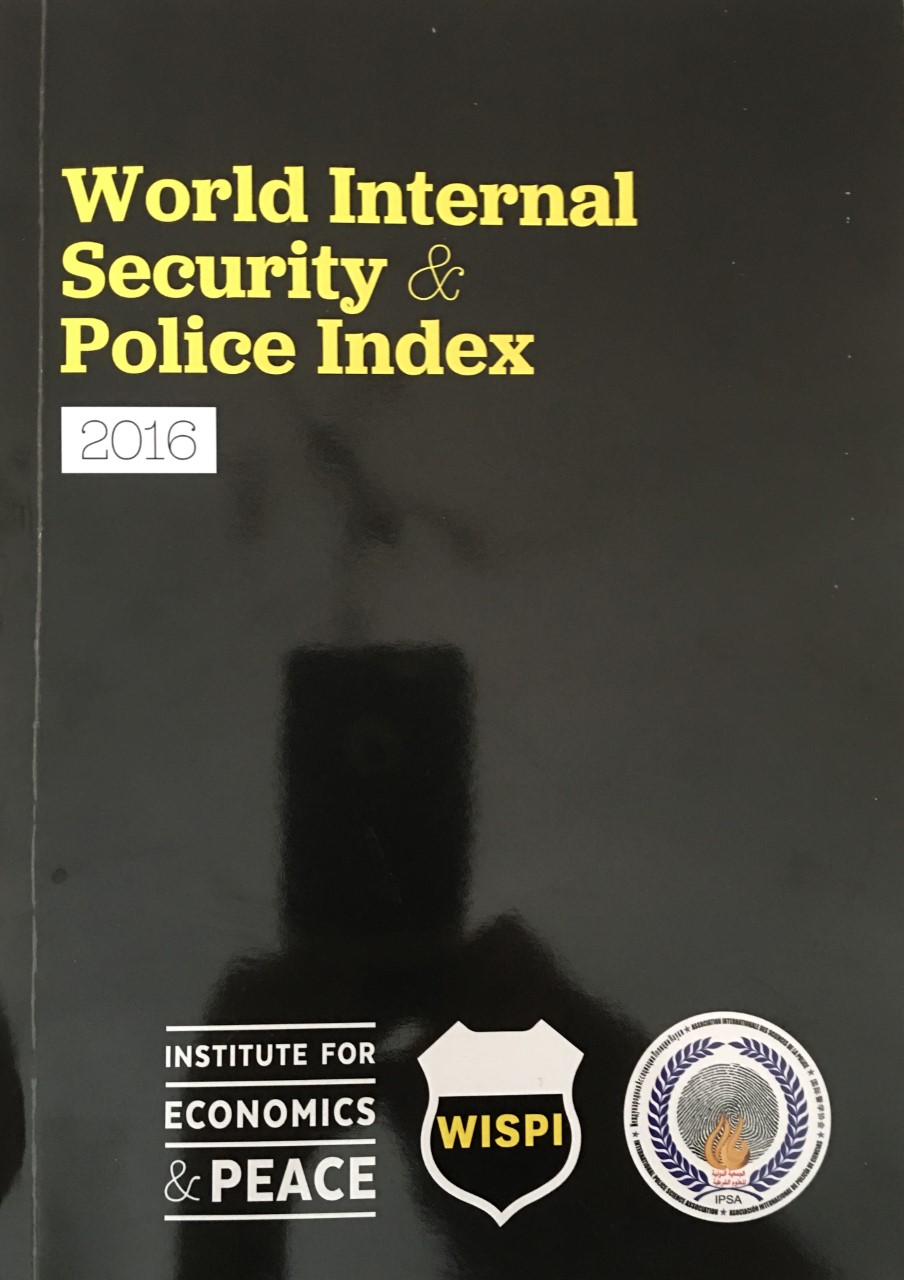
One of the turning points in my career came when I realized that there was no global tool to measure the performance of internal security and police services in a scientific, objective way. That gap led me to create the World Internal Security and Police Index (WISPI), the first international index designed to evaluate a country’s internal security from the perspective of both capability and outcomes. Building something of that scale required years of research, collaboration with international institutions, and a belief that better policing starts with better measurement. Today, WISPI is used as a reference by security agencies, researchers, and policymakers worldwide.
My move to Houston opened a new chapter. Here, I continued my academic career, teaching police science and law enforcement while expanding the work of the International Police Science Association (IPSA), a non-profit organization I lead. IPSA’s mission is simple but ambitious: to advance excellence, innovation, and global collaboration in policing. What started as a small initiative has grown into an international platform offering leadership training, research, accreditation, advisory services, and awards that encourage creativity in policing.
Looking back, I didn’t plan for any of this to happen the way it did. What carried me forward was a combination of passion, persistence, and the belief that policing, when done with integrity and professionalism, can transform societies. Today, I am proud to contribute to that mission from Houston — a city that values diversity, innovation, and community, all of which inspire my work every day.
I’m sure it wasn’t obstacle-free, but would you say the journey has been fairly smooth so far?
The road has been meaningful, but it has never been smooth. When I founded the International Police Science Association (IPSA), I had a clear vision: create an organization capable of advancing policing globally through scientific research, training, performance evaluation, and international collaboration. But transforming that vision into a functioning institution required building every component from scratch — often with limited resources and no roadmap to follow.
One of the biggest challenges was developing the World Internal Security and Police Index (WISPI). Creating the first global scientific index to measure internal security and police performance required years of research, convincing international partners to collaborate, securing reliable data, and overcoming skepticism from agencies unfamiliar with benchmarking tools. Even after the success of WISPI, sustaining it financially and academically was a constant challenge, because IPSA is a non-profit and must support global work without external funding.
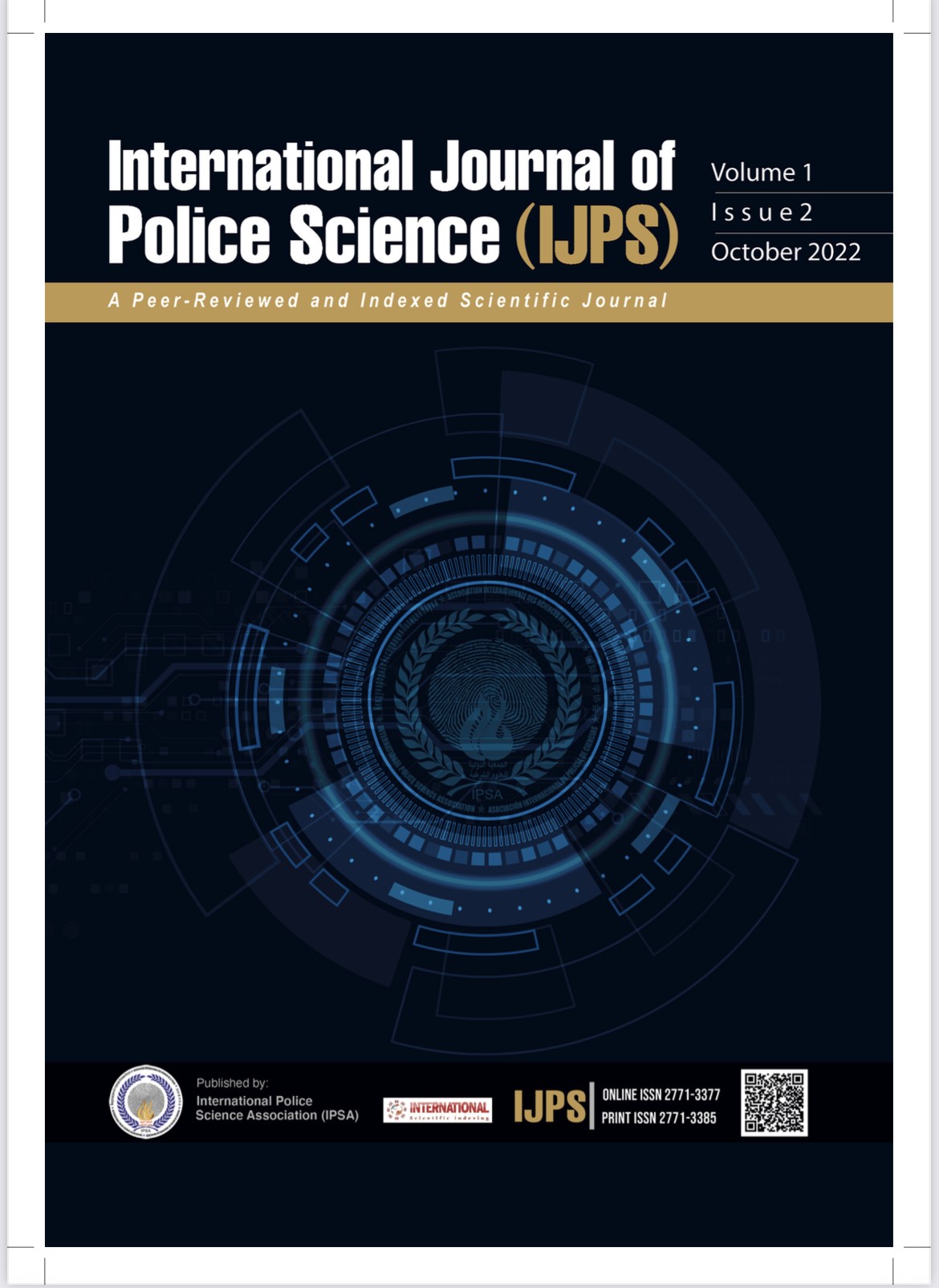
The same is true for our International Journal of Police Sciences (IJPS). Establishing a peer-reviewed journal that meets international standards requires editorial systems, reviewers, publication infrastructure, and ongoing quality control — all of which needed to be built from the ground up. Many times, we did not have the manpower or financial support, but we pushed forward because the field desperately needed a scientific platform dedicated entirely to policing.
Expanding IPSA into its six core programs also required determination in the face of limited resources:
The IPSA Index Program (WISPI and GPSI) – Developing, updating, and sustaining global indices without institutional funding is a long-term obstacle, but we continue because these tools help countries reform their policing systems scientifically.
The IPSA Police Thought Award – Creating an international award system meant designing criteria, evaluation protocols, and panels of judges across continents. Coordinating all of that is challenging but essential for motivating innovation in policing.
Leadership Training (IPSA-LTC) – Building a global training center required designing curricula, training frameworks, and partnerships with police academies — often while managing resource constraints.
IPSA Consultation Center – Offering advisory services worldwide meant overcoming legal, cultural, and administrative differences between countries with very different policing environments.
Accreditation & Certification – Establishing credibility for an international accreditation system demanded years of methodological development and trust-building with police institutions.
International Journal of Police Sciences (IJPS) – Creating and sustaining a peer-reviewed journal with global authorship remains an ongoing challenge, but it is vital for advancing scientific policing.
Across all these programs, the recurring challenge has been sustaining a global mission through a non-profit structure — with no political alignment, no government backing, and no commercial funding. IPSA’s work depends entirely on commitment, volunteerism, and the belief that policing can and must evolve through science, training, and global collaboration.
But every challenge has reinforced our purpose. Today, IPSA is a recognized international entity, and the difficulties we faced in building the index, the journal, and the six programs have shaped our identity. They taught us that meaningful change does not happen quickly or easily — it happens through persistence, resilience, and a strong belief in the value of better policing for a safer world.
Can you tell our readers more about what you do and what you think sets you apart from others?
My professional life has been dedicated to improving policing through science, leadership, and global collaboration. I specialize in police administration, internal security, and performance evaluation, with a focus on helping police institutions become more effective, accountable, and community-centered. Over the years, this work has evolved into a mission: to build the tools, knowledge, and training systems that modern policing needs to meet today’s complex security challenges.
I am best known for creating the World Internal Security and Police Index (WISPI) — the first international index designed to scientifically measure internal security and police performance across countries. Before WISPI, no global tool existed to evaluate police capabilities, operational effectiveness, public trust, and security outcomes in a holistic way. Establishing the index required extensive research, international cooperation, and a commitment to using objective data rather than political narratives. Today, WISPI is widely used by researchers, policymakers, and police leaders seeking evidence-based insight into their security systems.
Another major part of my career has been building the International Police Science Association (IPSA) and its six core programs, which together form a comprehensive platform for police development worldwide:
IPSA Index Program (WISPI/GPSI) – Producing scientific tools to assess police performance.
IPSA International Award for Police Thought – Honoring creative, innovative, and research-driven contributions to policing.
Leadership Training Center (ILTC) – Delivering specialized leadership programs for police and security professionals.
IPSA Consultation Center – Providing governments and agencies with expert guidance on security strategy and institutional reform.
Accreditation & Certification Program – Helping agencies achieve international quality and ISO-based standards.
International Journal of Police Sciences (IJPS) – A peer-reviewed journal I founded to support scientific research and elevate policing as a discipline.
What I am most proud of is that all of this was built through persistence, vision, and a genuine belief that policing can—and must—be improved through knowledge and professionalism. As a nonprofit, IPSA has no political affiliation and no commercial agenda. Our work is driven entirely by academic rigor, global cooperation, and the desire to make communities safer.
What sets me apart from others is the ability to bridge the gap between research and practice. I have spent years studying policing academically, but I have also worked directly with police organizations, governments, and international partners. This dual perspective allows me to design tools and programs that are scientifically sound but also practical, usable, and impactful in real-world policing environments.
At its core, my work is about helping police institutions evolve—with better leadership, better measurement, better training, and better understanding of the communities they serve. That is the purpose that guides my career every day.
So, before we go, how can our readers or others connect or collaborate with you? How can they support you?
Collaboration has always been at the heart of my work, and there are many meaningful ways people and organizations can partner with me or support the mission of the International Police Science Association (IPSA). Because IPSA is a nonprofit, our work depends on cooperation with researchers, practitioners, universities, police agencies, and community organizations around the world.
One of the most impactful ways to collaborate is through research partnerships. We welcome academics and professionals who want to contribute to the International Journal of Police Sciences (IJPS) or participate in studies related to police performance, internal security, and public safety. Researchers can also support the ongoing development of the WISPI and GPSI indices, which rely on global expertise and data-sharing.
Another area for collaboration is leadership and training development. Through our IPSA Leadership Training Center (ILTC), we work with institutions that want to strengthen leadership culture within their police and security organizations. Agencies can invite IPSA to conduct specialized programs, workshops, and capacity-building initiatives tailored to their needs.
We also collaborate through consultation and advisory projects, where governments, police departments, and international institutions seek support in designing policies, reform strategies, risk management systems, or accreditation pathways. These partnerships help build stronger, more accountable security institutions.
Individuals and organizations can also support IPSA by participating in or sponsoring the International Award for Police Thought, which encourages creativity and innovation in policing, or by helping expand IPSA’s outreach through conferences, student involvement, and community dialogue.
Most importantly, people can collaborate by sharing expertise, exchanging ideas, and helping promote the values that IPSA stands for — professionalism, scientific policing, human rights, and global cooperation.
At the end of the day, improving policing is not the work of one person or one institution. It is a collective effort, and I welcome anyone who believes in that mission to connect, contribute, and partner with us.
Contact Info:
- Website: https://www.ipsa-police.org
- Facebook: https://www.facebook.com/IPSApolice.org
- LinkedIn: https://www.linkedin.com/in/ipsa-police-569a1b119
- Twitter: https://www.twitter.com/IPSA_police
- Youtube: https://www.youtube.com/channel/UCJ7vbPou8abeGG-rUD2197A