





Today we’d like to introduce you to Leah Chapman.
Hi Leah, so excited to have you on the platform. So before we get into questions about your work-life, maybe you can bring our readers up to speed on your story and how you got to where you are today?
I’ve lived with endometriosis since I was 12 years old, though I didn’t receive a formal diagnosis until I was 32. For years, I brought up my symptoms to doctors but was repeatedly dismissed or told that my pain and long periods were “normal.” I planned my life around my menstrual cycle, dropping college classes if exams fell during my period and often spending entire weekends in bed. It wasn’t until I stopped birth control in my early thirties that my symptoms worsened and fertility testing revealed what was actually happening: a 4-centimeter endometrioma on my right ovary, indicating at least stage 3 endometriosis. Yet even then, it was misdiagnosed as a hemorrhagic cyst, delaying the care I needed.
The “hemorrhagic cyst” they told me to ignore grew from 4 cm to 8 cm, eventually rupturing and sending me to the ER—twice. The first ER missed it on imaging, but the second hospital performed emergency surgery and saved my ovary. After that, my husband and I began IVF. To date, we’ve undergone four egg retrievals and three unsuccessful embryo transfers, and I’m currently doing Lupron suppression to suppress any remaining endometriosis before our next attempt. The infertility journey has been long, emotional, and physically demanding, but it has also been clarifying.
The turning point for me came the day I read my insurance plan, praying I had IVF coverage. I did — but only because my employer is based in Massachusetts, one of just 15 states in the U.S. that require insurers to cover fertility treatment. Without that mandate, I don’t know what we would have done. One IVF cycle at my clinic would have cost about $20-30,000, and we’ve needed four. Sitting in the fertility clinic waiting room, hearing the receptionist tell other patients, “That will be $20,000, please,” made something inside me shift. The financial barriers are so high that many people never even get the chance to try. I knew I had to do something.
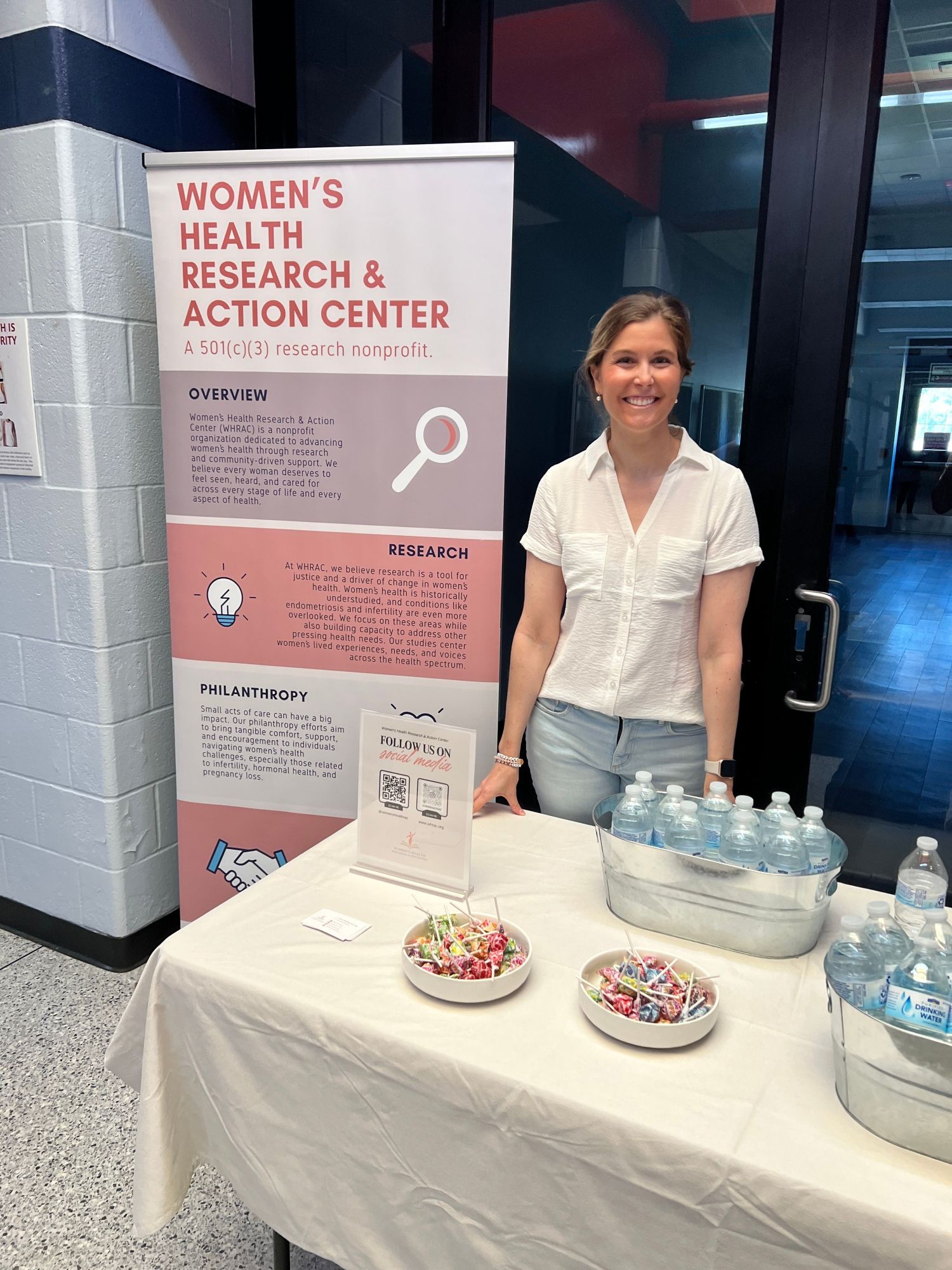
That experience, combined with decades of endometriosis dismissal and a deep love for research, led me to create the Women’s Health Research & Action Center (WHRAC). WHRAC is where my lived experience, academic training, and passion for health equity meet. We focus on under-researched, underfunded, and stigmatized areas of women’s health, including infertility, endometriosis, and pregnancy loss. Our goal is simple: to help women feel seen, believed, supported, and equipped with better evidence and better access to care than what I had. WHRAC is the organization I wish had existed throughout my life: when I was 12 and first in pain, 22 and thinking my symptoms were “normal,” and 32 and finally learning the truth. I am committed to building it for the women who come next.
Alright, so let’s dig a little deeper into the story – has it been an easy path overall and if not, what were the challenges you’ve had to overcome?
Not at all. My road has been shaped by years of medical dismissal, delayed diagnosis, and the emotional and physical toll of infertility. I lived with endometriosis symptoms from the time I was 12, yet every time I brought up my pain, I was told it was “normal.” That kind of dismissal takes a real psychological toll. It makes you doubt your own body and accept suffering as a given. The ruptured endometrioma, two ER visits, emergency surgery, and years of fertility treatment have been some of the hardest chapters of my life.
The infertility journey has also been incredibly challenging. We have gone through four egg retrievals, three unsuccessful embryo transfers, and multiple rounds of medication, including Lupron suppression. It is a road filled with uncertainty, grief, resilience, and constant decision-making. It is not linear, and it is not easy.
Starting WHRAC during all of this has been both healing and difficult. I launched it while navigating treatment, recovery, and the emotional weight of delayed diagnosis. Building a nonprofit from scratch with limited resources is challenging, but it is also deeply meaningful. WHRAC exists because of those struggles, not in spite of them. Every setback clarified what women need and deserve in the healthcare system, and that clarity is what fuels this work.
Alright, so let’s switch gears a bit and talk business. What should we know?
WHRAC is a Houston-based 501(c)(3) nonprofit dedicated to improving women’s health through research, education, and community-centered support. We focus on some of the most overlooked and underfunded areas of women’s health, including infertility, endometriosis, pregnancy loss, and other conditions that have not received the attention or investment they deserve. We produce rigorous, meaningful studies while also creating on-the-ground programs that support women directly.
What sets WHRAC apart is the combination of scientific training and lived experience. Our team includes researchers who have personally navigated conditions like infertility, endometriosis, pregnancy loss, and Premenstrual Dysphoric Disorder (PMDD). We understand the gaps in women’s health care not only through data, but through our own experiences of being dismissed, overlooked, or unsupported. Our goal is not to steer people away from the medical system or reject it, but to strengthen it by generating rigorous, peer-reviewed research and elevating the real-world experiences of women that too often go unheard. This dual perspective shapes every part of our work. It allows us to ask better research questions, design studies that reflect real-world needs, and create programs that truly resonate with the women we serve.
We also believe that research should not sit on a shelf. It should meaningfully improve care, policy, and lived experiences. To that end, WHRAC is launching new research initiatives, including our mixed methods study on the financial and social impacts of inadequate insurance coverage for infertility and our study on exercise-triggered pelvic pain in endometriosis. Alongside this research, we are developing community programs such as our specialized peer support groups for those navigating conditions like infertility and endometriosis.
Brand wise, I am most proud that WHRAC stands for compassion, credibility, and action. We lead with empathy and clarity. We ground everything in science and work alongside the medical community to improve care. We focus on women who often feel unseen in the healthcare system. Readers should know that WHRAC is committed to changing what care and support look like for women with complex health journeys. We want women to feel believed, supported, and empowered with better evidence and better options than what is currently available.
At its core, WHRAC exists to move women’s health forward. We are building the kind of organization that should have existed years ago, and one that will help shape a more equitable future for women’s health.
Can you talk to us a bit about the role of luck?
Luck has played a complicated role in my life. On the difficult side, I drew the short straw when it comes to endometriosis. Not everyone with endometriosis develops infertility, but I did, and the years of pain, dismissal, delayed diagnosis, emergency surgery, and unsuccessful IVF cycles were circumstances I never would have chosen. In many ways, that was bad luck.
But I have also experienced meaningful good fortune. I had insurance coverage for IVF because my employer happened to be based in Massachusetts, one of only 15 states in the country that requires insurers to cover IVF for people with infertility. That was not something I earned or planned for. It was luck, and it changed everything for us. Without that coverage, I honestly do not know what we would have done.
I also recognize the privilege of my training. Earning a PhD required years of hard work, but being able to pursue that path at all involved its own kind of luck: mentors who believed in me, opportunities that opened at the right time, and support systems that helped me keep going. Having those skills now allows me to turn pain into purpose and build something that serves other women.
So in a way, WHRAC exists at the intersection of both types of luck. The bad luck that revealed how many gaps still exist in women’s health care, and the good luck that gave me the tools and perspective to try to help address them. I cannot control luck, but I can decide what I do with it, and WHRAC is my way of turning both the difficult and the fortunate parts of my story into something meaningful for women who deserve better.
Contact Info:
- Website: https://www.whrac.org/
- Instagram: https://www.instagram.com/womenshealthrac
- Linkedin: https://www.linkedin.com/company/women-s-health-research-action-center
- Youtube: https://www.youtube.com/@WomensHealthRAC
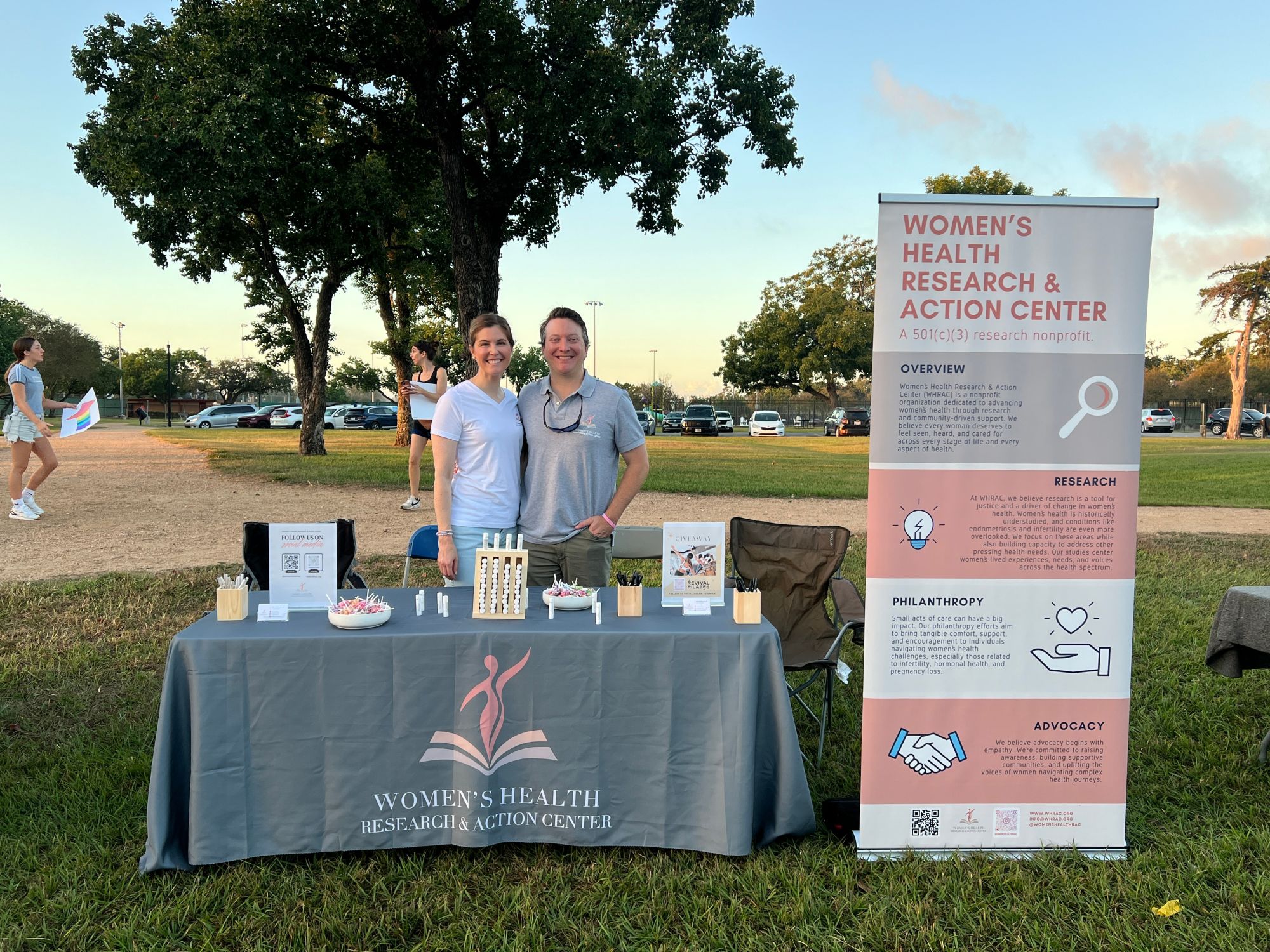
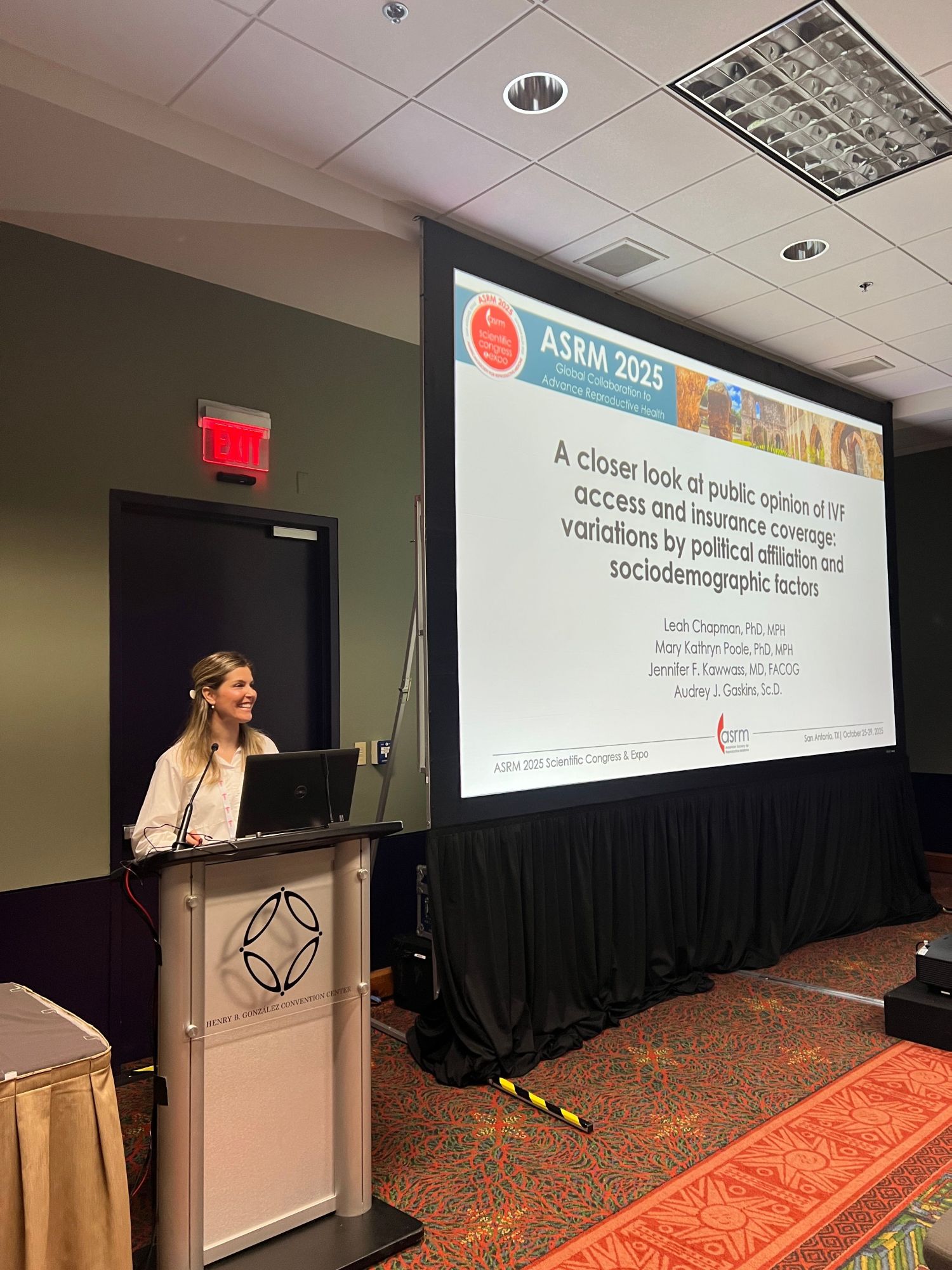
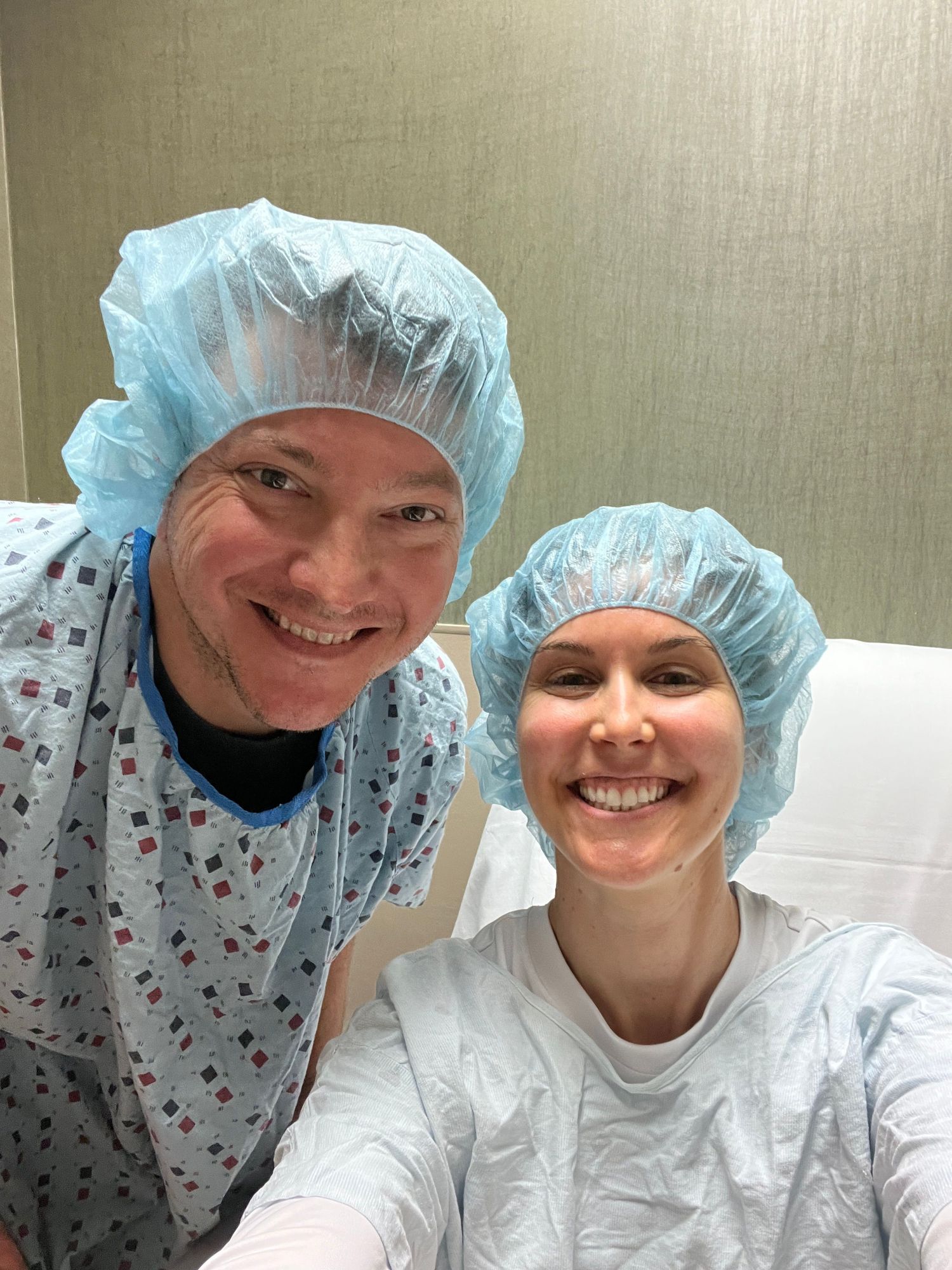
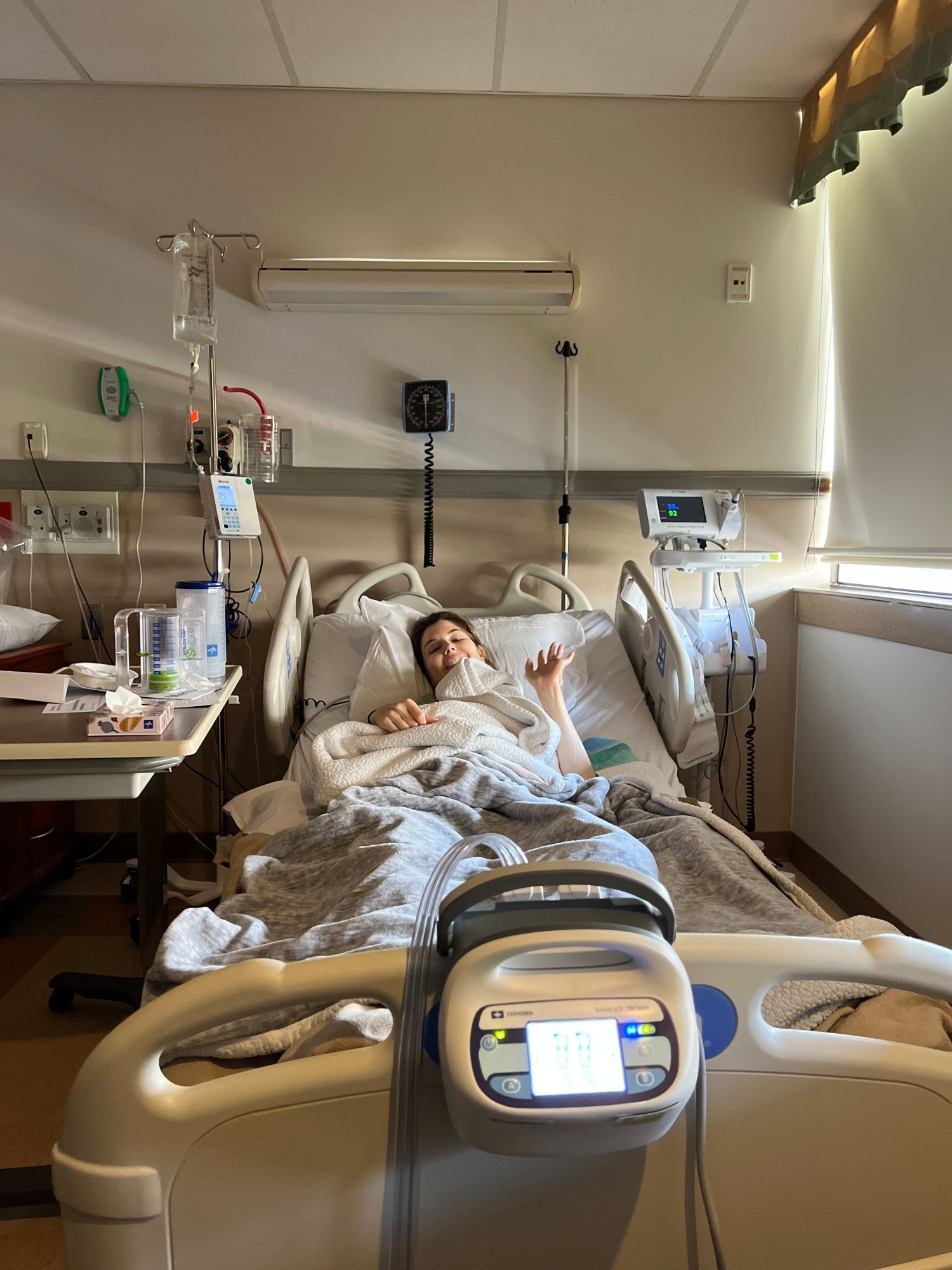
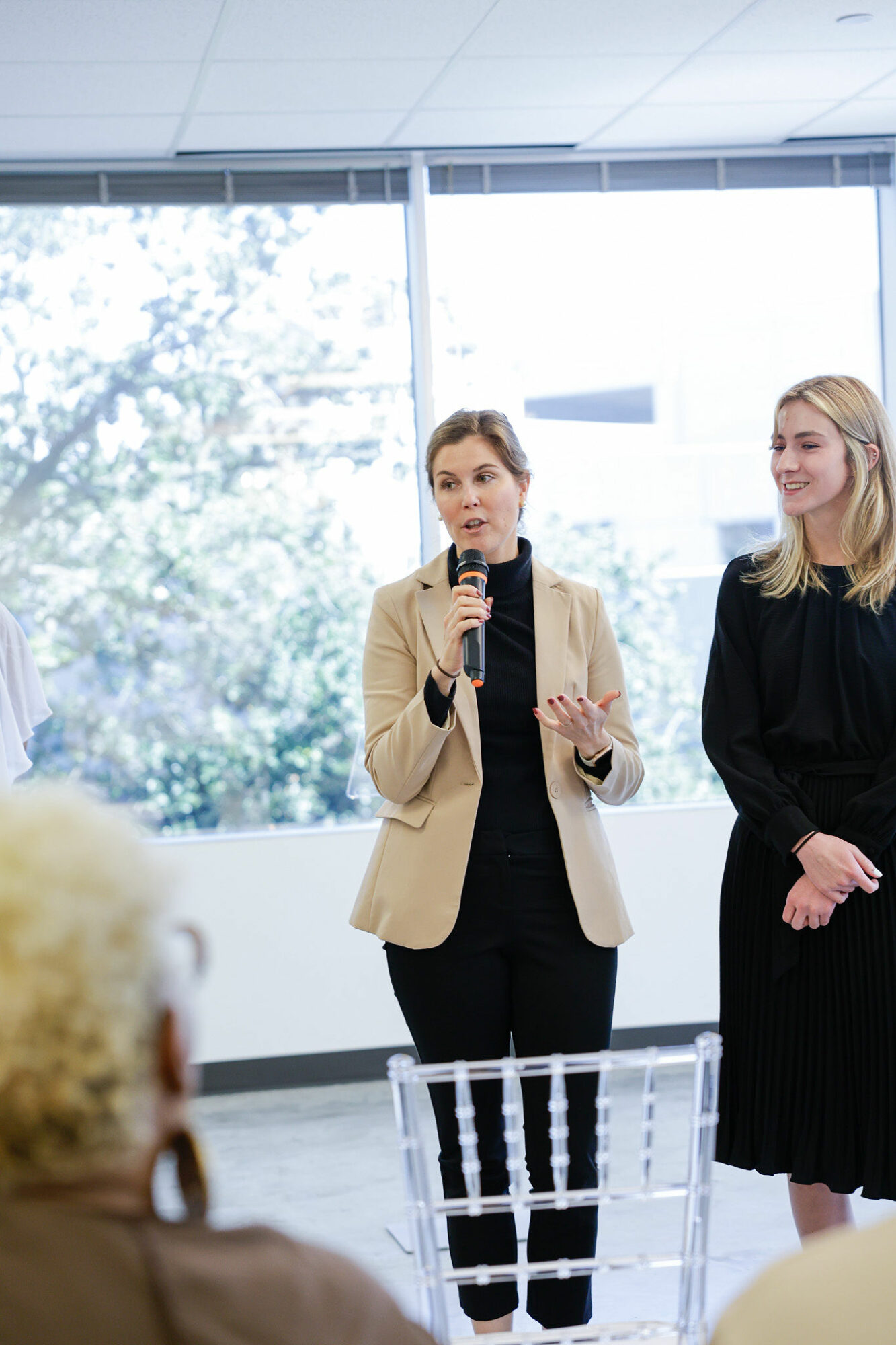
Image Credits
For the image of me in the tan jacket talking into the microphone, please credit: The People’s Paparazzii