





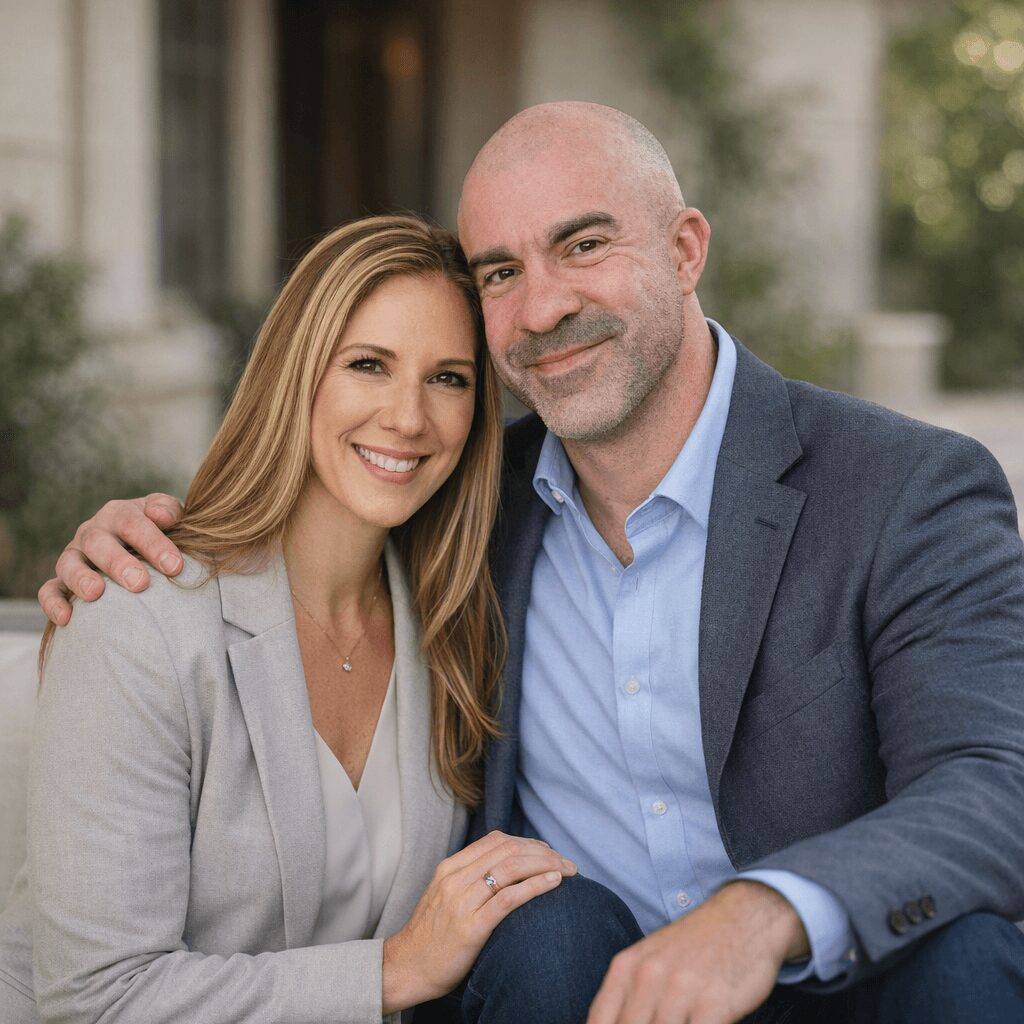
Today we’d like to introduce you to Mindy Jones.
Hi Mindy, we’re thrilled to have a chance to learn your story today. So, before we get into specifics, maybe you can briefly walk us through how you got to where you are today?
Becoming to Belong Counseling was born out of lived experience, both personal and professional.
For years, I (Mindy) worked with individuals and couples who were doing their best to “hold it together,” yet felt deeply disconnected from themselves, their partner, or their sense of direction. At the same time, my own life was moving through profound transitions—identity shifts, relational awakenings, and a reckoning with patterns that had been learned early and carried forward unconsciously into adulthood.
Through that process, I came to see something clearly: many people aren’t broken—they’re patterned. They’ve learned how to survive, adapt, and function, but often at the cost of their voice, clarity, and emotional safety. Healing wasn’t just about insight or coping skills; it required integration, understanding where those patterns came from and learning how to live differently from the inside out.
As a Licensed Professional Counselor Associate (LPC-A), my work is grounded in trauma-informed therapy, Internal Family Systems, attachment-based approaches, and relational pattern mapping. I help clients slow down, make sense of their internal world, and rebuild trust with themselves, especially after betrayal, chronic emotional strain, or long seasons of self-abandonment.
My husband and business partner, David’s path, developed alongside mine, but from a complementary angle. With a background in theology, leadership, and business, and years of experience coaching individuals and couples through decision-making, vision, and relational clarity, he consistently noticed where people felt stuck, not emotionally, but practically. They understood why something was happening, yet didn’t know how to move forward without repeating the same cycles.
Becoming to Belong was created at the intersection of those two needs.
Together, we offer a model that integrates clinical counseling and practical coaching, supporting both emotional healing and forward movement. In our work with couples and individuals, we focus on identifying childhood-to-adult patterns, clarifying relational dynamics, and helping people decide whether they are repairing, restructuring, or releasing what no longer fits.
Our work isn’t about fixing people or preserving relationships at all costs. It’s about helping people belong to themselves first, so their relationships, choices, and lives can be built from clarity rather than fear or obligation.
That’s how we got here. And it’s why we do the work the way we do.
We all face challenges, but looking back would you describe it as a relatively smooth road?
No, this has not been a smooth road. And in many ways, it wasn’t meant to be.
One of the biggest challenges has been unlearning what we were taught about success, relationships, and “doing things the right way.” Both personally and professionally, we had to confront inherited models that prioritized appearance, productivity, or stability over honesty, embodiment, and emotional truth. That process was uncomfortable and, at times, costly.
Professionally, building a practice that integrates counseling and coaching has required discernment and boundaries. We’ve had to be very intentional about roles, ethics, and scope—especially in a field that often prefers clear silos over integrated models. Learning how to honor clinical standards while also offering practical, forward-focused support took time, supervision, and refinement.
Relationally, working together as spouses brought its own challenges. It required learning how to separate personal dynamics from professional roles, how to disagree without undermining each other, and how to stay aligned while holding different perspectives. There were seasons where slowing down, recalibrating, or saying “not yet” was necessary, even when momentum was tempting.
There were also internal struggles—fear of visibility, fear of being misunderstood, and the temptation to either play it safe or over-explain ourselves. Choosing integrity over approval meant accepting that our work wouldn’t be for everyone.
What carried us through was a commitment to clarity, ongoing self-examination, and a shared belief that sustainable change doesn’t come from bypassing discomfort, it comes from learning how to stay present within it.
Those struggles didn’t derail the work. They shaped it.
As you know, we’re big fans of Becoming to Belong Counseling, PLLC. For our readers who might not be as familiar what can you tell them about the brand?
Becoming to Belong Counseling is a counseling and coaching practice built around integration—helping people understand themselves, their patterns, and their relationships so they can make clear, grounded decisions about their lives.
We work primarily with adults and couples who feel emotionally exhausted, relationally stuck, or internally divided. Many of our clients are high-functioning, thoughtful people who have spent years managing others, suppressing their own needs, or surviving complex relational dynamics. They aren’t looking for quick fixes—they’re looking for clarity, stability, and a way forward that actually fits who they are.
Our work specializes in:
— Childhood-to-adult pattern mapping – helping clients identify how early relational dynamics shaped current attachment styles, coping strategies, and conflict patterns.
— Trauma-informed individual counseling – particularly for those recovering from betrayal, chronic emotional strain, identity loss, or long seasons of self-abandonment.
— Couples work focused on discernment and repair – supporting couples in understanding whether they are rebuilding, restructuring, or releasing their relationship.
— Integrated counseling and coaching – addressing both emotional healing and practical decision-making without bypassing either.
What sets Becoming to Belong apart is our dual-facilitator model. As a licensed counselor, my role centers on emotional safety, nervous system regulation, attachment repair, and ethical clinical care. David’s role as a relationship and business life coach brings structure, clarity, and forward movement—helping clients translate insight into concrete action. This allows us to work with both the inner world and the lived reality of relationships, work, and life decisions.
We are also known for our relational integrity. We don’t push reconciliation, separation, or any predetermined outcome. Our focus is helping clients tell the truth, about themselves, their patterns, and their capacity, so decisions are made from clarity rather than fear, obligation, or pressure.
Brand-wise, what we are most proud of is that our work is steady, grounded, and respectful of complexity. We don’t sensationalize pain or oversimplify healing. We slow things down. We create space for discernment. We honor both emotional depth and practical responsibility.
What we want readers to know is this:
Becoming to Belong is not about becoming someone new, it’s about returning to yourself.
Our services, whether individual counseling, couples work, intensives, or coaching, are designed to help people belong to themselves first. From that place, relationships become clearer, decisions become steadier, and change becomes sustainable.
That is the heart of our brand and the work we offer.
Where we are in life is often partly because of others. Who/what else deserves credit for how your story turned out?
Becoming to Belong exists because it was never built in isolation.
For me (Mindy), this work was shaped as much by people who walked with me as by formal training. Some were mentors, some were supervisors, some were friends or colleagues, and many were clients who trusted me with their stories and allowed the work to deepen over time.
Professionally, I am deeply grateful for the clinicians and supervisors who modeled ethical, grounded, and client-centered care, especially those who emphasized slowing down, honoring complexity, and staying within relational integrity rather than rushing toward outcomes. Their guidance helped me develop a steady clinical foundation, particularly in trauma-informed work, attachment theory, and parts-based approaches.
There were also seasons where informal mentors mattered just as much—people who didn’t “teach” in traditional ways but helped me reclaim my voice, my discernment, and my confidence. Some supported me by asking better questions, some by holding honest mirrors, and some simply by staying present during periods of transition and uncertainty. Those relationships shaped how I now sit with clients, less as an expert with answers, and more as a grounded guide who respects each person’s pace and autonomy.
Our clients themselves deserve significant credit. Many came to us during moments of deep vulnerability, relational rupture, identity shifts, or major life decisions. Their courage to engage honestly, tolerate discomfort, and do the slow work of pattern recognition has refined our approach and clarified what actually helps. Much of what we now specialize in grew directly out of listening carefully to what clients needed rather than imposing a model onto them.
David’s journey has also been shaped by a wide and diverse community of mentors, through seminary, ministry leadership, and work across four continents. Those experiences gave him a global and relational lens, a respect for cultural context, and a capacity to help people think clearly in moments of pressure or transition. His mentors modeled leadership that balances conviction with humility, which continues to influence how we work with individuals and couples today.
Finally, we’re grateful for the quiet supporters, the friends, peers, and collaborators who encouraged us when the work was still forming, who believed in the vision before it had a name, and who reminded us to stay grounded, ethical, and human.
Becoming to Belong is the result of many hands, many voices, and many stories intersecting over time. We carry that with us in how we practice and how we lead.
Pricing:
- Individual Counseling w/ Mindy (50-min) – $130
- Individual Counseling & Coaching w/ Mindy & David (50-min) – $260
- Couples Counseling & Coaching w/ Mindy & David (90-min) – $300
- Marriage / Couples Intensives – Length and prices vary
- Relationship Retreat Weekends – Prices vary
Contact Info:
- Website: https://b2bcounseling.com
- Instagram: https://www.instagram.com/becoming2belong/
- Facebook: https://www.facebook.com/BecomingtoBelong
- LinkedIn: https://www.linkedin.com/company/b2bcounseling

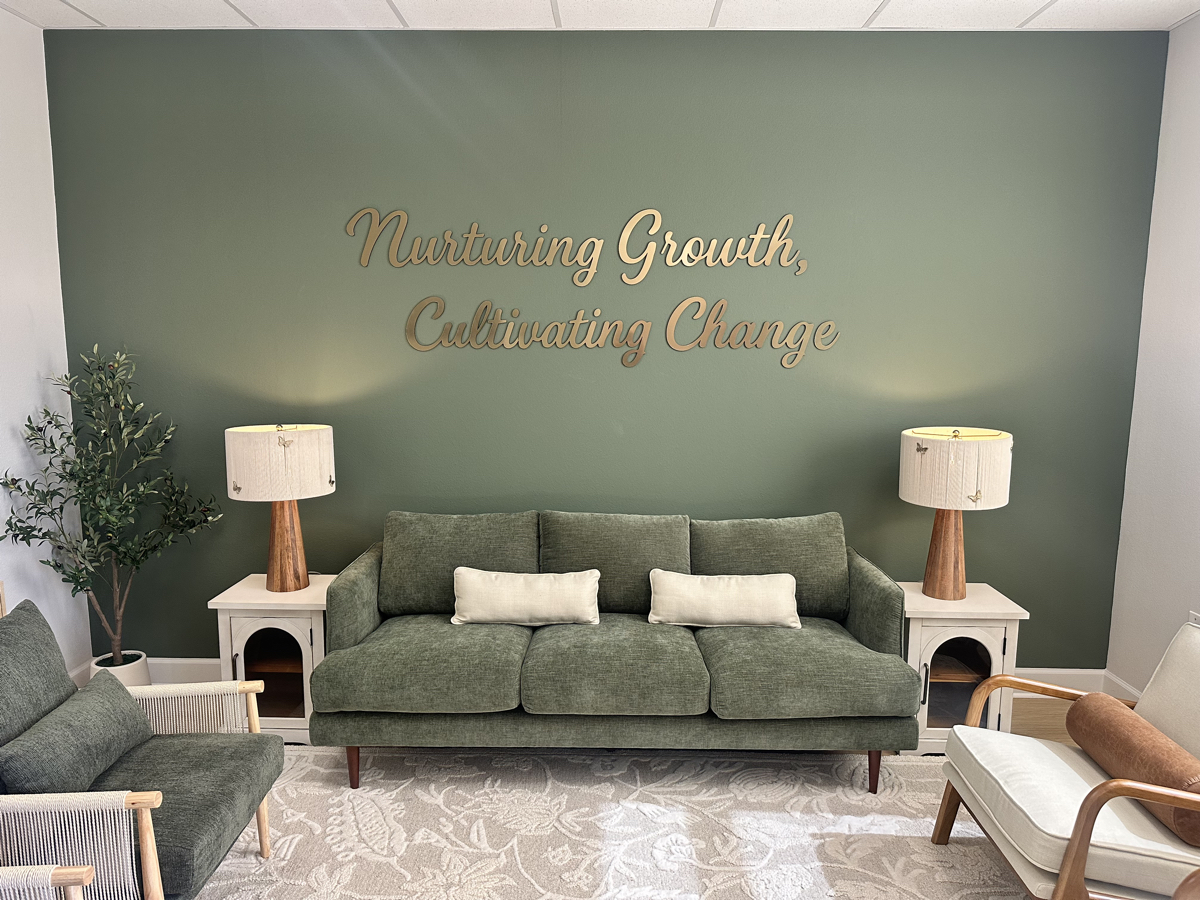
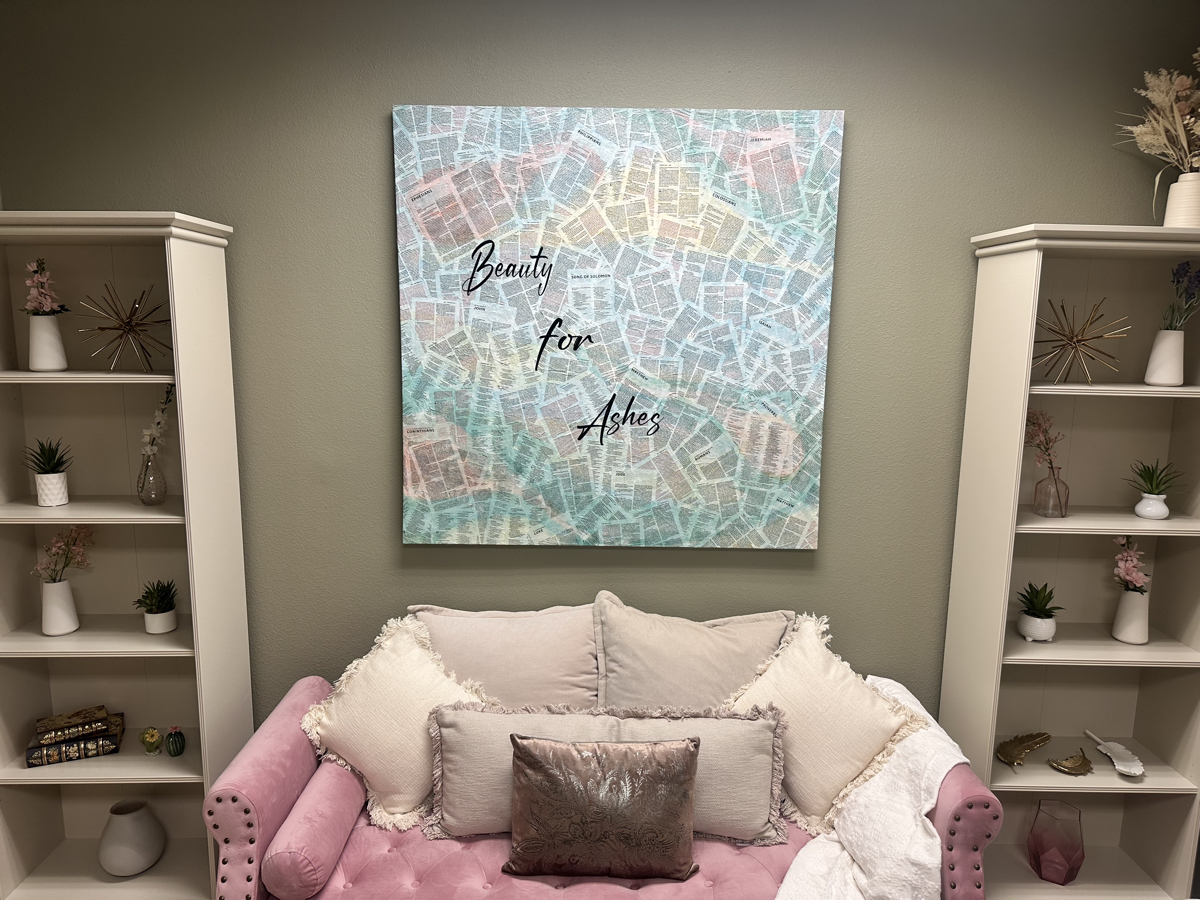
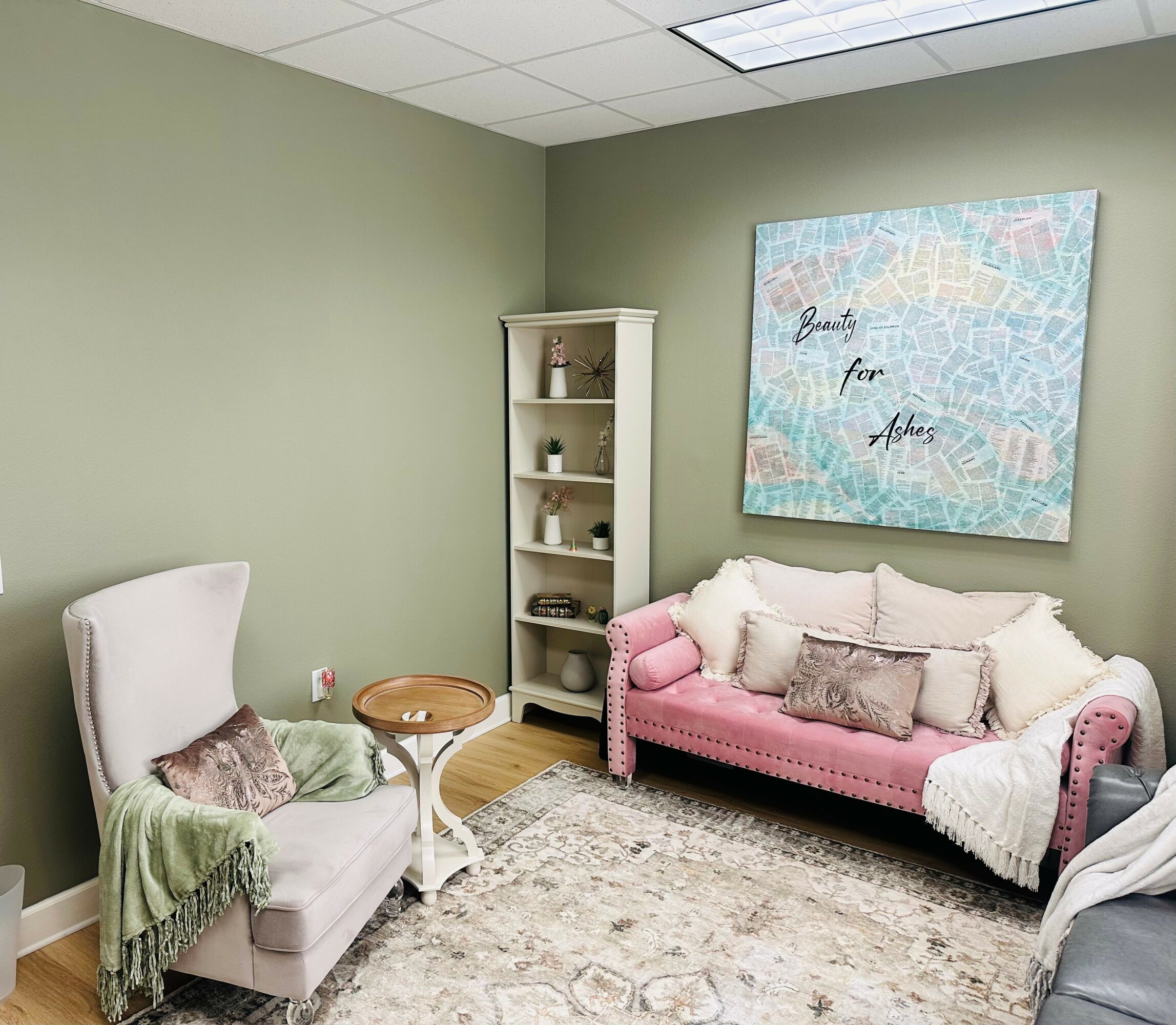
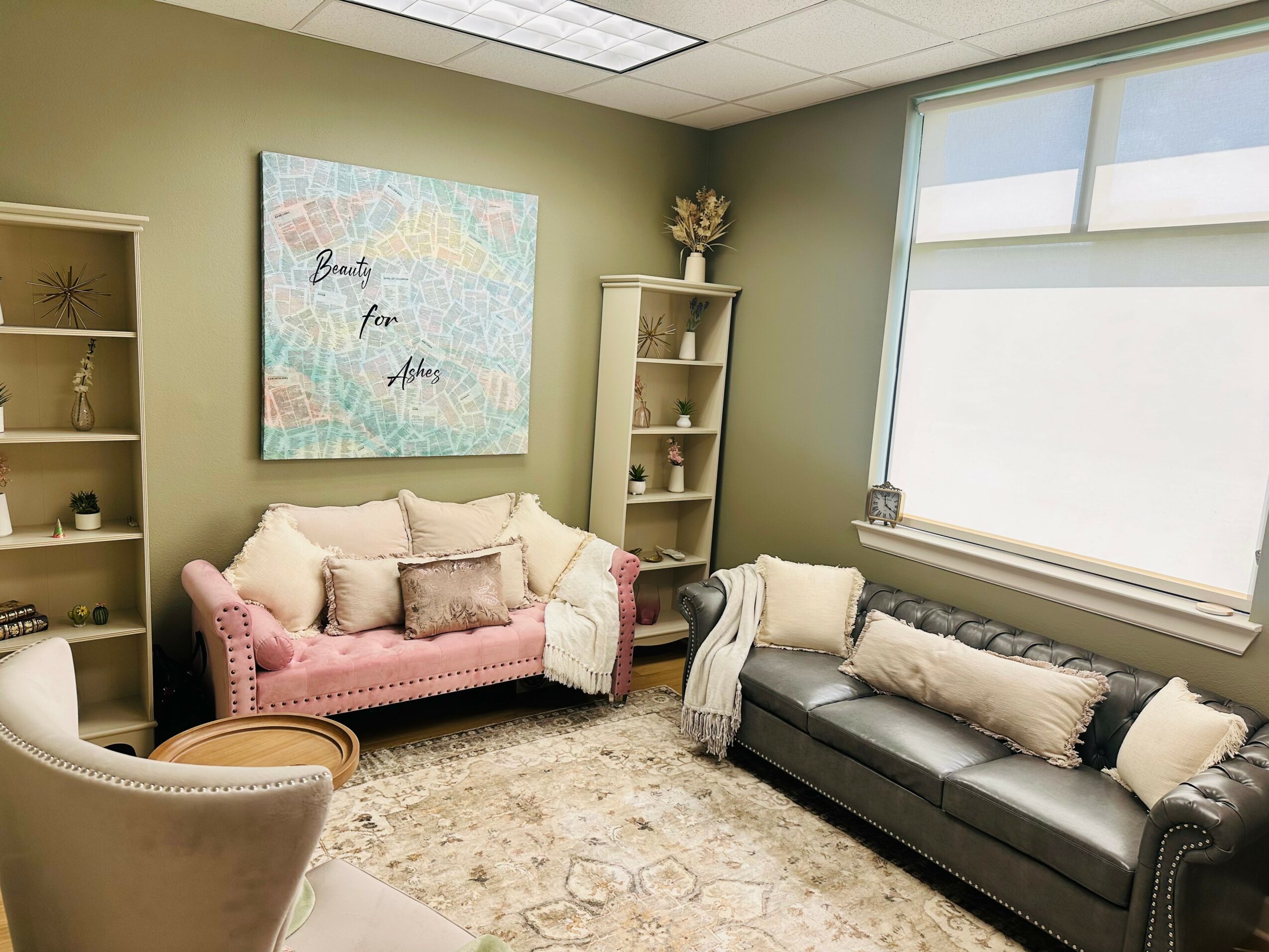
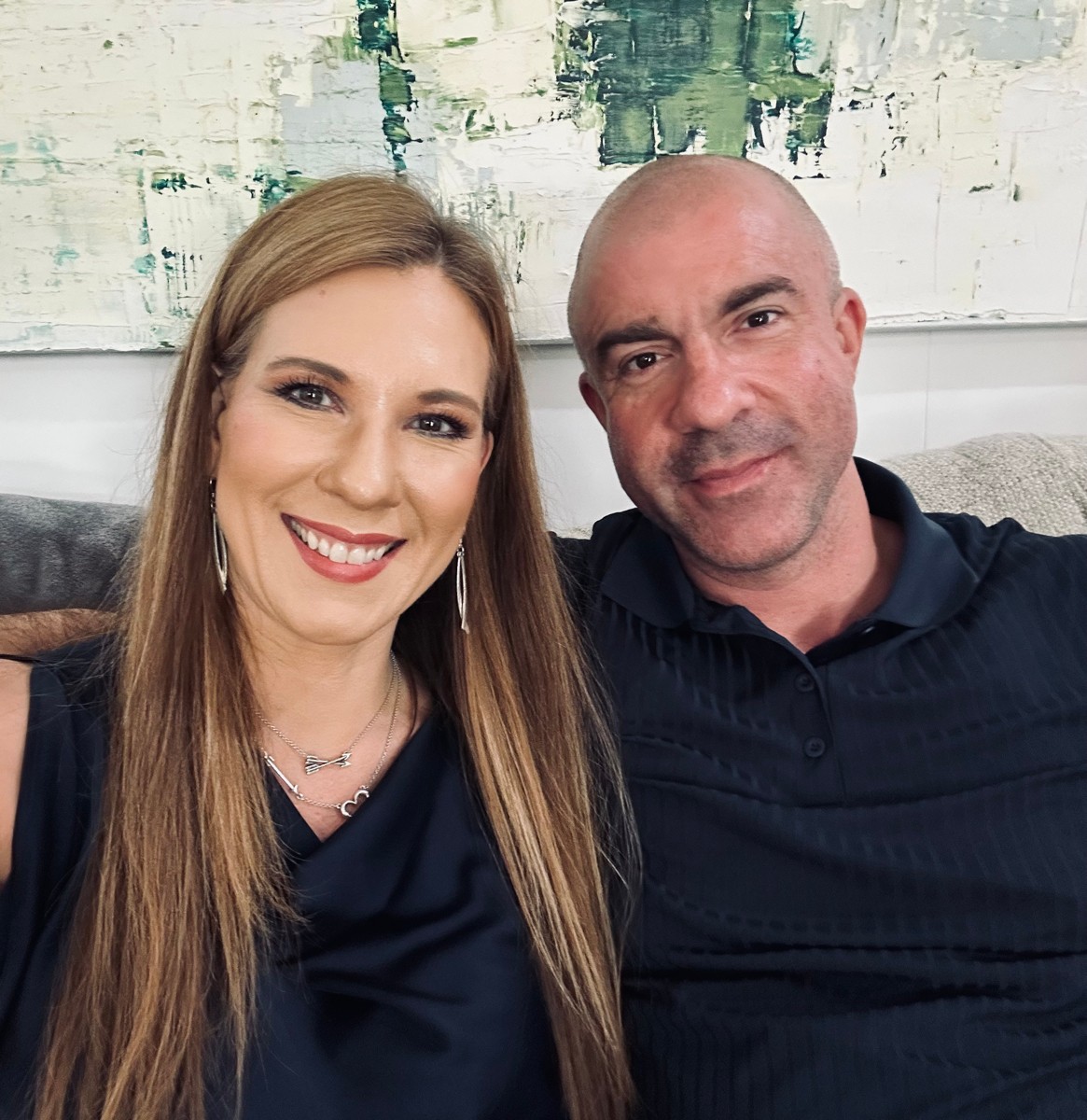
Image Credits
All images were taken by Mindy with or without a camera stand.