




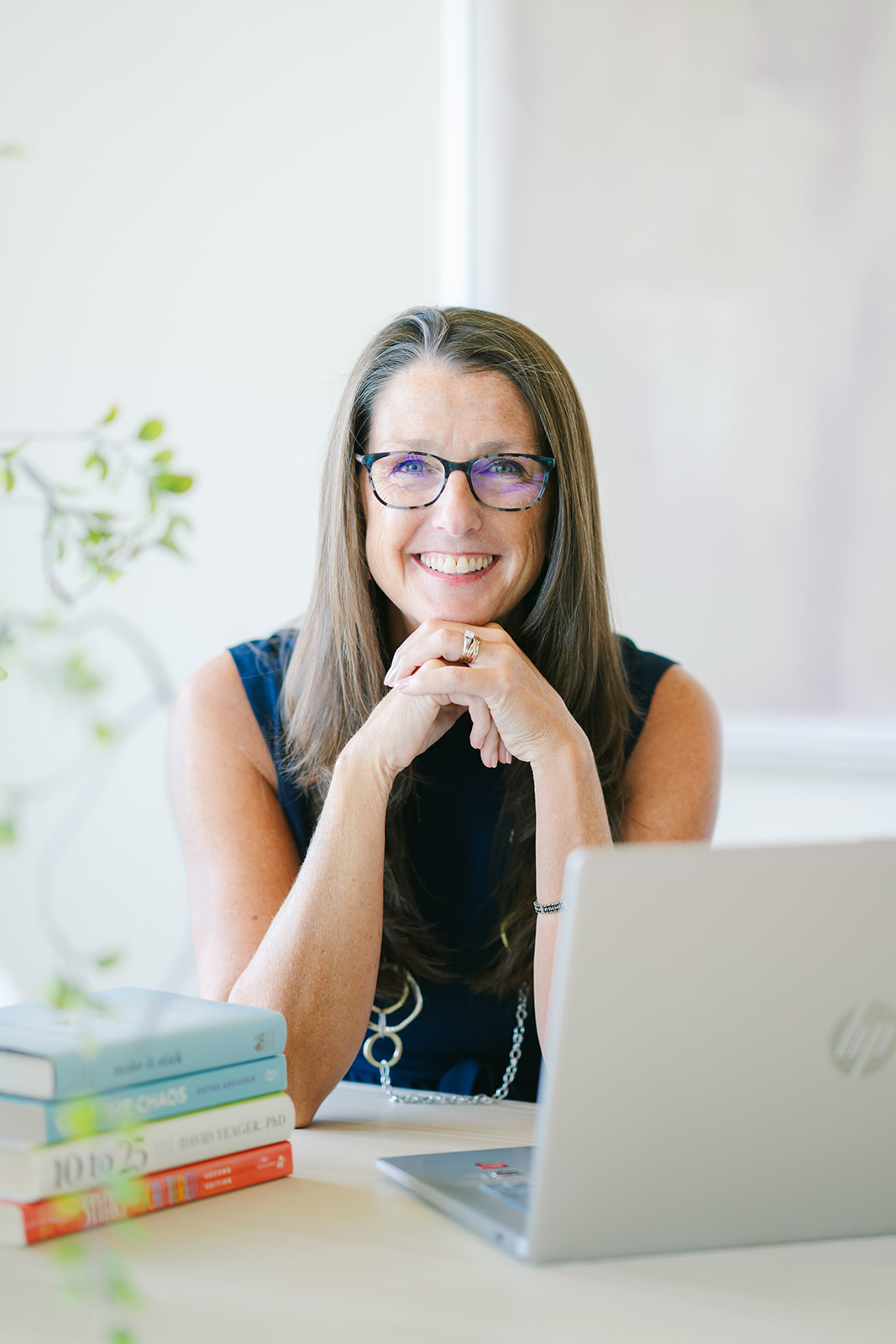
Today we’d like to introduce you to Robyn Dalberg.
Hi Robyn, please kick things off for us with an introduction to yourself and your story.
Absolutely, thank you for giving me the opportunity. I love to share my story. I didn’t arrive here through a straight line. My work today sits at the intersection of three roles I’ve lived deeply as a learner, an educator, and a parent.
I began my career as a speech-language pathologist, drawn early on to the “why” behind learning; why some students thrive in traditional environments while others, often just as capable, struggle to access and demonstrate what they know. That curiosity followed me into my role as a preschool director, where I saw how early experiences shape not just academic skills, but confidence and identity.
For a long time, though, these insights lived in separate lanes, my professional work, my personal experiences as a differently wired learner, and my perspective as a parent. It wasn’t until a cross-country move that those lanes finally converged.
That move created a refreshing pause, a moment to step back from the pace of daily life and see things more clearly. In that space, I began to recognize a pattern I couldn’t ignore; bright, capable students, including those I worked with and those in my own world, were struggling not because they lacked ability, but because they lacked support and/or environments that matched how their brains actually worked.
What I had understood in pieces suddenly came together with clarity. This wasn’t just something I cared about, it was something I was uniquely positioned to do something about. That realization led me to build my own coaching practice.
Today, I work with middle school, high school, and college students, many of whom are neurodivergent or navigating executive function challenges. My focus is not just on helping them get through school, but on helping them understand how they learn, build systems that work for them, and develop a sense of ownership and confidence in the process.
At the core of my work is a simple belief: these students don’t need fixing, they need translation, strategy, and support aligned with how their brains work. When that happens, everything shifts. We see not just improved performance, but greater independence, resilience, and self-trust.
Looking back, every step of my path has led me here. What once felt like separate experiences now feels like a clear and connected calling.
I’m sure it wasn’t obstacle-free, but would you say the journey has been fairly smooth so far?
It hasn’t been a smooth road, but the challenges weren’t about doubting the work itself. I trusted the value of what I was doing. The leap of faith came in stepping away from established roles and into building something of my own, without yet being established in a new community.
There’s a certain credibility that comes with being part of a school or an organization. When I stepped out of that moving to Texas and into private practice, I had to rebuild that sense of trust and visibility from the ground up. That meant putting myself out there in new ways, having conversations, and allowing the work to speak for itself over time.
At the same time, I was navigating the realities of building a business, creating structure, managing logistics, and growing something sustainable, all while staying deeply present for the students and families I serve. Like many of my students, I had to rely on systems, flexibility, and forward momentum even when things didn’t feel fully settled.
On a personal level, this work also brings reflection. Supporting students with executive function and attention challenges has deepened my understanding of my own experiences as a learner and a parent. That awareness has been powerful, and at times uncomfortable, but it’s also what allows me to connect with families in a more authentic and meaningful way.
There have also been challenges in helping others understand this kind of work. Executive function coaching is still an evolving space, and part of the journey has been educating families and navigating systems that don’t always align with how students learn best.
But each of these challenges has reinforced the same thing: this work matters. So, while the path hasn’t been linear or easy, it has been clear, and that clarity has made it possible to keep moving forward, even in the uncertainty.
As you know, we’re big fans of eFUNction Academy. For our readers who might not be as familiar what can you tell them about the brand?
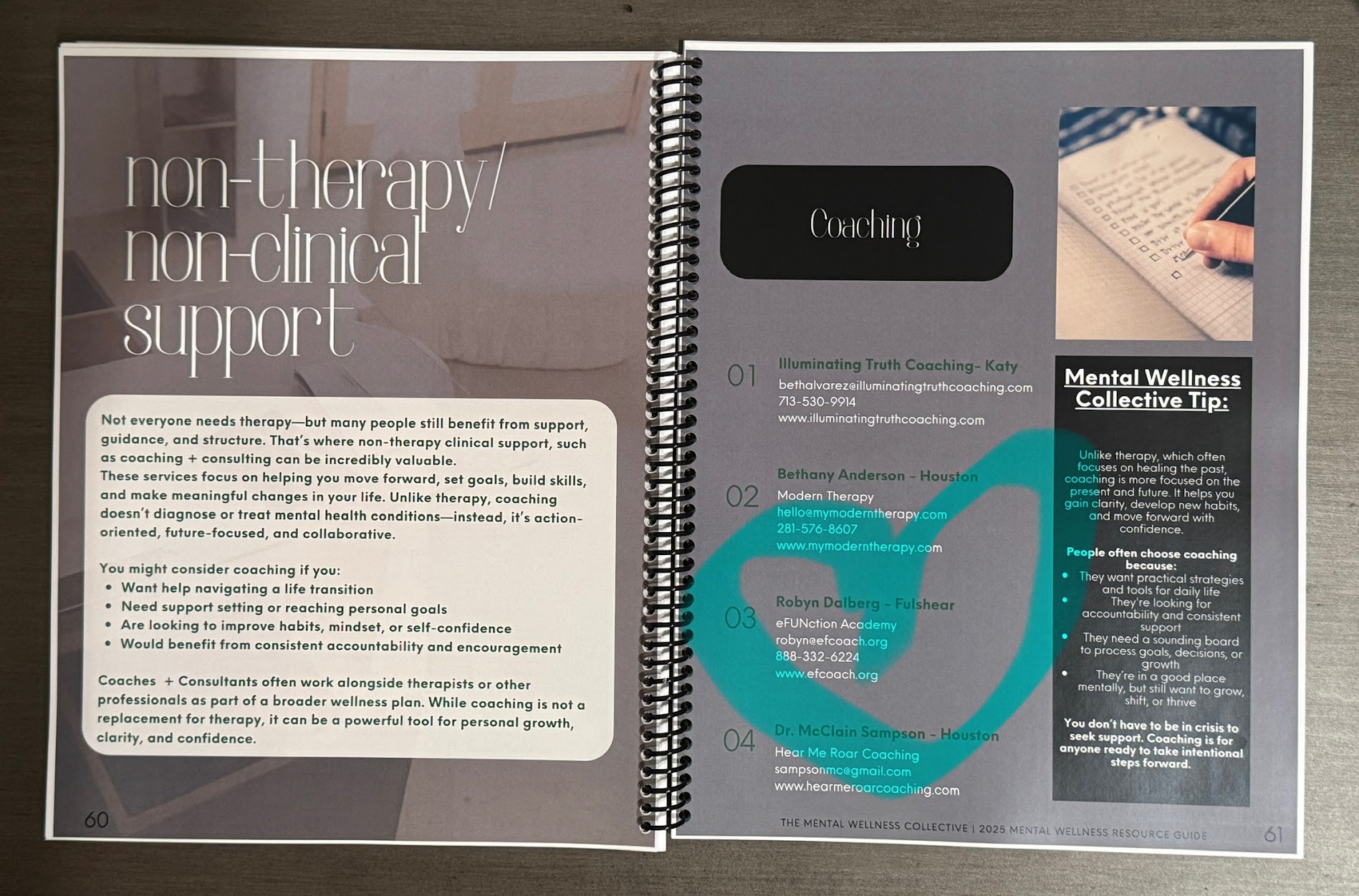
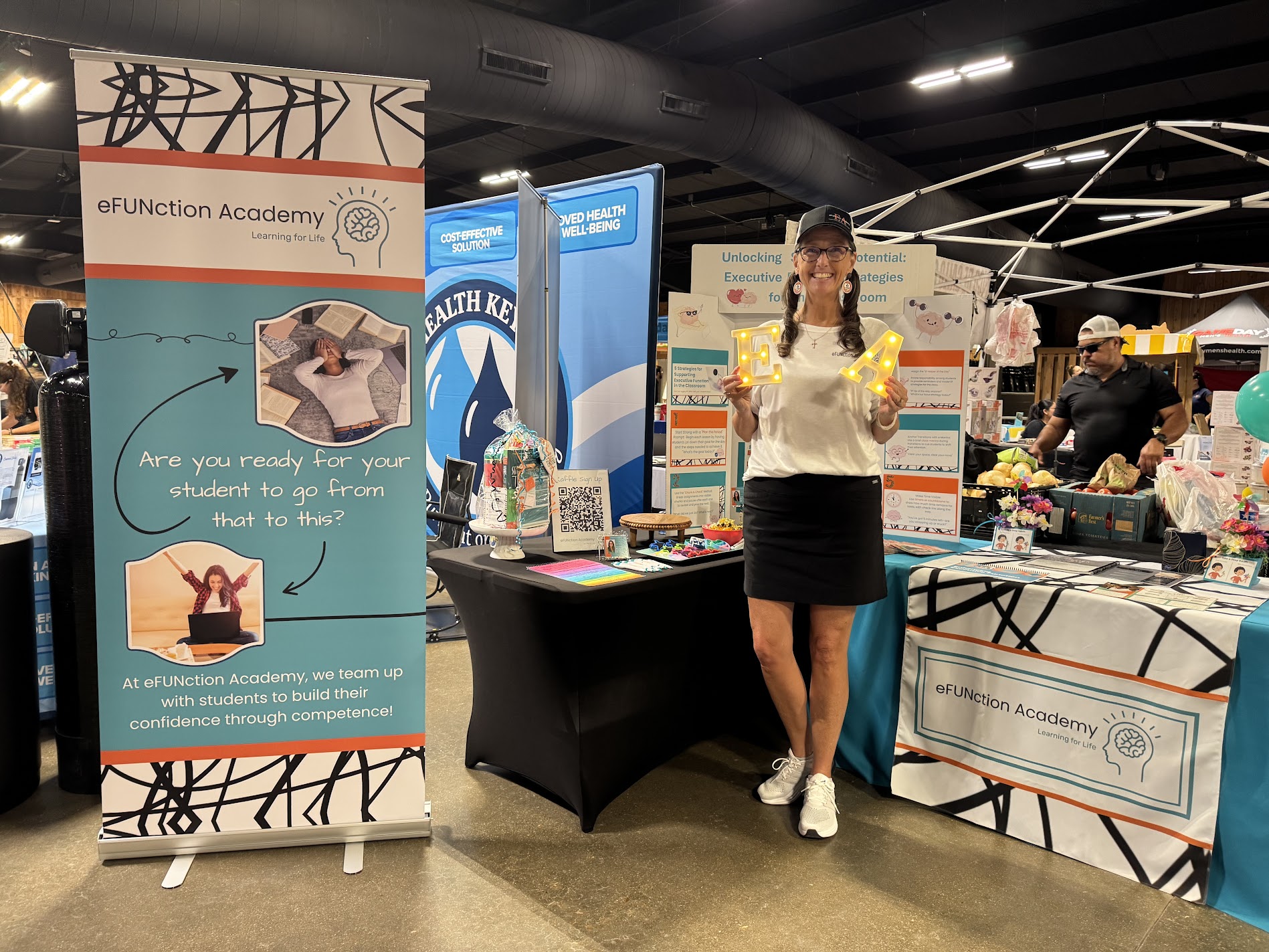
I am the founder of eFUNction Academy, an executive function coaching practice focused on supporting middle school, high school, and college students, many of whom have ADHD or are navigating executive function challenges.
At its core, this work is about helping students understand how they learn and building systems that actually work for them. While grades and academic outcomes often improve, what I focus on most is helping students develop independence, confidence, and the ability to follow through. That “accountability + independence” piece is where we see the most meaningful, lasting growth.
What sets my work apart is the combination of professional training and lived experience. As a speech-language pathologist, former school leader, parent, and someone who understands these challenges personally, I bring both strategy and empathy to the table. I’m not just teaching skills, I’m translating expectations, breaking down overwhelm, and helping students build realistic, sustainable approaches to their work.
A big part of that is what I call the Fuel the Fun mindset. FUN isn’t about making everything entertaining, it’s about helping students Focus on what matters, Understand the steps, and Notice what’s working. Fuel is the underlying mindset that supports consistency, flexibility, and follow-through, even when things feel challenging. Together, this gives students a way to approach their work that feels structured but also doable.
I’m deeply committed to making this work accessible and engaging. We use shared language and practical frameworks so students don’t just “do better” in sessions but leave with tools they can actually use in real time.
What I’m most proud of is the trust I’ve build with students and families. Many of the students I work with come in feeling frustrated, stuck, or misunderstood. Watching that shift, when a student starts to see themselves differently, takes ownership, and begins to advocate for what they need, is incredibly meaningful.
I want readers to understand that this work isn’t about fixing students. It’s about meeting them where they are, understanding how their brains work, and giving them the tools and support to move forward with confidence.
Let’s talk about our city – what do you love? What do you not love?
We’re based in Fulshear, just west of Houston, and it really feels like the best of both worlds. Fulshear has that small-town charm with genuine Southern hospitality and is one of the fastest-growing cities in the country, which has been interesting to watch unfold.
At the same time, we’re close enough to Houston to enjoy everything the city has to offer. The food scene alone is incredible, if you love to eat, Houston truly delivers. We also love the arts scene and try to make time for theater and performances when we can.
Day to day, though, I tend to stay closer to home. I really appreciate the pace out here, the space, the sense of community, and the sunshine. I often say, “summer in the winter is my favorite season,” and it really captures how much I enjoy the warmth and light here, especially in the middle of January.
If I had to name a “least favorite,” it would simply be the growing pains that come with being one of the fastest-growing areas in the nation. Things are expanding quickly, which is exciting, but it also means traffic, construction, and a bit of constant change. That said, it still feels like a trade-off I’m happy to make for the energy and opportunity that comes with it.
Contact Info:
- Website: https://www.efcoach.org
- Instagram: https://www.instagram.com/efcoachrobyn/
- Facebook: https://www.facebook.com/profile.php?id=61557159430349
- LinkedIn: https://www.linkedin.com/in/robyn-dalberg-95669b321