



We recently had the chance to connect with Juan C. Torres and have shared our conversation below.
Hi Juan C. Torres, thank you so much for taking time out of your busy day to share your story, experiences and insights with our readers. Let’s jump right in with an interesting one: What is a normal day like for you right now?
A normal day for me is quite structured. I usually start early, reviewing ongoing projects and organizing my studio work. A large part of my day is dedicated to CREATE and developing ideas, but I also spend time researching, documenting my process, and planning future projects.
Beyond the studio, I handle the professional side of my practice: managing commissions, communicating with clients and institutions, updating my portfolio, and working on cultural or spatial projects that connect art with design and architecture.
I try to keep a balance between creation and management. For me, being an artist today means not only producing work, but also building a sustainable practice that allows the work to grow and reach different audiences.
Can you briefly introduce yourself and share what makes you or your brand unique?
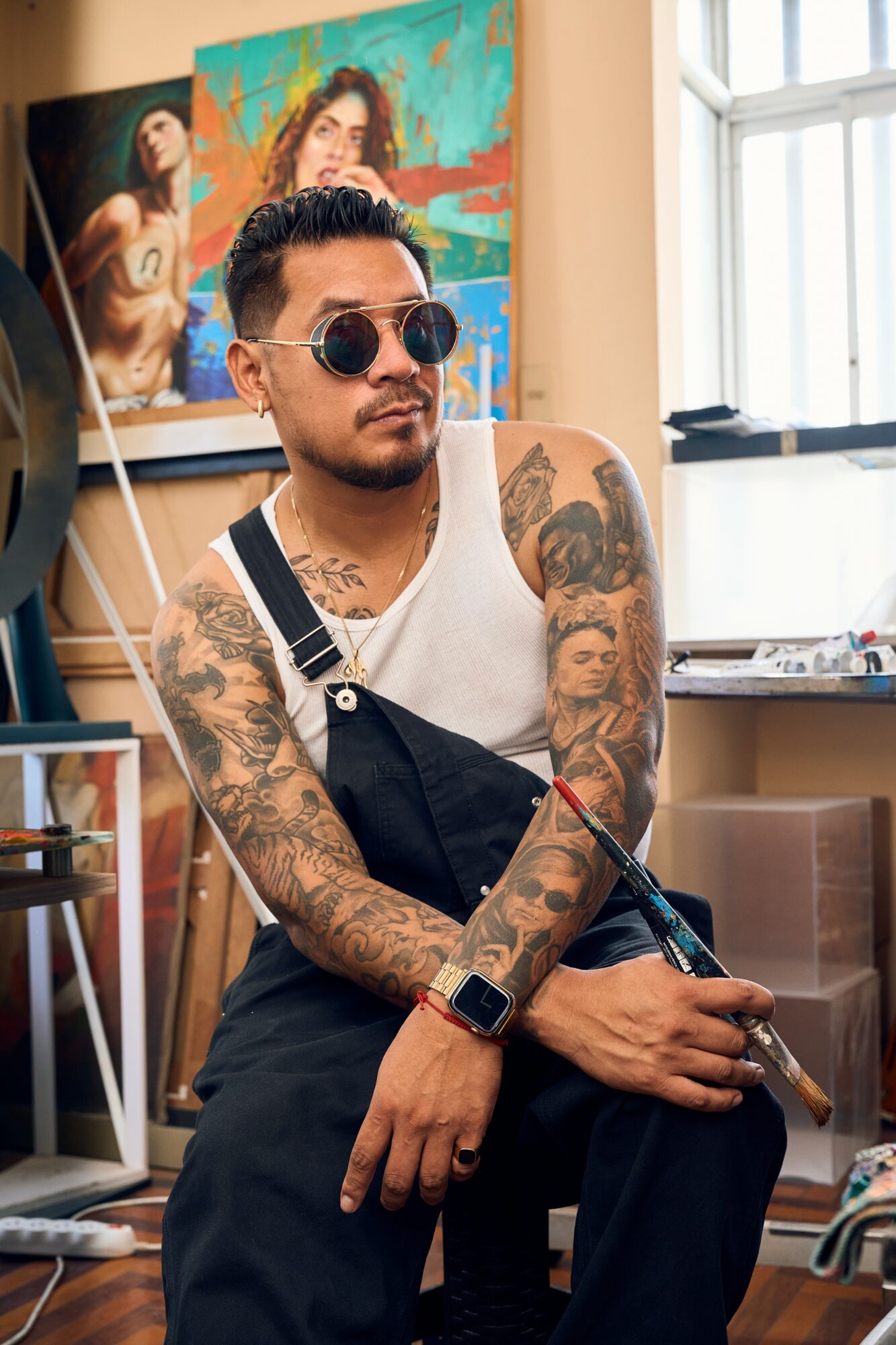
My name is Juan Carlos Torres del Águila. I am a Peruvian ,contemporary artist and designer whose practice is rooted in painting but extends into spatial, architectural, and cultural contexts. My work explores color, materiality, and composition as tools to create dialogue between art, space, and human experience.
Beyond the studio, I have developed my practice as a cultural brand—one that understands art not only as expression, but as a professional and sustainable creative industry. Through exhibitions, commissions, and interdisciplinary projects, I aim to connect fine art with design, architecture, and the public realm.
What makes my work distinctive is this balance between artistic rigor and strategic vision. I am currently focused on expanding my body of work while developing projects that position art as an active element within contemporary cultural and spatial environments.
Thanks for sharing that. Would love to go back in time and hear about how your past might have impacted who you are today. What was your earliest memory of feeling powerful?
My earliest memory of feeling powerful was realizing that I could transform an idea into something tangible. As a child, drawing and painting gave me a sense of control and clarity—through simple lines and colors, I could create my own world and communicate without words.
That experience stayed with me. Over time, that initial feeling of power evolved into understanding that art is not only about self-expression, but about shaping perception and creating meaning. For me, that was the first moment I understood that creativity could be a form of agency.
Was there ever a time you almost gave up?
Yes, there were moments early in my career when I seriously questioned whether continuing was sustainable. Like many artists, I faced periods of uncertainty—financial pressure, limited visibility, and the challenge of staying committed to a long-term vision without immediate results.
What kept me going was the understanding that art is not a short-term decision but a lifelong practice. Those moments forced me to become more disciplined, to professionalize my work, and to think strategically about how to build a sustainable artistic path. In retrospect, those challenges were not breaking points, but turning points.
Alright, so if you are open to it, let’s explore some philosophical questions that touch on your values and worldview. Is the public version of you the real you?
The public version of me is real, but it is curated. What people see is a focused and intentional expression of who I am as an artist. It reflects my values, my discipline, and my commitment to the work, but it does not capture every private doubt or personal moment.
I believe authenticity does not require complete exposure. For me, being real means being honest in the work and consistent in how I present it. The public version is not a performance; it is a distilled version of my identity, shaped to communicate clearly and responsibly with the world
Okay, we’ve made it essentially to the end. One last question before you go. If you retired tomorrow, what would your customers miss most?
I think they would miss the clarity of vision and the level of commitment I bring to every project. My clients value not just the final artwork, but the process—how ideas are developed thoughtfully, how space and context are considered, and how each piece is created with intention rather than repetition.
They would also miss the dialogue. I work closely with collectors, institutions, and collaborators to ensure that each work has meaning, coherence, and long-term relevance. What they would miss most is not a single style, but a way of working that combines artistic rigor with reliability and trust.
Contact Info:
- Website: https://www.juanctorres.com
- Instagram: @juancarlostorres01
- Facebook: juan carlos torres del aguila
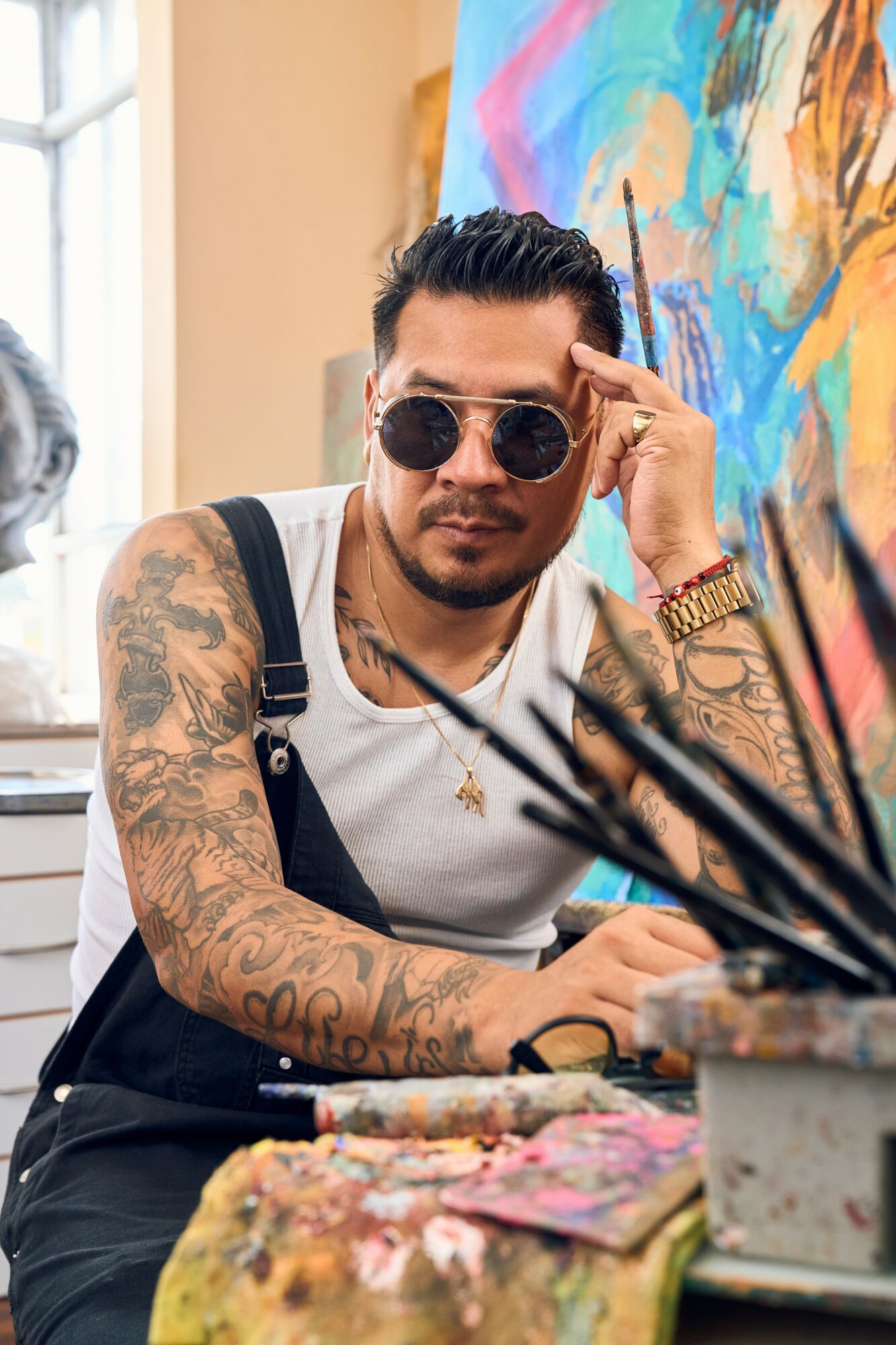
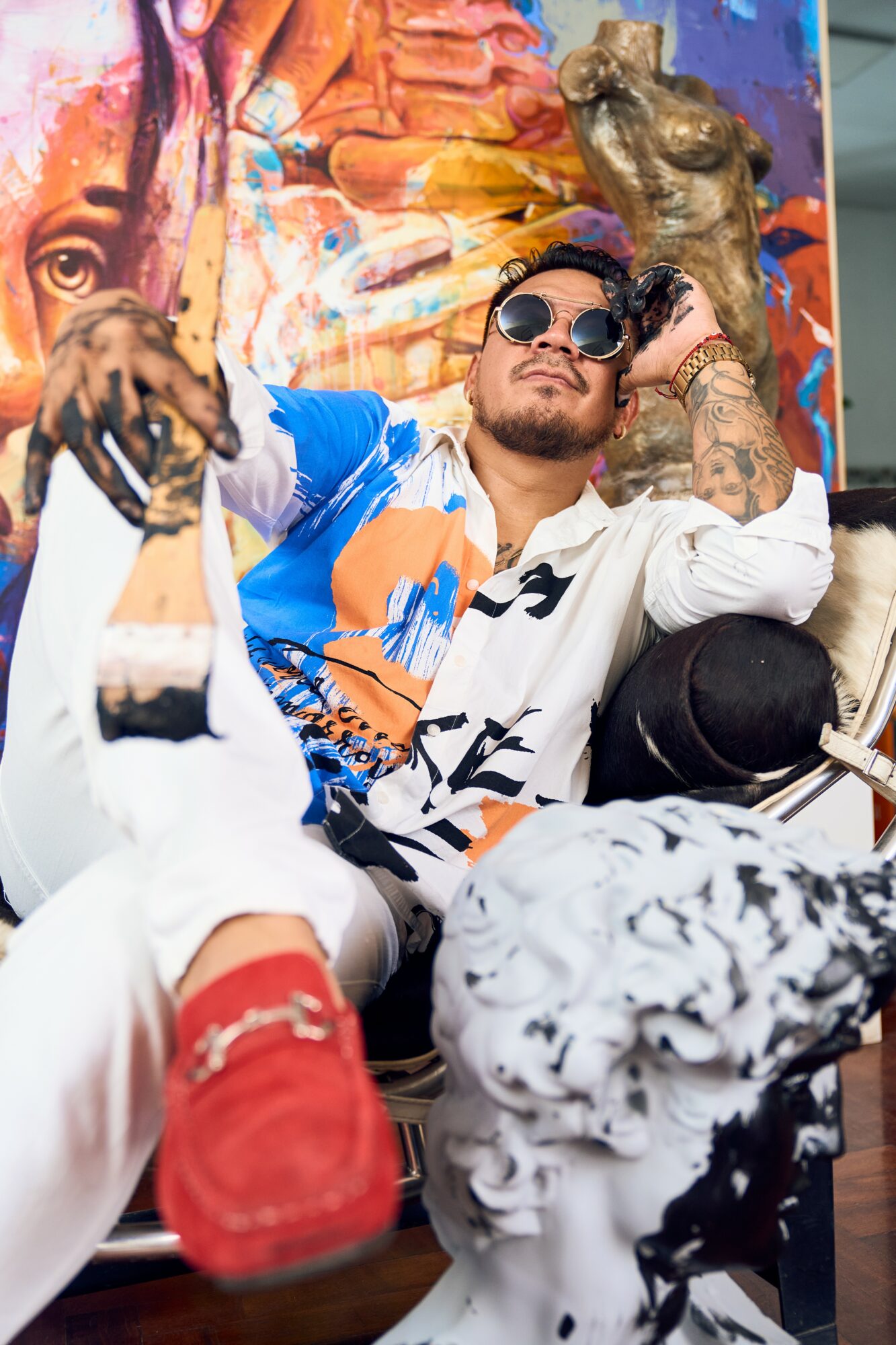
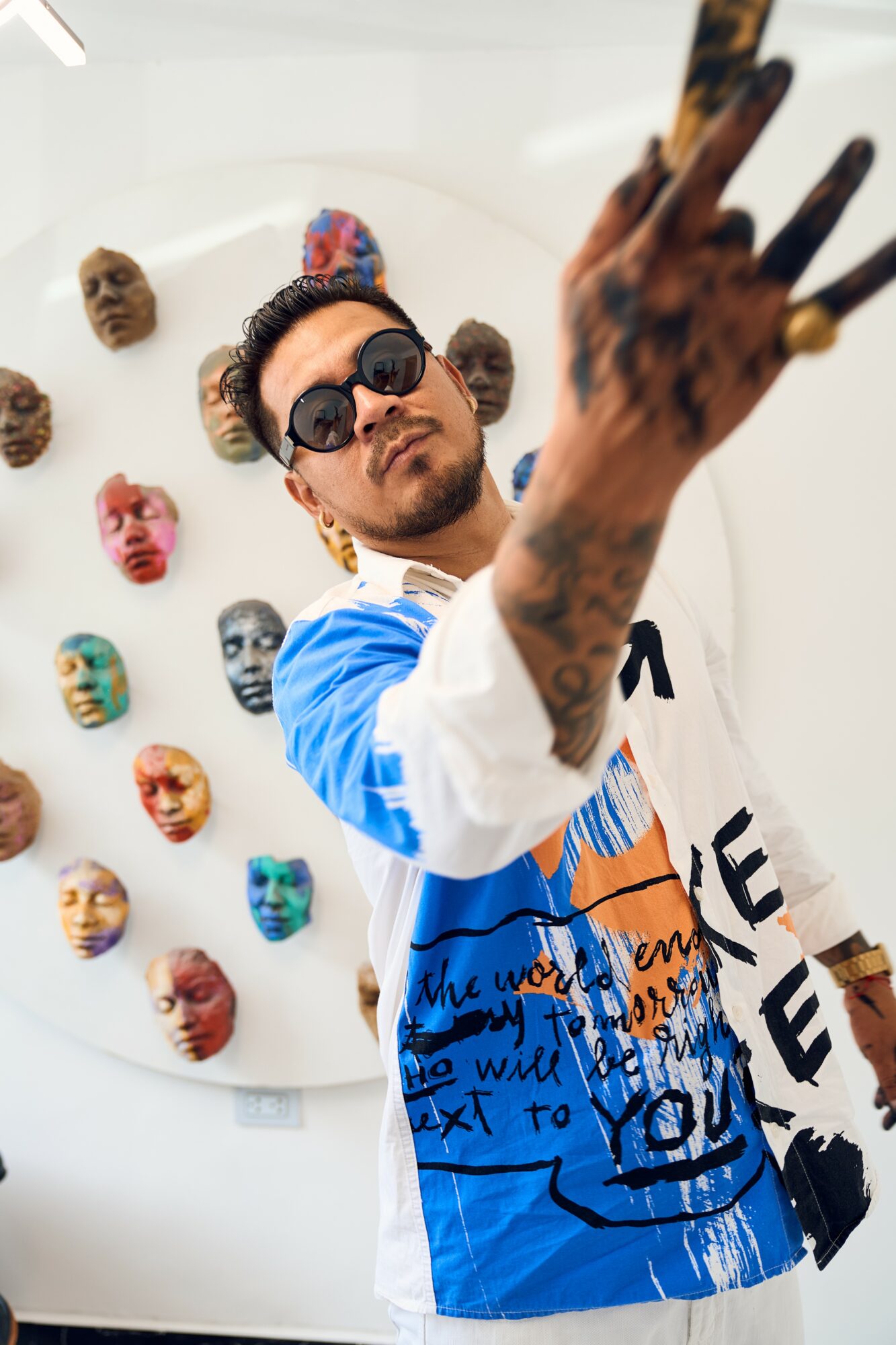
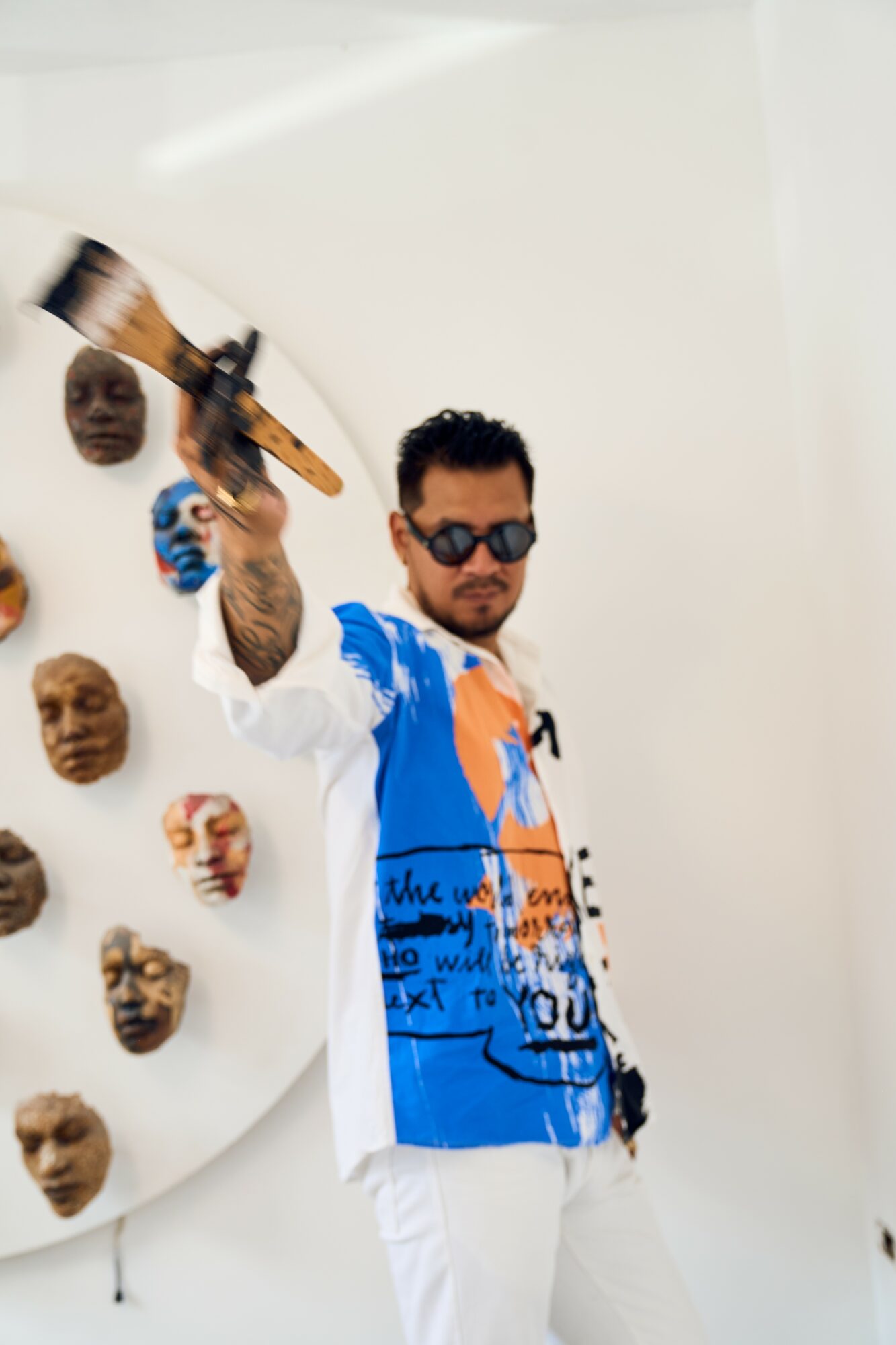
Image Credits
Jose Rojas Bashe – photographer