



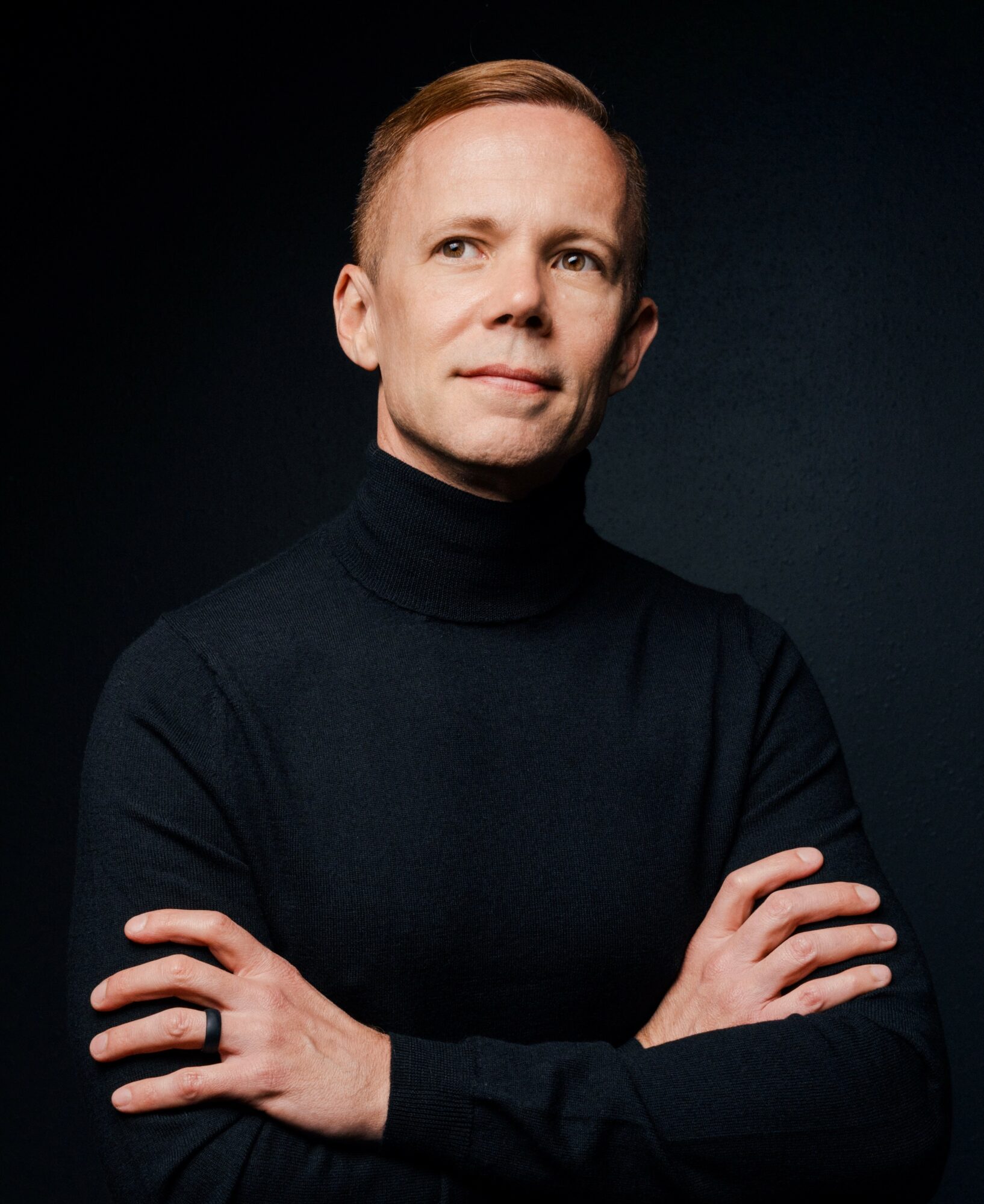
We recently had the chance to connect with Matthew Kent Everett and have shared our conversation below.
Matthew Kent, it’s always a pleasure to learn from you and your journey. Let’s start with a bit of a warmup: What do the first 90 minutes of your day look like?
For me, mornings are very important. The choices I make during the first couple of hours of the day often determine how the remainder of the day is going to go. So, I typically get up at around 4:45 or 5 am. I make coffee, feed the dogs, read a devotion and then I usually do some type of workout – yoga, cardio of some type and/or strength training. I find that, if I don’t do my workout early, I’m likely to skip it for the day. After this, I have what I call my “zen” time. If the weather is good, I usually walk for 2-3 miles and I meditate and pray, starting with a litany of gratitude. Doing these things help prepare me for whatever I may encounter throughout the day. They help me think clearly and respond thoughtfully.
Can you briefly introduce yourself and share what makes you or your brand unique?
I’m a pianist, composer, and arts advocate. I serve as the Artistic Director of The Woodlands Diversion, a nonprofit arts organization, which was founded to create meaningful, immersive musical experiences rooted in community. The organization reflects my own mission as an artist: to use music as a bridge between people, cultures, and ideas, and to make high-level artistic work feel accessible, human, and relevant.
What makes The Woodlands Diversion unique is our focus on connection over convention. We blend classical and contemporary music, highlight underrepresented voices, and bring together professional artists, young musicians, and community partners in collaborative ways that dissolve hierarchy and emphasize shared experience. For me, art carries a responsibility to respond to the world we live in and to create spaces where empathy and understanding can grow. The Woodlands Diversion is the clearest expression of why I make music and how I hope it can serve others.
Appreciate your sharing that. Let’s talk about your life, growing up and some of topics and learnings around that. What breaks the bonds between people—and what restores them?
What breaks the bonds between people is disconnection, when listening gives way to assumption and difference is met with fear instead of curiosity. Too often, the speed of modern life leaves no space to slow down and reflect. We’re surrounded by noise, but we often lack shared experiences that invite us to slow down and really see one another.
Connection is what restores those bonds. Shared moments where people gather without agenda, listen together, and experience something that reminds them of their common humanity. That’s where the arts become powerful, not as entertainment, but as a space for reflection and empathy. Our Creative Team and I try to create those spaces intentionally, where people from different backgrounds sit in the same room, hear the same sounds, and leave feeling a little more connected than when they arrived.
What have been the defining wounds of your life—and how have you healed them?
One of the defining wounds of my life came from growing up queer in a deeply conservative Christian culture where I was taught (explicitly and implicitly) that who I was was not acceptable, and that love and belonging were conditional on changing myself. Living under that message for years created profound shame and internal conflict, and there came a point where I had to reject that ideology entirely. Quite simply, accepting it any longer felt incompatible with survival.
Healing has been a long and ongoing process. After years of struggle that eventually led to addiction, I found my way into recovery, and for nearly a decade I’ve been doing the work of reconciling my sexuality with my faith and my sense of self. Through that journey, I’ve come to know, not just believe, that God loves me and has never abandoned me, nor ever will; that truth has been revealed to me again and again through lived experience. But, the healing hasn’t only happened in solitude. Much of my healing has also come through community, sharing life with others who have faced similar wounds and have also found hope, restoration, and belonging. That journey has shaped not only who I am, but how I try to show up for others.
I think our readers would appreciate hearing more about your values and what you think matters in life and career, etc. So our next question is along those lines. Is the public version of you the real you?
Yes. It has to be. I believe that, for me, there is no other way to be. Recovery has taught me that my well-being depends on being honest about who I am, in all places and with all people. I don’t have the option of maintaining a public version and a private version of myself; healing requires integrity, and integrity requires consistency.
Okay, we’ve made it essentially to the end. One last question before you go. What is the story you hope people tell about you when you’re gone?
I hope people say that I lived with integrity and honesty, and that I tried to be the same person in all parts of my life. I hope they remember that my work invited them to feel, notice, or care about something they hadn’t before…and that I believed art could be a way of honoring people simply because they are people.
At the heart of it, I hope the story is that I helped people recognize their own significance, and that I believed beauty and care belong everywhere. Whether in a concert hall or a nursing home, my work is rooted in the belief that art can restore dignity, foster connection, and remind us of our shared humanity.
Contact Info:
- Website: https://thewoodlandsdiversion.org
- Instagram: https://www.instagram.com/thewoodlandsdiversion/
- Facebook: https://www.facebook.com/thewoodlandsdiversion/
- Youtube: https://www.youtube.com/@matthewkenteverett6859
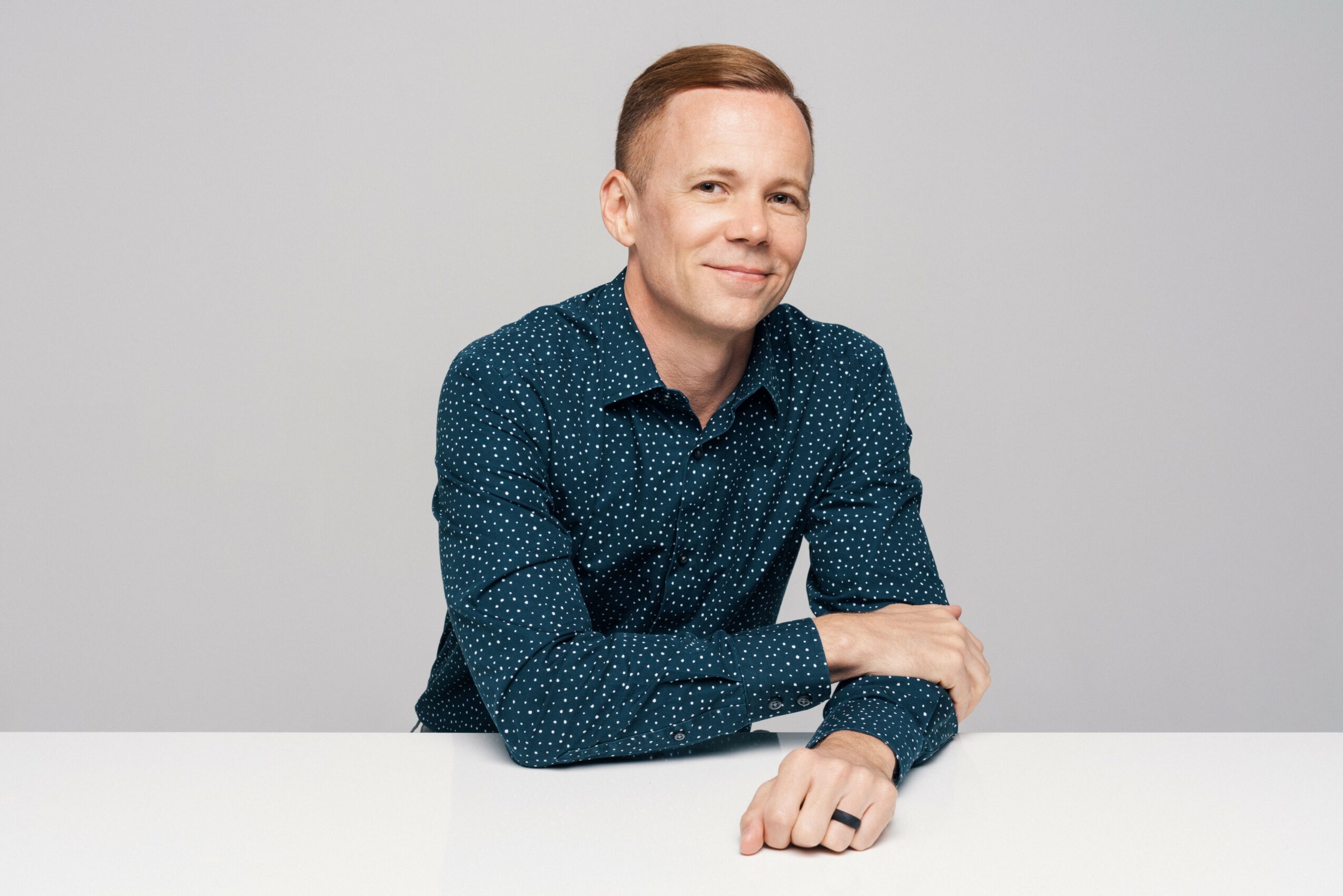
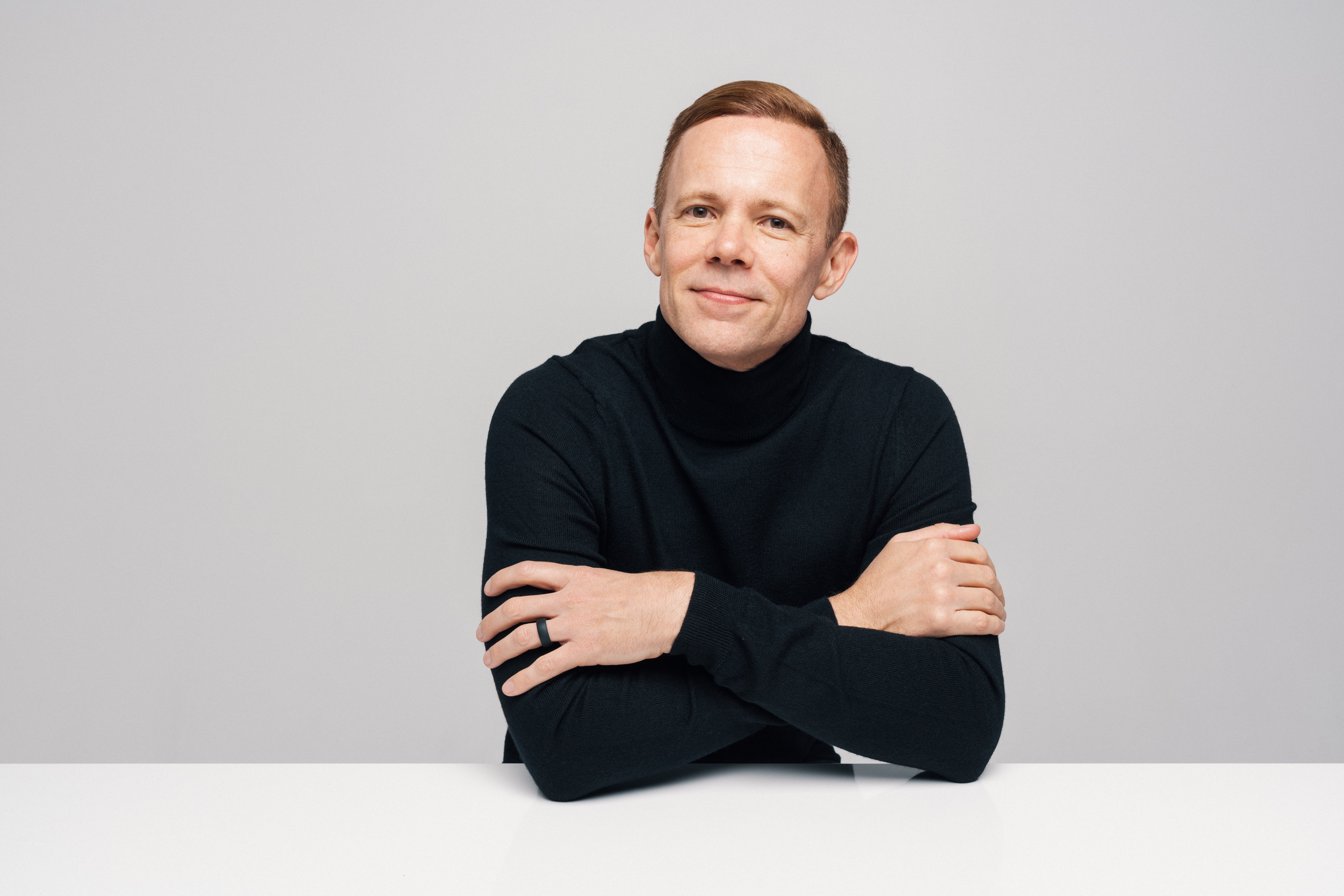
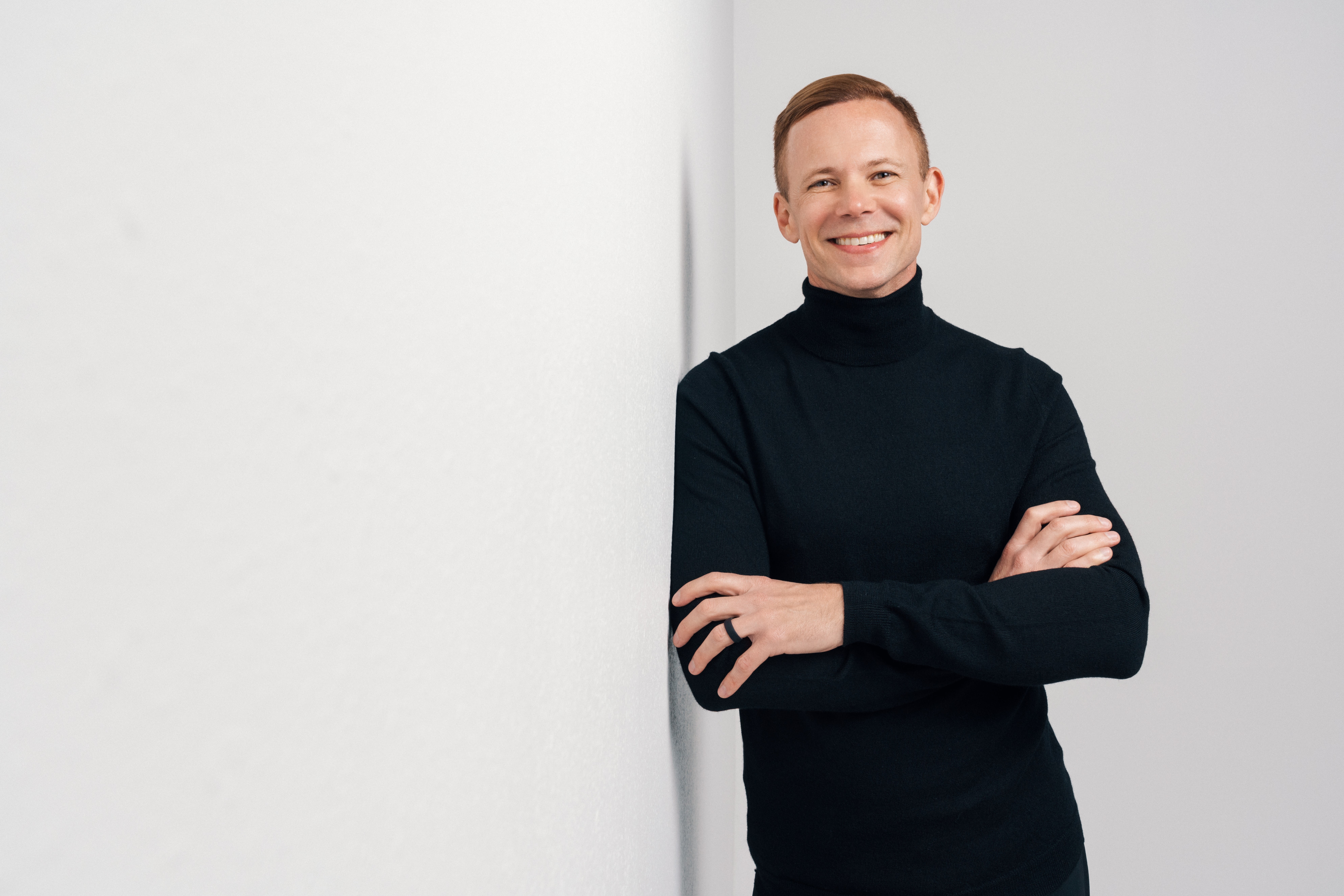
Image Credits
Jamie Schneider