





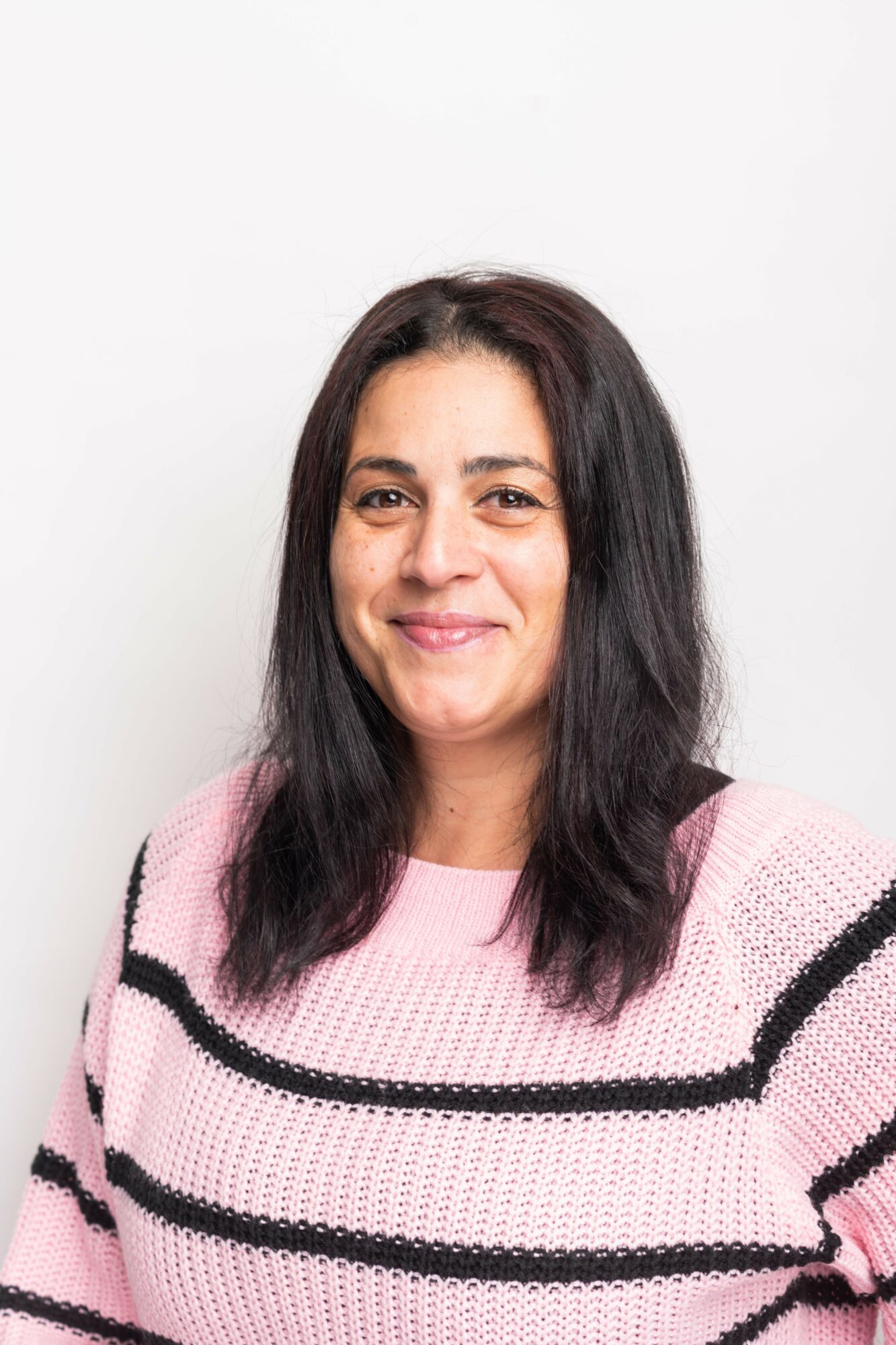
Melanie Perez shared their story and experiences with us recently and you can find our conversation below.
Melanie, a huge thanks to you for investing the time to share your wisdom with those who are seeking it. We think it’s so important for us to share stories with our neighbors, friends and community because knowledge multiples when we share with each other. Let’s jump in: What are you being called to do now, that you may have been afraid of before?
I’m being called to do something now that I was terrified of before: using my voice in more visible ways.
A close friend recently reached out to me about hosting and speaking at a workshop. Her encouragement has been incredibly meaningful; she genuinely believes in me and has intentionally opened doors and created opportunities for my growth. She knows that public speaking brings me anxiety, but she also knows that one day I want to share my story and use my voice to support and empower other women. Having someone see that potential in me, even when fear is present, has helped me say yes.
This April, I’ll be hosting a workshop designed to help women business owners clearly identify their target market and create an action board, providing both clarity and practical tools for intentional growth.
Separately, we are also entering the world of government contracting, which has required me to stretch in entirely new ways. This path involves initiating conversations, building relationships, and learning complex processes, such as bidding and responding to RFPs. Engaging with government officials, CEOs, and decision-makers can be intimidating, and it has challenged me to move beyond my comfort zone.
While these paths are different, they share a common thread: both require me to step forward, speak with confidence, and be seen. What once felt overwhelming now feels necessary. Growth, I’ve learned, doesn’t come from the absence of fear—but from choosing to move forward despite it.
Can you briefly introduce yourself and share what makes you or your brand unique?
I’m a business owner, strategist, and community-focused leader based in Texas. Alongside my husband, I co-own and operate a landscaping and property services company that has grown from residential work into larger commercial and government-contracting opportunities. I’ve also built and am now intentionally closing a wellness/spa business, an experience that taught me just as much about resilience, decision-making, and leadership as success ever could.
What makes my journey unique is that I’ve built everything while navigating real life, raising a family, managing anxiety, and learning to lead without having all the answers upfront. I’m deeply passionate about helping women business owners gain clarity, confidence, and direction, especially when it comes to understanding their target market and creating intentional growth plans.
Right now, I’m focused on two major areas: expanding into government contracting through relationship-building and education, and stepping more boldly into public speaking and leadership. This April, I’ll be hosting a workshop to help women entrepreneurs find their target market and create an action board, practical tools designed to turn vision into action.
At the heart of everything I do is this belief: growth doesn’t require perfection; it requires courage, consistency, and the willingness to keep showing up.
Appreciate your sharing that. Let’s talk about your life, growing up and some of topics and learnings around that. What part of you has served its purpose and must now be released?
I never stayed quiet; I’ve always spoken my mind. But for a long time, my voice was shaped by a lack of trust in people, not by fear of being seen. When you grow up without feeling protected, loved, or truly wanted, you learn to guard yourself. My boundaries often came across as aggression, but they were really armor.
That version of me served a purpose. She kept me alert. She kept me safe.
What I’ve released is the wounded inner child who learned to survive without softness. I’ve done the work to protect her, to love her, and to finally give her what she needed all along. In doing so, I’ve learned how to trust myself, set clear boundaries without harshness, and lead without defensiveness.
This next chapter isn’t about becoming louder; it’s about becoming clearer, grounded, and intentional. I no longer need armor. I lead from strength now, not survival.
If you could say one kind thing to your younger self, what would it be?
You were never difficult, broken, or asking for too much. You were responding to what you were given, doing the best you could with the tools you had at the time. The lack of protection, love, or consistency you felt was never a reflection of your worth.
You are important. You always were. What you experienced was never your fault. Your parents were navigating their own struggles, and their limitations did not define you. None of what happened to you was a reflection of who you are or what you deserved.
One day, you will learn to trust yourself completely. You will stop over-explaining. You will stop carrying guilt and shame that were never yours. You will stop shrinking your needs to make others comfortable. You will create boundaries that protect your peace and choose relationships that feel safe instead of heavy.
You will also come to understand this truth clearly and without hesitation:
Sexual abuse and assault are not love.
Mental abuse is not love.
Emotional abuse is not love.
Love does not harm, silence, control, or confuse. What happened to you was never love, and naming that truth is part of reclaiming your power.
You will release the belief that feeling wanted must come through physical intimacy. Wanting and love are not proven through access to your body. Real love is feeling safe, emotionally, mentally, and physically. It is being chosen without fear, held without obligation, and valued without having to earn it through closeness that costs you your peace.
Healthy love looks like consistency, protection, respect, emotional presence, and care. It’s being wanted for who you are, not what you give. It’s being needed for your voice, your mind, and your spirit, not your silence or sacrifice.
As you release what never belonged to you, you will redefine love on your own terms, love that is safe, respectful, and rooted in dignity. This isn’t about staying in the past; it’s about choosing clarity, healing, and wholeness moving forward.
Most importantly, you will become the person you needed back then. And when you do, you will finally see what was always true: you were always enough.
So a lot of these questions go deep, but if you are open to it, we’ve got a few more questions that we’d love to get your take on. What’s a belief or project you’re committed to, no matter how long it takes?
I’m committed to building generational wealth while breaking generational curses—financial, emotional, and systemic ones. To me, legacy is about more than money; it’s about creating stability, opportunity, and healthier patterns for the generations that follow.
I’m also committed to public speaking and sharing my story, not only so others feel less alone, but so they can see that opportunities exist for them as well. A core part of this work is challenging the beliefs many of us are conditioned to accept about what is “normal,” “accessible,” or “meant for us.” Too often, people are taught to survive instead of build, to stay small instead of lead, or to believe that higher levels of opportunity are out of reach.
I want people to know that access is real, doors do exist, and they are allowed to pursue wealth, leadership, ownership, and influence, without guilt or permission. This work is about expanding vision, reclaiming possibility, and stepping fully into what’s available when we stop limiting ourselves to what we were taught to expect.
This is long-term work, and I’m patient with it. Real change and real legacy take time, and I’m committed for as long as it takes.
Okay, so let’s keep going with one more question that means a lot to us: What false labels are you still carrying?
The false labels I’m still unlearning aren’t just words; they’re internal identities that formed early and layered over time.
At the core is core shame: the belief that ‘I’m not good enough as I am. That label wasn’t about something I did wrong; it was about who I learned to believe I was when my emotional needs weren’t consistently met or mirrored. That became the foundation from which everything else grew.
Layered on top of that is imposter syndrome, the idea that my worth or belonging is conditional, that I could be ‘found out’ at any moment, even when there’s clear evidence that I’m capable. That label didn’t come from a lack of ability; it came from growing up without feeling loved, chosen, or emotionally held. When you aren’t seen or valued as a child, you learn to question whether your presence is ever truly earned.
I also carried rejection sensitivity, often mislabeled as ‘overthinking’ or being ‘too much.’ In reality, I became highly attuned to tone, judgment, and subtle shifts because my thoughts and feelings weren’t asked about; they were evaluated. I learned to read the room not for connection, but for safety, and that vigilance followed me into adulthood.
Holding all of this together was attachment insecurity, wanting closeness but doubting it was real, trusting actions more than words, and feeling accepted while quietly waiting for it to disappear. It wasn’t neediness. It was nervous-system memory shaped by emotional absence, not emotional excess.”
For a long time, these labels felt like personality traits. I now understand they were adaptive responses, but understanding doesn’t mean they’re gone. I still feel them, and I still have to challenge them consciously. My nervous system learned early to stay alert to the possibility of loss, so it remains vigilant. That awareness once protected me.
The work I’m doing now, through continued shadow work and self-reflection, isn’t about undoing that awareness, but about learning when it’s no longer necessary. It’s about teaching myself that I don’t have to live in constant readiness, and choosing connection even when it still feels fragile.
If I had to name the core label underneath all of it, it would be this: internalized unworthiness combined with hypervigilance toward social rejection.
They’re heavy labels, but naming them has been freeing. Because it means I’m not broken, I’m not imagining it, and these identities can soften through safety and self-compassion, not self-criticism.
Contact Info:
- Website: https://leoandmelsgardeningservices.com
- Facebook: https://www.facebook.com/LeoAndMelsGardeningService
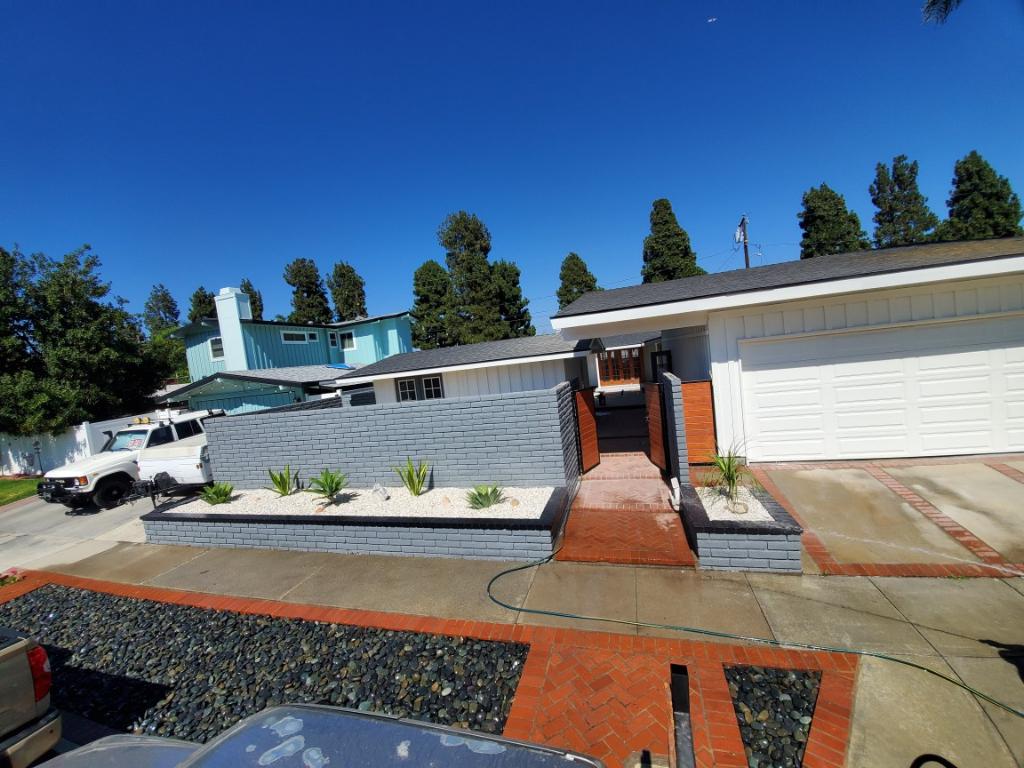
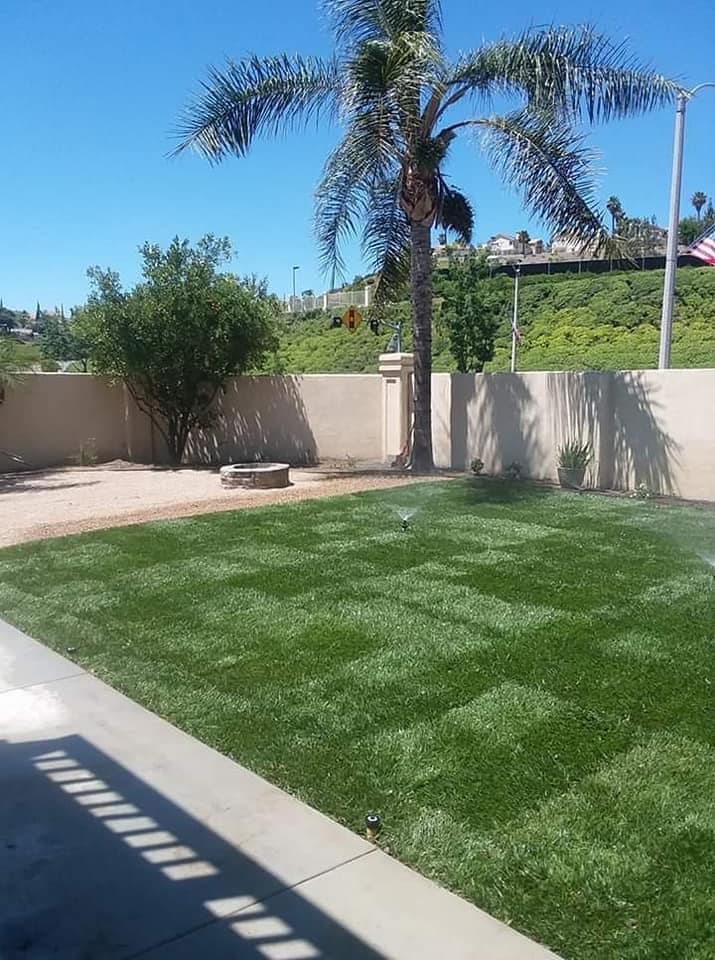
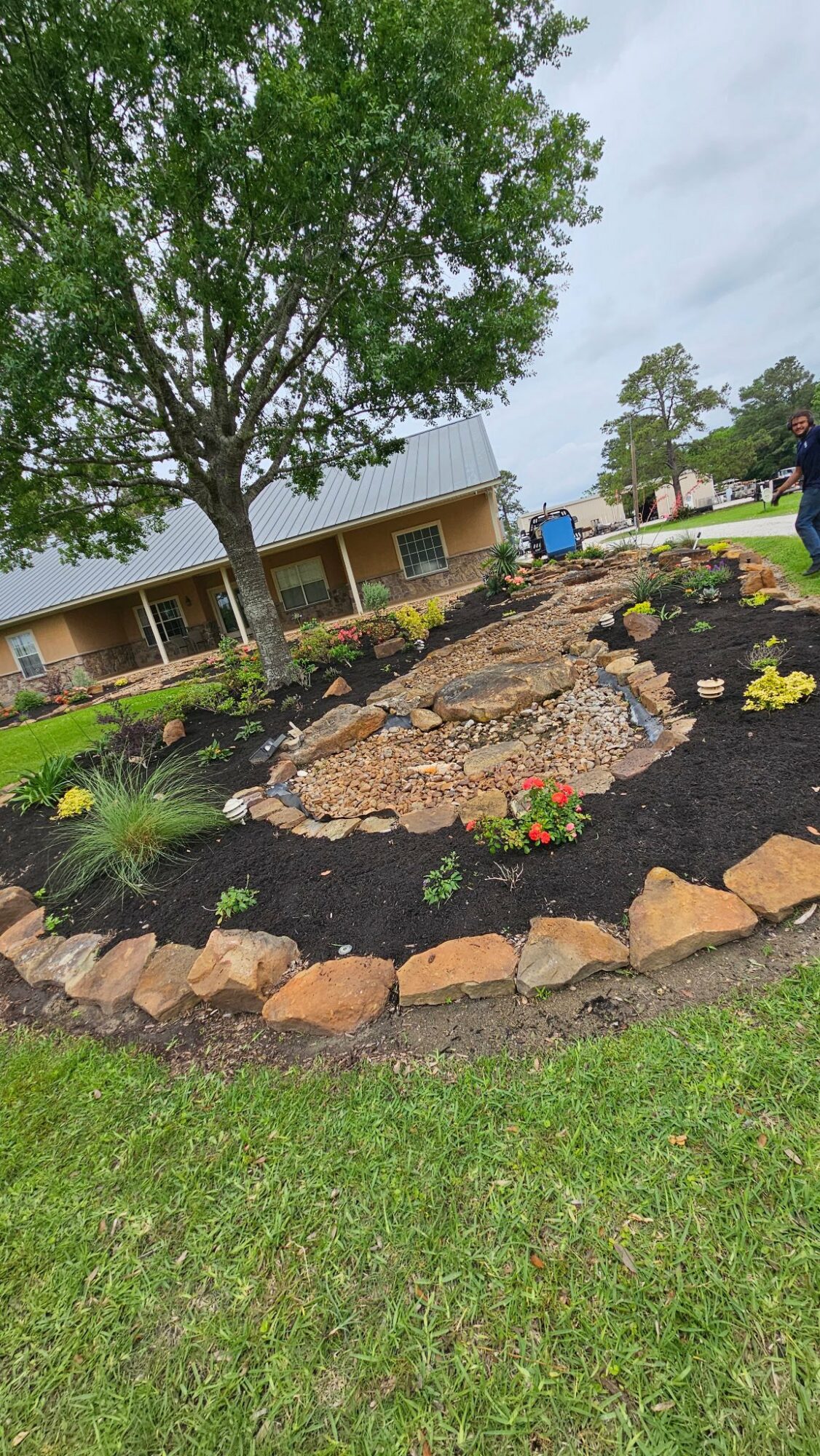
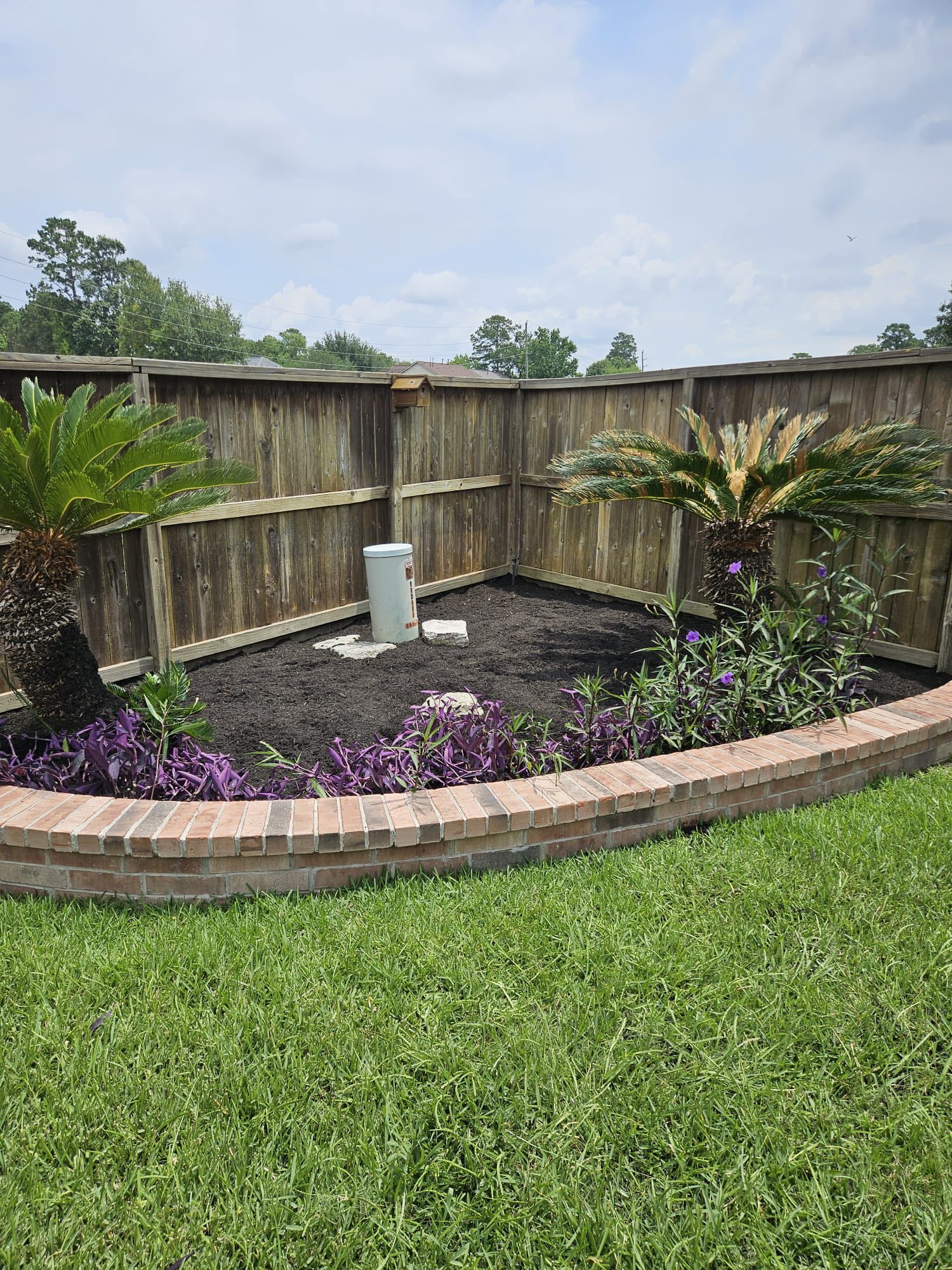
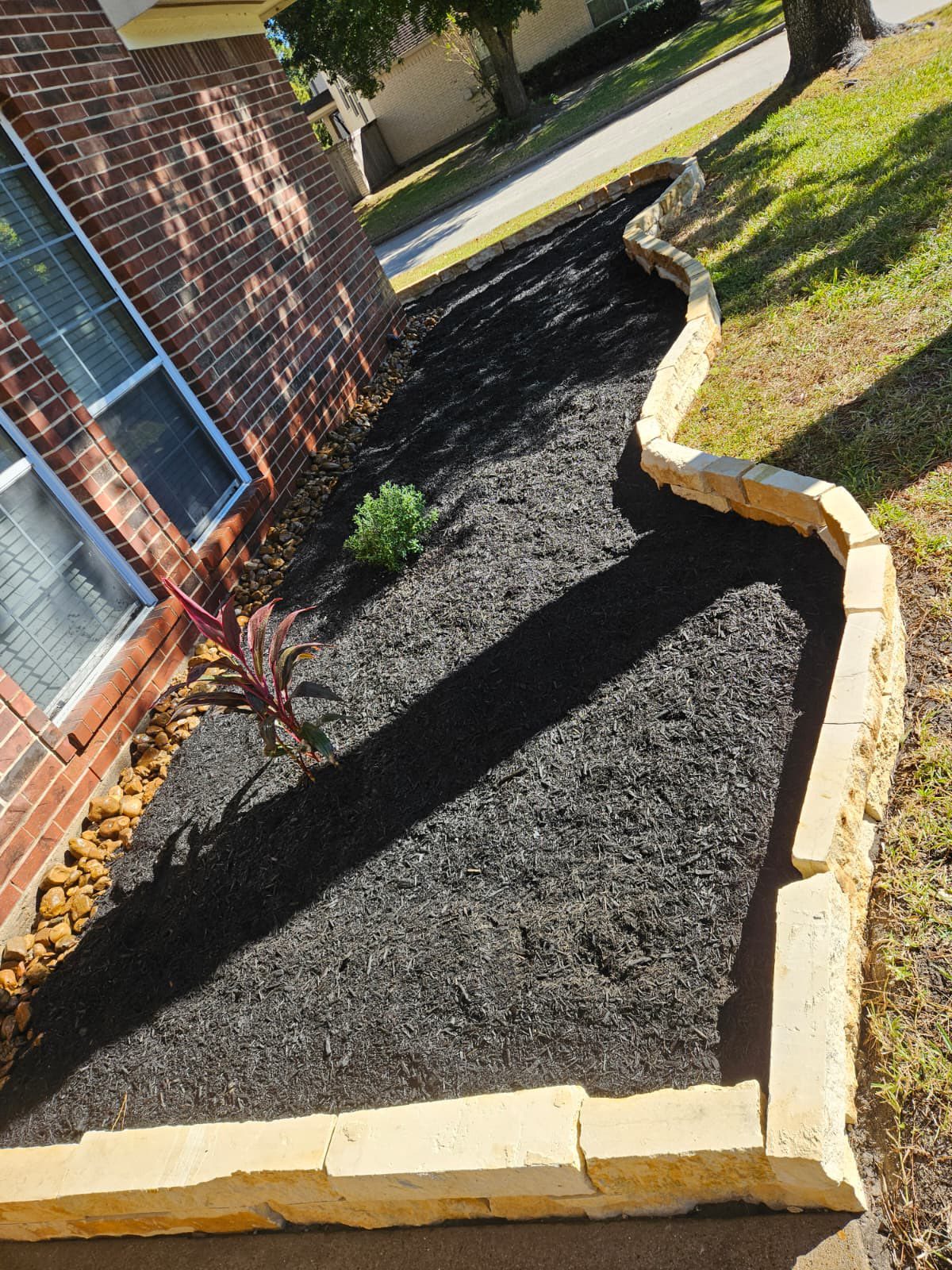
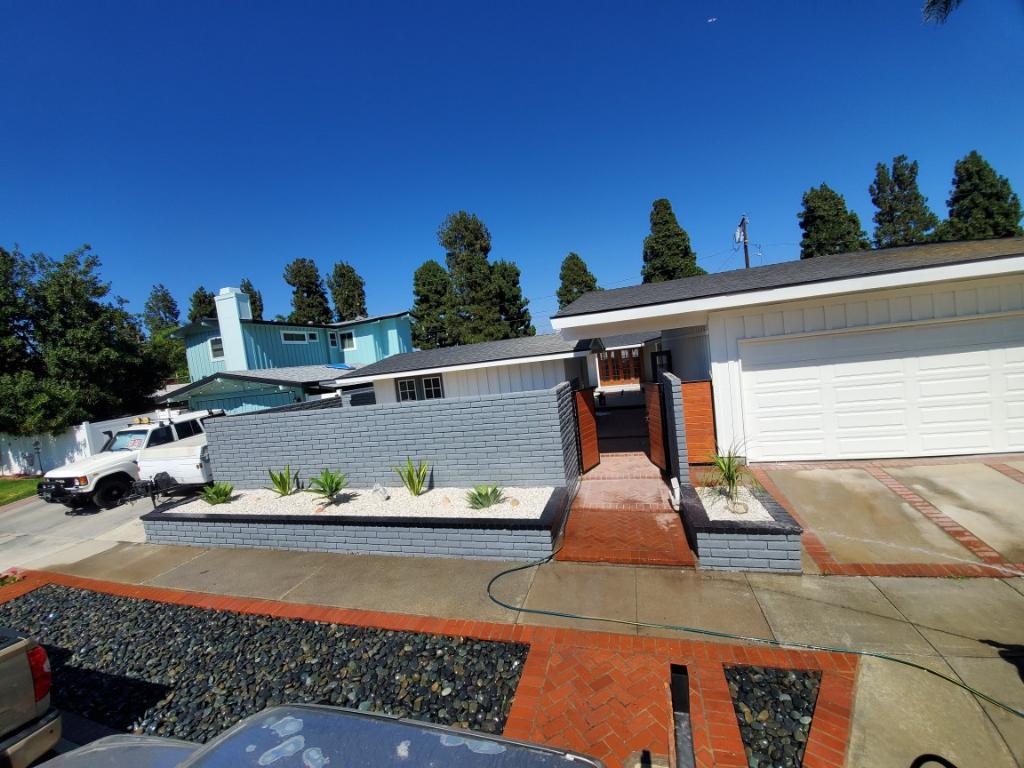
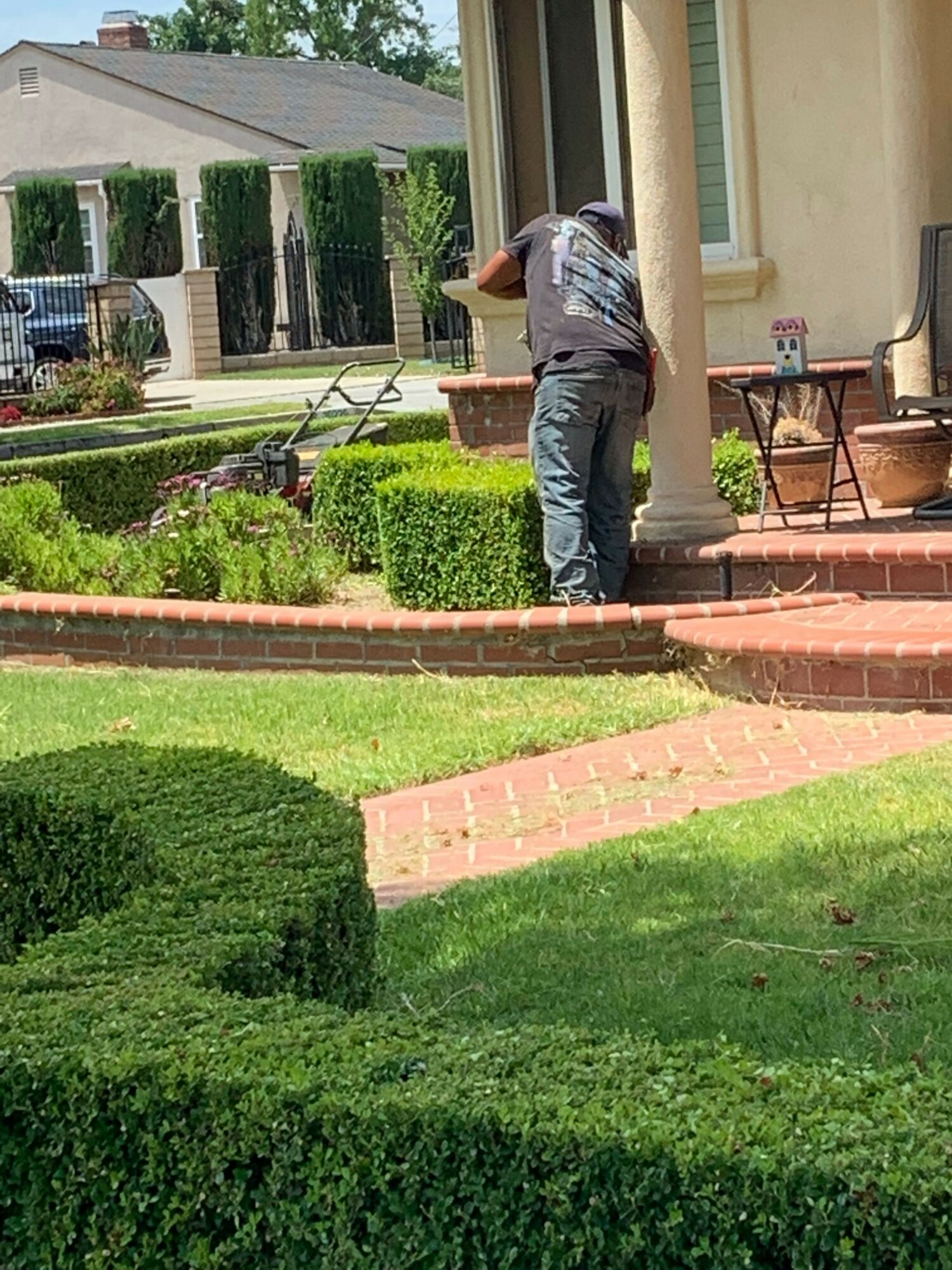
Image Credit:
Main photo is taken by Houston Studio