





Today we’d like to introduce you to Estefanía Ibuado.
Hi Estefanía, thanks for joining us today. We’d love for you to start by introducing yourself.
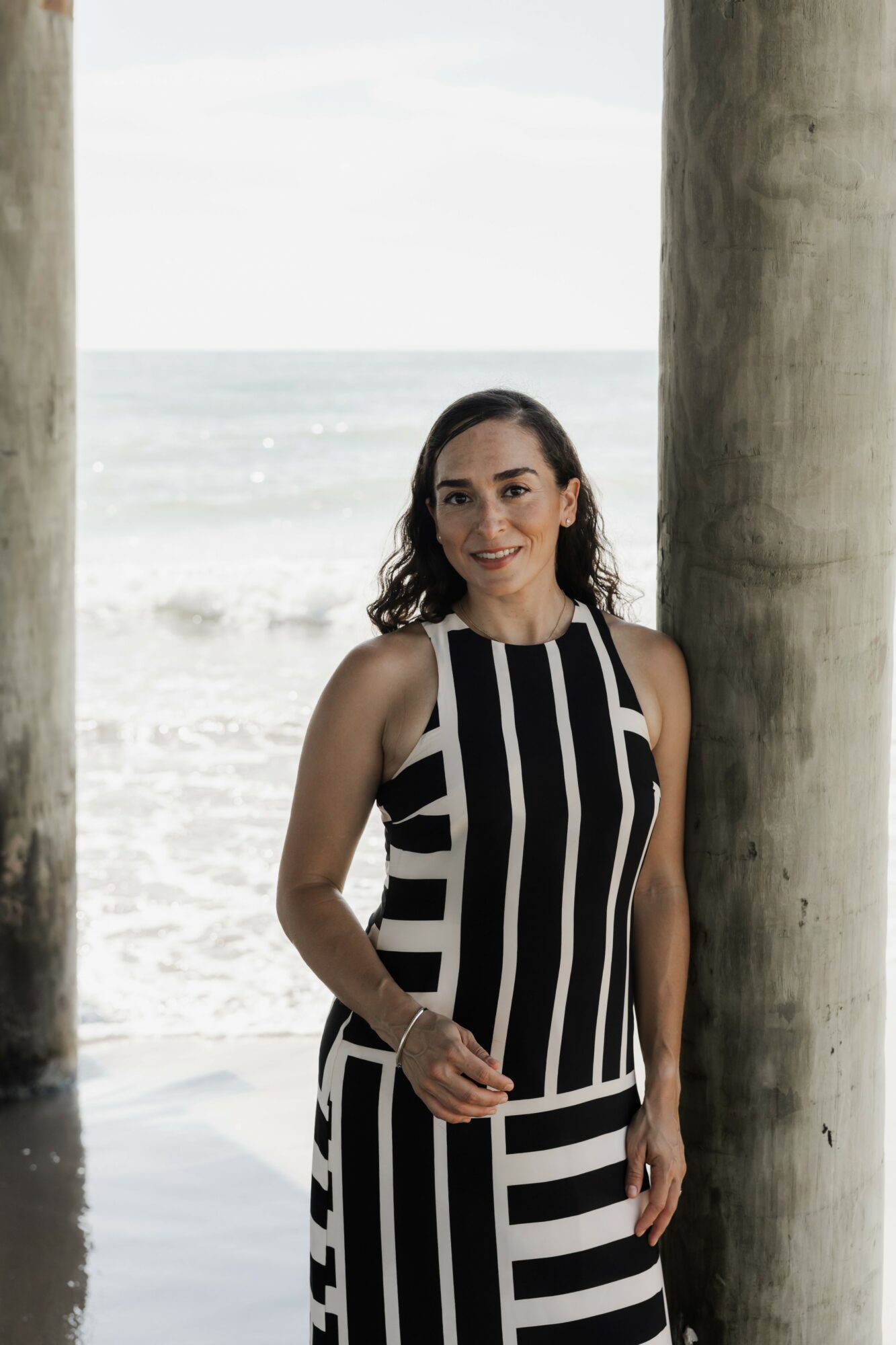
My story begins in a very different field: international business and commercial problem-solving. After completing my LLM in International Law at the University of Houston Law Center, I moved to Amsterdam where my professional career began. I started my career as an attorney supporting global credit-insurance companies, specializing in cross-border disputes, complex negotiations, and debt recovery. My work took me from Amsterdam to Mexico City, Lima, and Milan, and later back to Texas.
I spent years mediating conflicts between CEOs and managers from different countries, learning firsthand how culture, communication, and mindset shape every business relationship. Traveling through Latin America, Europe, and China gave me a deep appreciation for how cultural intelligence defines trust, collaboration, and sustainable success.
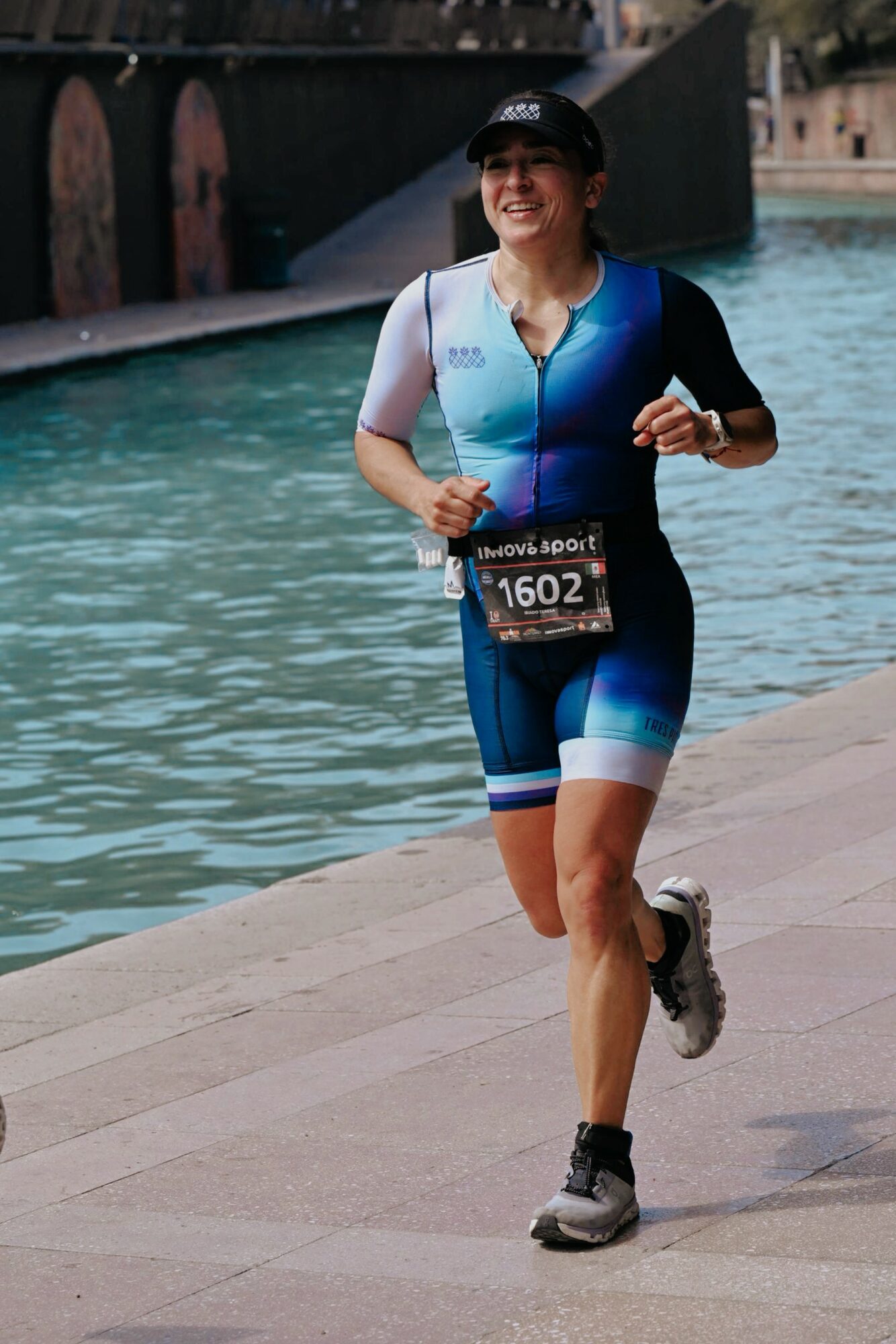
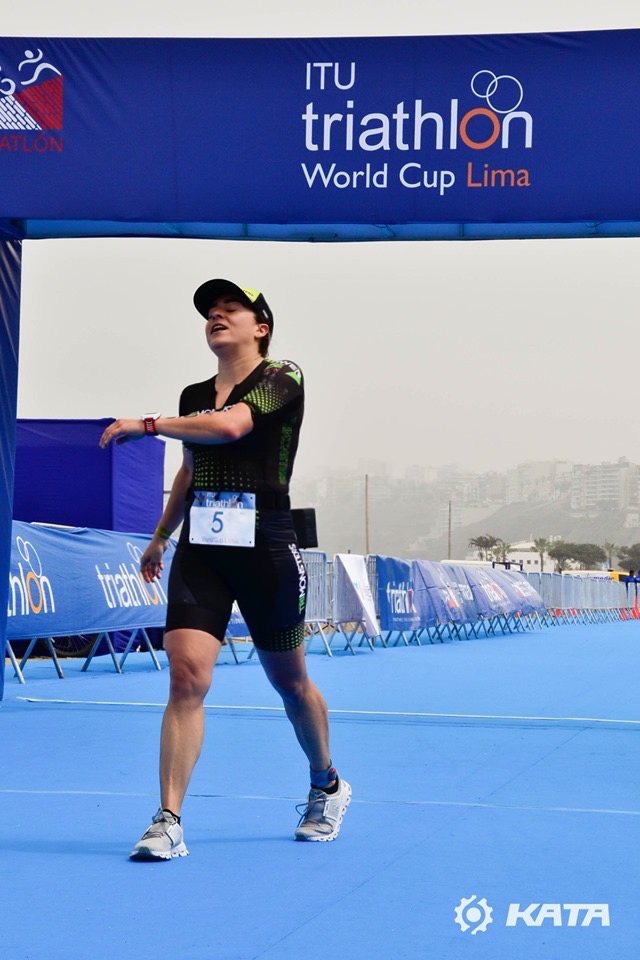
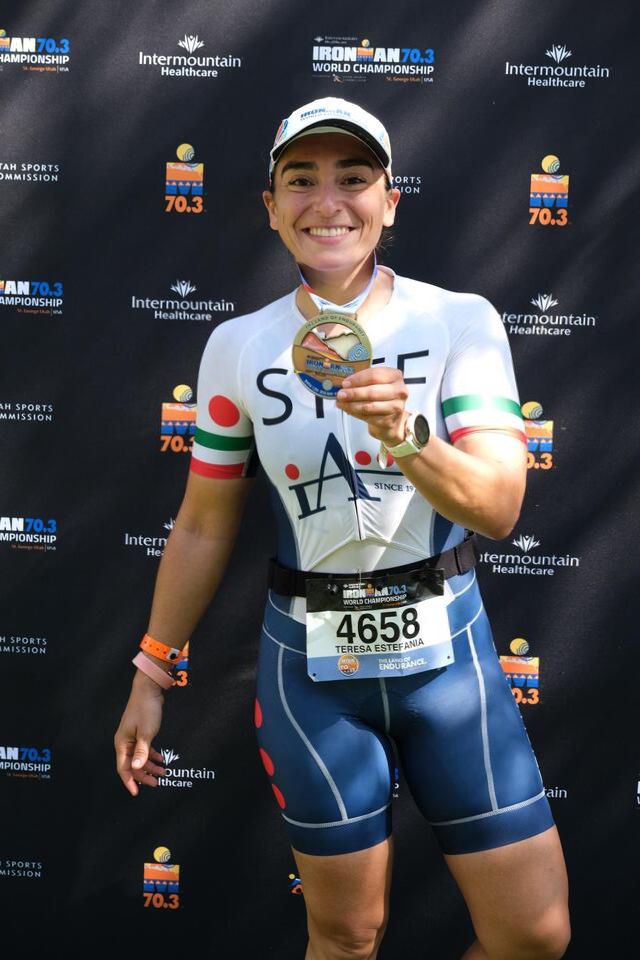
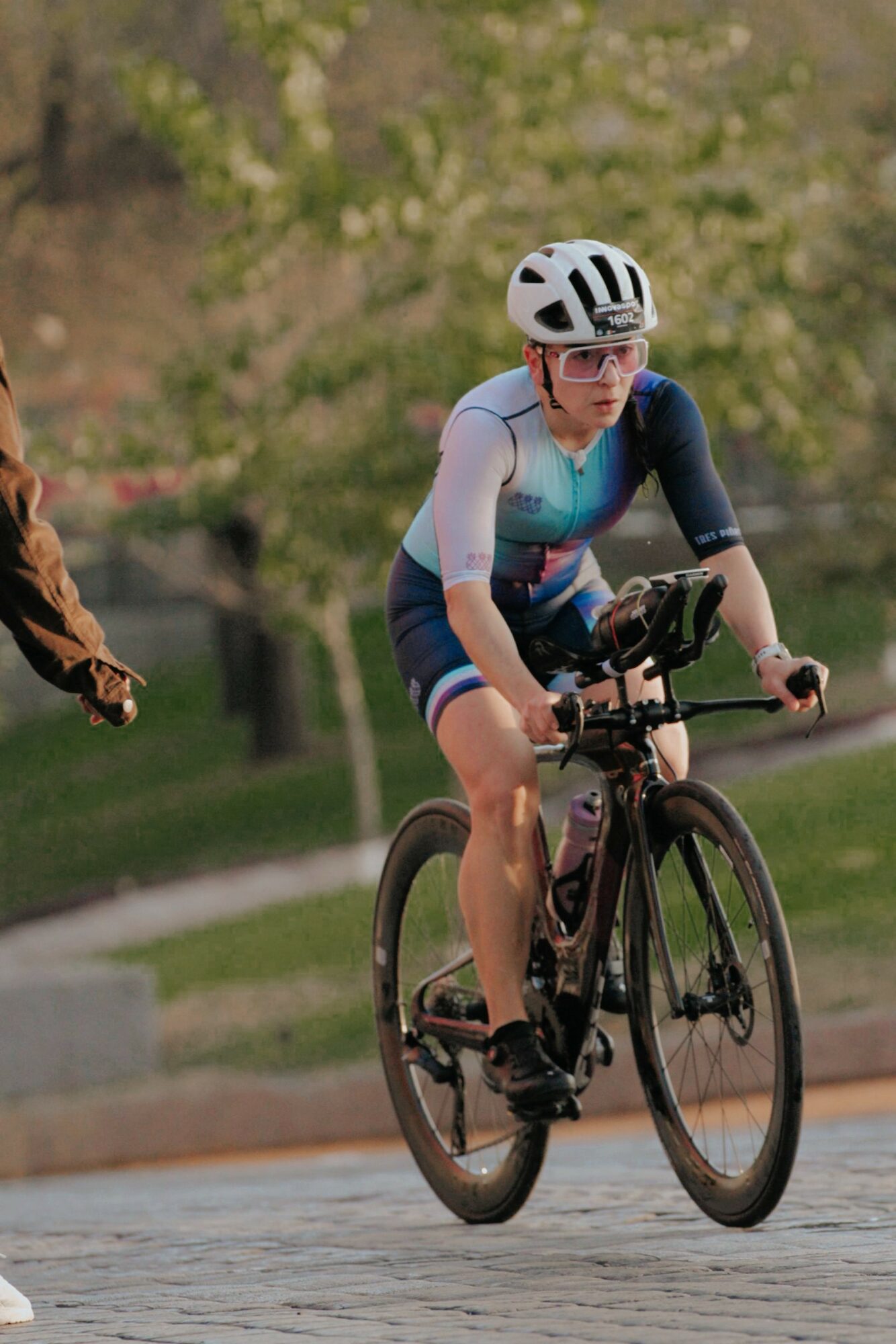
Sports became the bridge into the next chapter of my life. When I returned to endurance training and triathlon, I saw up close how confidence, emotional regulation, and identity shape performance. That curiosity led me to pursue formal education in the areas that support mental performance, including Life and Leadership Coaching, Mindfulness for Education, and Sport Psychology for Athlete Development. I strengthened that foundation through advanced programs with the Barça Innovation Hub and earned membership certification with the International Mindfulness Teachers Association. I am also currently learning from Dr. Sara Hickmann, a sport psychologist known for her work with NBA and NHL teams. Her guidance has deepened my understanding of team culture, leadership, and how athletes manage the emotional demands of high-pressure environments. This combination of evidence-based training and lived athletic experience became the backbone of my coaching work today.
Becoming a mother expanded everything. It made me even more aware of the emotional world behind performance, the pressures young people face, and the importance of teaching mental skills early. Motherhood grounded my purpose and gave new meaning to the work I do now.
I am not a clinician; my work is strictly coaching, focused on strengthening mental skills rather than diagnosing or treating. I use practical, evidence-based tools from sport psychology and mindfulness to help young athletes, endurance athletes, and professionals build confidence, regulate emotions, and perform under pressure. My approach blends mental skills training, cultural awareness, and identity work to strengthen the part of performance no one sees: their mindset.
Today, I coach athletes and high performers who want to reach their potential without losing themselves in the process. If I had to summarize my journey, I would not say I changed careers. I evolved toward a path that aligns with my purpose: helping people unlock their potential from the inside out. And I am deeply grateful that every chapter: the travel, the negotiations, the cultural lessons, the sport, the formal training, and becoming a mother—prepared me for this work.
Alright, so let’s dig a little deeper into the story – has it been an easy path overall and if not, what were the challenges you’ve had to overcome?
Not at all. Most meaningful paths are rarely smooth.
Expanding my professional identity beyond the legal world has been both beautiful and challenging. For many years, I defined myself by achievement, responsibility, and being the person who could always solve complex problems. Allowing myself to grow in a new direction required honesty, vulnerability, and the courage to trust something that felt more like purpose than prestige.
A pivotal moment happened while I was living in Milan. During the pandemic, I led a training group in the park to give people community, movement, and connection when everything felt heavy. I also created a triathlon podcast that I hosted for nearly three years. It was meaningful work, and I remember telling my mom that maybe all of this would someday lead to a new direction. She gently reminded me that my legal career was considered more prestigious. I understood her perspective, but life continued pulling me toward a path that felt more aligned with who I am.
Motherhood added another layer. It brought immense joy, but it also challenged my sense of identity and balance. Navigating a legal role, continuing my education, and building a coaching practice required learning to be patient with myself, setting boundaries, and redefining what success looked like.
There were also moments of doubt. I wondered if people would understand my work, or if I could honor both my legal background and my passion for mindset and human potential.
What kept me grounded was my genuine fascination with the mind body spirit connection and the transformations I witnessed in the athletes and individuals I supported. Every time someone experienced a mindset shift or reconnected with their confidence, it reaffirmed that this expansion was the right path.
So no, it has not been smooth. But every challenge, including the identity shifts, the cultural transitions, the moments of doubt, and the realities of motherhood, shaped the coach and woman I am today.
Can you tell our readers more about what you do and what you think sets you apart from others?
My work sits at the intersection of performance, emotional skills, and human development. I am a mindset coach who specializes in helping young athletes, endurance athletes, and high performers strengthen the mental and emotional tools that support long-term success. I help people build confidence, regulate emotions, navigate pressure, and develop the identity and inner stability required to excel in competitive environments.
What I am known for is my ability to see the human being behind the athlete. Many people focus on discipline or strategy, but my approach goes deeper. I work with the patterns, beliefs, and emotional habits that shape how someone performs, reacts, and grows. I integrate evidence-based mental skills training, mindfulness tools, and my own experience as an athlete, a lawyer, and a mother. This combination allows me to support not only performance, but the whole person.
I am especially proud of the trust that families and athletes place in me. Watching a young athlete grow in confidence, manage nerves, communicate better, or reconnect with their sport is one of the most meaningful parts of my work.
What sets me apart is the multidimensional path that brought me here. Years of negotiating cross-border disputes taught me how people behave under pressure. Endurance training taught me resilience and discipline. Becoming a mother taught me empathy, emotional nuance, and patience. And my training in mental performance and mindfulness gives me practical, evidence-based tools to guide athletes through their own challenges. My coaching is not about quick fixes or motivational phrases. It is about helping people build a stronger inner world so performance becomes a natural outcome, not a forced one.
What sort of changes are you expecting over the next 5-10 years?
Over the next decade, the mental and emotional sides of sport will become central to athlete development. Early mental-skills training for pre-teens and teens is already gaining momentum as families and organizations recognize that confidence, emotional regulation, and resilience are foundational skills.
Technology will also play a meaningful role. Wearables, biometric feedback, and AI-guided tools will allow for much more personalized mental-skills work, giving athletes support that fits their individual needs and responses to pressure.
The field is also moving in a more holistic direction. Athletes want to perform well, but they also want to understand themselves, manage stress, communicate effectively, and stay grounded during challenges. The emotional, cultural, social, and identity-based aspects of performance will become just as important as physical training.
Young athletes perform best when their parents and coaches are aligned. Programs that encourage communication, consistency, and emotional support between the adults in an athlete’s life will become increasingly common, and mindset coaching will help build those bridges.
Future coaches will be multidisciplinary, combining leadership, cultural understanding, and mental-skills tools to support the whole person, not just the athlete.
Overall, the next five to ten years will bring a more human, holistic, and emotionally intelligent approach to athlete development, making this an inspiring time to support the next generation.
Contact Info:
- Website: https://stefmindsetcoach.com/
- Instagram: https://www.instagram.com/stefmindsetcoach/
- LinkedIn: https://www.linkedin.com/in/teresa-estefanía-ibuado