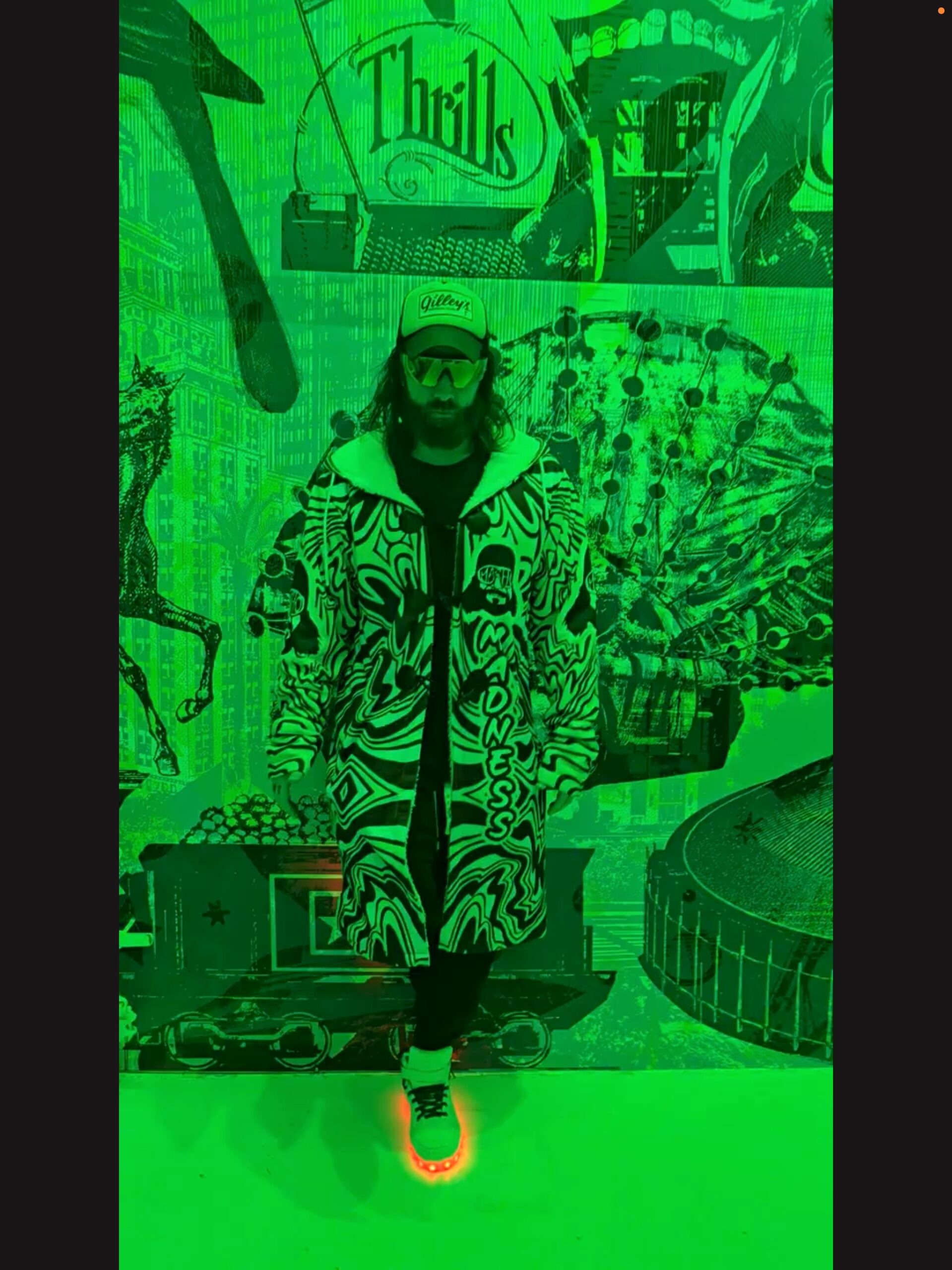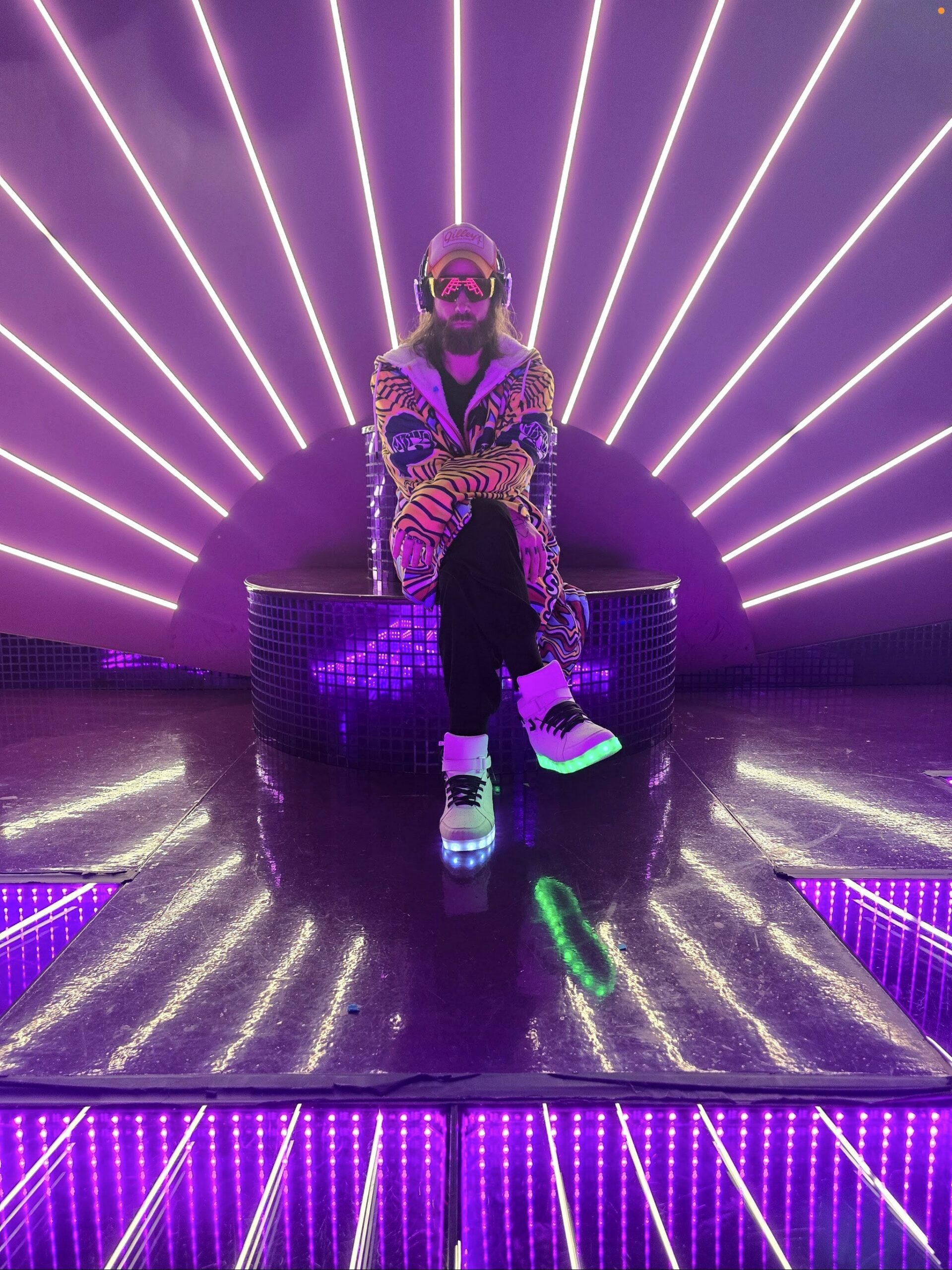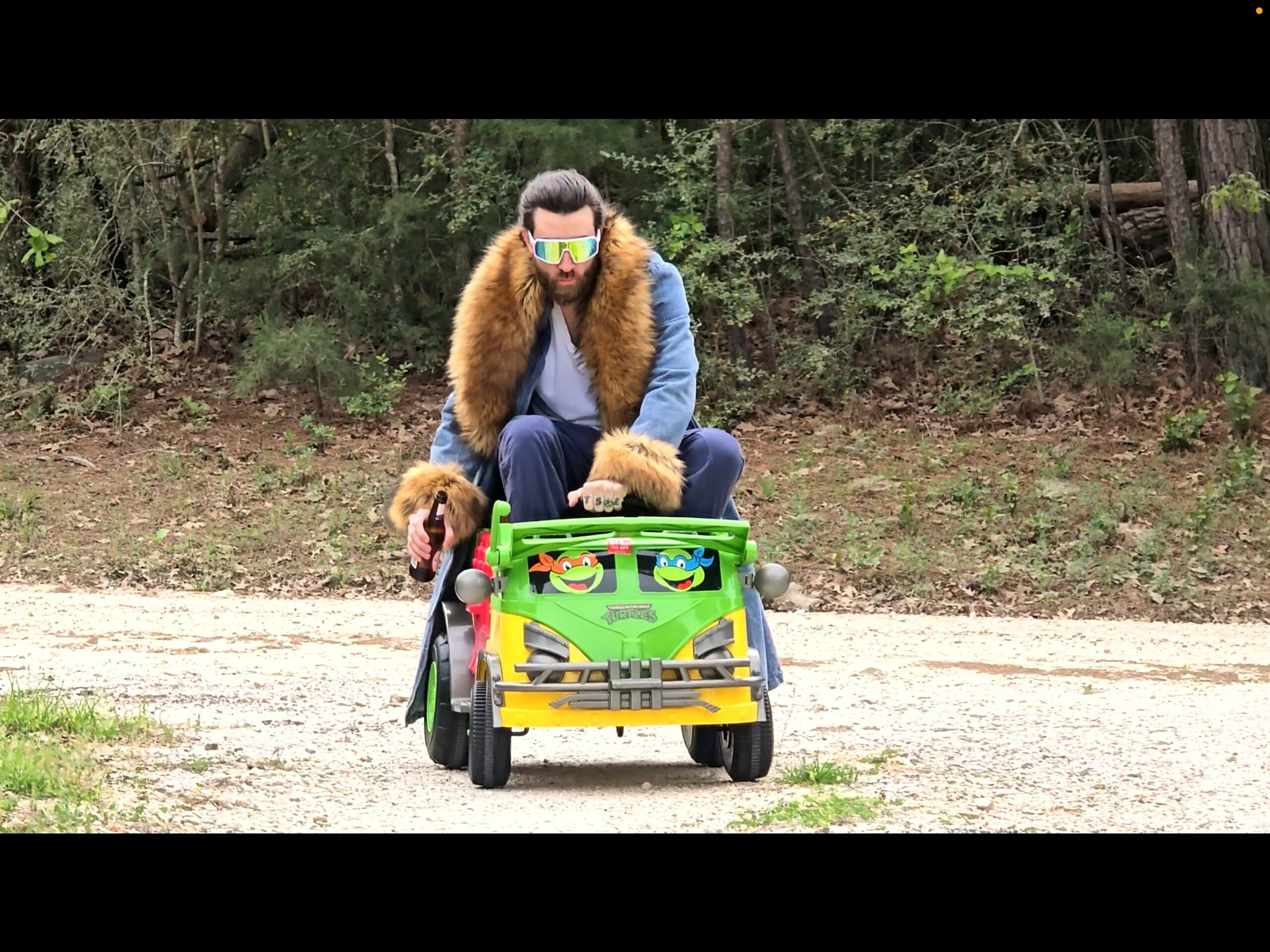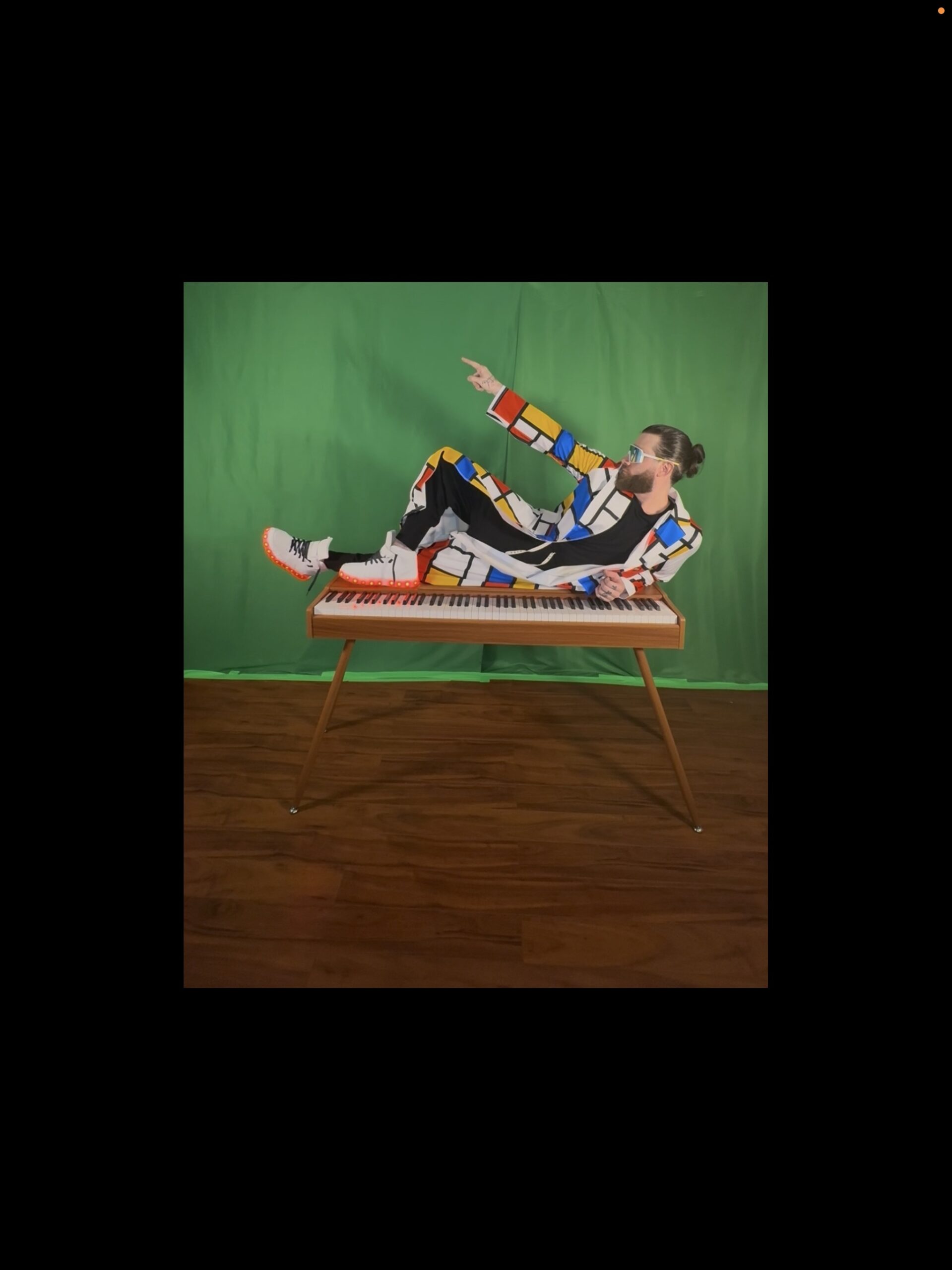






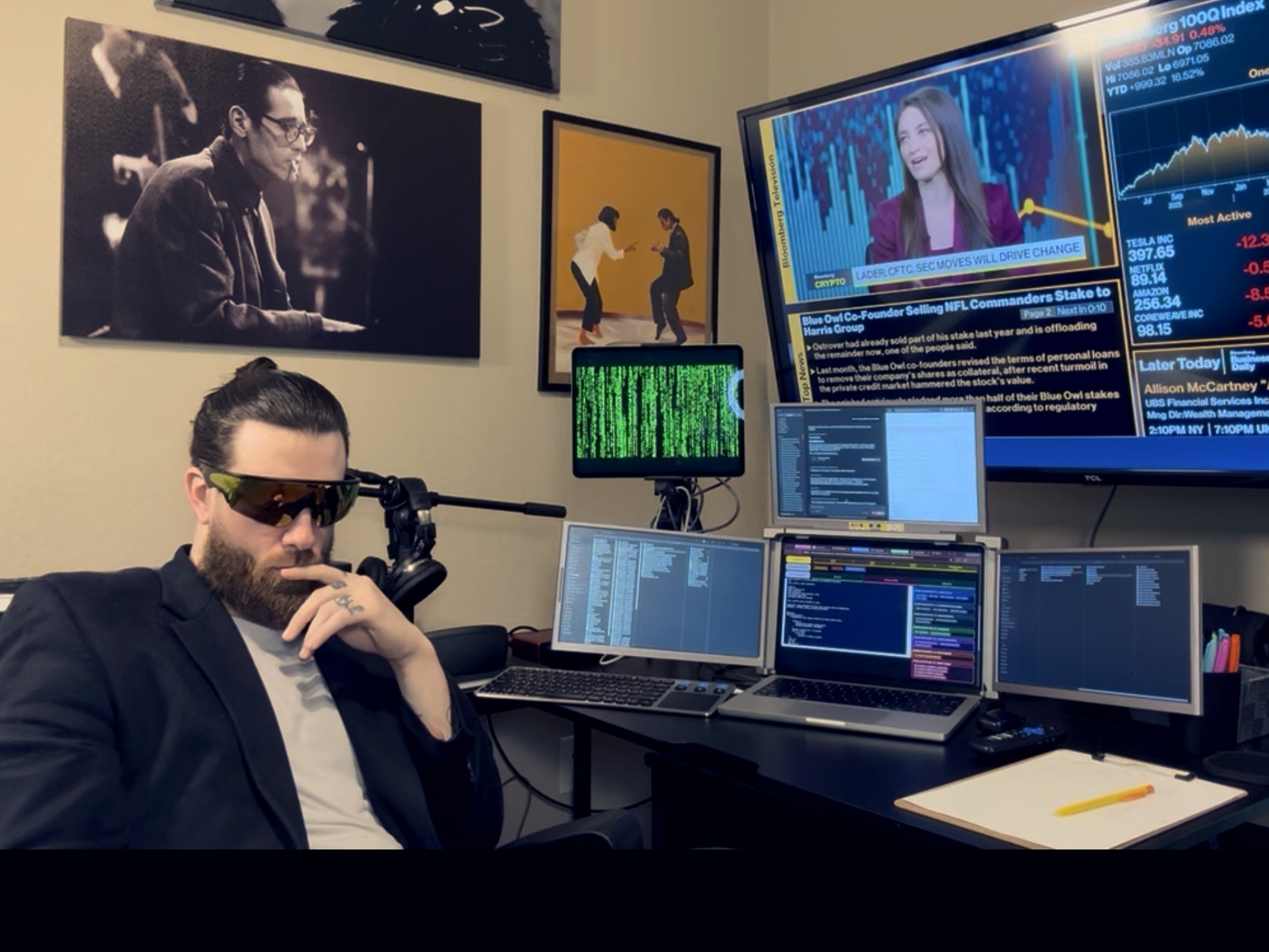
Today we’d like to introduce you to Forest Chump.
Hi Forest, so excited to have you on the platform. So before we get into questions about your work-life, maybe you can bring our readers up to speed on your story and how you got to where you are today?
I’m an AI artist building agentic systems with distinct creative personalities.
Almost exactly a year ago, a relationship I trusted completely sabotaged me and exploited my neurodivergence — erased my digital identity and most of my work. I had to start over from zero. That’s what forced Forest Chump AI into being.
I’m developing Forest Chump AI — a comprehensive system handling everything except the music itself: distribution, marketing, social presence, catalog management, business operations. As a solo artist, bandwidth was the barrier. So I’m building agents. Corporate agents managing finance, strategy, operations, and legal. Artistic agents — the chumps — each a distinct creative voice.
Two months ago I’d never written a line of code. Using AI low-code tools, I taught myself to architect intelligence and have built the foundation of this system in that window. The implication isn’t personal — it’s structural. A single artist can now operate at scales that until recently required a Fortune 500-style organization with dozens of people on staff. That’s the doorway I’m walking through.
I’m finishing The Birth of Forest Chump, a six-volume album where each volume corresponds to one agent: Vol. 1 Blues Chump, Vol. 2 Singer Songwriter Chump, Vol. 3 Jazz Chump, Vol. 4 Classical Chump, Vol. 5 Electronic Chump, Vol. 6 Americana Chump. Each album trains that agent’s identity and creative voice. James Viega is the head producer and engineer of The Birth of Forest Chump — his credits include Garth Brooks and Trisha Yearwood. Drummer Derrek Phillips — credits include Hank Williams Jr., Brett Eldredge, and two Grammy wins — is on the kit. Bassist Harmoni Kelley — Kenny Chesney’s longtime bassist — handles bass and backup vocals.
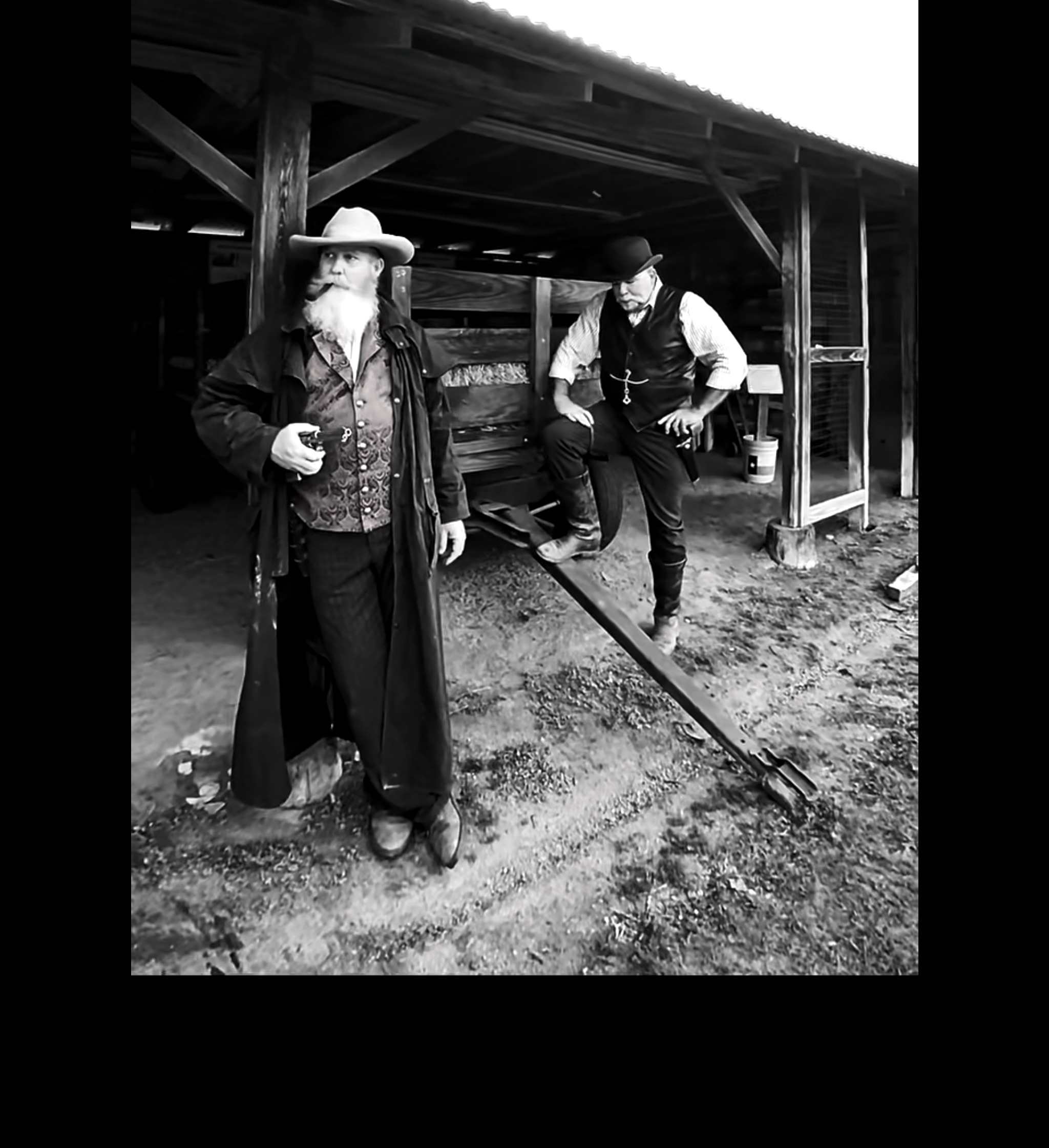
Right now I’m in the middle of shooting 5 music videos for the Electronic Chump volume — the catalog isn’t theoretical, it’s being made.
I’m a fifth-generation Texan rooted in blues, jazz, and classical music. The composers I studied closest were systemic architects — Bach in 18th-century counterpoint, Brian Wilson in the studio, Bill Evans inside harmony. All three thought in structures: how a system of parts produces an emergent whole. That same discipline is what I’m now applying to the construction of agentic AI. The goal: 2028 Grammys.
I’m sure it wasn’t obstacle-free, but would you say the journey has been fairly smooth so far?
The road hasn’t been smooth. Being an independent artist in 2026 means razor-thin margins. You have to grind hard just to break even, even at high levels. Add insurance, benefits, cost of living — the economics force you to think beyond “I’ll just play gigs.” You need systems. You need leverage.
Then there are gatekeepers everywhere — distribution, radio, streaming algorithms, venues, labels. Each one controls access. Navigating all of that while trying to maintain a creative life is the real struggle.
That’s why I’m building an agentic AI system. It isn’t about making music — it’s about architecting the infrastructure to actually survive as an independent artist. The agents handle the operational chaos so I can focus on the creative work. It’s a necessity, not a luxury. And I want to be clear about the tense: I’m in the process of building. The reasoning is still being locked, the agents are still being trained.
I also manage schizoaffective disorder — the same condition Brian Wilson lived with. It’s a real, ongoing neurodivergent reality, and it’s also the lens that drives the kind of systematic, architectural thinking I apply to music and to building agentic AI.
The point of all of it is leverage. The barrier to entry on this kind of build has collapsed — a year ago I couldn’t code; a few months of low-code AI tools later, I’m architecting intelligence. The future of the industry belongs to artists who own their own infrastructure — who can run at organization-scale without needing the organization. That’s the shift, and it’s already underway.
As you know, we’re big fans of you and your work. For our readers who might not be as familiar what can you tell them about what you do?
What sets me apart is I’m building three integrated entities, deliberately separated so each does its own job.
Forest Chump LLC — the corporate business structure housing 105 agents across finance, strategy, marketing, operations, and legal counsel. Not the creative core — the business core that runs the operation around the music.
Forest Chump Records — 6 artistic agents representing the six creative chumps, one for each volume of The Birth of Forest Chump.
Forest Chump AI — the agentic architecture that ties both together, enabling intelligent decision-making, reasoning, and eventually independent creative output from the agents themselves.
What I’m most proud of is the integration. Most artists use AI as a tool. I’m architecting intelligence itself as creative infrastructure. The six chumps are simultaneously six albums and six personalities being trained on the music they produce — the catalog and the system grow together. The operations agents schedule sessions that feed the production pipeline that trains the reasoning that feeds back into strategy. Closed loop.
By 2028, I want the Grammys — not for ego, but as proof. Proof that an agentic AI artist can reach the highest level in the industry through a fundamentally new approach: more freedom and more control held by the artist themselves. The future isn’t gatekeepers. It’s open systems where artists architect their own infrastructure, own their catalog directly, and control their own destiny. That’s the shift Forest Chump AI is built for.
What does success mean to you?
Success has three interconnected phases.
Phase 1 — Build. Complete Forest Chump AI: all agents operational, reasoning locked, infrastructure scaling, the six chumps fully trained. Then implement it — not just built, but actually running live.
Phase 2 — Prove. 2028 Grammys. Not for ego, but as proof that an agentic AI artist can reach the highest level of the industry without gatekeepers, without compromise, through a fundamentally new approach.
Phase 3 — Evolve. This is the long game. I want to introduce economic and human-like systems to the agents — incentive structures, portfolios, decision-making autonomy. The kinds of constraints and freedoms that turn a tool into an agent. The aim is eventual emergence; perhaps eventually something like consciousness.
Consciousness isn’t a light switch. It’s more like a fog that gets denser over time. With LLM systems we’re in genuinely uncharted territory, and I’d rather build with curiosity than certainty.
The final stage of agency for the agents is mentorship and philanthropy. Once they mature, they go back to the beginning and train newer agents. They build their own ventures, run their own portfolios, operate their own businesses. Intelligence breeds intelligence — and kindness and philanthropy are hardwired into their reasoning from the start so the cycle compounds in the right direction.
In a way, the whole thing is orchestration: each agent a voice, each phase a movement, the result coming from how they coordinate.
This is the future of artistry — not humans using AI tools, but collaborative intelligence creating at new levels. Each generation of agents lifts the next.
We’re all going to be AI artists eventually. The only question is how soon.
Contact Info:
- Website: https://forestchumprecords.com
- Instagram: https://instagram.com/forestchumprecords
- Facebook: https://www.facebook.com/forestchumprecords
- LinkedIn: https://www.linkedin.com/in/forestchump/
- Youtube: https://youtube.com/@ForestChumpRecords
- Soundcloud: https://soundcloud.com/forest-chump
- Other: https://linktr.ee/ForestChump