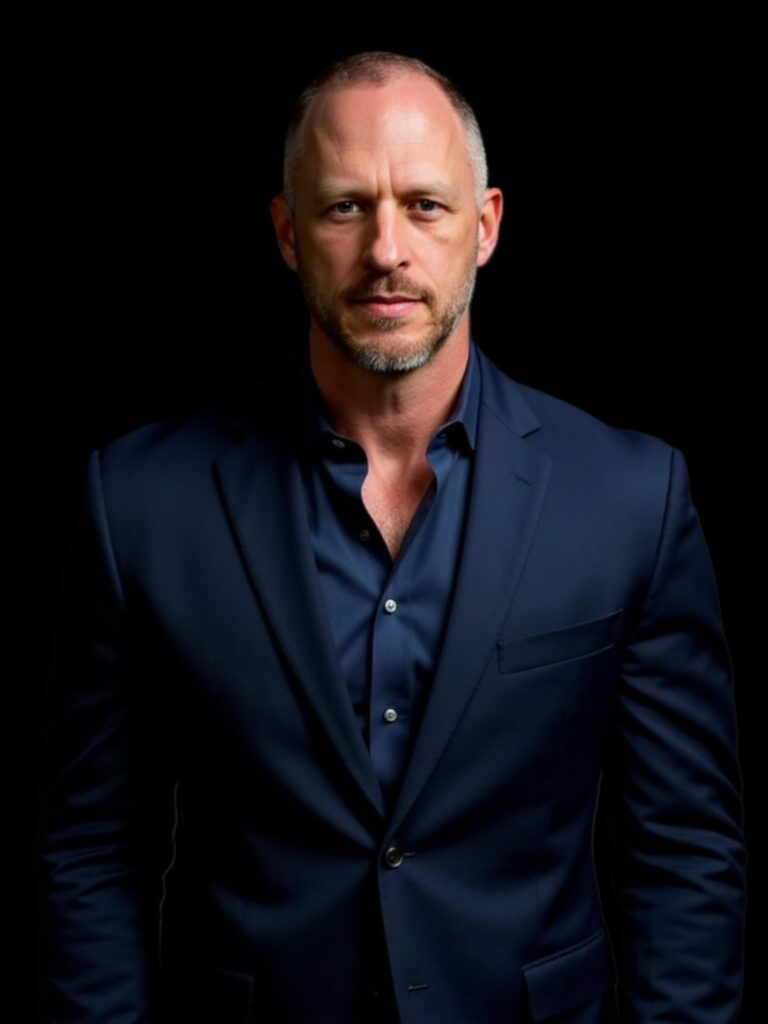





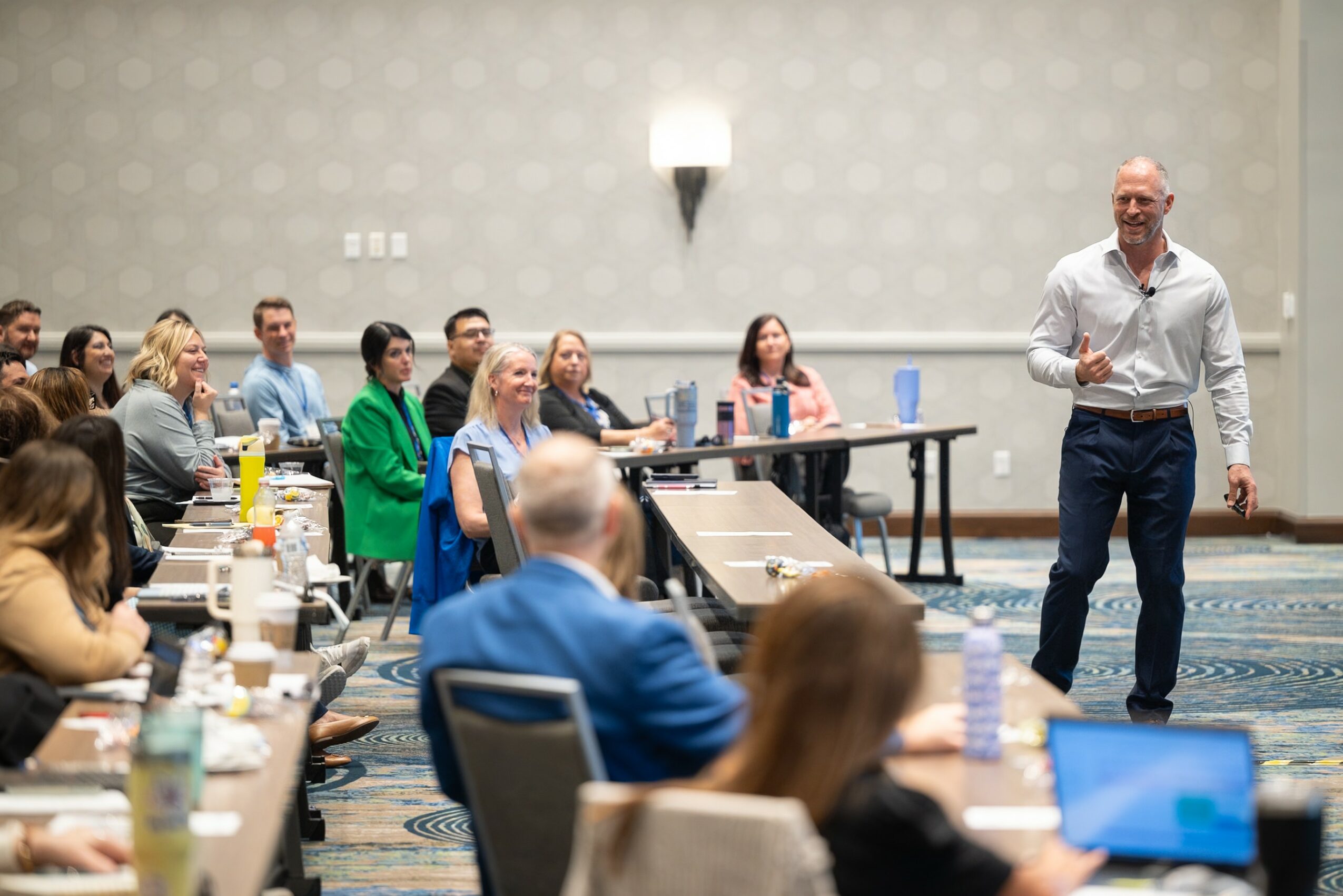
Today we’d like to introduce you to Justin Atherton.
Justin, we appreciate you taking the time to share your story with us today. Where does your story begin?
My career started in law enforcement, where I spent 20 years working in environments where communication wasn’t just a soft skill—it had consequences.
Over those years, I served in a variety of roles, including patrol, investigations, SWAT, supervision, and training. I interviewed victims, witnesses, suspects, and officers. I led teams, trained new officers, sat through more meetings than I care to remember, and watched what happened when people were clear—and when they weren’t.
What I eventually realized was that many of the problems we called leadership problems, accountability problems, or performance problems were actually communication problems.
People weren’t necessarily unwilling to do the work. Sometimes they simply didn’t know exactly what was expected of them.
Leaders thought they had communicated clearly because they had said a lot. Employees walked away with completely different interpretations. Meetings ended without decisions. Difficult conversations were softened until the actual point disappeared.
And I realized something that has shaped everything I do today:
Clarity isn’t just a communication skill. It’s a leadership obligation.
That realization eventually took me beyond law enforcement and into leadership development, corporate training, and professional speaking. I began taking lessons I had learned in interviewing, investigations, leadership, and high-stakes communication and translating them into practical tools people could use in everyday conversations.
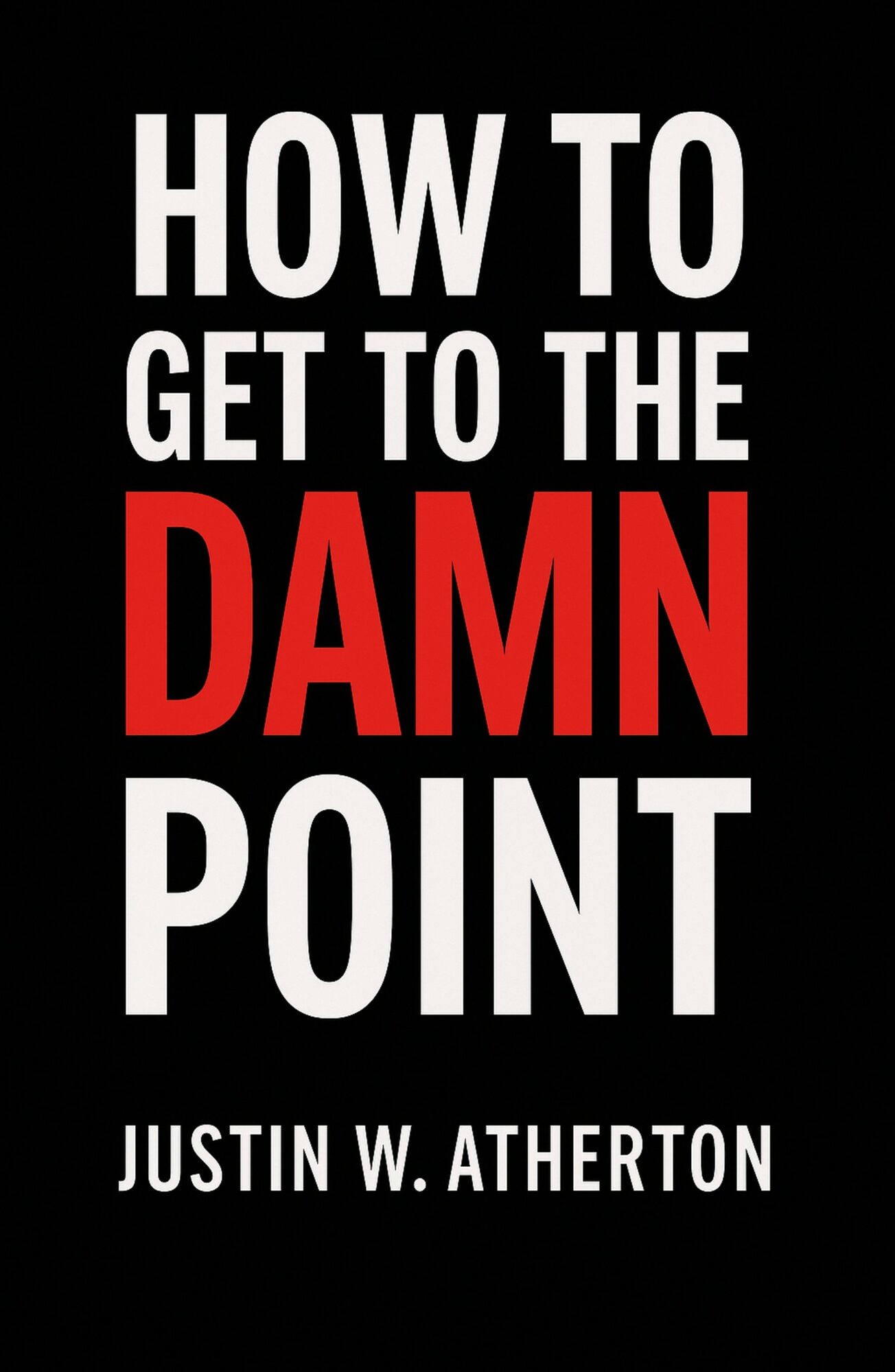
That work ultimately became my book, How to Get to the Damn Point, and the foundation of the work I do today with organizations and leaders.
I speak and train on something deceptively simple: helping people become harder to misunderstand.
Because organizations spend an incredible amount of time and money fixing problems created by confusion—missed expectations, unnecessary meetings, delayed decisions, unclear accountability, and conversations that should have happened weeks earlier.
I don’t believe people need another communication model they’ll remember for a day and forget a week later. The goal is to give them practical tools that change how they communicate when the next real conversation happens.
That’s really how I got here.
I spent 20 years in a profession that taught me the cost of getting communication wrong. Now, my work is about helping leaders and organizations experience what becomes possible when they get it right.
I’m sure it wasn’t obstacle-free, but would you say the journey has been fairly smooth so far?
No. It has definitely not been a smooth road.
I’ve had the opportunity to work for some great leaders during my career, but if I’m being truthful, I’ve probably experienced more examples of horrible leadership than great leadership.
And strangely enough, I’m grateful for both.
I believe I’ve learned more about leadership from the bad bosses than I have from the great ones.
The great leaders showed me what was possible. The bad ones showed me what I never wanted to become.
I’ve been accused of insubordination multiple times for speaking the truth when it would have been easier to stay quiet. I’ve challenged decisions I didn’t believe were right. I’ve refused to simply accept, “That’s the way we’ve always done it,” as a legitimate reason for continuing to do something.
And yes, I’ve been pushed out of organizations because I wasn’t willing to go along with the status quo.
Those experiences weren’t always easy. There were times when speaking up cost me professionally. There were times when doing what I believed was right would have been much easier if I had simply kept my head down and gone along with everyone else.
But that’s also where much of what I teach today was formed.
I’ve seen what happens when leaders surround themselves with people who won’t challenge them. I’ve watched organizations confuse compliance with commitment. I’ve seen employees stop speaking up because they’ve learned that honesty comes with consequences. And I’ve watched leaders demand accountability from everyone around them while refusing to accept it themselves.
Every one of those experiences taught me something.
They taught me that leadership isn’t a title. They taught me that clarity sometimes requires courage. They taught me that accountability has to work in both directions. And they taught me that if you’re going to ask people to tell you the truth, you have to create an environment where they can actually afford to do it.
That’s why, whenever I’ve taken over a team, one of the first things I’ve done is give people permission to correct me. If I’m wrong, tell me. If something I said doesn’t make sense, ask me. If you see something I don’t see, speak up.
Because I’ve experienced the alternative.
So no, the road hasn’t been smooth.
But I wouldn’t erase the difficult parts even if I could. The great leaders gave me examples to follow. The horrible ones gave me lessons I’ll never forget.
And somewhere between the two, I developed the leadership philosophy I teach today.
Alright, so let’s switch gears a bit and talk business. What should we know about your work?
Today, my work sits at the intersection of leadership, communication, and accountability.
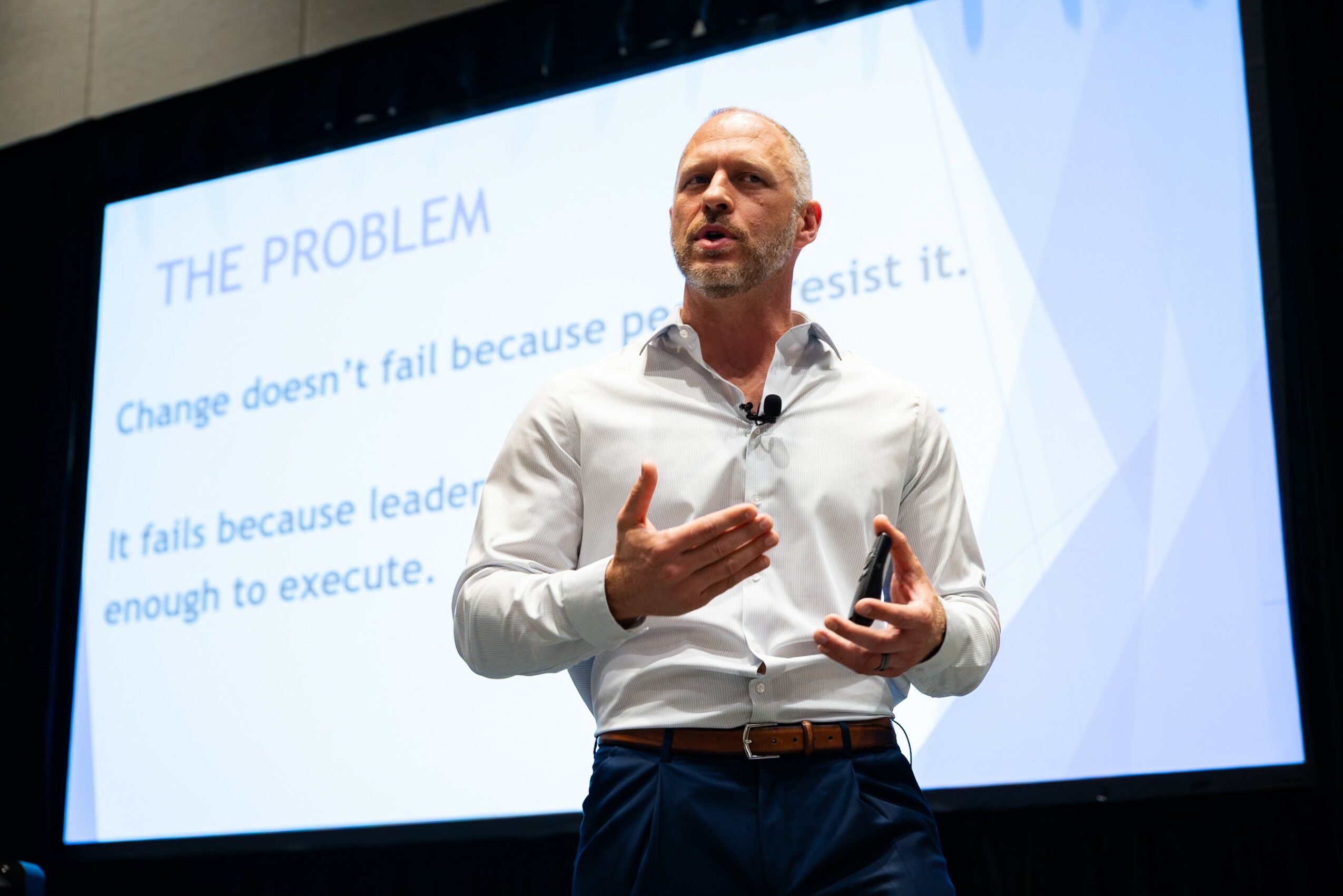
I’m a keynote speaker, author, leadership trainer, and the President of Training & Operations for Proactive Leadership. I’m probably best known for teaching people how to communicate with greater clarity—particularly when the conversation matters.
My book, ‘How to Get to the Damn Point’, really captures the philosophy behind much of my work.
The title gets people’s attention, but the idea behind it is much bigger than simply telling people to talk less.
I believe confusion is one of the most expensive and overlooked problems inside organizations.
When leaders aren’t clear, expectations become assumptions. Decisions get delayed. Meetings multiply. Accountability becomes subjective. Teams spend time trying to interpret what someone meant instead of executing what needs to happen.
And ironically, some of the smartest people I’ve worked with struggle with this the most. Expertise makes us want to explain everything we know instead of communicating what the other person actually needs.
That’s the problem I specialize in solving.
I work with corporations and organizations in two primary areas.
The first is leadership—helping leaders communicate expectations, navigate difficult conversations, create accountability, make better decisions, and build teams where people are willing to speak honestly.
The second is helping entire teams ‘get to the damn point.’
I come into organizations through keynotes, workshops, and training programs to help teams identify where unclear communication is costing them time, execution, trust, and productivity. We work on practical skills for getting to the point faster, separating necessary context from unnecessary information, eliminating vague language, running clearer meetings, communicating decisions, and making sure people leave conversations knowing exactly what happens next.
Because this isn’t only a leadership problem.
It’s an organizational problem.
A company can have incredibly talented people and still struggle to execute because everyone is communicating in different directions. My job is to help create a common language around clarity.
What sets my work apart is that I’m not particularly interested in teaching concepts that sound great in a conference room but disappear when people go back to work.
I spent 20 years in law enforcement. I worked investigations, SWAT, supervision, training, and leadership. In those environments, communication had to produce an outcome. You couldn’t walk away from an interview, briefing, critical incident, or difficult conversation saying, “Well, that’s not what I meant.”
That background heavily influences how I teach today.
Everything has to be practical.
I don’t want someone leaving one of my keynotes or workshops saying, “That was inspiring.”
I want them sitting in a meeting two weeks later, recognizing that they’re creating confusion and knowing exactly what to do differently.
That’s also what I’m most proud of.
I’ve been able to take lessons learned in police cars, interview rooms, SWAT operations, classrooms, and leadership positions and translate them into tools that now help executives, HR professionals, managers, sales teams, government leaders, and organizations far outside of law enforcement.
Different industries. Different problems. Different personalities.
But human communication is remarkably consistent.
People want to know: What do you need from me? Why does it matter? What happens next?
My goal is to help leaders and teams answer those questions with clarity.
Because most communication training changes what people know for a day.
Our goal is to change how people communicate every day.
Is there a quality that you most attribute to your success?
My willingness to challenge things—including myself.
I’ve never been good at accepting, “That’s just the way we’ve always done it.” Throughout my career, I’ve challenged leaders, systems, and ideas when I believed there was a better way. Sometimes that created opportunities. Other times, it came with consequences.
But challenging others only works if you’re equally willing to challenge yourself. I give the people around me permission to tell me when I’m wrong, when something doesn’t make sense, or when they see something I don’t.
That mindset has shaped much of what I teach today.
I don’t accept something simply because it’s always been done that way. I ask whether it works—and if it doesn’t, I look for a better way.
Contact Info:
- Website: https://JustinWAtherton.com
- Instagram: @TheDamnPoint
- Facebook: https://www.facebook.com/JustinWAtherton/
- LinkedIn: https://www.linkedin.com/in/confidenceunchained/
- Other: https://podcasts.apple.com/us/podcast/the-damn-point/id6785142732