




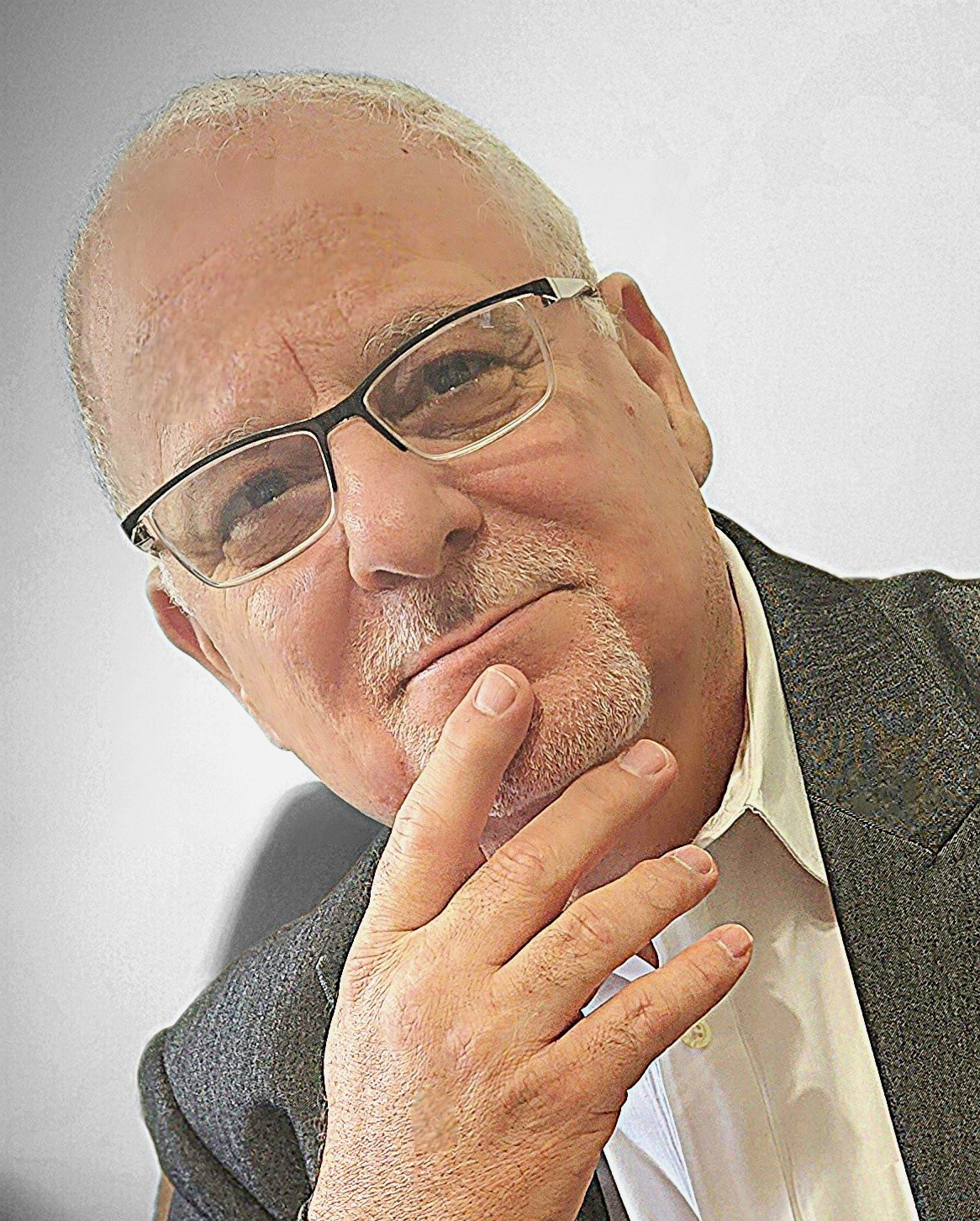
Today we’d like to introduce you to Samuel Said.
Hi Samuel, can you start by introducing yourself? We’d love to learn more about how you got to where you are today?
Our Story from Vision to Reality
Vision Reborn was birthed from the heart of Dr. Samuel Said, a man who knows firsthand what it means to be restored by God. Born in Nazareth, Israel, and raised in the hills of Galilee where Jesus once walked, Dr. Samuel’s life has been marked by trials, miracles, and triumphs.
After suffering a head and back injury that resulted in 85% memory loss and a disability registration, Dr. Samuel began a 12-year journey of restoration. Through God’s grace, discipline, and the power of faith, he regained 75% of his memory, earned six degrees, including three Ph.D. degrees, and became a licensed Christian counselor and educator. His story is not just a testimony—it is a blueprint for hope.
With over 21 years of experience in higher education, Dr. Samuel has taught Computer Science, Education, and Theology, equipping him to deeply understand student needs, administrative challenges, and academic environments. He has become an expert in problem-solving and mentorship, skillfully guiding others through complex personal and professional situations.
Additionally, Dr. Samuel has served as a pastor of four churches, gaining a wealth of experience ministering to people from all occupations. These pastoral years shaped his compassionate approach and allowed him to connect with individuals and families facing deep emotional and spiritual struggles.
Vision Reborn is a beacon of healing, identity, and purpose today. It is more than a counseling center—it is a spiritual haven, where transformation begins and destinies are restored.
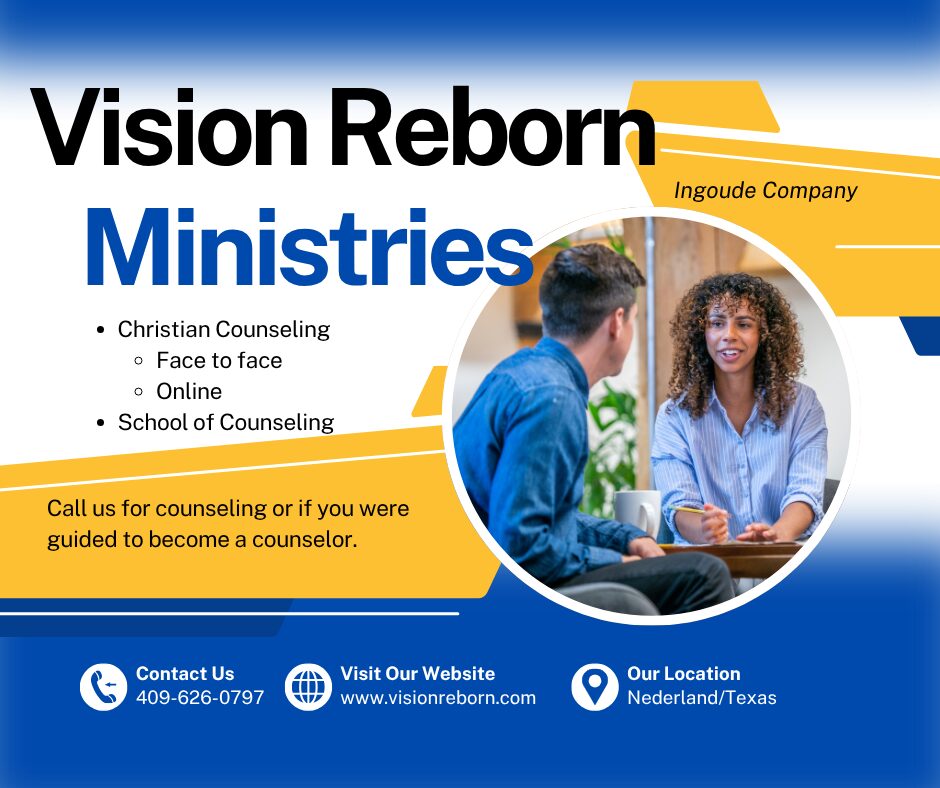
Vision Reborn Ministries operates under the legal entity “Vision Reborn” and functions through multiple divisions that unite faith-based counseling, Christian education, and community transformation. Together, these divisions fulfill our mission of healing hearts, renewing minds, and empowering lives through biblical truth and practical application. Vision Reborn Ministries is a national Christian Counsel Association Certified Academic Institution Center.
Vision Reborn Ministries stands on three strong pillars of transformation:
1. Vision Reborn Counseling Services – Healing the heart.
2. Elohit Training Center – Equipping the mind and spirit.
3. Elohit Child Education – Building the future through faith and learning.
1. Vision Reborn Ministries (Parent Organization)
The governing and spiritual covering for all Vision Reborn divisions, overseeing mission alignment, leadership development, and strategic growth.
A. Vision Reborn Counseling Services
The clinical and pastoral care branch provide professional, faith-based counseling to individuals, couples, and families worldwide.
Focus Areas:
• Temperament Counseling (NCCA)
• Marriage and Family Therapy
• Trauma, Anxiety, and Depression Recovery
• Leadership and Personal Development
• Workshops and Wellness Programs
B. Elohit Training Center
The educational and developmental branch of Vision Reborn, committed to equipping believers, ministers, and counselors through Spirit-led, academically sound training.
It consists of two key divisions:
a. Elohit Institute
Provides theological and counseling education for adults pursuing ministry, leadership, or professional certification and degrees.
Departments:
• School of Theology – Deep biblical education for lay people, church leaders as well as Pastors
• School of Counseling – Training Christian counselors in temperament and pastoral counseling.
b. Elohit Child Education
Focuses on early education and literacy for children, integrating biblical values and academic excellence.
Programs Include:
• Reading and Phonics Readiness
• Writing and Creative Expression
• Character Formation and Faith-Based Learning
Together, these divisions fulfill Vision Raborn’s mission to restore lives, renew minds, and rebuild communities through the power of God’s Word and the wisdom of biblical counseling.
We all face challenges, but looking back would you describe it as a relatively smooth road?
When I think about Vision Reborn’s journey, I see it as something God has carved out through obstacles, not around them.
One of the earliest challenges was very personal. Before Vision Reborn existed, I went through a serious head and back injury that left me with about 85% memory loss and labeled as disabled. I had to relearn, re-study, and rebuild my life from the ground up. That meant pressing through fatigue, doubt, and discouragement just to be able to serve again. Vision Reborn was literally born out of that brokenness. The good that has come from it is that today, when I sit with someone who feels “finished” or “written off,” I’m not speaking theory—I’ve lived in that place.
Another challenge has been navigating relationships within the wider body of Christ. At times, some ministers felt threatened by my academic background and counseling training. Instead of partnership, there were seasons of being sidelined or misunderstood. That could have bred bitterness, but God used it to refine our focus. Vision Reborn is not competing with churches—we exist to *serve* them, especially wounded leaders and burned-out pastors who often have nowhere safe to process their pain.
Financially, we’ve also faced the reality of having a big vision with limited resources. We started small—no big donors, no large staff—just obedience, sacrifice, and creativity. I’ve driven Uber, juggled multiple roles, and depended on small monthly gifts to keep the work going. That has been stretching, but it has also kept us very dependent on God and careful with every decision. Ideas like our Ten for Transformation initiative grew directly out of those limitations.
Structurally, another challenge has been building a ministry that has multiple arms: a counseling center, a seminary/school of theology and counseling, and now the emerging Vision Reborn Fellowship. Making sure everything is legally sound, ethically strong, and biblically grounded—bylaws, board structure, policies, accreditation—has been a long, detailed process. But it’s given us a solid foundation so that this work can outlive me and serve future generations.
There is also the emotional weight of this kind of ministry. We walk with people through trauma, broken marriages, grief, fear, addiction, and pastoral burnout. Carrying those stories without burning out yourself is a real challenge. It has forced me to deepen my own walk with the Lord, to remember that Jesus is the Wonderful Counselor and I am His vessel, not the Savior.
Finally, building a team has been both a challenge and a blessing. The vision is too big for one person, but finding people who share the heart, values, and calling takes time. Moving from “I” to “we” is still an ongoing process—raising up leaders, directors, and future counselors who can carry the work forward.
So, the obstacles have been personal, relational, financial, structural, emotional, and organizational. But through each one, God has been shaping Vision Reborn into more than just a counseling practice. He’s forming it into a movement of healing and training that comes out of real fire, real scars, and real hope.
As you know, we’re big fans of you and your work. For our readers who might not be as familiar what can you tell them about what you do?
I’d describe myself as a pastor–educator–counselor all in one.
I’m the Founder and Executive Director of **Vision Reborn Ministries**, which has two main branches:
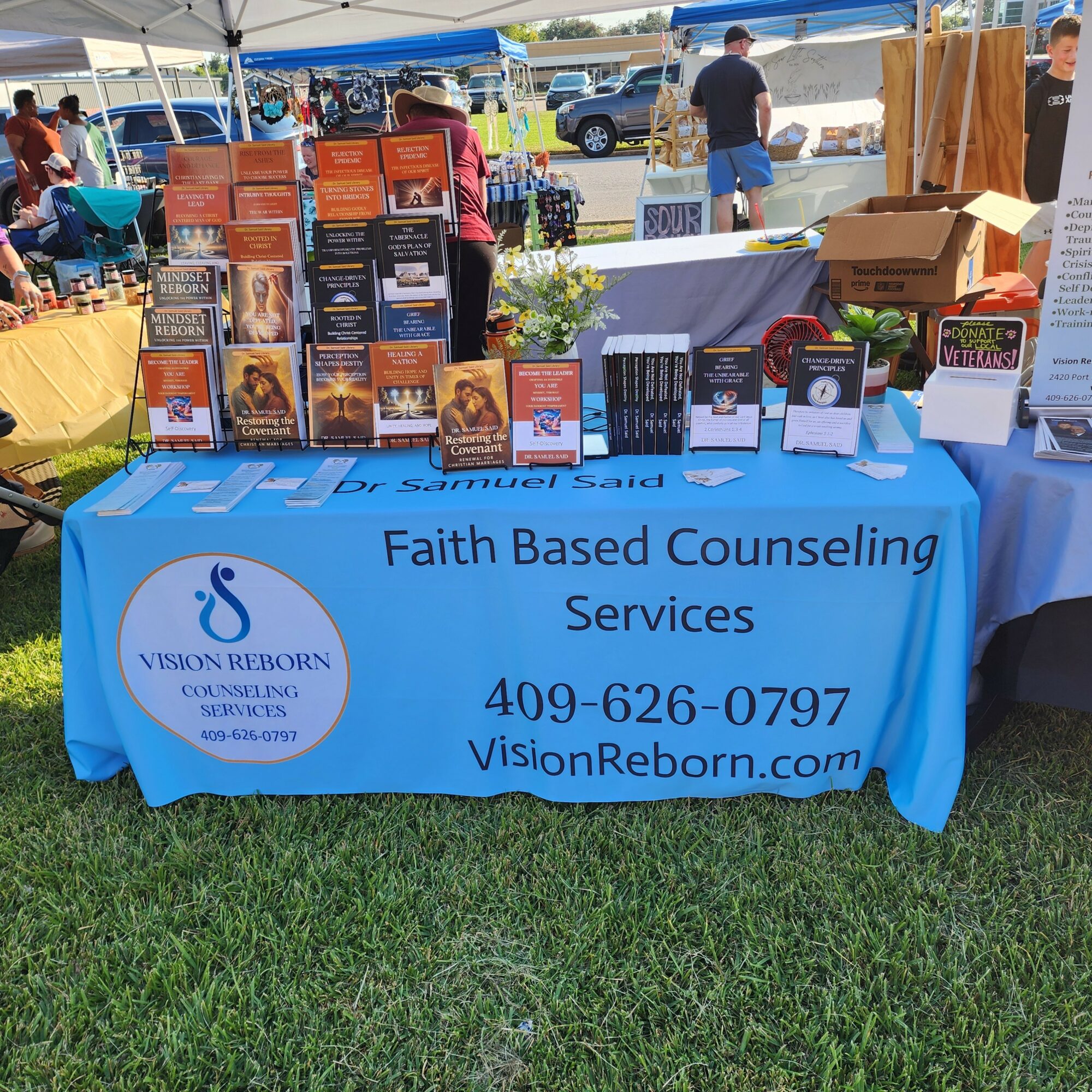
* **Vision Reborn Counseling Services** – a Christian counseling ministry serving people in person and worldwide via Zoom.
* **Vision Reborn Seminary** – offering Christ-centered programs in **Theology and Counseling**, from certificates up to Ph.D. level.
In terms of education, God led me on a long academic journey. I hold **three PhDs**—in **Education, Theology, and Counseling**—along with multiple degrees and advanced certifications, including **Certified Temperament Pastoral Counselor** (APS / NCCA). I’ve served as a **college professor for over 26 years**, director of education, and creator of counseling and leadership courses.
My specialization is **Christian counseling through Temperament Analysis (APS)** and **leadership development**. I work a lot with:
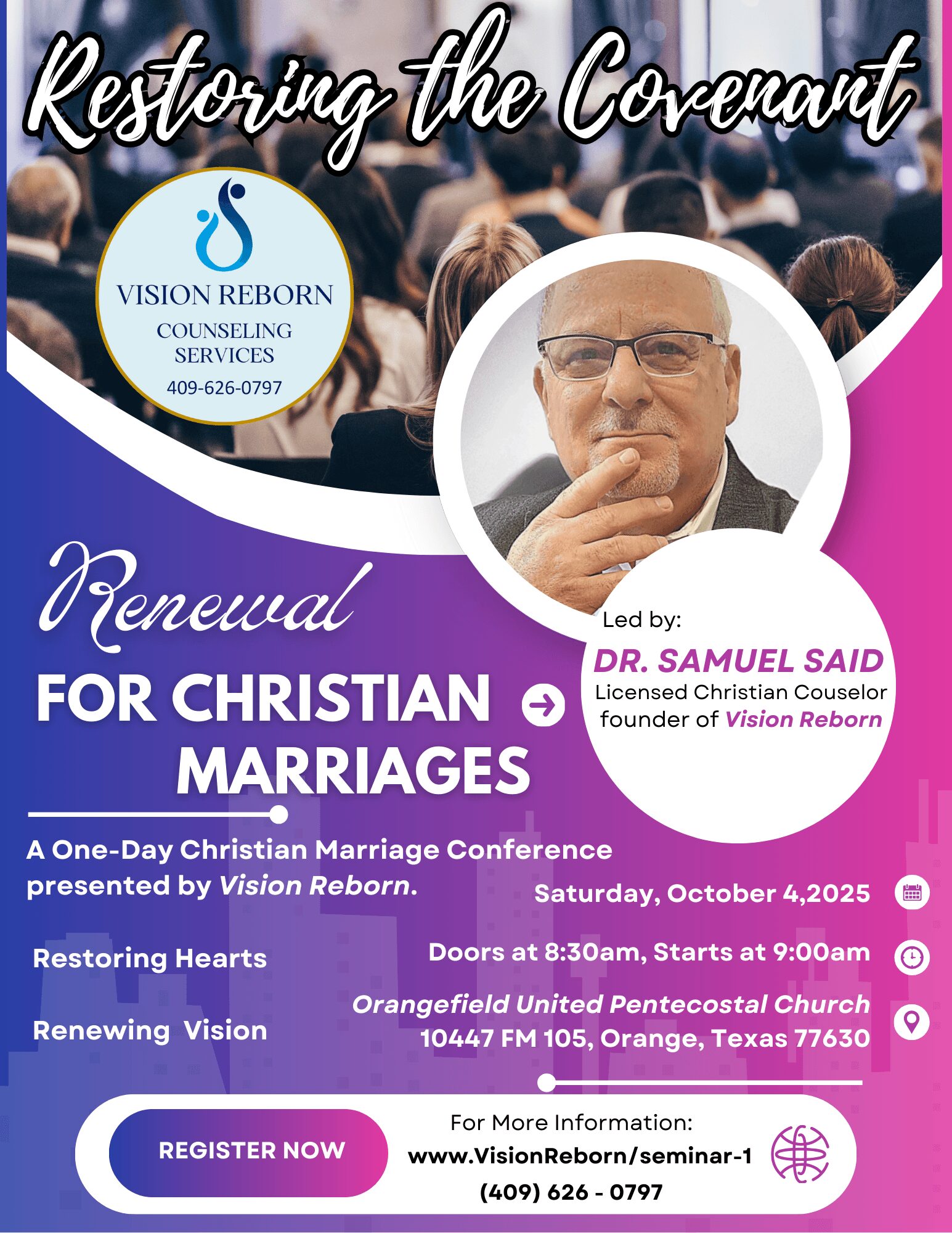
* Married couples in crisis
* Pastors and leaders dealing with burnout or conflict
* Individuals wrestling with identity, trauma, anxiety, and spiritual confusion
I’m known for taking people **deeper than surface problems**—helping them understand *why* they think, feel, and react the way they do, and then building a practical, step-by-step plan for healing and growth. Many describe me as a “deep well” of knowledge and experience, but very gentle and safe to talk to.
What I’m most proud of is not my degrees—it’s the **transformed lives**:
* Marriages restored that were headed for divorce
* Pastors who were ready to quit but found rest, boundaries, and renewed calling
* Young people who discovered their true path instead of living out someone else’s expectations
I am also deeply grateful that God helped me overcome a **severe head and back injury with major memory loss**, and from that place of brokenness I went back to school, earned my degrees, and returned to serve others. That journey is a big part of what sets me apart. I don’t just teach resilience and transformation; I’ve walked through it.
What makes me different is the combination of:
* **Scholarly depth** (three PhDs, decades in higher education),
* **Pastoral heart and biblical conviction**, and
* **Personal experience of suffering and restoration**.
I build everything—sessions, courses, workshops, and books—with one purpose: to help people **be transformed in mind, healed in heart, and strengthened in purpose**, so they can walk out the calling God has placed on their lives.
Do you have any advice for those looking to network or find a mentor?
For me, good mentoring and good networking both start with the same foundation: genuine relationships, not transactions.
Here’s how I usually answer this in an interview.
1. Look for character before you look for a title
When I look for a mentor, I don’t start with, “Who is the most famous or impressive?”
I start with, “Who consistently lives the way I want to live?”
I pay attention to:
• How they treat people who can’t benefit them
• Whether their family respects them
• How they handle stress, criticism, and failure
Degrees and positions are good, but character and fruit matter more. I would rather be mentored by a hidden, faithful person than a public, unstable one.
2. Start by serving, not by asking for a favor
One thing that has worked very well for me is this:
Instead of approaching someone with, “Will you mentor me?” I approach with,
“How can I serve what you’re doing?”
That might look like:
• Volunteering at their event or ministry
• Helping with practical tasks
• Supporting their projects, sharing their work, or connecting them with people who could help
When you serve someone’s vision, relationship grows naturally, and mentoring often happens organically rather than formally.
3. Be clear about what you’re asking for
When I do ask for mentoring, I try to be very specific:
• “Could I meet with you three times to talk about how you handle leadership transitions?”
• “Would you be willing to give me feedback on this plan or this chapter I’m writing?”
Most people are hesitant to say “yes” to a vague lifetime commitment, but they are often happy to say “yes” to a clear, limited request. That clarity shows respect for their time.
4. Have a circle of mentors, not just one
I don’t look for one person to be everything for me.
Instead, I’ve found it helpful to have:
• People I look up to for theology and spiritual life
• Others I learn from in counseling and temperament work
• Others for leadership, organizational structure, and strategy
This takes the pressure off one person and gives me a balanced perspective. It also allows different gifts to speak into different areas of my life.
5. Networking: focus on adding value, not collecting contacts
In terms of networking, what has worked best for me is to treat every interaction as an opportunity to encourage, listen, and add value—not just hand out my information.
Practically, that means:
• Asking people about their story and really listening
• Remembering details and following up (“How did that situation with your son turn out?”)
• Sharing resources freely—an article, a book recommendation, a connection to another person
Over time, this builds trust and goodwill, not just a contact list.
6. Show up consistently where growth is happening
Another thing that has helped me is simply showing up consistently in the right environments:
• Conferences, trainings, and workshops
• Community events
• Ministry, counseling, and educational circles
When you keep showing up, people notice. Relationships form slowly but deeply. Some of my strongest connections didn’t come from a big, dramatic moment—they came from faithful, repeated presence.
7. Treat every conversation as a seed
Finally, I try to see every conversation as a seed I’m planting:
• Sometimes it grows into friendship.
• Sometimes it grows into partnership.
• Sometimes it grows into mentoring.
I don’t force any of it. I just stay authentic, consistent, and generous, and I’ve watched God connect me with the right people at the right time.
So my advice is simple:
• Choose mentors for their character.
• Approach with a servant’s heart.
• Be clear and specific in what you ask.
• Build a circle, not a pedestal.
• Network by caring, not collecting.
If you walk in that posture, the right mentors and connections will not just be found—you’ll recognize them when they arrive.
Pricing:
- Individuals: $75
- Couples: $100
- If you can not afford it, you can pay $25 for every session
- or for free God will provide
Contact Info:
- Website: https://VisionReborn.org
- Facebook: https://www.facebook.com/people/Vision-Reborn/61572449997908/?checkpoint_src=any