






Today we’d like to introduce you to Scholonda Jones.
Hi Scholonda, thanks for joining us today. We’d love for you to start by introducing yourself.
I have been in the field of Applied Behavior Analysis for the past 11 years. Throughout my journey, I have learned the importance of connection over correction — a value instilled in me by an incredible mentor who helped shape the way I approach care and support. My passion is centered around early intervention and ensuring that every child receives the highest quality of care possible. I believe in loving without judgment and providing services with compassion, integrity, and genuine dedication to helping children and families thrive.
Alongside my professional role, I am also a devoted wife, a loving mother, and a loyal friend. I proudly wear many hats, and one of my greatest joys is being a superhero in the eyes of the children I care for each day. My goal is always to create meaningful connections, inspire growth, and make every child feel seen, supported, and valued.
I’m sure it wasn’t obstacle-free, but would you say the journey has been fairly smooth so far?
I understand the struggles that can arise when supporting children with behavioral challenges and autism, and I approach those moments with patience, empathy, and consistency. My goal is always to create meaningful connections, inspire growth, and make every child feel seen, supported, and valued while helping families navigate both the victories and the challenges along the journey.
As you know, we’re big fans of you and your work. For our readers who might not be as familiar what can you tell them about what you do?
.
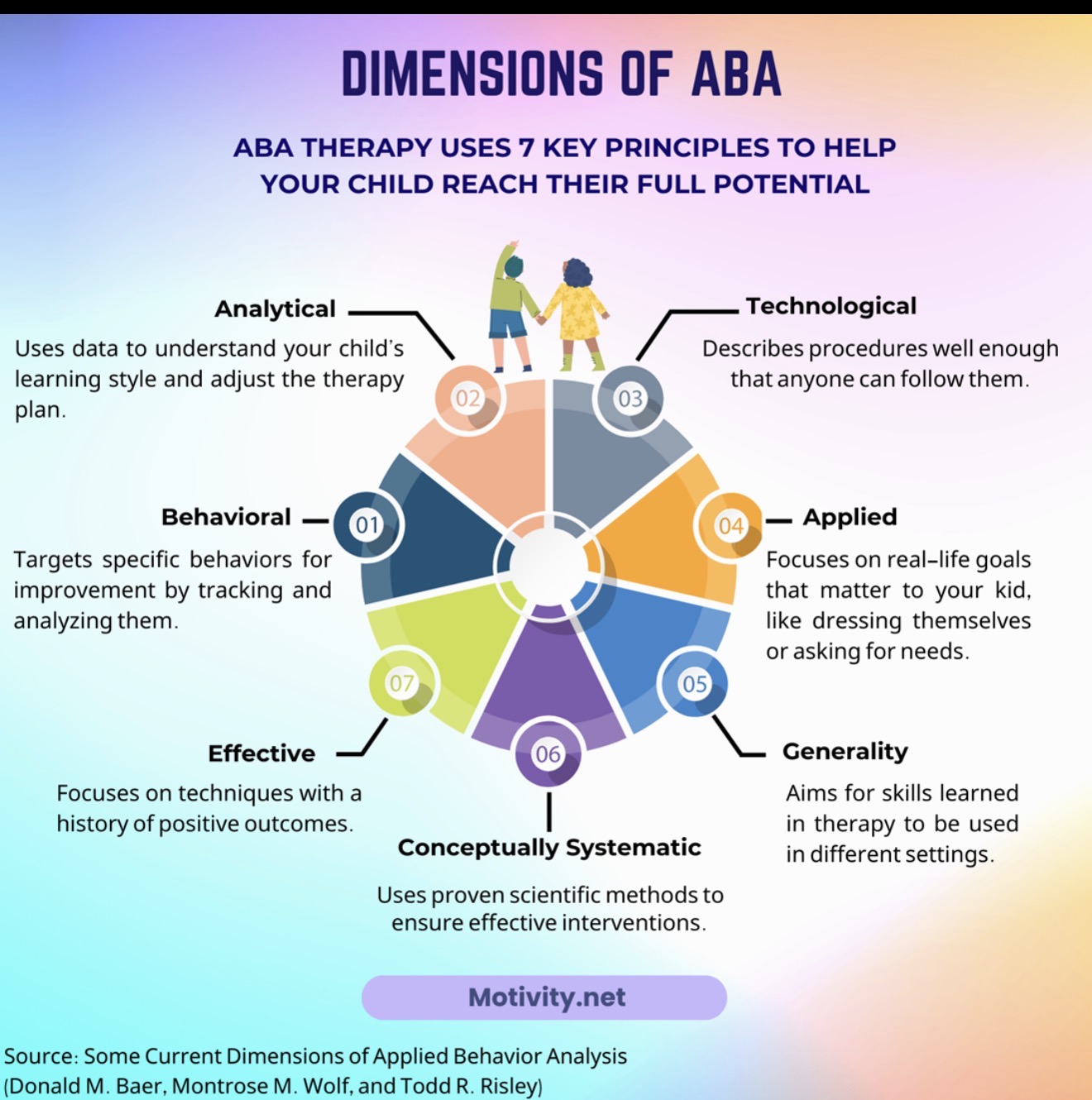
Applied Behavior Analysis, also known as ABA, is a science-based approach focused on understanding behavior and how learning takes place. ABA helps children develop important life skills such as communication, social interaction, emotional regulation, independence, daily living skills, and positive coping strategies. It also helps reduce behaviors that may interfere with learning, safety, or everyday functioning by identifying the reason behind those behaviors and teaching healthier, more effective ways to communicate needs and emotions.
I believe ABA is not about changing who a child is, but about helping each child reach their fullest potential in a way that supports their individuality and quality of life. I approach therapy with patience, compassion, and understanding because I know there can be struggles along the way when supporting children with behavioral challenges and autism. Every child deserves to feel safe, heard, supported, and celebrated for who they are.
What sets me apart is my ability to lead with compassion, patience, and genuine connection no matter the challenge, behavior, or diagnosis a child may have. I consider myself a superhero for every client I serve because I believe every child deserves someone who will advocate for them, believe in them, and meet them exactly where they are without judgment. I understand that every child is different, and I pride myself on creating individualized connections that help children feel safe, supported, understood, and capable of success.
Is there any advice you’d like to share with our readers who might just be starting out?
If you are just starting out in the field of Applied Behavior Analysis, my biggest piece of advice would be to always lead with compassion, patience, and an open heart. Remember that before any program, goal, or behavior plan, you are working with a child who deserves to feel safe, understood, and valued. Connection over correction will always matter. Building trust and meaningful relationships with your clients and their families creates the foundation for true progress.
Be willing to learn continuously. Every child is different, and no two sessions will ever look exactly the same. Stay teachable, ask questions, accept feedback, and never be afraid to grow through experience. Some days will be challenging, especially when working through behaviors, communication barriers, or emotional moments, but consistency and patience make a tremendous difference over time.
It is also important to remember that small victories matter. Celebrate every accomplishment no matter how small it may seem — a new word spoken, a successful transition, eye contact, trying a new food, or independently completing a task. Those moments are huge milestones for many children and families.
Most importantly, never lose the heart behind why you entered the field. Children can feel genuine care, and when you provide therapy with love, integrity, and without judgment, you become more than just a therapist — you become a safe space, an advocate, and sometimes even a superhero in a child’s life.