




Today we’d like to introduce you to Valentina Kisseleva.
Valentina, we appreciate you taking the time to share your story with us today. Where does your story begin?
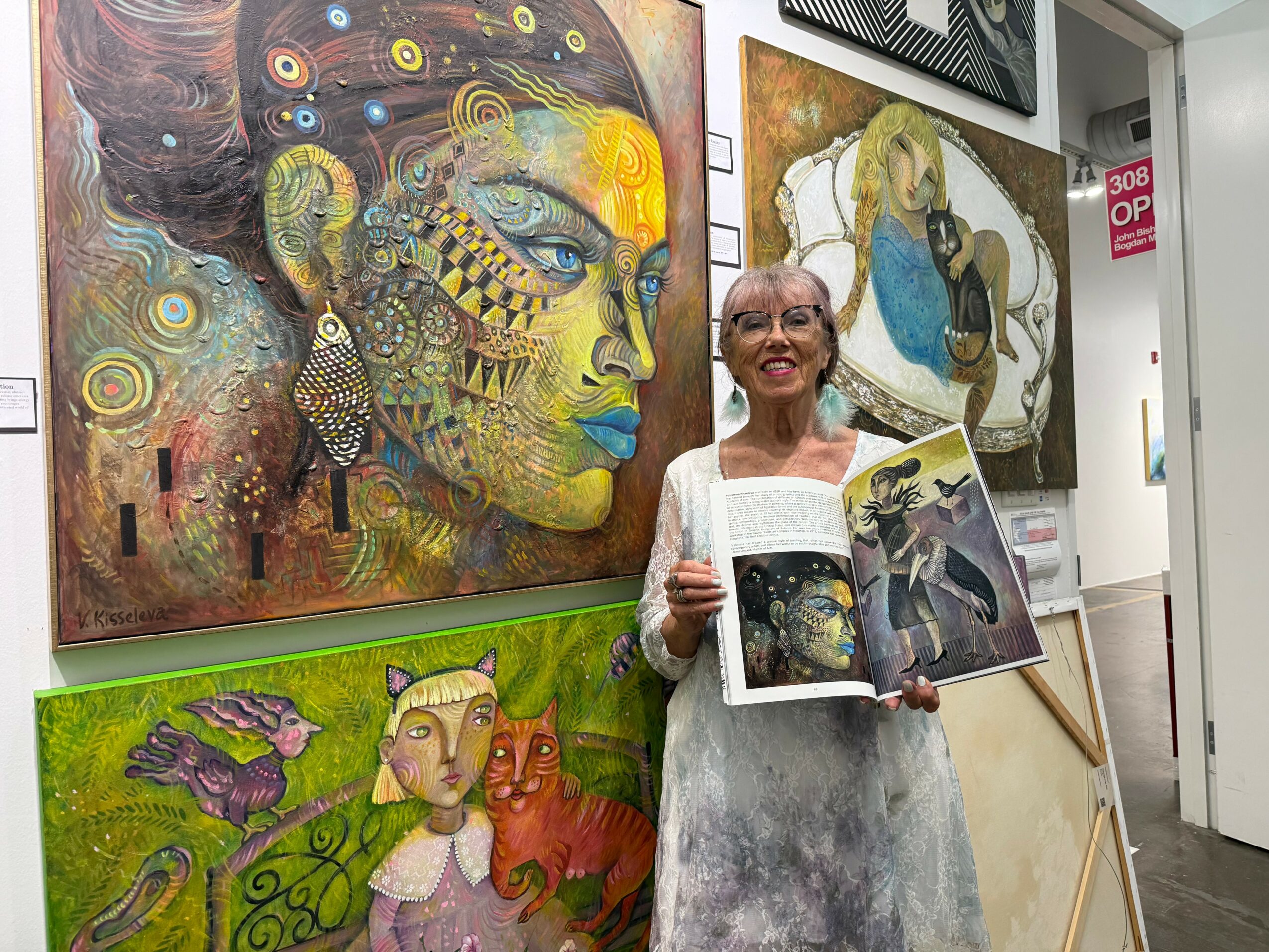
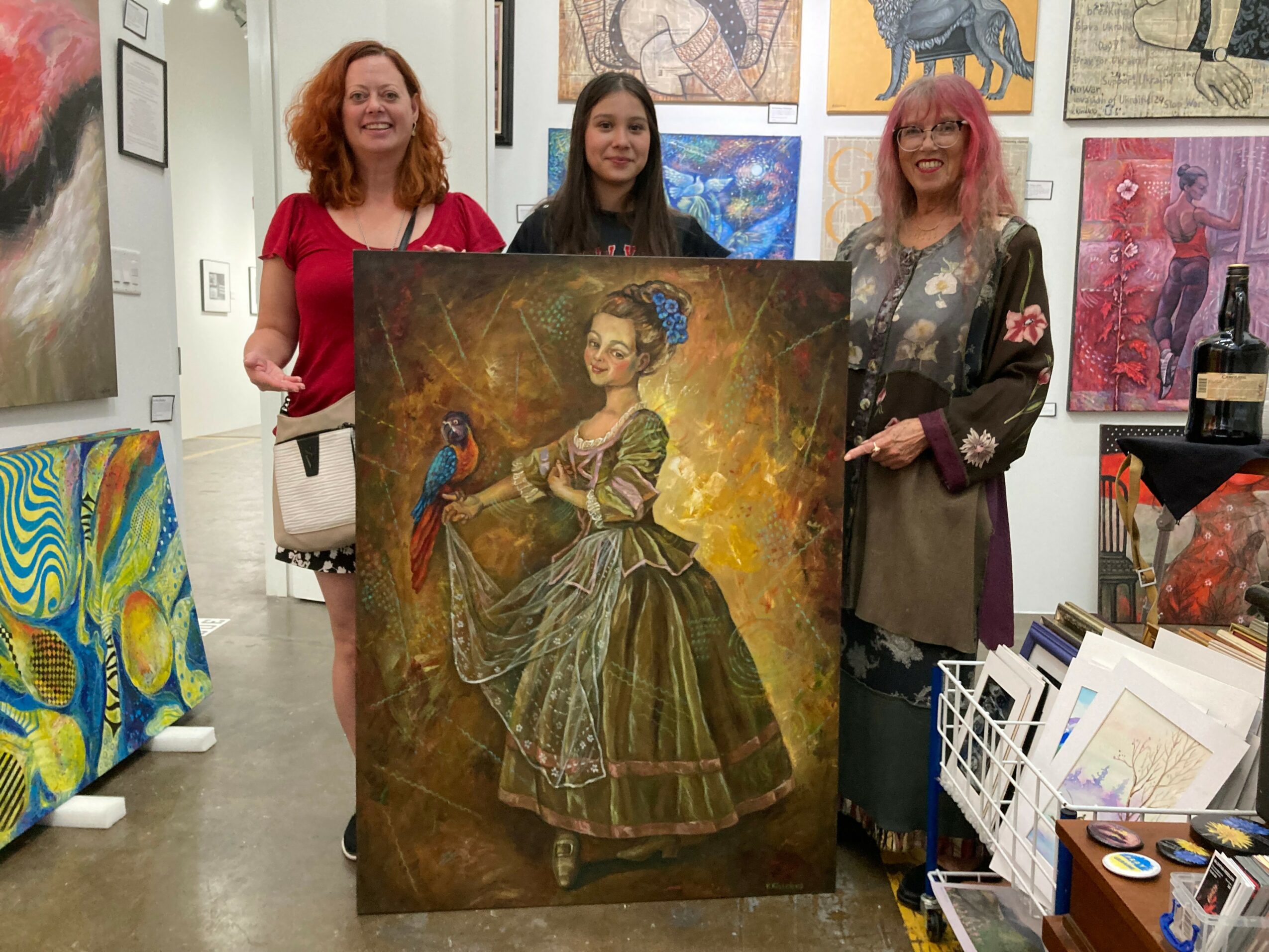
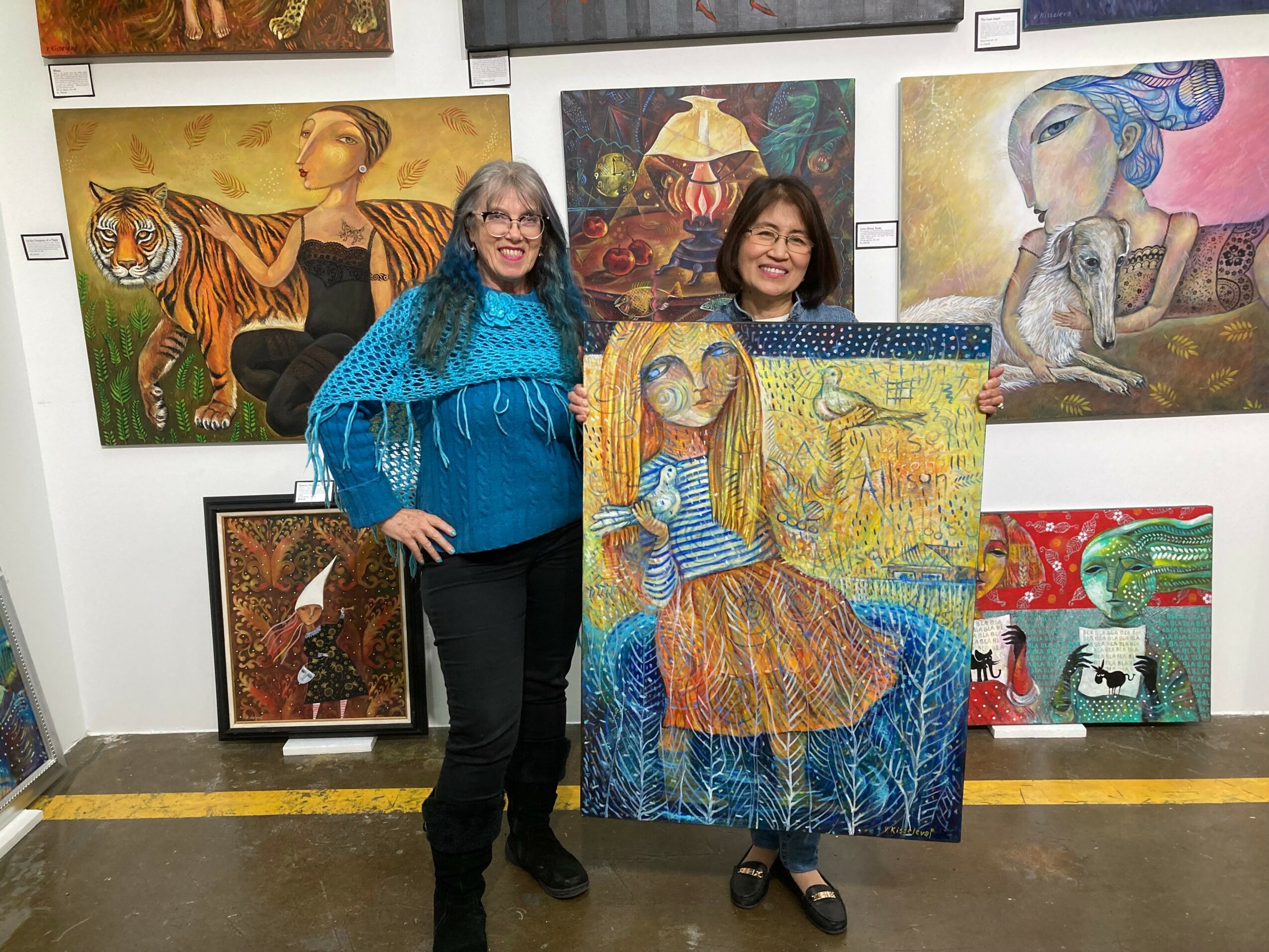
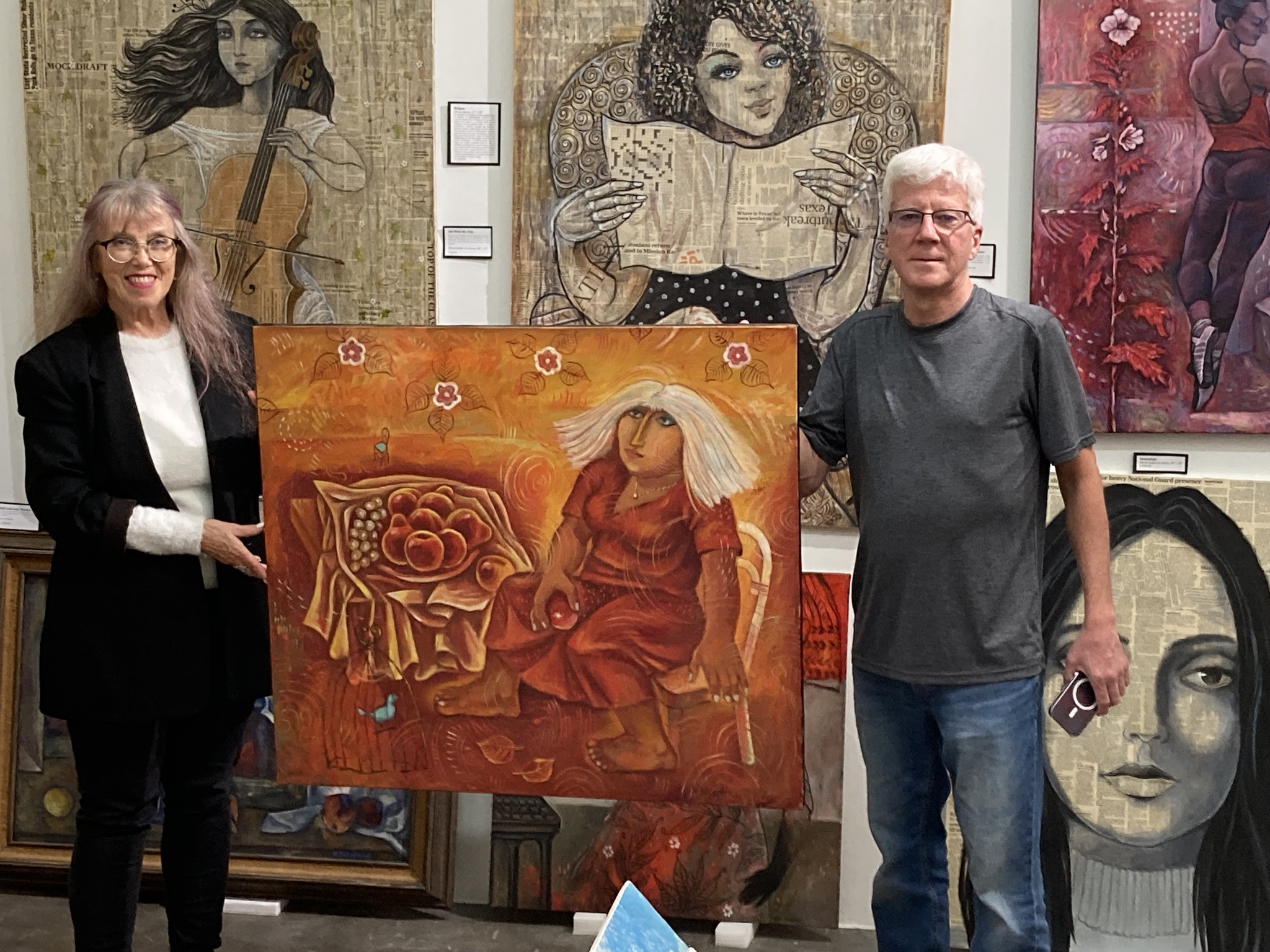
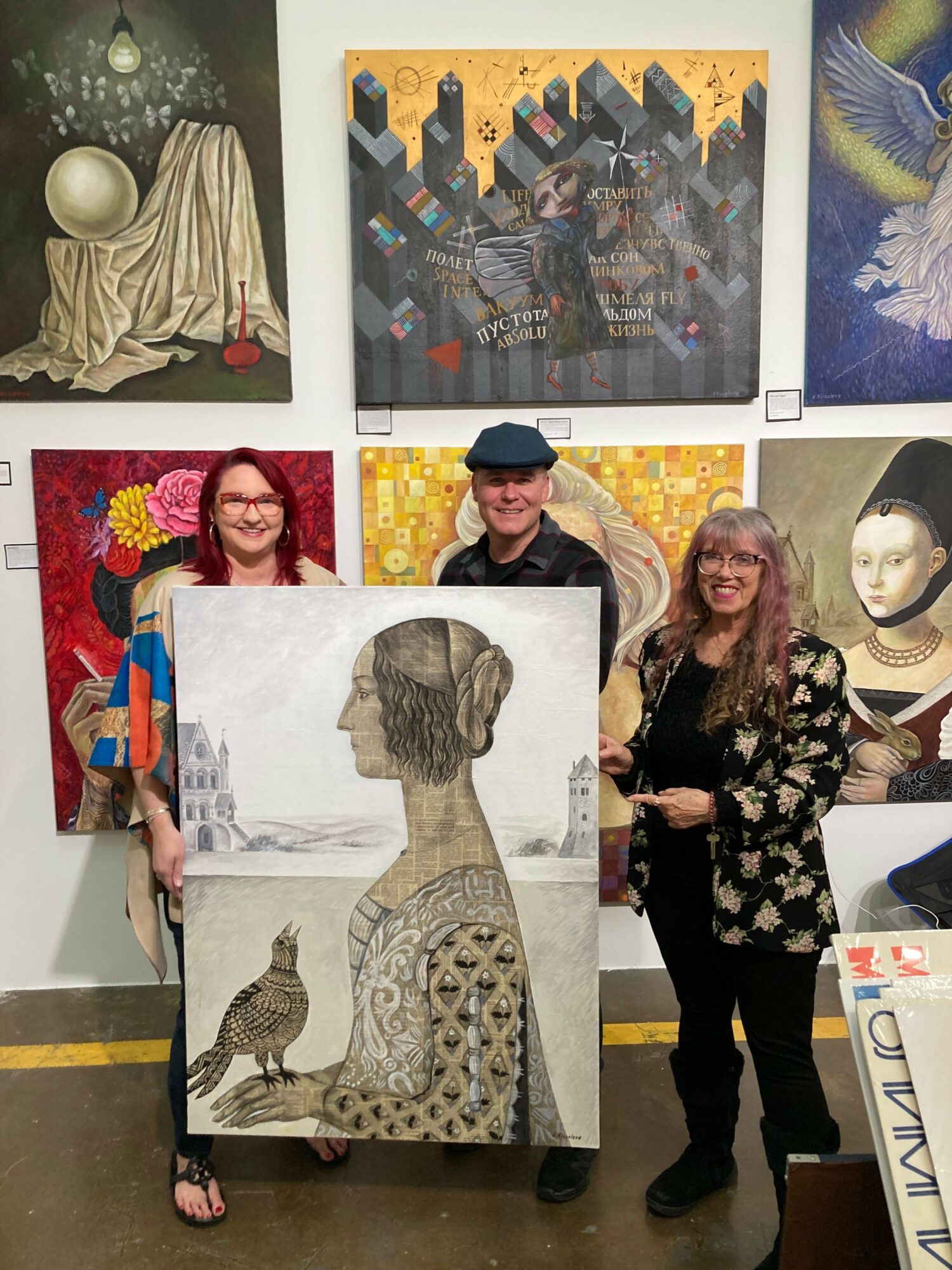
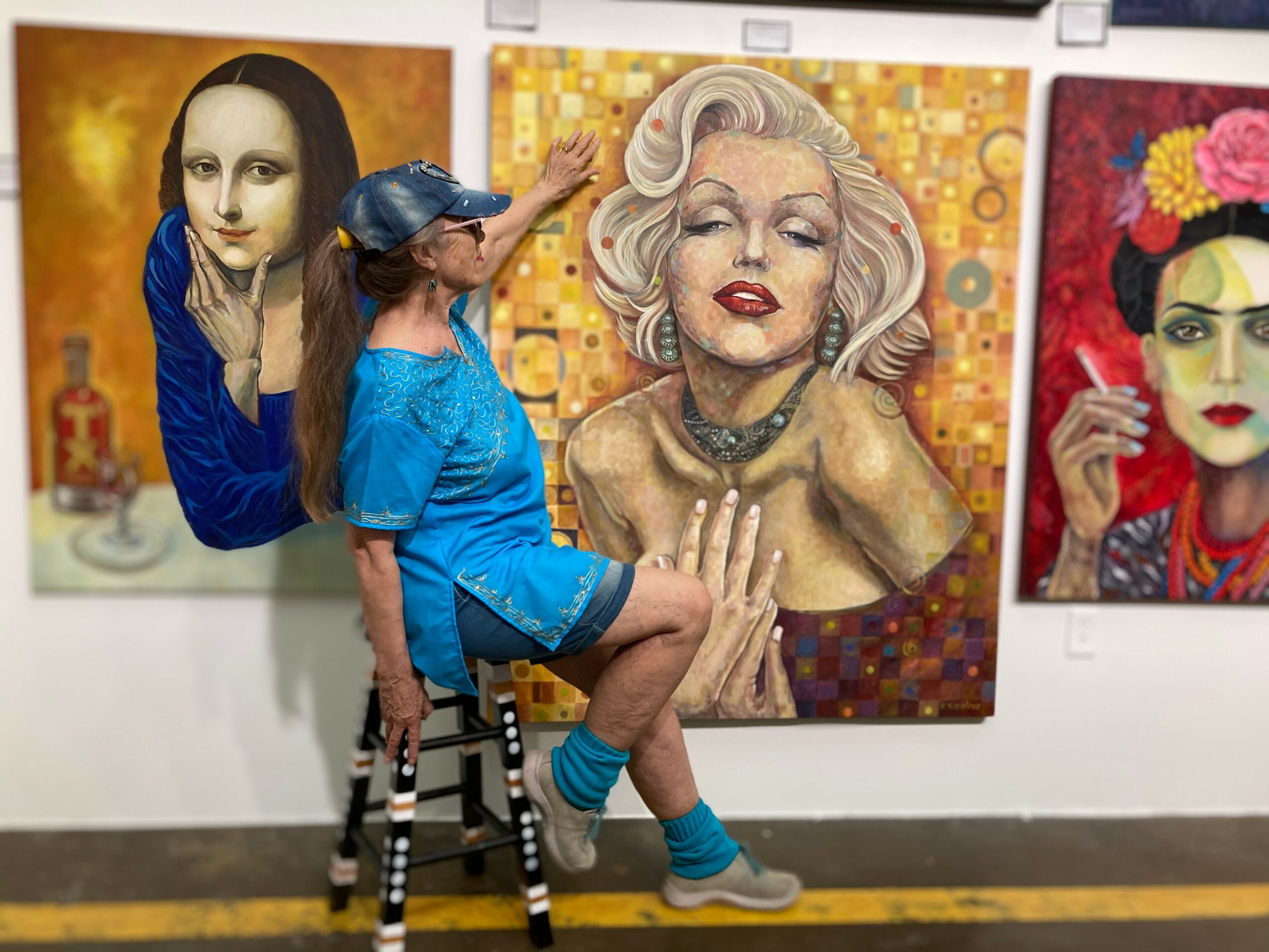
I have a Master of Arts degree. My artistic style was formed through my studies of graphic design at the Belarusian Academy of Arts and academic painting at the Academy of Arts in the former USSR. Over the years, working in the USA, I have had numerous exhibitions. In 2014, I created a mural in Puerto Rico. My paintings are in private collections around the world. For over twelve years, I have had a studio at Sawyer Yards in Houston,Tx.
My paintings are held in numerous private collections in the USA and abroad. My name is included in the catalog of the Union of Graphic Designers of Belarus. In 2013, I was named one of Houston’s “100 Best Creative Artists” in Houston Chronicle news.
The challenge in telling my story about my work, is that I am explaining what I observe and allowing the viewer the space to have their own concepts and mental constructs of the art in his own consciousness. My styles are drawn from years of influence, education and experience and are expressed as figurative, abstract and sometimes surreal.
In my early work carried out in the USSR, I was trying to capture the more serious events with the use of dark tones. Most of the works have a quiet stable classical construction and composition. These paintings become topical documentary in the eyes of the audience.
After moving to Houston in 1995, I changed painting style. Color of painting became more vivid, explosive, depicting human figures with a lost naturalistic image that become symbolic and capable of transmitting long psychological experiences. All these elements can be easily identified in the various new collections. The collected works were produced in the last few years and are related to each other stylistically; despite the seriousness of the events portrait and paintings executed in a fun, “fabulous” style. Some works are created using more lively and vibrant colors, other have more muted tones, but each picture has deep feelings with hopes that have inspired me to create this collection. Many stylistic elements used by me increased and helped to create romantic decorative paintings.
Alright, so let’s dig a little deeper into the story – has it been an easy path overall and if not, what were the challenges you’ve had to overcome?
My creative life seemed to split into two distinct halves: Graphic Design and Painting. At their very inception, these two lives did not intersect in any way. Consequently, I felt torn in two—a sensation I found deeply agonizing. It was as if I were living two parallel lives simultaneously. In that life as a designer, I achieved success; I was admitted to the USSR Union of Designers in recognition of my posters—many of which were published in large editions throughout the Republic of Belarus. Every single one of them was featured in exhibitions of national significance and displayed in various galleries. Many of these works now reside in private collections. My second life, however, was arduous and fraught with difficulty. I lived through it amidst disappointment and anguish, constantly searching for my own artistic voice.
Immediately after receiving my diploma in graphic design, I threw myself wholeheartedly into the field. Fueled by boundless energy, my enthusiasm and creativity knew no limits; I channeled them into every conceivable form of visual communication—from designing advertising catalogs, corporate identities, and exhibition posters to creating small-scale industrial objects. My most ambitious project was “Graphic Information Systems for Long-Distance Call Centers,” commissioned by the USSR Ministry of Communications. This project entailed not only the stylistic design of the graphics but also the development of the physical structures and fixtures required to display them. The final deliverable was a comprehensive guidebook containing recommendations for the decorators who would be responsible for bringing my vision to life. Later, as I traveled through various cities across the country, I would spot my “brainchild” in local call centers—a sight that filled me with pride. Yet, at times, my life as a graphic designer would cast a shadow of melancholy over me. In those moments, I would ask myself: “Who am I, really? A designer or an artist?” And that was when my second creative life would manifest itself—upon a fresh canvas.
My posters adorned the cities of the republic; they were featured in art journals and used to illustrate volumes of poetry. For I had romanticized these posters during that final period of the Brezhnevian stagnation. And the brighter my graphic work became, the darker and more ominous my painting grew.
In the early 2000s, I became captivated by computer graphics. It introduced new avenues for self-expression into my professional design practice—specifically within the art of graphic design. I held a solo exhibition in Russia, participated in an international computer graphics exhibition in Minsk, and received an award for my work at an annual national exhibition in Bolivia.
Despite being fully immersed in the field of industrial design, on weekends I would rush to my studio to express myself through painting.
In the late 80s, the USSR was crumbling before our very eyes. The time had come to redeploy all artists—including us high-level specialists (for design, frankly, was no longer of any use to anyone)—to the front lines of visual propaganda. Developing a modern visual vocabulary for communist symbolism—specifically the handheld placards carried by parade participants, as well as the politicized structures erected in city squares and streets—somehow, almost imperceptibly, became my primary occupation. I was required to take every single one of my sketches to the District Party Committee for approval. Their incompetent critiques drove me absolutely mad. After one such visit, I informed my department head that if she truly valued me as a specialist and did not wish to lose me, she would have to take my sketches to the District Committee herself. It was a time of profound disillusionment with my profession—a realization of its utter futility.
As you know, we’re big fans of you and your work. For our readers who might not be as familiar what can you tell them about what you do?
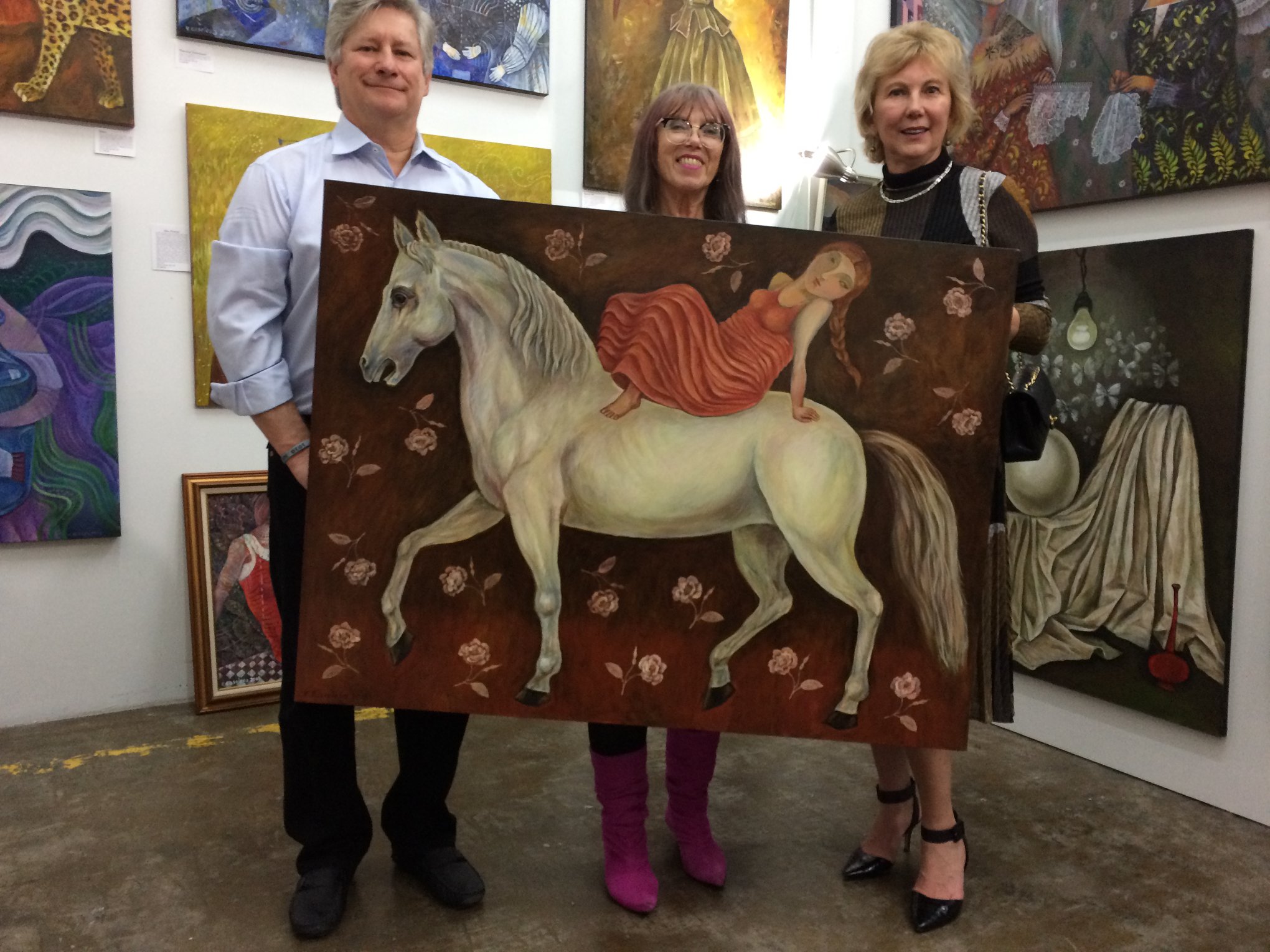
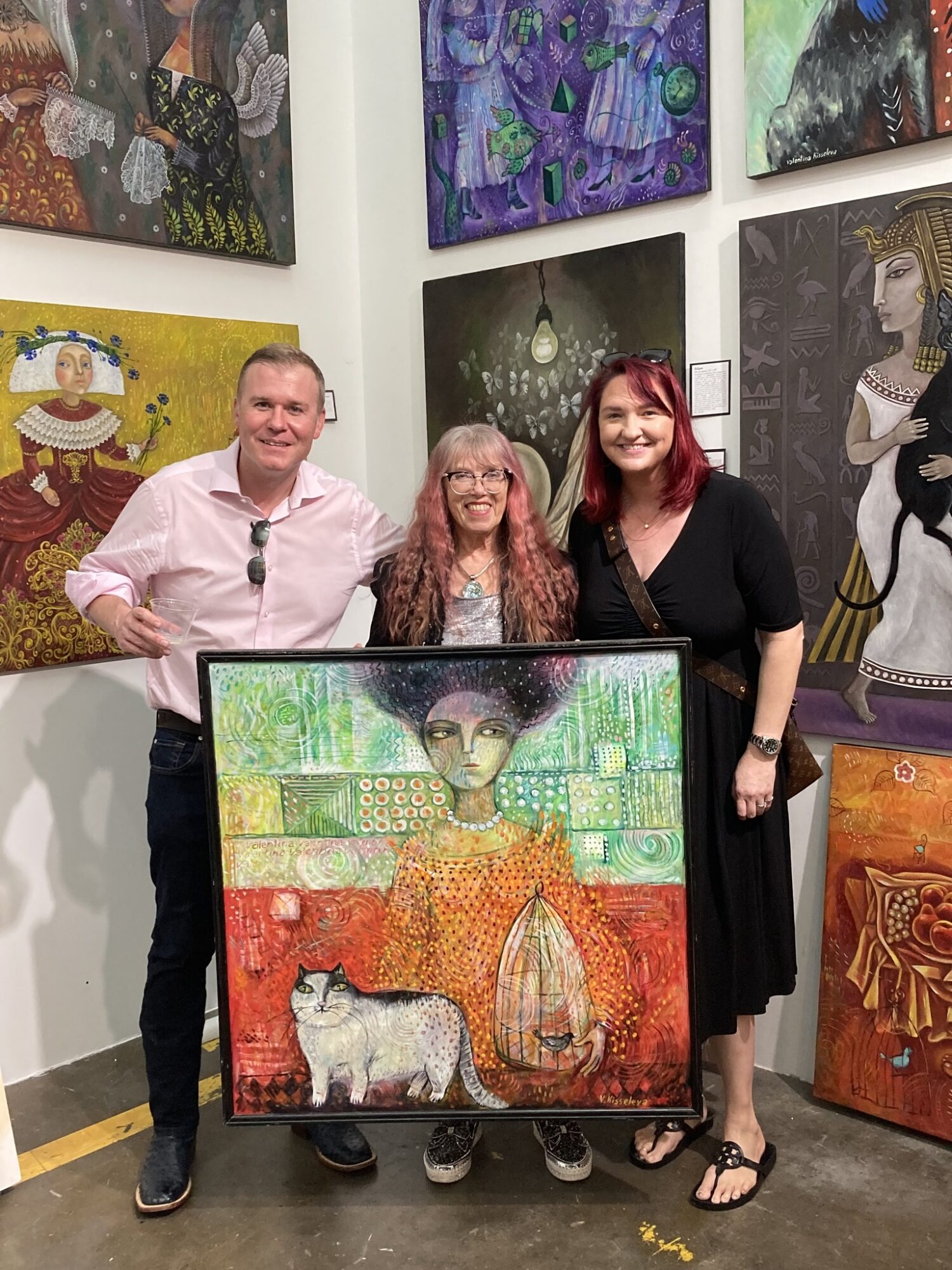
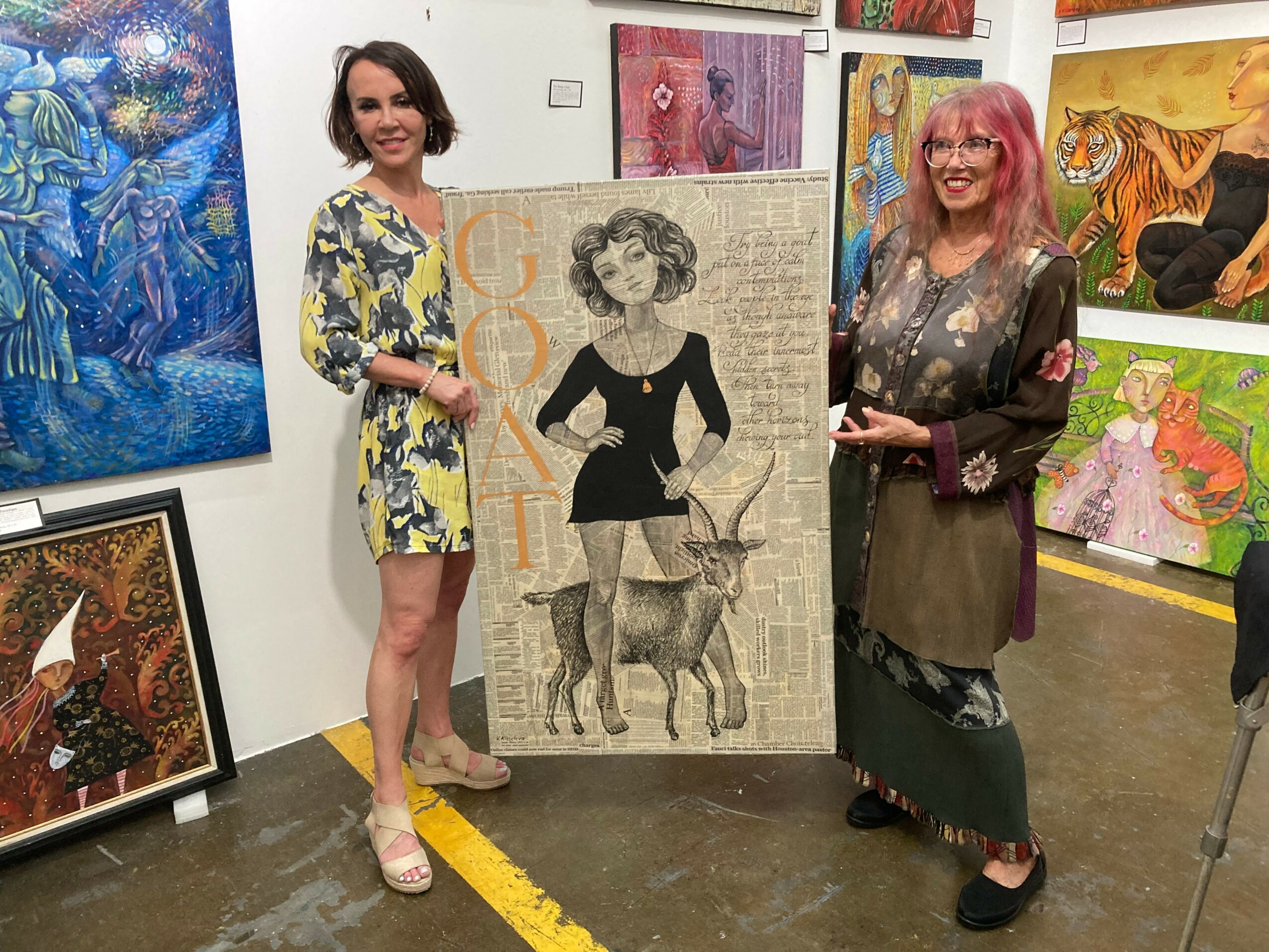
For over twelve years, my studio, “Silver Street,” has been located within the “Sawyer Yards” art community. Over these years, many of my paintings have been sold and have found new homes across a wide range of U.S. states, as well as abroad. The Singular Art gallery (Singular Art / Valentina Kiseleva) and Saatchi Art have provided me with a digital platform—an opportunity to gain national recognition, receive high acclaim for the quality of my work, organize solo exhibitions, exhibit internationally, and secure coverage of these exhibitions in the national press. My work is frequently featured in art journals. I have held dozens of solo exhibitions and participated in numerous group shows. I has created a unique style of painting that raises me above the vast mass of contemporary artists and allows my works to be easily recognizable and memorable.
We’d love to hear about how you think about risk taking?
If you are a true artist—rather than merely a craftsman—you are constantly taking risks. Without risk, art often devolves into mere craft or the production of decorative objects. I frequently allow myself to step beyond the boundaries of the familiar, the safe, and the predictable in order to create something new, unique, or original. This entails a delicate balance between potential success—the discovery of something new—and creative or personal ruin. When I employ new techniques, materials, or ideas, or radically alter my style without knowing whether the outcome will be successful, that constitutes a risk. It means accepting the possibility of failure—of wasted paint, time, and energy—for the sake of a potential breakthrough. It is a willingness to be misunderstood. It is the risk of laying bare one’s own feelings and becoming vulnerable before the viewer. Risk is the engine of creativity; it is what enables an artist to discover their unique voice.
Pricing:
- $2000.00
- $3000.00
- $4000.00
- $2500.00
- $6000.00
Contact Info:
- Instagram: https://www.instagram.com/tivakisseleva/
- Facebook: https://www.facebook.com/frickvalentina/
- Other: https://www.saatchiart.com › kisselevavalentina