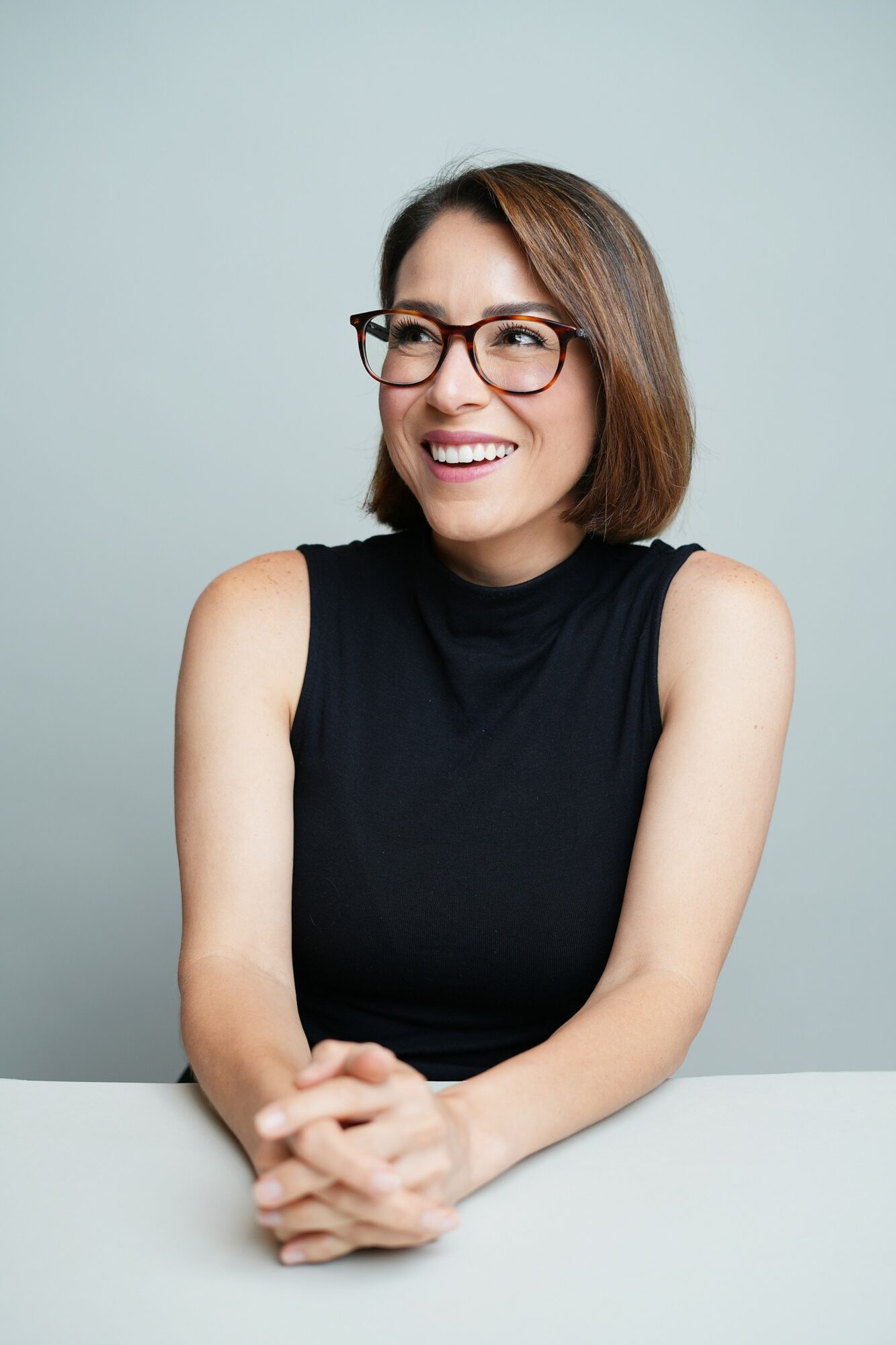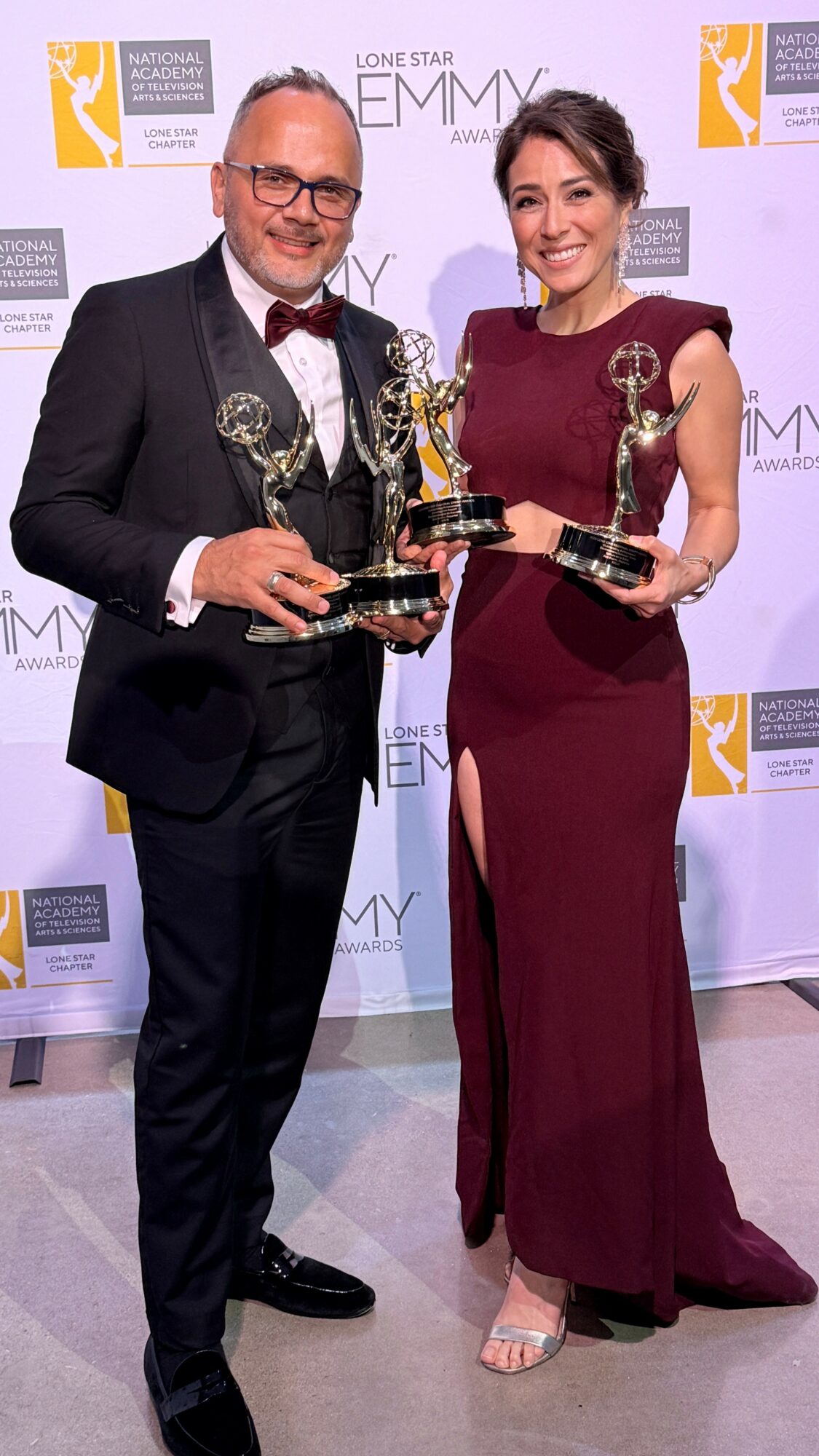



Today we’d like to introduce you to Ana Bueno.
Hi Ana, so excited to have you with us today. What can you tell us about your story?
My journey to becoming an environmental reporter began in Veracruz, Mexico, where I grew up. Veracruz is a coastal city, and spending time on the water is part of everyday life. Kayaking and paddleboarding are especially popular, and one of the most common routes is around “Isla de Sacrificios.” I promise, despite the name, there were no actual human sacrifices involved.
In 2014, I set out on that route like I had many times before. But that day felt different. For the first time, I was genuinely bothered by the trash floating around me in the ocean. Looking back, I realized I had spent years normalizing something that should never have felt normal. Without really thinking about it, I started picking up the trash and stuffing it into my kayak. By the time I made it back to shore, my kayak looked more like a floating dumpster than a boat.
That experience changed me. I became much more aware of the choices I was making every day. I started avoiding single-use plastics and sharing what I was learning on social media, hoping to encourage others to think about their own impact as well.
Still, I never imagined that environmental issues would become the focus of my career.
That changed in 2020 when I watched a CNN interview with independent climate journalist and HEATED founder Emily Atkin. During the conversation, she said something that stopped me in my tracks. She pointed out that during COVID, there was no excuse for anyone working in the media not to understand the pandemic. Then she asked: Why isn’t climate change treated the same way when it affects the lives of millions of people too?
She was right.
At that moment, I realized I had been overlooking the privilege and platform I had as a TV anchor. If I had the ability to inform people, why wasn’t I using it to talk about one of the biggest challenges of our time? So I made a decision that, from then on, I would focus exclusively on environmental and climate stories.
Not everyone thought it was a good idea. Some people even told me I would never make it happen. Others said I was wasting my time. But I kept going.
And in 2022, I became Houston’s first Spanish-language environmental reporter.
We all face challenges, but looking back would you describe it as a relatively smooth road?
Becoming an environmental reporter hasn’t been easy. Along the way, I’ve had people tell me not to waste my time, and I’ve been turned down by multiple news organizations I applied to.
It’s a beat that requires a tremendous amount of preparation. It requires the humility to acknowledge everything you don’t know so that you can ask countless questions and keep learning. It also means constantly battling impostor syndrome because, in my case, I don’t have a background in environmental or climate science.
It’s also a beat that demands patience and perseverance. Not everyone immediately sees its value or understands why these stories matter. But every time I tell a story that helps someone better understand how climate change or environmental issues affects their daily life, I’m reminded why I chose this path in the first place.
Thanks – so what else should our readers know about your work and what you’re currently focused on?
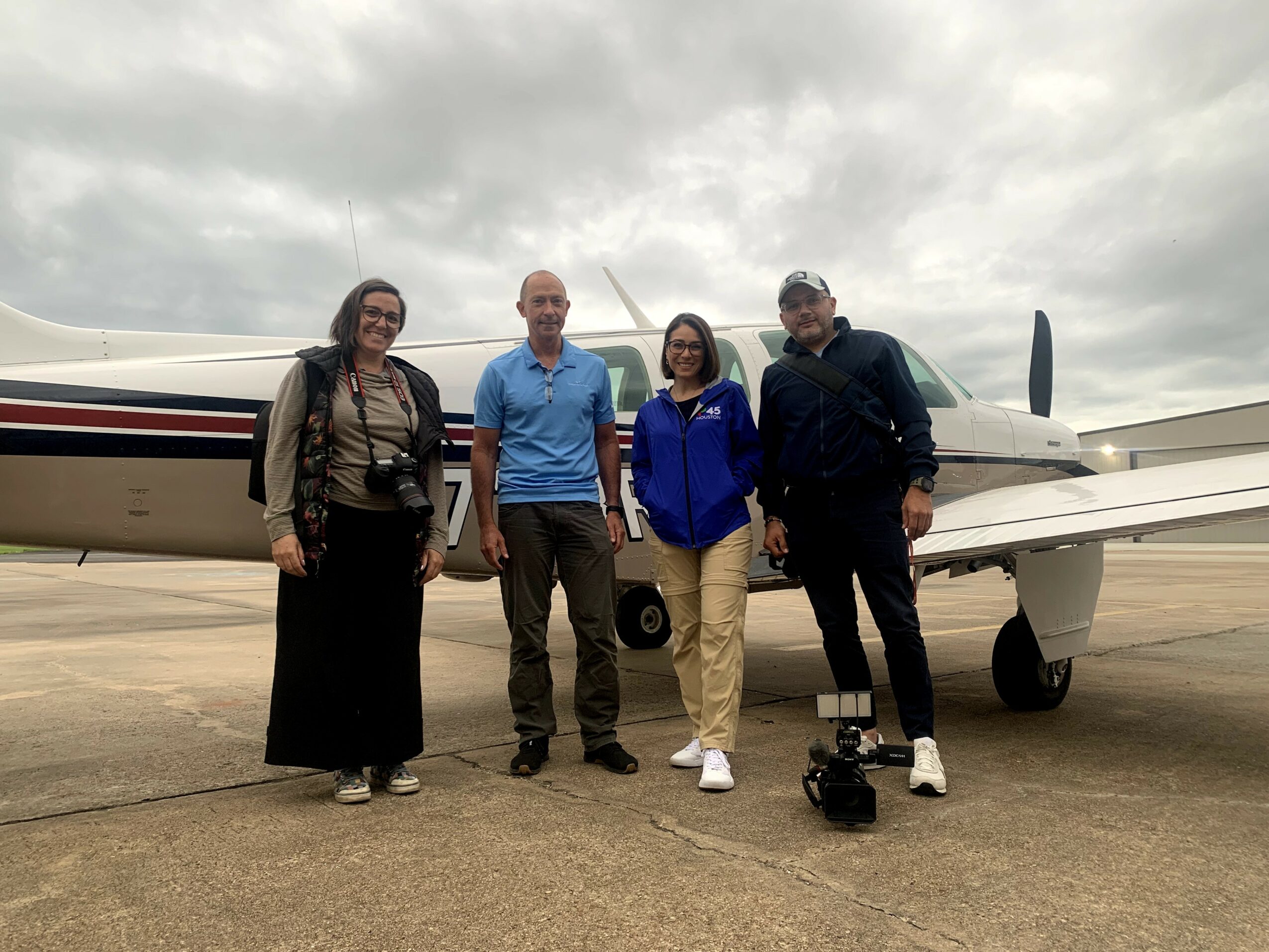
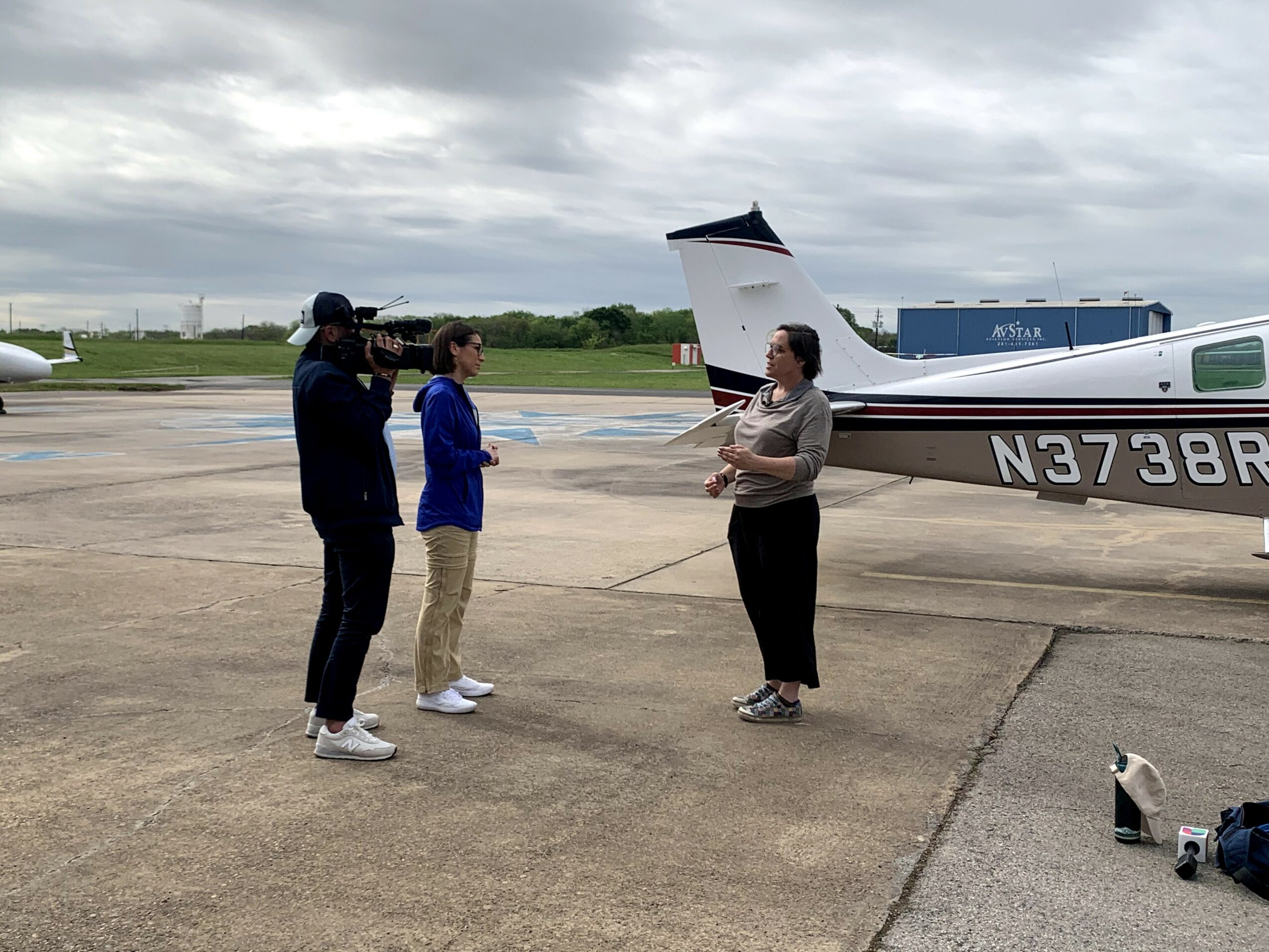
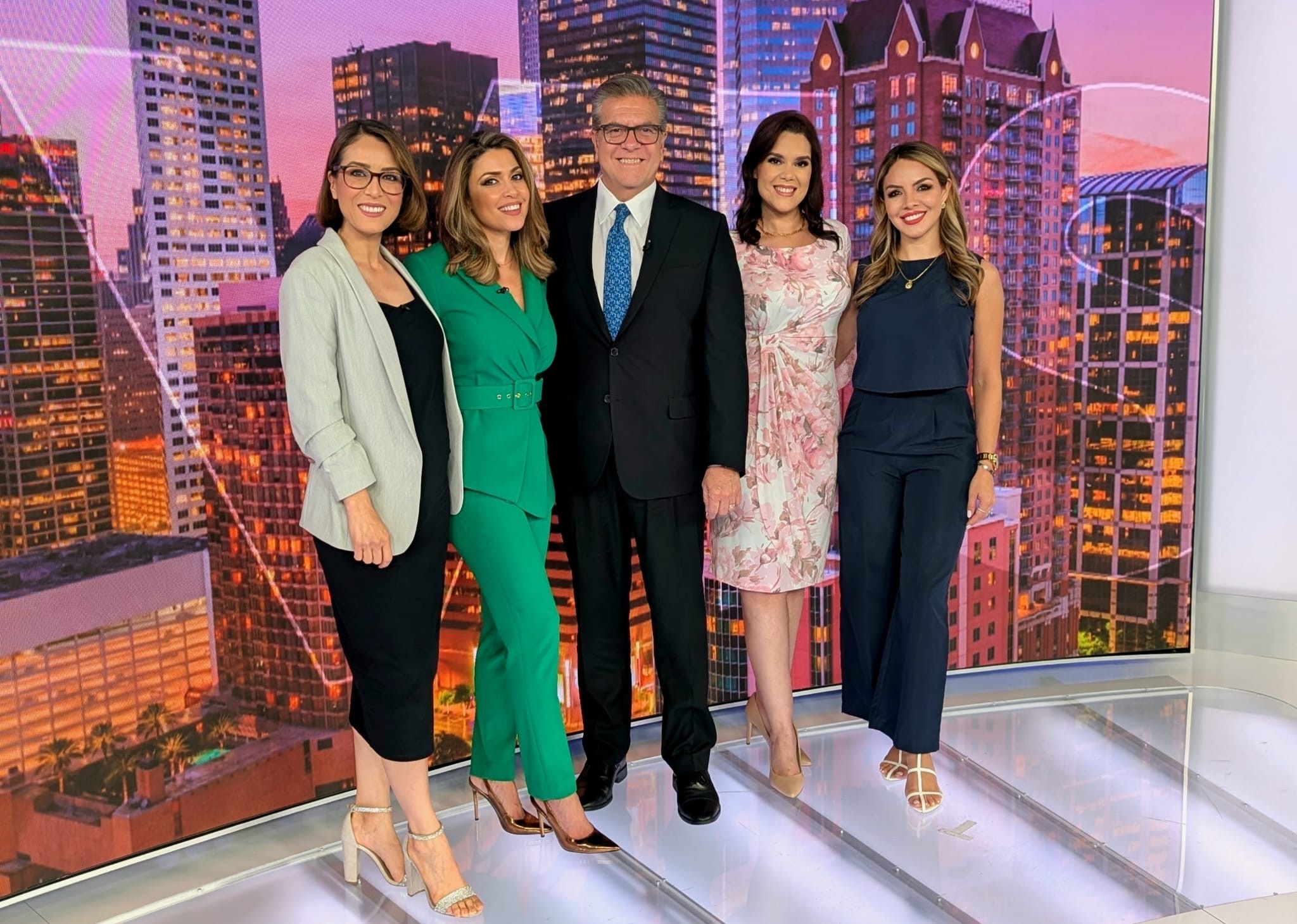
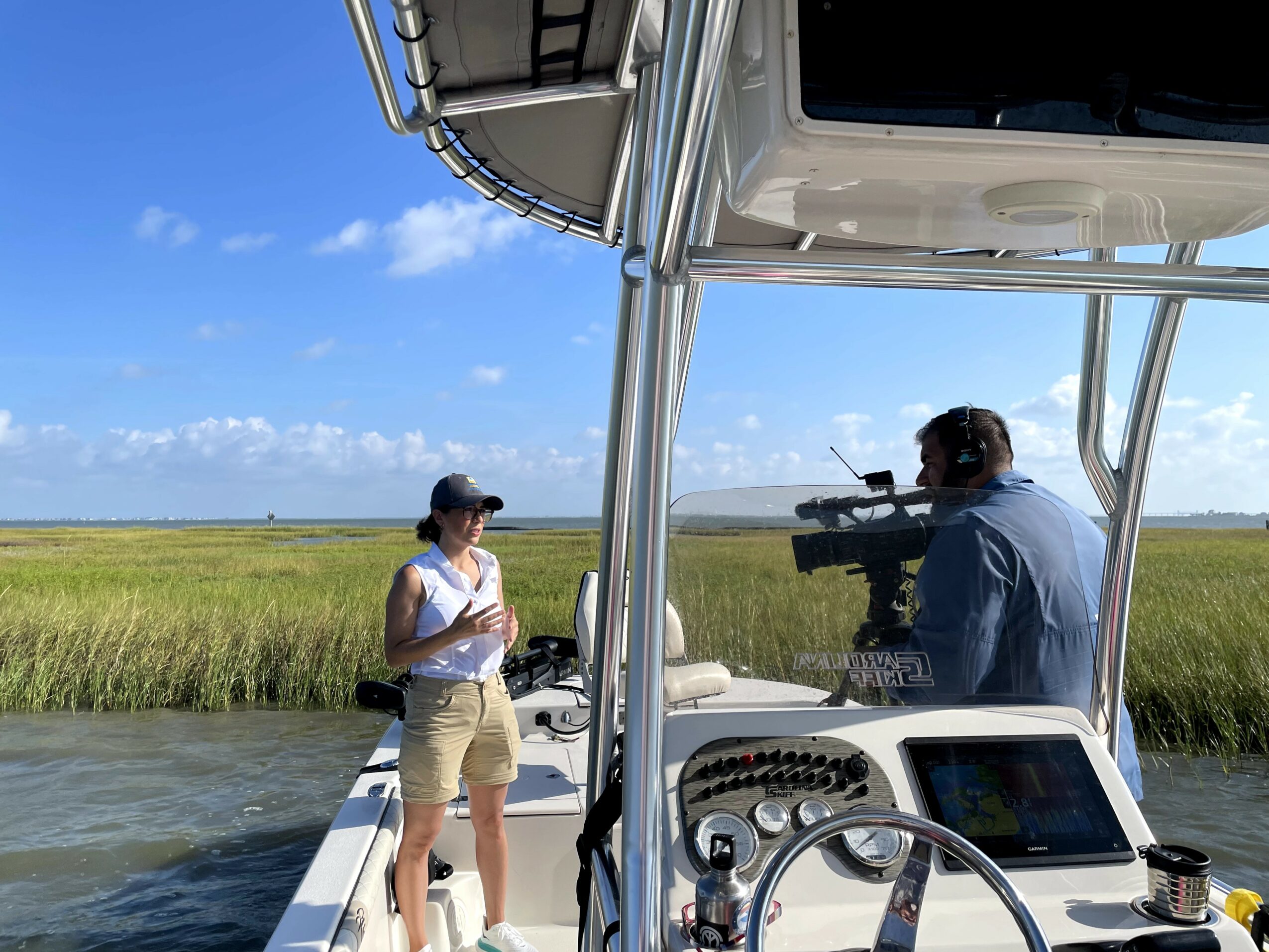
I’m the environmental reporter for N+ Univision 45. Since 2022, I’ve focused on covering environmental and climate issues to inform and serve Houston’s Spanish-speaking community.
One of the biggest challenges is that most information about climate change and environmental issues is available in English. We can’t talk about environmental justice if we’re not also making sure everyone has access to the same information, regardless of the language they speak.
What sets me apart is that I’m the only reporter covering this beat in Spanish in Houston and the only environmental reporter working in television. Because of that, people across the community often reach out to me, including many who don’t even speak Spanish, to share environmental concerns affecting their neighborhoods.
One of the most rewarding parts of my job is when someone stops me on the street and tells me they learned about an issue, a solution, or a problem in their community because of a story I produced. Moments like that remind me why this work matters. They recharge my batteries, keep me motivated, and reinforce why I chose to dedicate my career to environmental journalism.
What are your plans for the future?
Looking ahead, my plan is to keep trusting in what God has in store for me, because His plan has definitely been better than anything I could have imagined for myself.
I’m also five months pregnant, and that gives me an even greater reason to keep doing this work and reminding people why it’s so important to care for the only planet we can call “home.” One day, when my daughter asks me, “Mom, what did you do to leave me a better world?” I want to be able to look her in the eye and tell her, with complete confidence, that I did everything I could. That question motivates me every day. It reminds me that environmental journalism is about more than reporting on problems. It’s about helping people understand what’s at stake, inspiring action, and doing my part to protect the future for the next generation.
Contact Info:
- Instagram: https://www.instagram.com/labueeno?igsh=NzhjZG10MnUxYjhz&igsi=NzhjZG10MnUxYjhz&utm_source=qr
- Facebook: https://www.facebook.com/share/19QqPZpiwf/?mibextid=wwXIfr
- LinkedIn: https://www.linkedin.com/in/ana-bueno-8b428bb6?utm_source=share_via&utm_content=profile&utm_medium=member_ios