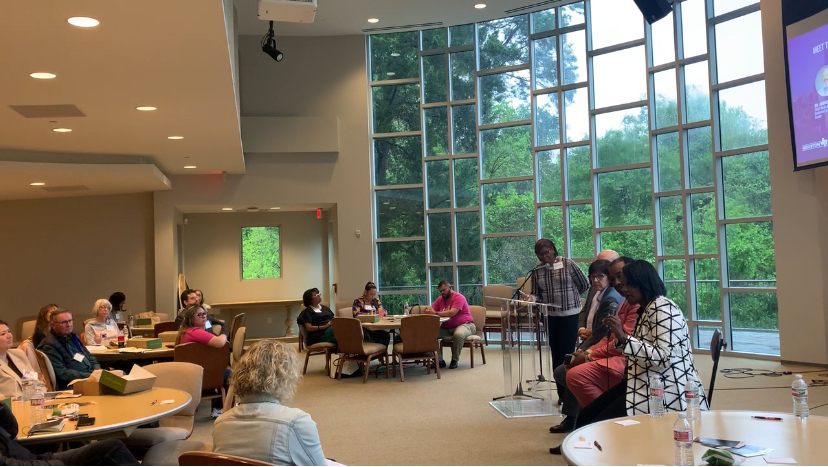






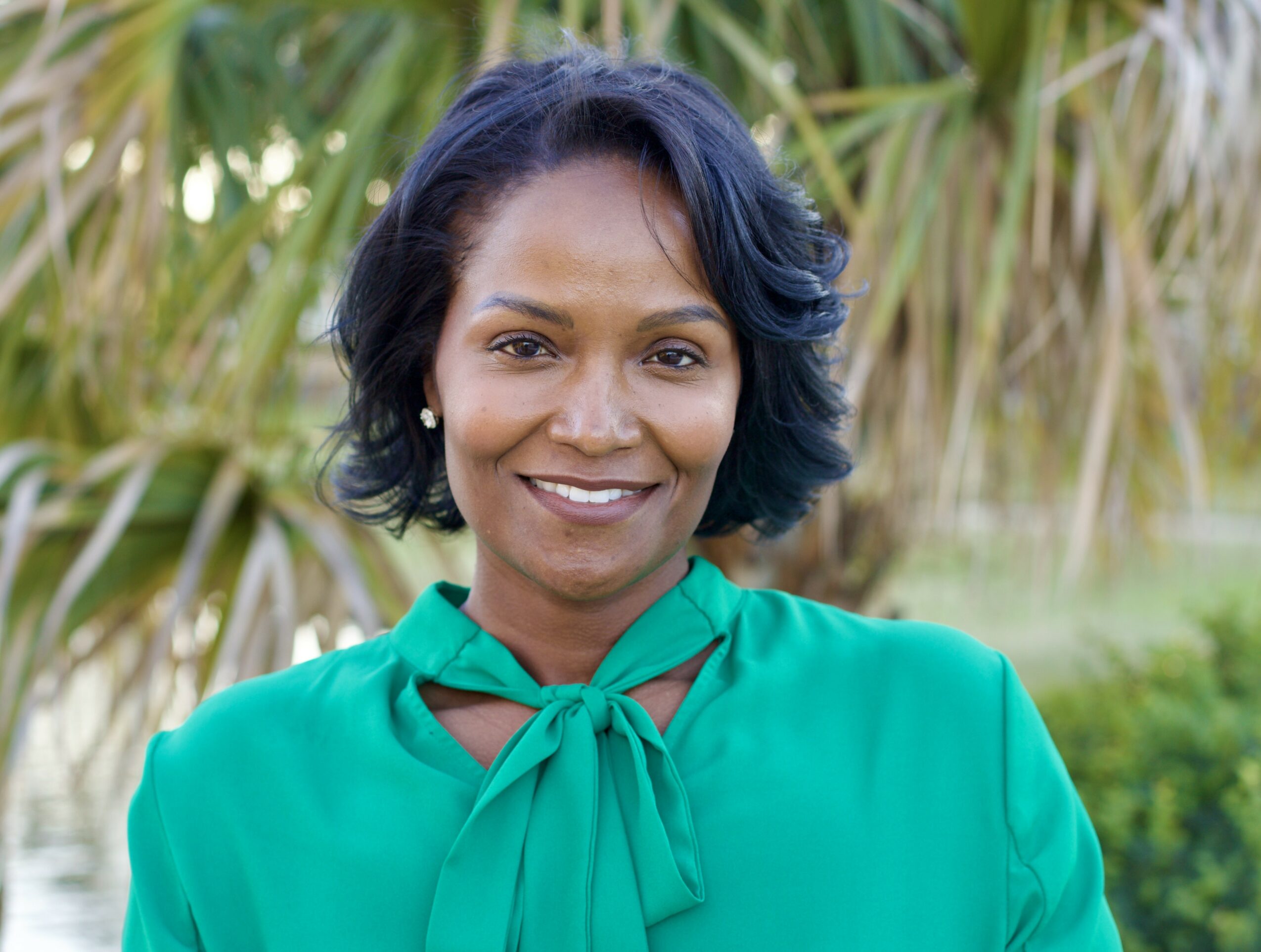
Today we’d like to introduce you to Charisse Hurst.
Hi Charisse, thanks for sharing your story with us. To start, maybe you can tell our readers some of your backstory.
I started my career in the senior care world back in 2008 as a Medicare agent, long before I ever imagined I would become an Elder Care Navigator and Dementia Care Crisis Planner. Over the years, I sat with thousands of families who were overwhelmed, scared, and unsure of how to care for an aging parent. I saw firsthand how confusing the system was — Medicare covered far less than people assumed, long-term care was financially devastating, and most families were desperately trying to figure it out in the middle of a crisis.
My journey into long-term care and dementia crisis planning began about seven years ago with a client I will never forget. She was caring for her mother, who had dementia, and even though she had siblings and a child of her own, she was the one carrying the full weight of caregiving. Her mother had only a small Social Security check, and my client worked in oil and gas. She spent her entire 401(k) trying to keep her mother safe and cared for. Watching her lose everything she had saved shook me deeply. It made me realize how many families were suffering in silence, and how preventable so much of that financial devastation really is. That was the moment I became committed to finding “a better way,” and it set me on the path I’m on today.
My work is also shaped by my own family’s experience. When my grandmother needed care, my mom had already passed away just nine months before. I was still in college, and it was me, my aunt, and my dad doing everything — taking shifts, coordinating care, helping her when she fell, trying to navigate a complicated system with very little guidance. We were exhausted, grieving, and overwhelmed. If we had someone like the person I am today walking with us through it, everything would have been different. That experience taught me empathy, resilience, and what families truly need during a crisis.
Today, I run Echo Consulting, where I specialize in helping families facing dementia or sudden long-term care needs. I’m a Certified Dementia Practitioner, National Social Security Advisor, and long-term care specialist with over 17 years of experience. I guide families through every step — from understanding what benefits they qualify for, to coordinating care, to Medicaid planning, to figuring out how to pay for care without losing everything they’ve worked for.
I also host a podcast called *Outsmarting the Cost of Long-Term Care*, where I educate families on the realities of aging, the gaps in Medicare, and the financial traps people fall into when they don’t have guidance.
I’ve learned that most families don’t need more information — they need a navigator. Someone who’s walked this path before, who understands the healthcare maze, and who can bring clarity during one of the most stressful seasons of their life. That’s the heart behind what I do today.
We all face challenges, but looking back would you describe it as a relatively smooth road?
Absolutely not — this road has been anything but smooth.
One of the first moments I realized how challenging this work would be was when I helped my very first crisis client navigate options for his father, who needed nursing home care. It wasn’t as simple as applying for Medicaid; the family needed to understand how to approach the process while also preserving the father’s assets as much as possible. Many seniors appear to have “too much” income or “too many” assets to qualify for nursing home Medicaid at first glance — a home, land, retirement accounts, or life insurance policies can all affect eligibility under the standard guidelines. Families are often told by facilities, well-meaning friends, or even Medicaid representatives that their only choice is to spend everything down until very little remains. In reality, the rules are far more nuanced, and families often have more options than they realize once they consult the appropriate professionals and understand the full picture.
My role was not to complete the legal work — Medicaid applications and legal strategies must be handled by licensed attorneys — but to help the family understand the overall landscape, gather the right information, coordinate with an attorney who specializes in Medicaid planning, and support them through a process that felt overwhelming. It was during this case that I realized just how complicated the rules can be and how difficult it is for the average family to find reliable, clear guidance. Nothing about the process is straightforward. The information is scattered, technical, and often buried in language that is hard to understand. That experience showed me that families need someone to help them interpret what’s possible, connect them with the right experts, and walk with them through decisions that are both emotional and financially significant.
The emotional weight of this work has been one of the biggest struggles. These aren’t simple financial questions — these are people’s parents, their life savings, their homes, their dignity. Families rely on me during some of the hardest moments of their lives. They don’t just need information; they need reassurance, compassion, and someone who genuinely cares about their outcome. There have been moments where I felt the full weight of that responsibility and moments where I wondered whether I was truly equipped for this. I’ve experienced imposter syndrome, doubt, and fear of making the wrong call, even though I am constantly researching, learning, and seeking guidance from specialists to ensure families receive accurate direction.
There were business struggles too. When I first started in Medicare back in 2008, marketing was incredibly difficult for me. Learning how to reach people, how to teach complex information in a simple way, and how to get the public to take long-term care seriously was a challenge. Most people avoid the topic of aging and long-term care until a crisis happens. Trying to educate families before they are overwhelmed has been one of the greatest obstacles, especially when so many misunderstandings exist — like the belief that Medicare pays for long-term care or that planning is only for the wealthy.
But what kept me going was my purpose. I genuinely believe I was meant to do this work. I’ve seen too many families spend everything they have, leave a healthy spouse financially vulnerable, or try to navigate dementia care with no support or guidance. I can’t accept that outcome when I know there are better paths available. Helping families preserve dignity, stability, and peace during such a difficult time is what drives me, even when the work is hard.
Over time, the challenges transformed me. I became a researcher at the highest level — someone who can take dense, complicated material and translate it into real-life solutions families can understand. I developed the ability to make complex information simple, to break down overwhelming concepts into manageable steps, and to guide families through a system that often feels impossible to navigate. This work has shaped me into a woman I’m proud of — someone who is willing to do the heavy lifting, ask the hard questions, and stay committed until we find clarity. I truly love what I do. It’s demanding, emotional, and far from easy, but helping families find hope where they once felt hopeless makes every struggle worth it.
As you know, we’re big fans of Echo Consulting. For our readers who might not be as familiar what can you tell them about the brand?
Echo Consulting is a dementia-focused elder care navigation firm that helps families who suddenly find themselves in the middle of a long-term care crisis. We specialize in guiding families through some of the most overwhelming and emotionally charged moments of their lives — especially when a loved one has been diagnosed with Alzheimer’s or another form of dementia and urgent decisions must be made.
At Echo Consulting, we help families focus on what they can control, so that when a healthcare crisis occurs, they’re already positioned to handle it with clarity, dignity, and financial stability. Our approach is centered on preserving what matters most: a family’s assets, their options, and their peace of mind. Too many people believe they must spend everything they have before receiving help, or that a diagnosis leaves them with no choices. We teach families that there are often far more options available than they have been told.
Our work includes dementia crisis planning, long-term care planning, Medicaid planning education, and coordination with attorneys when legal strategies are required. We help families understand how the rules actually work, what questions to ask, and how to navigate the maze of long-term care costs without losing everything they’ve built. We also incorporate Social Security optimization and other retirement considerations, giving families a full, integrated picture of their situation.
What sets Echo Consulting apart is the level of compassion, depth, and clarity we bring to every case. Families don’t come to us during calm periods of life; they come during moments of fear, urgency, and uncertainty. We walk with them step-by-step — breaking down complex information, coordinating with trusted professionals, and helping them protect their assets and options at a time when everything feels at risk.
Our mission is simple but deeply rooted: to ensure that no family has to walk through dementia or long-term care alone, uninformed, or unprotected. Helping families preserve dignity, stability, and hope is what we are most proud of. Echo Consulting exists to be the voice, advocate, and guide families desperately need when the reality of long-term care becomes overwhelming.
Do you have any advice for those looking to network or find a mentor?
I’m a huge believer in mentors, but I also think you have to be very intentional about who you choose. When I first started in Medicare and then moved into crisis and long-term care planning, I spent a lot of time and money trying to figure things out alone. I told myself that in the next phase of my business, I wasn’t going to do it that way again — I was going to invest in someone who was already doing, at a high level, what I wanted to do.
For me, that meant working with a mentor who is in the trenches every day in elder law and long-term care planning, not just a generic “business coach.” I chose someone who had built a successful, dementia-focused practice and who coaches other firms through The Million Dollar Solution. That investment has been worth every penny. A good mentor doesn’t just give you motivation; they help you build systems and processes, understand your real zone of genius, price your services appropriately, and — most importantly for me — become more confident in your mission and in the value you bring. They’ll tell you, “Don’t do it that way, do it this way,” based on real experience, not theory.
My advice for anyone looking for a mentor is simple: look for receipts, not just a good marketing page. Choose someone whose values match yours, whose business you’d actually want to have, and be prepared to show up seriously. A mentor can’t want your success more than you do, and the ones who are truly good at what they do won’t waste time with someone who isn’t committed.
As for networking, I don’t go to a ton of formal networking events, but when I am in the room, I show up as a problem-solver, not a salesperson. I’m not there with my hand out; I’m there to figure out how we can help the same families and create something that’s genuinely mutually beneficial. I only build relationships with people whose values align with mine — people who truly care about protecting seniors and their families, not just making a sale. When you lead with value, listen more than you talk, and focus on aligned relationships instead of collecting business cards, networking becomes a lot more natural and a lot more productive.
Contact Info:
- Website: https://www.echofc.com
- Facebook: https://www.facebook.com/echofinancial
- LinkedIn: https://www.linkedin.com/in/charisse-hurst/
- Other: https://outsmartingthecostoflongtermcare.buzzsprout.com/