


Today we’d like to introduce you to Daniel Rivera.
Hi Daniel, so excited to have you with us today. What can you tell us about your story?
I’ve been buying and selling toys since I was eight years old. I didn’t have a lot of money growing up, so if I wanted something, I had to figure out how to pay for it. At the tender age of eight, I was cutting grass, babysitting neighborhood kids, and even giving English lessons to members of my community to finance my toy habit.
Every weekend from about eight to fourteen, I went to garage sales and estate sales. As a young Hispanic kid growing up in the city without much money, those weekends taught me the value of a dollar very early. I figured out that with a little patience and knowledge, I could get almost any toy I wanted for pennies.
This was long before eBay and long before collecting became what it is today. I was just this weird kid in the neighborhood with a massive toy collection. My bedroom was literally covered from floor to ceiling with toys from the past. I didn’t realize it at the time, but I was already learning how to buy, sell, negotiate, recognize value, and connect with people.
Misfit Toys actually wasn’t my first business. Before that, I spent about four years selling physical media at the flea market. Then streaming came along and basically told me it was time to find another career. That business dried up, so I switched gears and went back to something I had known my entire life: toys.
Eventually, I went to college and worked in the oil industry as an inspector. My wife and I were both working full-time Monday through Friday and trying to save enough money to buy our first home. At the time, I had this massive action figure collection, and I finally decided I was ready to start parting with it to help us reach that goal.
So we took some toys out to Traders Village one weekend. We were open for two days and made roughly what I was making in two weeks at my regular job.
The next weekend was even better.
That got our attention.
For the next six years, my wife and I spent basically every weekend selling toys. We were making money, but more importantly, we were having fun and meeting incredible people. We built relationships with customers who would come see us again and again.
Then one day, I stopped at an antique center in the Heights. The owner recognized me from the flea market and asked me a question that completely changed my life: “Have you ever thought about opening a brick-and-mortar store?”
About an hour later, I was signing a lease.
It was literally that impulsive, and it was one of the best decisions I’ve ever made.
That was 2016, and from that day forward, I was my own boss.
Our first Misfit Toys storefront was tiny, a little over 300 square feet. Somehow, we managed to cram thousands of toys into that little space and still fit hundreds of customers through the doors every week. Eventually, we expanded until we maxed that location out at around 900 square feet.
I still laugh when I think about it. I went to college, worked in the oil industry, and somehow ended up making a living in a toy store where we listened to rock music all day, wore band and movie shirts, and talked about toys for a living.
It was perfect.
From day one, though, the backbone of Misfit Toys was never really the toys. It was customer service.
We made a decision that every person who walked through our doors would be treated with the same respect. It didn’t matter how much money they had to spend, what they collected, how old they were, or whether they knew anything about toys. Very quickly, we started seeing the same faces week after week.
Almost ten years later, many of those same people still shop with us. We’ve watched their kids grow up, and now some of those kids shop with us too.
That’s when I realized we weren’t really just selling toys. People were trusting us with pieces of their childhood. Somebody would find a toy they hadn’t seen since they were eight years old, and suddenly you could see them go right back to that moment. We got to take that journey with people every single day, and somewhere along the way, customers became friends and friends became family.
COVID tested all of that. Like virtually every small business, we were hit hard. Our first priority was keeping our customers and employees safe, but we also had employees depending on us and a business we had to somehow keep alive.
And our community showed up for us.
The same people we had spent years helping reconnect with their childhoods made a point to shop locally and support us. Every purchase helped keep the lights on and helped us continue paying our employees. I will never forget that.
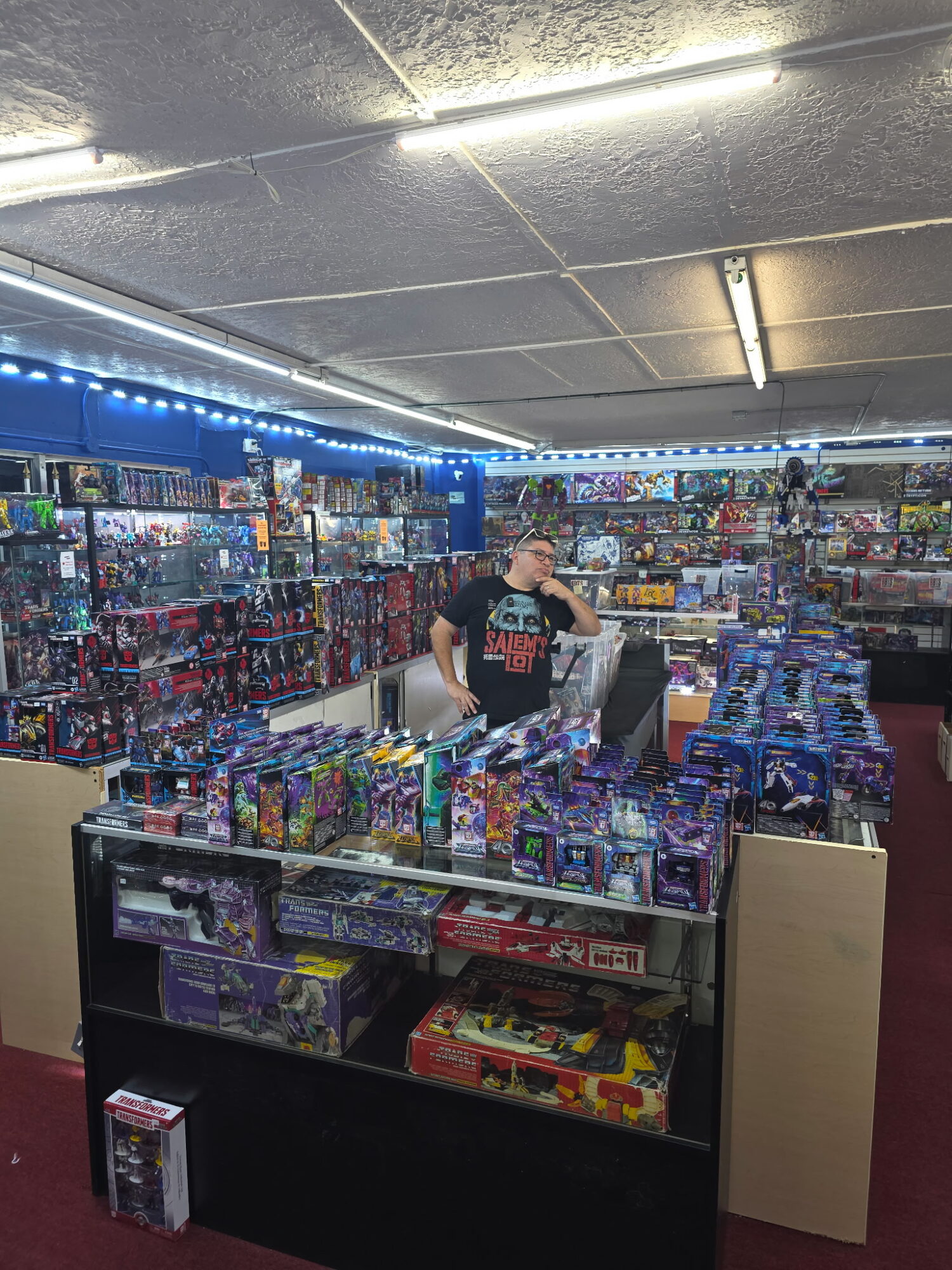
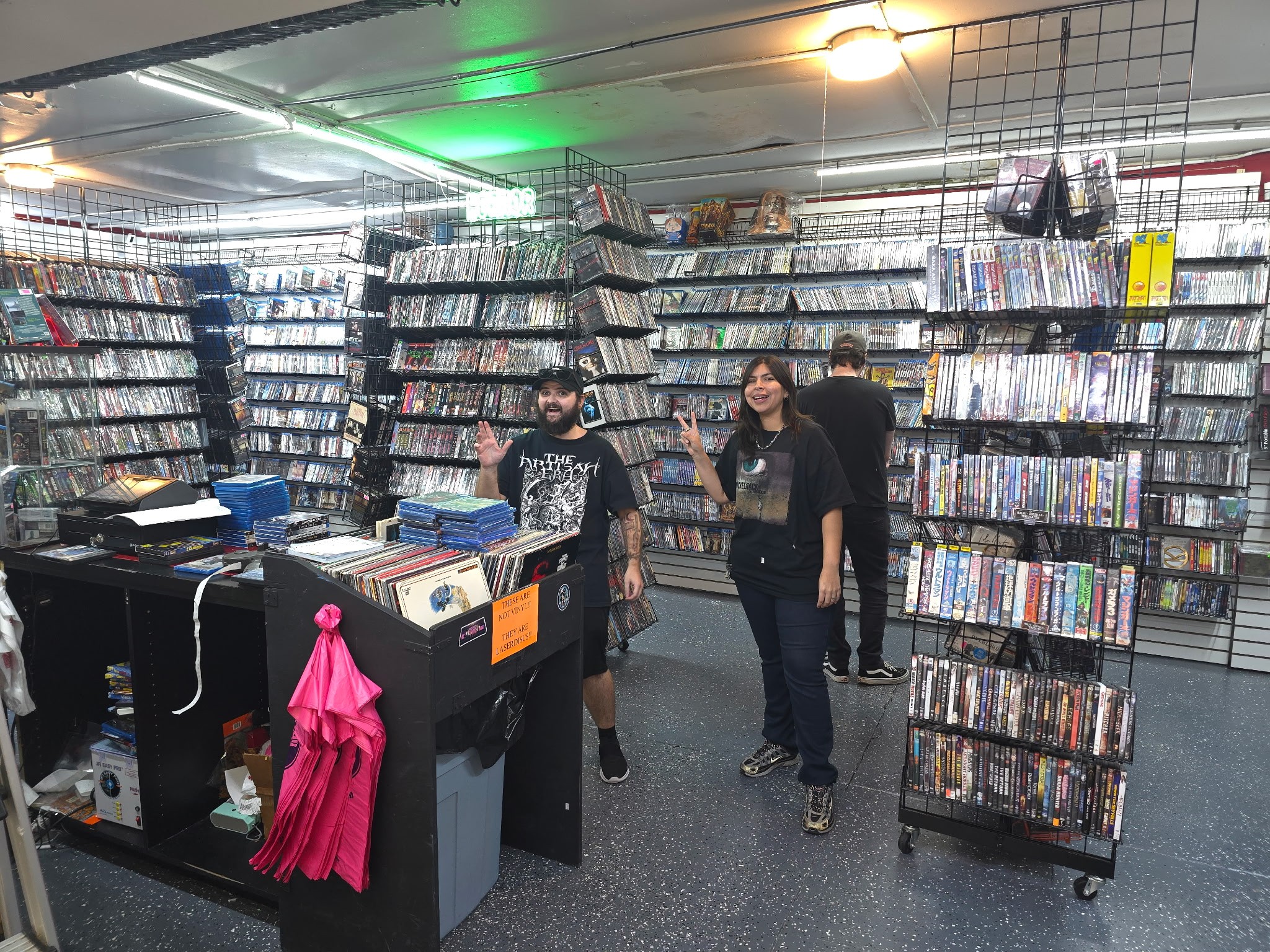
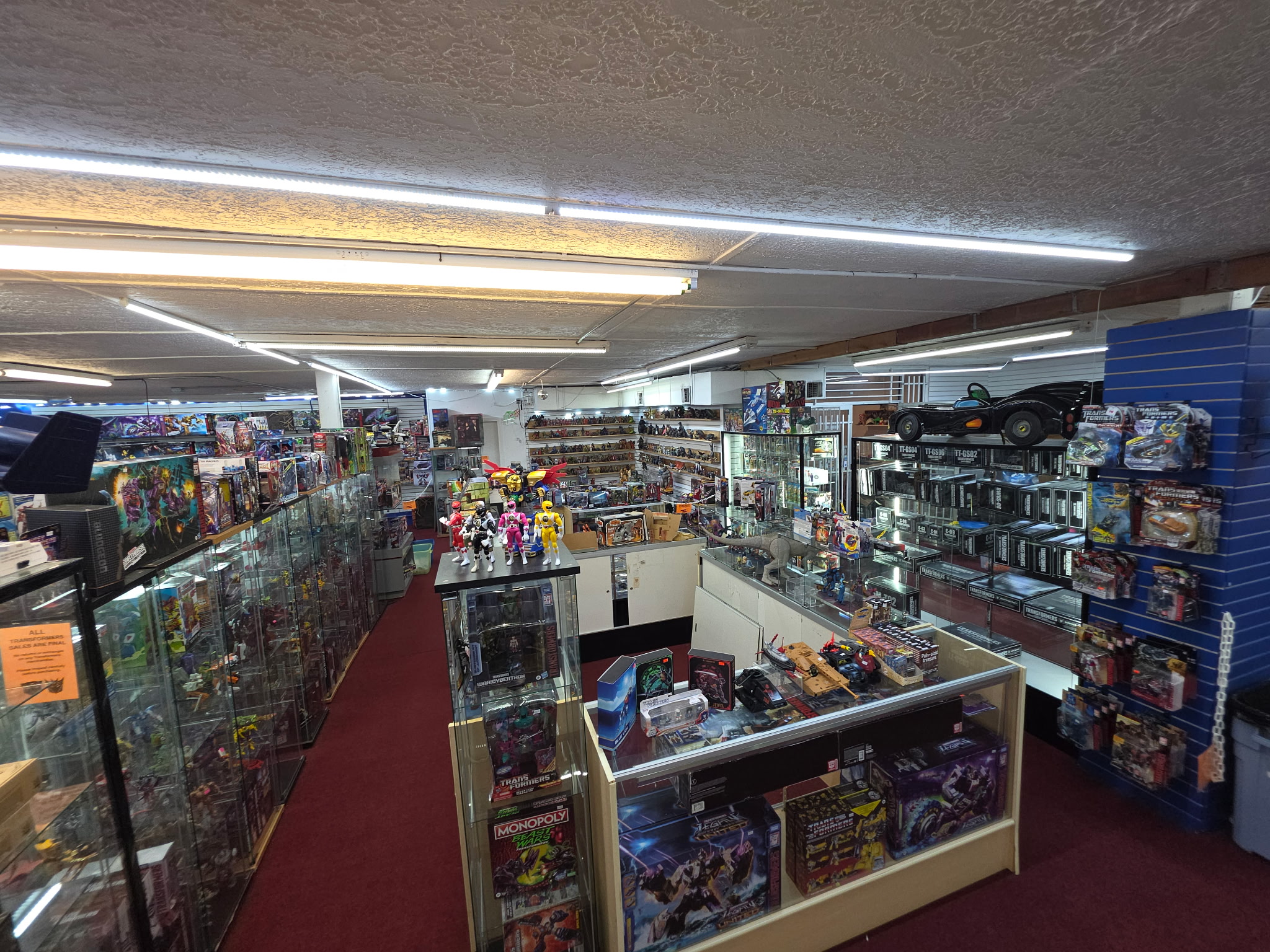
In 2023, we took another huge leap and moved Misfit Toys to 3511 Houston Avenue, expanding to approximately 4,500 square feet. In 2025, we purchased the building. Today, Misfit Toys occupies just under 7,000 square feet, and we’re preparing to add a roughly 6,500-square-foot sister store dedicated entirely to physical media called Lost & Found Media.
There’s something pretty funny about that, considering streaming is what pushed me out of the physical-media business all those years ago. Apparently, I wasn’t finished with it.
Today, Misfit Toys has grown into something I never could have imagined when my wife and I set up at Traders Village with my action figure collection. We’ve become a Houston destination. We have customers who travel from around the country and even around the world to visit us. We employ 14 people, we’re developing additional businesses, working with community leaders, mentoring high school students, and giving back through food drives, toy drives, and back-to-school events.
And that last part is extremely important to me.
I know what it feels like to be the kid who doesn’t have much money. I know what it’s like to want something and have to figure out a way to earn it. My family benefited from people helping us when we needed it, so now that we’re in a position to do the same for someone else, I believe we have an obligation to do it.
Maybe one of those kids we meet at a toy drive or a back-to-school event will remember us years from now. Maybe they’ll see somebody who looked like them, came from a neighborhood like theirs, had a similar background, and built something successful.
And maybe they’ll think, “If he did it, maybe I can too.”
If that happens, then Misfit Toys will have accomplished something much bigger than selling toys.
Can you talk to us a bit about the challenges and lessons you’ve learned along the way. Looking back would you say it’s been easy or smooth in retrospect?
Has it been a smooth road? Absolutely not, but I don’t think any worthwhile journey ever is.
Before Misfit Toys became a brick-and-mortar store, my wife and I worked seven days a week, rain or shine, for four years. Monday through Friday, we worked our regular full-time jobs, and every weekend we were at the flea market selling toys. There really wasn’t a day off. Our goal was simple: we wanted to build something we loved, and more importantly, we wanted to do it together.
Financially, we made a lot of sacrifices. For years, virtually every penny we made went right back into the business. Instead of looking at what the business could do for us, we focused on what we could do to make the business stronger. More inventory, better displays, more space—whatever Misfit Toys needed, that’s where the money went. It took years before we really started seeing the fruits of our labor.
There were also plenty of lessons along the way. Misfit Toys wasn’t my first attempt at entrepreneurship. Before toys, I spent four years selling physical media at the flea market. When streaming services exploded in popularity, that business essentially disappeared. I had to adapt quickly. Looking back, having one business fail because the world changed around me taught me an incredibly valuable lesson: never become too comfortable. You have to be willing to evolve.
Opening our first brick-and-mortar location brought a completely different set of challenges. Suddenly, there was rent, utilities, inventory, overhead, employees, and customers expecting us to open those doors every single day. As we grew from a 300-square-foot shop to 900 square feet and eventually into the business we have today, I had to learn how to grow from being someone who simply loved buying and selling toys into someone who could actually lead and operate a growing company.
Then COVID happened.
That was probably the most difficult period we experienced. It wasn’t because we doubted Misfit Toys because we never did. It was because there was so much uncertainty that was completely outside of our control. Our priority was protecting our employees and customers while figuring out how to keep the business alive and continue taking care of the people who depended on us.
What happened during that time reinforced everything we believed about the business. Our customers showed up for us. People intentionally chose to spend their money locally because they wanted Misfit Toys to survive. Every purchase helped us keep the lights on and continue paying our employees. It showed us that all those years we had spent building relationships with people mattered.
There have been long days, seven-day workweeks, financial sacrifices, mistakes, growing pains, and plenty of moments where we had to figure things out as we went. But I can genuinely say we never doubted Misfit Toys.
We weren’t chasing some grand business plan. My wife and I wanted to build a life where we could do something we loved and do it together. Everything else grew from there.
Looking at what Misfit Toys has become today, all those years of sacrifice make the success that much more meaningful.
We’ve been impressed with Misfit Toys, but for folks who might not be as familiar, what can you share with them about what you do and what sets you apart from others?
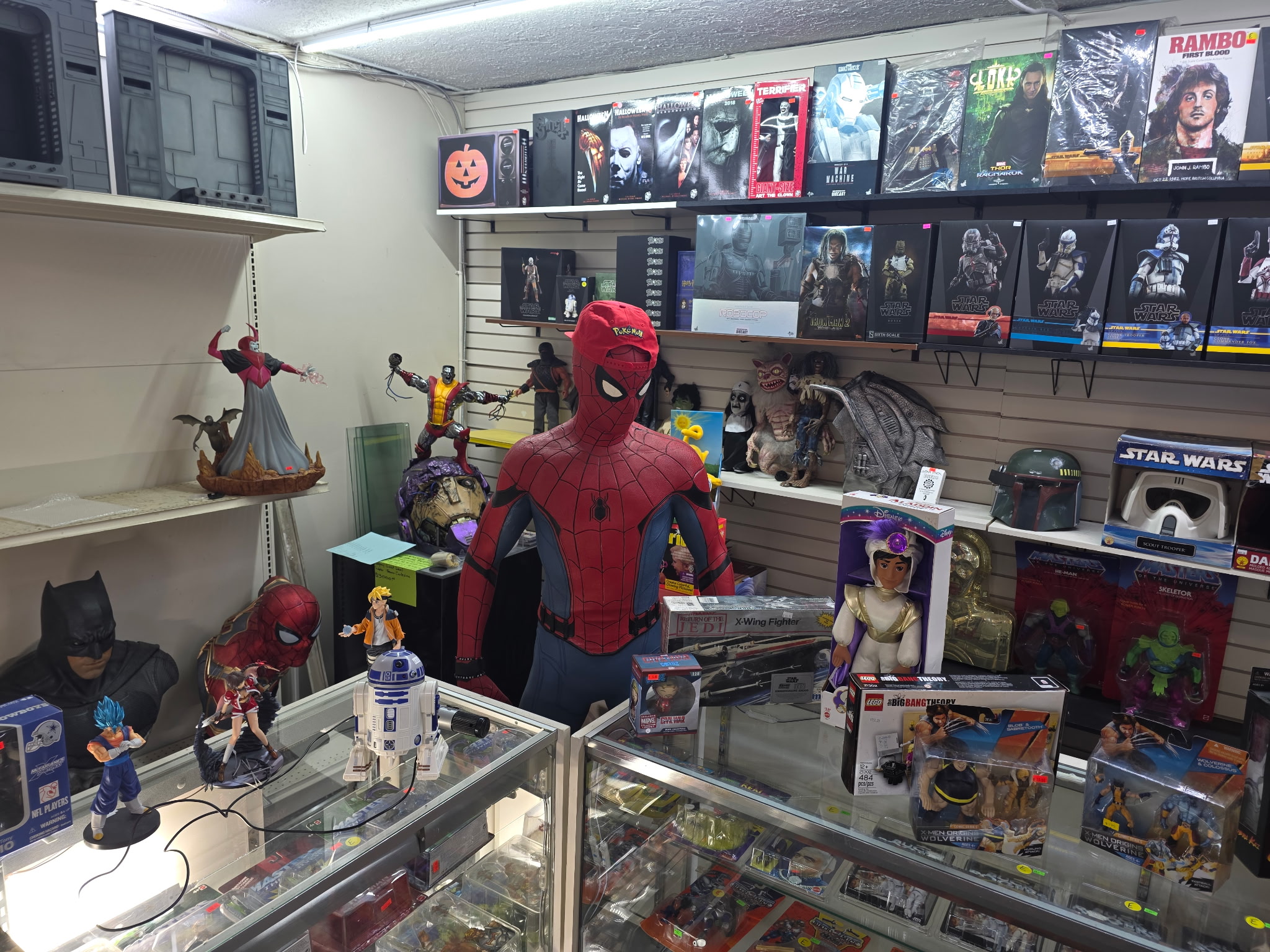
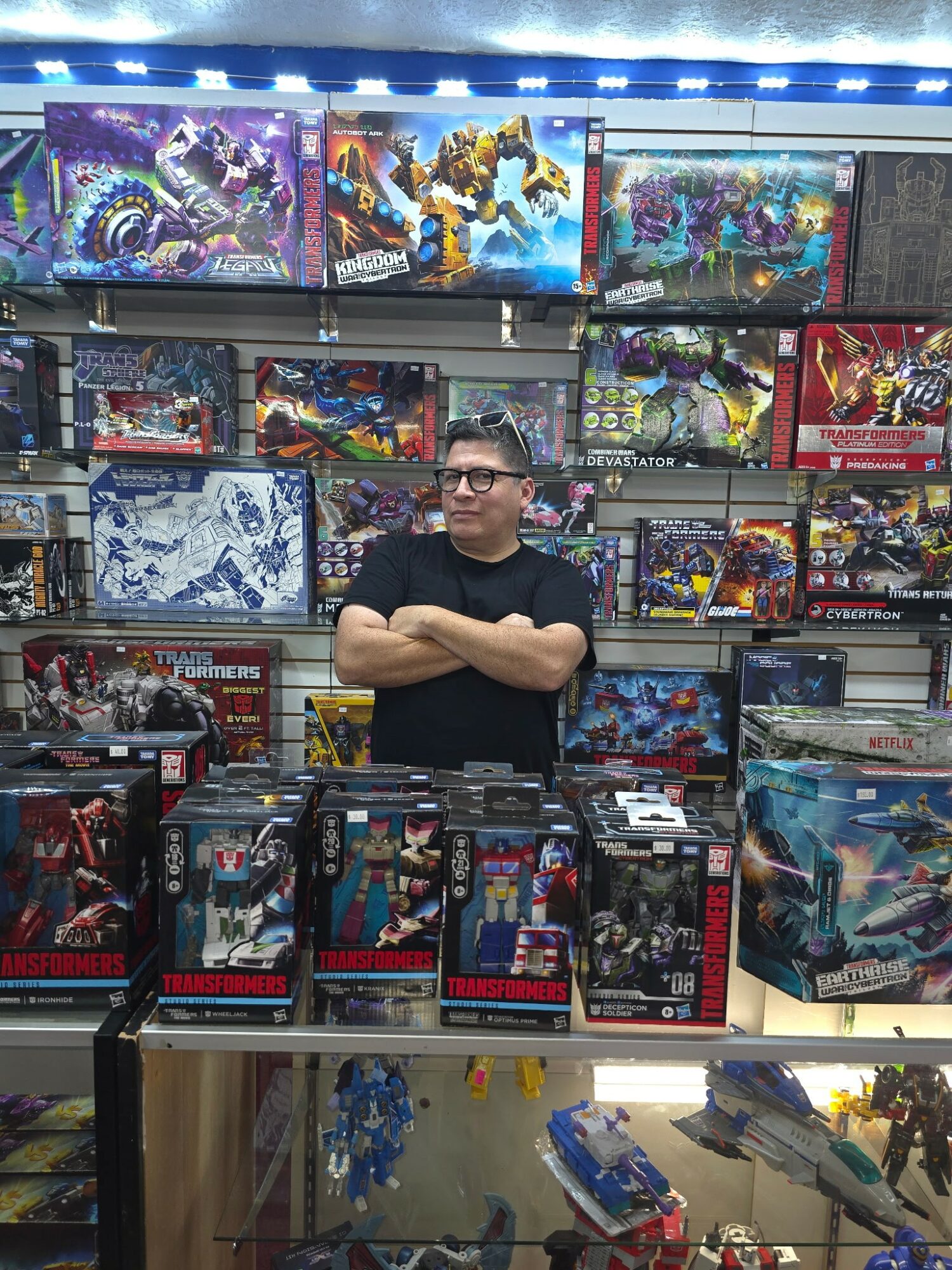
Misfit Toys is a Houston-based vintage and collectible toy store, but I’ve always believed we are selling something much bigger than toys. We sell memories.
When someone walks through our doors and sees a toy they haven’t seen since they were six, eight, or ten years old, something happens. For a moment, they’re not thinking about work, bills, or everything else adulthood brings with it. They’re remembering Christmas morning, Saturday morning cartoons, going to the toy store with their parents, or sitting on the floor playing with their brothers and sisters. Being able to give people that feeling again is really what Misfit Toys is about.
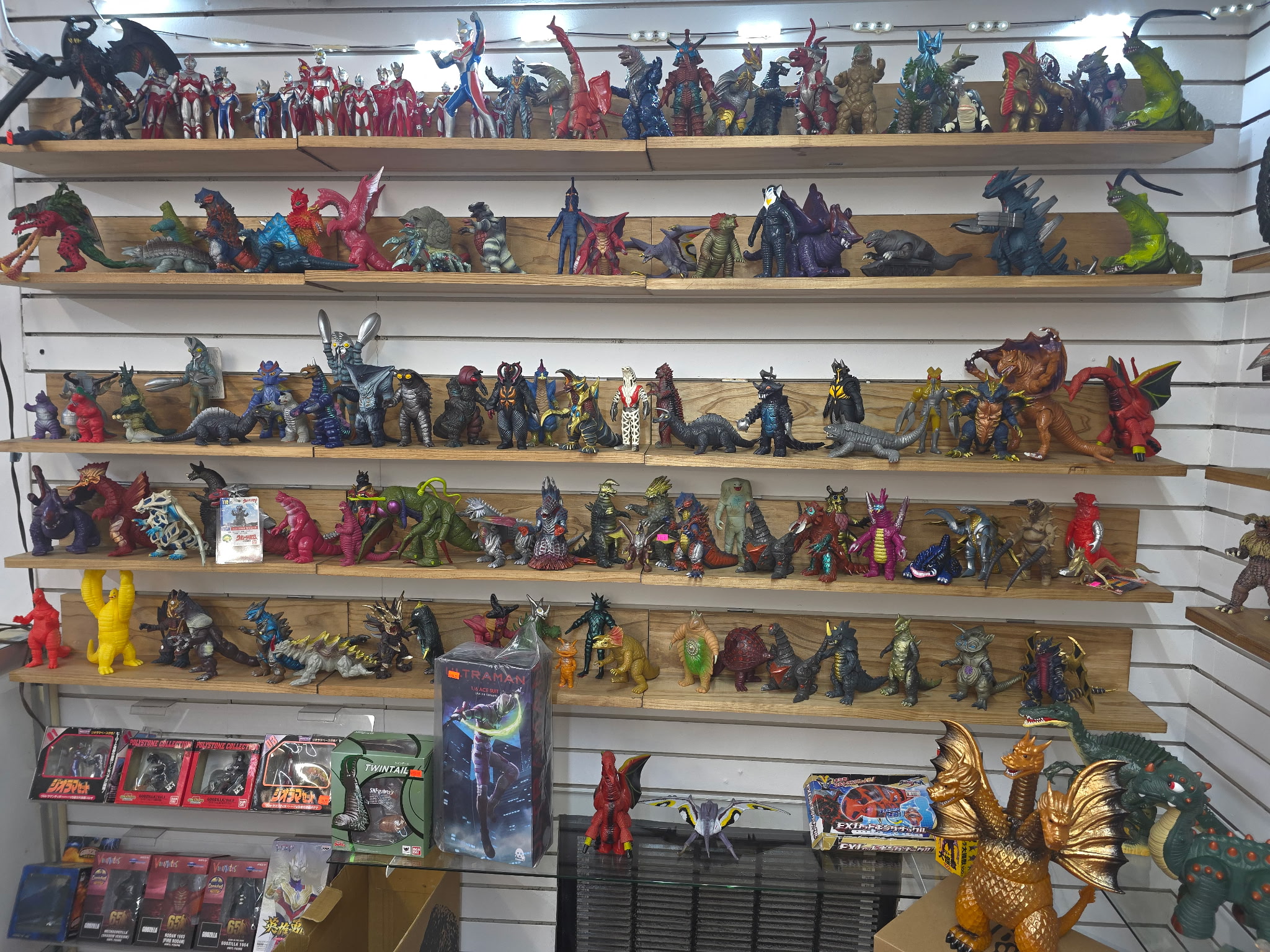
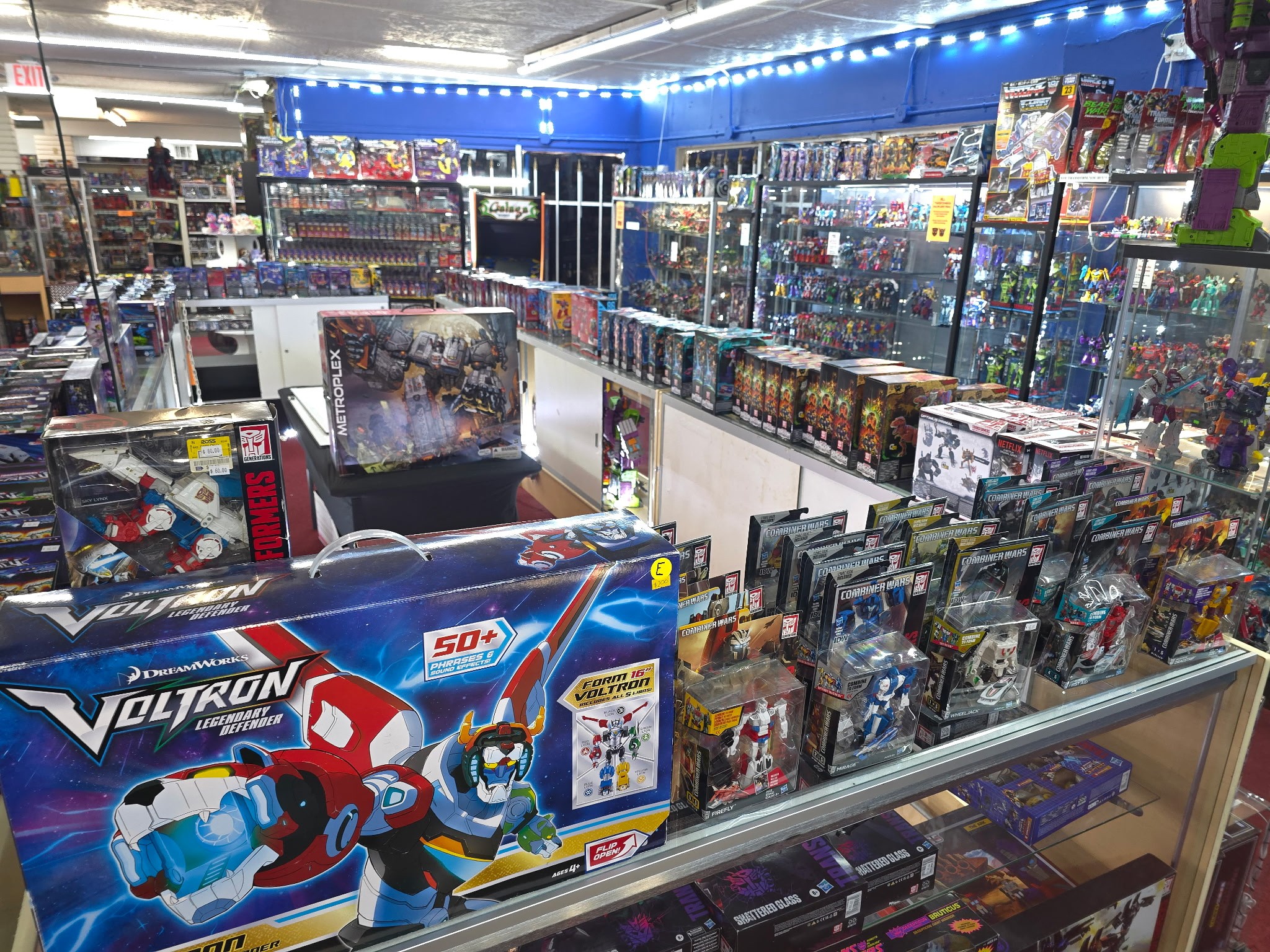
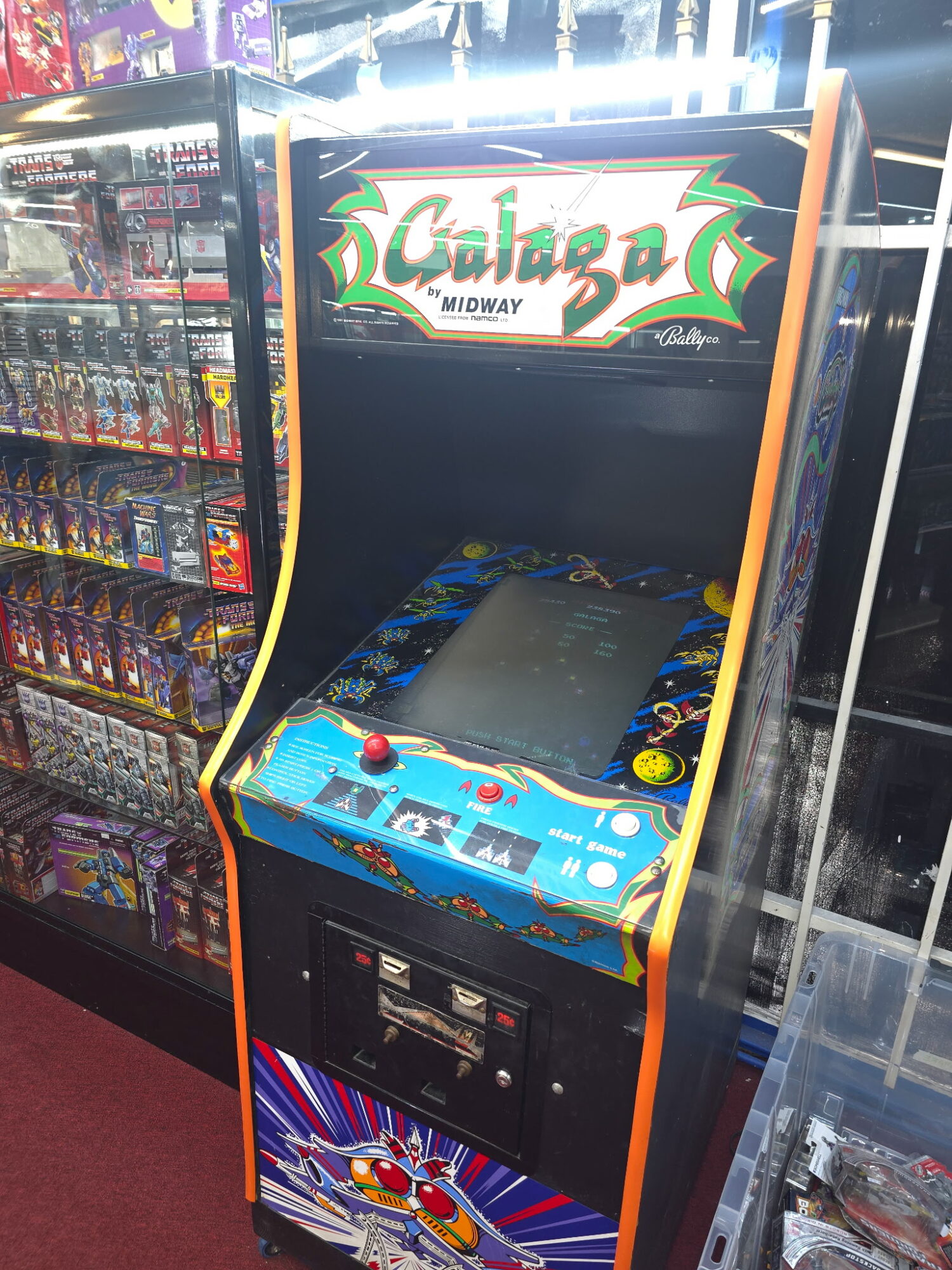
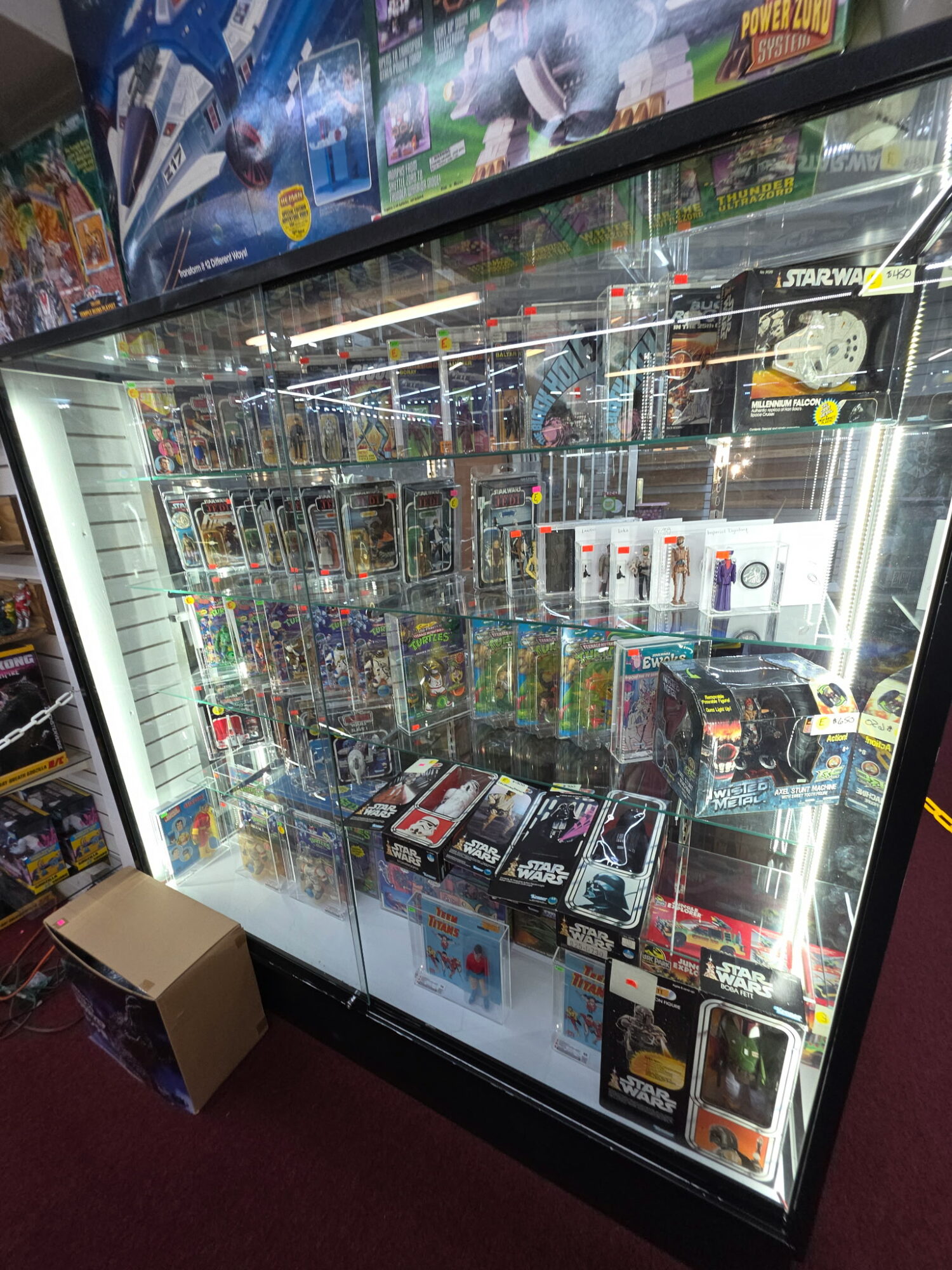
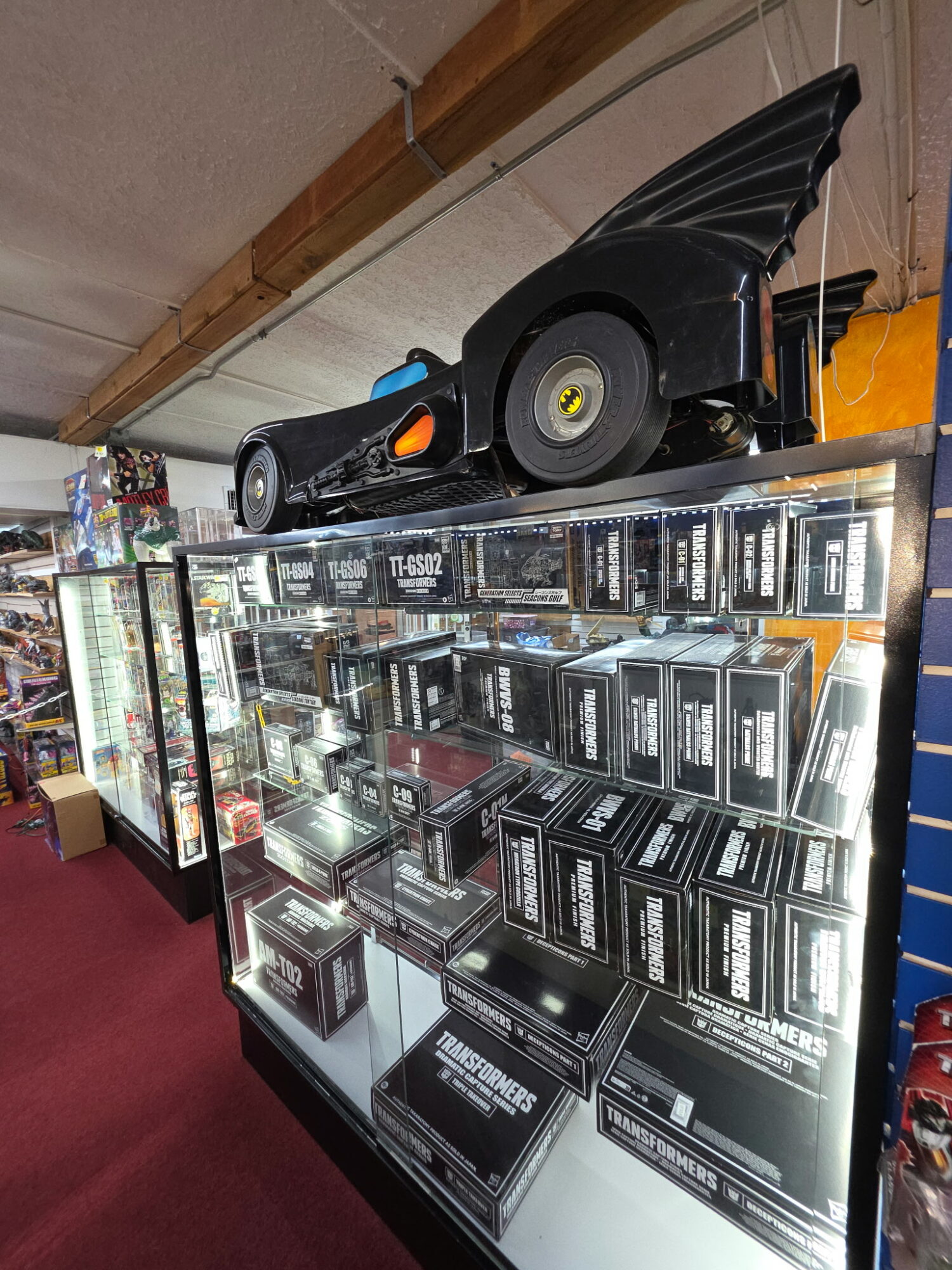
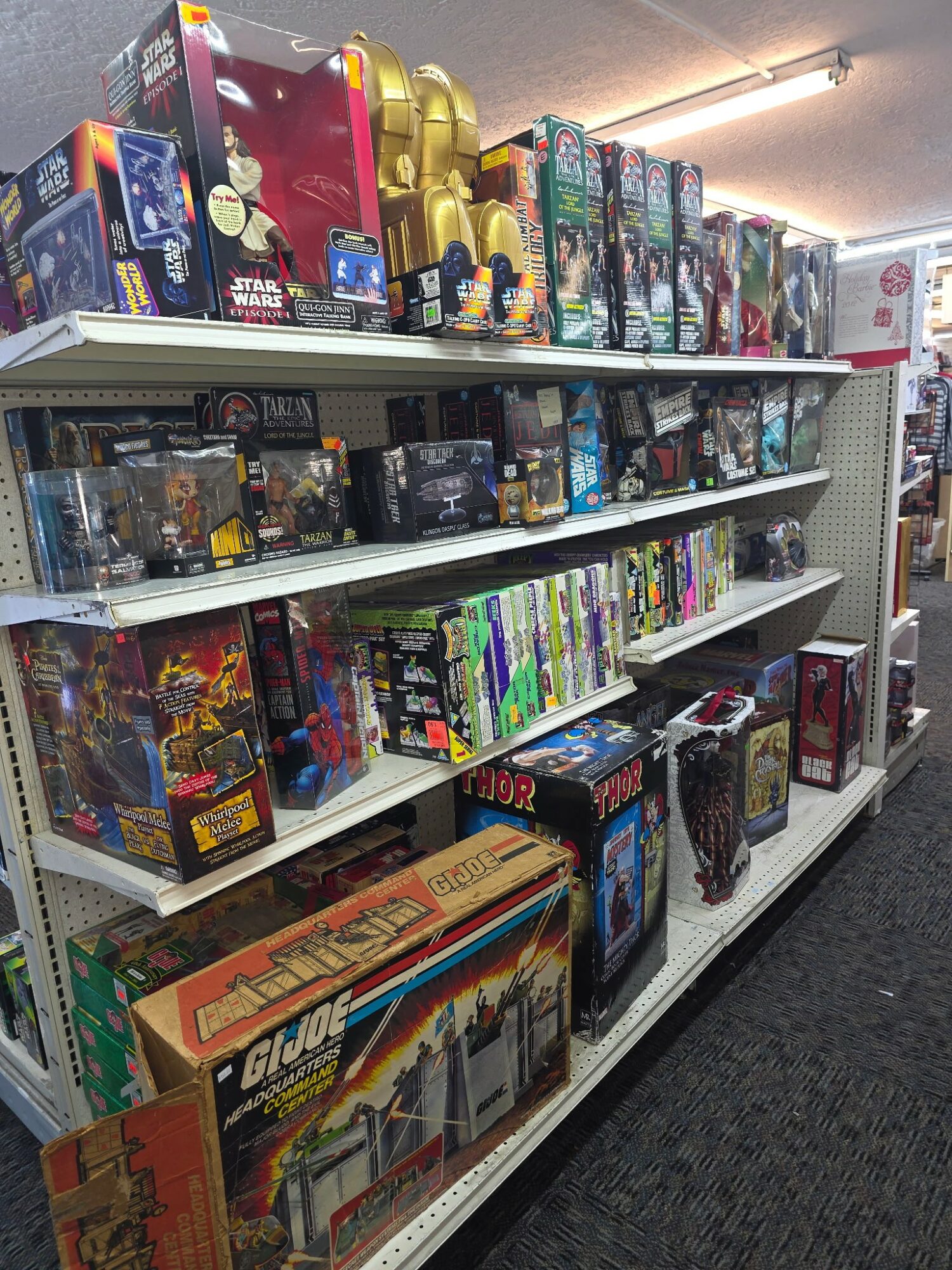
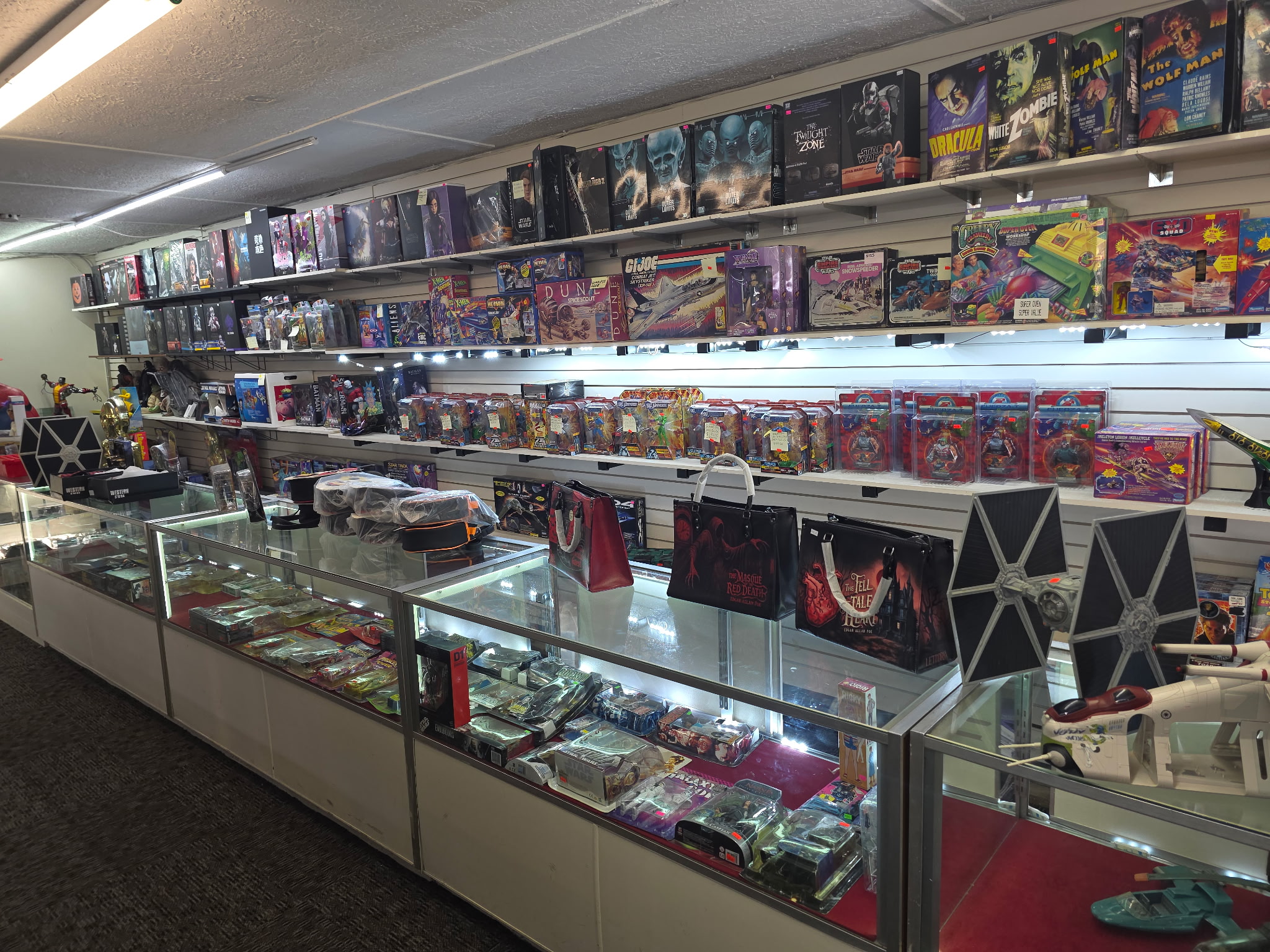
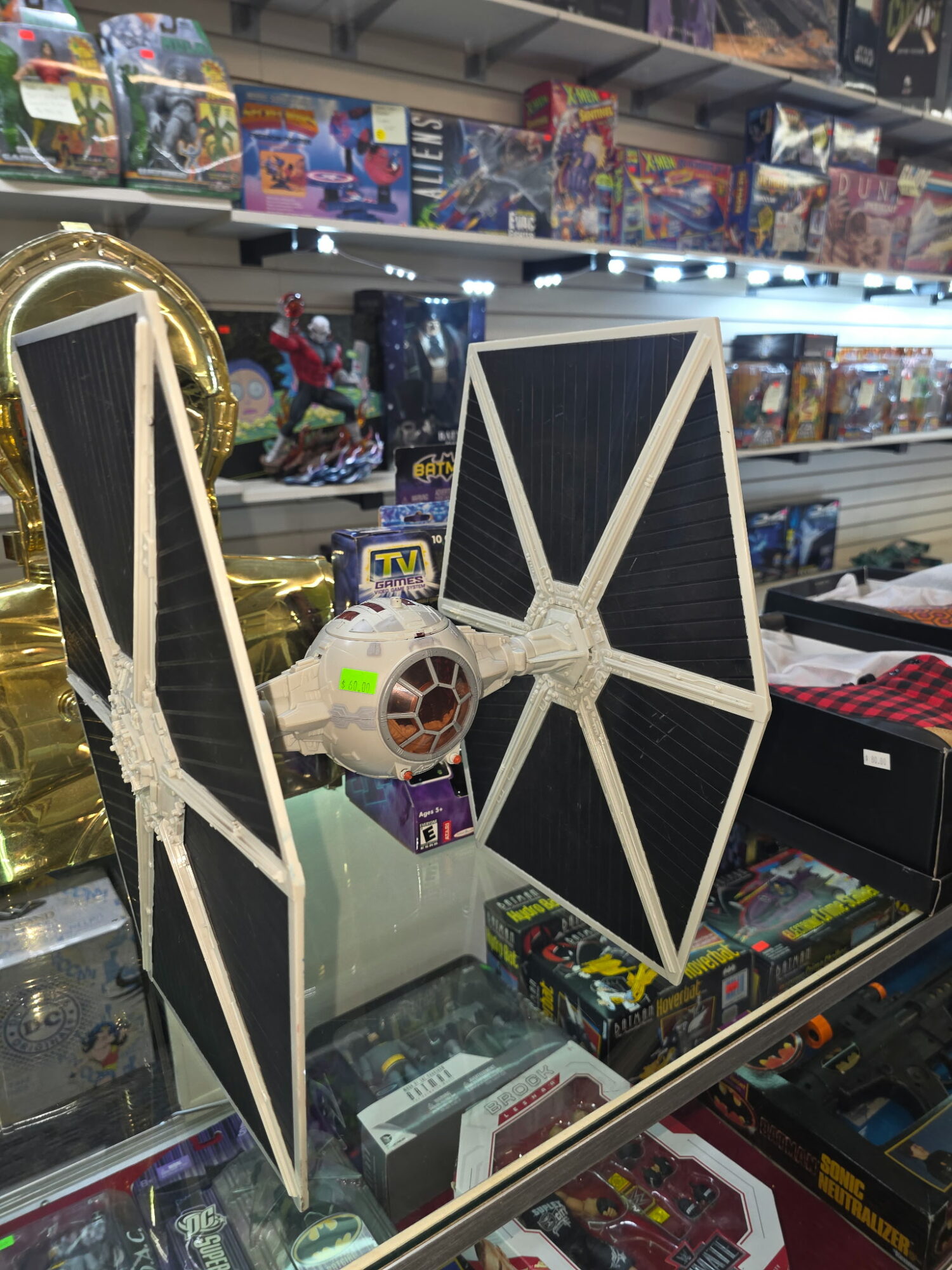
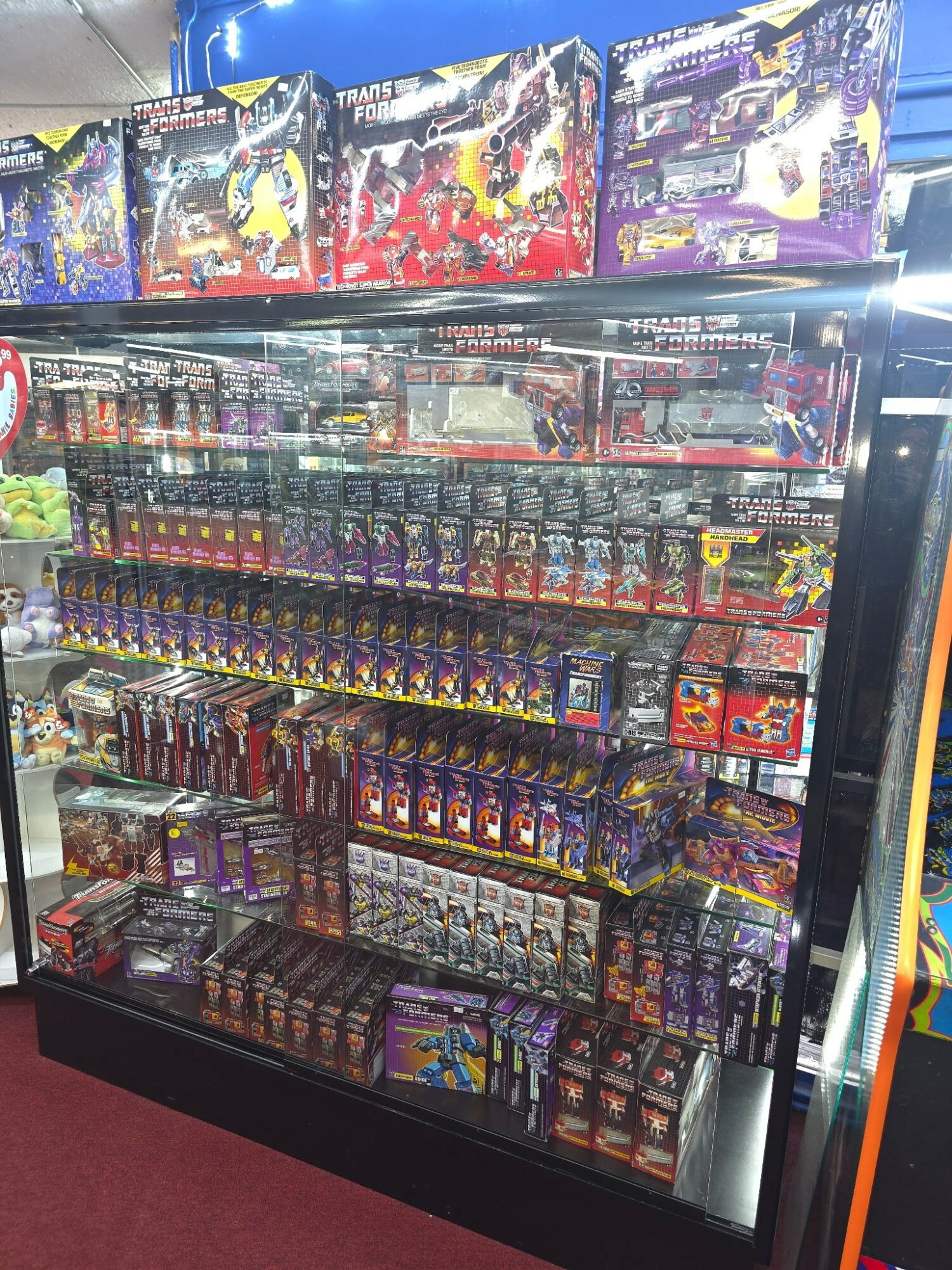
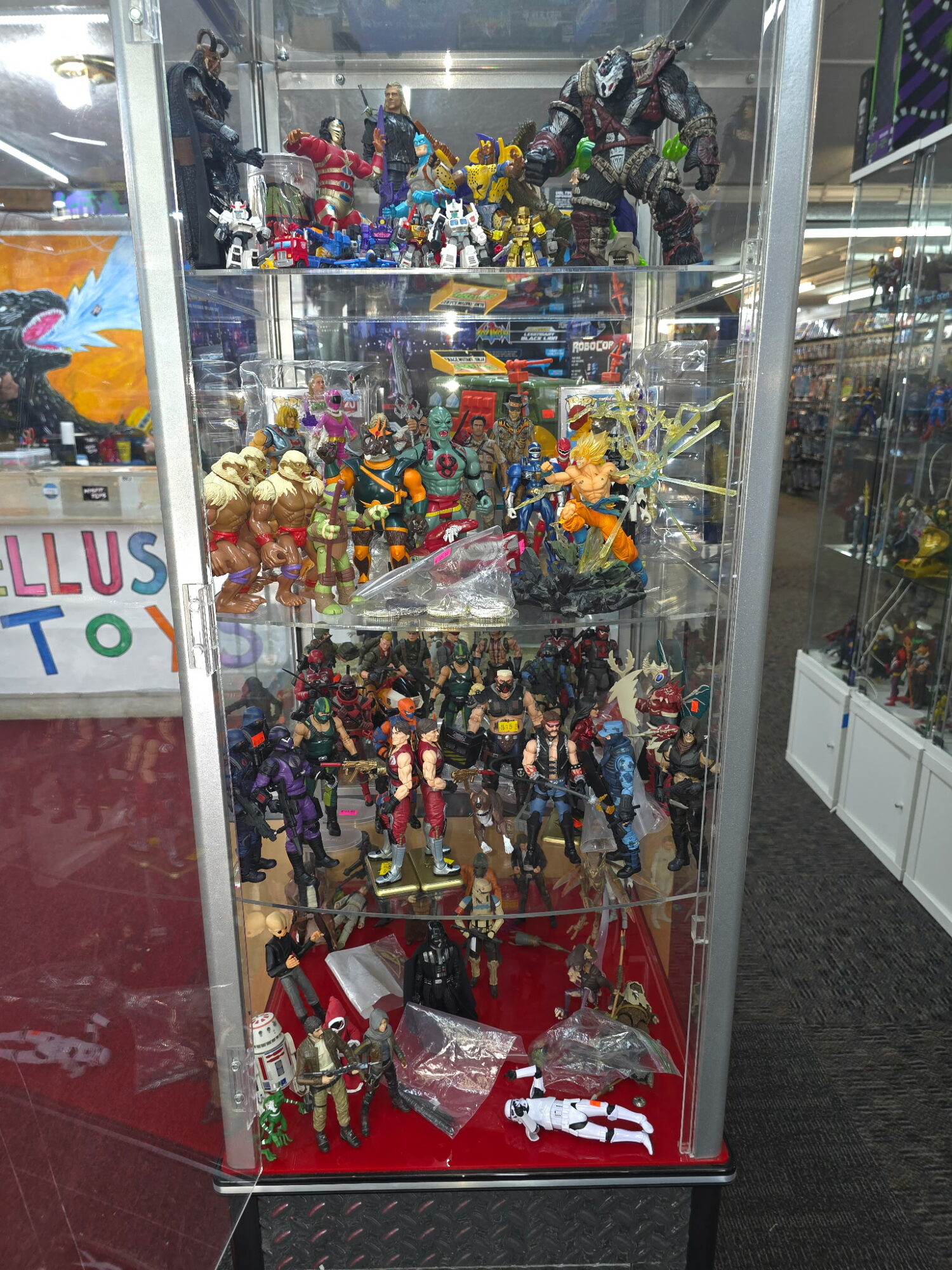
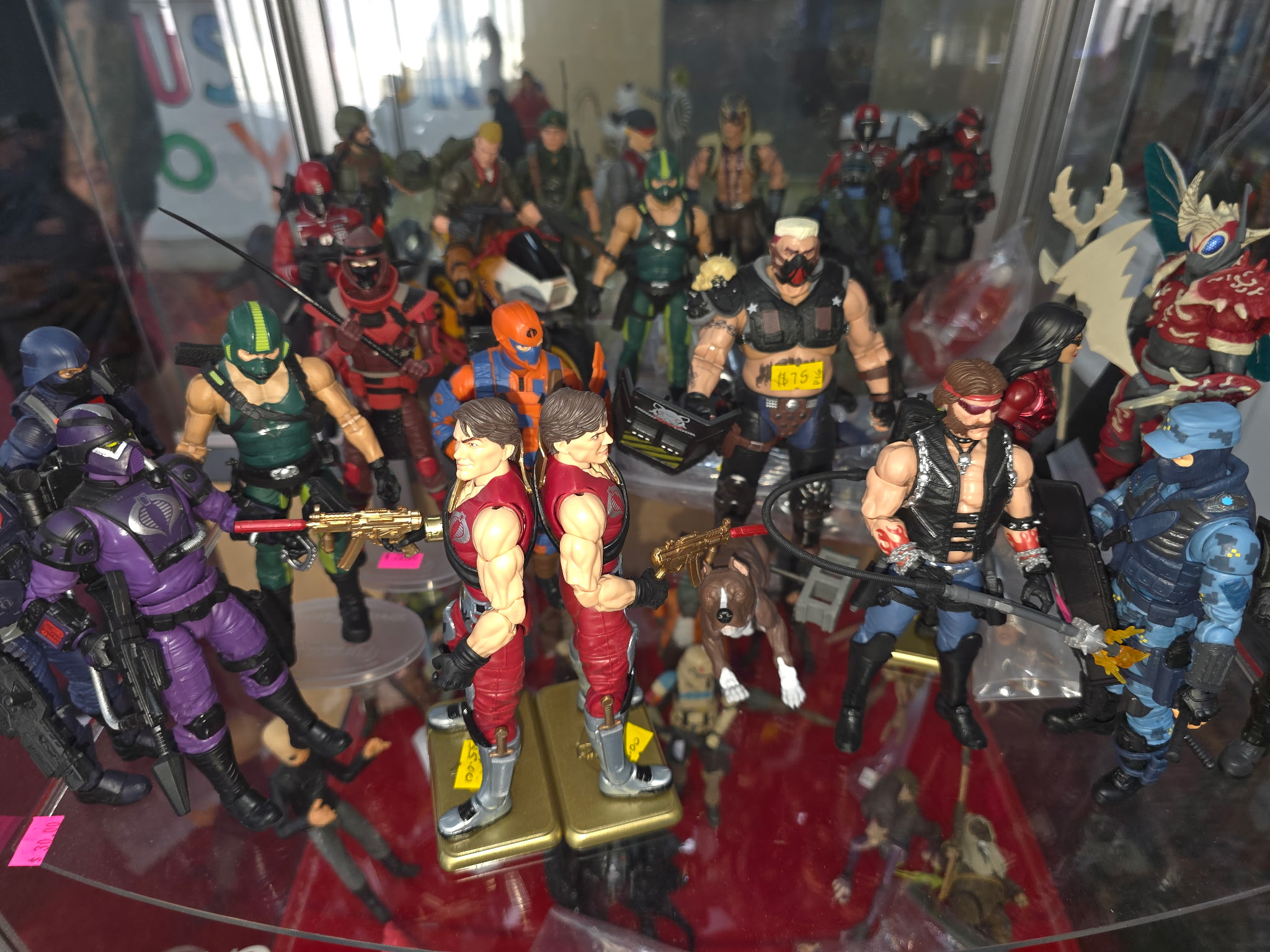
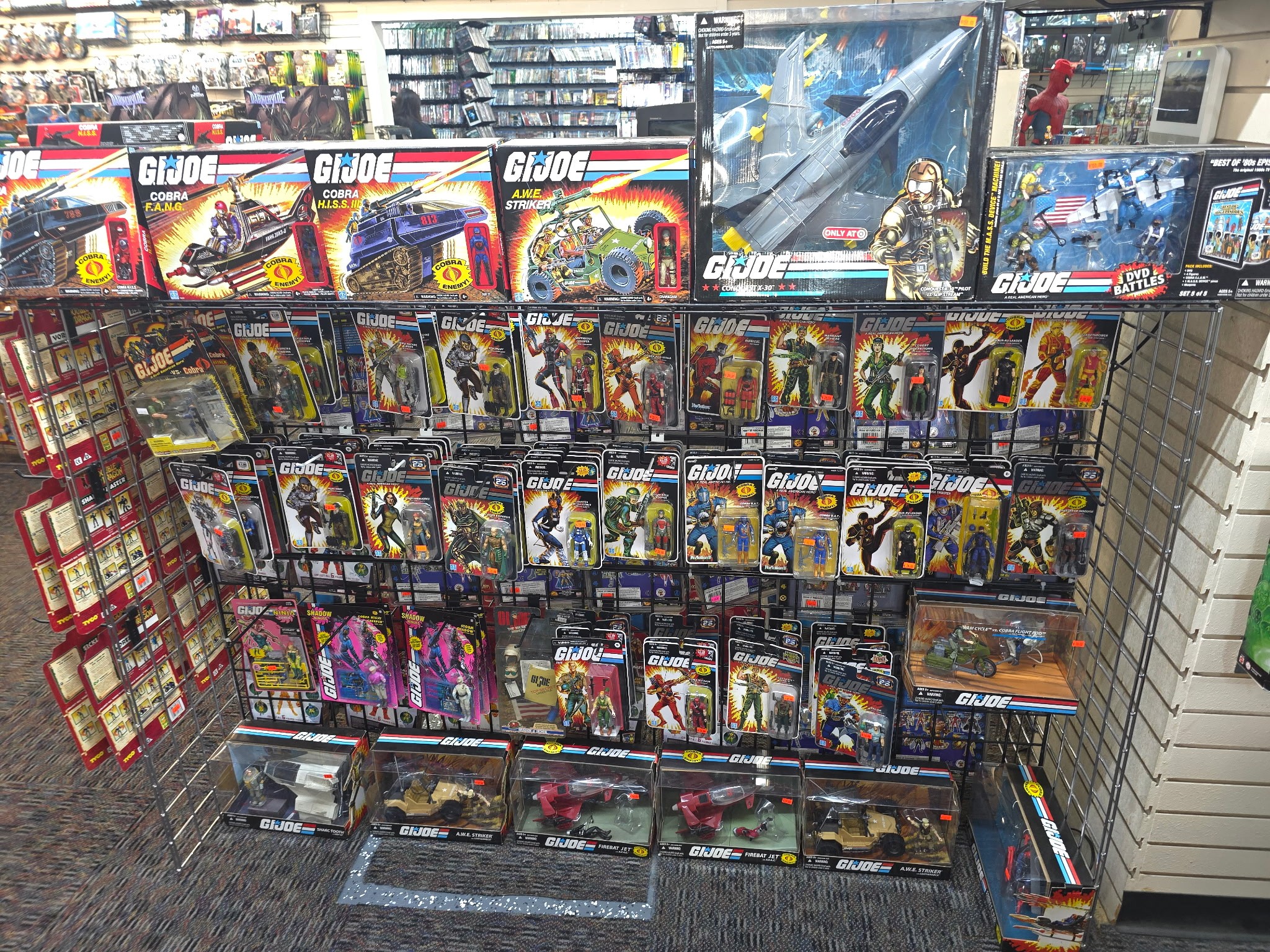
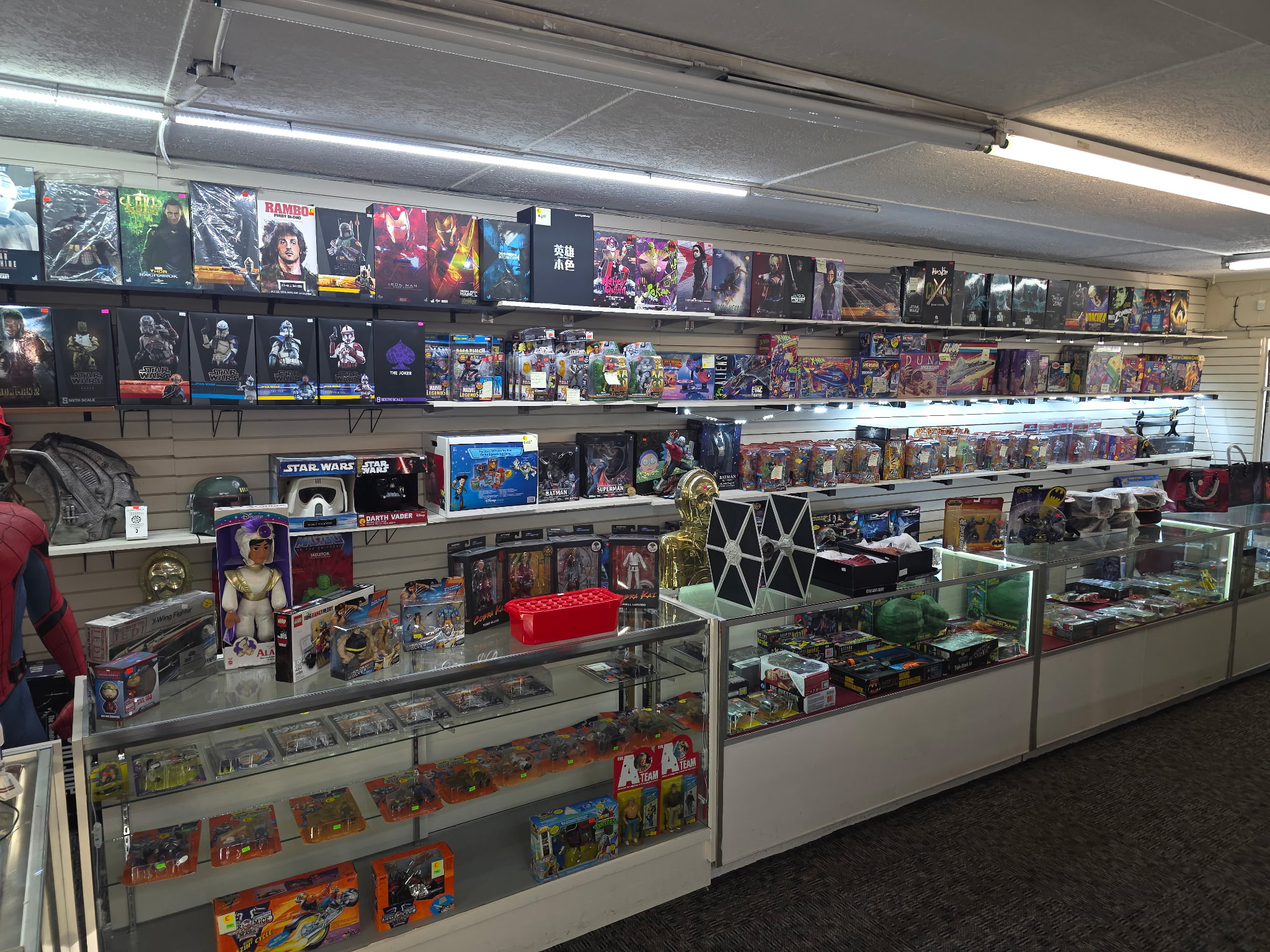
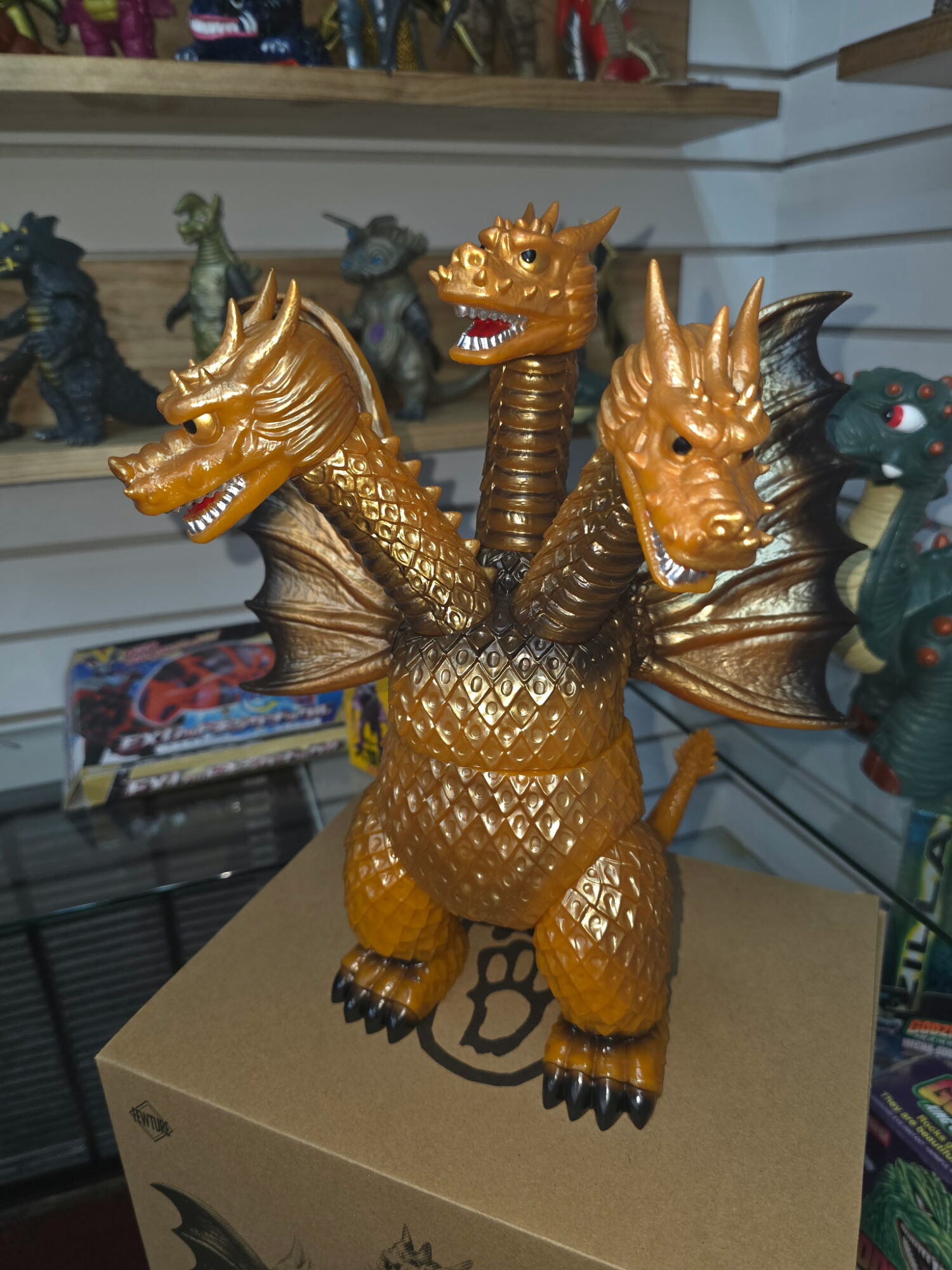
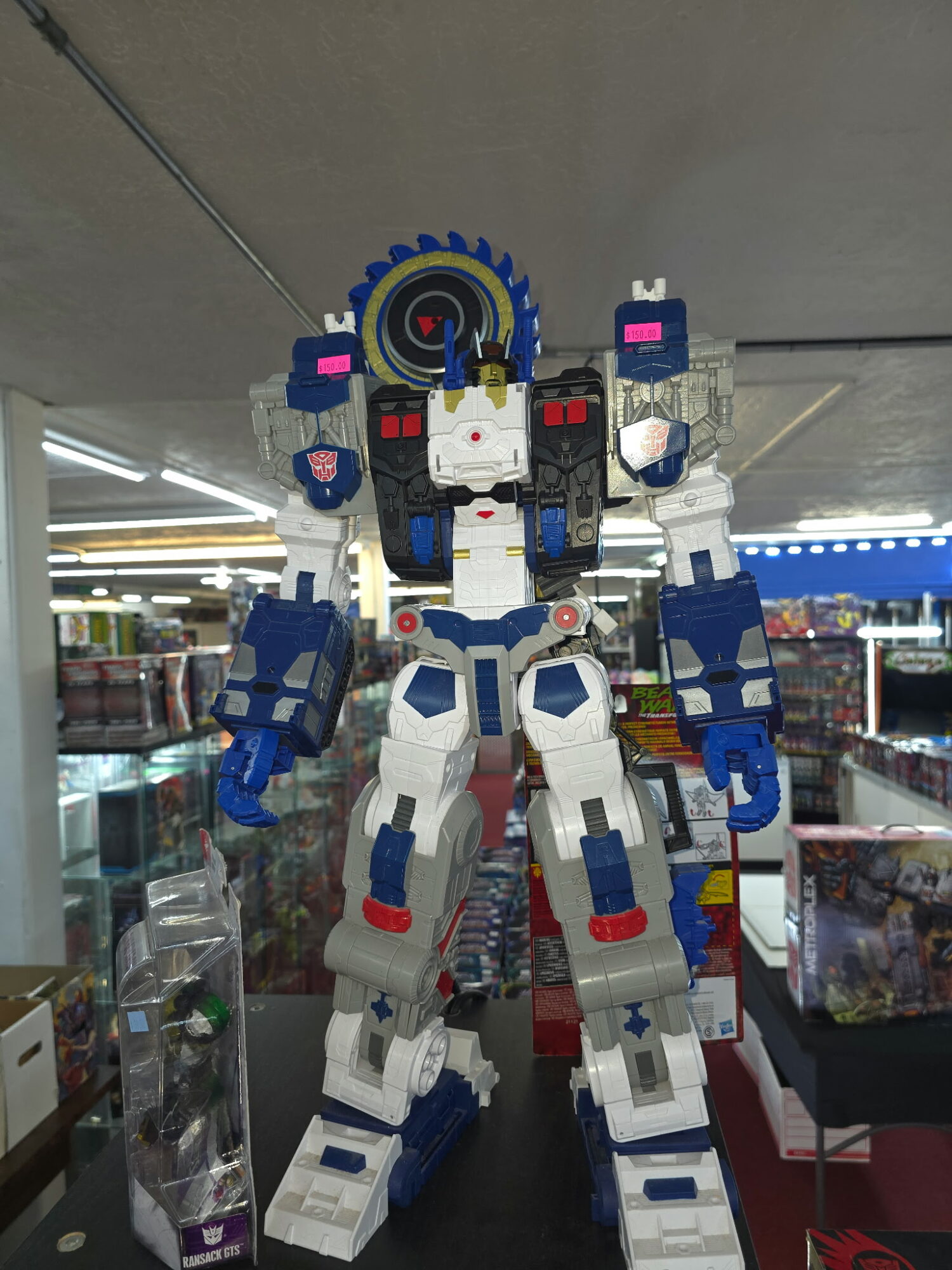
We specialize in vintage and collectible toys spanning generations. Our store is just under 7,000 square feet and packed with thousands upon thousands of toys, action figures, collectibles, and pieces of pop culture. You can walk in looking for something from your childhood and leave having discovered something you didn’t even know existed. Part of the experience is simply exploring the store.
But what truly separates Misfit Toys from other businesses isn’t our size or our inventory. It’s how we treat people.
Customer service has been the backbone of this company since day one. Whether someone walks through our doors ready to spend thousands of dollars or just wants to look around and talk about the toys they had as a kid, they are treated exactly the same. You don’t have to be an expert collector to belong here. You don’t have to know all the terminology. You don’t even have to buy anything. We want people to feel comfortable, welcomed, and appreciated.
That philosophy has created something we never could have manufactured through advertising: a genuine community.
Some of our customers have been with us since the flea market days. We’ve watched people get married, have children, and bring those children into Misfit Toys. We now have kids shopping with us whose parents were customers years ago. We’ve developed friendships that extend far beyond the walls of the store.
That is what I’m most proud of when I think about the Misfit Toys brand.
Of course, I’m incredibly proud that we grew from a little 300-square-foot shop into what I believe is the largest toy store in Houston. I’m proud that people visiting Houston put Misfit Toys on their list of places they want to experience. I’m proud when someone tells me they drove several hours to visit us, and it still blows my mind when people from other states or other countries walk through our doors because they heard about this crazy toy store in Houston.
But I’m even prouder of the reputation we’ve built.
We want the name Misfit Toys to mean that you’re going to be treated well. We want it to mean that our employees are knowledgeable, passionate, and genuinely happy to see you. We want it to be a place where collectors, families, kids, tourists, and somebody walking into a collectible toy store for the first time can all feel like they belong.
We also believe that if a community supports your business, your business has a responsibility to support that community. As we’ve grown, giving back has become an increasingly important part of who we are. We participate in food drives, toy drives, back-to-school events, work with community leaders, and mentor high school students. Success means a lot more to me when we can use it to create opportunities for other people.
We’re also entering an exciting new chapter. Alongside Misfit Toys, we are developing Lost & Found Media, a roughly 6,500-square-foot sister store dedicated to physical media. In a funny way, that brings my story full circle because physical media was my first business before streaming pushed me toward toys all those years ago.
Ultimately, I want people to know that Misfit Toys wasn’t created in a boardroom. There was no corporate blueprint or group of investors deciding what would make a cool vintage toy store. It grew organically from an eight-year-old kid who loved toys, a husband and wife spending their weekends at a flea market, and a community that continued showing up for us year after year.
The toys may be what gets people through the door, but the people are why we’re still here.
What quality or characteristic do you feel is most important to your success?
The most important quality behind my success is resilience. Never giving up, believing in yourself, and learning to take adversity and eat it for breakfast.
I’ve always believed that nobody is going to want your dream more than you do. You can have the best idea in the world, but if you don’t believe in yourself enough to take risks, work harder than you thought possible, and keep moving when things get uncomfortable, that idea will always just be an idea.
I don’t look at adversity as a sign that I should stop. I look at it as part of the price of getting where I want to go. Problems are going to happen. People are going to doubt you. You’re going to make mistakes. Doors are going to close. Sometimes you’re going to get punched right in the mouth by life. Fine. What are you going to do next?
That mentality has probably been my greatest strength. I’m stubborn enough to believe there is always another move.
I also think success requires being willing to bet on yourself. You won’t always know exactly how something is going to work out. Sometimes you have to trust your instincts, take the leap, and figure out the details on the way down.
So, for me, it’s pretty simple: never give up, believe in yourself, and when adversity shows up, eat it for breakfast.
Then get hungry again tomorrow.
Contact Info:
- Website: https://houstonvintagetoys.com/
- Instagram: https://www.instagram.com/misfittoys_htx
- Facebook: https://www.facebook.com/MisfitToysTx/
- Other: https://linktr.ee/misfittoystx