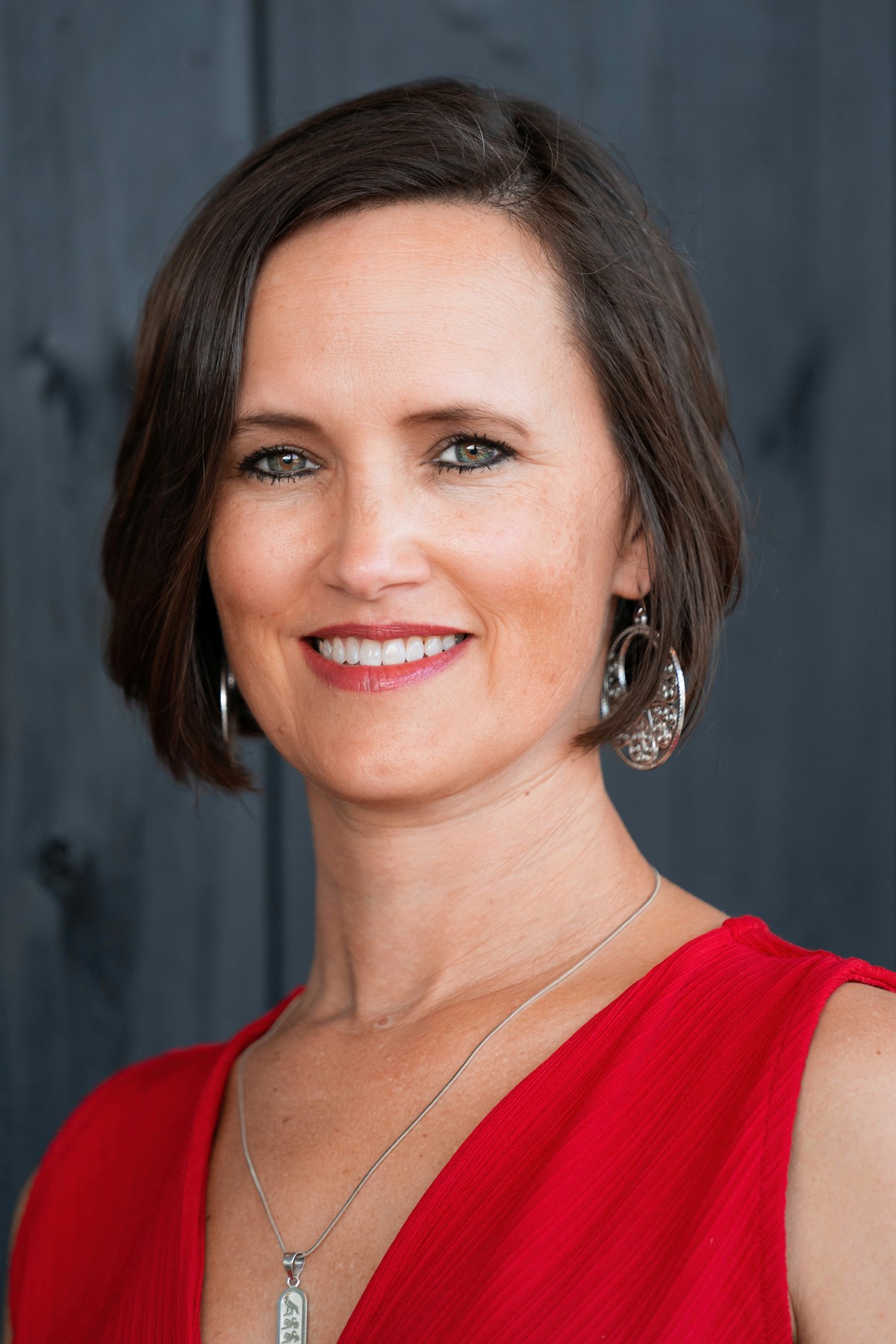





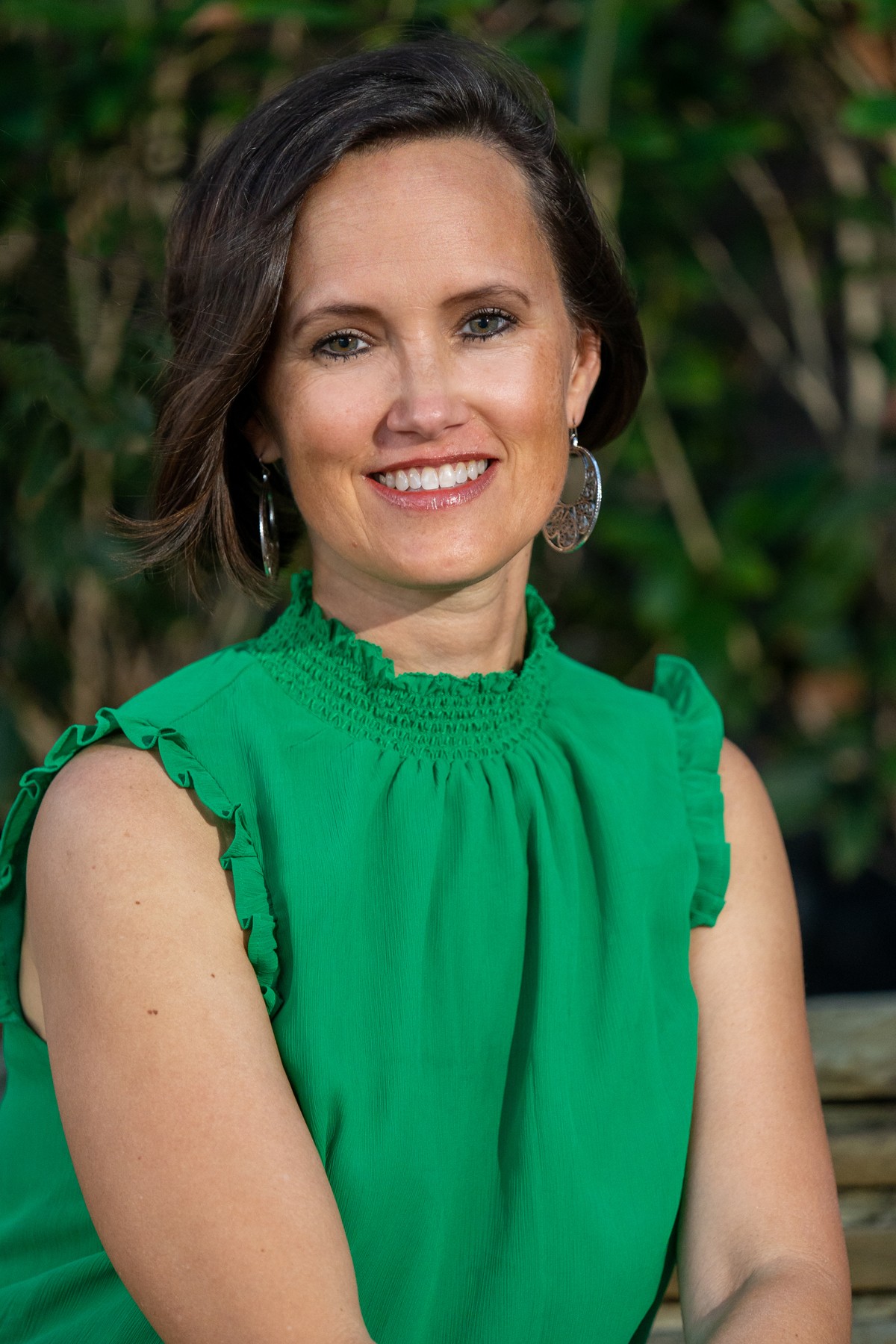
Today we’d like to introduce you to Allison Briggs.
Hi Allison, it’s an honor to have you on the platform. Thanks for taking the time to share your story with us – to start maybe you can share some of your backstory with our readers?
My story really began long before I ever imagined becoming a therapist. Like many people who end up in the healing professions, I grew up navigating trauma I didn’t have language for. I learned very young how to read a room, how to find safety in hypervigilance, and how to survive by disconnecting from the parts of myself that felt too overwhelming to hold. I became curious about psychology my senior year of high school, but I didn’t obtain my LPC until after spending 19 years working in the education field.
I started my own therapeutic work in my twenties, stopped, tried again in my thirties, and finally took it seriously in my forties. That’s when everything shifted. I realized the things I believed were “broken” in me were actually protective strategies—adaptations born from experiences that had never been processed. That realization set me on the path toward the kind of clinical work I do today, especially with women who struggle with codependency or who feel like they’ve always lived on the outside margins of society.
Today I specialize in trauma therapy using Brainspotting, EMDR, somatic work, and parts work. My work is grounded in helping people reconnect to themselves—especially those who’ve spent their lives abandoning their own needs to survive. I’m drawn to the clients who feel “too sensitive,” “too emotional,” or “too much,” because that was once me. I know what it’s like to live from your head because your heart doesn’t feel safe yet.
Over time, my practice grew into a broader creative and educational platform. I now write for outlets such as Tiny Buddha, Elephant Journal, and Psychotherapy Networker. I’m also working on my first book, On Being Real: Healing the Codependent Heart of a Woman, which blends neuroscience, spirituality, somatic healing, and personal narrative.
What began as a private practice has evolved into a voice, a message, and a mission: helping people understand that healing isn’t about becoming someone new—it’s about coming home to yourself. My work is, at its core, about guiding people back to the parts of themselves they abandoned to survive.
Alright, so let’s dig a little deeper into the story – has it been an easy path overall and if not, what were the challenges you’ve had to overcome?
It has not been a smooth road. Along the way, I’ve navigated significant personal and systemic challenges, including prolonged family and legal stress, periods of uncertainty, and the emotional toll of carrying primary responsibility for my children while continuing to work and show up professionally.
There were moments when progress felt slow or obstructed—not because of a lack of effort, but because of complex circumstances that required patience, resilience, and careful decision-making. I had to learn when to persist, when to adapt, and when to conserve energy. That discernment became its own kind of wisdom.
These experiences ultimately strengthened my capacity for problem-solving, emotional regulation, and long-term planning. They shaped how I approach obstacles now: thoughtfully, strategically, and with a deeper respect for both limits and endurance. If there’s one thing I’ve taken away from all of it, it’s a deepened faith in my ability to handle hard things—and a recognition that freedom often means facing what terrifies you instead of staying in the comfort of a life not fully lived.
Thanks – so what else should our readers know about your work and what you’re currently focused on?
I specialize in trauma therapy with a focus on helping women who’ve spent most of their lives disconnected from their own needs. Much of my work centers around codependency, relational trauma, nervous system dysregulation, and the process of rebuilding a sense of inner authority after years of outsourcing it.
What I’m most known for is my therapeutic style: direct, compassionate, fiery, and surprisingly playful. There is a lot of laughter in my office. Clients have full permission to be weird, jealous, angry, insecure, silly, petty, or vengeful—whatever is real. Nothing gets sugar-coated, and nothing gets shamed. We don’t pretend. That honesty is what opens the door for real transformation.
I also work heavily with women who are intuitive and sensitive but have learned to doubt themselves. When they try to hand their authority to me, I hand it right back. My role isn’t to become someone they lean on—it’s to help them reclaim the parts of themselves they’ve abandoned and learn to trust their own internal compass. The path always leads back to themselves.
What sets me apart is the way I merge depth work with psychological clarity and emotional truth. I’m able to take the things clients are circling around—the things they’re saying without fully saying—and reflect it back to them in a way that feels honest, empowering, and grounding. People come to me because they’re tired of avoiding the truth. They’re ready for someone who will meet them exactly where they are and not look away.
I’m most proud that, through therapy, writing, and the creative work I do, people consistently tell me they finally feel more like themselves—more real, more rooted, and more allowed to exist without apology. Helping someone come home to who they were before life taught them to shrink is the heart of my work.
Can you tell us more about what you were like growing up?
I was a deeply observant and imaginative child. I grew up in an emotionally unpredictable environment, so I learned early how to read a room, track tone, and notice the things that weren’t being said. While other kids were focused on worksheets or playground rules, I was paying attention to people—their moods, their microexpressions, the subtle shifts adults often missed. That attunement became one of my earliest survival skills.
Personality-wise, you wouldn’t know it from the outside, but I was sensitive, and very internal, even though I appeared bubbly, playful and carefree often on the outside. I was the child who noticed everything but rarely said it out loud.
I also lived in my imagination. I daydreamed constantly, building entire worlds in my mind with characters and storylines that felt more stable than the real world around me. Creativity was not just an interest; it was a lifeline. I didn’t recognize it then, but that inner world allowed me to survive what my nervous system wasn’t ready to process.
Looking back, the traits that made me feel “different” as a child—sensitivity, intuition, vigilance, deep empathy—are the same traits that shaped my clinical work today. I was the kid who saw beneath the surface long before I had language for it. In many ways, I’m still that kid; I just learned how to use those early adaptations in service of helping others.
Contact Info:
- Website: https://on-being-real.com/
- Instagram: @beingrealpllc
- LinkedIn: https://www.linkedin.com/in/allison-briggs-beingrealpllc
- Youtube: @beingrealpllc