






Today we’d like to introduce you to Brianna Byrd.
Hi Brianna, we’d love for you to start by introducing yourself.
I started Taaffe Vintage in my last semester of college, almost on accident. I had picked up a rough looking dresser at Goodwill and asked a local refinisher to bring it back to life. They quoted me a price I couldn’t afford. I thought about that number for a long time before deciding I’d rather just learn how to do it myself, a trait I get from my father who passed away from cancer in 2019.
What I didn’t know then was that I was the fourth generation in my family to do this work. My great-grandfather was a Swedish craftsman who immigrated to the U.S. and laid the floors in John Wayne’s house. My grandmother’s twin sister refinished furniture in the same way I do. My mother, when she was a kid, would curate discarded, cheap pieces with my grandmother and paint them for her bedroom. I just thought I was being thrifty. Turns out it was in the blood.
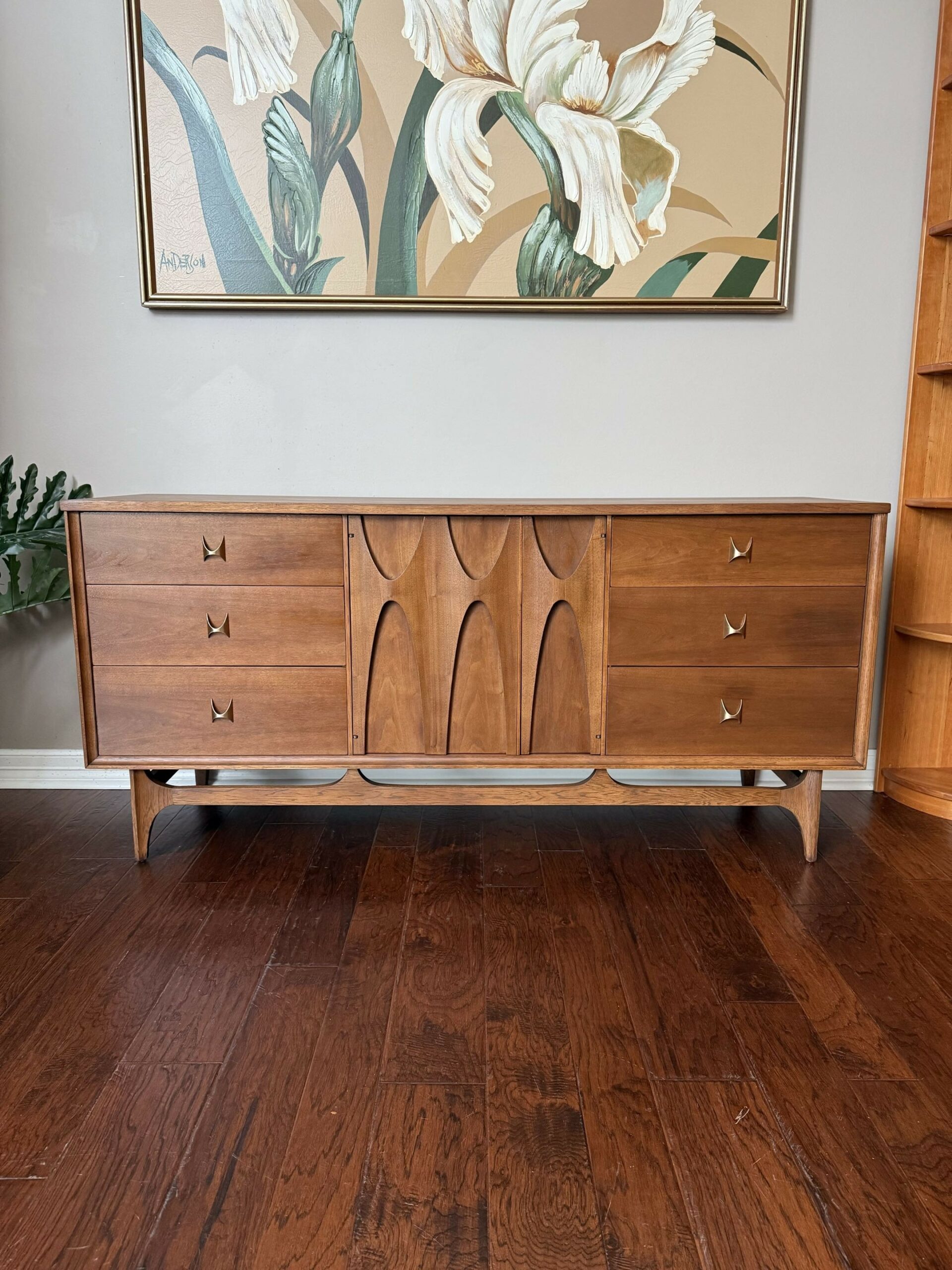
I was nervous to work on this dresser after I saw the going rates online, turns out it was a dresser designed by Milo Baughman, an iconic mid-century designer. I started buying pieces to practice with. I resold some as I didn’t love the way they turned out, but I ended up keeping a lot. Eventually I replaced all the cheap, mass-manufactured furniture in my home and had extra leftover. I had to either stop or turn it into something. So, I turned it into something.
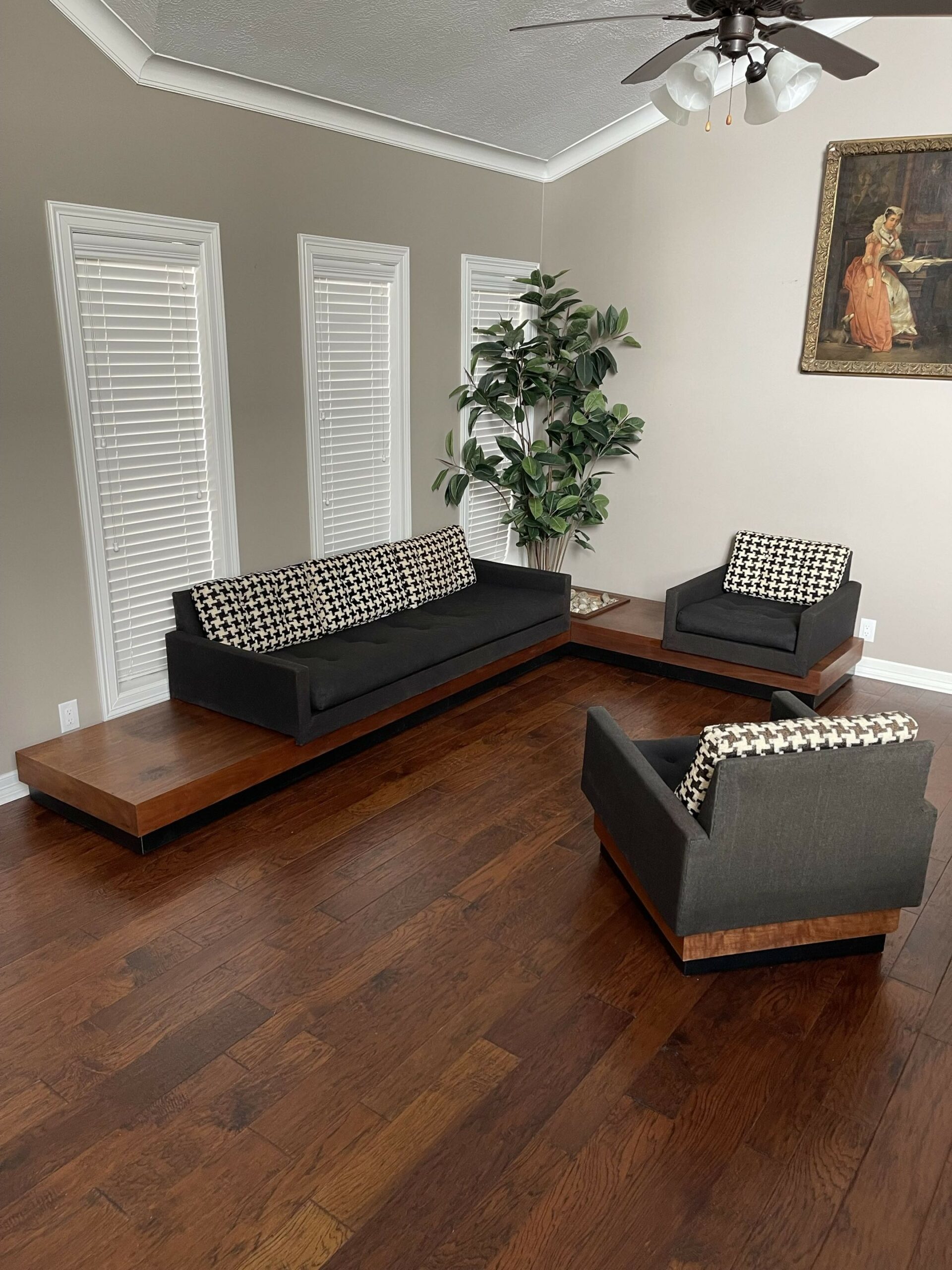
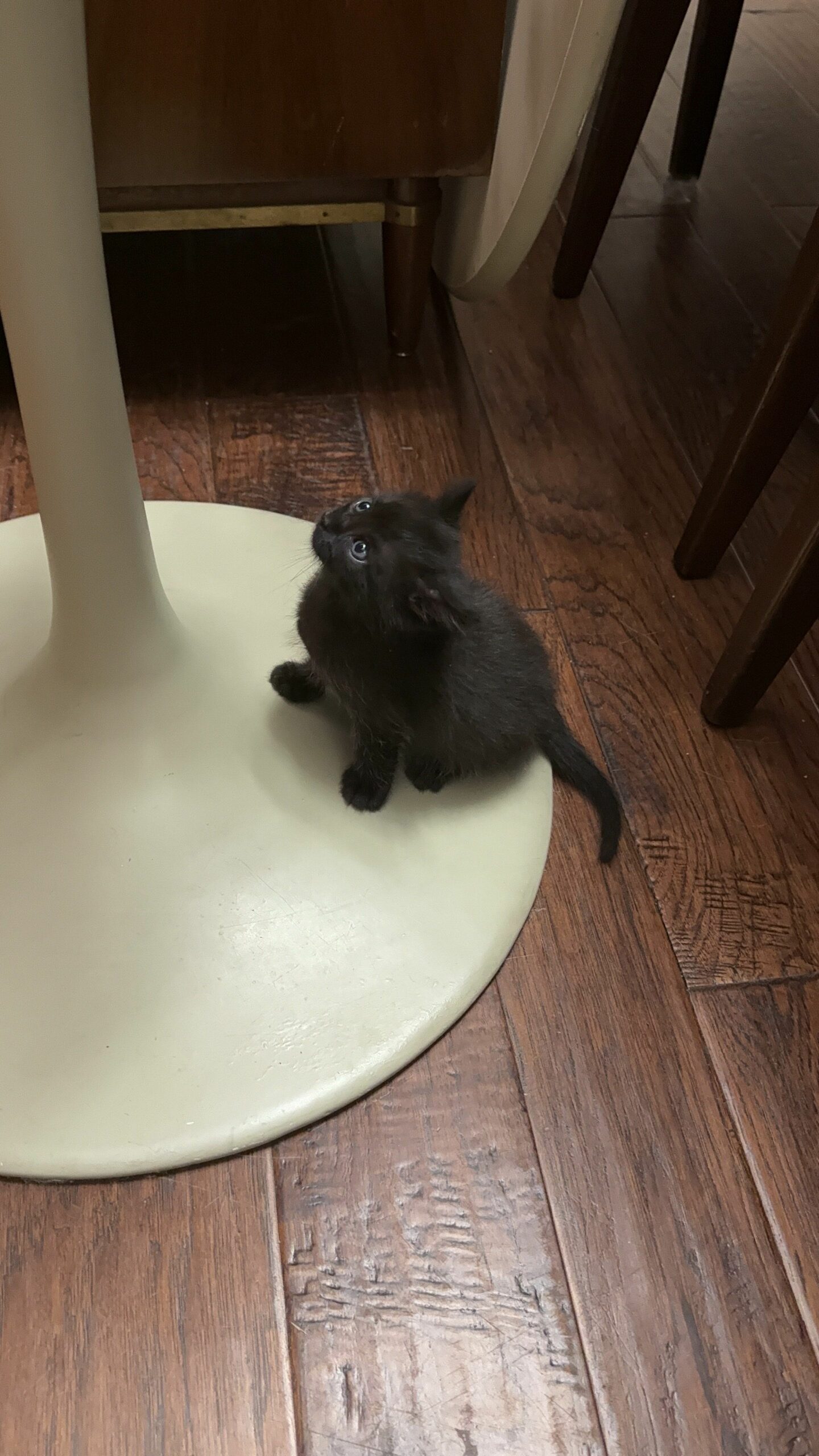
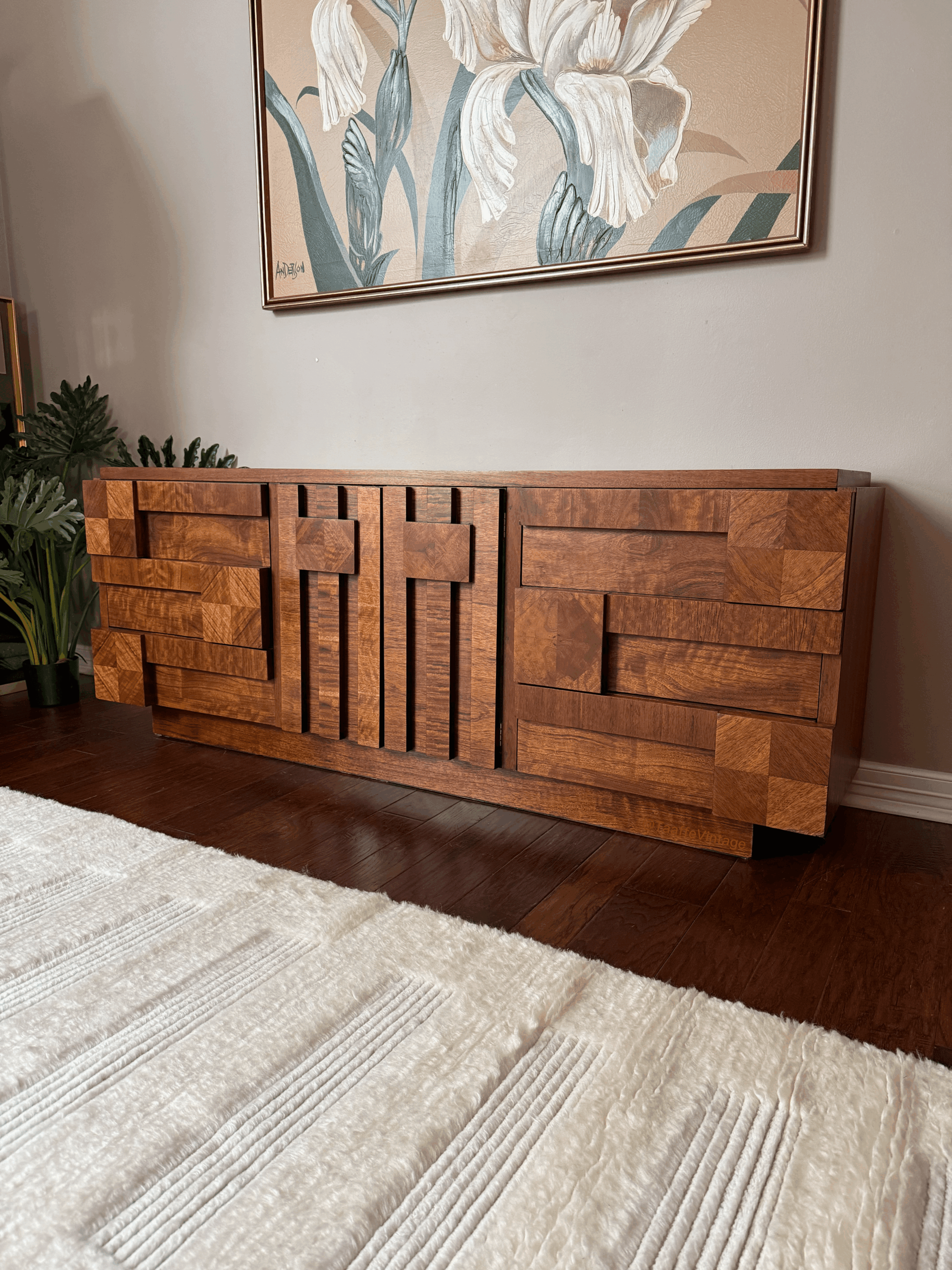
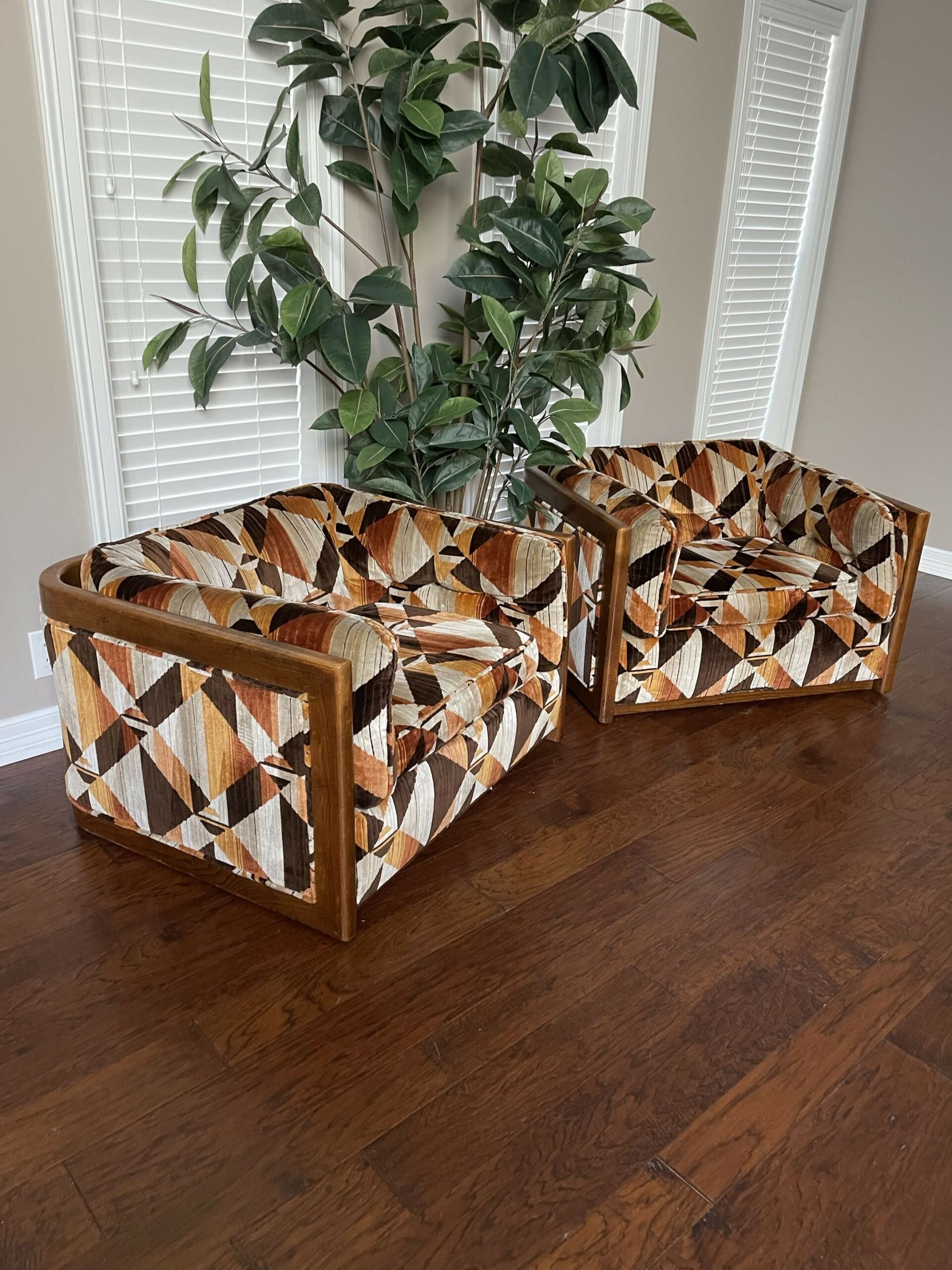
Today I run Taaffe Vintage (our immigrated family name with the original spelling, it was later Americanized to “Taff”) out of my garage in Kingwood. I look for Danish pieces, mid-century modern pieces, and even vintage IKEA furniture. I source pieces in all kinds of conditions, restore or refinish them by hand, and sell them locally and have shipped pieces all over the country — even internationally once! Every sale also helps support the rescue work I do — horses I take in after they retire from injuries or bad living situations, and a few foster cats too.
I’m sure it wasn’t obstacle-free, but would you say the journey has been fairly smooth so far?
Honestly, no, not a smooth road. There’s been a few real struggles:
– Learning the trade by myself. YouTube is a great teacher, but it can’t teach you everything. I’ve stained pieces just for them to be tacky afterwards, used the wrong stain on the wrong wood, and learned more than I’d like to admit about how not to apply sealer. Every piece taught me something. Some of those lessons cost me money, too.
Doing this on top of a full-time engineering job. I’m a mechanical engineer at a geothermal company by day. The refinishing happens in the evenings and weekends, which means slow months feel slower because the pieces pile up. Fast months are a thrill, but they’re earned with a lot of nights in the garage.
– Managing buyers who don’t follow through. Early on, I held pieces for people who said they were coming and then ghosted. Or who haggled aggressively on a piece I knew I put a lot of work and time into. I had to learn that being kind doesn’t mean being a pushover, and I had to build a policy that protects the work and the time. It’s a small business lesson nobody likes to talk about, and it took me a while to get comfortable with it.
– Education with people who aren’t familiar with wood working terms. The biggest issue being that people think veneer is the same as laminate, meaning not real wood, and it’s not. There’s solid wood, veneer over wood, and laminate/formica. The first two are quality craftsmanship using real wood, with veneer being a thin layer of expensive wood applied over a sturdier core — using only the expensive wood would make the price impossible. Laminate still requires skill, but of course it feels cheap when put side-by-side with real wood.
– My house, perpetually full of furniture. Some months pieces fly out and the garage is empty. Other months I’ve got a chifforobe in the dining room and a credenza blocking the back door. My family have been saints about it.
Alright, so let’s switch gears a bit and talk business. What should we know about your work?
I’d describe what I do as rescue work in two directions. On one side, I’m rescuing furniture — pieces that were built decades ago to last a lifetime, that someone gave up on or didn’t have time for, that would otherwise end up in a landfill. On the other side, I’m rescuing horses: prime-age ex-showjumpers who’ve got injured and are now considered worthless or a wild 2-year-old colt that never was given a decent start. The two sides of the work feed each other. Every piece I sell helps fund the herd.
What sets Taaffe Vintage apart, I think, is that I don’t curate so much as I rescue. A lot of vintage sellers are sourcing from estate sales, flipping with minimal work, and selling the aesthetic. I’m doing the actual refinishing — sanding, repairing, restaining, sealing — by hand, on basically every single piece. It’s slower. But what you get is a piece that’s actually been brought back, not just dusted off.
I’m proud of the pieces that nobody else would have touched. The dresser painted white all over. The cabinet with a missing door. The chair that needed reupholstering and recaning and a structural rebuild. Those are the ones that I cherish the work the most, and the ones I’m sad to see leave (well, the ones that I do let leave).
What matters most to you? Why?
Two things, mostly: keeping things out of landfills, and making sure the older ones — animals or objects — get the chance they deserve.
There is something deeply wrong to me about a piece of furniture that was built in the 1950s or 60s from real wood, by a craftsman who took his time and hand-picked sheets of veneer, ending up curbside on trash day because nobody knew how to fix a failed finish. That piece outlasted its first owner. It will outlast me too, if someone takes care of it. Throwing it away is a form of giving up that I just can’t do.
The horses are the same logic. A 12-year-old gelding who jumped fences for his whole life and gave his people their best ribbons isn’t done because he got a double hind suspensory ligament injury. He just can’t jump anymore. It doesn’t mean he should be passed from home to home, with people trying to see what his physical limits are, and jumping him daily then giving him a half dose of pain medication afterwards. He deserves to rest and not have to take meds every time he’s jumped when he shouldn’t be. He still has years of grazing and being known and being loved. If nobody steps up for him, he ends up somewhere that would haunt anyone’s nightmares. People get these expensive horses and unfortunately don’t have plans for them if an injury that forces retirement happens. So, I step up.
That’s what matters. All of what I do (engineering work, fixing up furniture, and helping these horses) motivates me to do the rest.
Contact Info:
- Website: https://taaffevintage.com
- Instagram: https://www.instagram.com/taaffevintage/
- Facebook: https://www.facebook.com/taaffevintagefurniture/
- Other: https://www.chairish.com/shop/taaffevintage