





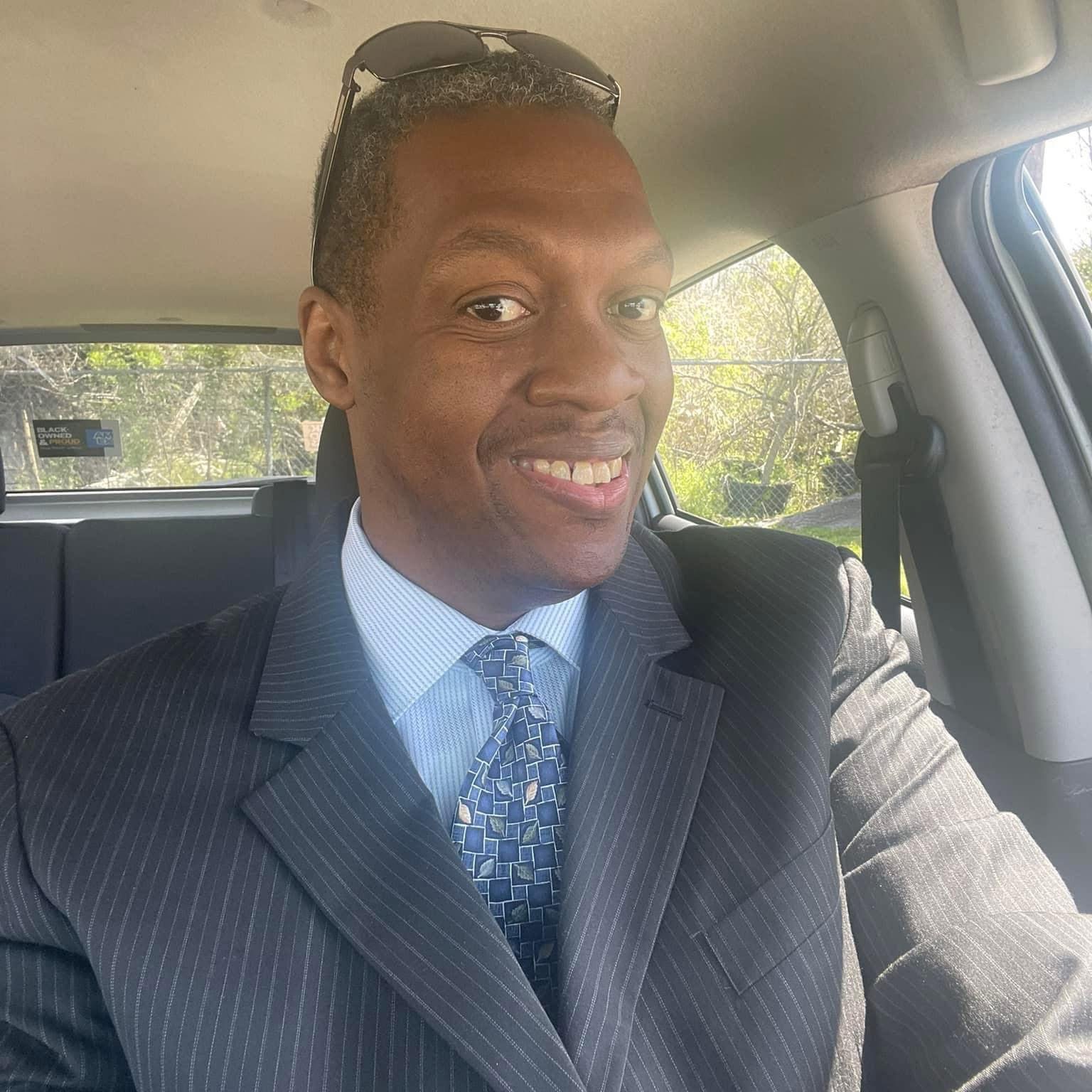
Oscar Starr III shared their story and experiences with us recently and you can find our conversation below.
Oscar , we’re thrilled to have you with us today. Before we jump into your intro and the heart of the interview, let’s start with a bit of an ice breaker: What is a normal day like for you right now?
A normal day for Oscar J. Starr III right now looks less like a routine—and more like a strategic rhythm built around creation, clarity, and long-term legacy.
Morning: Grounding + Vision
The day usually begins with quiet intention. Reading, reflection, or outlining ideas before the noise of the world kicks in. Mornings are reserved for thinking, writing, and planning—the work that requires depth rather than interruption. This is often when chapters are drafted, concepts are refined, or long-term projects are aligned.
Midday: Building + Execution
As the day progresses, the focus shifts to execution. Emails, collaborations, scheduling, brand strategy, and project development take center stage. This is when podcasts are planned or recorded, publishing timelines are reviewed, and partnerships are explored. It’s less about visibility and more about structure and momentum.
Afternoon: Creative Output
Afternoons are typically dedicated to creative output—writing excerpts, shaping narratives, refining book concepts, or developing intellectual frameworks like The GameChanger Perspective. This is where ideas are turned into tangible assets: manuscripts, content, or strategic positioning.
Evening: Reflection + Refinement
Evenings slow down intentionally. Reviewing the day, refining thoughts, and sometimes revisiting a passage or idea with fresh perspective. This is also when broader questions are considered: What is this building toward? What impact does this create five or ten years from now?
The Constant Thread
What ties the day together is focus. Not chasing trends. Not reacting to noise. But steadily building a body of work—books, conversations, and ideas—that challenge assumptions, reveal hidden structures, and leave a lasting intellectual footprint.
In short:
It’s a day shaped less by urgency—and more by purpose.
Can you briefly introduce yourself and share what makes you or your brand unique?
Introduction — Oscar J. Starr III
Oscar J. Starr III is a strategist, author, and creator of ideas that challenge how power, success, and leadership are understood in the modern world. His work sits at the intersection of business, culture, and systems of influence—focused not on surface-level motivation, but on revealing the structures beneath it.
He is the creator of The GameChanger Perspective®, a registered trademark brand and intellectual framework that examines how real change is built—through leverage, clarity, discipline, and long-term vision rather than hype or shortcuts. Through books, podcasts, and public conversations, Oscar explores the truths people rarely discuss: who actually holds power, what leadership truly costs, and why most success narratives leave out the most important details.
As an author, his work includes titles such as The GameChanger Perspective, The Quiet Sacrifices, Invisible City, and The Myth of Self-Made Men—projects known for their investigative tone, strategic depth, and willingness to confront uncomfortable realities. His writing is designed for thinkers, builders, and leaders who want more than inspiration—they want understanding.
Beyond publishing, Oscar is a host and founder within the Empowerment Collective Podcast Network, where he leads conversations that prioritize substance over spectacle. His approach to brand-building is intentional and long-range, centered on legacy rather than virality.
At its core, Oscar J. Starr III’s brand is about this:
seeing what others miss, questioning what’s accepted, and building something that lasts.
Okay, so here’s a deep one: What part of you has served its purpose and must now be released?
The part of me that has served its purpose—and must now be released—is the version that over-explains.
The part that felt responsible for making everything understandable, palatable, or defensible. The version that believed clarity required constant justification, that insight needed permission, or that truth had to be softened to be received.
That part was useful once.
It protected the work while it was forming.
It helped bridge understanding in rooms not yet ready to listen.
But it is no longer needed.
What replaces it is precision without apology.
Speaking when necessary—not constantly.
Letting the work stand without escort.
Allowing silence to do some of the teaching.
Releasing that part doesn’t mean becoming distant or closed—it means trusting that the right audience doesn’t need to be convinced. They recognize depth when they see it.
Growth, at this stage, isn’t about adding more.
It’s about letting go of what was built for an earlier season.
What have been the defining wounds of your life—and how have you healed them?
The defining wounds of my life weren’t loud or dramatic.
They were quiet, cumulative, and formative.
Being underestimated.
Not because of a lack of ability—but because of how power often misreads depth. That wound taught me early that recognition is not a prerequisite for impact. Healing came through building privately, mastering my craft, and letting results—not arguments—do the speaking.
Witnessing success without integrity.
Seeing doors open for those who cut corners, postured well, or were protected by systems rather than substance. That creates a particular kind of disillusionment. I healed it by refusing to imitate what I didn’t respect—choosing alignment over acceleration, even when it cost time.
Carrying responsibility before readiness.
Being placed in positions—intellectually or emotionally—where I had to mature early. That wound created strength, but also silence. Healing came through learning that strength doesn’t require solitude, and that reflection is not withdrawal—it’s refinement.
The cost of seeing clearly.
Once you see how things actually work—power, influence, leadership—you don’t get to unsee it. That awareness can isolate. Healing didn’t come from unseeing, but from building language, frameworks, and work that translate clarity into contribution.
I didn’t heal these wounds by erasing them.
I healed them by integrating them.
They became the backbone of my work, the reason my writing carries weight, and why my brand isn’t built on optimism—but on truth with direction.
Some wounds don’t disappear.
They become disciplines.
Next, maybe we can discuss some of your foundational philosophies and views? How do you differentiate between fads and real foundational shifts?
I differentiate between fads and real foundational shifts by asking where the pressure is coming from—and how long the change can survive without attention.
Fads are attention-dependent.
They require constant visibility, reinforcement, and excitement to stay alive. The moment the spotlight moves, they collapse. If something only exists because people are talking about it, promoting it, or monetizing it loudly, it’s usually a fad.
Foundational shifts are pressure-driven.
They emerge because something underneath is no longer sustainable—economically, culturally, psychologically, or structurally. Even if no one names them yet, they continue reshaping behavior quietly. They don’t ask for permission, and they don’t wait for applause.
I look for a few signals:
1. Behavior changes before language does.
When people start acting differently before they can explain why, a real shift is underway. Fads announce themselves first. Foundations move first.
2. Resistance from existing power structures.
If institutions, gatekeepers, or incumbents feel threatened—not annoyed, but destabilized—that’s usually not a trend. Fads are tolerated. Structural shifts are resisted.
3. Sacrifice without spectacle.
If people are making real tradeoffs—time, status, security—without public reward, it’s likely foundational. Fads promise upside without cost.
4. Persistence without promotion.
A real shift keeps happening even when no one is selling it. Fads need constant explanation and hype to survive.
Ultimately, I don’t ask, “Is this popular?”
I ask, “Would this still exist if no one was watching?”
If the answer is yes, it’s not a fad.
It’s the ground quietly moving underneath everything else.
Okay, we’ve made it essentially to the end. One last question before you go. What do you think people will most misunderstand about your legacy?
I think what people might misunderstand about my legacy is that it’s only about motivation or inspiration. What I’m really focused on is showing people how to navigate the hidden rules of success, make strategic moves, and leave a lasting impact that goes far beyond themselves.
Contact Info:
- Website: https://oscarjstarriii.com
- Instagram: https://www.instagram.com/professionalentrepreneur44
- Linkedin: http://linkedin.com/in/oscar-j-starr-iii-65a323199
- Facebook: https://www.facebook.com/professionalentrepreneur45
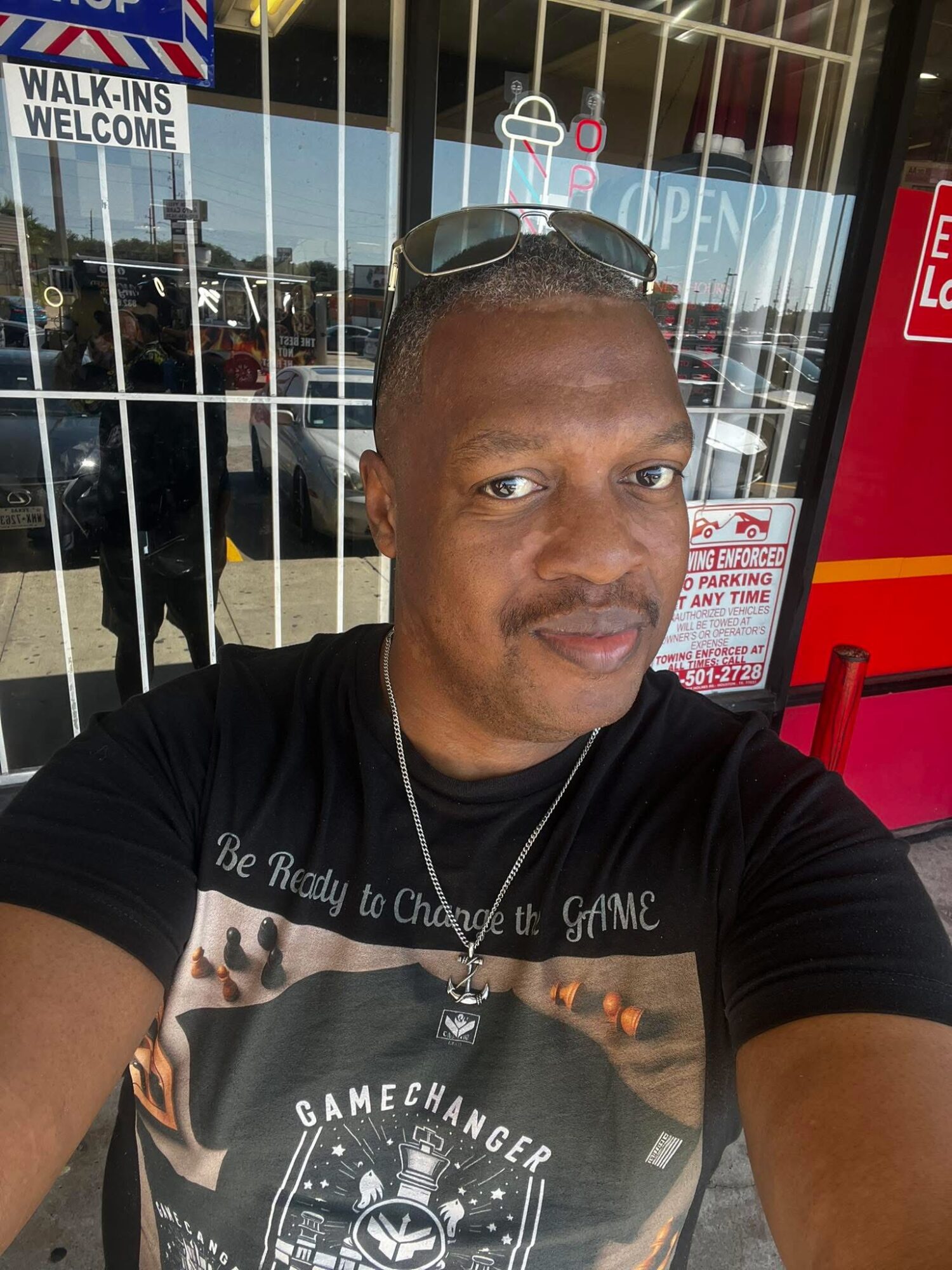
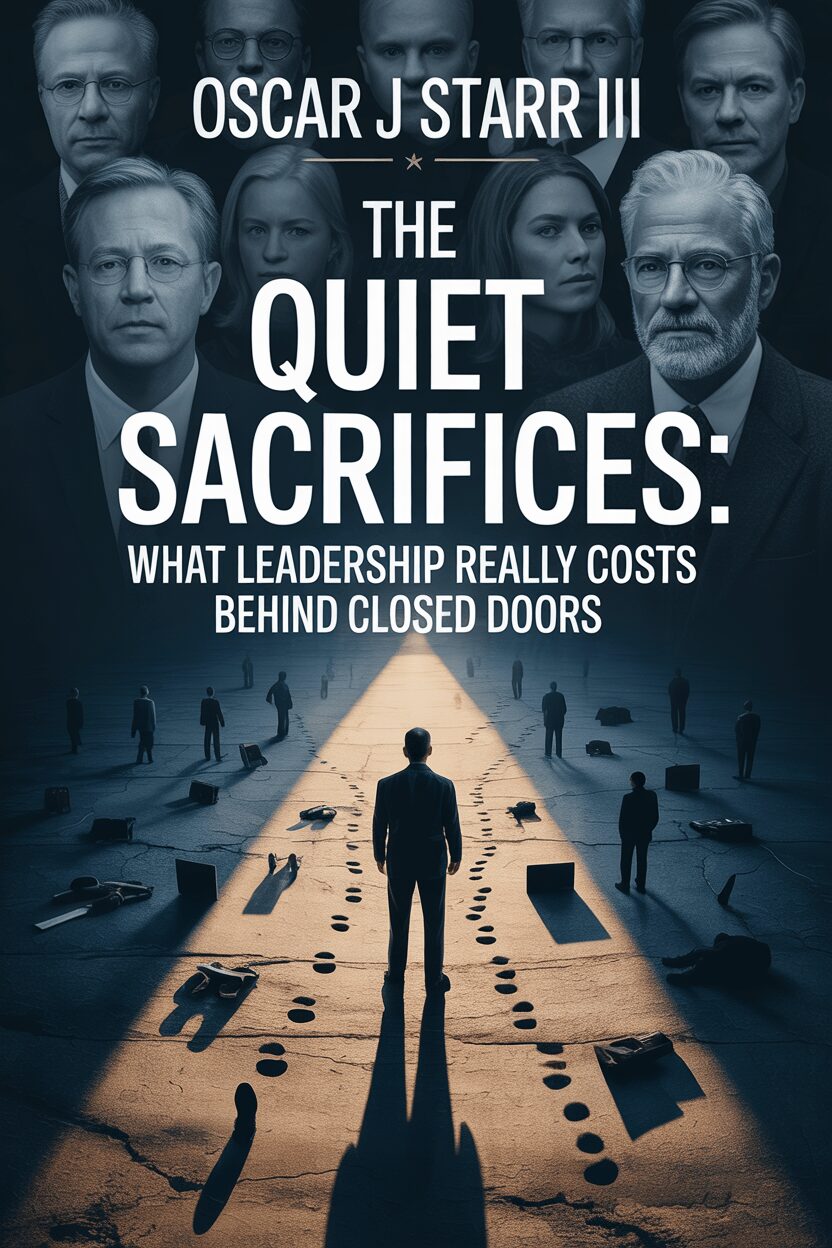
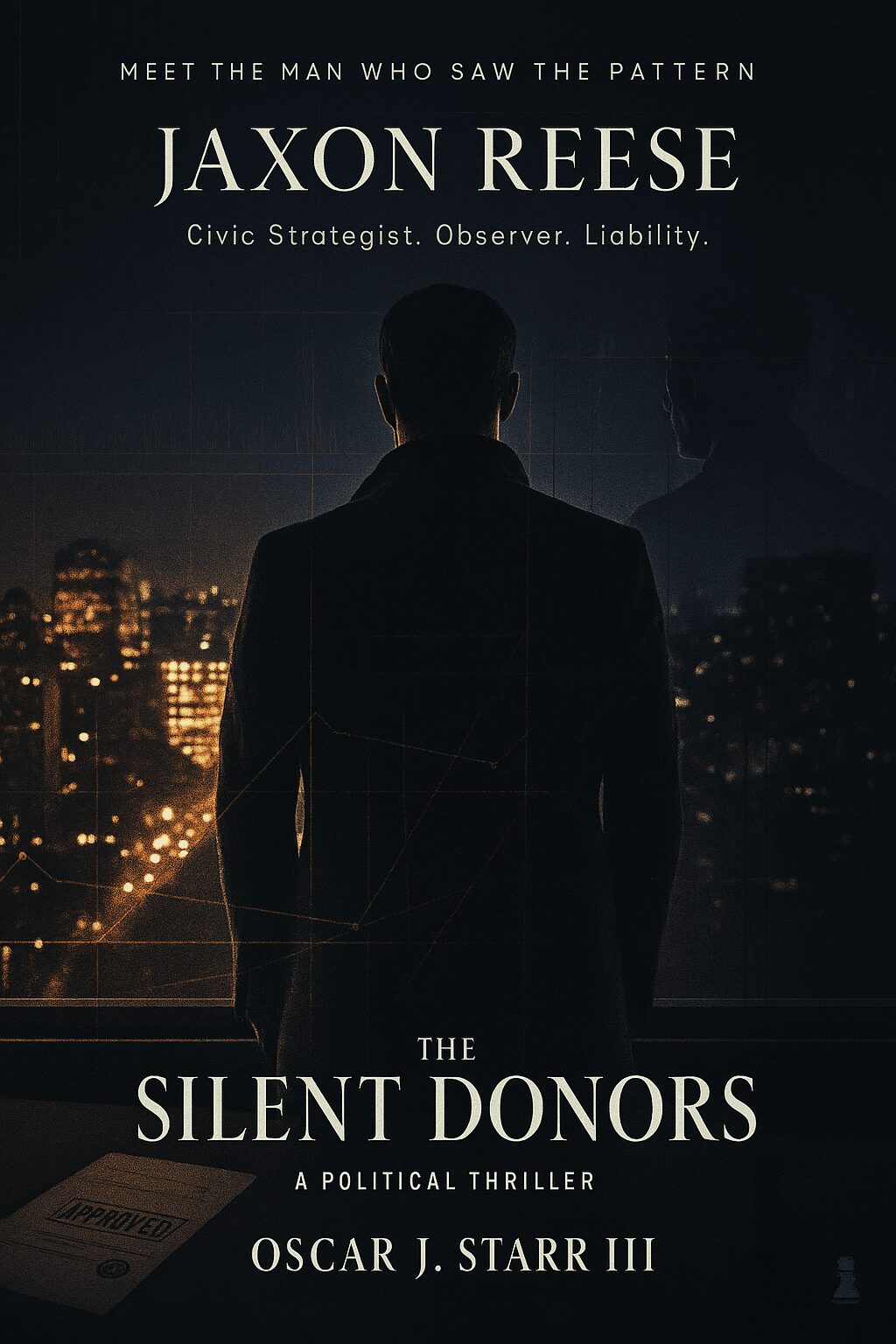
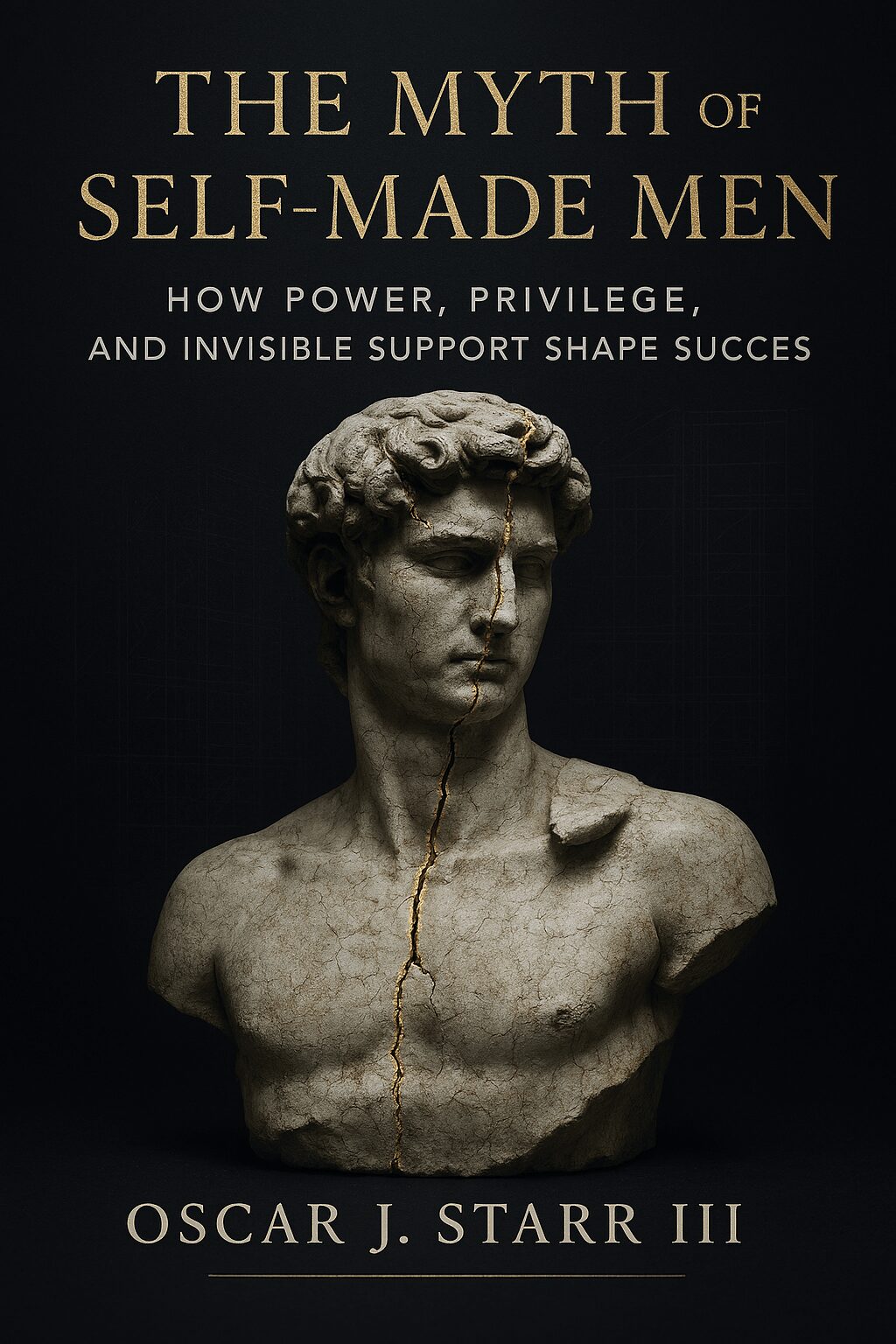

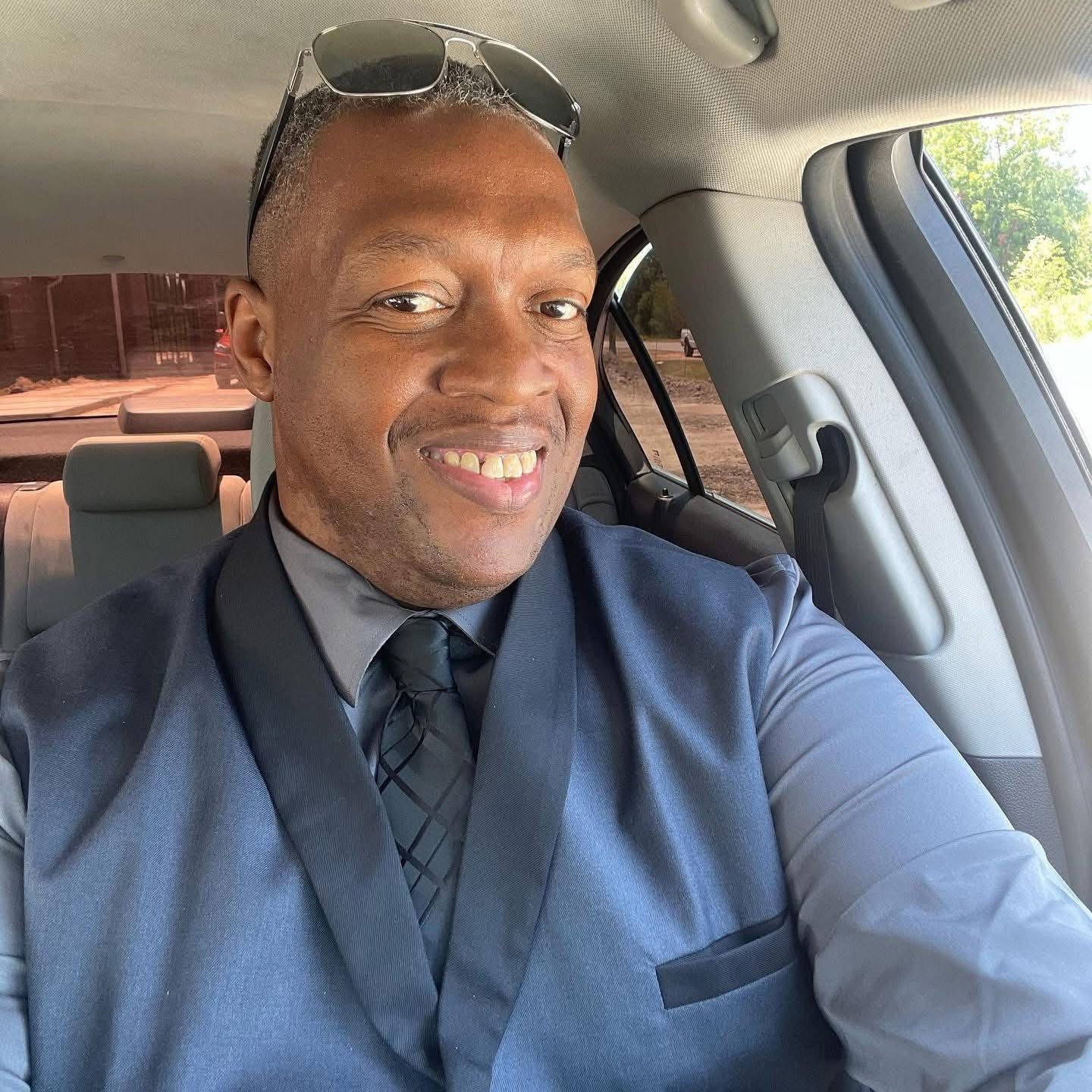
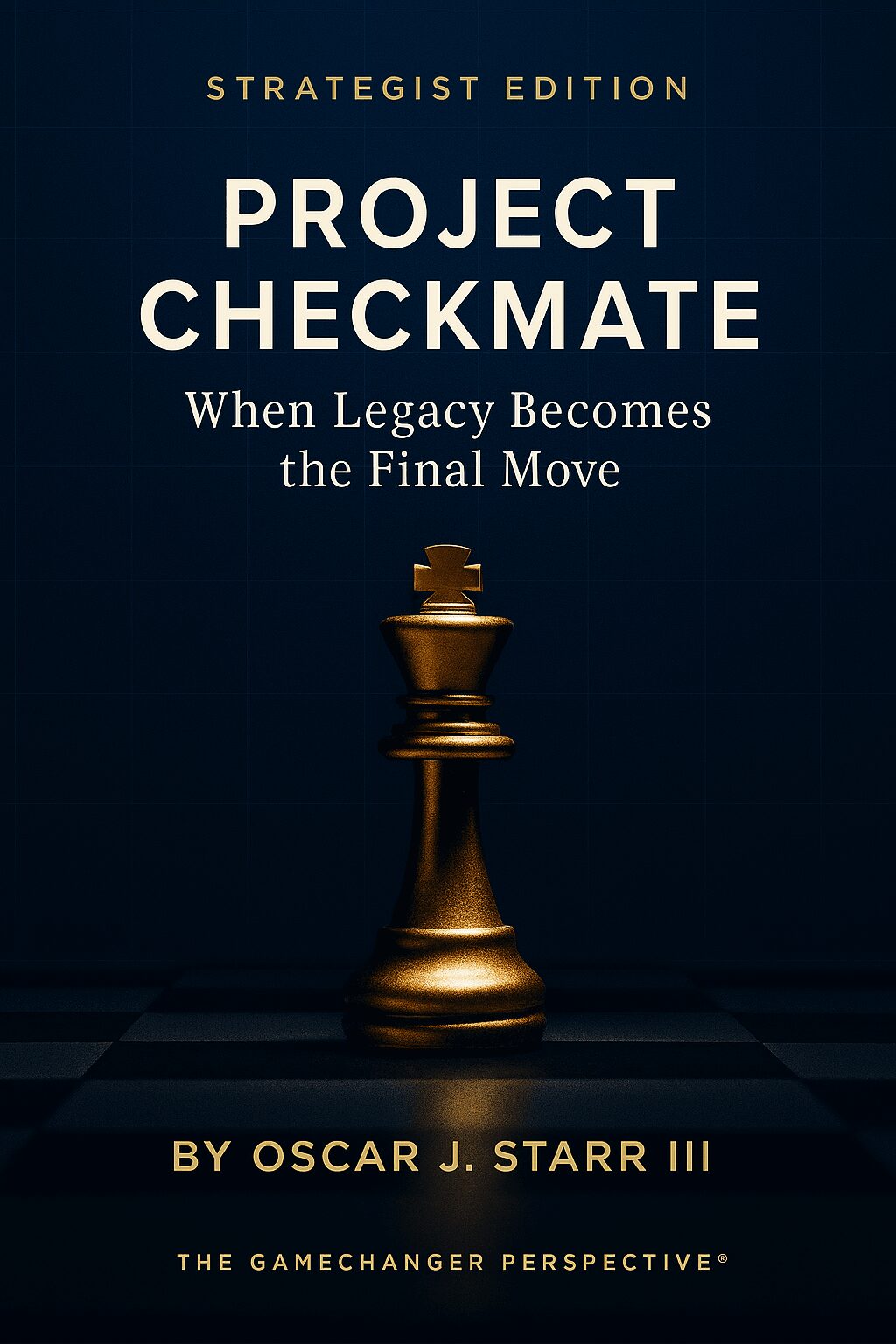
Image Credits
Oscar J. Starr III; The Quiet Sacrifices: What Leadership Really Costs Behind Closed Doors (Book); The Silent Donors (New Book); Project Checkmate: When Legacy Becomes the Final Move (Releasing 2026); The Myth of Self-Made Men (New Book; and The GameChanger Perspective Legacy Tour (Brand)