







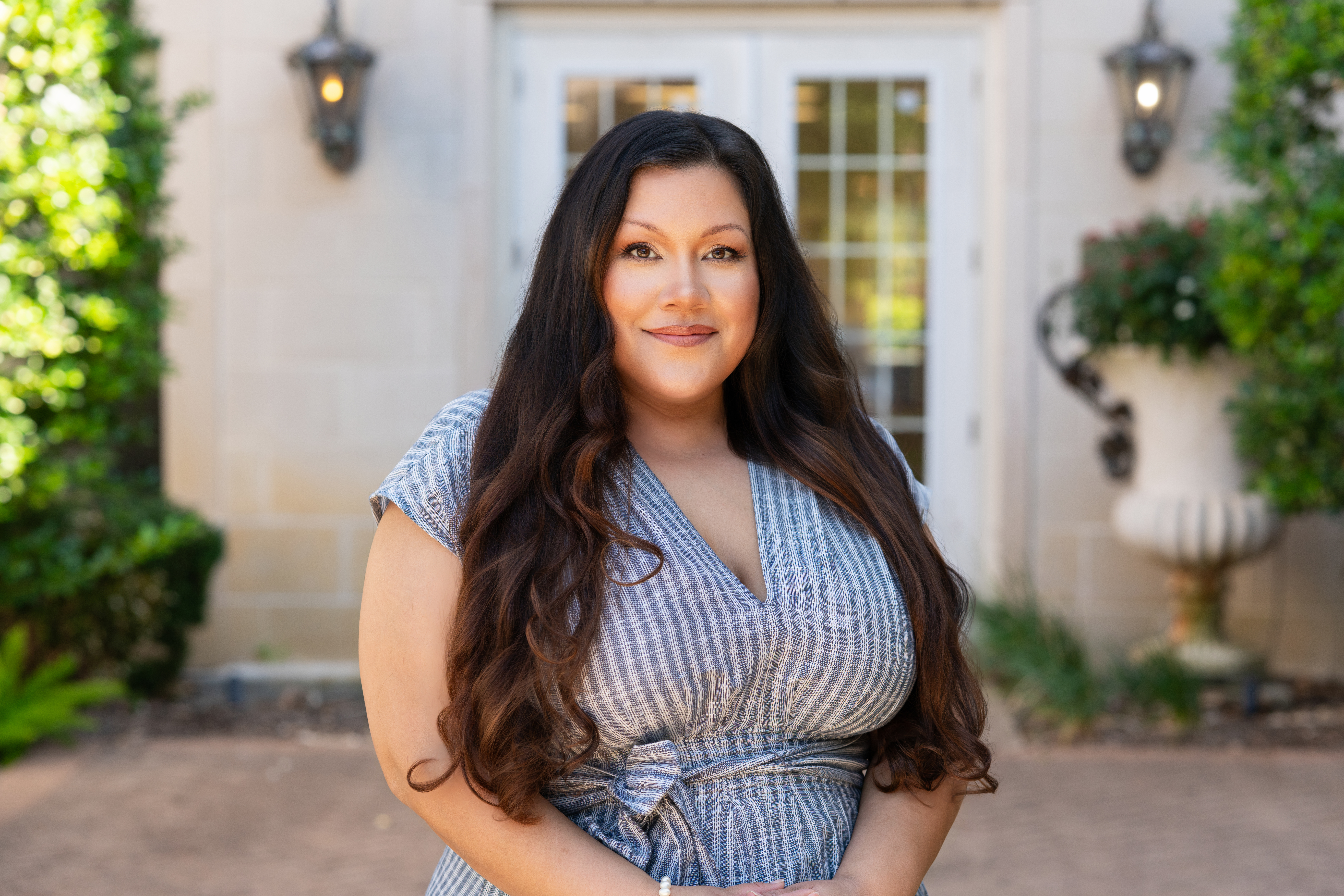
For Erica Serrano, the goal of the The Woodlands Dementia Experience is simple but powerful: help people truly understand what living with dementia feels like. Hosted in partnership with Woodlands Senior Care and supported by At Your Side Home Care, the immersive program uses sensory‑altering equipment to simulate the confusion and sensory overload many people with dementia experience during everyday tasks. Serrano says the emotional reactions from caregivers, healthcare professionals, and family members often lead to a meaningful shift—from trying to manage behaviors to understanding the feelings behind them. By creating empathy and encouraging more patient, compassionate communication, the experience aims to strengthen support systems for families and build a more informed, caring community around dementia care.
Erica, through At Your Side Home Care you’re helping lead The Woodlands Dementia Experience in The Woodlands. What inspired the creation of this immersive program designed to help people better understand what living with Dementia actually feels like?
What inspired this program was a very simple realization: most people caring for someone with dementia are trying their best, but they’ve never actually been shown what the world might feel like from that person’s perspective.
In home care we often see families who are exhausted, frustrated, or heartbroken because the person they love is changing. What they’re experiencing are the behaviors — repetition, confusion, agitation — but they haven’t had the opportunity to understand the why behind those behaviors.
The Dementia Experience creates a moment where people can step into that world, even if just for a few minutes. It allows them to feel the confusion, the sensory overload, and the loss of control over simple tasks.
One thing we often say during the program is, “When you know better, you can do better.” Once someone feels that perspective shift, their approach to care naturally changes. The goal isn’t to create fear — it’s to create empathy.
During the experience, participants wear sensory‑altering equipment and attempt everyday tasks. What kinds of reactions do caregivers, healthcare professionals, and family members typically have when they go through this simulation?
The reactions are incredibly powerful. Many people come out emotional — sometimes even in tears — because they suddenly understand why something that seems simple to us can feel overwhelming or impossible to someone living with dementia.
Caregivers often say, “Now I understand why they get frustrated.” Healthcare professionals talk about how it changes the way they communicate with patients. Family members frequently say, “I wish I had done this sooner.”
One of the most meaningful moments is when participants realize something we talk about a lot in dementia care: “They’re not giving you a hard time — they’re having a hard time.”
That moment of realization is exactly why the experience is so impactful. It turns knowledge into true understanding.
One key goal of the program is shifting the focus from managing behaviors to understanding the human experience behind them. How does that change in perspective improve the way people support and communicate with someone living with dementia?
When we only focus on managing behaviors, we’re reacting to the surface of the situation. But when we begin to understand the human experience underneath, everything changes.
One of the most important things we emphasize is that dementia is a feelings-based disease. Even as memory and cognition change, emotions remain very real and very powerful.
When caregivers begin to understand that, the focus shifts. Instead of asking, “How do I stop this behavior?” we start asking, “What might this person be feeling right now?”
That shift naturally leads to more patience, gentler communication, and more supportive environments. It encourages caregivers to slow down, simplify instructions, and meet the person where they are rather than trying to pull them back into our reality.
Ultimately, it helps preserve dignity for the person living with dementia, which is one of the most important things we can offer them.
The program is a collaboration with Woodlands Senior Care. How important are community partnerships in creating more awareness and better support systems for families navigating dementia care?
Community partnerships are incredibly important. Dementia doesn’t just affect one family or one organization — it affects the entire community.
Working alongside Woodlands Senior Care allows us to bring together different perspectives, resources, and areas of expertise so we can reach more families and professionals who want to learn.
It also helps normalize conversations about dementia. The more openly we talk about it, the more prepared and compassionate our community becomes in supporting those navigating the disease.
When organizations collaborate, we create stronger support systems for families who often feel overwhelmed and alone.
As The Woodlands Dementia Experience continues to grow, what impact do you hope it will have on caregivers, healthcare professionals, and the broader community?
My hope is that this experience continues to create empathy.
If caregivers leave with more patience, if healthcare professionals walk away with a deeper understanding of how dementia affects daily life, and if families feel more confident supporting their loved ones, then the program is doing exactly what it was meant to do.
At the end of the day, dementia care is not just about managing symptoms — it’s about understanding the human experience behind them.
If we can help people remember that this is a feelings-based disease, and remind them that the person living with dementia is often struggling far more than we can see, then we’ve taken an important step toward building a more compassionate community.
And again, it comes back to that simple idea: when you know better, you can do better.
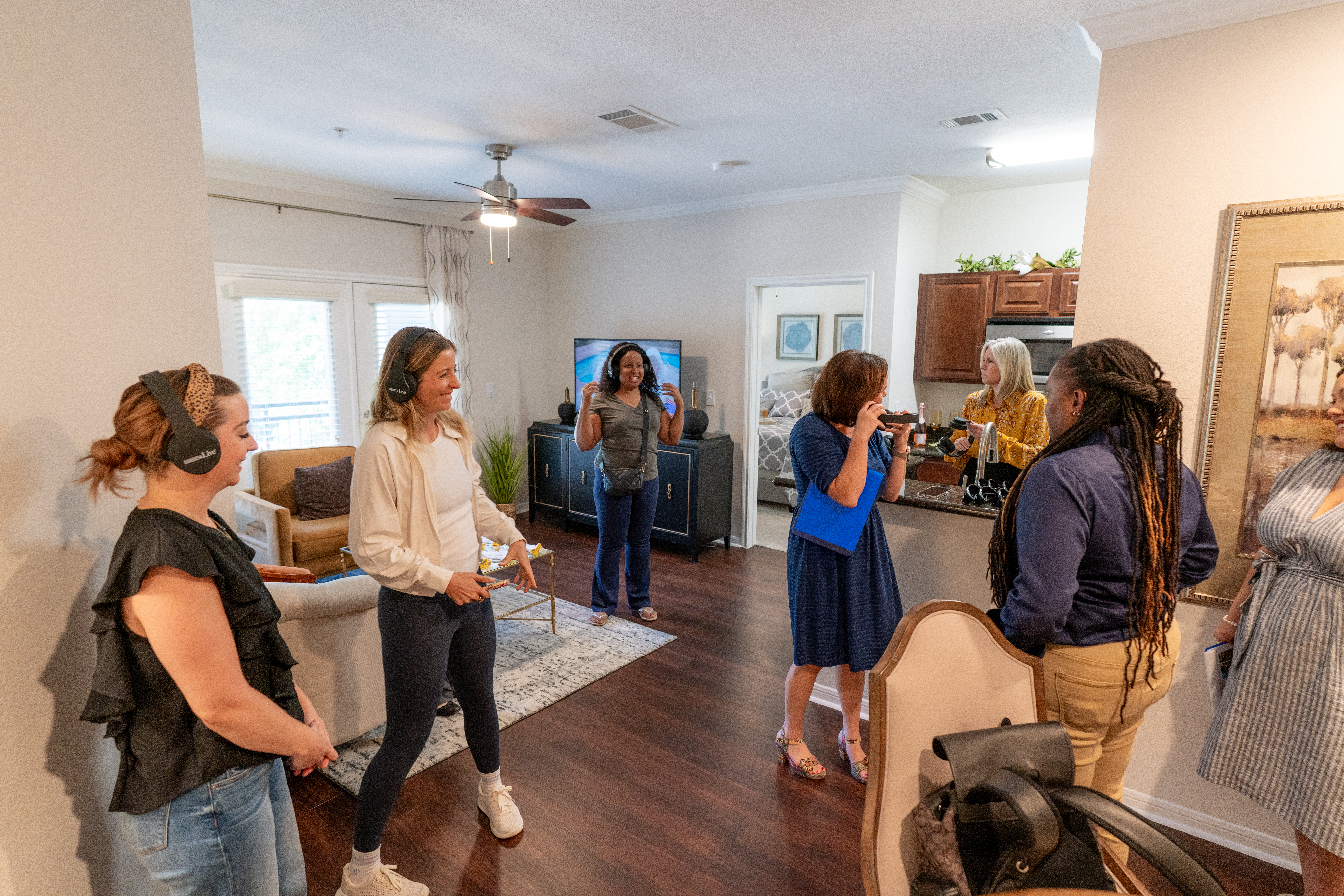
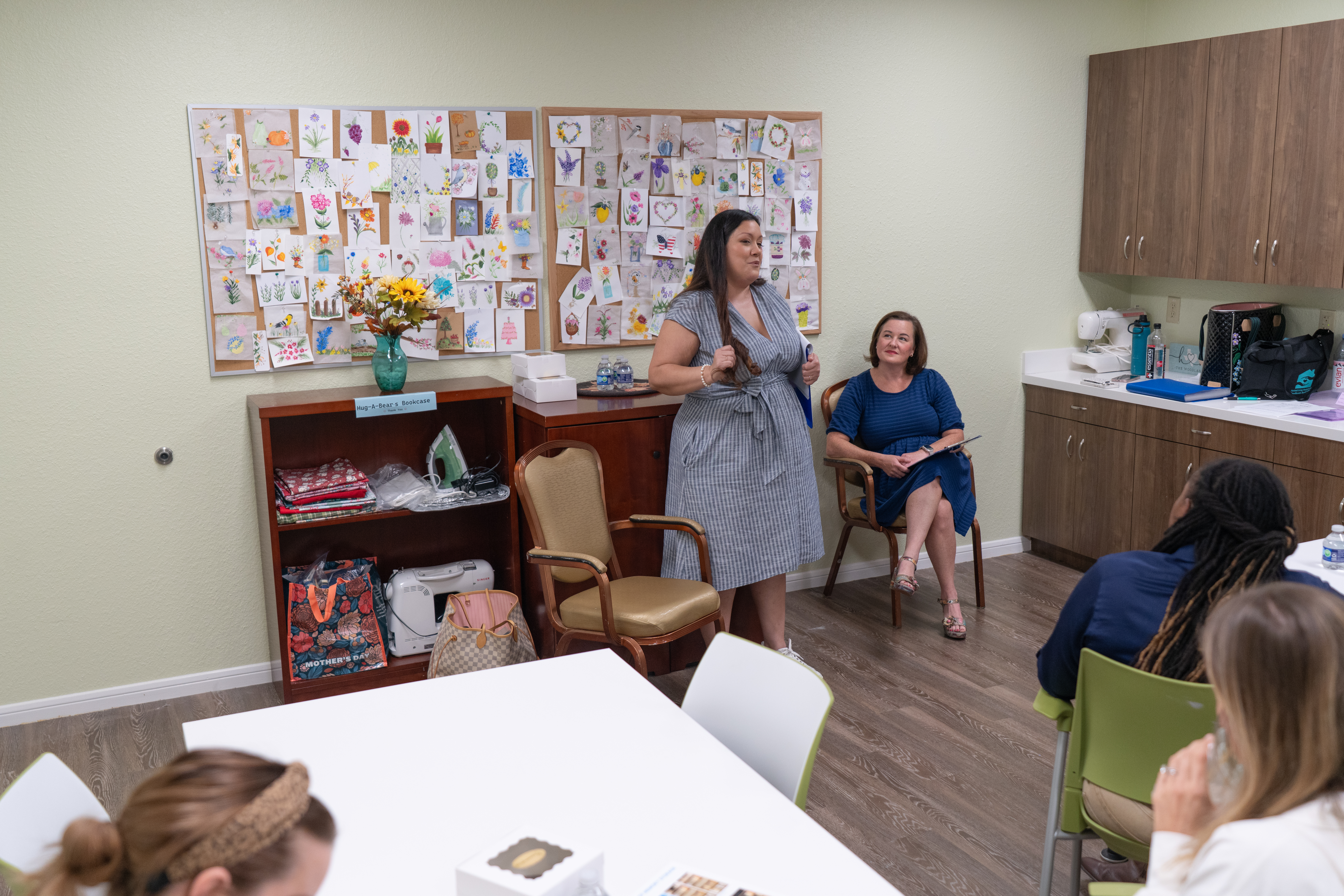

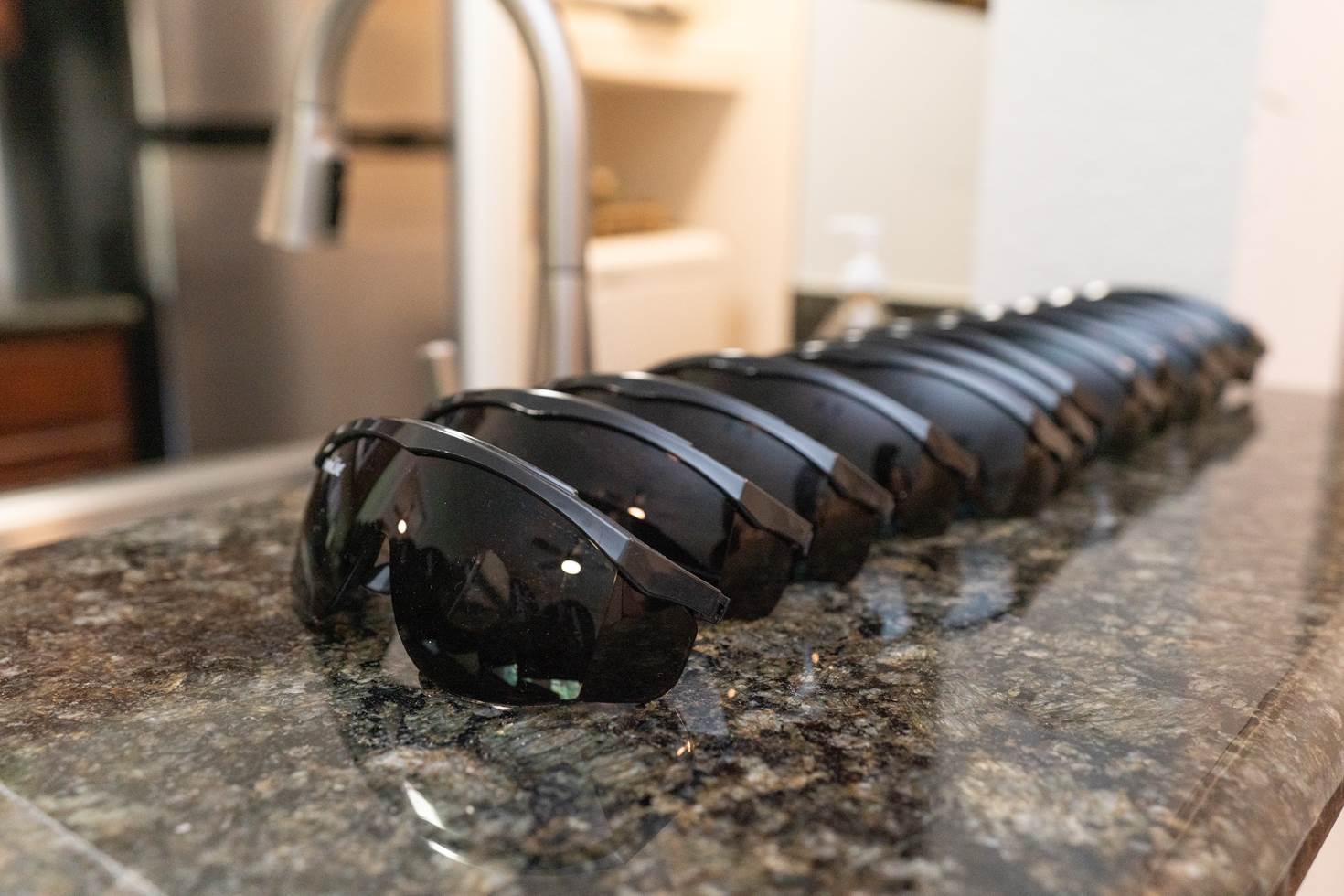
Image Credit:
Heart & Lens Photography