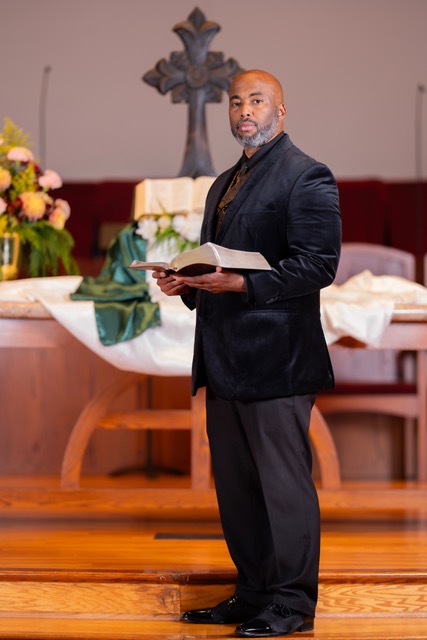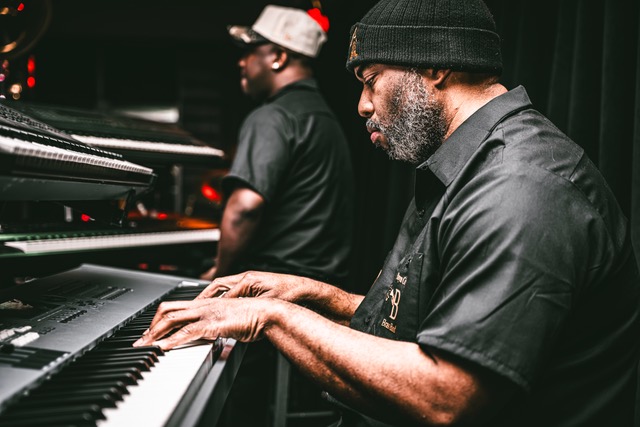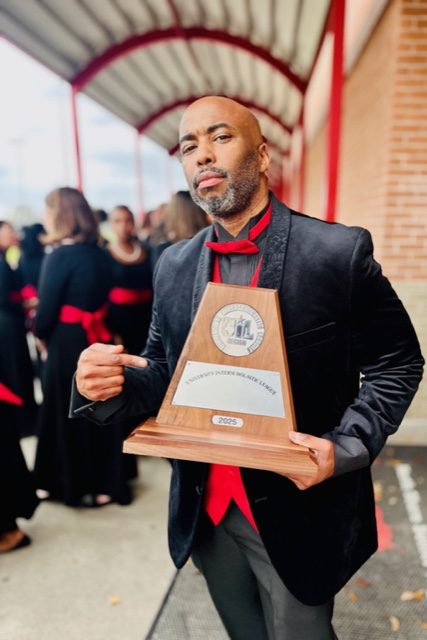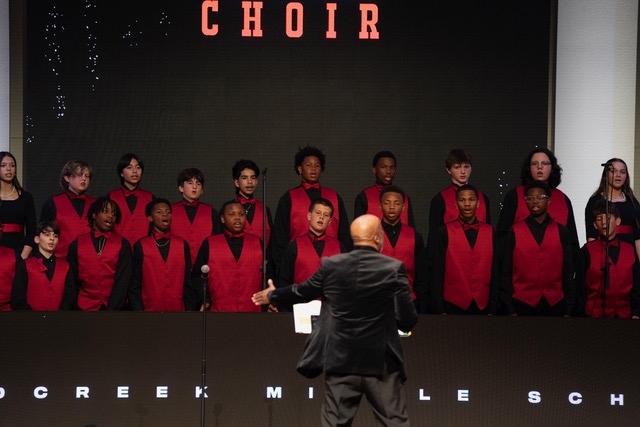





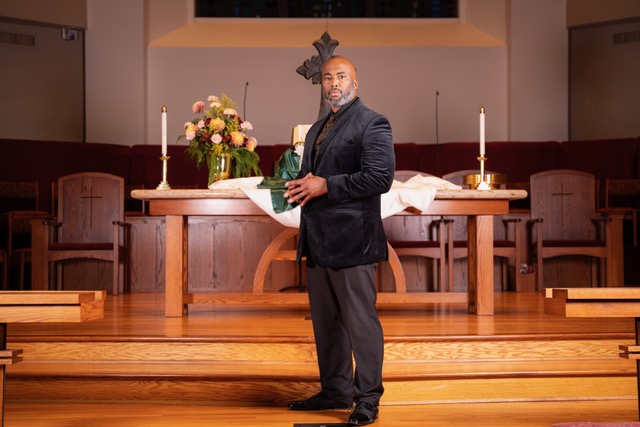
Phil O’Neal is building more than a music platform — he’s creating an ecosystem where education, worship, and culture intersect with intention. Through Maestro Music Group and The Maestro Collective, he’s addressing the disconnect between technical excellence, spiritual depth, and cultural relevance by developing well-rounded musicians and leaders. With a vision rooted in impact and multiplication, Phil is focused on shaping individuals who don’t just perform, but lead with purpose, discipline, and a deeper sense of responsibility across every space they enter.
Phil, you’re building something that spans both sacred and secular spaces. What inspired you to intentionally bridge music education, worship, and culture under one vision?
I’ve never really seen those spaces as separate.
My work has always lived at the intersection of the classroom, the church, and the culture. As an educator, I develop discipline and excellence. As a minister, I focus on spiritual formation. And culturally, music is one of the clearest ways people express identity and experience.
What pushed me to unify this vision is seeing the gaps. In education, we can produce skilled musicians without deeper purpose. In church, we can prioritize emotion without excellence or theological grounding. In culture, expression often lacks structure.
Maestro Music Group exists to develop complete musicians and leaders—people who are technically excellent, spiritually grounded, and culturally aware.
The Maestro Collective is positioned as a thought leadership platform. What kinds of conversations or perspectives do you feel are currently missing in worship and music education?
What’s missing is depth and integration.
In worship, there’s often not enough conversation around theology, formation, and the responsibility of leading people spiritually. In music education, we sometimes avoid discussions about identity, cultural context, and real-world application beyond performance.
The Maestro Collective addresses both.
We explore worship beyond style, music education beyond concerts, and culture with honesty and clarity. There’s a need for a voice that refuses to separate excellence, faith, and cultural awareness—that’s the space we’re stepping into.
You’ve worked extensively as both an educator and a minister. How do those two roles shape and challenge each other in your day-to-day work?
They constantly sharpen each other.
Education brings structure, clarity, and measurable growth. Ministry requires discernment, patience, and spiritual awareness. Together, they force me to lead with both precision and purpose.
In the classroom, I’m building disciplined, confident students. In ministry, I’m helping create environments where people can genuinely encounter God.
Each role challenges the other—education can become too technical, and ministry can become too abstract. But together, they create a balanced approach that is both structured and Spirit-led.
You mentioned a disconnect between musical excellence, spiritual depth, and cultural relevance. Where do you see that gap showing up most clearly today?
It shows up in silos—where musical excellence, spiritual depth, and cultural relevance are often developed separately instead of together.
Some spaces have strong musical excellence but lack spiritual depth. Others have powerful expression but lack preparation. And some are culturally relevant but not anchored in substance.
It’s rare to see all three working together at a high level.
You see it in worship teams that can perform but struggle to lead, classrooms where students achieve but lack purpose, and cultural spaces where influence outpaces direction.
Bridging that gap requires intentional formation—not just talent.
As Maestro Music Group continues to grow, what does success look like for you in building this broader ecosystem?
Success is impact and multiplication.
I want to build a pipeline that develops complete musicians and leaders—students, educators, worship leaders, and creatives who can operate at a high level in any space.
That includes growing The Maestro Collective as a trusted voice, expanding trainings and workshops, and building a network of leaders who carry this same standard into their own communities.
If it only works through me, it’s limited. If it produces others who can lead and teach at this level, then it becomes something that lasts.
“We’re not just developing musicians—we’re forming leaders who carry excellence, depth, and cultural awareness into every space they enter.”