




Today we’d like to introduce you to Elizabeth Chappell.
Hi Elizabeth, thanks for sharing your story with us. To start, maybe you can tell our readers some of your backstory.
My husband and I moved to The Woodlands in 2002, and I started a real estate business here. I loved what I was doing and spent about 10 years building that career.
About seven years into my real estate career, my church showed a video one Sunday asking for volunteers to help with a summer camp for kids in foster care. At the time, I had one-year-old twins, I was running a real estate business, and summer was my busiest time of year. There was really no logical reason for me to say yes.
But I did, and that yes completely changed the trajectory of my life.
For the first time, my eyes were opened to what life was like for so many children in foster care and, in particular, what happened when they aged out of the system without the relationships and support that so many of us take for granted.
Over the next several years, God continued to pull my heart toward these kids, and eventually I made the decision to close my real estate business and step into ministry full-time.
God led me to an incredible group of women, and together we started our first nonprofit, We Will Speak. We worked with young adults who had aged out of foster care and helped them tell their stories in a way that was therapeutic, empowering, and protective of their own mental health. We also helped them secure speaking opportunities and contracts so they were compensated for sharing their experiences. It was incredibly meaningful work.
But as we listened to story after story, we kept hearing some version of the same thing: “If just one person had stepped into my life when I was younger…if I had just had a mentor…my story might have looked different.”
That stayed with me.
We realized that while it was important to support young people after they aged out, what if we could step in earlier? What if we could surround kids with consistent, caring adults while they were still in foster care?
That question ultimately led to The Champion Project.
Today, The Champion Project serves youth in foster care who are living in 24-hour staffed facilities, what I often describe as today’s alternative to orphanages. These are kids who have experienced tremendous trauma and instability, and many have had multiple placements, school changes, and adults come in and out of their lives.
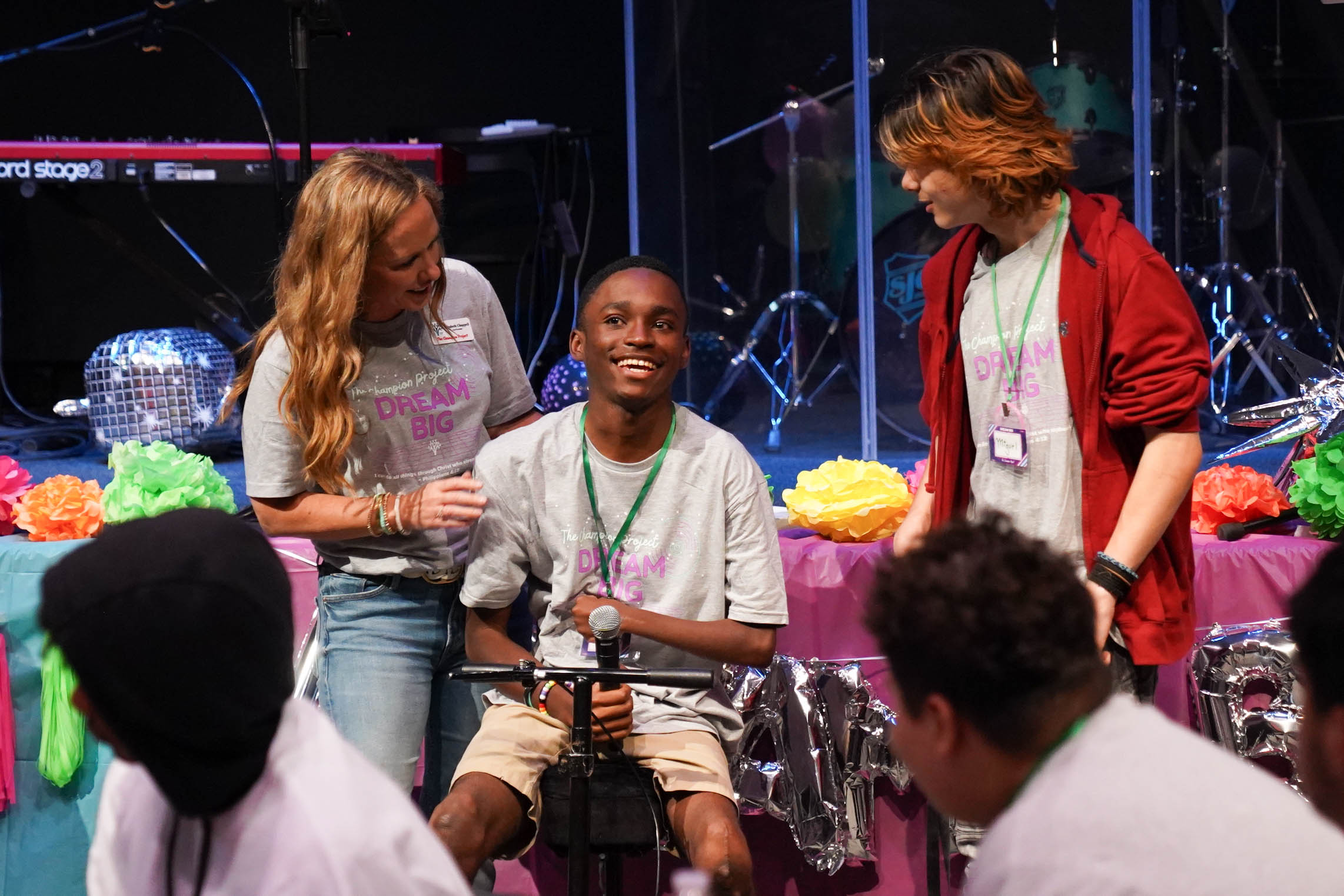
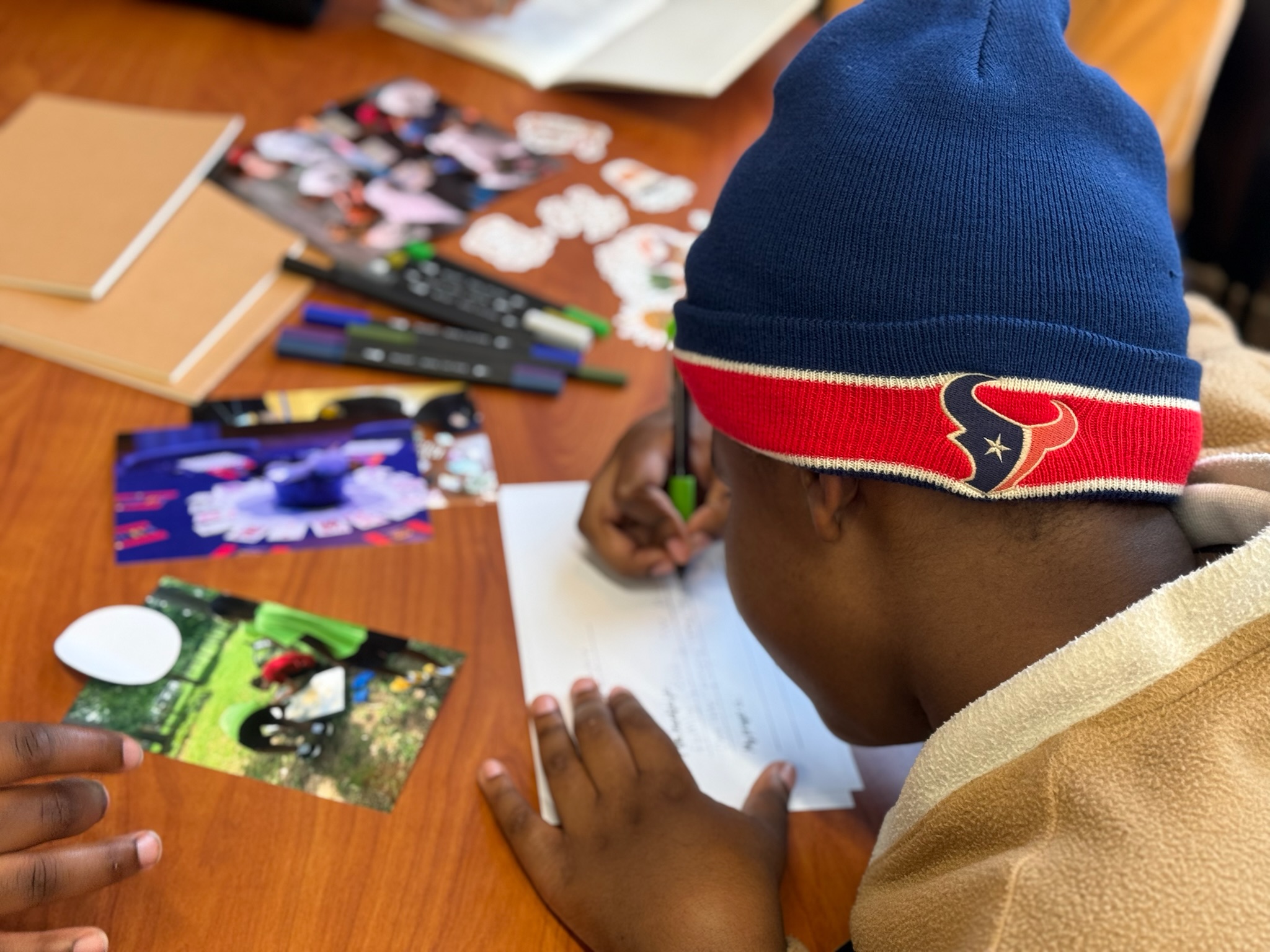
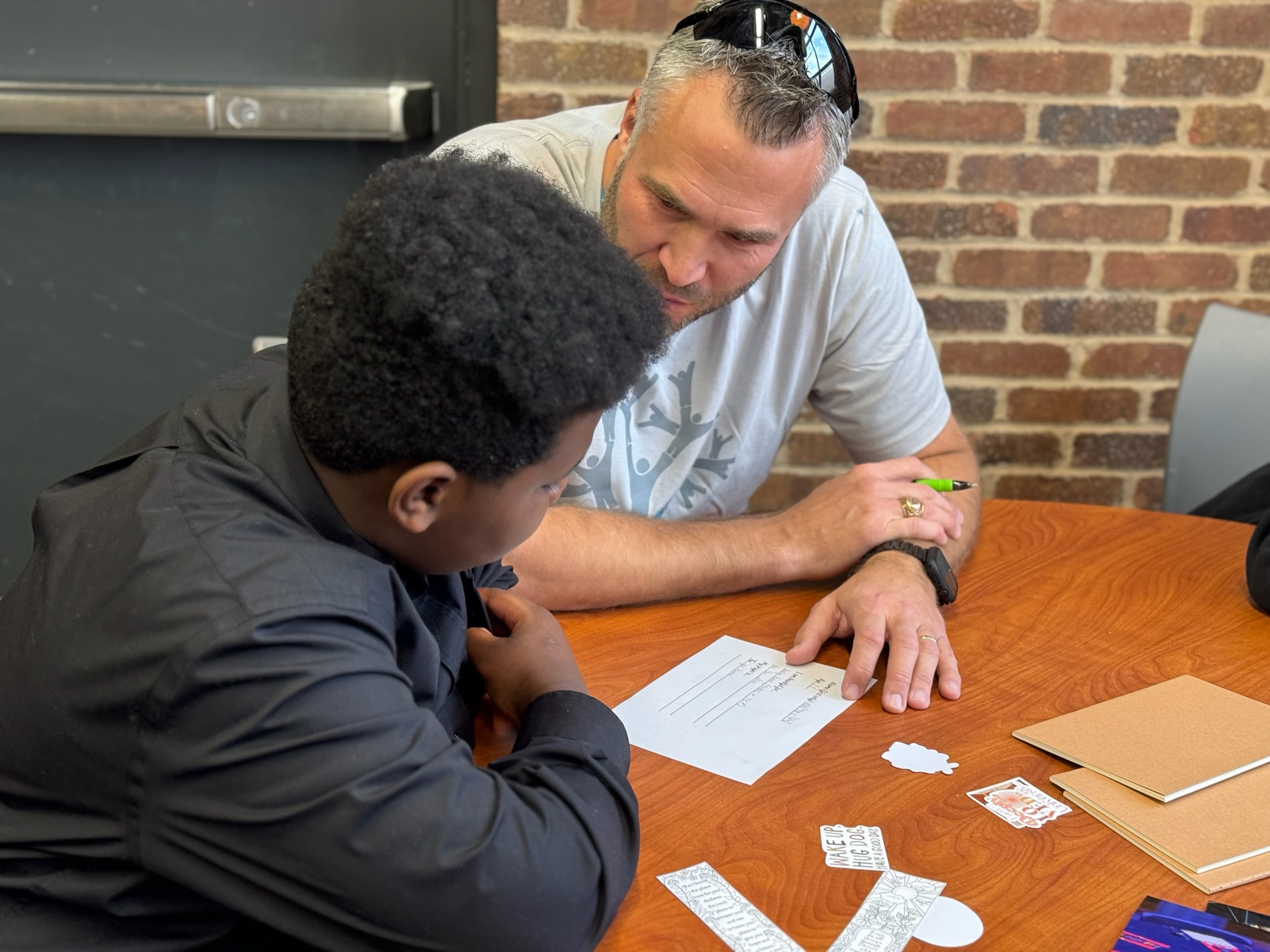
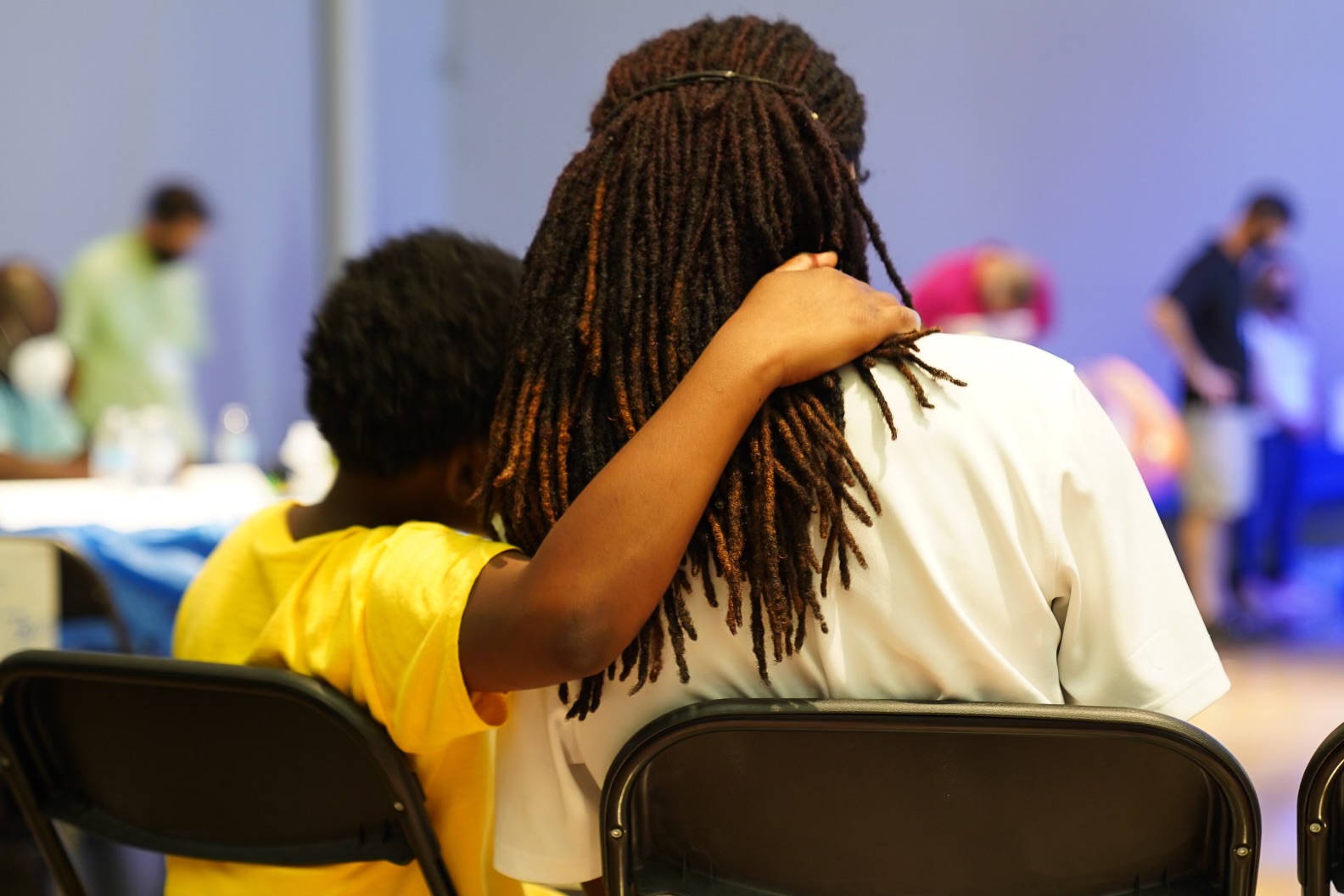
We bring consistent adults into their lives through mentoring, tutoring and literacy programs. Our goal is actually very simple: we want every child to have someone who shows up, knows their name, believes in them, and reminds them that their story matters.
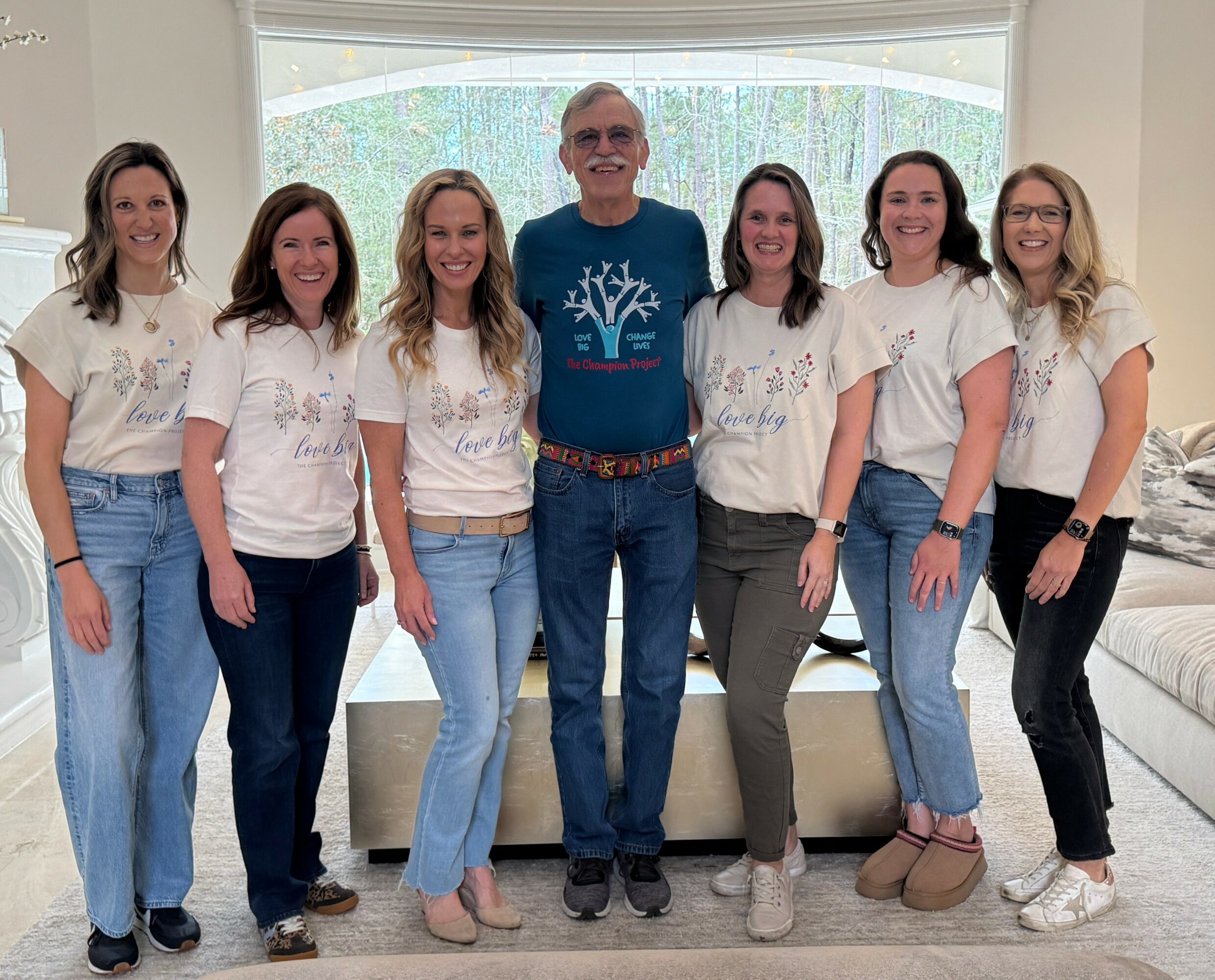
And one of the greatest parts of this journey has been watching the people God has placed around me. This was never something my co-founder and I could have built on our own. He has brought incredible staff members, volunteers, church partners, donors, and community members who have believed in this mission and helped carry it forward.
Because of that community, The Champion Project has grown to mentoring programs across five churches, with two more churches preparing to launch programs. We now serve more than 100 youth and have more than 130 volunteers giving their time, talents, and hearts to these kids.
When I look at where we are today, it’s clear to see what God can do through people who are willing to say yes and then invite others to say yes alongside them.
What began with one very inconvenient “yes” at church has become the work of my life. And when I look back, I can see how God used every step, my business experience and connections, relationships, We Will Speak, the incredible people He placed around us, and most importantly, the voices of the young people we served, to lead us to where we are today.
I never could have mapped this out for myself. I just keep trying to say yes to the next thing God puts in front of me.
Can you talk to us a bit about the challenges and lessons you’ve learned along the way. Looking back would you say it’s been easy or smooth in retrospect?
No, it has not been a smooth road. But is anything worth doing ever smooth?
I remember sitting down with a pastor when I first started dreaming about stepping into ministry. I asked him why our church didn’t talk more about kids in foster care, about what they needed and the struggles they were facing.
He paused, looked me in the eye, and said, “Elizabeth, people don’t want to hear about that darkness.”
And what he meant was that people don’t want to hear about the abuse and trauma some of these kids have experienced. They don’t want to hear about how many times they’ve been moved from home to home or school to school, how far behind many of them are academically, or how often they’ve had adults come into their lives and then disappear. They don’t want to think about a child growing up feeling disconnected, unseen, or like there isn’t one person they can count on.
I’ve never forgotten that conversation.
That was nearly 14 years ago, and I’m proud to say that our church has completely changed its perspective. Today, they are willing to talk about the hard things, and more importantly, they are stepping directly into the lives of these kids.
But that conversation really represents the challenge we faced in the beginning. I was starting in a community where so many people simply didn’t know these kids existed, much less understand what they were experiencing.
Kids in foster care make up less than half of one percent of the U.S. population ages 0–18, and yet 50% of our homeless population, more than 60% of our prison population, and 85% of sex trafficking victims have spent time in foster care.
Those numbers are staggering. And most people simply don’t know them.
That’s why one of the biggest mountains we have had to climb, and honestly, one we are still climbing, is helping people understand both the magnitude of the need and the fact that they can actually do something about it.
Because when people hear “foster care,” I think they often assume, “Well, I can’t foster or adopt a child, so there’s nothing I can do.”
And that simply isn’t true.
You can tutor a child once a week. You can mentor a child twice a month. You can bring a meal. You can support a foster family. You can give financially. You can use whatever gifts, resources, or connections God has given you to show a young person, “I see you. You matter. And you are worth showing up for.”
You don’t have to do everything. You just have to be willing to do one thing.
So yes, it has been hard. It is hard today, and in many ways, I think it will always be hard because there are still far too many kids who don’t have enough people fighting for them.
Until enough people understand the need and are willing to step into it, there will always be more work to do.
But we’re willing to keep stepping in, because these kids deserve people who will fight for them. They deserve people who will show up. And they deserve to know that their story matters.
Can you tell our readers more about what you do and what you think sets you apart from others?
The Champion Project exists to surround youth in foster care who are living in 24-hour staffed facilities with consistent, caring adults through mentoring and tutoring.
But when I think about what I’m most proud of, it really isn’t something I’ve done. One of the things I value most is the incredible people God continues to bring around me. I may have helped found The Champion Project, but I am such a small piece of what it has become. It has taken an army of committed staff, volunteers, churches, donors, and community partners to continue creating more space for more kids.
I’m especially blown away by our church partners. These churches aren’t simply allowing us to use their buildings, they are opening their doors and their lives to these kids. They’re sharing meals with them, celebrating holidays with them, mentoring them, and creating places where they feel like they belong.
It is remarkable to watch a child begin to feel at home in a church, sometimes for the first time in their life. I’ve had kids tell me they were afraid to walk into a church because they had been told they would be struck by lightning if they did. That is heartbreaking. But then you get to watch that story change. They walk through those doors and instead of judgment, they find people who know their name, save them a seat, share a meal with them, and are genuinely excited to see them.
That is what belonging looks like.
I’m also incredibly proud of our tutoring program. It is academically focused and not affiliated with any particular church, so you do not have to be a Christian to tutor with The Champion Project. If you care about kids, are willing to show up consistently, and can leave religion and politics out of the tutoring relationship, we would love to have you.
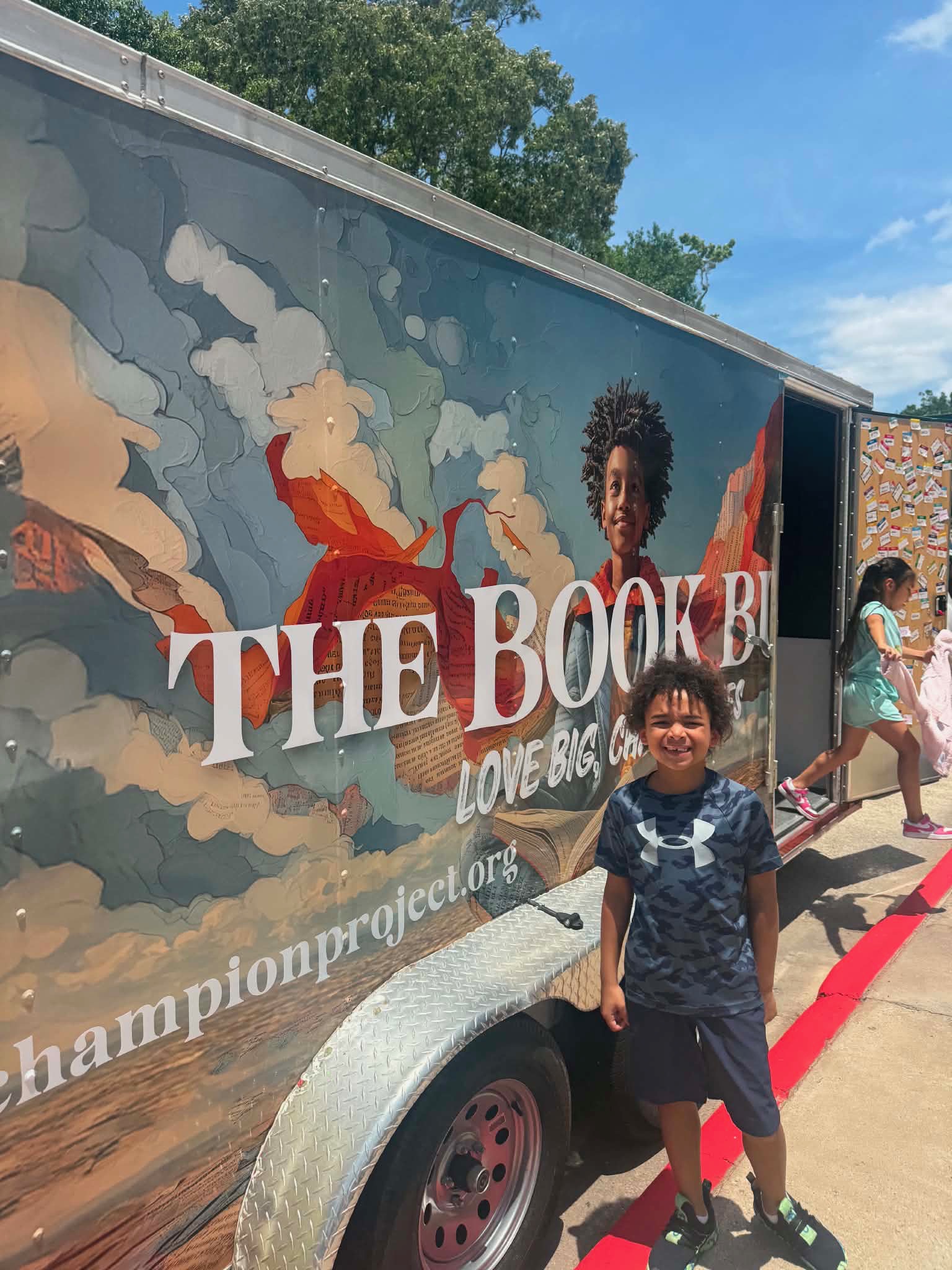
The academic need is staggering. On average, the youth entering our program are around seventh-grade age but are performing closer to a third-grade level in reading and math. We also encounter middle and high school students who cannot read at all.
Those realities can feel overwhelming, but then you see what happens when someone consistently sits beside a child and says, “We’re going to figure this out together.”
You watch a child who couldn’t read begin to read. You watch a student who has spent years sitting quietly in the back of a classroom finally understand what the teacher is asking. And then one day, they raise their hand because they know the answer.
To me, that is success.
I think what sets The Champion Project apart is that we aren’t trying to solve one isolated problem. These kids need relationships, but they also need educational support. They need people who will encourage them, but they also need people who will consistently show up. We are creating a community around them that says, “You are seen. You are capable. You belong here. And your story matters.”
And when someone asks me what I’m most proud of, it’s that army of people around these kids. It’s not me. It’s the staff member, the mentor, the tutor, the church member, the donor, the person bringing dinner, all of these people deciding that these kids are worth showing up for.
That is The Champion Project. And I feel incredibly blessed that God has allowed me to be a small part of it.
What do you like best about our city? What do you like least?
We have expanded to The Story Church in downtown Houston htis year, and we are already blown away by the generosity of our Houston neighbors. We started our ministry in The Woodlands, and the majority of our programs are currently in North Houston, The Woodlands, Spring, Conroe, and Montgomery areas.
Time and time again, I am amazed by the generosity of these communities. It is incredible to see the way people step in, not only financially, but with their time, talents, relationships, and willingness to serve. People have believed so deeply in the mission of The Champion Project that they are now helping us take it beyond the communities where we began and into Houston and farther south.
And that is really our bigger vision.
There are approximately 3,000 youth in Texas living in 24-hour staffed facilities like the ones we serve, and our dream is to eventually reach every one of them. We want every one of those kids to have a church community that welcomes them, a mentor who consistently shows up for them, and a tutor who helps them reach their academic potential.
We know we can’t do that alone. It will take communities across Texas deciding that these kids are worth showing up for.
The Woodlands and our surrounding communities have shown us what can happen when people come together around these kids. They have wrapped their arms around this mission in ways I never could have imagined, and now we are beginning to see that same heart in Houston.
Our hope is to take what we’ve learned here, continue building partnerships across Texas, and ultimately make sure that where a child lives does not determine whether they have someone in their corner.
Contact Info:
- Website: https://www.thechampionproject.org
- Instagram: @thechampionprojecthtx
- Facebook: @thechampionprojecttx