


Today we’d like to introduce you to Jesus Anibal Perez Apodaca.
Jesus Anibal, we appreciate you taking the time to share your story with us today. Where does your story begin?
My trajectory as a photographer isn’t a traditional one; it began at the intersection of human behavior and philosophy. Holding degrees in both psychology and philosophy, I spent years developing a deep practice focused on understanding human nature, emotional depth, and how people navigate their environments.
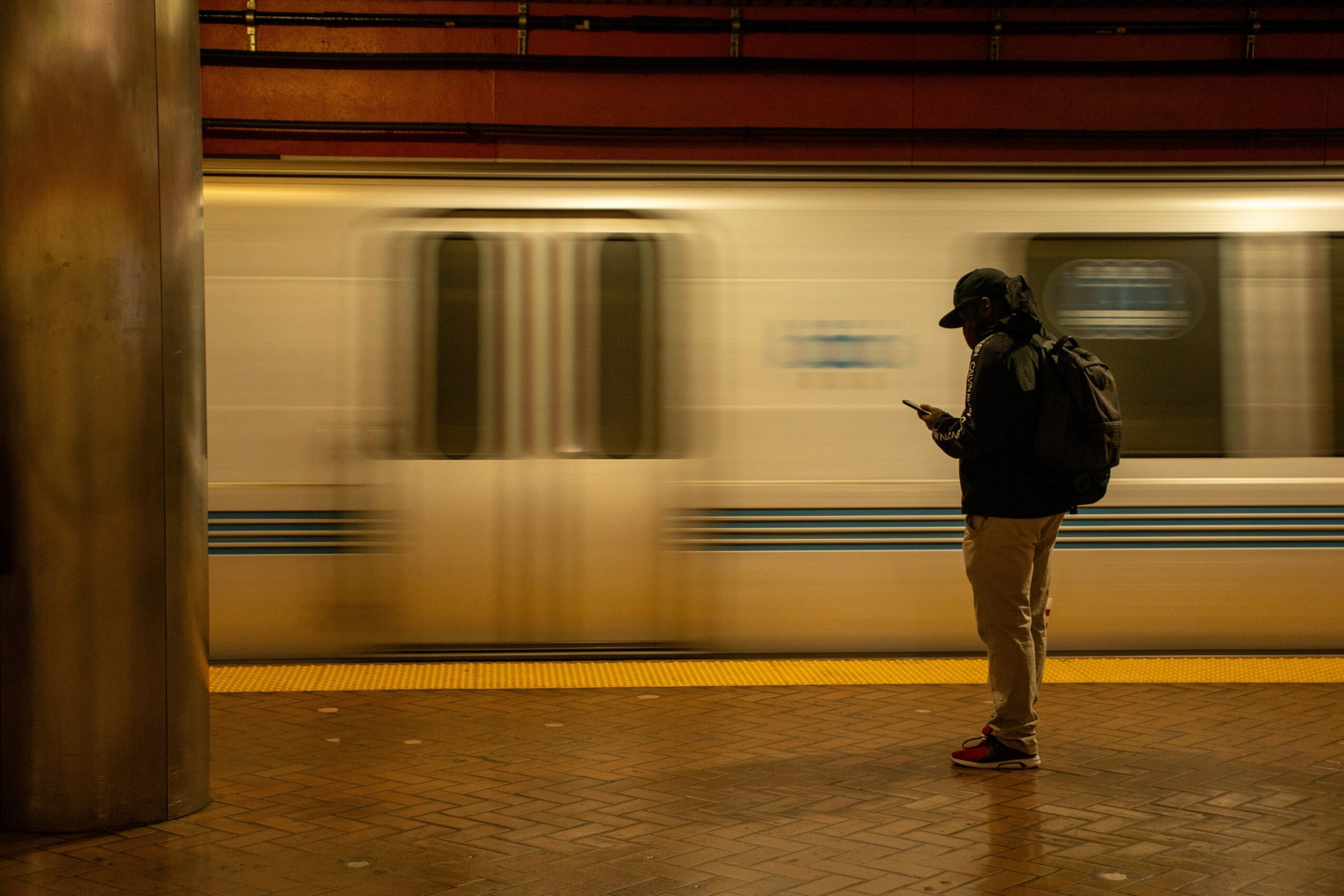
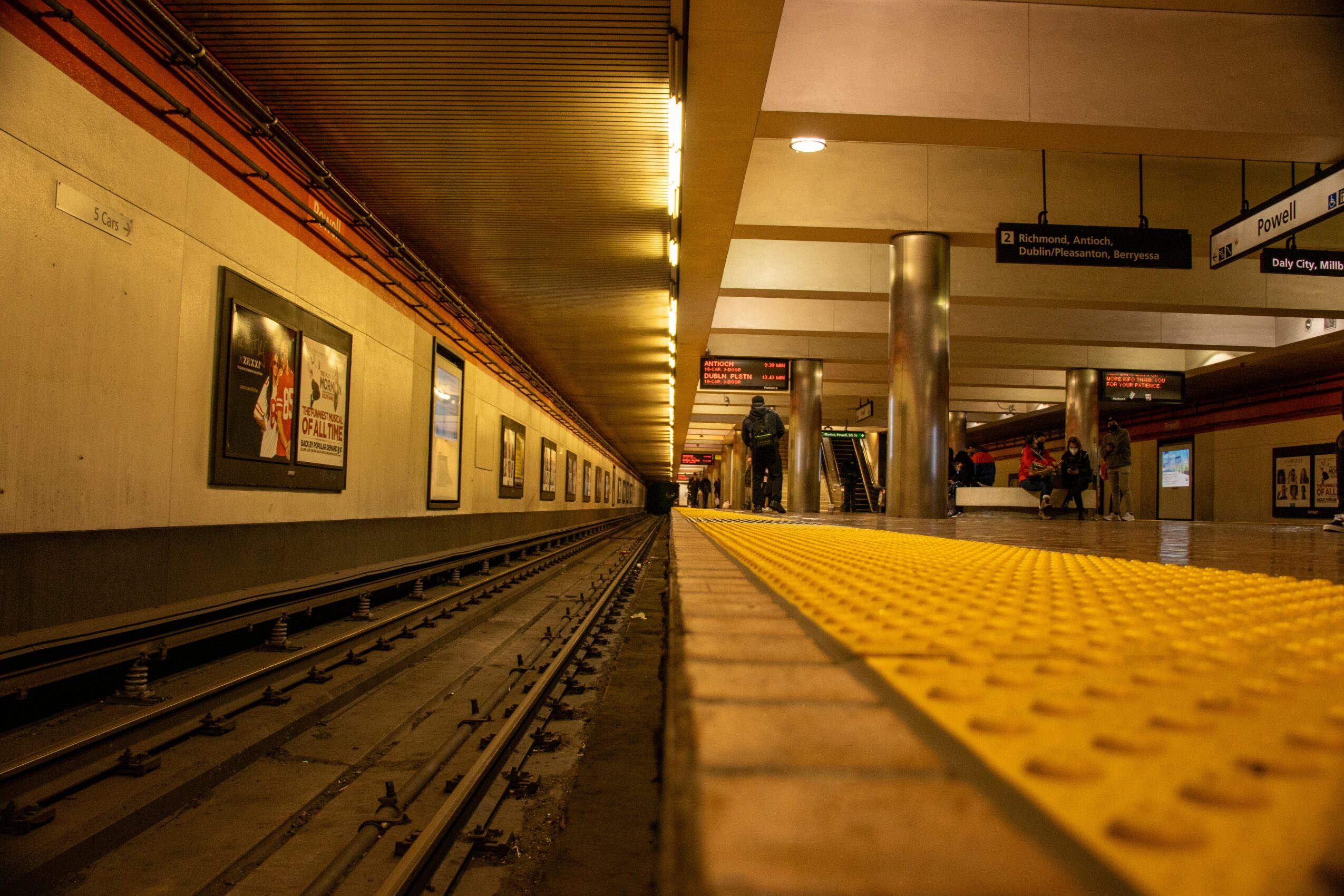
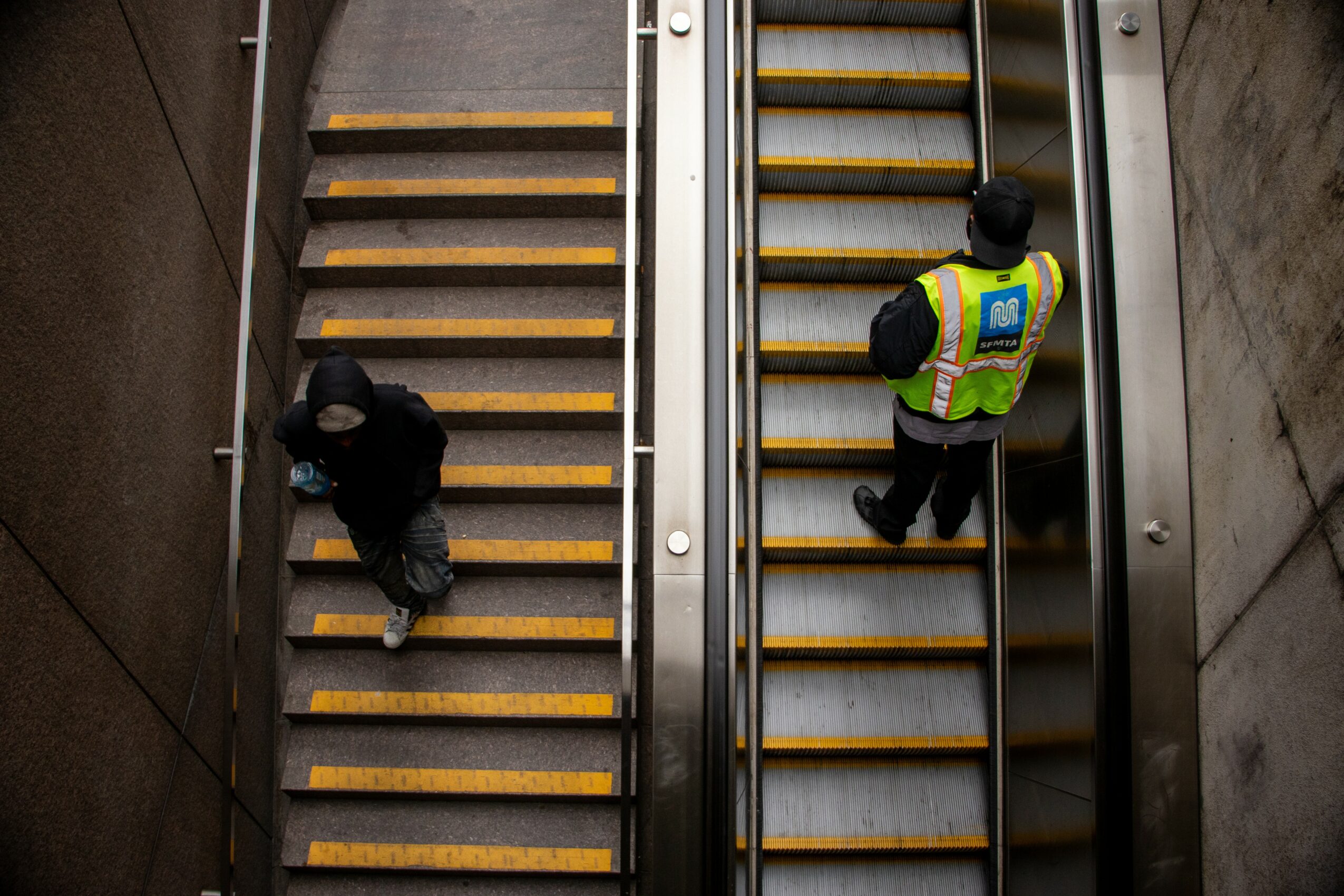
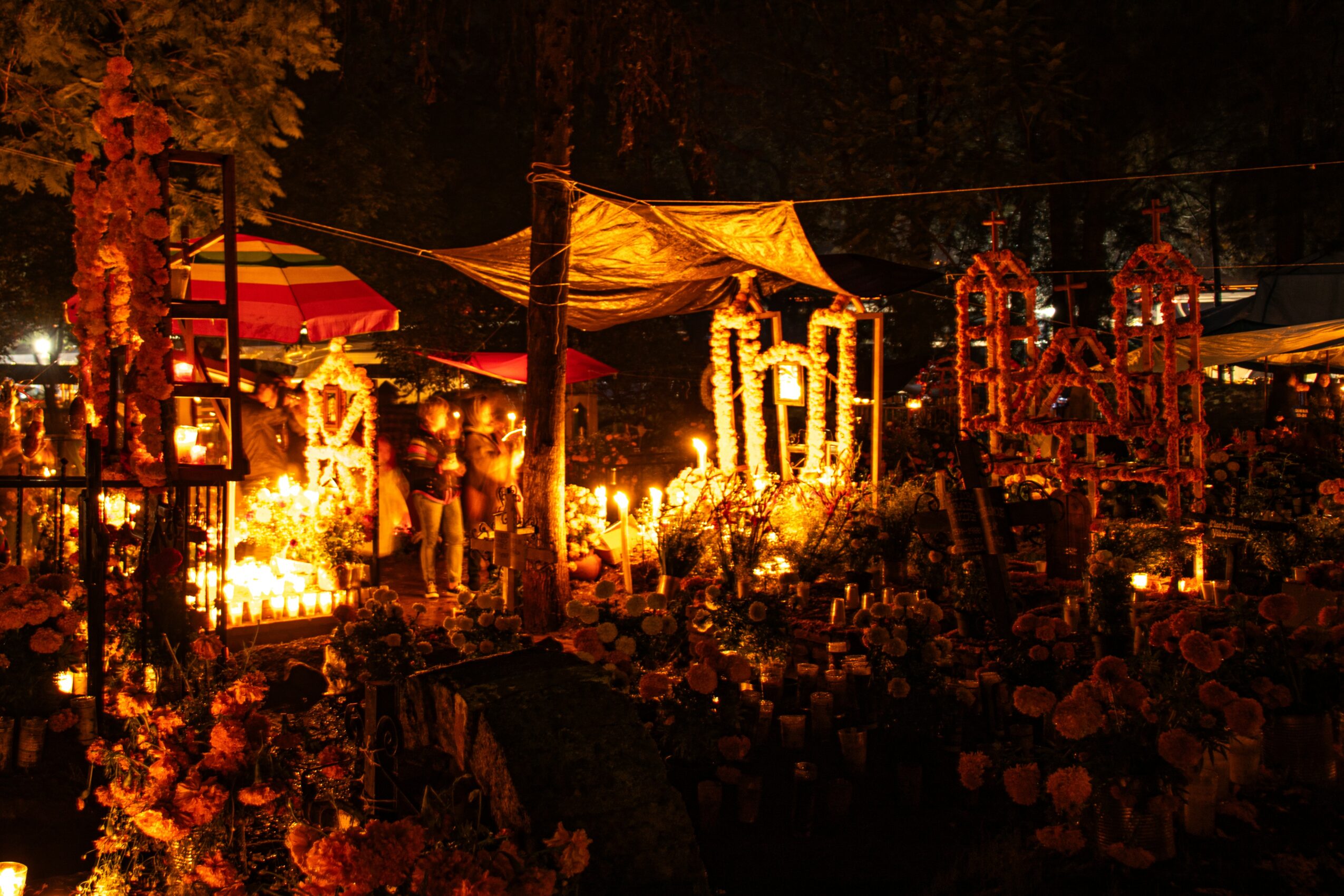
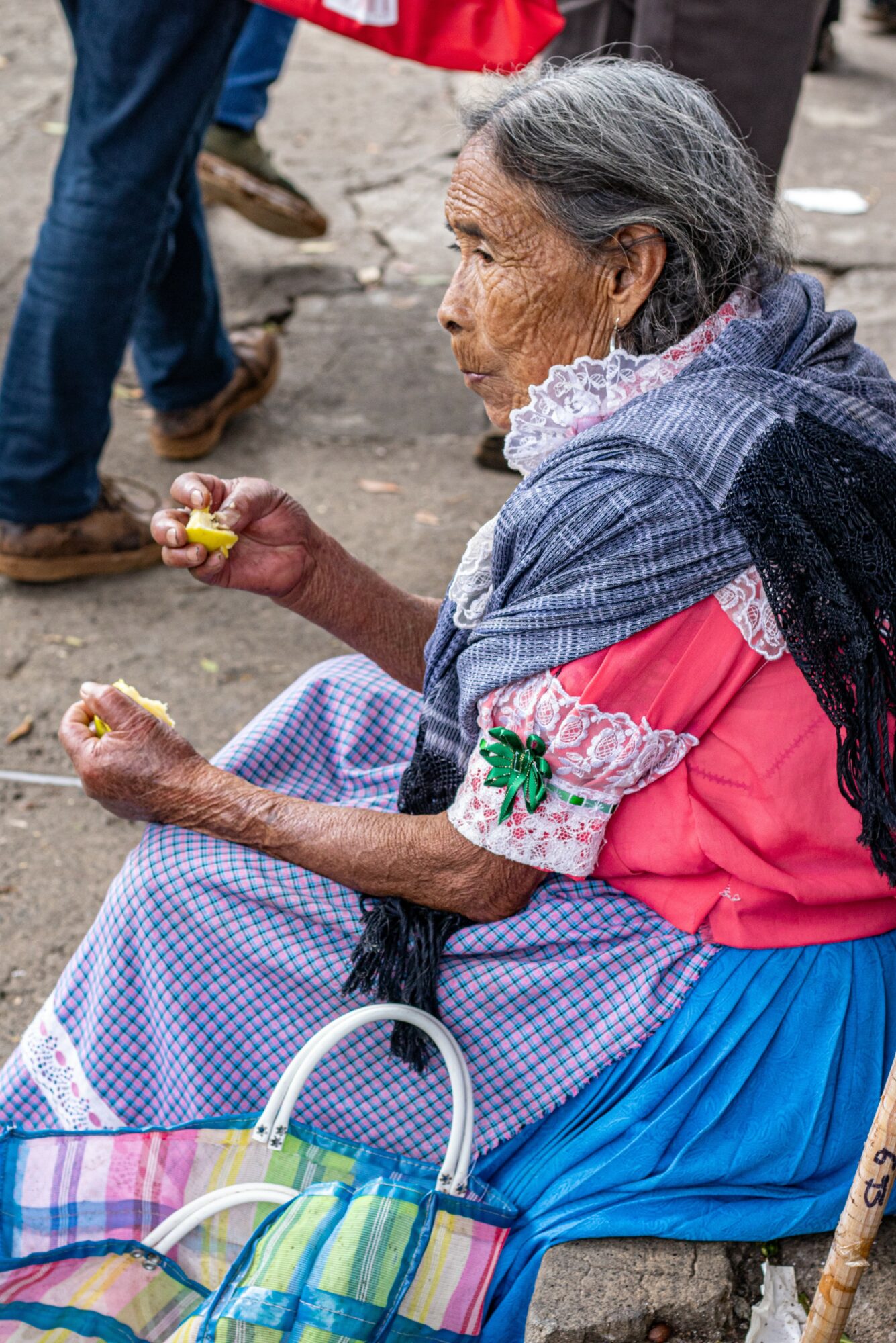
Photography entered my life not as a separate career, but as a visual extension of that work. Living in places defined by dramatic verticality, shifting atmospheric conditions, and diverse communities—from the fog-laden slopes of San Francisco to the vibrant streets of Mexico—I realized that the camera was simply another tool to observe and record human truth. It taught me to look for the unscripted narrative: the quiet reflections, the tension of an urban landscape, and the unspoken stories people carry.
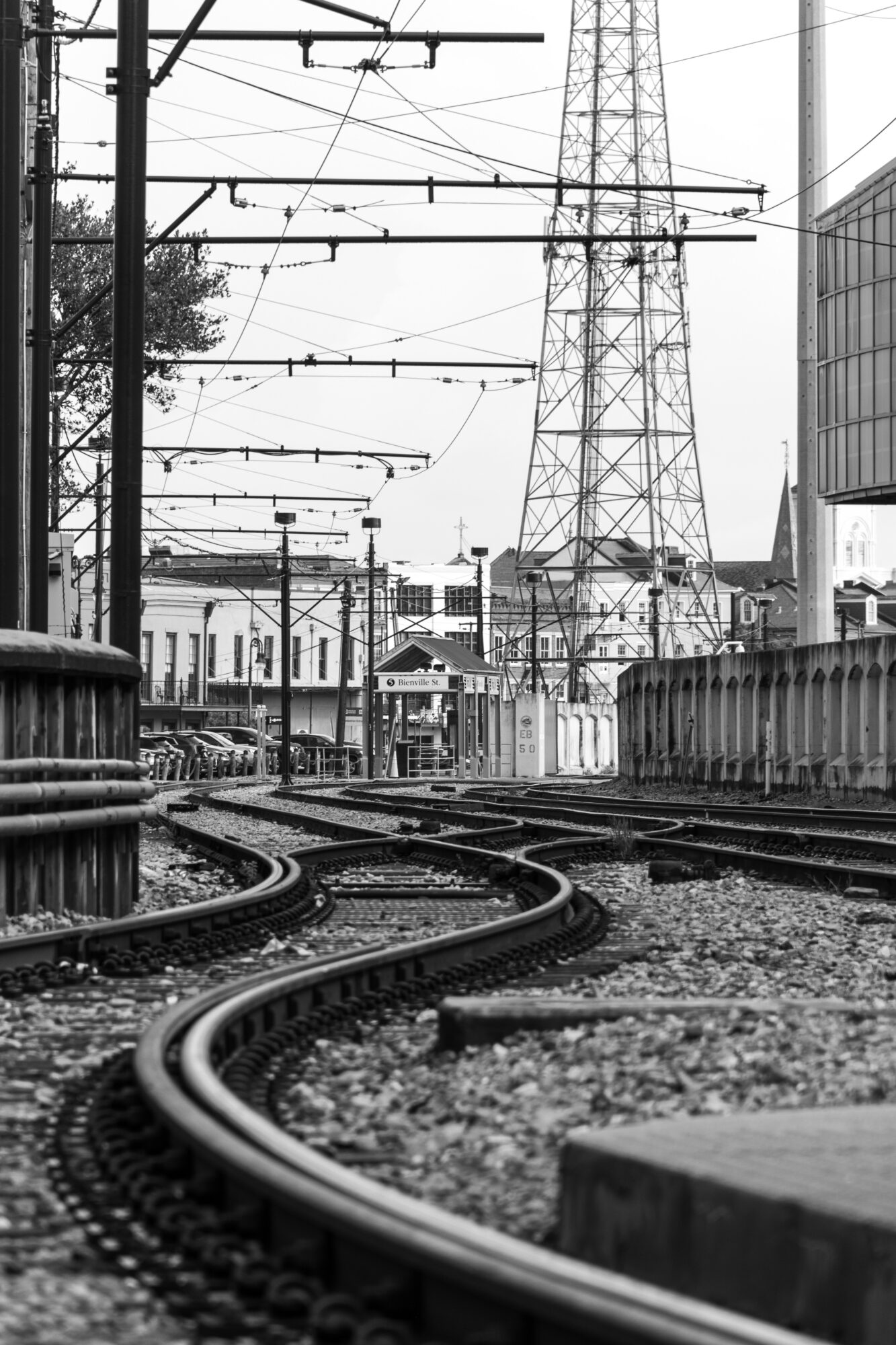
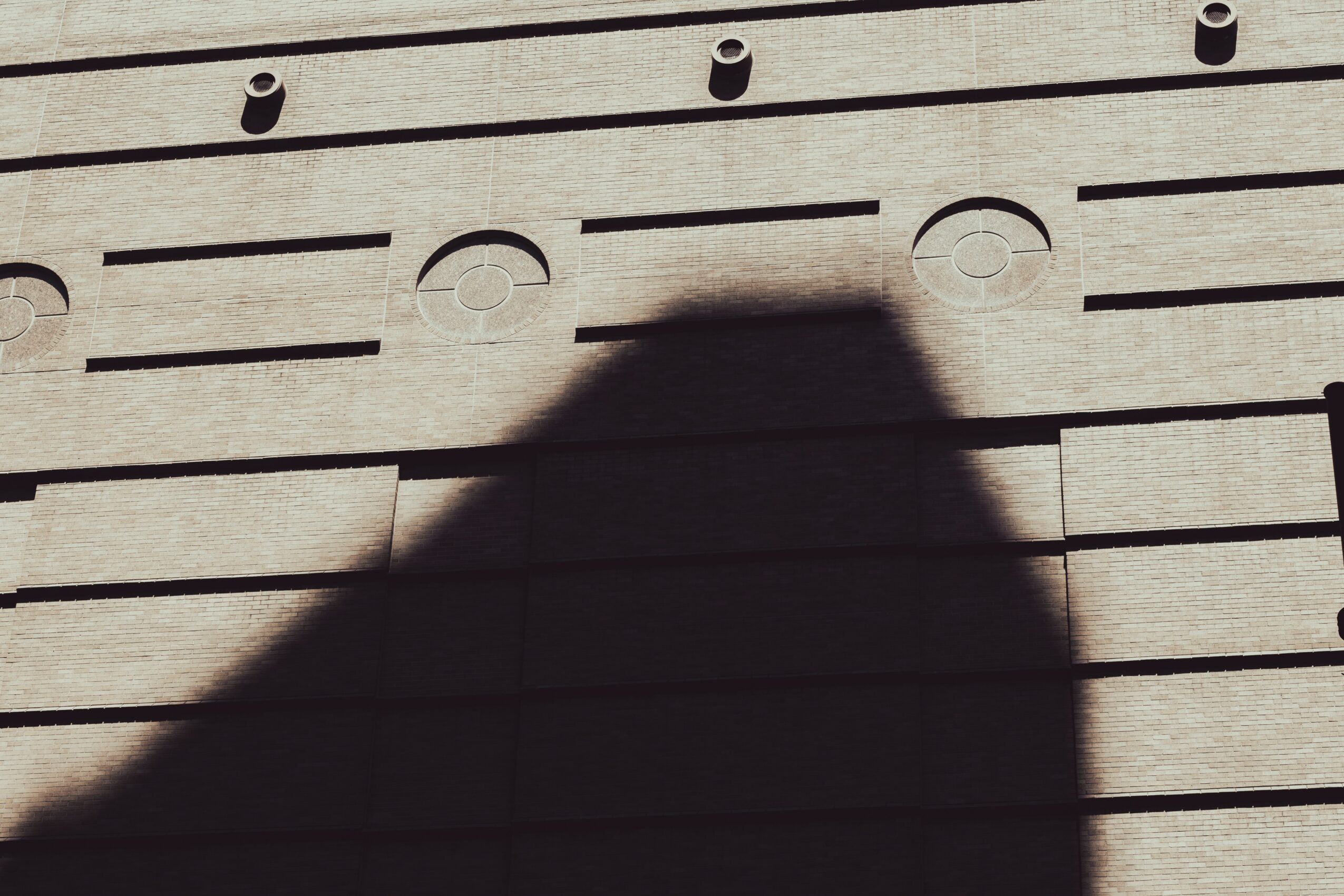
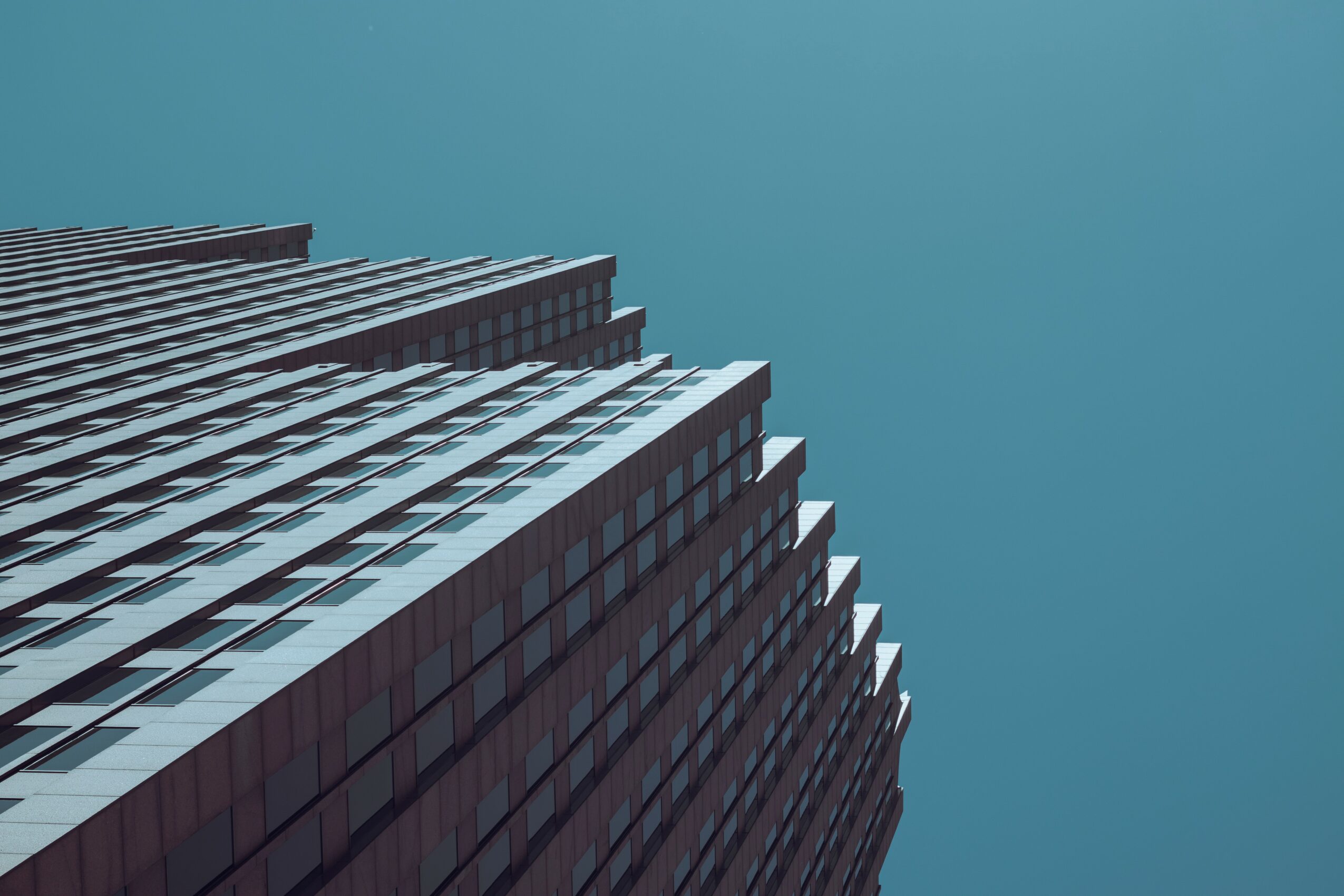
When I established Hannibal Photography in Houston, I brought that exact framework with me. Whether I am capturing high-contrast street and architectural geometry in Downtown, documenting unscripted stories, or photographing a portrait session, my guiding principle remains the same: I study people before I study light.
Today, my practice spans street, documentary, real estate, and portraiture—bridging artistic depth with structured composition for clients who value honesty, intent, and clean aesthetics over artificial perfection.
Would you say it’s been a smooth road, and if not what are some of the biggest challenges you’ve faced along the way?
It hasn’t been a smooth, linear road—few creative journeys are—and most of my challenges came from learning how to merge two seemingly different worlds: clinical observation and commercial artistry.
In the beginning, the biggest hurdle was breaking away from the traditional, rigid expectations of commercial photography. The market is saturated with overly polished, highly staged, and hyper-edited imagery. Choosing to stick to an honest, unscripted aesthetic meant taking a risk. I had to learn how to communicate the value of visual authenticity—convincing clients that a real, felt moment carries far more weight than a perfect, sterile pose.
Another major struggle was the transition between environments. Adapting my eye from the dense verticality and natural soft-box fog of San Francisco to the expansive, sprawling, and flat landscape of Houston required a complete shift in how I read light and spatial geometry. I had to redefine how I captured urban tension in a city built at a completely different scale.
Balancing the analytical mindset required for psychology with the technical precision of running a business—managing inventory, structural workflows, and client expectations—was a steep learning curve. But looking back, those exact struggles shaped my identity. They forced me to build a brand that isn’t just about taking pictures, but about execution with intention and purpose.
Can you tell our readers more about what you do and what you think sets you apart from others?
What sets Hannibal Photography apart in the Houston market is the breadth and cross-disciplinary nature of my services. Rather than boxing myself into a single niche, I apply a unified visual philosophy across four distinct disciplines: Street/Urban, Documentary, Real Estate, and Portrait photography.
Street & Urban: Capturing the high-contrast geometry, shifting shadows, and raw human heartbeat of Houston’s concrete landscape.
Documentary: Serving as an invisible, empathetic observer to tell unscripted, long-form visual stories for individuals, brands, and cultural projects.
Real Estate & Architecture: Approach listings with spatial logic, capturing the flow, structural intent, and natural light of a property to connect with the buyer’s eye rather than just ticking a listing box.
Portraits: Creating a calm, intentional space where subjects feel relaxed, moving away from stiff posing to capture genuine human character.
My operating model in Houston is fully tailored and project-based. Because no two clients or spaces share the same rhythm, I reject one-size-fits-all packages in favor of customized quotes based on project scope, spatial square footage, or storytelling depth. This approach ensures every client receives a dedicated, highly intentional visual asset designed specifically for their goals.
How do you think about luck?
I view luck through the lens of psychology and philosophy: good or bad luck is often just the unpredictable intersection of timing, circumstance, and awareness.
On one hand, “bad luck”—if you want to call it that—usually manifests as abrupt environmental changes or shifting circumstances. Moving across drastically different geographies, like transitioning from the dense urban verticality and soft lighting of the West Coast to the vast, sprawling layout of Houston, forced me to completely reset my visual radar. It felt like bad luck at first to leave a familiar rhythm behind, but in reality, it forced me to evolve and redefine how I map geometry, shadow, and human connection in a brand new environment.
On the other hand, “good luck” in business rarely happens by chance. It usually looks like a random encounter or a sudden opportunity, but it only bears fruit if you have spent years refining your craft and preparing your mindset. Being ready to capture an unscripted, split-second moment on the street—or being able to establish an instant rapport during a portrait session—isn’t pure luck; it’s what happens when continuous observation meets the right moment.
Ultimately, luck gives you the raw material, but your intent and execution dictate the narrative you build from it.
Contact Info:
- Website: https://hannibalphotography.com
- Instagram: https://www.instagram.com/hannibal_photographer/
- Facebook: https://www.facebook.com/photo.hannibal.per/