
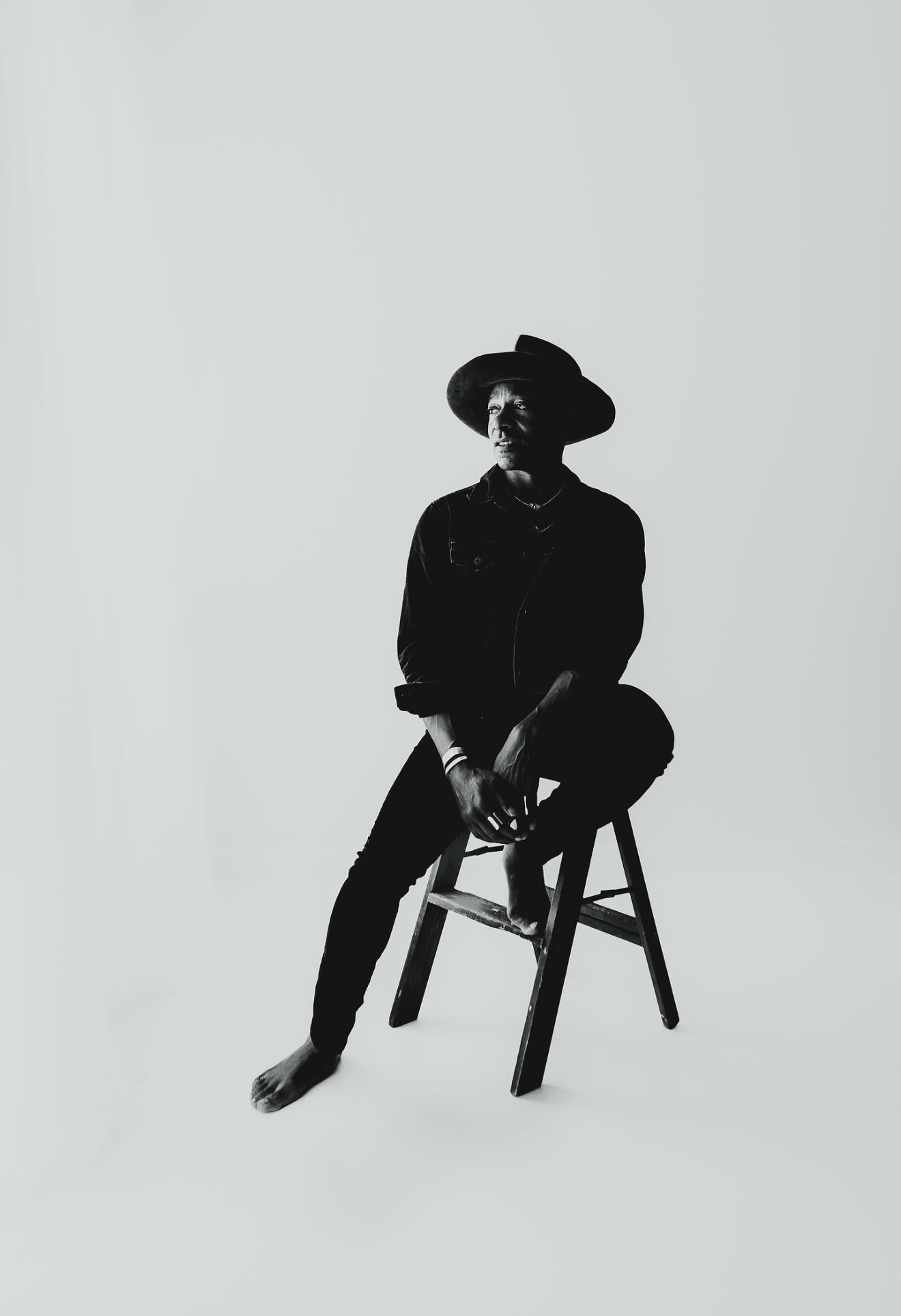
Today we’d like to introduce you to Marlon Hall.
Hi Marlon , so excited to have you with us today. What can you tell us about your story?
First, I am a father. My daughter Phoenix is such a gift to my life and is what answered prayer sounds like when it laughs and sings and moves like when it dances and loves. She is clearly the best thing that ever happened to me. As far as my career, I didn’t start with a clear career path—I started with a question that’s been with me most of my life: how do we come home to ourselves and to each other?
For a long time, I moved through different forms trying to answer that question. I was a pastor at one point, deeply committed to community and spiritual formation. Over time, that work expanded into my practice as an artist and anthropologist—working across filmmaking, public art, and found object sculpture in different communities across the U.S. and internationally.
As an anthropological artist, my work is rooted in listening—spending time in communities, engaging people in conversation, and translating those lived experiences into visual and spatial forms. My public art projects and sculptural work often use found materials and objects from specific places, creating pieces that reflect the memory, identity, and story of the community they come from. Whether it’s a sculpture, an installation, or a film, the goal is not just to represent people, but to help create a deeper sense of connection and recognition within the spaces we share.
A major turning point for me came through personal disruption—divorce, shifts in family, and having to really face where my life didn’t have the structure to support what I said I valued. That led me into a deeper relationship with my body through yoga, and a deeper relationship with story—not just as something we tell, but as something we live inside of.
Over time, all of my work began to converge.
Yoga became a way to listen to the body.
Storytelling became a way to listen to lived experience.
Public art and sculpture became ways to listen to place and memory.
Out of that convergence, I began developing what I now call Story Relic—a practice where I sit with individuals or communities, listen deeply to their stories, and reflect those stories back in a way that helps people see themselves more clearly. It’s part anthropology, part art, part embodied practice.
Right now, my work is really about activating that process in different contexts—through one-on-one Story Relic sessions, community-based projects, and teaching. Less about producing objects, and more about creating experiences where people can reconnect to themselves and to each other in a real way.
So if there’s a thread through all of it, it’s this:
I’m a storyteller and a story listener, and my work is about helping people remember who they are—through the body, through community, and through the stories they carry.
Alright, so let’s dig a little deeper into the story – has it been an easy path overall and if not, what were the challenges you’ve had to overcome?
It hasn’t been a smooth road.
For a long time, the challenge wasn’t a lack of vision—it was a lack of structure to support the vision. My work has taken many forms—film, public art, sculpture, yoga, and community practice—and from the outside that can look like a lack of focus. At times, I internalized that.
But over time I’ve come to understand that the work has always been connected. I just didn’t yet have the language or systems to hold it in a way that was sustainable.
There have also been real practical challenges. Building an independent, interdisciplinary practice doesn’t always translate into consistent income, even when the work is meaningful and impactful. I’ve had to learn how to better align the value of the work with structures that can actually support it.
Relationally and personally, there have been moments that forced me to slow down and really examine my life—divorce, shifts in family, and learning how to be present in ways that I wasn’t before. Those moments exposed where I was overextending myself or building without a strong enough foundation.
I’ve also had to grow in how I navigate institutions—learning how to build relationships that are not just meaningful, but sustainable over time.
Looking back, the struggles were less about the work itself and more about how I was holding it. Where I am now feels less like trying to prove something and more like bringing clarity and structure to what has always been there.
Thanks for sharing that. So, maybe next you can tell us a bit more about your work?
At the center of my work, I’m a storyteller and a story listener.
Everything I do—whether it’s teaching yoga, creating public art, facilitating community experiences, or working one-on-one with individuals—comes from that foundation. I’m interested in how people make meaning of their lives, and how story lives not just in what we say, but in the body, in relationships, and in the spaces we move through.
My background is interdisciplinary. I’ve worked as a public artist and anthropological storyteller across different communities, often using found objects, salon dinner parties with tables that I make with archival doors at the center, film, and participatory processes to reflect the identity and memory of a place. That work has taken shape through projects in Houston, Tulsa, Madison, and internationally, and has been supported through roles like being a Fulbright Specialist, a Tulsa Artist Fellow, and an Interdisciplinary Artist-in-Residence at the University of Wisconsin.
More recently, that practice has come to life through several public and exhibition-based works. In Tulsa, I created Doorways to Hope, commissioned by the City of Tulsa and the Oklahoma Arts Council, which engages the legacy of the 1921 Tulsa Race Massacre and reflects on the idea of a phoenix rising from collective trauma. In Houston, I contributed to The Hueman Project: Welcome Home, commissioned by Bloomberg Philanthropies, the Texas Department of Transportation, and the City of Houston, transforming the Milam Street underpass into a space that challenges and disrupts perceptions of homelessness.
Alongside these public works, I’ve also explored these themes through sculpture. My exhibition Unearthing Beauty From Brokenness at Ruby Projects brought together 28 found object sculptures, using reclaimed materials to reflect on memory, resilience, and the possibility of transformation.
Across all of this work, whether public or personal, I’m interested in how we uncover meaning—how something broken, overlooked, or misunderstood can be re-seen and re-held in a way that restores dignity and connection.
At the same time, I teach yoga—currently at Yoga Home—which has become a central part of my practice. Yoga, for me, isn’t separate from the rest of the work. It’s one of the most direct ways to help people listen to themselves, regulate their nervous systems, and reconnect with what they’re carrying.
Over time, all of these threads have come together into what I now call Story Relic. It’s a practice where I work with individuals and communities to listen deeply to their stories and reflect them back in a way that helps people see themselves more clearly. It’s part anthropology, part art, part embodied practice.
What I’m most proud of isn’t any single project—it’s the ability to move across different contexts and still stay rooted in that core practice of listening. Whether I’m working with students, community members, institutions, or individuals one-on-one, the intention is the same: to create a space where people feel seen, understood, and more connected to themselves and each other.
What sets me apart is that I’m not working from just one discipline. I’m bridging storytelling, embodiment, and community practice in a way that allows people to not only reflect on their lives, but to experience that reflection in real time. It’s not just something you think about—it’s something you feel and move through.
At this point, I’m less interested in producing work as an object and more interested in creating experiences that stay with people—where story becomes a tool for awareness, connection, and transformation.
Is there anyone you’d like to thank or give credit to?
I’ve been shaped by a lot of people across different parts of my life, and I don’t see my work as separate from those relationships.
Michelle Barnes, The director of the Community Artist Collective is a wheel and a well who moves me from a deeply refreshing place of impact and community care.
Patricia Williams, the director and founder
of the Imani School taught me the power of teaching as a tool for transformation and education as a gift from God. Rudy Rasmus, a former pastor at St. John’s, was one of the first people who showed me what it looks like to hold space for a community with both conviction and compassion. That had a lasting impact on how I think about leadership and presence.
Bill Crenshaw, my life coach and mentor, has been instrumental in helping me see patterns in my own life—especially around how I move, where I overextend, and how I can come back to alignment. That kind of reflection has been critical for me.
Peter Merwin, an architect formerly with Gensler, influenced how I think about space—how environments shape behavior, memory, and interaction. That perspective shows up in my public art and in how I design experiences.
My father, Eddie Hall, has probably had the most consistent influence. He’s been an upholsterer and business owner for over 50 years, and watching him work taught me what it means to build something with your hands, sustain it over time, and take pride in your craft.
Zora Neale Hurston, in a spiritual sense, has been a guiding force for me. Her work in ethnography and storytelling affirmed that documenting lived experience—especially within Black communities—is not just art, it’s a form of knowledge and preservation.
Rick Lowe, a social practice artist, gave me my first real opportunity to step into this work professionally. Through him, I began to understand what it means to work with communities as a form of art, not just representation.
Elimo Njau, who I think of as a spiritual leader in my artistic journey, expanded my understanding of what it means to be an artist in relationship to culture, community, and history—especially through my time in Nairobi.
And honestly, my daughter has been one of my greatest teachers. Her way of seeing the world, her honesty, and her presence constantly challenge me to be more grounded and more real than anything I could construct intellectually.
All of these people, in different ways, have shaped how I listen, how I create, and how I show up in the work. What I do now is really a continuation of those influences—carried forward in my own voice.
Contact Info:
- Website: https://www.marlonhall.com
- Instagram: https://www.instagram.com/marlonfhall/
- Youtube: https://youtu.be/Wge62Hv7fJk
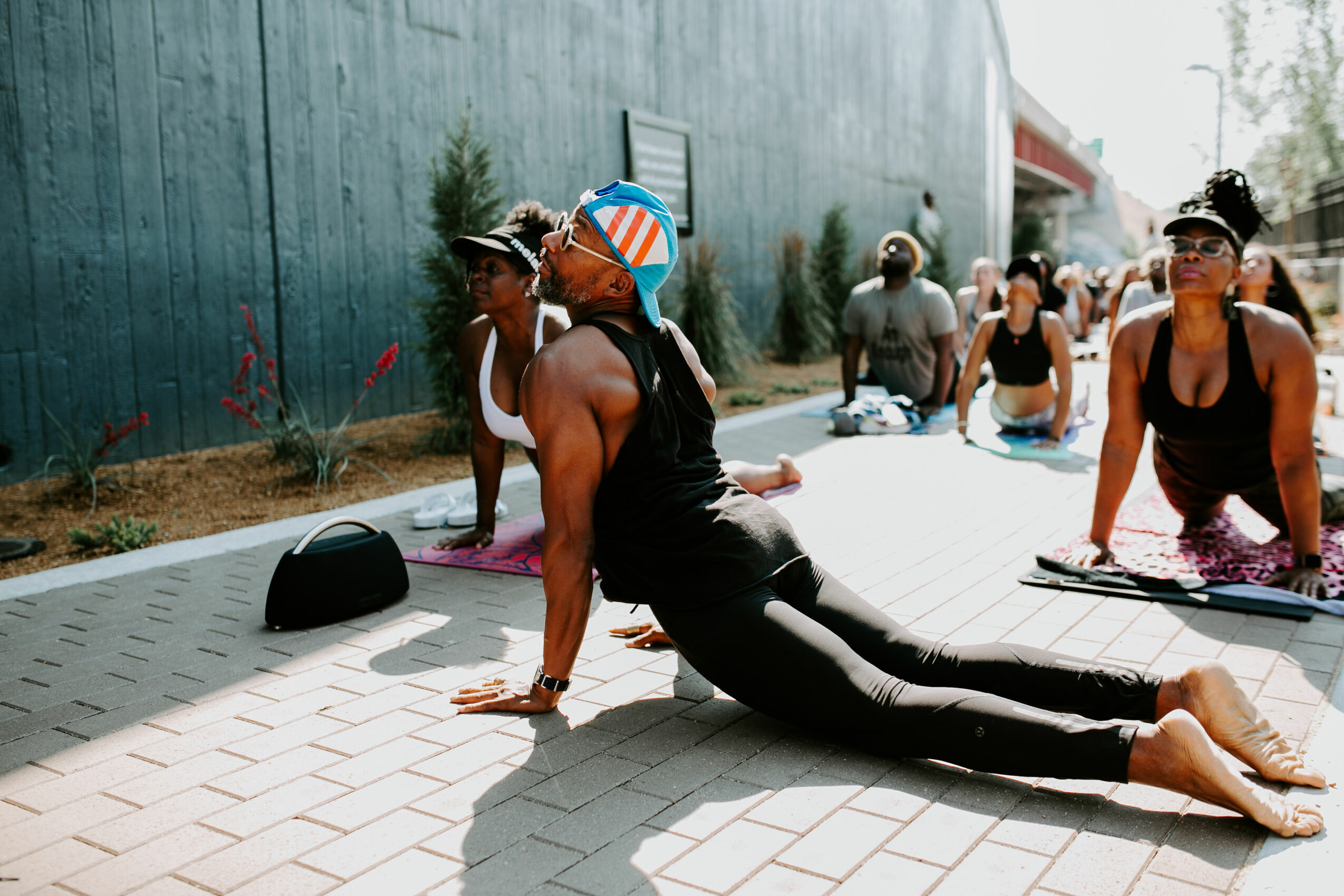
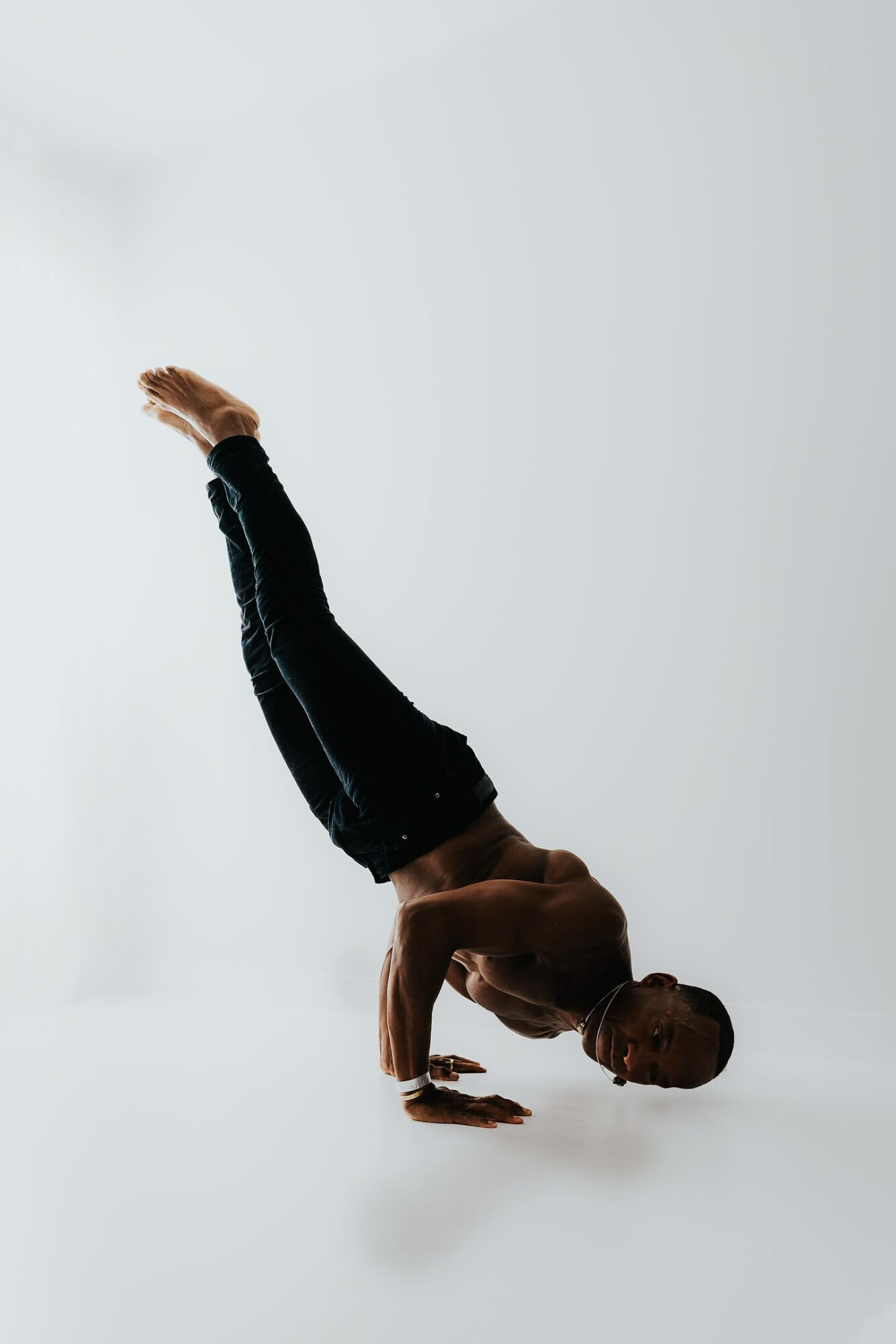
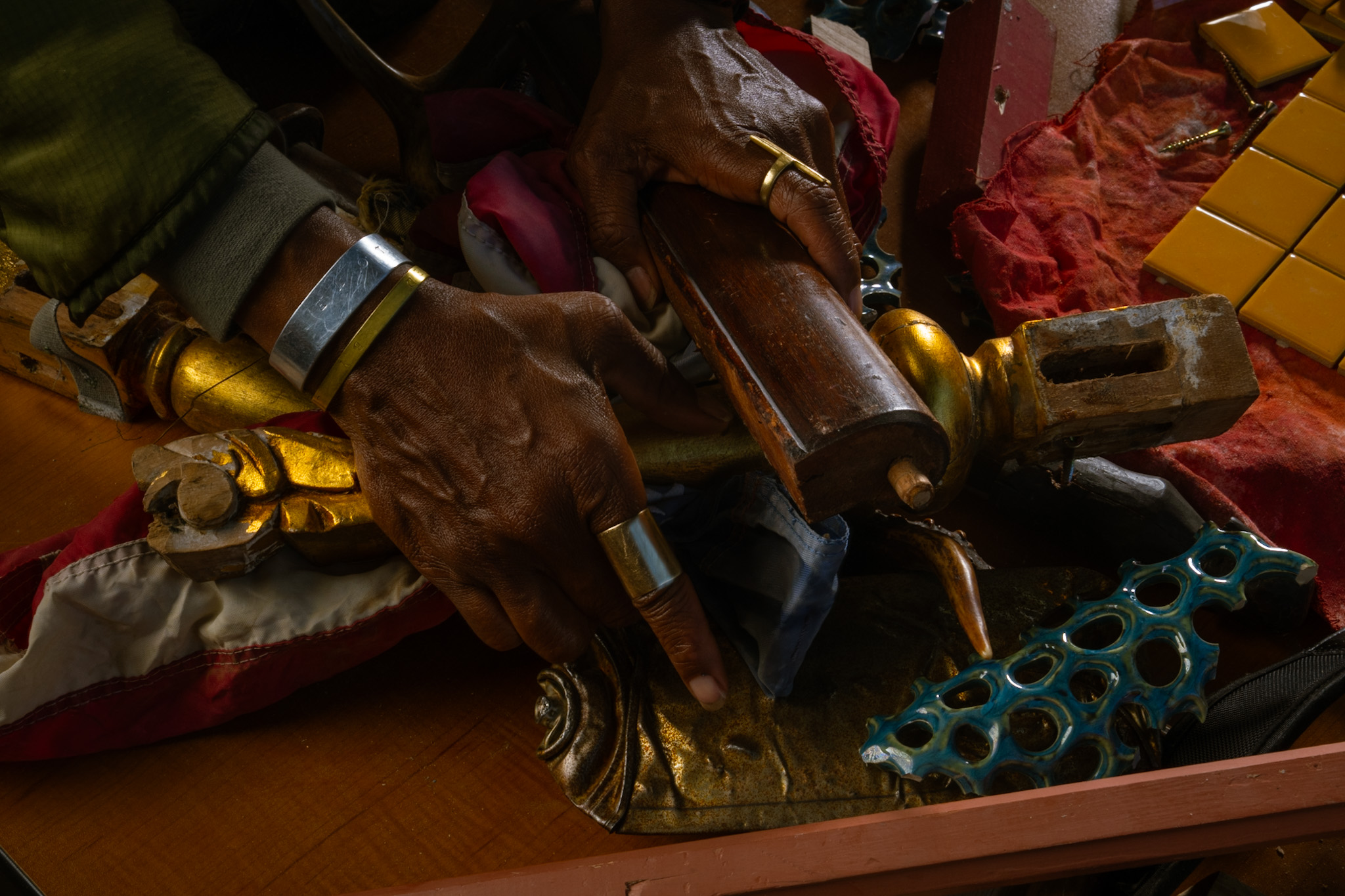
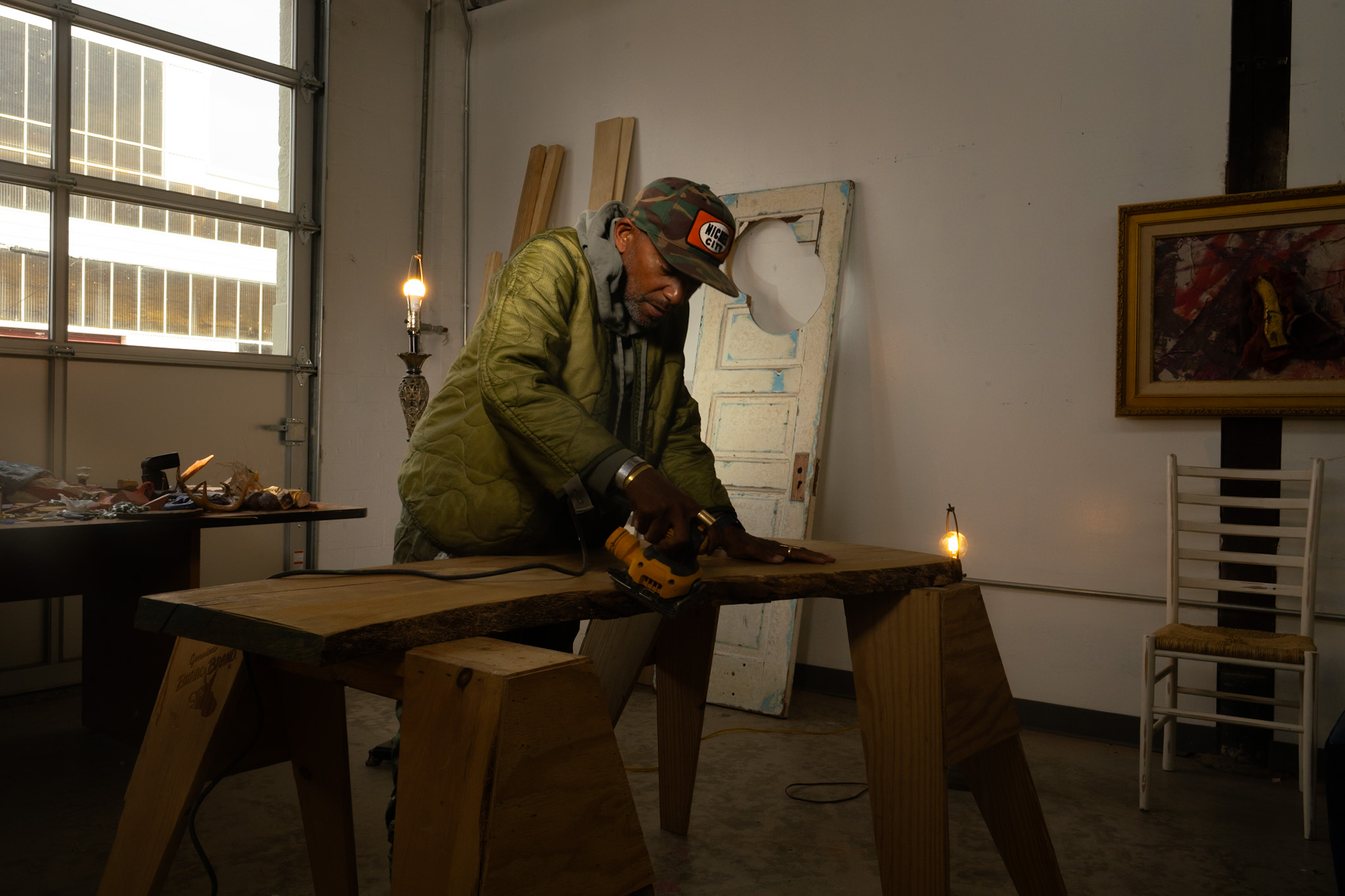
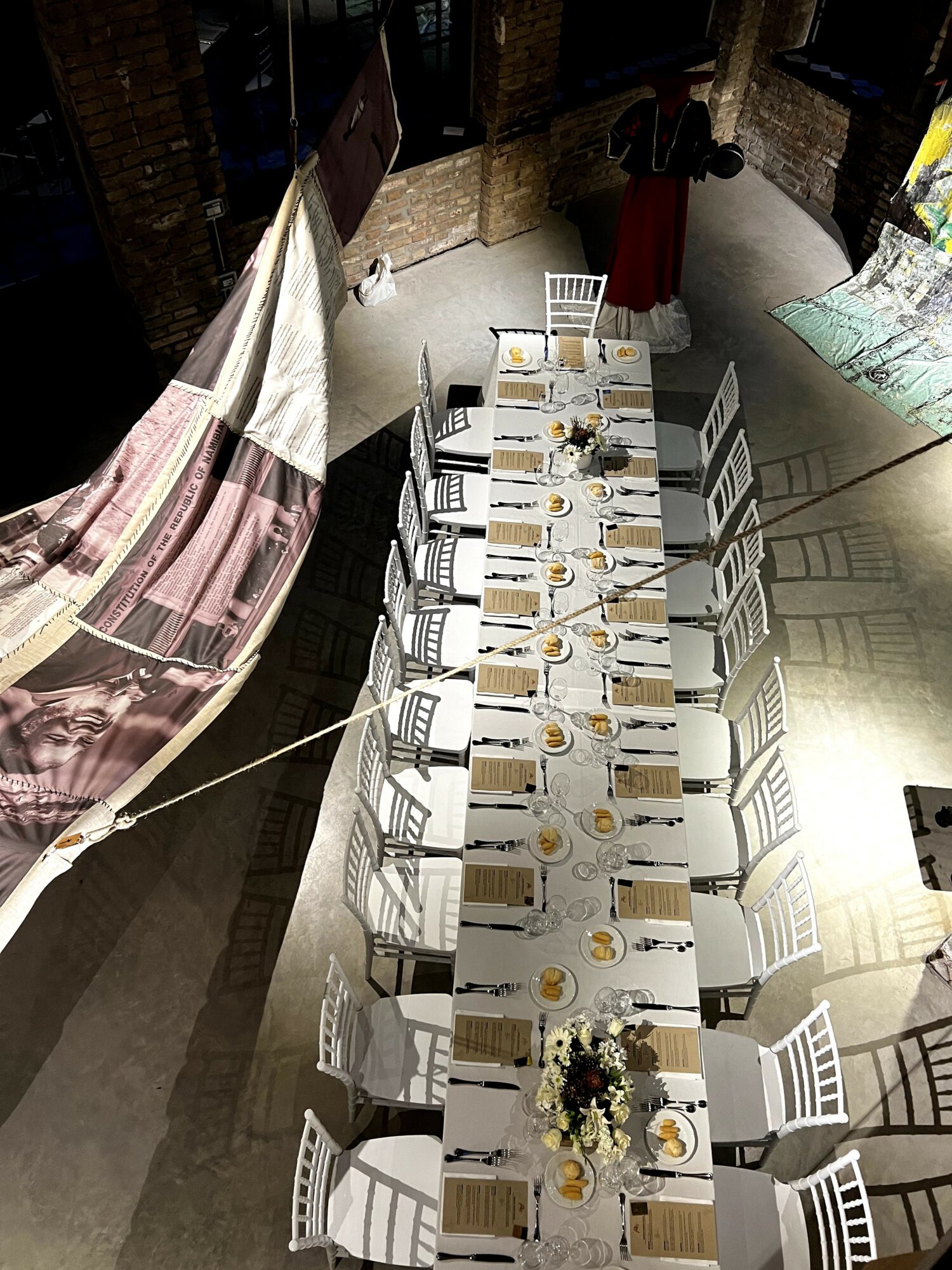
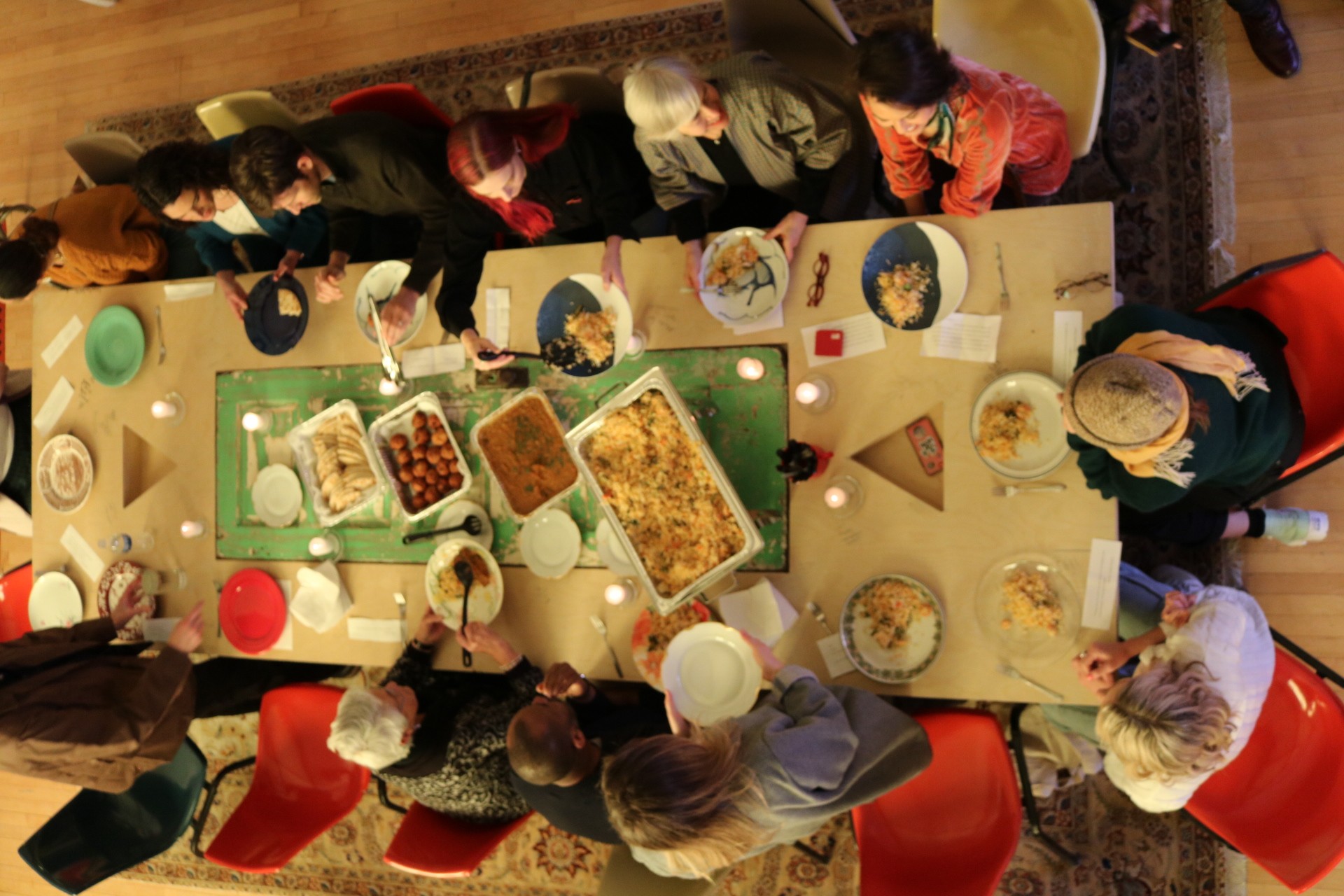
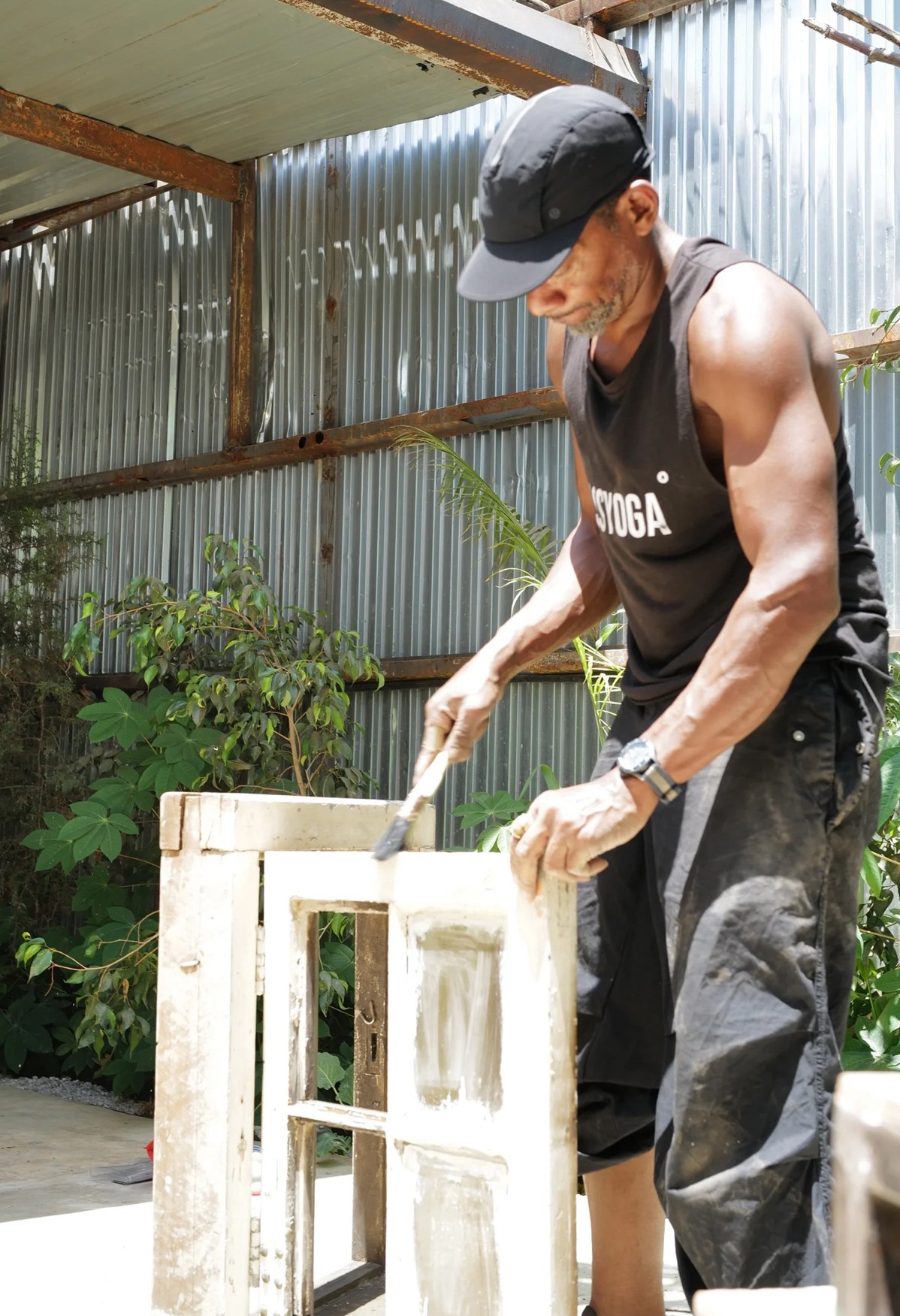
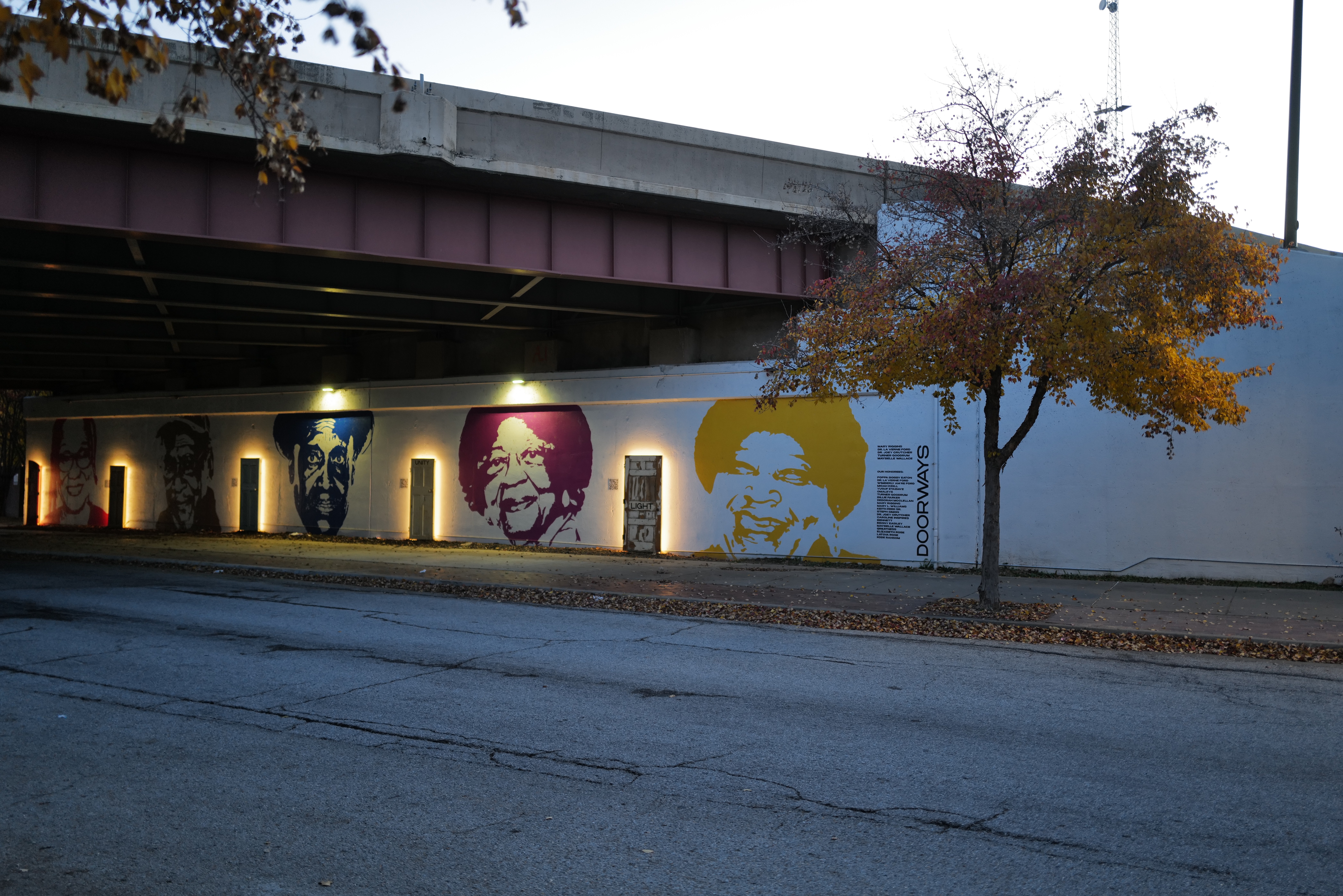
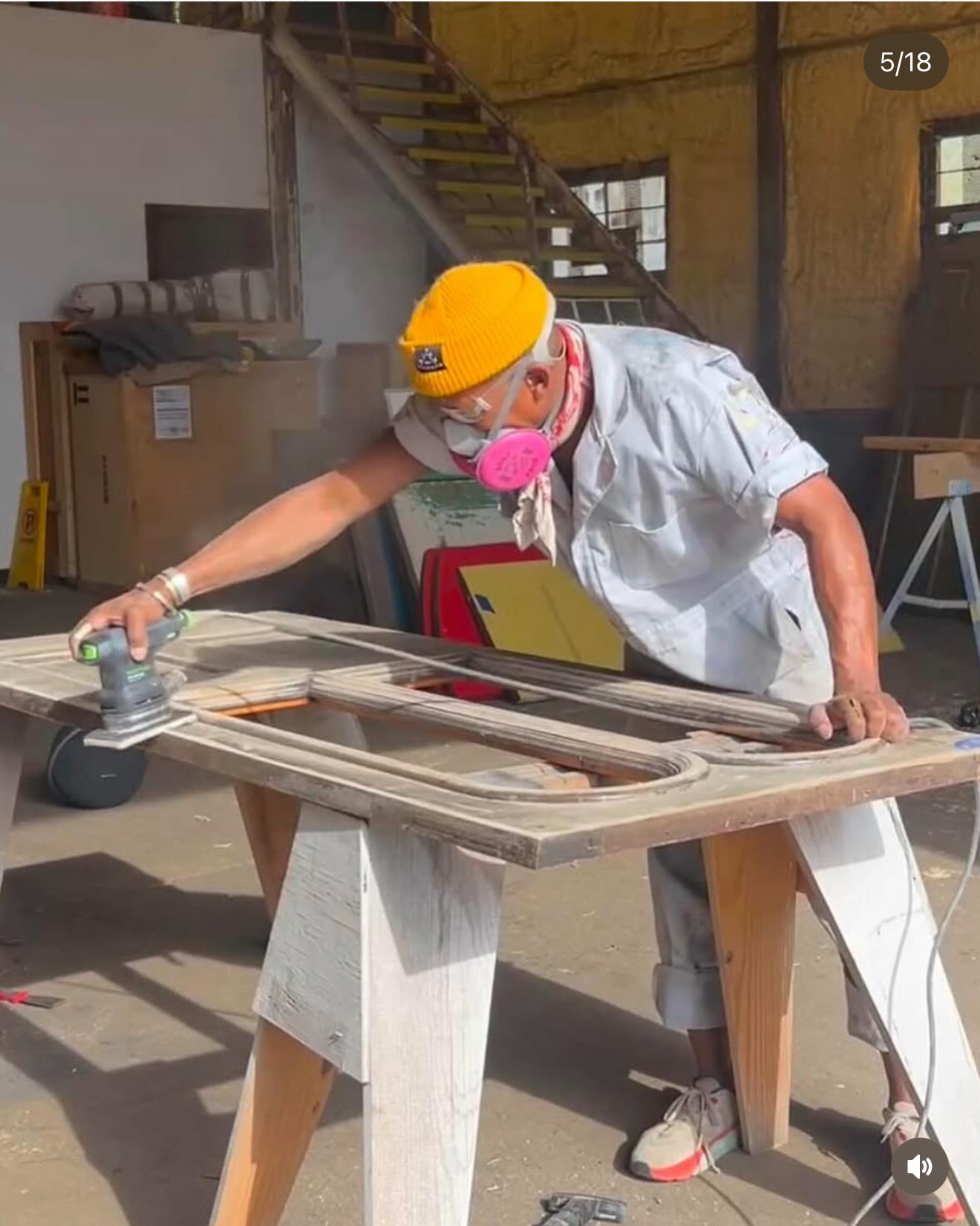
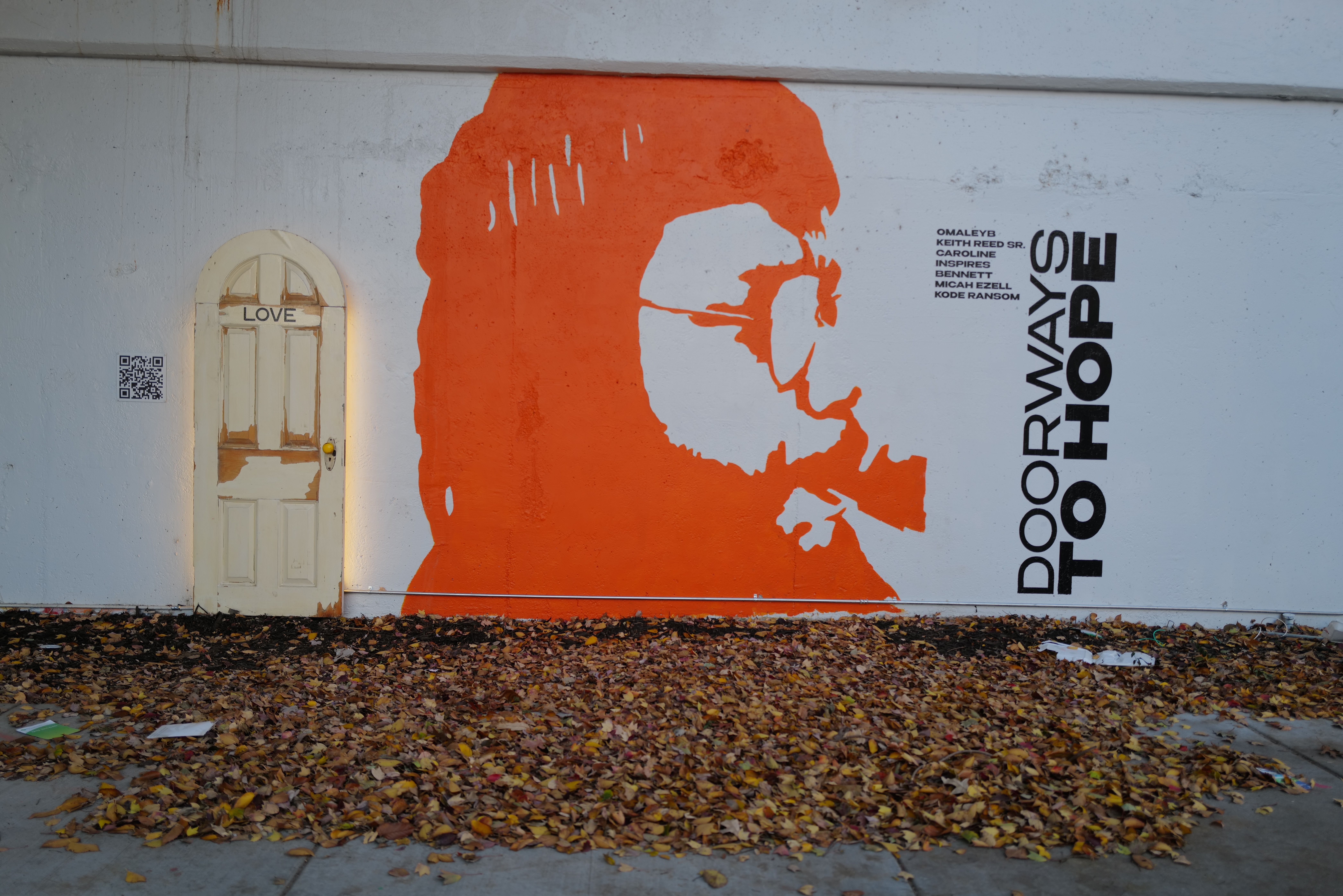
Image Credits
Patton Ruddock
Aymiiel Flemming
Marlon F. Hall