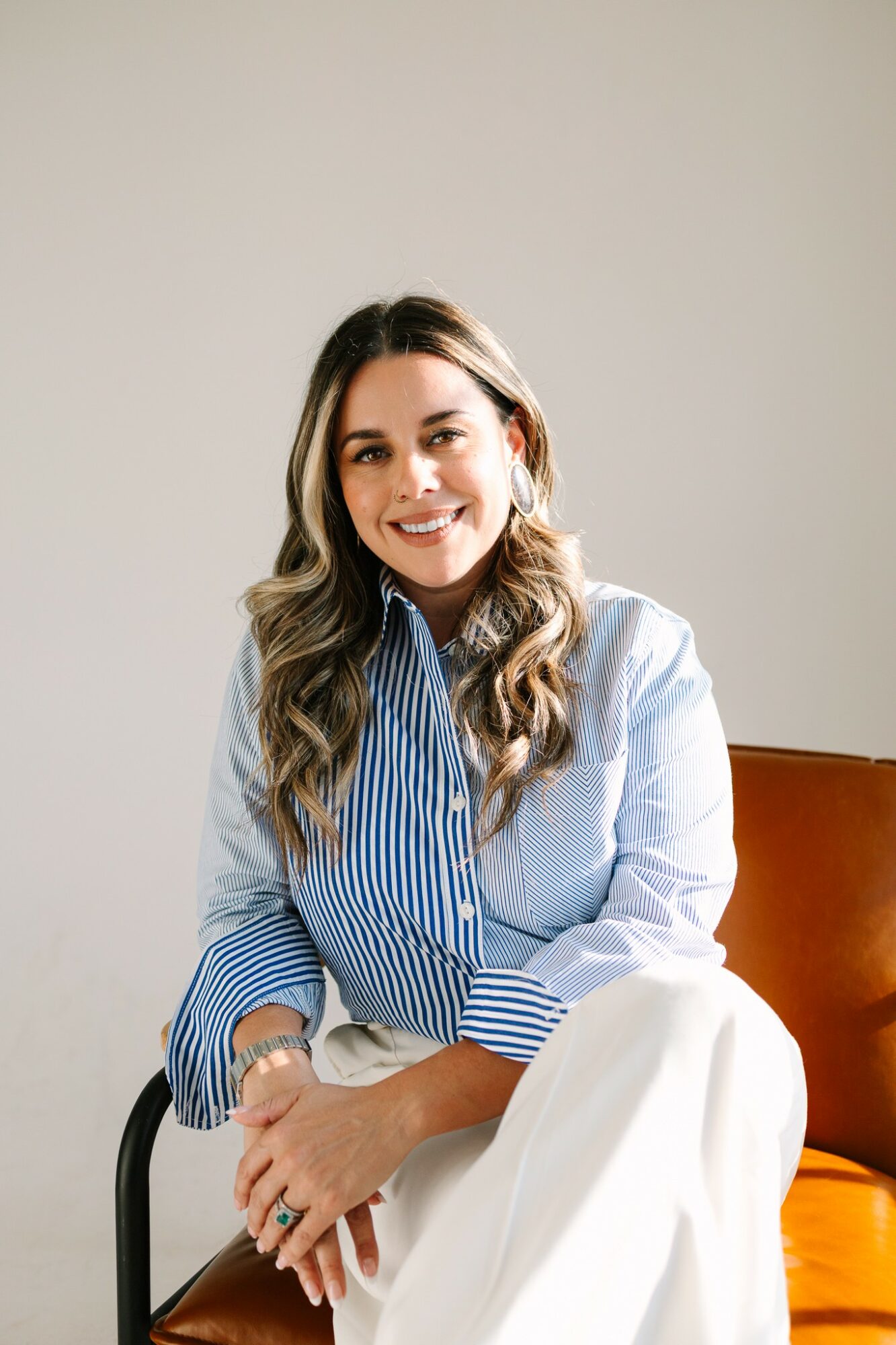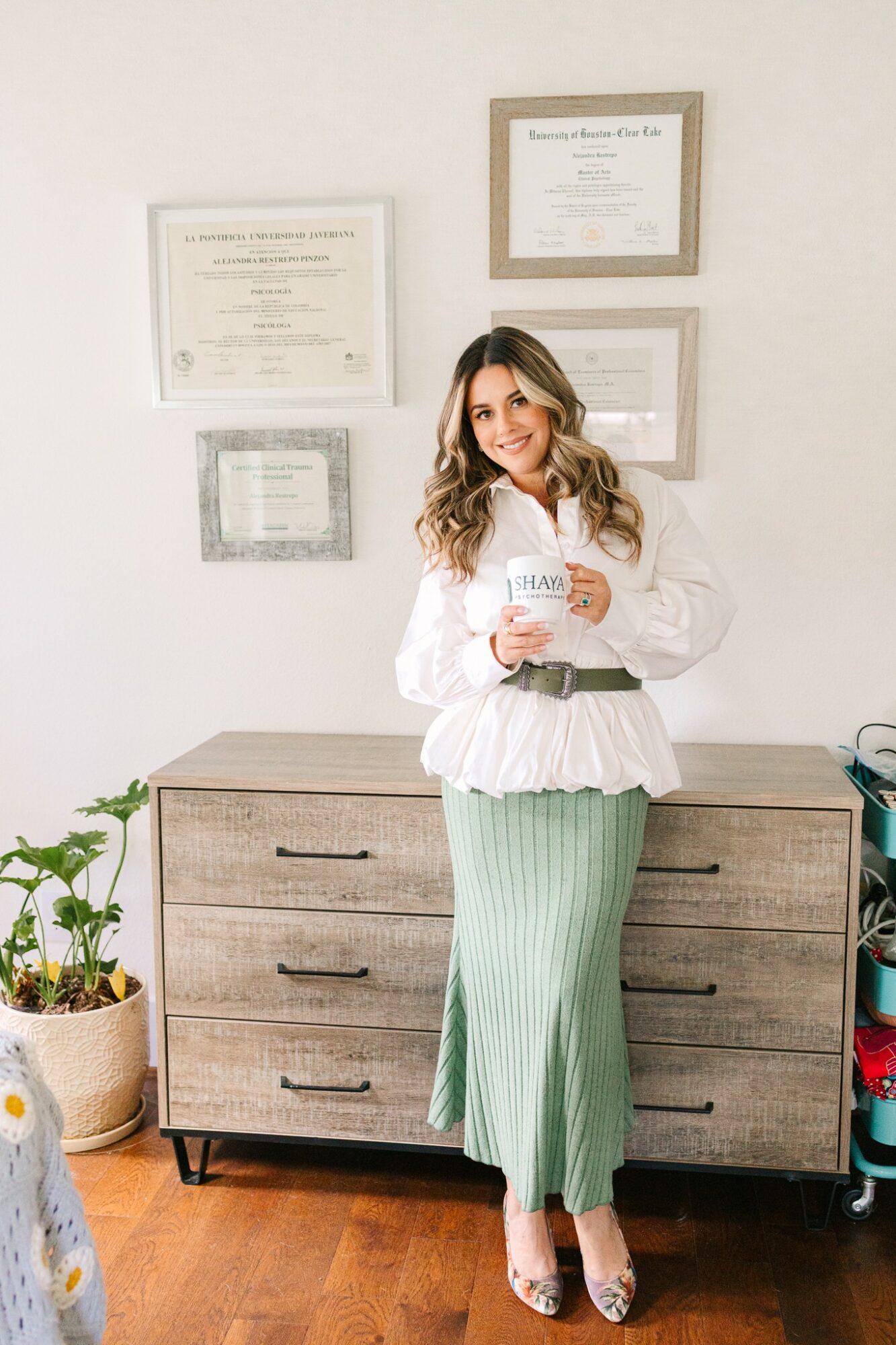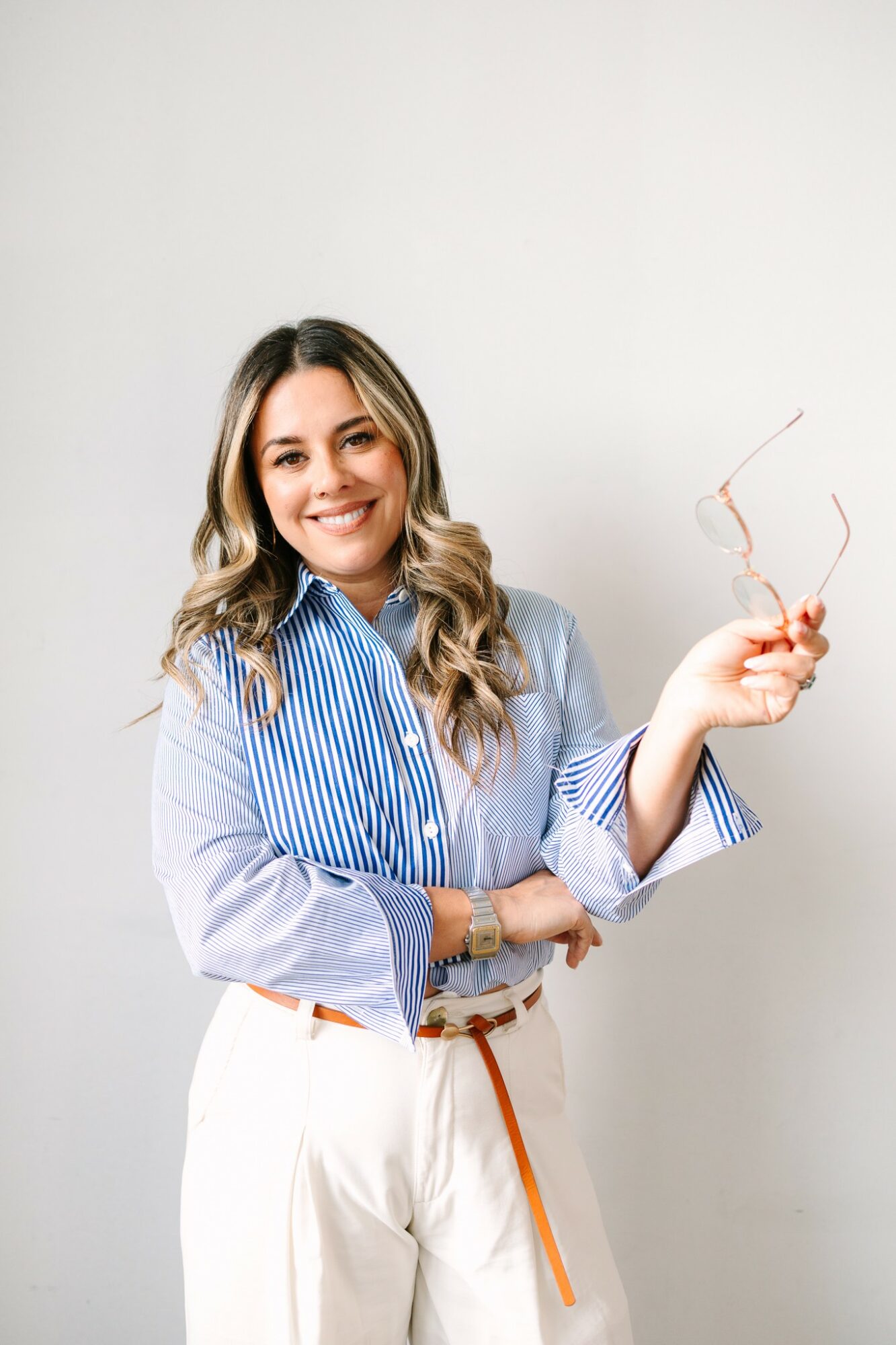





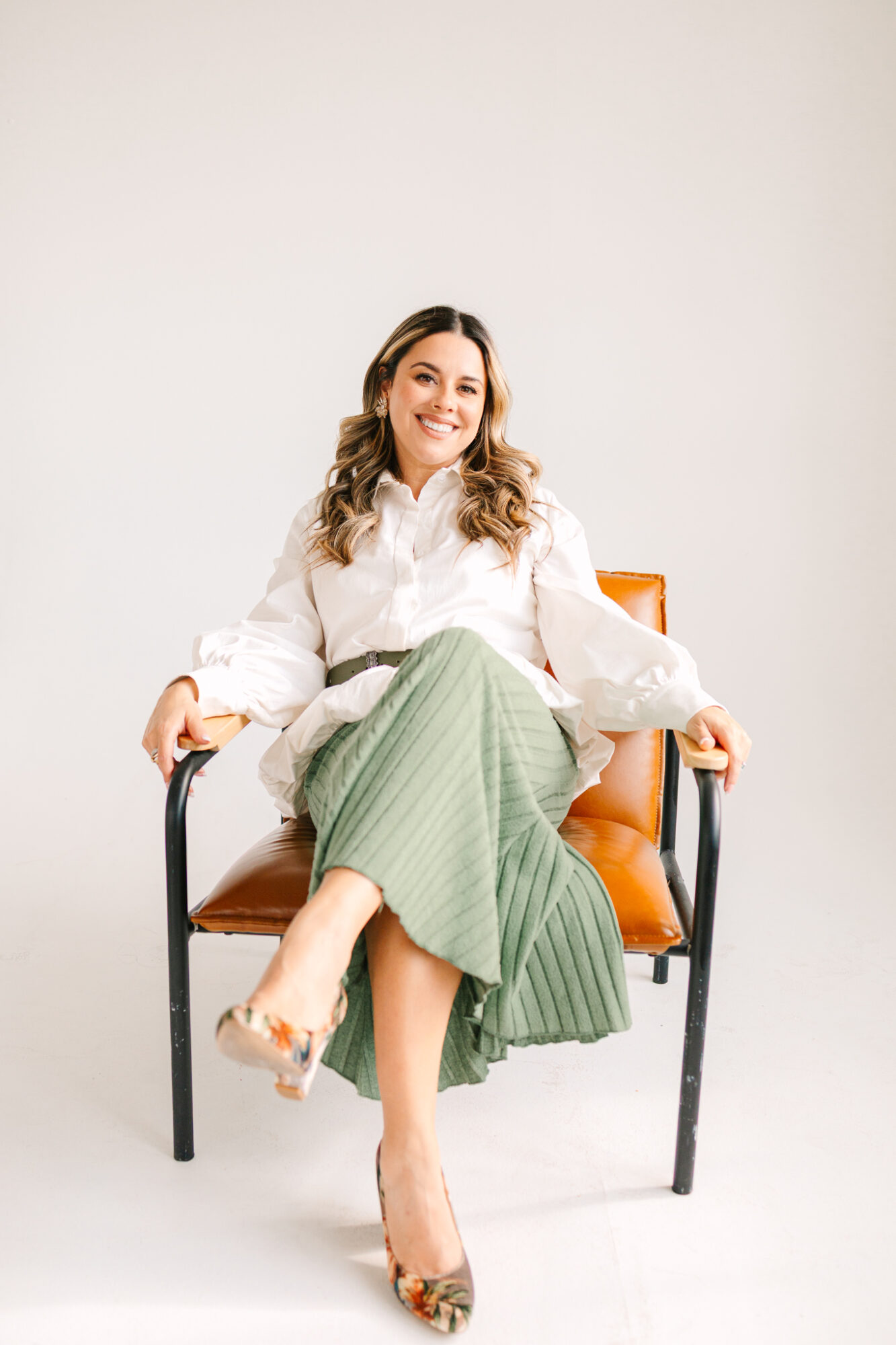
Today we’d like to introduce you to Alejandra.
Hi Alejandra, so excited to have you with us today. What can you tell us about your story?
My professional story really began in Houston about 20 years ago, when I moved here and started building both my life and my career in the city.
I earned my master’s degree in Clinical Psychology from the University of Houston–Clear Lake, and after completing my clinical training, I became a Licensed Professional Counselor. From there, I worked in a variety of inpatient and outpatient mental health settings throughout Houston. Those experiences gave me the opportunity to work with many different populations, but I found myself especially drawn to working with Latino clients and communities who often faced additional barriers to receiving mental health care that felt culturally relevant and truly understanding of their experiences.
As my career developed, I became increasingly focused on trauma work. I worked with individuals who had experienced significant trauma, including immigration-related stress, violence, family separation, acculturation challenges, and other experiences that can deeply affect a person’s sense of safety, identity, and belonging. That work shaped the therapist I became and strengthened my belief that mental health care cannot be separated from culture, family, language, and community.
After many years of working in different clinical settings, I began thinking more intentionally about the kind of mental health space I wanted to create in Houston. I wanted a practice where clients, particularly Latino and other historically underserved communities, could feel understood without having to constantly explain their culture or experiences.
That vision eventually became Shaya Psychotherapy. I created Shaya as a bilingual, trauma-informed, culturally responsive practice rooted in culture, care, and community. It was important to me to build something that reflected Houston’s diversity and responded to what I had seen and learned throughout my years of working with clients here.
A couple of years ago, that work expanded in another direction when, together with my colleagues Erica Toskovich and Maria Melicoff, I co-founded the Latinx Therapists Collective here in Houston. We created it as a space for Latinx therapists who are already in private practice, or who are thinking about starting one, to connect, support one another, and learn from each other.
One thing we realized is that therapists receive extensive training on how to be clinicians, but not necessarily on how to build and sustain a business. Private practice requires learning an entirely different set of skills, from navigating the business side of mental health care to building a professional network and figuring out how to grow sustainably. Through the Collective, we wanted to create the kind of community where therapists can share resources, ask questions, celebrate successes, talk openly about challenges, and feel less alone in the process.
For me, that has become another important part of my work in Houston: not only serving clients through Shaya, but also helping strengthen the community of Latinx mental health professionals who serve our city.
Houston has played such an important role in my journey. It is where I trained, developed professionally, built relationships with the communities I serve, and ultimately created spaces that reflect the kind of mental health care and professional community I believe people deserve.
Would you say it’s been a smooth road, and if not what are some of the biggest challenges you’ve faced along the way?
It definitely hasn’t been a completely smooth road. One of the earliest challenges was simply adapting to a new country, a new educational system, and a second language. I’m bilingual in Spanish and English, but becoming fully comfortable and confident academically and professionally in English took time. Going through graduate school while adjusting to a new environment required a lot of perseverance.
At the same time, Houston was incredibly welcoming to me. I have always felt that this city gave me space to grow, build community, and develop professionally, and that support made a meaningful difference in my journey.
Another major challenge came later, when I decided to move from the nonprofit sector into private practice and entrepreneurship. Mental health clinicians receive extensive clinical training, but very little preparation for what it actually means to build and run a business. We learn how to treat clients, assess, diagnose, and provide ethical care, but we are rarely taught about finances, money management, marketing, operations, taxes, business development, or how to create a sustainable practice.
That transition was intense because I had to learn an entirely different skill set while continuing to be a clinician. A lot of it involved learning on my own, asking questions, making mistakes, adjusting, and becoming comfortable with areas that were completely outside of my formal training.
I actually think this is something that is still missing from many mental health training programs. There is so much emphasis on becoming a strong clinician, which is essential, but very little education around the business side of the profession. For therapists who eventually want to enter private practice, that can make the transition much more difficult than it needs to be.
Looking back, though, those challenges also shaped the way I approach my work today. They taught me how important adaptability, community, and mentorship are, and they are part of what later inspired me to help create spaces where other Latinx therapists can feel supported as they navigate not only their clinical careers, but also the realities of building a business.
Appreciate you sharing that. What should we know about Shaya Psychotherapy, LLC?
Shaya Psychotherapy is a bilingual, trauma-informed, culturally responsive mental health practice serving clients across Texas. We provide individual therapy and specialize in working with Latino clients, women, trauma survivors, immigrants, LGBTQ+ individuals, and people navigating identity, family, relationships, anxiety, depression, and major life transitions.
One of the things that sets Shaya apart is that culture is not treated as an afterthought. It is part of the clinical work. For many of our clients, mental health is deeply connected to family expectations, immigration experiences, language, generational differences, religion, gender roles, identity, and the pressure of moving between cultures. We create a space where clients do not have to spend half of the session explaining those parts of themselves before they can begin doing the deeper therapeutic work.
We are also strongly rooted in trauma-informed care. My own clinical background has been heavily focused on trauma, and that has influenced the way Shaya approaches treatment. We value evidence-based practices, but we also believe those interventions have to be delivered with cultural humility and an understanding of the client’s lived experience.
Another important part of our identity is being bilingual. Therapy is very personal, and sometimes there are emotions, memories, or experiences that are simply easier to express in the language in which you lived them. Being able to offer therapy in both Spanish and English can make a significant difference in how safe and understood a client feels.
Brand-wise, I am probably most proud that Shaya has developed such a clear identity and sense of purpose. I never wanted it to feel like a generic mental health practice. I wanted the name, the visual identity, the language we use, and the way we communicate with our community to all reflect who we are.
The name “Shaya” comes from Quechua and means “the woman who always stands tall.” For me, that represents resilience, strength, dignity, and the ability to continue moving forward even after difficult experiences. That meaning is very connected to the people we serve and to the kind of healing we hope to support.
I am also proud that our work extends beyond the therapy room. We use social media and community education to make conversations about mental health more accessible and less intimidating, particularly for younger generations and Latino communities. I think representation matters, and it is important for people to see mental health professionals who understand their culture, speak their language, and can talk about therapy in a way that feels relatable rather than clinical or distant.
Ultimately, what I want people to know about Shaya is that we are serious about providing high-quality mental health care, but we are equally serious about making people feel seen. Our goal is to create a space where clients can bring their full selves into therapy—their culture, language, family history, identities, strengths, and struggles—and know that all of those pieces belong in the conversation.
How can people work with you, collaborate with you or support you?
There are several ways people can connect with me and with Shaya Psychotherapy.
For individuals looking for therapy, Shaya offers bilingual, trauma-informed, culturally responsive services for clients across Texas. People can learn more about our therapists, areas of specialization, and how to get started through our website. We work with clients around trauma, anxiety, depression, relationships, identity, immigration and acculturation experiences, family dynamics, sexuality, and other important life transitions.
I also really value collaboration with other professionals and organizations. I’m always interested in building relationships with clinicians, physicians, community organizations, schools, nonprofits, and other professionals who are invested in improving access to culturally responsive mental health care. Some of the most meaningful work happens when we stop working in silos and start building stronger networks of care around the communities we serve.
Through the Latinx Therapists Collective, therapists can also connect with us for community, professional support, networking, and conversations around private practice and the business side of being a mental health professional. We created the Collective because we believe there is so much value in sharing knowledge and creating opportunities for Latinx therapists to grow together rather than feeling like they have to figure everything out alone.
Education and outreach are also a big part of what I enjoy doing. I’m open to collaborations involving mental health education, workshops, panels, community events, media, and conversations that help make topics like trauma, relationships, culture, identity, sexuality, and emotional wellness more accessible.
I also believe strongly in continuing to grow as a clinician. I’m currently pursuing certification in sex therapy through the Sexual Health Alliance, which is another way I’m continuing to add tools to my toolbox and expand the conversations we can support our clients through with greater knowledge, sensitivity, and confidence.
And finally, one of the simplest ways people can support Shaya is by connecting with us on social media at @ShayaPsychotherapy, engaging with our content, and sharing it with others. Social media has become an important part of how we normalize therapy, challenge stigma, and reach people who may not yet be ready to walk into a therapist’s office but are beginning to think differently about their mental health.
Whether someone connects with us as a client, clinician, community partner, or simply someone who believes in the importance of culturally responsive mental health care, there is always room for connection and collaboration.
Contact Info:
- Website: https://www.shayapsychotherapy.com/
- Instagram: https://www.instagram.com/shayapsychotherapy
- Other: https://www.tiktok.com/@shayapsychotherapy?_r=1&_t=ZT-99NXyRaaPl7