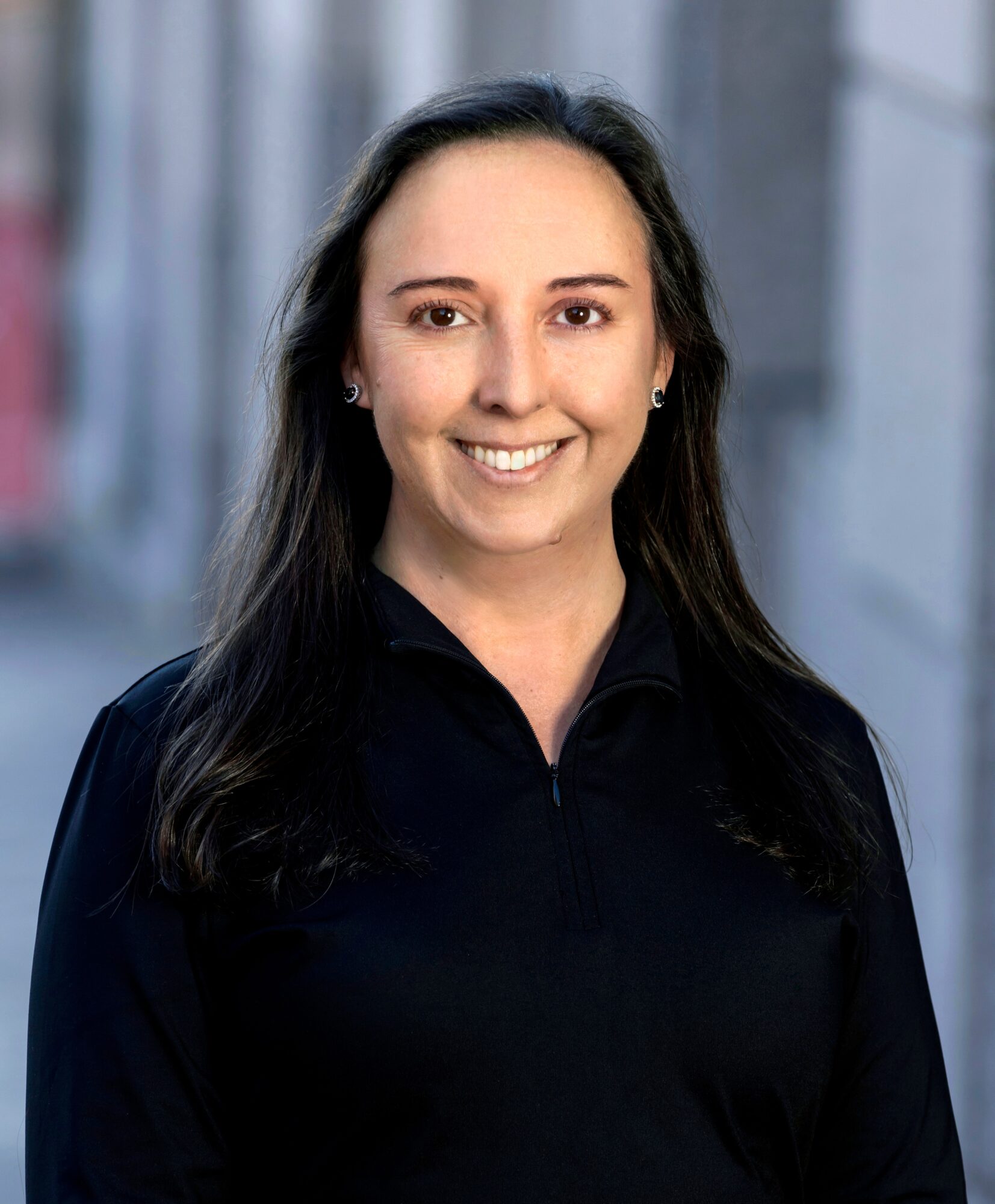





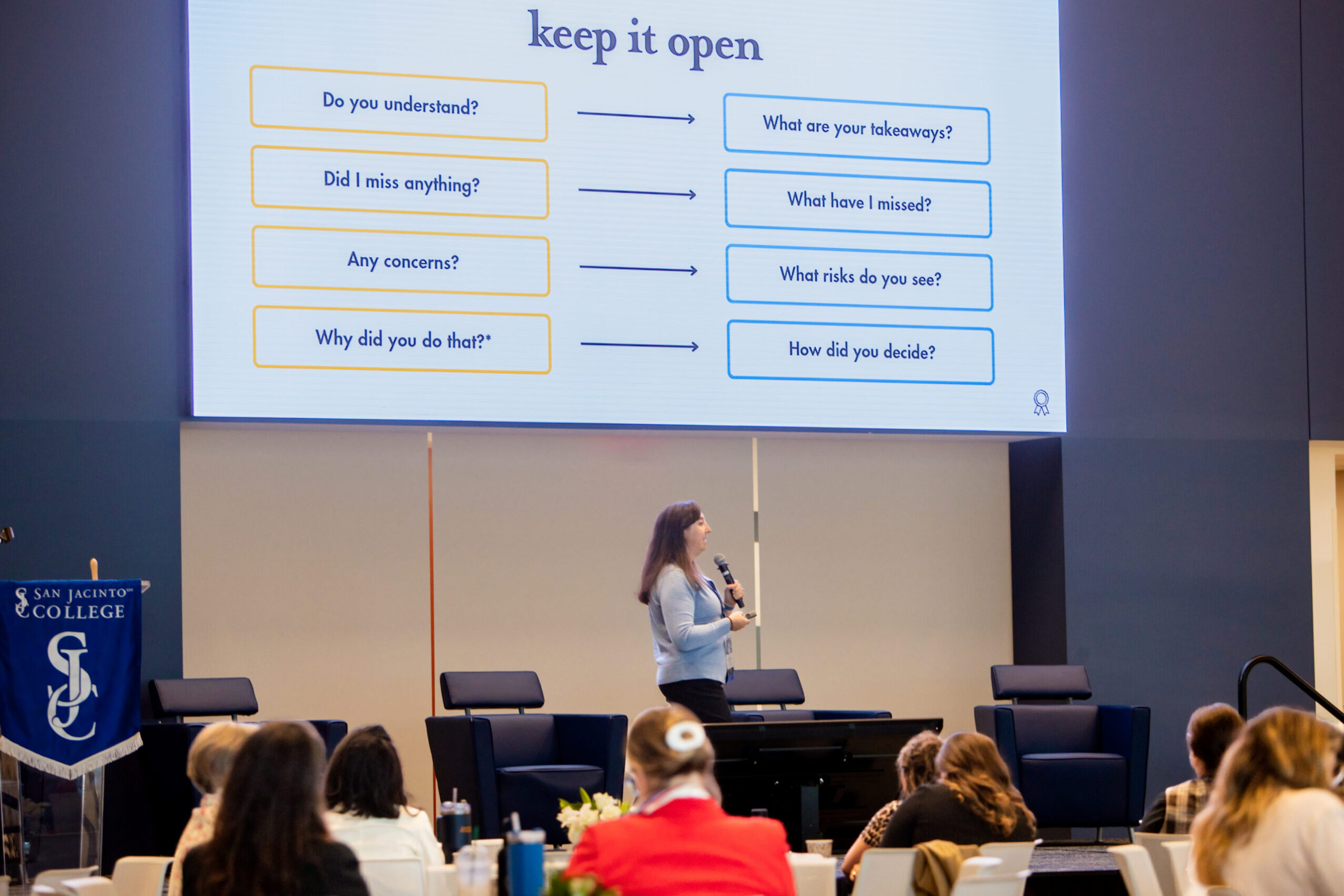
Today we’d like to introduce you to Erica D’Eramo.
Hi Erica, can you start by introducing yourself? We’d love to learn more about how you got to where you are today?
I started my career as a mechanical engineer in the energy industry and spent nearly two decades working across different countries, cultures, and parts of the business. My career took me into operations and leadership, as well as strategy, finance, enterprise risk management, and mergers and acquisitions. That breadth gave me a chance to see how decisions made in one part of an organization play out for the people working in another.
The idea for Two Piers grew out of my time working offshore as an Operations Team Leader, where I was second in command. I had significant responsibility, but very few examples of what leadership could look like for someone like me in that environment. As one of the only women, I was trying to figure out how to lead effectively without simply copying approaches that didn’t necessarily fit me, or the team for that matter.
I went looking for support. There was plenty of leadership advice available, but I struggled to find support that accounted for the realities of that work and the experience of being someone who didn’t fit the familiar picture of a leader. Eventually, I decided to become the support I’d been looking for. That was the beginning of Two Piers.
We initially offered workshops and training for individuals navigating challenging work environments. As the work developed, we expanded into organizational consulting because the conditions people work within matter enormously. Supporting an individual can only go so far if the organization’s processes, expectations, or culture keep creating the same obstacles.
Over time, executive coaching and team coaching became an increasingly central part of our work. Today, Two Piers is a leadership development firm that supports individuals, teams, and organizations through ICF-credentialed executive coaching. I bring my engineering and operations background into that work every day, particularly an appreciation for how people, systems, and working conditions interact. Having held responsibility in demanding environments myself, I know how valuable it can be to have someone you can think things through with, who understands the complexity and helps you find an approach that works for you.
Can you talk to us a bit about the challenges and lessons you’ve learned along the way. Looking back would you say it’s been easy or smooth in retrospect?
It hasn’t been a smooth road, and the bumps certainly didn’t begin with entrepreneurship. My previous career was full of challenges that will probably fill the pages of a book someday. Those experiences taught me that I could handle a great deal, which helped me reframe the risk of starting my own venture. I wanted to determine whether I enjoyed running this business and could sustain it. Regardless of whether the business ultimately succeeded financially, I would have answered that question rather than spending years wondering, “What if?”
I also had some significant advantages that made the transition possible. I initially built Two Piers alongside my corporate career, and a severance opportunity in 2020 gave me the financial runway to focus on it fully. Even with that support, I still had a lot to learn.
One challenge was figuring out how and when to bring in the right help. I came from a large organization where entire departments handled business operations, and I suddenly had to manage them myself. It was tempting to build my small business with all the bells and whistles I was accustomed to. While I wasn’t depending on it for my income, I could afford that approach. Once the business needed to be more profitable, I had to scale some things back and get much more discerning about what support I needed at that particular stage.
Some of those early investments have served us very well: robust contracts, a well-built website, reliable bookkeeping, and efficient systems and processes. Having those foundations in place now puts us in a stronger position to grow and support other coaches who are building their practices. But I had to learn the difference between preparing for growth and carrying more overhead than the business could justify.
The more personal challenge was untangling my identity from my corporate career. I’d spent years being “the engineer” or “the operations leader,” with performance ratings, promotions, and praise for my dedication providing fairly clear signals that I was doing well. Leaving meant figuring out what motivated me without that external validation.
I also missed having a built-in team. Support and camaraderie became things I had to intentionally cultivate, rather than something that came with the job.
Perhaps the biggest adjustment was changing how I measured achievement. Long hours and a full calendar could feel productive, but they didn’t necessarily mean I’d accomplished anything meaningful. Sometimes they meant I’d spent precious time on work that had very little impact. I had to become much more specific about where my time and energy went, what those efforts accomplished, and what deserved my attention. That’s something I still have to practice.
We’ve been impressed with Two Piers Consulting, PBC, but for folks who might not be as familiar, what can you share with them about what you do and what sets you apart from others?
Many people move into leadership because they’re good at their work, only to find themselves facing an entirely different set of demands. They’re responsible for other people’s work, have to have difficult conversations, and make decisions where there may be no obvious right answer. Their own technical expertise only gets them so far. That’s familiar territory for me, and it’s where much of our work at Two Piers begins.
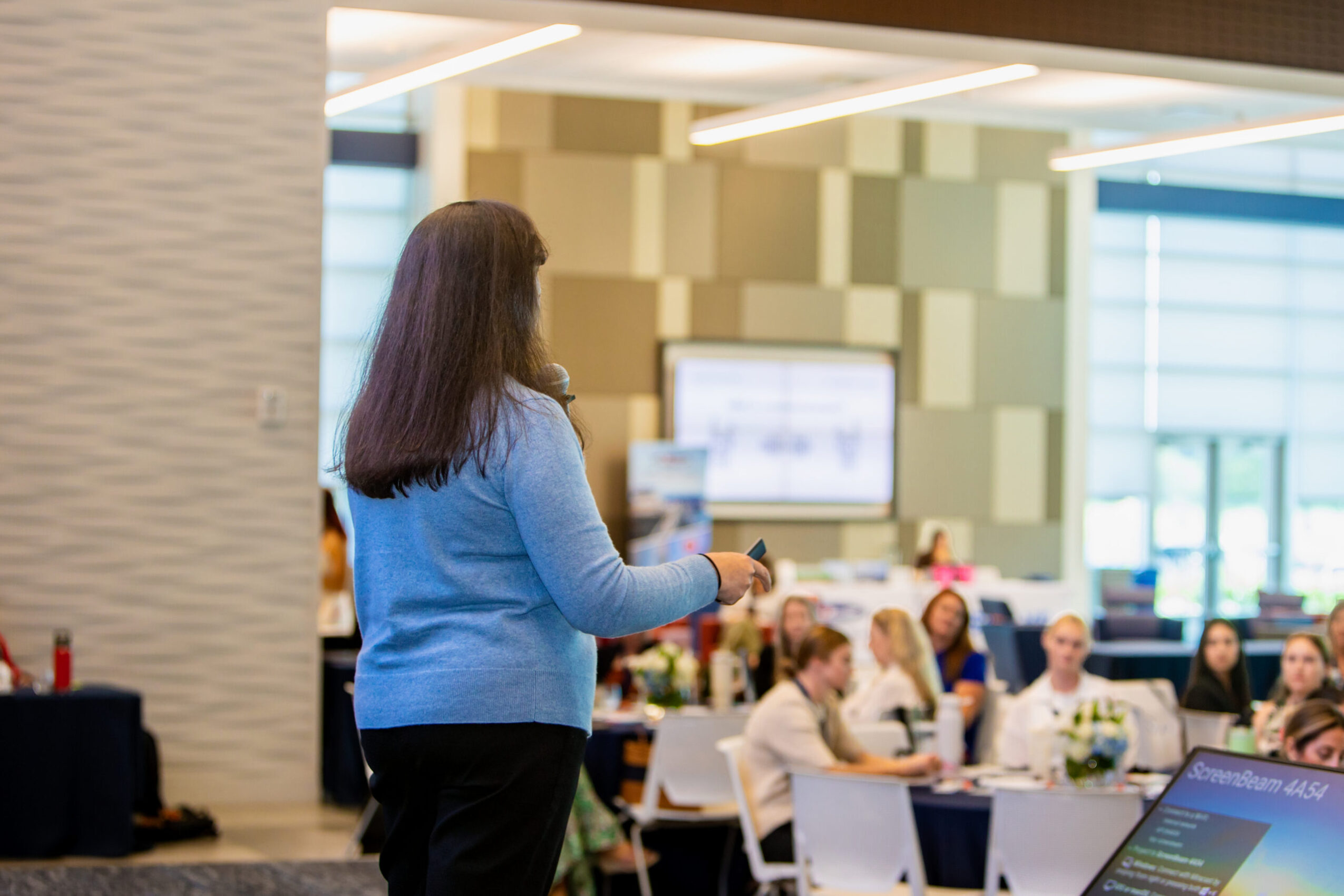
We’re a leadership development firm offering executive and leadership coaching, team coaching, consulting, and workshops. Sometimes we work with an individual navigating a new role or trying to change an approach that no longer serves them. Sometimes we work with a team that has plenty of talented people but is struggling to work well together. And sometimes we help an organization understand what’s getting in the way, whether that’s unclear expectations, processes that create friction, or problems people have stopped talking about.
My engineering and operations background shapes how I approach all of this. I’m interested in how things work, including how humans work together. Having led offshore, I also understand that people don’t always have the luxury of ideal conditions, unlimited resources, or time to deliberate. Whatever we do together has to be useful when they return to their actual work.
I’m also careful not to assume that every difficulty is something an individual needs to fix about themselves. You can spend a lot of time helping someone communicate better, but if their organization routinely penalizes people for raising concerns, there’s a bigger issue to address. Being able to work with both individuals and organizations helps us keep that context in view.
One thing I’m proud of is that Two Piers is a public benefit corporation. When I started the business, I wanted our commitment to societal impact and well-being built into its structure. We publish benefit reports, and I keep returning to questions about who has access to development and whose potential is being overlooked.
Exceptional athletes and performers have coaches in their corner, even at the very top of their game. I see leadership coaching in much the same way. When your decisions and actions affect a lot of people, having someone who helps you examine your thinking, challenges you, and supports your development is a valuable investment. Many of my clients are accomplished leaders who want to keep getting better. I love being able to support that work and see the effect it has on their teams and organizations.
Risk taking is a topic that people have widely differing views on – we’d love to hear your thoughts.
I literally have a background in risk management, and I’m an engineer, so people sometimes assume I’m risk-averse. I describe myself as risk-informed. I’ve jumped out of planes, taken helicopters to work, and hitchhiked across the Caucasus Mountains on my own. I’m comfortable taking risks when I understand what I’m choosing and why.
For me, risk comes down to probability and impact: How likely is something to happen, and what would the consequences be? But those questions are only useful if we’re considering the full picture.
When I decided to leave my corporate career, some people thought I was taking an unimaginably foolish risk. I understood their concern, but they were looking primarily at financial stability. That mattered to me too, and I had ways to reduce both the likelihood and the impact of things going badly, including the severance package that gave me a runway to build the business.
I was also considering the risk of spending years in a career that no longer aligned with what I wanted for my life, then looking back and wondering whether I’d given myself a chance to achieve my potential. For me, the likelihood of that regret, and its impact, outweighed the financial risk I was taking.
We tend to scrutinize the risks of making a change while treating staying put as inherently safe. But staying is a decision with its own possible consequences. I could have remained in my corporate role and been affected by a later round of layoffs with a much less generous package. I wouldn’t have directly initiated that outcome, but I would have left the decision to someone else.
That’s how I try to approach risk: get clear about the upside and downside, identify what I can do to reduce the probability of an unwanted outcome, and understand how I could limit its impact or recover if it happened. Then I ask those same questions about doing nothing.
With Two Piers, I wanted to find out whether I could build a business I enjoyed and could sustain. Even if the answer had turned out to be no, knowing that would have had value. I was willing to accept uncertainty in exchange for giving myself a real chance to find out.
Pricing:
- Leadership Focus: From $5,000 for three months of coaching around a defined leadership challenge or development goal.
- Executive Development: From $10,000 for six months of coaching, assessment, and structured leadership development.
- Executive Impact: From $15,000 for nine months of executive coaching, assessment, and stakeholder engagement.
- Team coaching, workshops, and consulting are priced according to scope.
Contact Info:
- Website: https://www.twopiersconsulting.com/
- LinkedIn: https://www.linkedin.com/company/two-piers-consulting/
- Youtube: https://www.youtube.com/@twopiersconsulting
- Other: https://www.linkedin.com/in/erica-deramo/