




Today we’d like to introduce you to Kayce Clark.
Hi Kayce, can you start by introducing yourself? We’d love to learn more about how you got to where you are today?
I have been performing for literally as long as I can remember. Even my playtime revolved around theatre and performing. But never quite the kind of performing most theatre kids were into. I wasn’t the kid singing the latest Broadway hits. My heart has always been about fifty years behind everyone else’s. My favorites were I Love Lucy, Carol Burnett, White Christmas, Summer Stock, Funny Girl, and basically anything with Gene Kelly. I was the kid putting on roller skates in the garage and pretending I was Fanny Brice, wearing princess dresses around the house, and learning “The Best Things Happen While You’re Dancing” step by step. By my senior year of high school, I had decoupaged pictures of Gene Kelly all over my lunchbox—and this was long before being the quirky kid was particularly cool.
I think the idea for Footlight actually started long before I knew I wanted to create it. See, I’ve always been fascinated by vaudeville. I don’t even know that I could have explained why when I was younger. I just loved it. Looking back, I think what drew me to it was how much it depended on the performer. There wasn’t a massive set or elaborate production carrying the moment. The performer was the show. Someone walked onto a bare stage with only the thing they did exceptionally well, and for the next few minutes, they had to completely win over that room. I loved the raw talent of that—the kind of magic it takes to command a bare stage with nothing but yourself and your gifts. There is a level of difficulty in that kind of performance that the audience may never even notice. But that’s what makes it magic- the greats took something incredibly difficult and made it look effortless. So the vaudeville style performance was always in my heart.
But another piece didn’t really crystallize until later.
One of my favorite musicals has always been Summer Stock. It tells the story of a group of performers who travel together and put on shows as they go. I loved the idea of people rehearsing together, performing together, traveling together, and knowing one another so well that their relationships made the performances stronger. Then I went to college and experienced a version of that myself.
In college, you work with the same people over and over. You don’t meet for one production, close the show, and never work together again. You do the next show together. And the next one. And the next one…..You rehearse together, perform together, take classes together, hang out together, live in the same dorms—you become something much closer than you can really explain. And something happens when performers work together that way- they create a bond and a trust that vastly improves the work.
And suddenly, the second piece of the idea fell into place. The troupe piece.
I remember thinking even back in my college days- how incredible would it be to take what I loved about those old vaudeville troupes and bring it to modern audiences? There was just one fairly significant problem. How in the world do you create that? That kind of chemistry usually takes years. You find one performer, then another, then another, and hope that eventually the right people find one another. The logistics of actually creating the thing I pictured seemed almost impossible. So, honestly, I put the dream on the shelf.
Then I directed Grease at a local community theatre and very shortly after rehearsals began, I noticed something special happening. Real relationships were forming—and much more quickly and deeply than I had typically seen happen during a community production. They were starting to function like a troupe.
And suddenly that old dream snapped right back into focus. But I realized I had one chance to strike while the iron was hot. So I jumped. I. knew if I waited six months or a year, everyone would naturally move on—to another show, another project, another season of life—and this little window might disappear and the dream would go back on the shelf. So instead, I asked people to take a chance on something that didn’t fully exist yet. And they said yes. And Footlight Players was born.
So, in a funny way, Footlight Players feels both brand new and like something I’ve been waiting for my entire life. I don’t know exactly where Footlight will go from here. Of course I have enormous dreams for it. There are things I hope we create and places I hope this company goes. But I never want to lose sight of why it exists in the first place. I don’t want Footlight to simply be a company that puts on shows.
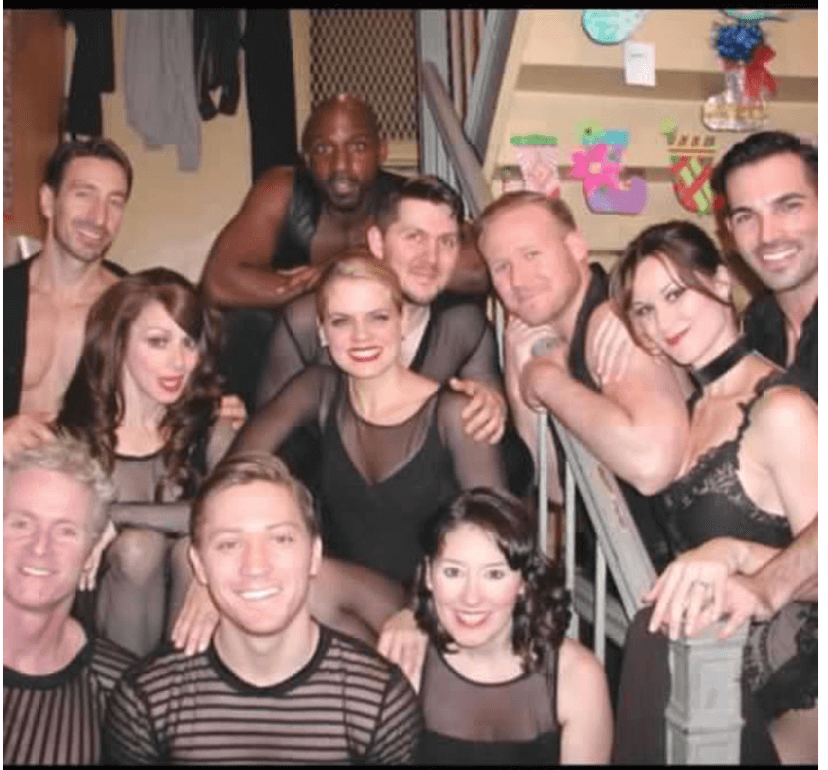
I want it to be a troupe. I want us to become braver artists because we trust the people standing beside us. And I want us to take that art out into the community. I have a particular place in my heart for veterans, senior living communities, hospitals, and people who may have spent their lives loving and supporting the arts but, in this season of life, can’t always get to them. So instead of always asking people to come to us, I want Footlight to go to them. Just like the old Vaudeville circuits.
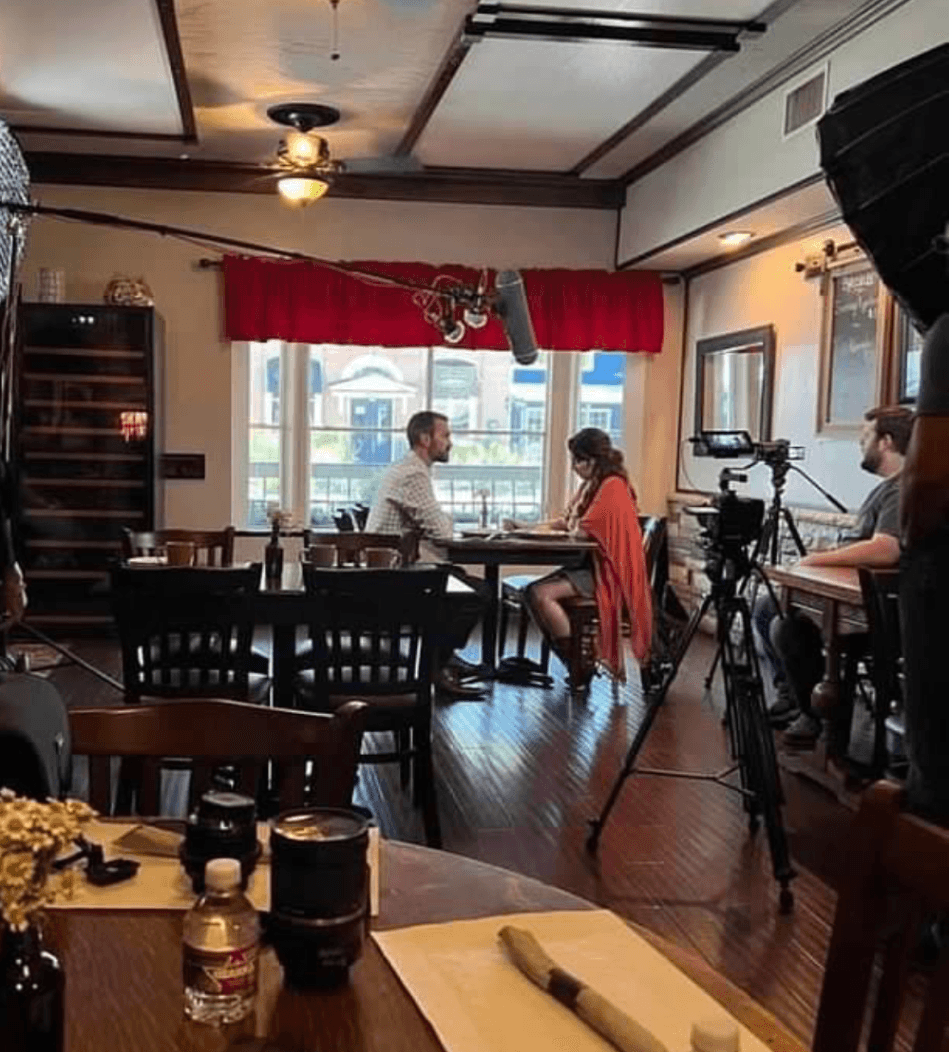
That’s why Footlight doesn’t have a permanent theatre. We have our rehearsal studio, but our performance space moves. We perform in theatres, churches, senior living communities, hospitals, restaurants, community events, historic spaces, and wherever else people gather.
In the end, I guess Footlight isn’t really my attempt to recreate vaudeville. It’s my attempt to carry forward the parts of it I fell in love with in the first place.
I’m sure it wasn’t obstacle-free, but would you say the journey has been fairly smooth so far?
I think the performing arts are always a hard journey in some way. It’s a fight to get started, a fight to keep going, and sometimes a fight to convince yourself that you still belong in the room.
For me, there was also this huge ten-year gap right in the middle of my career. I walked away from performing when I was 30—which, to some people, seemed crazy. Those years are supposed to be some of your prime years as an actress. But I had my three little boys at home and I knew at that point in my life, there really wasn’t a question for me. They were my priority. So, as painful as it was, I “retired”. And then, after a decade away, God gave this part of my life back to me. I don’t take that lightly. I’m incredibly grateful for it.
Coming back hasn’t always been easy, though. I still struggle with the same thing I think a lot of artists struggle with: *Am I good enough? Have I done enough? Am I actually qualified to be doing this?* Especially when you’ve stepped away for ten years, it’s very easy to look around at everyone else’s résumés and feel like you’re behind.
But I think one of the greatest things I’ve learned is that the arts really aren’t about how many shows you’ve been in, which stages you’ve graced, how many degrees you have, or how many awards are sitting on your shelf. Those things are wonderful, but they’re not the reason we do it. We perform because we want to tell stories- make people feel something- to create a special moment.
Thanks for sharing that. So, maybe next you can tell us a bit more about your work?
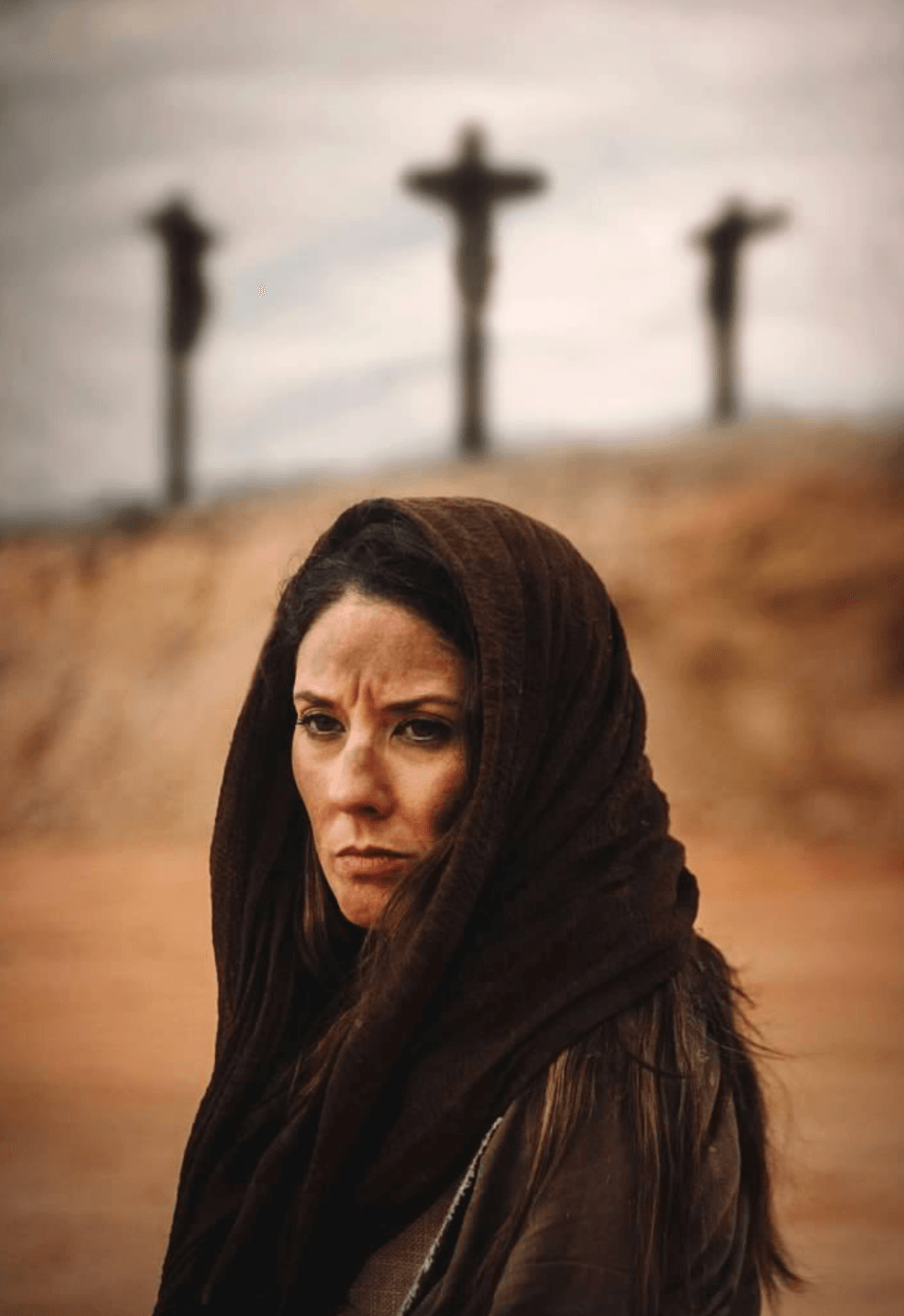
I’ve worn a lot of hats in the performing arts over the years—performer, teacher, director, and now Artistic Director. I have decades of performance experience and have been fortunate enough to perform in numerous states and countries, in everything from professional theatre to community theatre. And I still absolutely love performing. There’s really nothing quite like being onstage.
But the older I get, the more my heart is in teaching and directing.
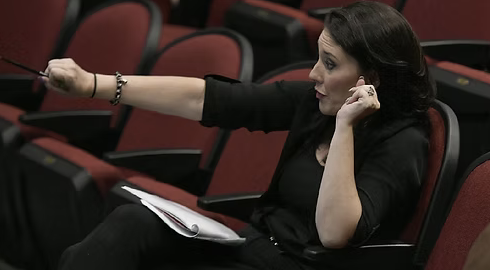
I love helping performers discover what they’re capable of, especially when they don’t quite see it in themselves yet. As a director, I think one of my strengths is seeing the performers themselves and creating a strong dynamic within the cast. I want a production to be excellent, but I also want the people involved to walk away better because they were part of it.
I think my years as a performer have shaped the way I teach and direct, too. I know what it feels like to be on the other side of the table—to audition, to be rejected, to get the role you desperately wanted, to get the role you didn’t want, to struggle with a character, and to have those magical moments when everything suddenly clicks. I’ve experienced this industry at a lot of different levels, and I think that gives me a tremendous amount of empathy for the people I’m directing.
In my coaching and teaching world I think my favorite is character development, I love dissecting a script and showing others how to create great characters and build on them.
How do you define success?
If you had asked me this twenty or thirty years ago, I would have said success was a long run on Broadway and a few Tonys. But I really don’t think that way anymore.
Theatre has such an incredible power to transform a day—for the audience, but also for the people performing. Someone can walk into a room having a terrible day, laugh for an hour, hear a song they love, or get completely lost in a story, and walk out feeling a little different. That matters. And I think as artists, sometimes we get so caught up in whether we’re successful enough or talented enough that we forget why we loved doing this in the first place. If we can get back to the why—because we love telling stories and making people feel something—I think that translates to everyone around us.
For some reason, we’ve also created this idea that there are only so many seats at the artists’ table. Like you have to reach a certain level before what you do really counts. I just don’t believe that anymore. An elementary school theatre teacher who will never win a Tony may introduce hundreds of kids to the arts and give one of them a place where they finally feel like they belong. That person may have a bigger impact than someone with ten Tonys sitting on a shelf.
So these days, I think success is much simpler. Did you make somebody laugh? Did you make their day a little better? Did you help somebody fall in love with the arts? Did you remind yourself why you love it?
If I can do those things, I think I’m doing pretty well.
Contact Info:
- Website: https://www.footlightplayerstx.com
- Instagram: https://www.instagram.com/footlightplayers.tx
- Facebook: https://www.facebook.com/profile.php?id=61590149775400