




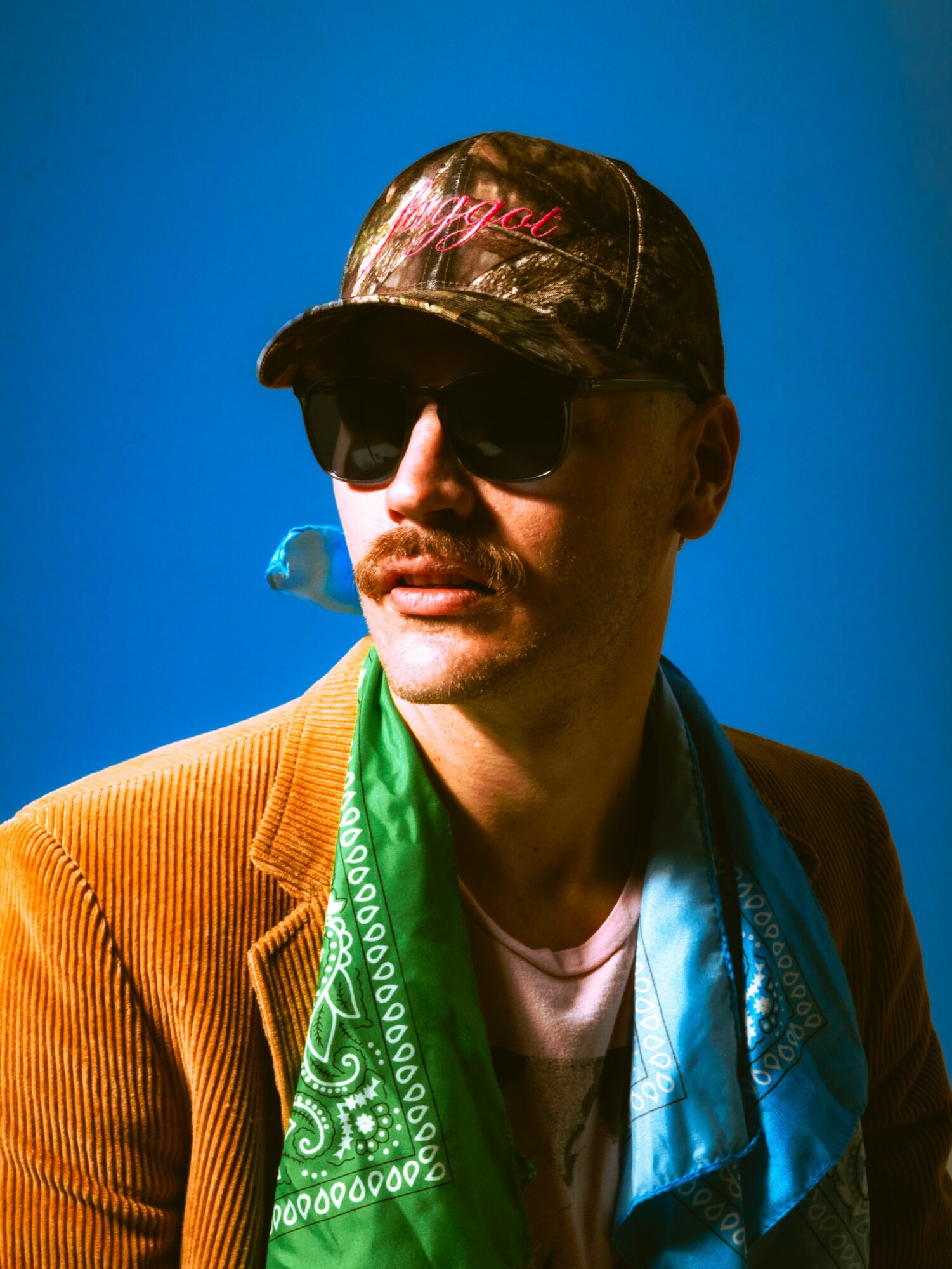
Today we’d like to introduce you to Travis Prokop.
Hi Travis, so excited to have you with us today. What can you tell us about your story?
Originally from New Mexico, I began my career in Canyon/Amarillo, Texas, where I first worked on stage as a soloist with Lone Star Ballet and as dance captain for TEXAS: The Outdoor Musical. The ballet rigor of that performing foundation, alongside the big, populist musical theater, still shows up in the range of what I make now.
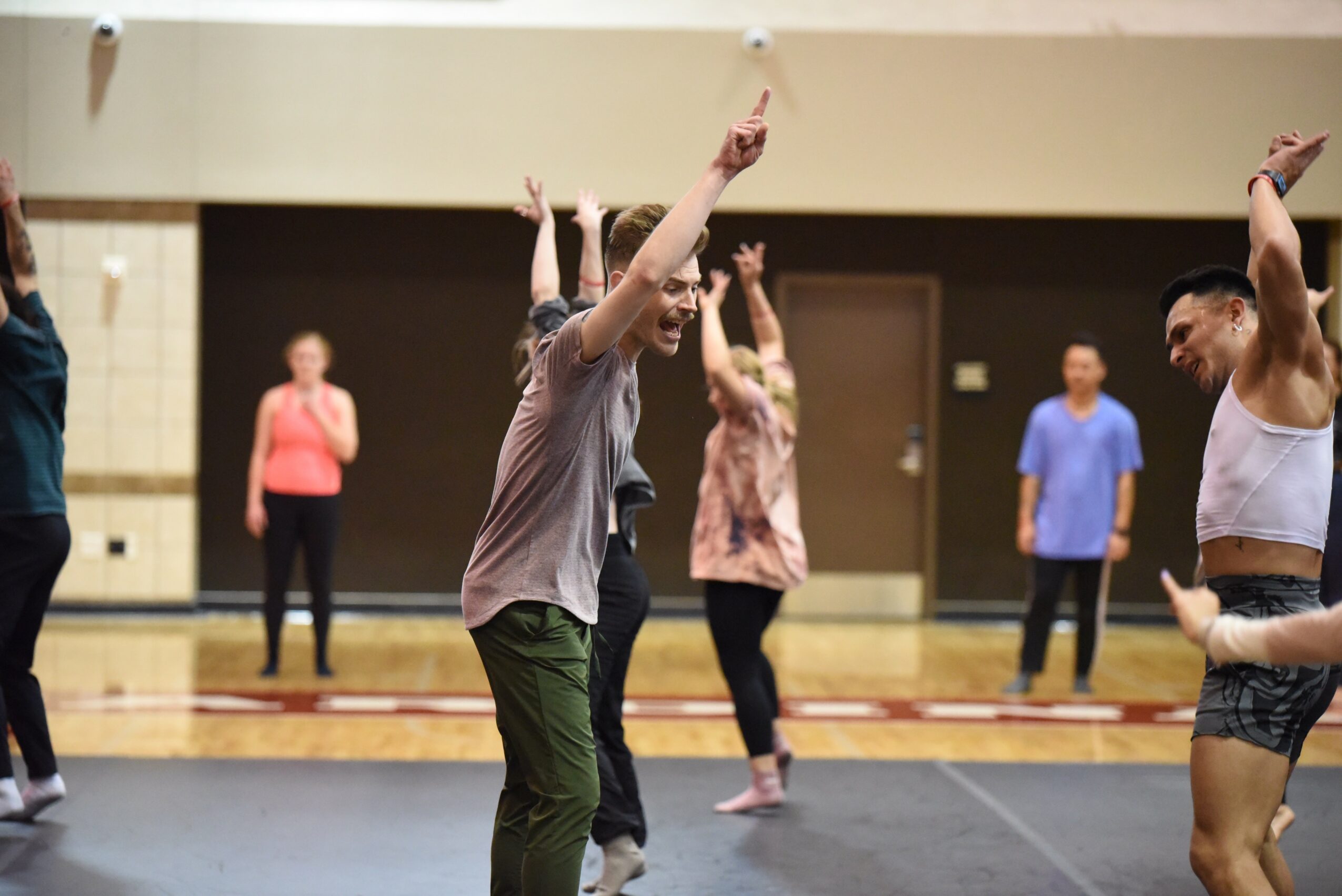
From there, I moved into higher education and stayed. Over more than a decade, I’ve progressed from adjunct to assistant and associate professor roles, eventually landing at the University of Houston’s School of Theatre & Dance, where I also served as Interim Director of Dance before returning to the tenure-track faculty line. Along the way, I built a teaching portfolio spanning Dance Composition, contemporary technique (framed through Laban/Bartenieff), Senior Projects, and the inaugural Broadway Dance Styles course, bringing the same performer-meets-scholar mix to the classroom.
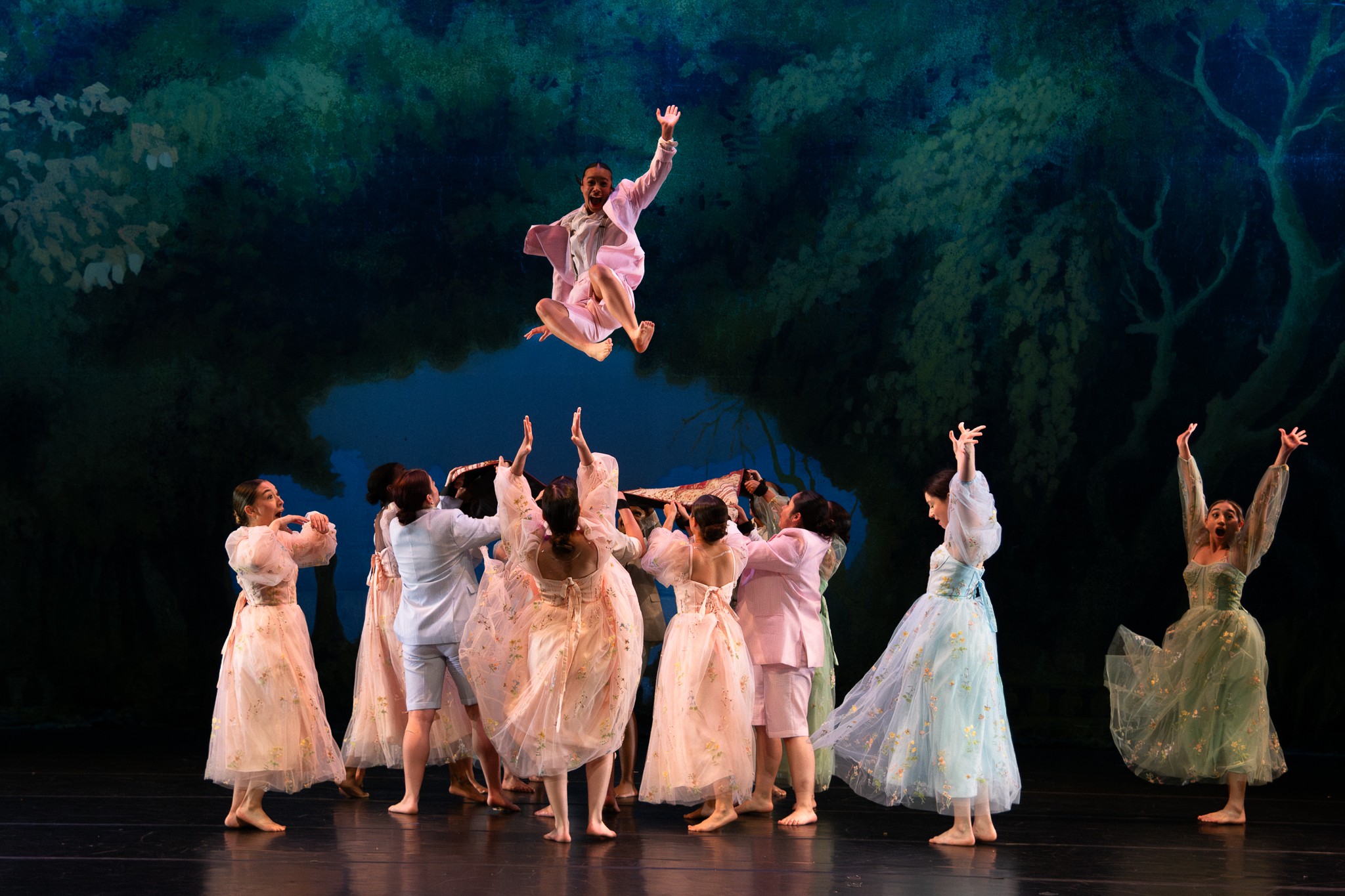
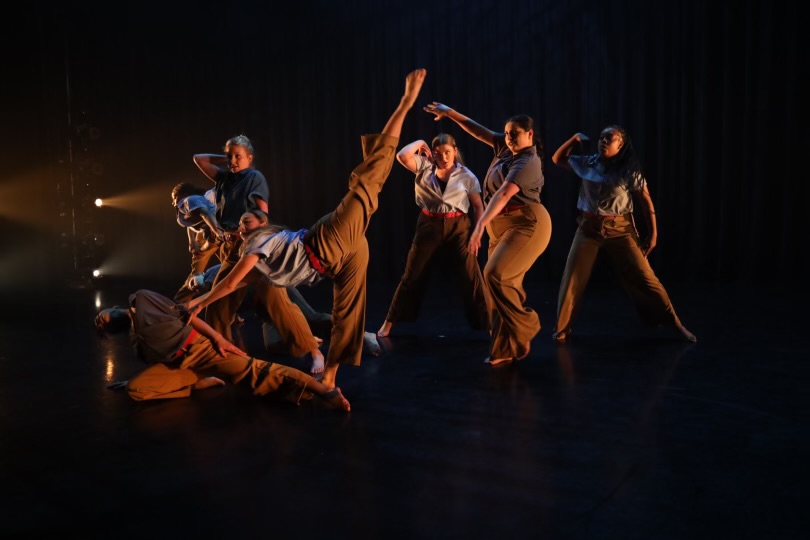
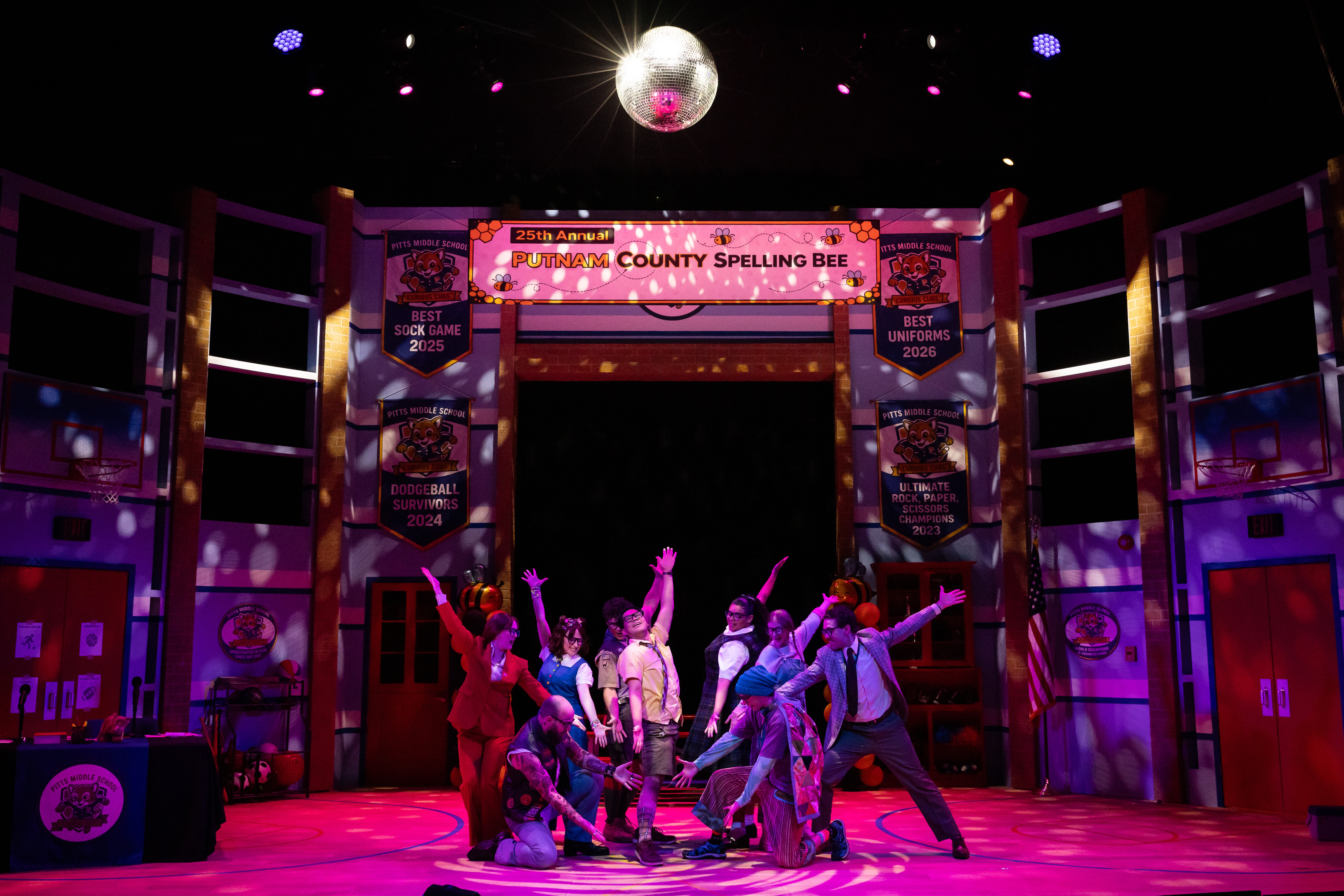
My choreographic identity crystallized around Prokop_Theory Dance, the project-based collective I founded to bring 2SLGBTQIA+ history and culture into concert dance. That mission threads through my catalog: A Friend of Dorothy, which draws on Judy Garland iconography and was presented at Miller Outdoor Theatre; Ball Moderne, which traces the lineage of house and voguing; and CODED, which celebrates the queer community’s coded forms of communication and was performed with Houston drag artist Violet S’Arbleu. Choreography for The 25th Annual Putnam County Spelling Bee with the UH Theatre Department and for The Tempest at Houston Shakespeare Festival rounded out the picture of someone comfortable across concert, film, and theater.
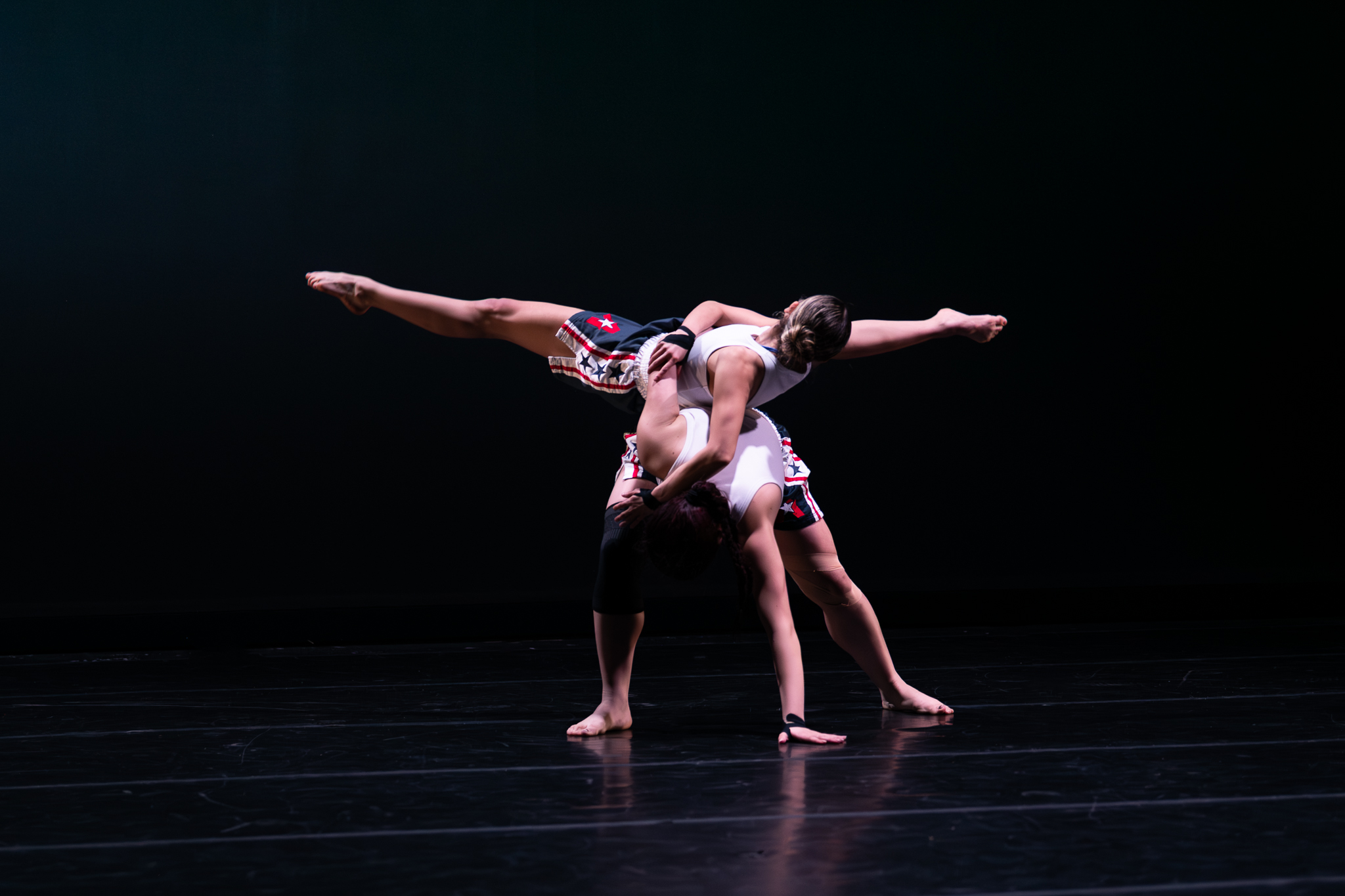
The current chapter is the most expansive, and dance for camera has become a major strand. Carnations, co-created with Bryan Sturavant, grew out of research into Oscar Wilde and Lord Alfred Douglas’s secret relationship and the green carnation as a coded symbol for gay men. It has since traveled to Wicked Queer in Boston, Out in the South in Durham, NC, and DancersShortFF in London. The HAA-funded adaptation of Last-Ditch Effort turns a duet about power dynamics in queer relationships into a film for a February 2027 showcase. On stage, After Party, shown at Dance City Festival Chicago, explores dependency and substance culture. A commission for Social Movement Contemporary Dance premieres at MATCH in September 2026, and High Noon (a full-length, multidisciplinary work examining queer Texas history through Western mythology, featuring ensemble dance, live vocals, drag, and video) follows in October 2027. A dance film concert of my own, built around Last-Ditch Effort, Carnations, and HopeStone Dance’s Horse Latitudes, is on the horizon for early 2027. Intellectually, it all falls under “the body as archive” (the framework I’m now presenting publicly and building my tenure narrative around), with the brand line “dance that doesn’t look away” and the anchor of representing the person who feels unseen.
I’m sure it wasn’t obstacle-free, but would you say the journey has been fairly smooth so far?
Yes, it has been a smooth road, and I think that’s because I decided early on to live confidently within my own brand. Prokop_Theory Dance was never built for everyone, and once I accepted that, the pressure to chase every stage, every festival, and every audience fell away. “Dance that doesn’t look away” is a promise, and the work only has to keep it.
The framework I work from, the body as archive, also keeps the road clear. Every dancer carries history in their body (training, lineage, community, the things they’ve survived and celebrated), and choreography is a way of opening that archive and letting an audience read it. When I’m making from that place, there’s nothing to invent or perform for approval. Ball Moderne holds the lineage of house and voguing; CODED holds a community’s coded language; High Noon holds queer Texas history that was never properly written down; and Carnations holds a secret that men once wore as a flower on their lapel. I’m not manufacturing relevance; I’m retrieving what’s already there and giving it a stage.
That’s also where my brand’s three pillars come from. Expertise is the rigor I bring from ballet, musical theater, and the classroom. Advocacy is the choice to center 2SLGBTQIA+ history and culture in concert dance and to direct proceeds and platforms to organizations like Rainbow Railroad. Legacy is the archive itself, the sense that each piece leaves something for the next person who needs it.
What I’ve learned is that the people who need your work most are the ones who will find it. When you make honestly, from your own history and your own body, the audience you’re actually speaking to recognizes themselves in it, and they show up. My anchor has always been wanting to be the representation for the person who feels unseen. The queer kid in the back row, the artist who has never seen their story onstage, the person who didn’t expect to be moved: they receive the work because it was made for them, not in spite of them. Living authentically in your brand isn’t a marketing choice; it’s what makes the road smooth. It removes the doubt about whether the work will land, because you already know who it’s for and that it’s true.
Thanks for sharing that. So, maybe next you can tell us a bit more about your work?
I’m a choreographer, educator, and founding artistic director of Prokop_Theory Dance, a project-based collective that brings 2SLGBTQIA+ history and culture into concert dance. By day, I’m an Assistant Professor of Dance at the University of Houston, and on most weekends, I’m in rehearsal or behind the camera.
I specialize in turning queer archival research into movement. I call the framework “the body as archive”: the idea that history lives in bodies, in gesture, in lineage, and in the way a community learned to signal to itself when it wasn’t safe to speak. My job is to enter that archive, whether it’s a green carnation on Oscar Wilde’s lapel, the ballroom floor where house and voguing were born, or the largely unwritten queer history of Texas, and bring it into view for an audience. That research appears across concert stages, dance films, and theater, and I move deliberately among those forms. I’ve made work for Miller Outdoor Theatre and MATCH, choreographed for the UH Theatre Department and Houston Shakespeare Festival, and screened my films in Boston, North Carolina, Chicago, and London.
What I’m most proud of is that the work reaches the people it’s for. When someone comes up after a show and says they’ve never seen their own life onstage before, that’s the whole point. I’m also proud that the company has been recognized on its own terms: festival selections across the country and abroad, and grant support from the City of Houston and the Houston Arts Alliance for work that is unapologetically queer and Texan.
What sets me apart is the combination. I came up as a ballet soloist and a musical theater dance captain, so I bring real rigor and showmanship. I’ve spent more than a decade in higher education, so I bring research and pedagogy. And I’m a queer artist from the Southwest who chose to stay and make work in Texas rather than leave. Very few people hold all three at once, and the work only exists because they’re held together.
Where we are in life is often partly because of others. Who/what else deserves credit for how your story turned out?
First, my collaborators, who are really co-authors. The dancers of Prokop_Theory Dance, a project-based company by design, show up for each new piece willing to hold difficult history in their bodies. That trust is the whole foundation. Bryan Sturavant has been behind the camera for most of what I’ve made on film, and Violet S’Arbleu brought CODED to life as a drag artist and creative partner; that piece would not exist without her voice.
Second, the Houston dance community, which has been generous in a way I don’t take for granted, and the Houston Arts Alliance, which has put real funding behind unapologetically queer work. Not every city would do that.
Third, my colleagues at the University of Houston’s School of Theatre & Dance and the Katherine G. McGovern College of the Arts. Teaching alongside people who take pedagogy seriously has made me a better maker, and the department’s willingness to let me choreograph for the Theatre program and the Houston Shakespeare Festival stretched my range in ways I couldn’t have planned. The faculty and peers who have written letters, reviewed my work, and pushed me toward tenure are advocates in the truest sense.
And finally, the audiences. The person who comes up after a show to say they’ve never seen themselves onstage before is the reason the company exists, and every one of them is a cheerleader, whether they know it or not.
Contact Info:
- Instagram: https://www.instagram.com/prokop_theory/
- Facebook: https://www.facebook.com/travis.prokop
- Youtube: https://www.youtube.com/@travisprokop3649