


Today we’d like to introduce you to Japheth Storlie.
Hi Japheth, thanks for sharing your story with us. To start, maybe you can tell our readers some of your backstory.
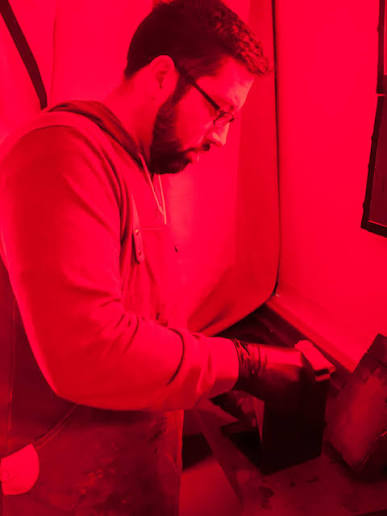
I am a photographer, an artist, and an educator with a passion for historic & alternative photographic processes and equipment.
I graduated from the University of Iowa with a Bachelor of Fine Arts degree in 2005 and completed the Master of Fine Arts program at Louisiana State University in Baton Rouge, Louisiana with a concentration in photography in 2009.
At LSU, I taught traditional black & white, traditional color and digital photography. Since then, I have taught and lectured on various photography techniques and processes from 19th-century photo history to website building and everything in between. I have also worked in various art galleries, museums, organizations, special collections libraries and state archives, documenting and cataloging rare & delicate materials.
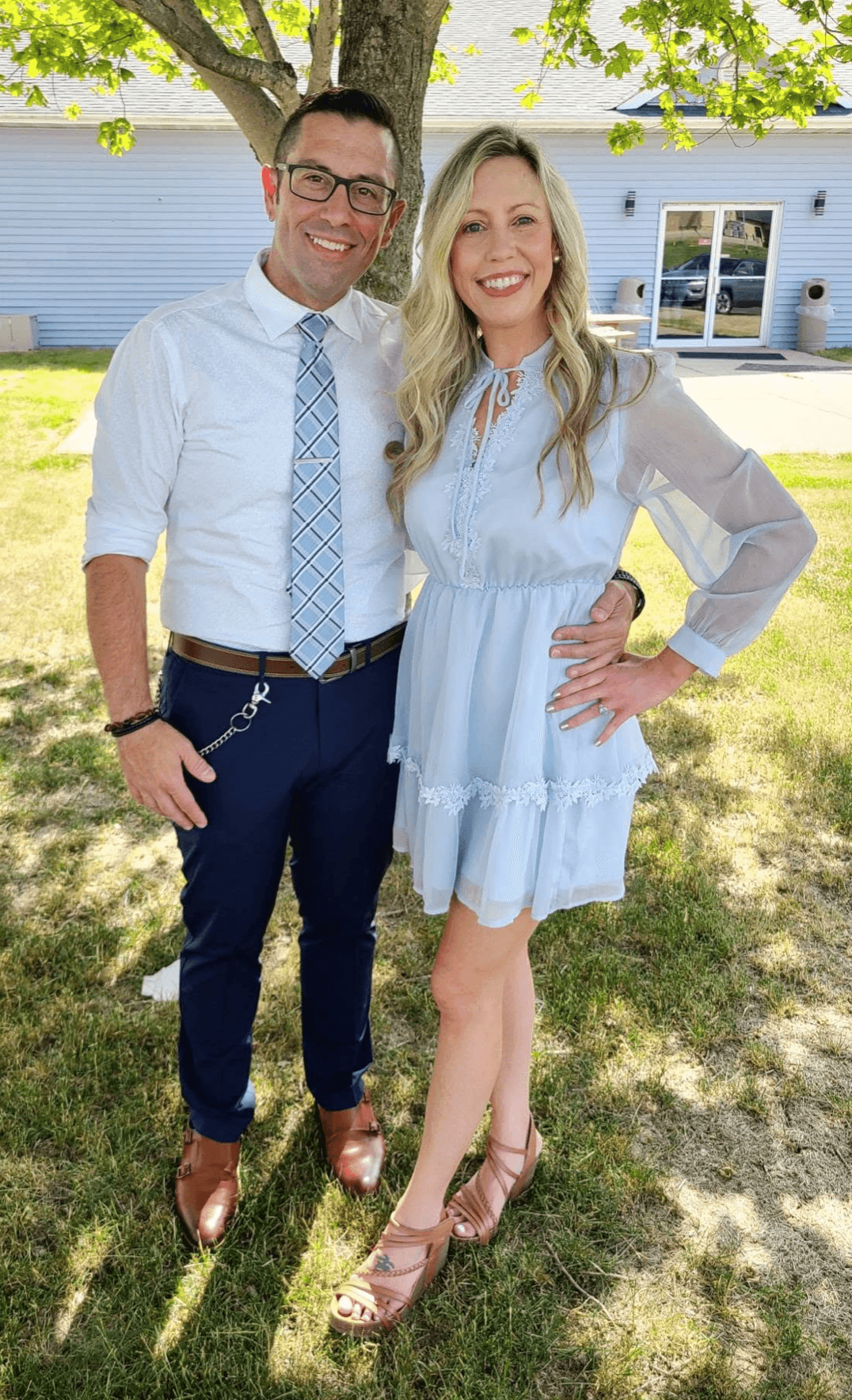
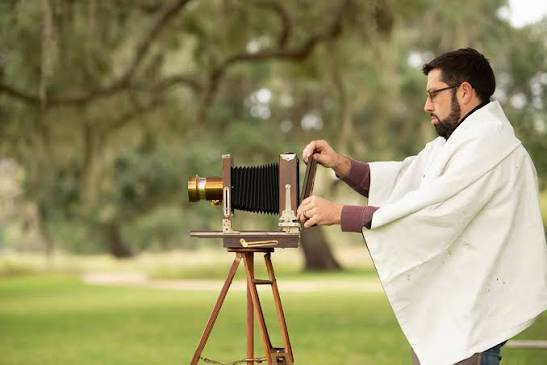
I currently live in Houston, Texas with my wife and our dog, Georgia. I make art, restore antique equipment, and build new “old” cameras. I teach traditional photography processes and serve as the Department Chair of Visual Arts at Episcopal High School.
We all face challenges, but looking back would you describe it as a relatively smooth road?
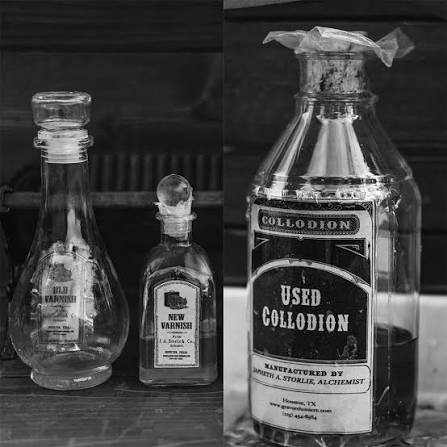
Using a pre-film photographic process comes with many challenges. Unlike digital photography, where you can immediately see your results and make adjustments, these processes require a great deal of patience, preparation, and technical knowledge. There are many variables that can affect the final image—from preparing the chemistry and coating plates to exposure, development, temperature, and environmental conditions.
The process can be unpredictable, and sometimes an image that you have carefully planned simply doesn’t work. You may spend hours preparing for a photograph only to discover that the exposure was incorrect or that something went wrong during development. Learning to accept those failures and understand what they can teach you has been an important part of my growth as an artist.
At the same time, those challenges are exactly what keep me interested in the process. In a digital age where we are accustomed to instant results, working with these historic processes forces me to slow down and be intentional. The imperfections, unpredictability, and physical nature of the process become part of the finished photograph. For me, that is not a limitation-it is what makes the work unique and meaningful.
Thanks – so what else should our readers know about your work and what you’re currently focused on?
I’m an artist and photographer whose work explores memory, place, identity, and the stories embedded in the American landscape. My practice is rooted in photography, but I’m particularly interested in exploring alternative photographic processes in a digital age.
A lot of my work looks at what we think of as “America”-its landscapes, people, traditions, nostalgia, and contradictions. Projects such as American Dreams, Recollections of Paradise Lost, Americana, and Midwest allow me to explore those ideas from different perspectives. I’m interested in the tension between the familiar and the forgotten, and in how photographs can preserve not just what something looked like, but how a place or moment felt.
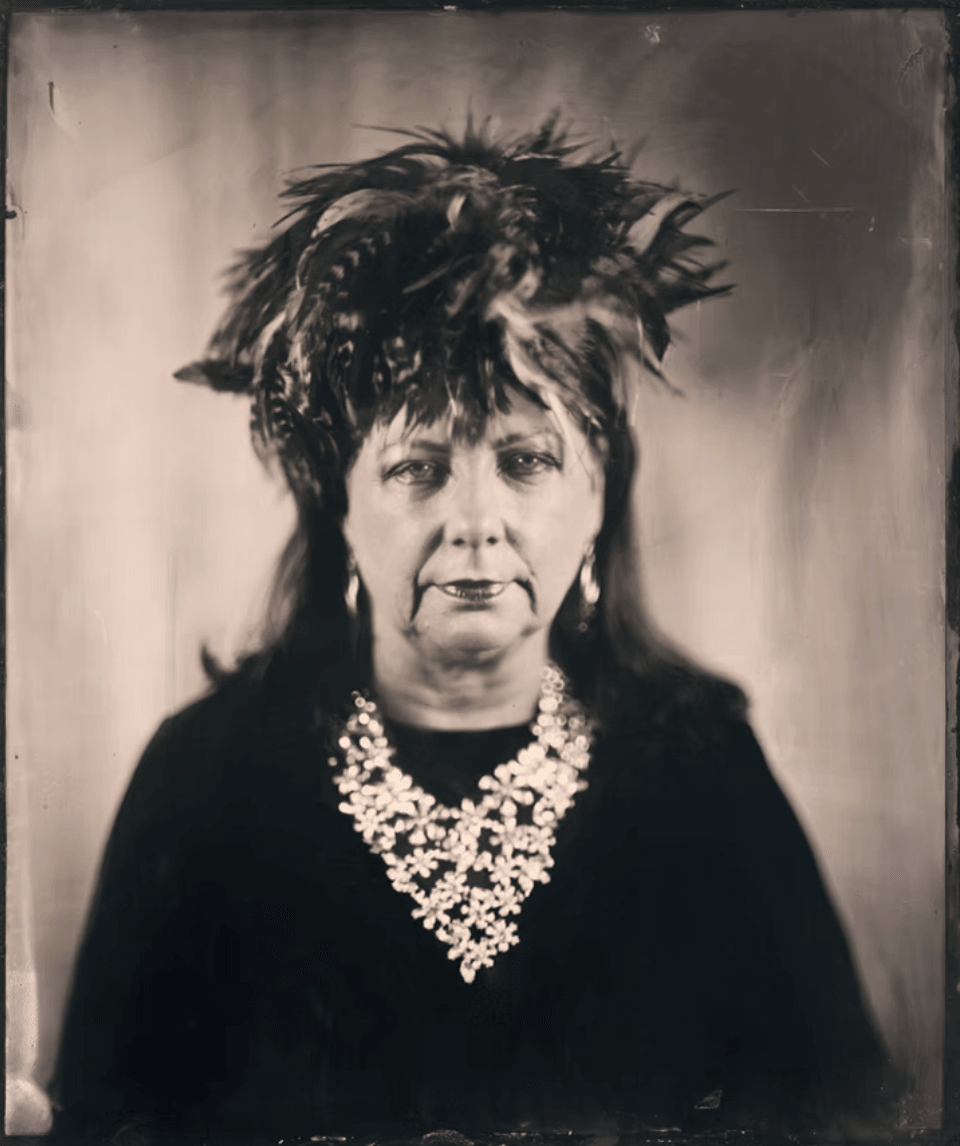
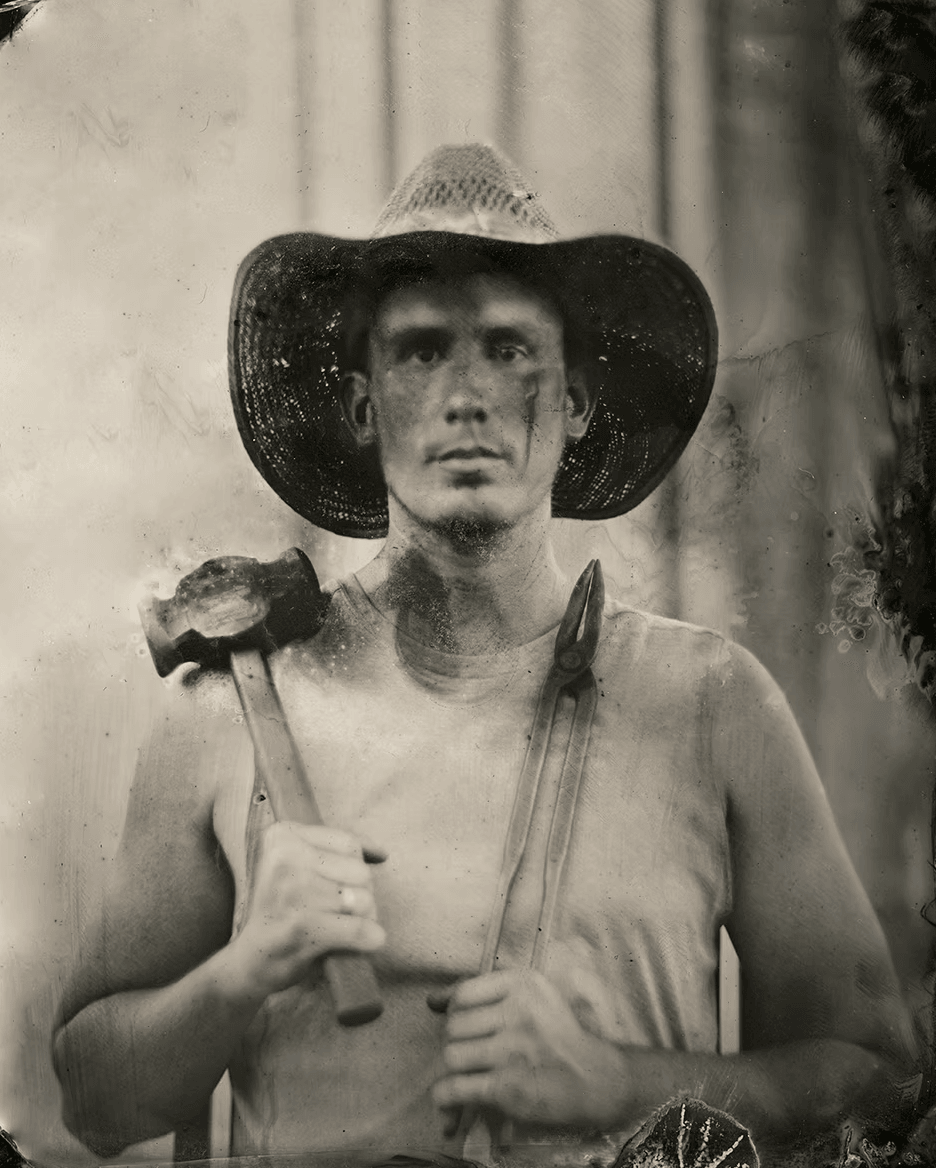
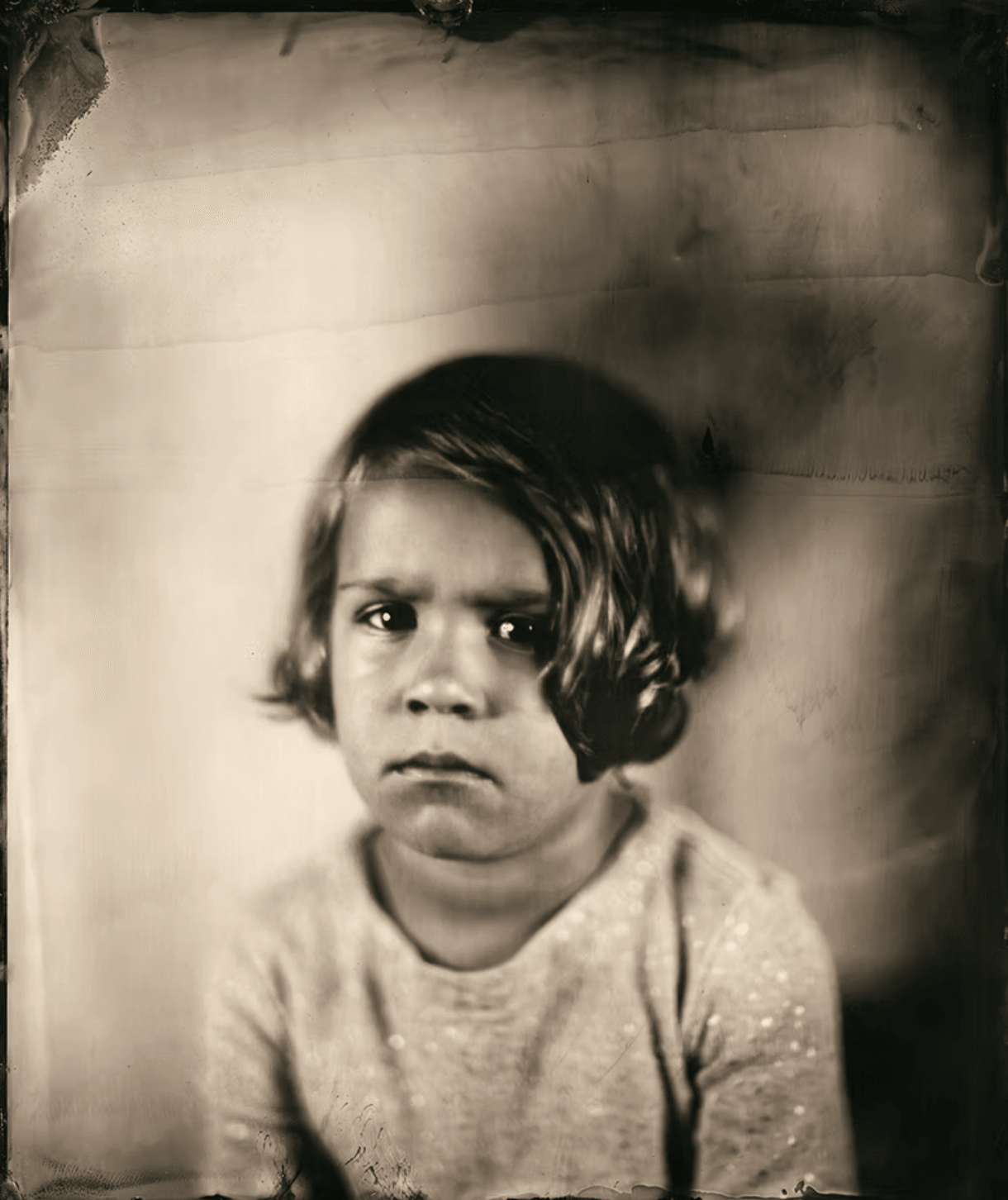
I’m known for working with historic and alternative photographic processes, including tintypes and other hands-on, process-driven approaches. In a world where photography has become increasingly instantaneous, digital, and disposable, I’m fascinated by the slower, more tactile process of creating a photograph. Exploring alternative processes in a digital age allows me to consider not only the image itself, but also the physical act of making it.
What I’m most proud of is developing a body of work that feels genuinely connected to my interests and experiences rather than simply following trends in photography. I also value teaching and sharing the process with others, particularly students, because photography can be both a technical discipline and a powerful way of learning how to see.
What sets my work apart is my interest in photography as more than a means of documentation. I see it as a way to investigate memory, culture, history, and our relationship to place. By combining contemporary ideas with alternative and historic photographic processes, I’m interested in creating work that feels both rooted in the past and relevant to the present. Ultimately, I want the finished image to leave the viewer with a feeling or a question-not simply an image they’ve seen.
https://www.jastorlie.com
What has been the most important lesson you’ve learned along your journey?
The most important lesson I’ve learned along my journey is to trust the process-and to trust my own voice.
There have been plenty of moments when I’ve questioned whether my work was relevant, whether I was moving quickly enough, or whether I should be working in the same way as everyone else. But I’ve learned that the most meaningful work comes from following what genuinely interests me, even when it doesn’t fit neatly into what is currently popular.
That lesson has been especially important in my exploration of alternative photographic processes in a digital age. Photography is constantly changing, but I’ve found that there is value in slowing down, experimenting, making mistakes, and allowing the process itself to influence the work.
I’ve also learned that a creative career isn’t necessarily a straight line. It evolves as you do. The experiences, failures, unexpected opportunities, and changes in perspective all become part of the work. For me, the goal has never been simply to make photographs-it’s been to continue learning, questioning, and finding new ways to see the world.
Contact Info:
- Website: https://www.jastorlie.com