




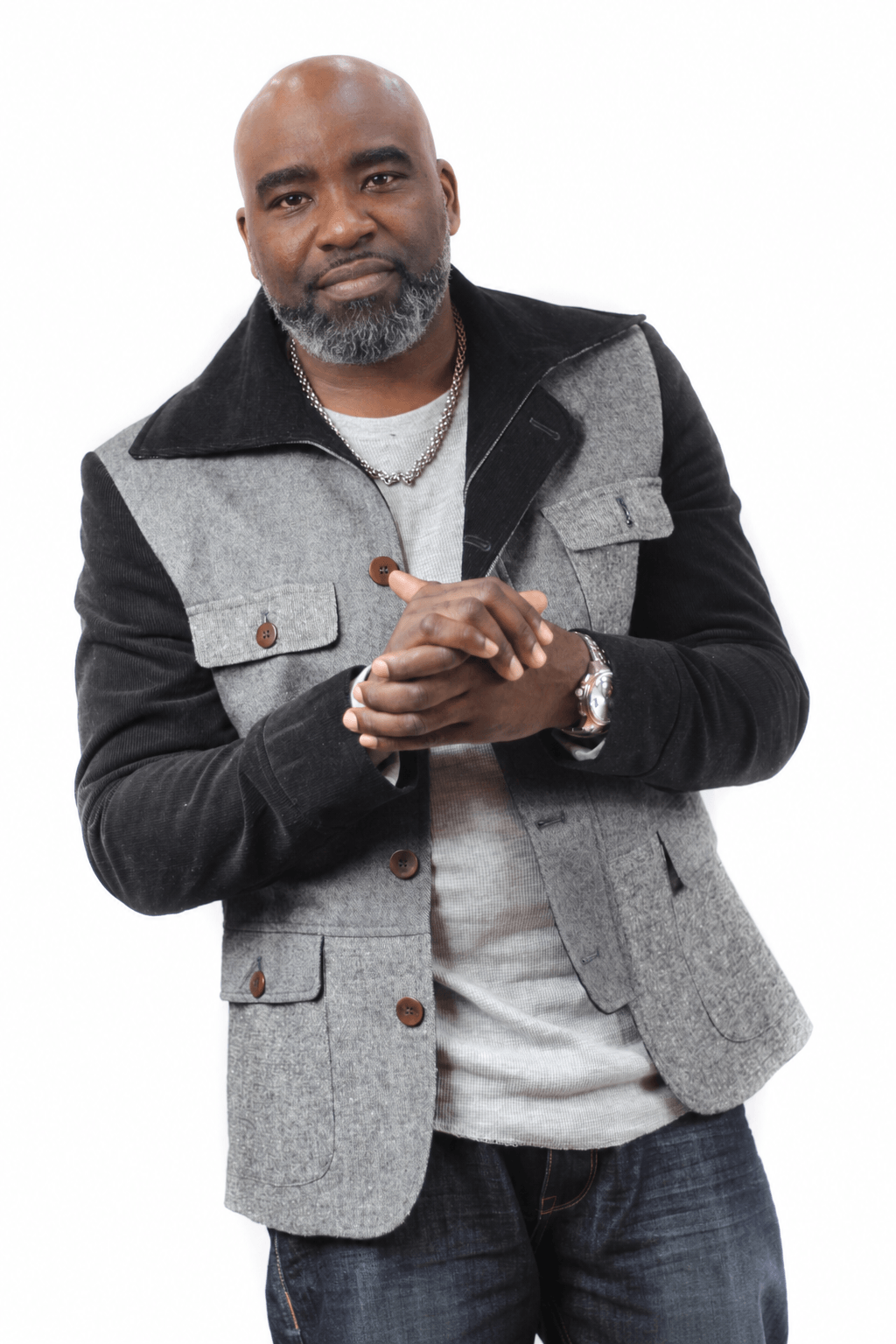
Today we’d like to introduce you to Carlos Wallace.
Hi Carlos, it’s an honor to have you on the platform. Thanks for taking the time to share your story with us – to start maybe you can share some of your backstory with our readers?
I often tell people that life is not complicated, we are, and that philosophy has shaped much of my personal and professional journey. I was born in Athens, Texas, raised in Jacksonville, and grew up surrounded by people who understood the value of hard work, accountability, family, and service. I come from five generations of railroaders, so I learned early that the work you do matters, but the character you demonstrate while doing it matters even more.
My journey has taken me through some interesting places. I served in the United States Navy during Desert Shield/Desert Storm, worked as a correctional officer on Texas Death Row, and spent 23 years as a locomotive engineer with Union Pacific Railroad. Along the way, I became deeply involved in organized labor, representing workers and advocating for people whose voices were not always heard. I retired from the railroad at 45, but retirement was never going to mean sitting around waiting for something to happen. I had too many stories to tell, too many lessons to share, and too much work left to do.
In 2013, I published my first book, Life Is Not Complicated, YOU ARE, which opened doors I never could have imagined. What began as an effort to share lessons from my own experiences eventually developed into opportunities to speak, teach, mentor, and work with students and professionals across the country. My books have been incorporated into college classrooms, and I’ve had the privilege of working with institutions that recognize the importance of character, personal accountability, and critical thinking.
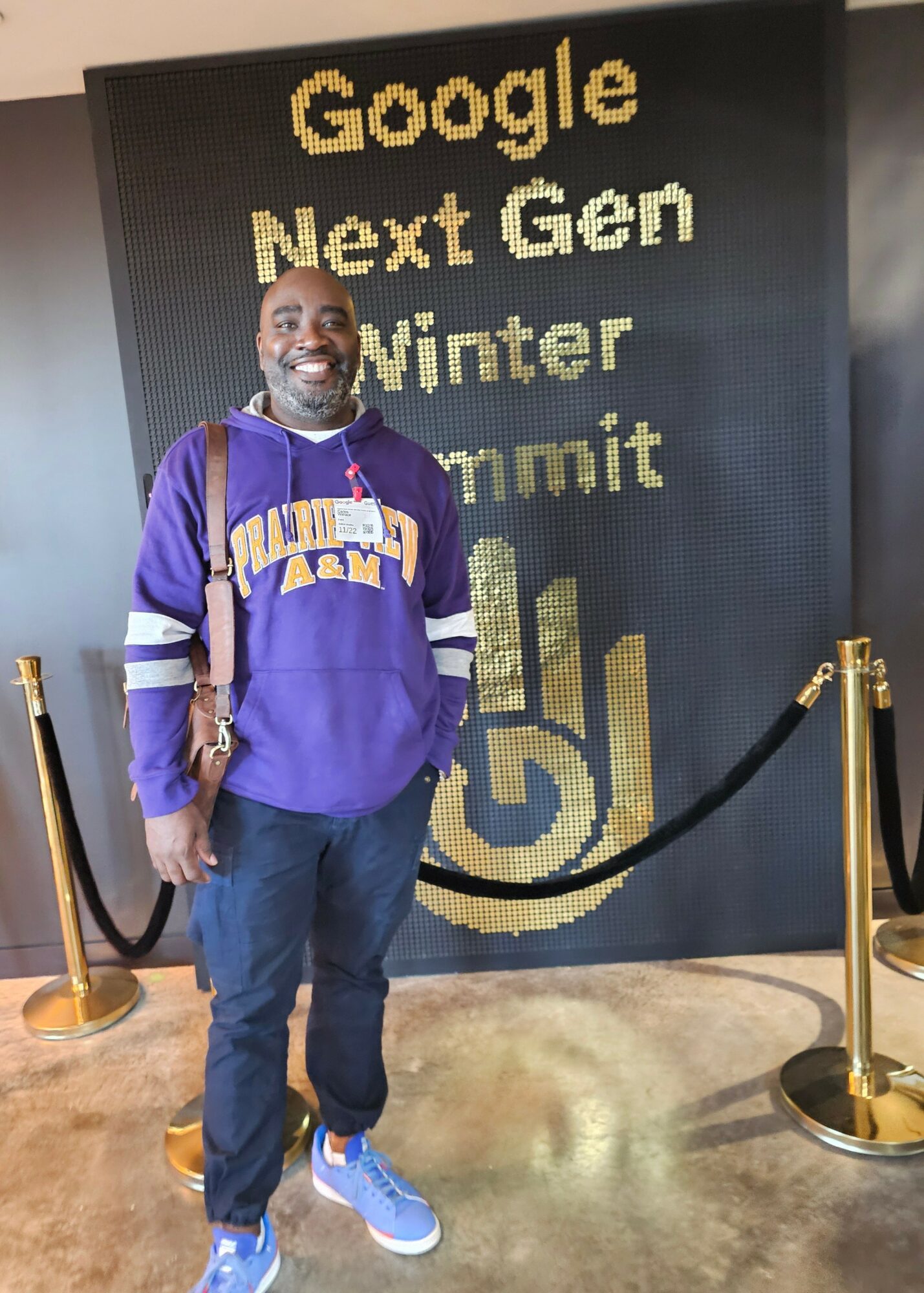
Today, my work extends well beyond writing. Through Sol-Caritas LLC, I’ve developed projects involving publishing, film, education, leadership development, and technology. One of my latest ventures is Character Capital, a personal development platform designed to help people understand how their daily decisions influence their character, opportunities, and ultimately their legacy. I also serve in several advisory and leadership capacities, including working with students at Prairie View A&M University, where investing in the next generation of leaders has become one of the most meaningful parts of my journey.
I’ve experienced tremendous opportunities, but I’ve also experienced loss, disappointment, and moments that forced me to reconsider what really matters. Those experiences have influenced how I write, how I lead, and how I connect with people. I’ve never believed that success should be measured exclusively by titles, money, or recognition. For me, the real measure is whether the things you’ve experienced have made you more useful to somebody else.
When I look at where I started and where I am today, I don’t see a perfectly mapped-out career. I see a lifetime of experiences that eventually found a common purpose. Whether I’m writing a book, speaking to a classroom, mentoring young men, or developing something new, my objective remains the same: challenge people to think differently, take responsibility for their decisions, and recognize the influence they have over their own lives.
Can you talk to us a bit about the challenges and lessons you’ve learned along the way. Looking back would you say it’s been easy or smooth in retrospect?
I don’t know anybody who has lived long enough to accomplish anything meaningful without encountering some difficult roads along the way, and I certainly haven’t been the exception. I’ve experienced professional disappointments, personal betrayals, financial challenges, and the frustration of watching opportunities disappear despite doing everything I believed was right. But some of the most difficult challenges I’ve faced have had absolutely nothing to do with business or professional success.
I lost both of my parents before I turned 40, and those losses changed how I understood responsibility, family, and the uncertainty of life. More recently, I lost my younger brother, Nekia, and that experience has challenged me in ways I am still trying to understand. There is something particularly difficult about being the person others look to for encouragement and perspective while privately trying to make sense of your own grief. I’ve spent years telling people that life isn’t complicated, but I’ve also learned that understanding a principle and finding the strength to apply it during your darkest moments are two entirely different things.
My military service also left me with experiences that followed me long after I took off the uniform. Like many veterans, I’ve had to navigate the emotional consequences of things that aren’t always visible to the people around us. Those experiences, combined with the losses I’ve endured, have made me increasingly aware of how many people are carrying burdens they rarely discuss.
Professionally, one of my greatest challenges was learning to redefine success after retiring from the railroad at 45. I walked away from a career that had provided financial stability, professional identity, and a connection to five generations of my family’s history. Building something entirely different required patience, sacrifice, and a willingness to start over in environments where my previous accomplishments didn’t necessarily mean anything. Publishing books, developing creative projects, and building businesses have taught me that having a good idea is one thing, but getting people to believe in that idea, invest in it, or even give it an opportunity is something else entirely.
I’ve also learned that not everybody who applauds your vision is prepared to support the work required to make it happen. There have been disappointments involving people, partnerships, and projects that forced me to evaluate not only whom I trusted, but how I made decisions. Accountability has always been central to my philosophy, and that means being willing to examine my own mistakes instead of placing the responsibility for every setback on somebody else.
What I’ve come to understand is that resilience doesn’t mean pretending you’re unaffected by what happens to you. Sometimes it means acknowledging that you’re struggling while refusing to allow those struggles to become the final chapter of your story. I’m still learning, still grieving, still making adjustments, and still trying to become better at the things I encourage other people to practice.
I don’t believe every painful experience happens for a reason, and I certainly wouldn’t suggest that losing someone you love is necessary for personal growth. What I do believe is that we have some responsibility for what we choose to do with the experiences life gives us, even when those experiences are unfair, heartbreaking, or completely outside our control. That understanding continues to shape my writing, my leadership, and the way I approach the people who trust me enough to share their own challenges.
Appreciate you sharing that. What should we know about Sol-Caritas LLC?
One of the things I’ve learned over the years is that people sometimes have difficulty understanding a business that doesn’t fit neatly into one category, but I’ve never believed that meaningful work should be limited by somebody else’s definition of what a company is supposed to do. Sol-Caritas LLC is a creative, educational, and leadership development company built around a fairly simple philosophy: the decisions we make, the stories we tell, and the character we demonstrate have a tremendous influence on the lives we ultimately create.
Our work includes publishing, filmmaking, public speaking, educational programming, strategic consulting, and technology development. Although those may appear to be separate industries, I see them as different ways of addressing the same fundamental questions about accountability, personal responsibility, leadership, and the relationships we have with ourselves and others.
As an author, I’ve written books including Life Is Not Complicated, YOU ARE, The Other 99 T.Y.M.E.S., and Why Sell Lies When the Truth Is Free. My books have found their way into college classrooms and educational programs, which is particularly meaningful because I never started writing with the expectation that my personal observations would eventually become part of somebody’s curriculum. I wanted to challenge people to examine their choices, question their assumptions, and recognize how frequently we complicate situations through our own behavior.
That philosophy has also shaped my work as a speaker and educator. I’ve had opportunities to engage students, corporate professionals, labor organizations, and community leaders on subjects ranging from leadership and workplace relationships to personal accountability and decision-making. My approach is grounded in real experiences rather than theories I’ve only encountered in books. I’ve worked in prisons, served in the military, operated locomotives, negotiated and advocated in labor environments, and spent years observing how people respond when their decisions carry real consequences. Those experiences give me perspectives that don’t always come from a traditional classroom or corporate boardroom.
One of the projects I’m particularly excited about is Character Capital, a personal development application we’re building around the idea that character is developed through daily decisions rather than occasional declarations of good intentions. The platform begins with a 30-day foundation addressing self-awareness, discipline, decision-making, communication, influence, and legacy, then transitions into an ongoing practice of intentional living. My objective is to make personal development practical, accessible, and relevant to the challenges people encounter every day, particularly emerging leaders and young adults who are still establishing the habits that will influence their futures.
We’re also involved in film and media projects that explore family relationships, social issues, and the human experiences that deserve more thoughtful conversations. I believe storytelling can create opportunities for understanding that statistics, lectures, and traditional presentations sometimes cannot. When people recognize something familiar in another person’s experience, they become more willing to examine their own.
What separates Sol-Caritas from many traditional companies is that we’re not particularly interested in developing products or programs simply because there happens to be a market for them. I want the things we create to have a purpose beyond generating revenue. That doesn’t mean profitability is unimportant, because a business that cannot sustain itself eventually loses its ability to serve anybody. It means I believe financial success and meaningful social impact should be capable of existing in the same conversation.
I’m also extremely proud of the relationships we’ve developed with educational institutions and community organizations, particularly Prairie View A&M University, where my involvement in leadership development and mentoring allows me to invest directly in young people who will eventually influence their own families, professions, and communities.
Ultimately, I want people to understand that Sol-Caritas is not defined by one show, one application, one film, or one speaking engagement. We’re building a body of work that reflects a consistent commitment to character, culture, education, and accountability. If something we’ve created encourages someone to make a better decision, have a difficult conversation, take responsibility for a mistake, or recognize an opportunity they previously overlooked, then we’ve accomplished something worth being proud of.
I’ve never been particularly interested in being the smartest person in the room. I’m far more interested in being part of the reason someone leaves the room thinking differently than when they entered it.
What matters most to you? Why?
I’ve reached a point in my life where I’m far less concerned about what people think of my accomplishments and much more concerned about what those accomplishments mean to the people around me. I’ve had a remarkable journey, experienced things I never imagined, and enjoyed opportunities that a young boy growing up in East Texas couldn’t have predicted, but the older I get, the more I realize that none of it means very much if the people I love and the communities I care about aren’t better because I was here.
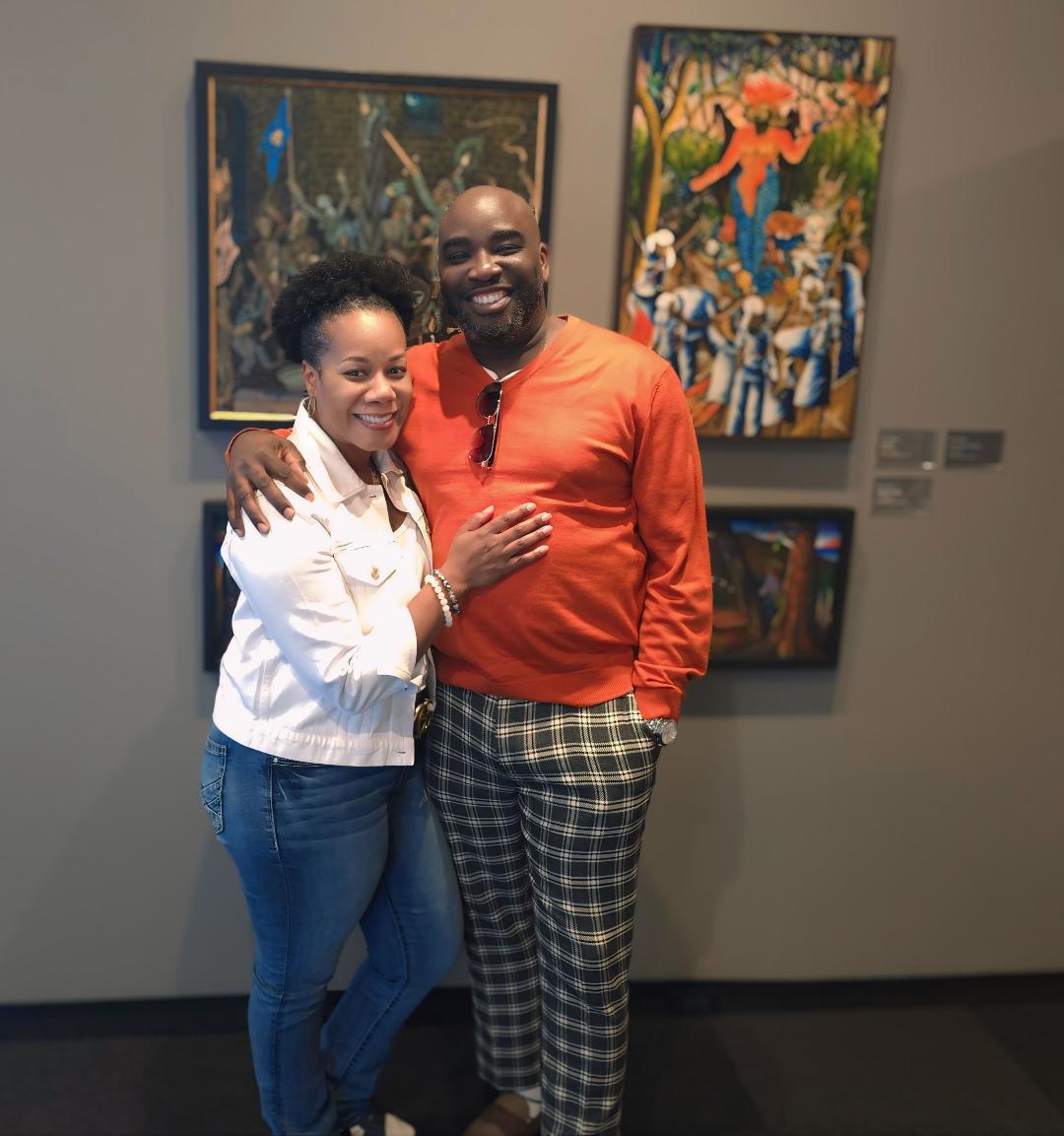
My family is at the center of that understanding. I’m a husband, the father of five daughters, and a grandfather, and while I take tremendous pride in the things I’ve accomplished professionally, nothing compares to watching my children establish their own identities, pursue their dreams, and build lives that reflect their own values. I want them to remember more than what their father accomplished. I want them to remember how I treated people, how I handled adversity, and whether the principles I spent years writing and speaking about were reflected in the way I actually lived.
Losing my parents before I turned 40 changed my perspective on life, but losing my younger brother, Nekia, earlier this year has challenged me in ways I’m still trying to process. Grief has a way of exposing the difference between what we believe we understand and what we’re actually prepared to experience. I’ve spent years encouraging people, writing about accountability, and helping others navigate difficult circumstances, but none of that makes me immune to pain, uncertainty, or the need for someone to encourage me occasionally. I’m learning that being strong doesn’t mean having all the answers, and being the person people depend on doesn’t eliminate your own need for understanding, patience, and support.
Something else that matters tremendously to me is making sure the next generation has access to opportunities, relationships, and resources that weren’t always available to those who came before them. My work with young people, particularly the young men I mentor at Prairie View A&M University, isn’t about creating another program that looks impressive on paper. I want these young men to understand that somebody is genuinely invested in their success, that accountability is an expression of concern rather than condemnation, and that their circumstances don’t have to determine the limits of their potential. I’ve lived long enough to know that talent can open a door, but character, discipline, and the decisions made when nobody is watching often determine whether that door stays open.
I also believe we’ve become far too comfortable celebrating success without examining the responsibilities that should accompany it. There’s nothing wrong with wanting financial security, recognition, or professional achievement, but I question what any of those things are worth if we become so consumed with acquiring them that we overlook the people who helped us get there. I don’t believe success obligates us to save everybody, but I do believe it should make us more aware of our ability to help somebody.
And somewhere in all of that, I’ve learned the importance of enjoying the life I’m working so hard to build. I love spending time with my wife, laughing with my family, traveling, creating new things, and occasionally doing absolutely nothing without feeling obligated to justify it. I’ve buried too many people I love to continue believing that everything meaningful can be postponed until tomorrow.
If you ask me what matters most, my answer is pretty simple. I want to live long enough to enjoy the people I love, remain healthy enough to appreciate the opportunities I’ve earned, and continue doing work that makes a meaningful difference. I want my children and grandchildren to inherit more than memories of a man who stayed busy, and I want the young people I encounter to understand that their lives have value beyond whatever circumstances they’re currently facing.
One of my favorite quotes, and something I’ve said for years, is that the question and the answer is in the mirror. I believe that because we spend an extraordinary amount of time examining what other people are doing while avoiding the responsibility of examining ourselves. At the end of the day, I can’t control how everybody else chooses to live, but I can control the decisions I make, the character I demonstrate, and the influence I have on the people who allow me into their lives.
That’s what matters to me, and with every passing year, I’m becoming more intentional about making sure my life reflects it.
Contact Info:
- Website: https://carloswallace.com/
- Instagram: @MrCarlosWallace
- Facebook: https://www.facebook.com/CEO.CarlosWallace
- LinkedIn: https://www.linkedin.com/in/authorcarlos-wallace/
- Youtube: https://www.youtube.com/@MrCarlosWallace