





Today we’d like to introduce you to Tina Alizah Shahar.
Tina Alizah, we appreciate you taking the time to share your story with us today. Where does your story begin?
I didn’t start TASL Health because I wanted to build a business.
I started it because the system I was trained in wasn’t solving the problems I was seeing—or living.
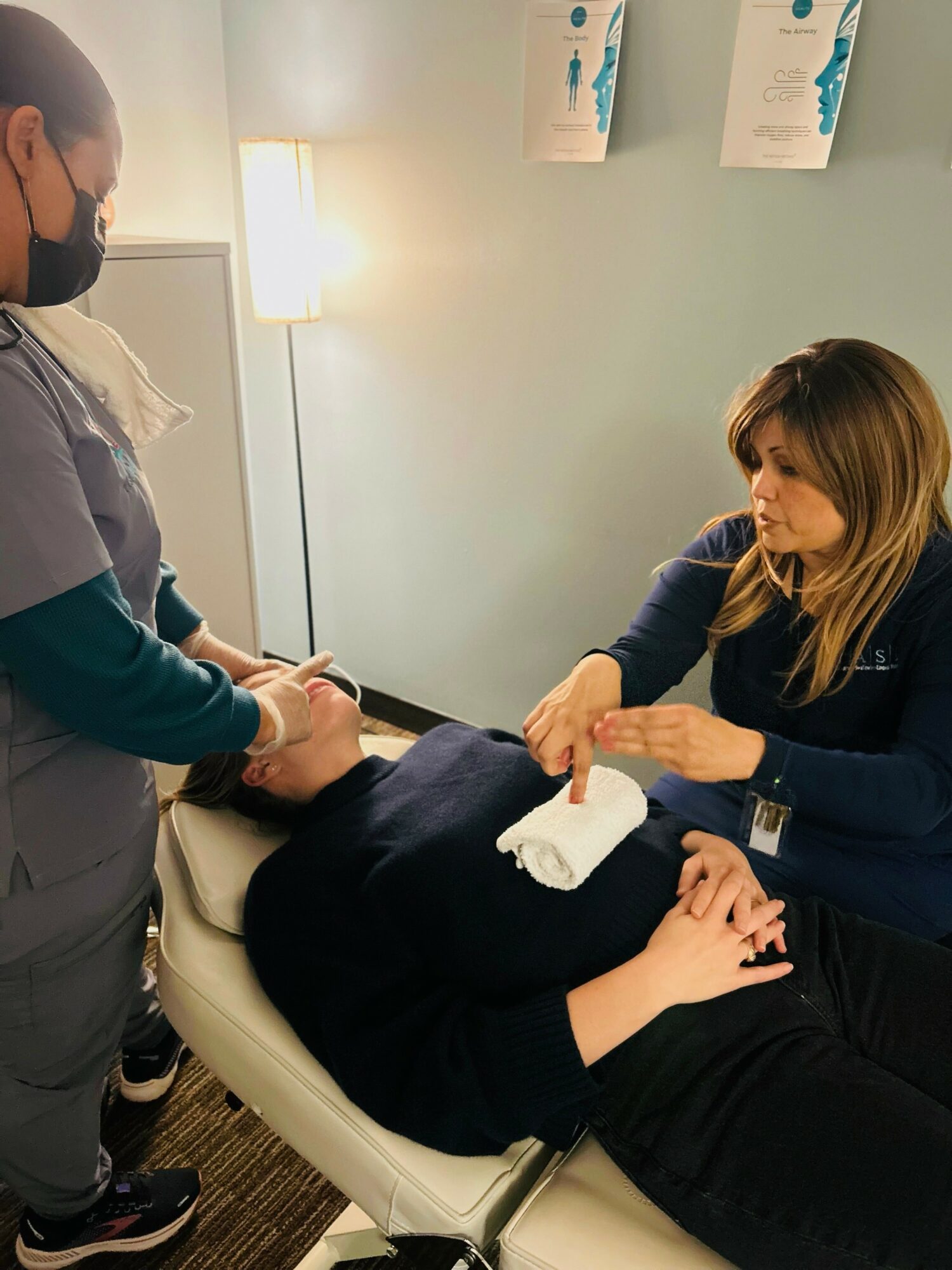
For over 20 years, I’ve worked as a medical speech pathologist, specializing in swallowing disorders. Early in my career, I began noticing a pattern that didn’t quite fit into traditional boxes. Patients weren’t just struggling with swallowing—they were dealing with jaw pain, airway issues, poor sleep, and chronic tension.
Everything was connected, but the system was treating each piece in isolation.
At the same time, this wasn’t just professional—it was deeply personal.
I had my own challenges with jaw dysfunction and sleep. My children faced swallowing disorders, tongue ties, and nervous system-related issues. I wasn’t just observing these patterns clinically—I was living them every day.
That’s when everything shifted.
I realized that what we were calling “symptoms” were actually adaptive strategies—the body’s way of compensating when something deeper wasn’t functioning well. The jaw wasn’t the problem. The airway wasn’t the problem. Even swallowing wasn’t the problem.
They were all part of a larger system trying to stabilize itself.
That realization led me down a different path.
I pursued advanced training in craniosacral therapy, oral motor function, airway-focused care, and nervous system regulation, while also conducting clinical research on the relationship between swallowing and sleep-disordered breathing.
From that work, I developed what is now the Nefesh Method at TASL Health—a systems-based approach built on seven integrated pillars, addressing airway, posture, lymphatics, nervous system regulation, muscle function, relaxation, and jaw mechanics.
Almost six years ago, in August, I founded TASL Health with a clear mission:
to bridge the gap between disciplines and treat the body as an integrated system—not a collection of isolated symptoms.
At the core of our work is our integrated Jaw and Sleep Program—because clenching, grinding, and jaw dysfunction are not just dental issues. They are most often driven by airway instability and central nervous system dysregulation.
When the airway is not supported and the nervous system remains in a heightened state, the body compensates—often through clenching, bracing, and altered jaw mechanics.
By addressing the body in the correct sequence—Body → Airway → Function—we’ve been able to help patients move from chronic clenching, grinding, and even moderate to more severe sleep-disordered breathing patterns toward significantly improved function and measurable outcomes.
Over the past six years, we’ve worked with thousands of patients, many of whom came to us after trying multiple fragmented approaches without lasting results.
From this framework, we’ve built structured, phase-based programs that support the full continuum of care—including tongue tie recovery, postpartum and menopausal support, and complex surgical preparation and recovery.
Today, TASL Health is the only practice in Houston offering a comprehensive jaw surgery preparation and recovery program, supporting patients before and after procedures like orthognathic and TMJ surgery with a systems-based, nervous-system–informed approach.
Because when patients undergo treatment or surgery without addressing the underlying system, the patterns often return.
Our work changes that.
Today, we help patients finally understand what’s happening in their bodies—and more importantly, how to change it.
Because when you restore the system, not just the symptom,
the body stops compensating—and returns to function.
Would you say it’s been a smooth road, and if not what are some of the biggest challenges you’ve faced along the way?
It definitely has not been a smooth road—but it has been a meaningful one.
When I started TASL Health almost six years ago, what we do today didn’t really exist in a clear, structured way—especially not in a systems-based, integrated model.
One of the biggest challenges early on was education.
We were introducing a completely different way of thinking—not just to patients, but to other providers. Orthodontists, dentists, and even oral surgeons performing jaw surgery were often not looking at recovery, airway, or nervous system integration as part of the full treatment process.
At that time, even concepts like myofunctional therapy were not widely understood. Today, it has become much more mainstream—even a buzzword in some spaces.
But what we’ve seen clinically is that myofunctional therapy is only one piece of a much larger system.
If you only address muscle function without addressing airway, diaphragm, nervous system regulation, and structural alignment, the body will continue to compensate.
That was a major challenge—helping both patients and providers understand that we weren’t offering a single modality. We were introducing a fully integrated system of care.
We’re not a service-based practice. We’re a program-based, phase-driven model, where each phase builds on the next.
And that created friction.
Because most people are used to treating problems in pieces.
But the body doesn’t work in pieces.
Another challenge is that by the time patients reach us, they’ve often tried everything else.
They’re frustrated. They’re skeptical. And rightfully so.
So part of our work has been not just delivering care—but helping them understand why this approach is different and rebuilding trust.
We also had to learn an important truth along the way:
we can’t help everyone—and not everyone is ready for this level of work.
Behind the scenes, we were also refining the method itself.
The Nefesh Method didn’t come together overnight. It evolved through years of clinical experience, testing, and integration—bringing together airway, nervous system regulation, lymphatics, posture, and oral function into one cohesive model.
Then came another challenge: how do you deliver something this complex in a way that is consistent and scalable?
That led us to build a structured training system.
Today, practitioners at TASL Health go through a rigorous process before ever seeing a patient, because this work requires a deep understanding of how all of these systems interact—not just isolated techniques.
We also built strong collaborations with other providers to ensure patients receive complete, coordinated care, not fragmented treatment.
Looking back, every challenge pushed us to become more clear, more structured, and more aligned with our mission.
So no—it hasn’t been a smooth road.
But those challenges are exactly what allowed us to build something that truly works—because we don’t just treat parts of the problem.
We treat the system as a whole.
Appreciate you sharing that. What should we know about TASL Health?
TASL Health is a systems-based health practice focused on restoring function across the entire body—not just isolated symptoms.
While many patients initially come to us for jaw pain, clenching, TMJ dysfunction, or sleep-related concerns, what we consistently find is that these issues are part of a much larger, interconnected system.
That’s why our work is built around the TASL Health Nefesh Method™—our proprietary, trademarked framework grounded in seven core pillars:
• airway optimization
• posture and alignment
• lymphatic system support
• central nervous system regulation
• muscle repatterning and oral motor function
• balance and relaxation
• jaw function, chewing, and swallowing
These pillars allow us to understand not just what is happening in the body—but why.
What We Do
At the core of TASL Health is our integrated Jaw and Sleep Program, where we address clenching, grinding, TMJ dysfunction, and sleep-related concerns through a systems-based approach.
What makes our approach different is that we do not treat jaw issues as isolated dental problems—and we do not rely on appliances as the primary solution.
Instead, we focus on restoring function.
Because in many cases, clenching and grinding are driven by airway instability and nervous system dysregulation, not just the position of the teeth.
When the body doesn’t feel stable—especially during sleep—it compensates.
And the jaw becomes that point of compensation.
By addressing the body in the correct sequence—
Body → Airway → Function—
we restore stability so the body no longer needs to rely on clenching, bracing, or overactivation.
We also provide comprehensive tongue tie recovery programs, supporting patients both before and after release procedures to ensure that breathing, swallowing, and tongue function are properly integrated—not just surgically addressed.
In addition, we offer a comprehensive jaw surgery preparation and recovery program, guiding patients before and after orthognathic and TMJ surgery so the body is fully prepared and the results are supported long-term.
What Sets Us Apart
What makes TASL Health different is that we don’t treat in pieces—and we don’t rely on a single modality.
Even approaches like myofunctional therapy, while valuable, represent only one part of the system.
Our work integrates all seven pillars into a program-based, phase-driven model, where each phase builds on the next—ensuring results are not only achieved, but sustained.
Over the past six years, we’ve worked with thousands of patients, many of whom came to us after trying multiple fragmented approaches without long-term success.
A Unique Position in Houston
We are the only practice in Houston offering a comprehensive jaw surgery preparation and recovery program, and one of the few practices providing fully integrated care across jaw, airway, tongue tie recovery, and nervous system regulation.
And unlike traditional models that focus on managing symptoms,
our approach is centered on restoring function—so the body no longer needs to compensate.
What We’re Most Proud Of
What we’re most proud of is that we’ve built something that bridges gaps that have existed in healthcare for a long time.
Patients often come to us after years of searching for answers—seeing multiple providers, addressing isolated symptoms, but never understanding the full picture.
And for many, this is the first time everything finally makes sense.
What We Want People to Know
If there’s one thing we want people to understand, it’s this:
Whether it’s jaw pain, clenching, sleep issues, or tongue tie—
managing the symptom without restoring function often leads to the pattern returning.
True, lasting change happens when the entire system is addressed and integrated.
If you’ve been dealing with chronic symptoms—or you’re preparing for or recovering from procedures like tongue tie release or jaw surgery—and you’re looking for a more complete, structured approach,
we invite you to start with a discovery call to see if this is the right fit for you.
Because when you restore function—not just manage symptoms—
the body stops compensating and returns to function.
Risk taking is a topic that people have widely differing views on – we’d love to hear your thoughts.
I do consider myself a risk taker—but not in the way people typically think about risk.
Most people associate risk with uncertainty, instability, or the possibility of failure.
But my perspective is different.
From a deeper, tradition-based perspective, real risk is not stepping into the unknown—
it’s staying in a place where you know you’re not aligned with what you’re meant to build.
Early on, starting TASL Health was a significant risk.
I was stepping away from a more traditional, structured model of care into something that didn’t yet have a clear path. The systems-based, integrated approach we use today wasn’t widely understood, and there was no guarantee that patients—or even other providers—would fully grasp it.
There were moments where it would have been easier to stay within what was already accepted.
But I had seen too much—both clinically and personally—to ignore what I knew was missing.
There’s a concept that growth happens when you expand beyond your current capacity—beyond what feels comfortable and familiar.
That expansion always feels like risk.
But it’s actually where alignment begins.
For me, risk has never been about taking chances randomly.
It’s about moving toward truth, even when it’s not yet widely validated.
Another form of risk has been building something that challenges existing models.
We chose not to build TASL Health as a service-based practice, but as a program-based, phase-driven system—which meant asking patients and providers to think differently.
That came with uncertainty.
But it also created the foundation for something far more sustainable and effective.
I’ve also learned that not taking the right risks has its own cost.
Avoiding what you’re meant to build because it feels uncertain may look like safety—but it often leads to misalignment.
So the way I think about risk now is this:
Risk isn’t about whether something might fail.
It’s about whether you’re willing to step into what you’ve been shown is possible—even before the path is fully clear.
Because in my experience, when you move in alignment with that clarity,
the path doesn’t always reveal itself all at once—but it unfolds as you move forward.
Contact Info:
- Website: https://www.taslhealth.com
- Instagram: https://www.instagram.com/tasl_health/
- Facebook: https://www.facebook.com/TASLConsultants
- LinkedIn: https://www.linkedin.com/company/tasl-health
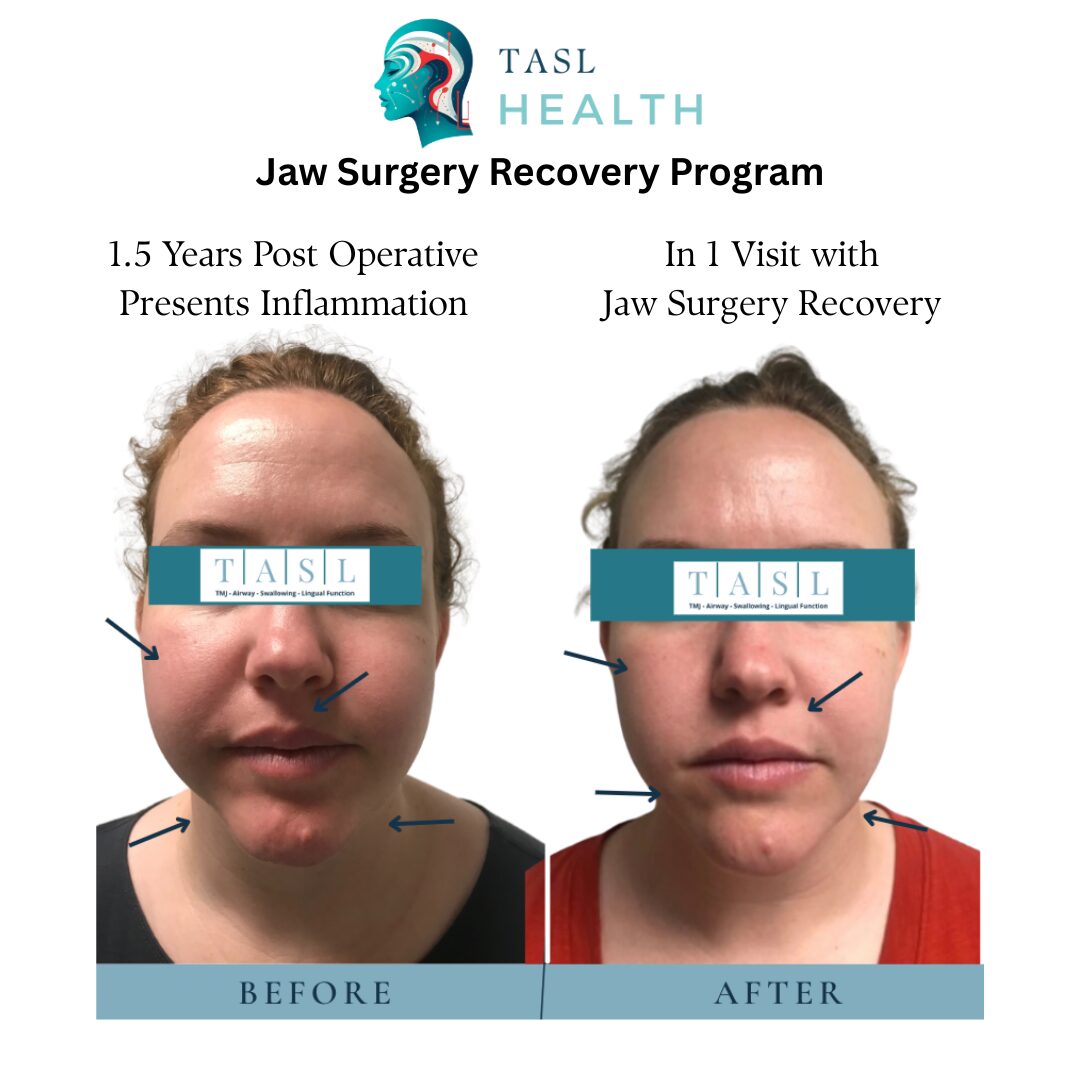
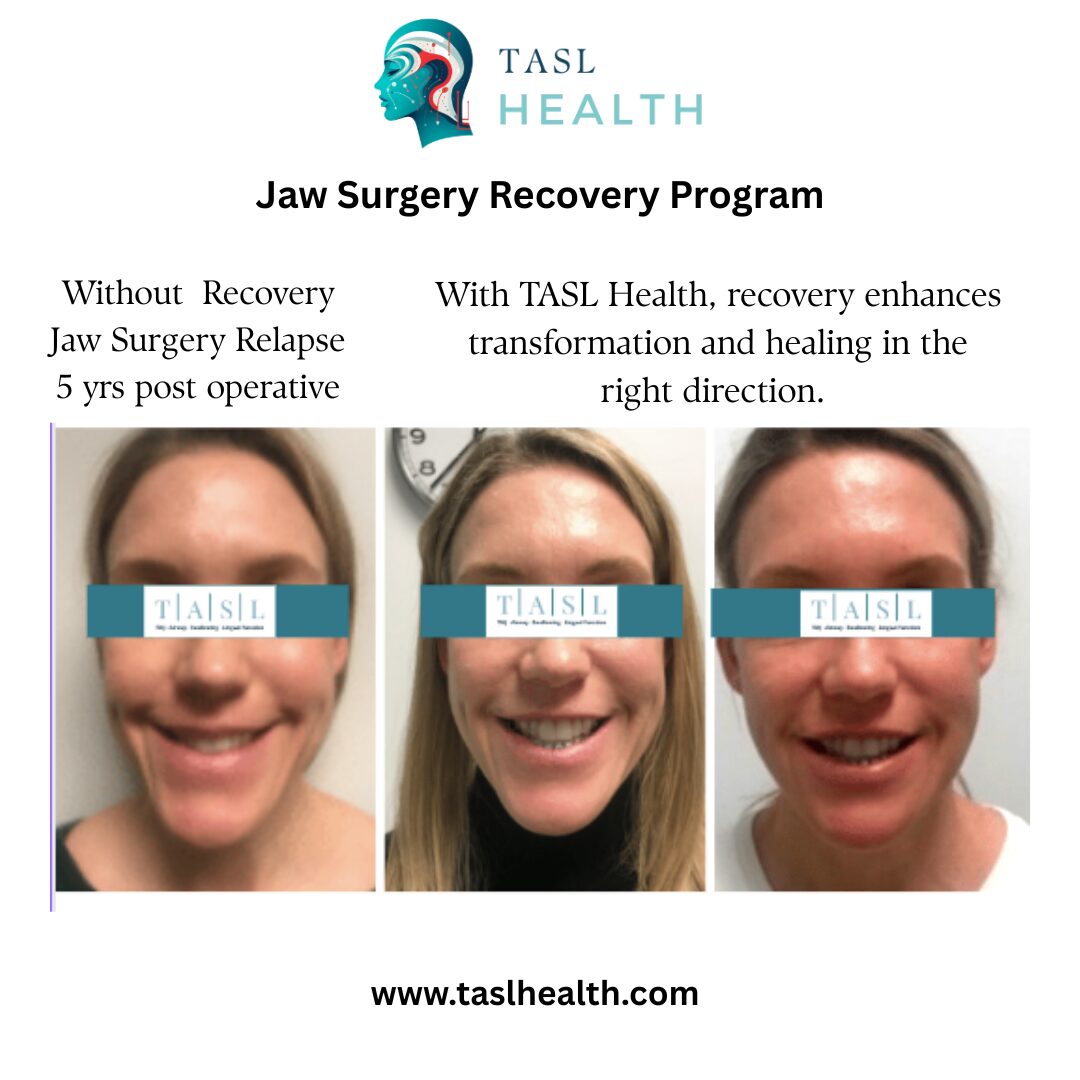
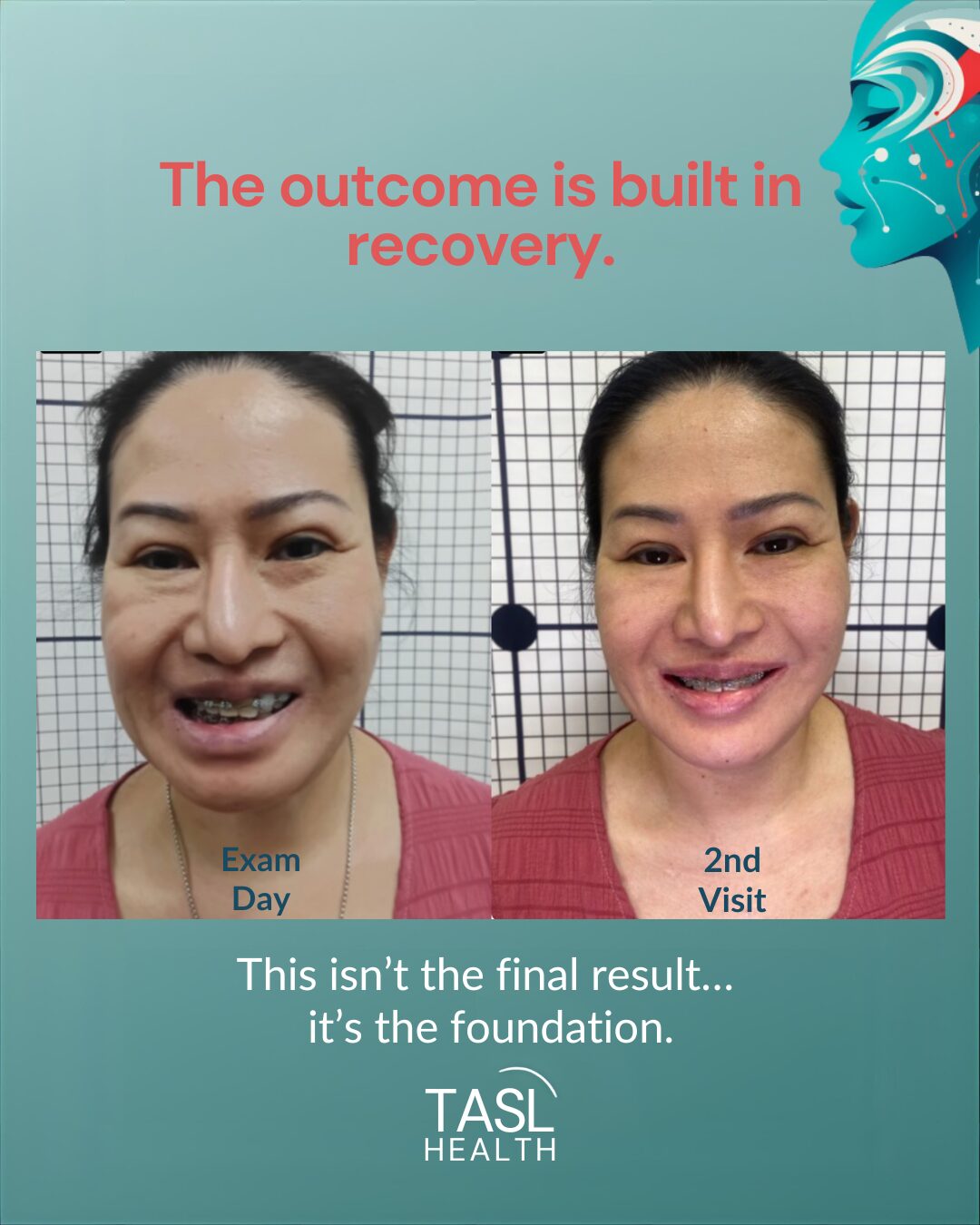
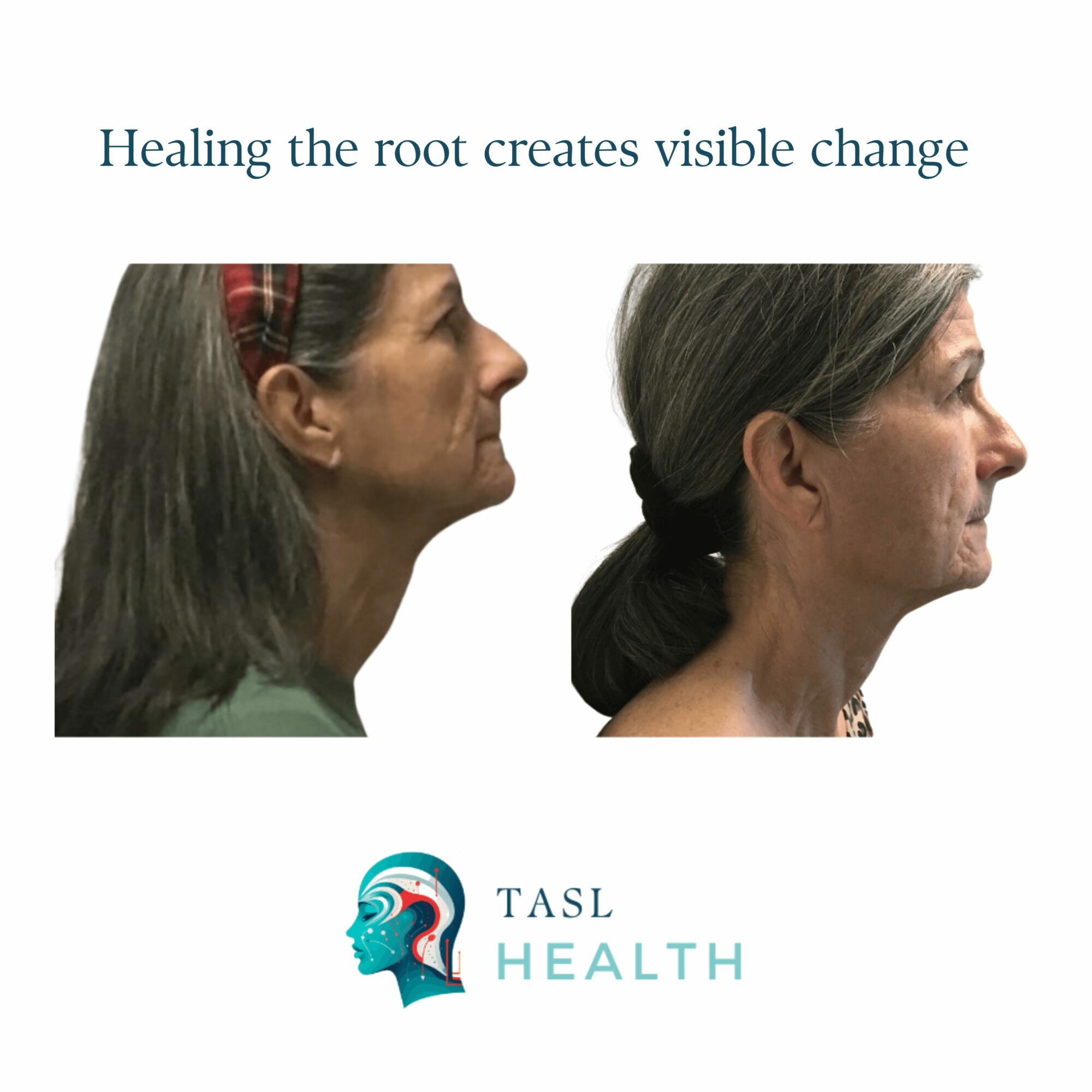
Image Credits
These were all self taken.