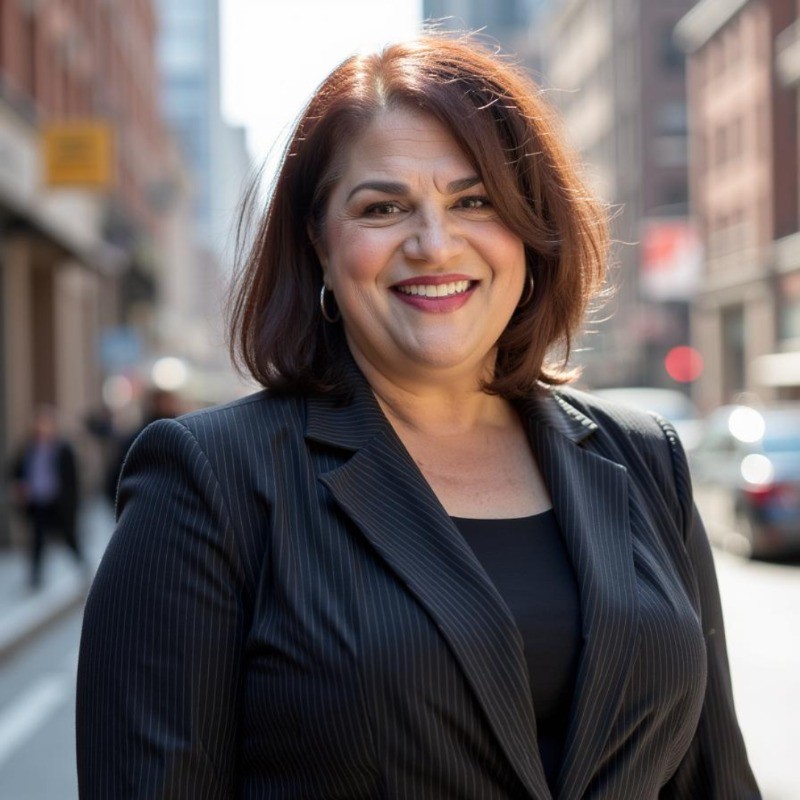





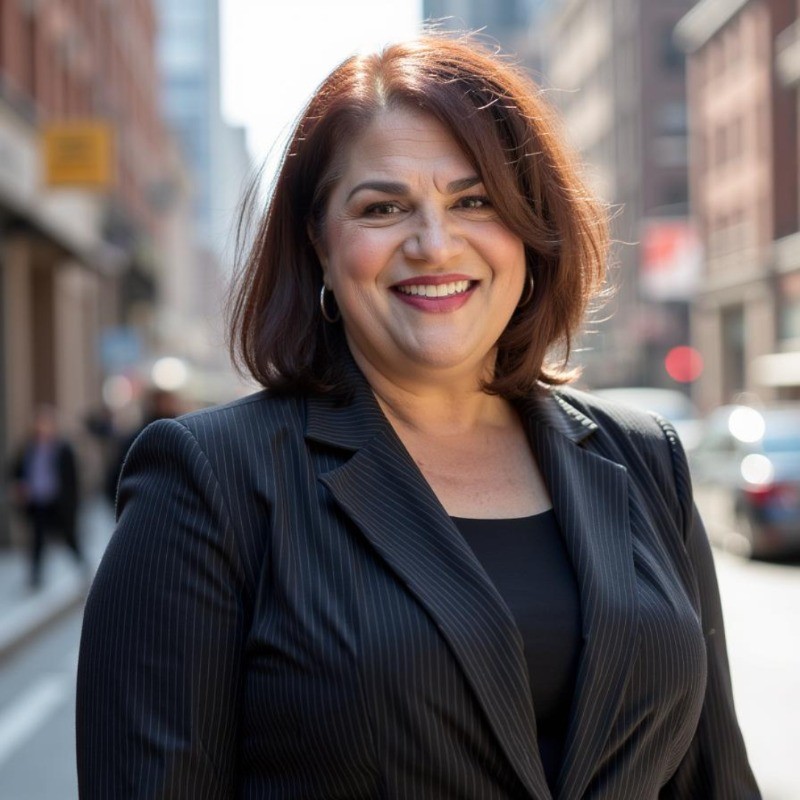
Today we’d like to introduce you to Anna Coffey.
Hi Anna, thanks for sharing your story with us. To start, maybe you can tell our readers some of your backstory.
My career has never followed a particularly straight line, but there has always been a common thread: a belief that we can make the world a better place, and that good leadership is one of the most powerful ways to do it.
I started out with a degree in social work and served in the Peace Corps, an experience that profoundly shaped how I see the world and my place in it. I went on to earn a law degree and built a career at the intersection of public policy, advocacy, and nonprofit leadership. Along the way, I discovered that while I loved working on important issues, what really energized me was building organizations, developing people, and figuring out how to turn big ideas into meaningful change.
I’ve had the privilege of leading organizations tackling some of our community’s most complex challenges. As CEO of The Immunization Partnership, I worked at the intersection of public health, law, and policy. Today, I serve as CEO of The Women’s Home in Houston, where we help women rebuild their lives through behavioral health treatment, housing, and supportive services. Each leadership role has taught me something new about people, organizations, and the messy, fascinating business of creating change.
I’ve also come to appreciate that leadership isn’t really about having all the answers. It’s about asking good questions, navigating uncertainty, making difficult decisions, and helping other people discover what they’re capable of.
That’s what has led me to this next chapter. In addition to my CEO role, I’m expanding my work as a consultant with EMD Consulting, helping nonprofit organizations and their leaders navigate transitions, strengthen governance, and tackle complex challenges. I also co-host LeaderChicks, where we explore leadership with a healthy dose of humor and a willingness to challenge conventional wisdom.
Looking back, I think my career has been a series of opportunities to learn, lead, reinvent myself, and occasionally make spectacular mistakes. At 60, I’m less interested in climbing another ladder and more interested in sharing what I’ve learned, mentoring the next generation of leaders, and continuing to make a difference.
I still believe in changing the world. I’ve just learned that it takes good people, strong organizations, a sense of humor, and a lot of patience.
Can you talk to us a bit about the challenges and lessons you’ve learned along the way. Looking back would you say it’s been easy or smooth in retrospect?
Not even close! And frankly, I think anyone who tells you they’ve had a smooth journey in leadership is either extraordinarily lucky or has a very selective memory.
I’ve spent much of my career leading nonprofit organizations, where the challenges are often enormous and the resources are almost always inadequate. You’re trying to solve complicated social problems while managing budgets, navigating board relationships, raising money, supporting staff, and responding to the unexpected. There are days when it feels like you’re building the airplane while flying it.
I’ve also had to navigate the challenges that come with being a woman in leadership. Like many women of my generation, I came into the workforce believing that if I worked hard enough, did everything right, and proved myself capable, success would follow. I’ve learned that leadership doesn’t work quite that neatly. Sometimes you make the right decision and people are still unhappy. Sometimes you fail despite your best efforts. And sometimes the biggest obstacle is your own belief that you should be able to handle everything yourself.
One of my hardest lessons has been learning that being responsible for something doesn’t mean I can control it. I’ve had to make difficult decisions, navigate organizational crises, deal with conflict, and accept that even good leaders make mistakes. I’ve also had to confront my own tendency to overachieve and take on more than I should. Burnout is real, especially when your work is tied so closely to your sense of purpose.
But I wouldn’t trade those experiences. They’ve made me a better leader and, I hope, a more compassionate person. I’ve become less concerned with appearing to have all the answers and more comfortable admitting what I don’t know, asking for help, and giving other people room to lead.
At this stage of my career, I think one of the most important things I can offer other leaders is the reassurance that struggling doesn’t mean you’re failing. Leadership is messy, and growth rarely happens when everything is going according to plan. The trick is to learn from the hard parts without letting them make you hard.
We’ve been impressed with The Women’s Home, but for folks who might not be as familiar, what can you share with them about what you do and what sets you apart from others?
I’m privileged to serve as CEO of The Women’s Home, a Houston nonprofit that has been helping women rebuild their lives for nearly 70 years. Our mission is to build communities that strengthen women and support families as they reclaim their stability. We work with women who are navigating some of life’s most difficult challenges, including mental health conditions, substance use disorders, poverty, and housing instability.
What makes The Women’s Home special is our belief that lasting change requires more than addressing a single problem. We take a whole-life approach to helping women build healthy, stable, and meaningful lives. That means providing behavioral health treatment, supportive housing, workforce development, and the tools and relationships women need to achieve long-term independence.
Our services range from intensive residential treatment for women with co-occurring mental health and substance use disorders to outpatient behavioral health services, affordable supportive housing, and programs that help women develop the skills and confidence to move forward. We recognize that recovery isn’t just about getting sober or managing a mental health condition. It’s about having a safe place to live, meaningful work, healthy relationships, a sense of purpose, and a community where you belong.
I think what sets us apart is that we see the whole woman, not just her diagnosis, her circumstances, or the challenges that brought her to us. We don’t define women by the worst thing that has happened to them or the hardest period of their lives. We recognize their strengths, their potential, and their capacity to create a different future.
One of the things I’m most proud of is the culture of dignity and respect that is at the heart of The Women’s Home. Our work is grounded in the belief that every woman deserves the opportunity to thrive, regardless of where she’s starting. We don’t just provide services; we create a community of support and belonging. And we understand that progress is rarely linear. Sometimes the most important thing we can do is continue to believe in someone until she’s ready to believe in herself.
I’m also proud that The Women’s Home has continued to evolve over the decades. The needs of women and families have changed, and so have we. We’ve expanded beyond our residential roots to address the interconnected challenges of behavioral health, housing, and economic stability. That willingness to adapt while staying true to our mission is one of our greatest strengths.
Ultimately, I want people to know that The Women’s Home is about much more than helping women overcome adversity. It’s about helping them build lives they are excited to live. When a woman finds stability, confidence, and hope, the impact extends far beyond her. It touches her children, her family, and the entire community.
And that’s what makes this work so meaningful to me. We aren’t simply changing individual lives. We’re helping change the trajectory of families and, in our own way, the future of our community.
Do you have any advice for those just starting out?
I’d tell people not to confuse being in charge with being a leader. Leadership isn’t about having the title, being the smartest person in the room, or having all the answers. It’s about bringing out the best in other people, creating the conditions for them to succeed, and having the courage to make difficult decisions when necessary. Some of the best leaders I’ve known didn’t have impressive titles, and some of the people with the most impressive titles weren’t particularly good leaders.
Build relationships. Find mentors, but also find peers who will tell you the truth, challenge your thinking, and laugh with you when things go sideways. Those relationships will sustain you far more than any professional accomplishment.
And especially for young women, I’d say this: Don’t wait until you feel completely qualified or confident before you take a chance. Confidence often follows action, not the other way around. Raise your hand, take the risk, and don’t be afraid to take up space.
Finally, remember that your career is only one part of your life. This is something I’m still learning at 60. It’s easy, particularly when you do mission-driven work, to let your work become your identity. But there’s a whole world outside the office, and you deserve to enjoy it.
Contact Info:
- Website: https://www.thewomenshome.org
- Instagram: https://www.instagram.com/thewomenshomehtx/
- Facebook: https://www.facebook.com/womenshomehouston