




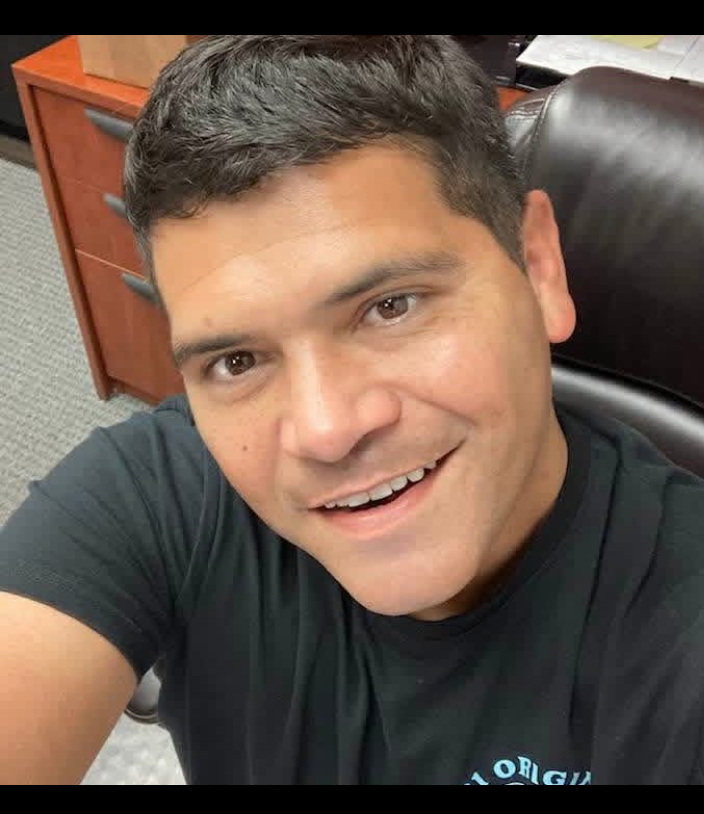
Today we’d like to introduce you to Casey Smith.
Hi Casey, it’s an honor to have you on the platform. Thanks for taking the time to share your story with us – to start maybe you can share some of your backstory with our readers?
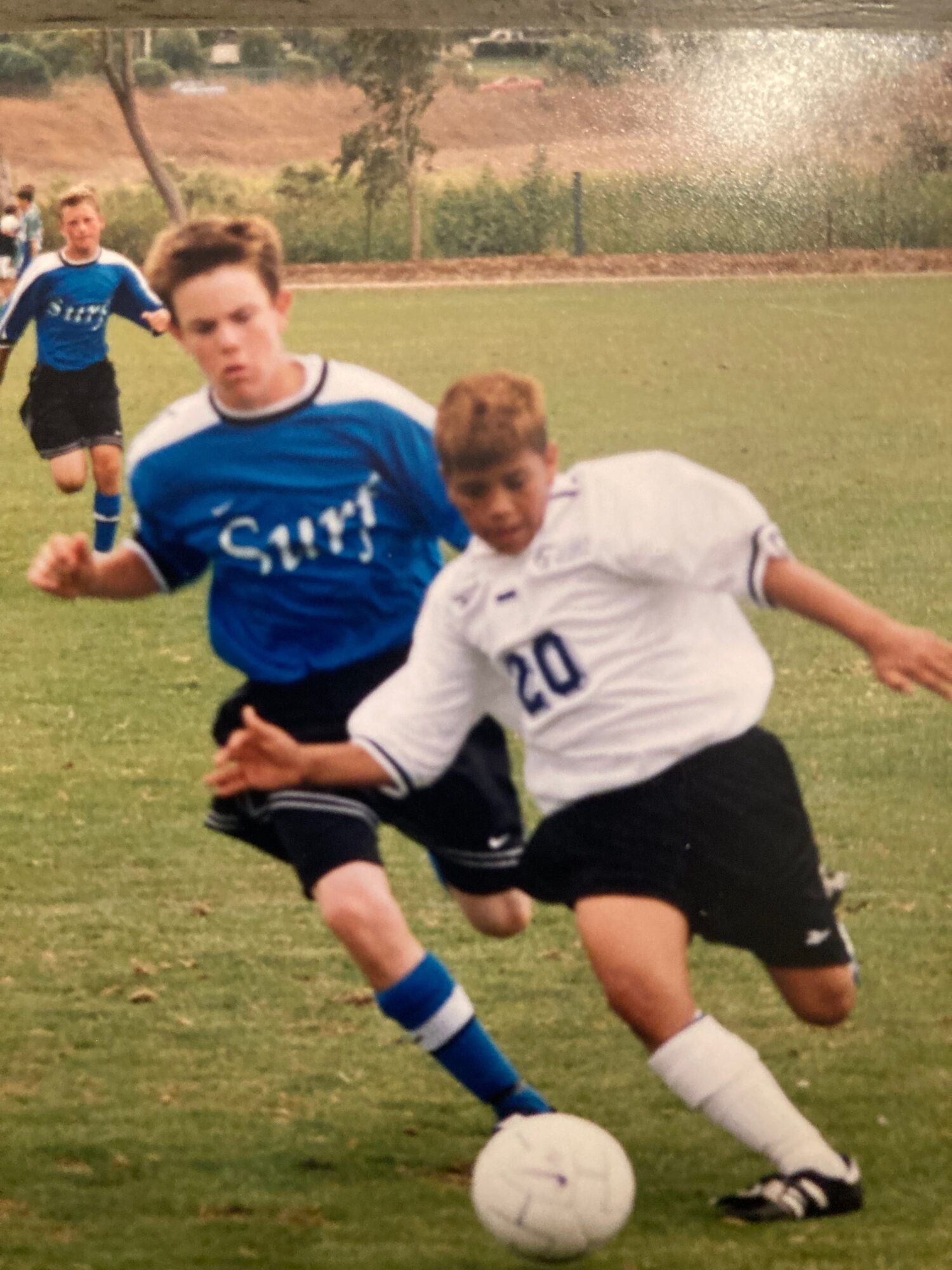
My journey started in the suburbs of Cypress, Texas, where I grew up playing competitive club travel soccer in the Klein/Spring area from the time I was four years old. While I had a loving family, a heavy cloud hung over my childhood—in the back of my mind, I was always worried that my dad was going to die. That fear became reality when he passed away from long-term alcohol addiction right as I was starting 10th grade, following years of illness. That loss, combined with navigating the typical pressures of adolescence, sent me down a difficult path of partying, substance use, and trouble in school. However, soccer and running remained my constant anchors. After my dad died I made All District Soccer junior and senior year. I was voted team Co MVP and got my picture in the Houston Chronicle leading our HS team to the playoffs.
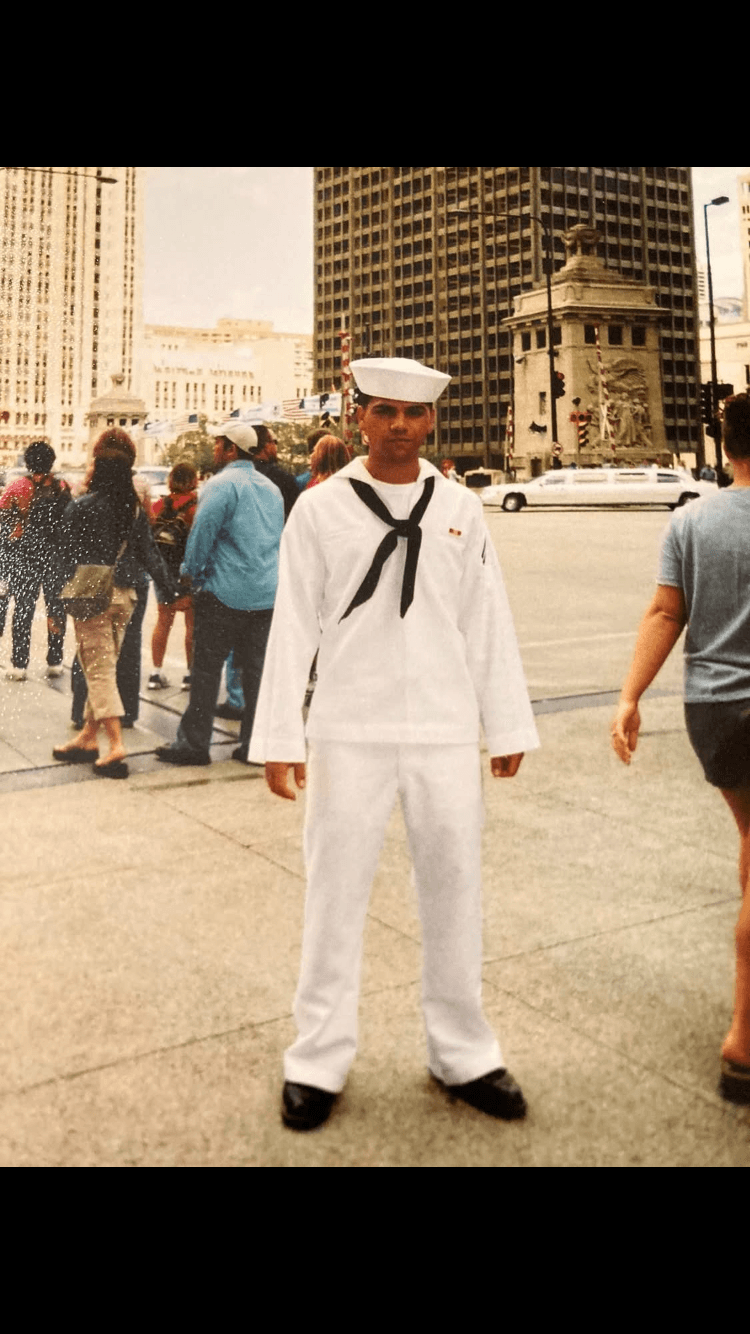
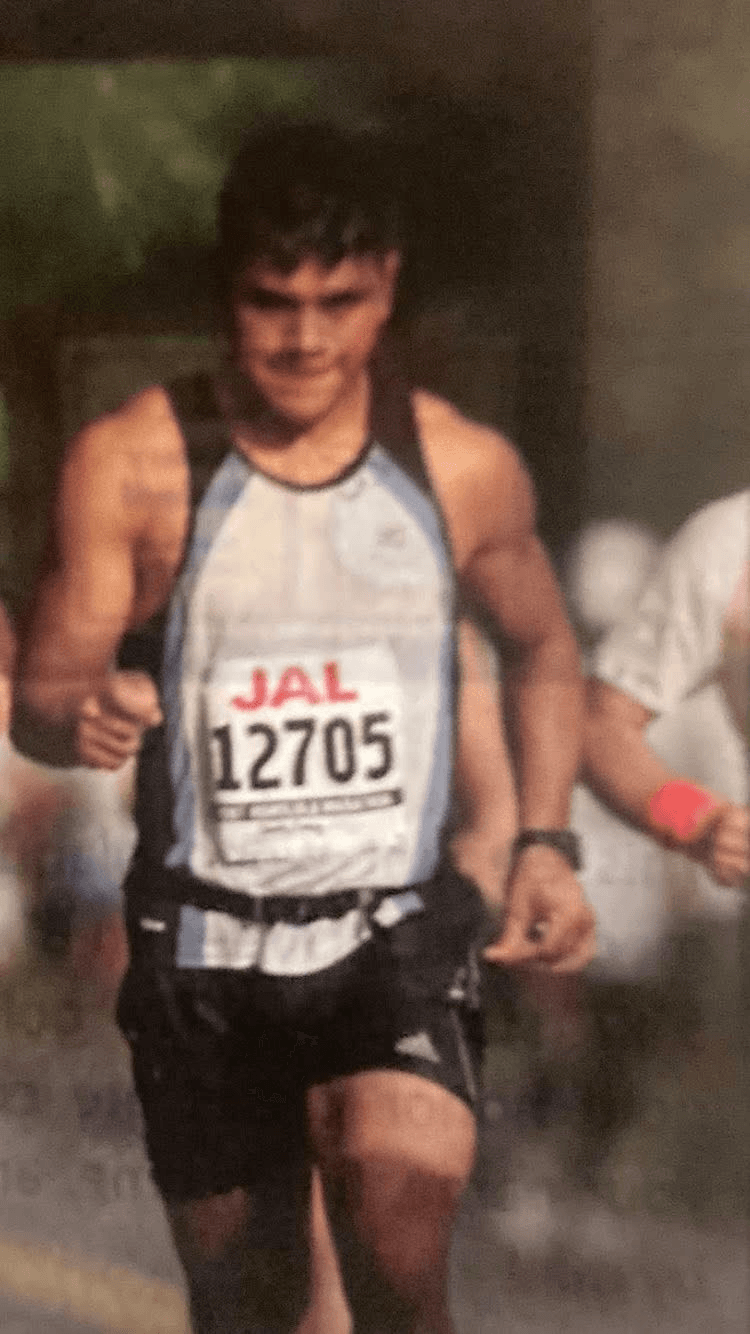
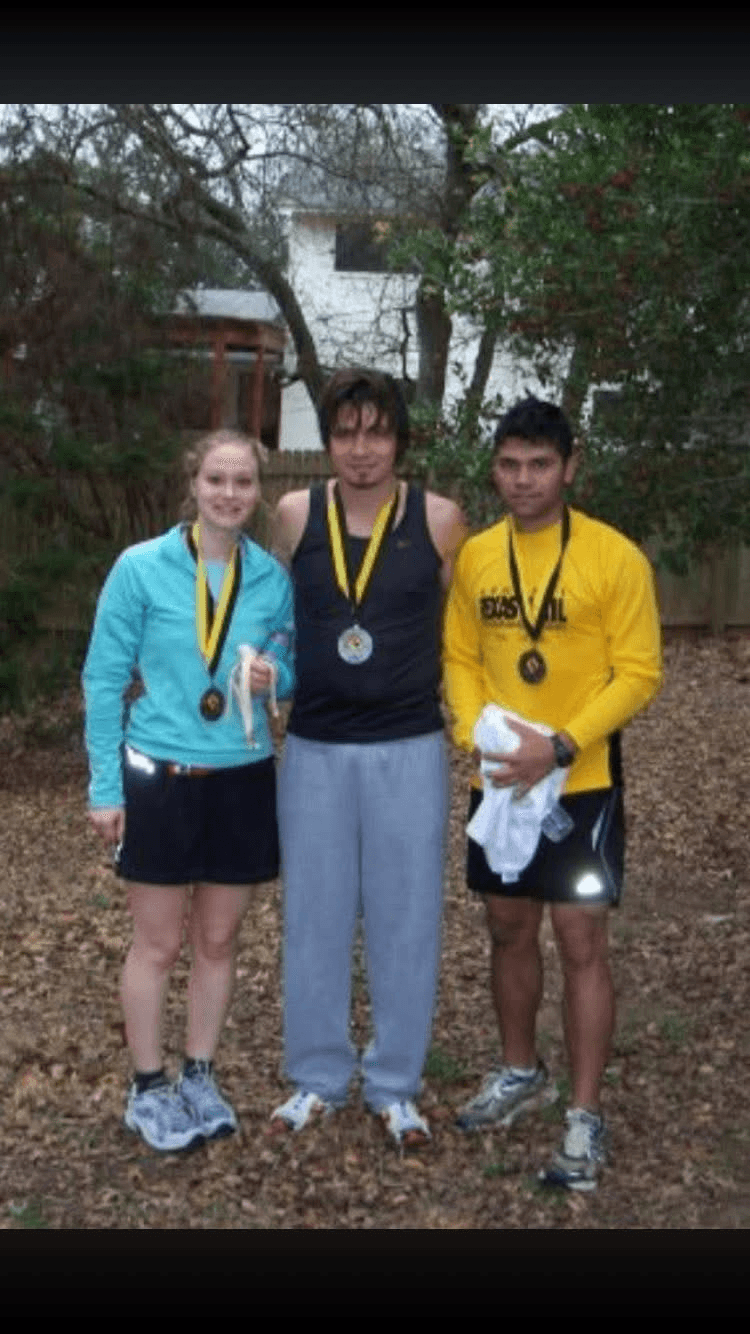
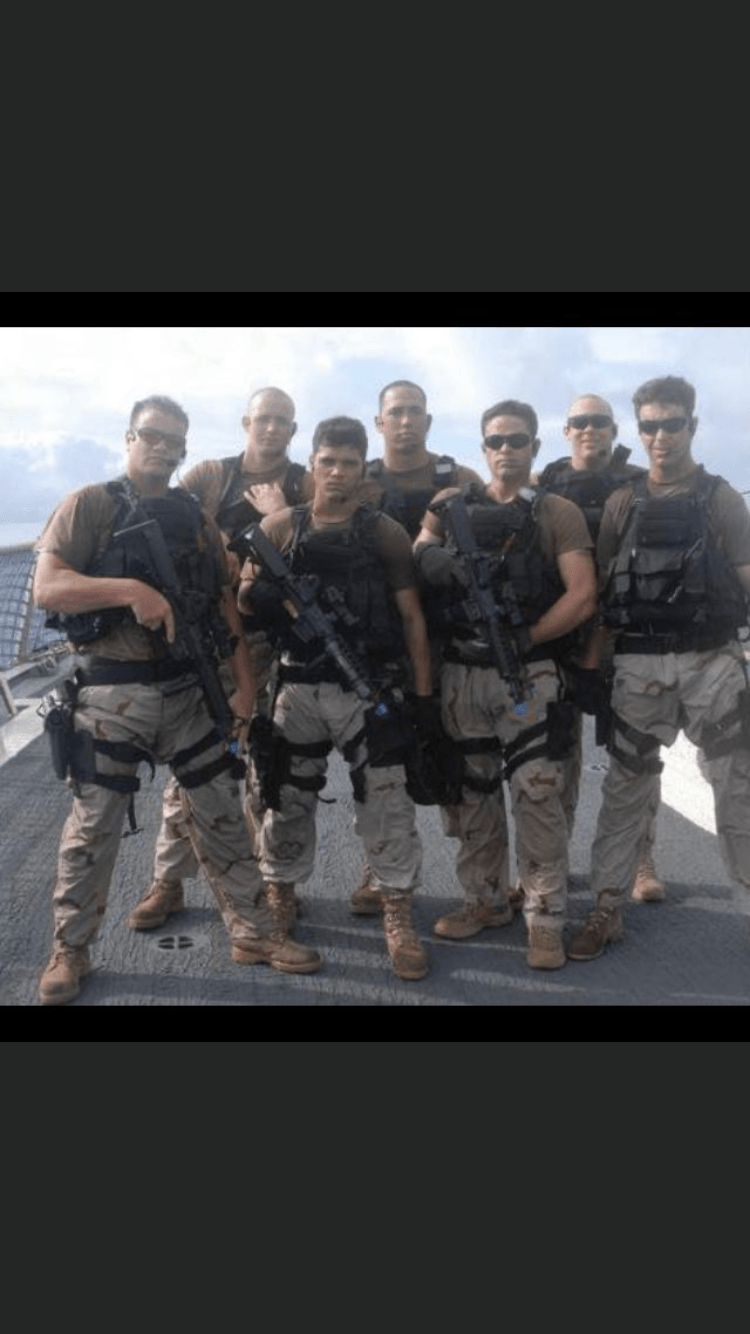
Seeking a way out, wanting adventure, and knowing deep down I wasn’t ready for college yet—and above all, terrified of turning out like my dad—I made a life-defining choice at 18 to step out on my own and enlist in the U.S. Navy. I had always dreamed of playing college soccer, but at 5’6”, I was overlooked because I was small, and my grades weren’t great. For four years, I served as a sonar technician on a destroyer stationed in Pearl Harbor and deployed to the Middle East. Operating as part of the VBSS (Visit, Board, Search, and Seizure) team in the Straits of Hormuz—boarding ships to search for weapons and smuggling into Iraq on counter-terrorism missions—taught me the foundational principles of real leadership, calm under pressure, and trust. Even while out at sea, running on the ship’s treadmill daily, playing in local leagues whenever we were in port, and running the Honolulu marathon twice to train for my soccer dream, I kept my sights set on playing college soccer.
Leaving the security of the Navy after four years was a massive risk. Everyone advised me to stay, but I blocked out the noise and believed in myself. After earning an Honorable Discharge in 2008, I spent a year at a Kansas junior college boosting my academic standing before trying out at four-year programs. While I was at junior college, tragedy struck again—my older brother, fellow runner, and best friend accidentally drowned. I was grateful he got to see me play in one game there, but losing him left a deep hole in my life.
After 2 semesters of junior college and trying out at big schools in the area,
I earned a scholarship to Benedictine College in Kansas.
At 5’6”, I was usually the shortest player on the pitch and consistently overlooked. But four years of Navy conditioning, foreign pro-club training in my youth, and a lifetime of overcoming adversity gave me an edge nobody saw coming. Playing defensive midfielder, I used my low center of gravity, strong legs, and endless endurance to shut down passing lanes, break up play, and disrupt counter-attacks. I wasn’t the focal point of our offense—our forward and attacking mid were All-Americans—but I anchored right in front of the back line, laid out legal, bone-crushing shoulder charges, outran everyone on the field, and led by example through quiet leadership. I led by example through my aggressive play, how hard I ran, and the way I broke up play, and soon my whole team started playing harder, too. I saw what winning meant to the seniors, and that pushed me even more—and because they saw what it meant to me, I pushed them more in return.
I started every game for 3 years. In 2009 we set a record with 10 shutouts, went undefeated in conference play, and reached the Sweet 16 National Tournament. More importantly, I pushed the team and we changed the culture of a program that hadn’t won a conference title in over 30 years. I was named All-Conference all three years.
What nobody saw (I tried to hide)
The country was going through an opioid epidemic at this time. Right before starting at Benedictine, I returned home to Cypress for the summer. Back in that toxic environment, dealing with loss of my brother, and slipping back into old habits and friend groups I had originally escaped, I fell into an opioid pill addiction without even realizing.
Throughout my college career, I was privately fighting that grueling battle with opioid addiction born out of grief and old environmental habits. With the support of my coach, teammates, counseling, and my girlfriend, I kept showing up and fighting through withdrawal to lead by example on the pitch. I graduated with a BA in Mass Communications.
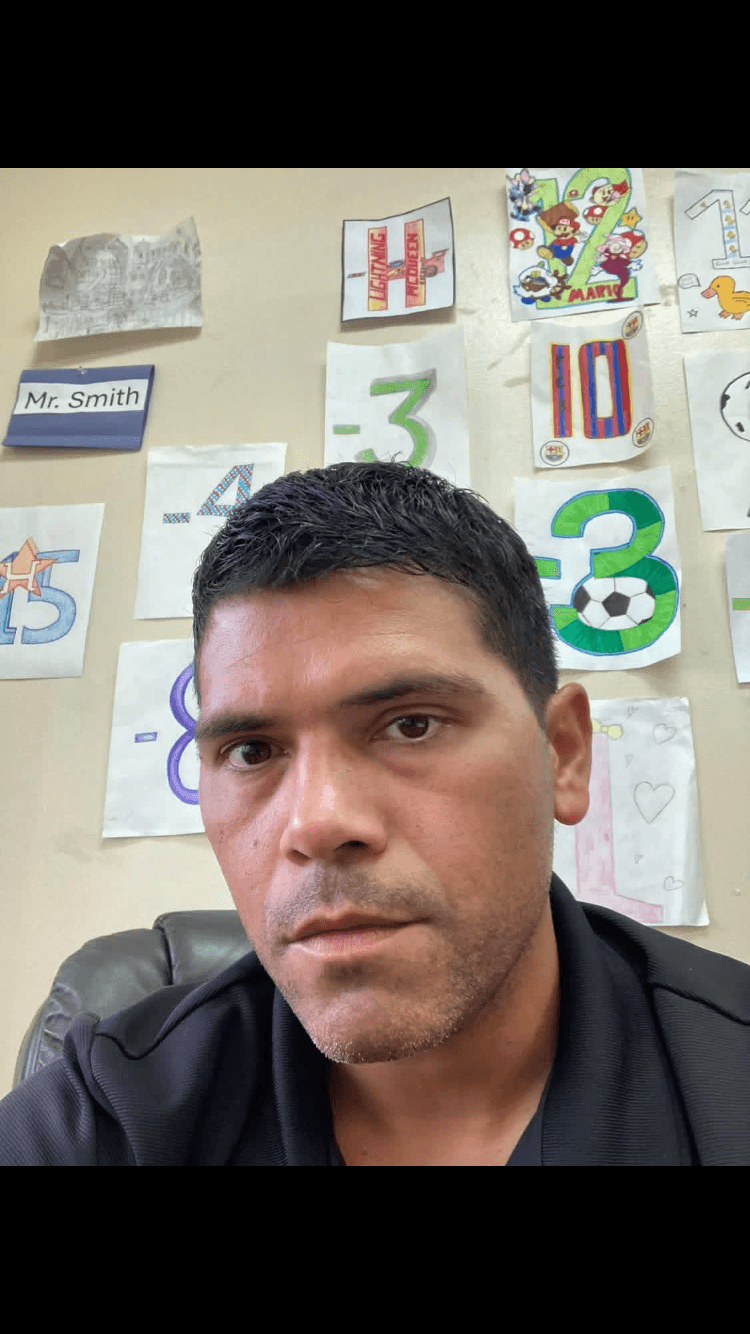
When I returned home to Cypress in 2014, I fully committed to recovery through the VA, cut ties with destructive influences, and transitioned into education. I spent four years teaching in local schools—including my unforgettable first 2 years teaching 6th-grade science and coaching middle school football. Not being an education major or doing traditional student teaching, my style was completely different. I built my framework from a lifetime of competitive sports, elite college soccer, and lessons learned in the U.S. Navy. I trained my students and players like I did with junior sailors, using high-energy and motivation to build them up.
I understood kids who felt out of place because of my own difficult upbringing. I treated them like people, let them be heard, kept it real, held high standards, gave clear boundaries and was a professional role model. I led by example, changed the culture once again, and communicated directly during live-action drills, scrimmages, on the sidelines, and through pregame speeches—exactly how I was trained in the Navy and college. As a veteran and elite athlete, I earned immediate respect from students and players, inspiring them to truly believe in themselves.
Today, having survived those fires and witnessing the tragic loss of many childhood friends to the opioid epidemic, I realized my calling goes beyond the classroom and one team. I now travel as a public speaker delivering my resilience keynote, “Quiet Leadership: Believing in Yourself When Everything Falls Apart,” helping high school students and educators cut through the outside noise, trust their inner voice, and change their environments before it’s too late.
I’m sure it wasn’t obstacle-free, but would you say the journey has been fairly smooth so far?
Growing up worried about my dad in the back of my mind. I loved him he was a great person. He went to the hospital a lot and they told him when I was in middle school he wouldn’t have long because he drank alcohol. My dad’s father was like that and his brother my uncle and grandpa and some others. That side of the family.
I wasn’t the best student during this time middle school up to 10th grade. When he died and I saw my mom it hit me hard. Also I matured some. I wanted to play for the school too and knew I could. I made All district JR SR year was Team CO MVP and got Picture in Houston Chronicle.
Losing my father to cirrhosis at age 14.
The sudden loss of my older brother to an accidental drowning in 2008 while I was pursuing college soccer.
2008 after navy did 1 yr jr college started every game soccer did good. Tried out at BC. Brother died.
Struggling with an opioid pill addiction during collegiate soccer years while maintaining high performance and All-Conference status. Came to cypress back to old environment in summer right before starting BC after brother died got addicted. Fought through it 2009-2013. Still got BA Mass Communications and All conference soccer selection 3 years in a row. Started every single game never missed one. My coach And GF were awesome helped me. Also BC catholic school.
Seeking completing full treatment through the VA back in Houston 2014 until today and achieving lasting sobriety.
Appreciate you sharing that. What should we know about Casey Smith Resilience Keynote Speaker ?
What do you do, what do you specialize in, and what are you known for?
I am a motivational keynote speaker, educator, former U.S. Navy sonar technician, and former All Conference collegiate athlete. I specialize in youth resilience, real-world self-belief, and transformative culture-building, delivering high-impact keynotes—including my primary address, “Quiet Leadership: Believing in Yourself When Everything Falls Apart”—to high schools, athletic programs, and organizations across the Greater Houston area.
My work extends far beyond the athletic field—I impact entire school ecosystems. I bridge the gap between students and school leaders by bringing to light what young people are actually experiencing, thinking, and carrying in silence. I am known for providing a raw, unvarnished space where students realize it is okay to have complex thoughts, feel out of place, and question the pressure around them. I push students to think deeply, strip away the urge to seek validation from the wrong crowds, and recognize that their world is vastly bigger than a single high school or local bubble like Cypress or Houston. You only get one life; I give students and educators a blueprint on how to stop living for the crowd, master their inner dialogue, and fearlessly pave their own path.
2. What are you most proud of?
I am most proud of my ability to lead by example and leave a lasting, positive footprint on every environment I step into—whether that was operating sonar systems aboard a U.S. Navy destroyer in the Persian Gulf, anchoring the midfield as a collegiate soccer player, transforming school athletic cultures, or standing on a stage connecting with a teenager who feels completely invisible.
Overcoming profound personal adversity, including the loss of my father and brother, allowed me to build an unshakeable standard of personal accountability. What makes me proudest now is seeing students open their minds to possibilities they never knew existed. I don’t just speak to entertain; I build true resilience, self-belief, and long-term perspective in young minds, turning my lived story into a practical lifeline for others.
3. What sets you apart from others?
What sets me apart is that I am a true 1-of-1 original—there is no one else with this exact combination of global military service, collegiate athletics, public school teaching, and real-world grit. I don’t deliver academic theories, canned corporate frameworks, or rehearsed talking points. My authority comes from lived experience: seeing the world from naval sonar rooms to public school classrooms.
As a naturally quiet leader, I don’t need to yell or perform to command a room; I shift cultures through raw authenticity, deep connection, and high-intensity personal discipline. Having seen how vast the world truly is, I bring that perspective directly to teenagers who feel trapped in local echo chambers. I show them that it’s okay to feel overwhelmed, but it’s never okay to surrender your one life to the opinion of a crowd. I equip students and school leaders alike to embrace deep thinking, block out noise, trust their internal compass, and build physical and mental habits—like disciplined running—to anchor themselves when life gets tough.
How do you think about luck?
1. Bad Luck and Hardship as a Crucible
* Loss and Early Adversity: Losing my father in 2000 just as I was entering high school, and later suffering the devastating loss of my brother, were profound tragedies. In those moments, it felt like bad luck dealt a heavy hand, steering me into periods of confusion, peer pressure, and a struggle with addiction.
* The Wake-Up Call: Seeing friends from my neighborhood succumb to the opioid epidemic—all the way through recent years—showed me how thin the line is between survival and tragedy. Recognizing that I could have easily ended up the same way forced me to take absolute personal accountability for my life and choices.
2. Good Luck, Opportunity, and the Decision to Seize Them
* Being Placed on the Right Path: Having a mother who put me into competitive soccer at age four gave me an athletic outlet, discipline, and a lifelong love for running that literally and figuratively kept me anchored.
* Finding the Right Mentors at the Right Time: Whether it was Uncle Jerry guiding me to the Navy recruiter, the shipmates who encouraged me to keep running marathons while stationed on a destroyer in Pearl Harbor, or the college coach at Benedictine who gave me a scholarship and a second chance, I was fortunate to cross paths with people who believed in me when I needed it most. But luck only matters if you are ready to execute: I had to wake up every day on that ship, run the treadmill, keep my grades up, and earn those opportunities.
3. Turning Life Experience Into Business Value
* The 1-of-1 Original Advantage: In business and speaking, what might look like a random sequence of non-traditional experiences—from naval sonar rooms in the Persian Gulf to collegiate soccer pitches, public school classrooms, and industrial sales—is actually my greatest asset.
* The Professional Impact: As a keynote speaker and educator focusing on youth resilience, I don’t rely on textbook theories. Every bit of grit, survival, and hard-earned perspective I gained through life’s trials forms the unvarnished blueprint I bring to schools and organizations today.
Ultimately, luck hands you circumstances, but you decide what to do with them. I stopped waiting for things to break my way a long time ago—instead, I learned to build my own strength, block out the outside noise, and follow my own path.
Contact Info:
- Facebook: https://www.facebook.com/share/1KaHyNSyz4/
- LinkedIn: https://www.linkedin.com/in/casey-smith-587882446