


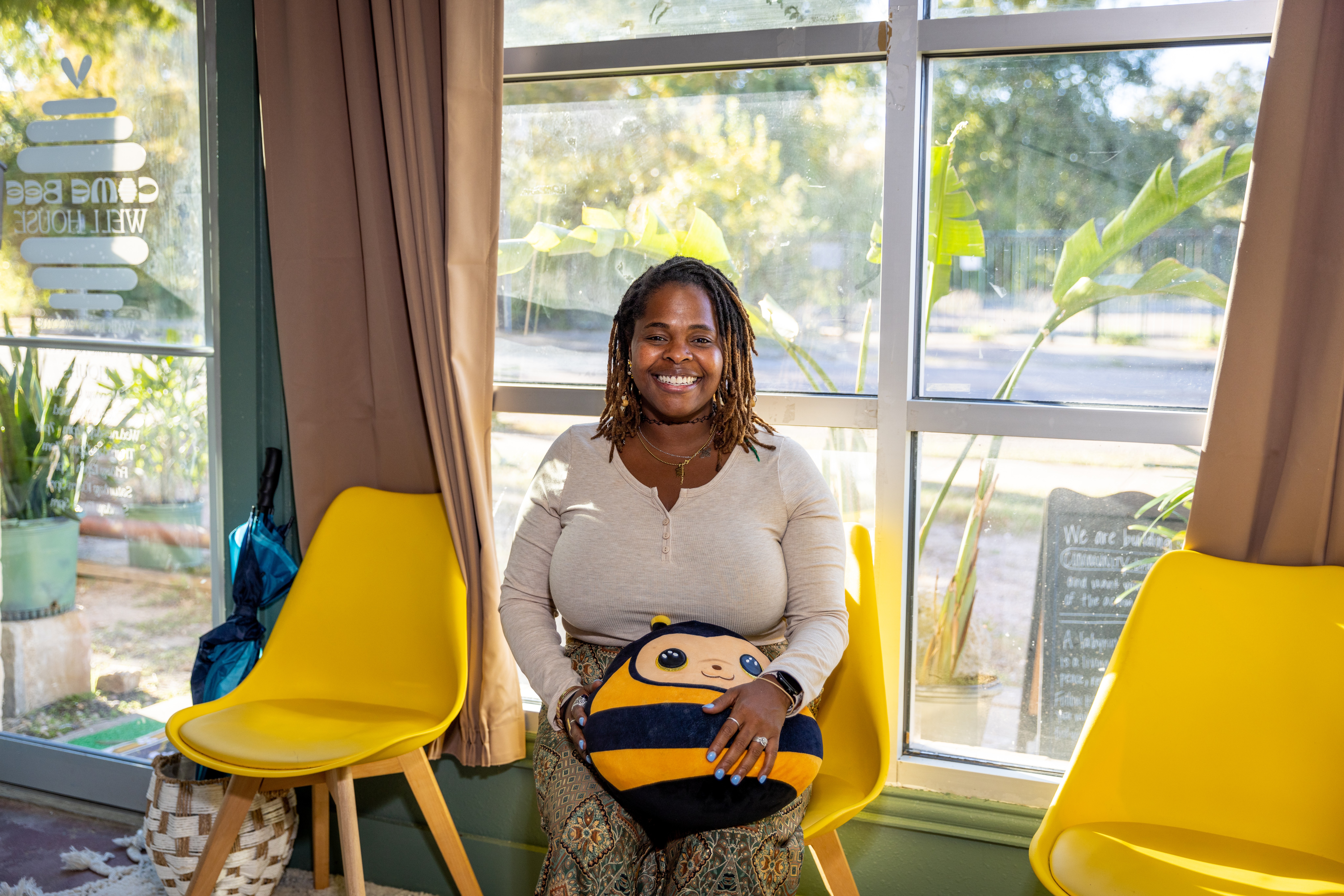
Today we’d like to introduce you to Jasmine Lynch-Williams.
Hi Jasmine , can you start by introducing yourself? We’d love to learn more about how you got to where you are today?
Come Bee Well House didn’t happen by accident. Long before there was a building, I was speaking it into existence.
Like a lot of people, I had been exposed to meditation long before I developed a consistent practice. As a latchkey kid, television, movies, and media were a big part of my world. I’d see meditation pop up here and there, and it always made sense to me. I just couldn’t figure out how to make it part of my life because I had rarely seen anyone living it in a way that made me believe it belonged in my everyday life.
In 2014, everything shifted. I began participating in Oprah and Deepak Chopra’s free 21-Day Meditation Experiences, where I was immersed in mantra-based meditation. Around that same time, I discovered Abraham Hicks, whose teachings on intention deeply resonated with me. One affirmation became part of my daily practice: Everything is always working out for me. Those words became more than an affirmation. They became the lens through which I approached challenges, opportunities, and ultimately my purpose.
As I immersed myself in the wellness world, I noticed something I couldn’t ignore. Many of the products, experiences, and healing spaces transforming people’s lives weren’t easily accessible to the average American. That’s when I started dreaming about building wellness destinations across the country where meditation, mindfulness, nervous system restoration, and holistic wellness would be accessible to everyone, not just those with privilege or proximity.
Then, during the summer of 2106, in the midst of all the insight I was gaining, my grandmother passed away at 67 years old.
You couldn’t have paid me to believe we would lose her before she was 80. My great-great-grandmother lived to 96 years old and didn’t pass away until my freshman year of college. So losing my grandmother at 67 made me stop and ask questions I hadn’t considered before.
My grandmother came from a family of sharecroppers and housekeepers in East Texas. The generations before her had lived through times when so much was harder to access, from education and economic opportunity to healthcare and basic resources. Yet here we were, generations later, with more education, more information, more resources, and greater access to healthcare, and I was watching the women in my family leave us earlier.
When I looked more closely, the pattern became impossible for me to ignore. My great-great-grandmother lived to 96. My great-grandmother lived to 86. My great-aunts passed at 46 and 71. And my grandmother passed at 67. Her death left my mother becoming the matriarch of our family while still in her 50s. Being a matriarch is an incredible honor, but I don’t believe my mother imagined inheriting that role so early. And I know I don’t desire to inherit it early either.
That realization changed the questions I was asking about wellness. I wasn’t only interested in how meditation could help us feel more peaceful. I started asking what it means to build a life that is actually sustainable. What good is everything we’re working so hard to build if we’re too depleted, too stressed, or simply not here long enough to experience it? That’s where the pursuit became deeply personal for me. I wanted to understand not only how we could live better, but how we could create the conditions that give us a better chance to live well for longer.
That question became part of the foundation for what I now call life sustainability.
On a personal level, the role I played in the relationships throughout life tended to anchor in me providing safety and a sense of belonging to those who were along my journey from family, to friends, school, to work, and beyond. This allowed people to trust me with a level of openness to listen and gain perspective to whatever context it resonated within their life. Usually, people were looking for a place to understand and grow. Professionally, I earned a degree in psychology, a master’s in counseling, became a registered yoga teacher, and built my career in education, nonprofit leadership, and community engagement. No matter what role I held, I kept seeing the same pattern: people were successful on paper, but exhausted in real life. They had careers, titles, degrees, and accomplishments, yet many were silently carrying chronic stress with very few tools to restore themselves.That’s when everything came together. I realized I wasn’t just called to open a wellness space. I was called to create places where people could walk through the doors and immediately know they belonged.
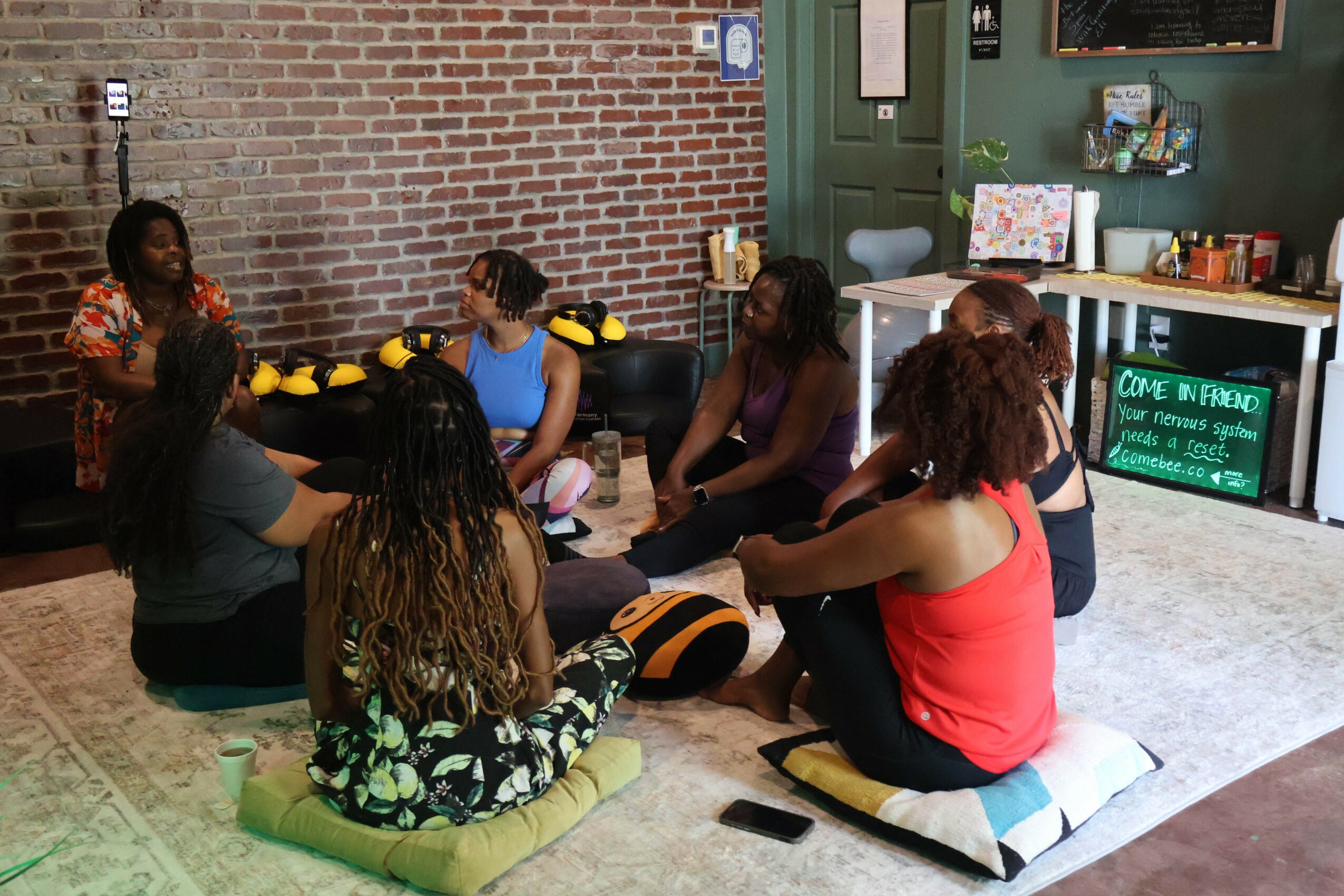
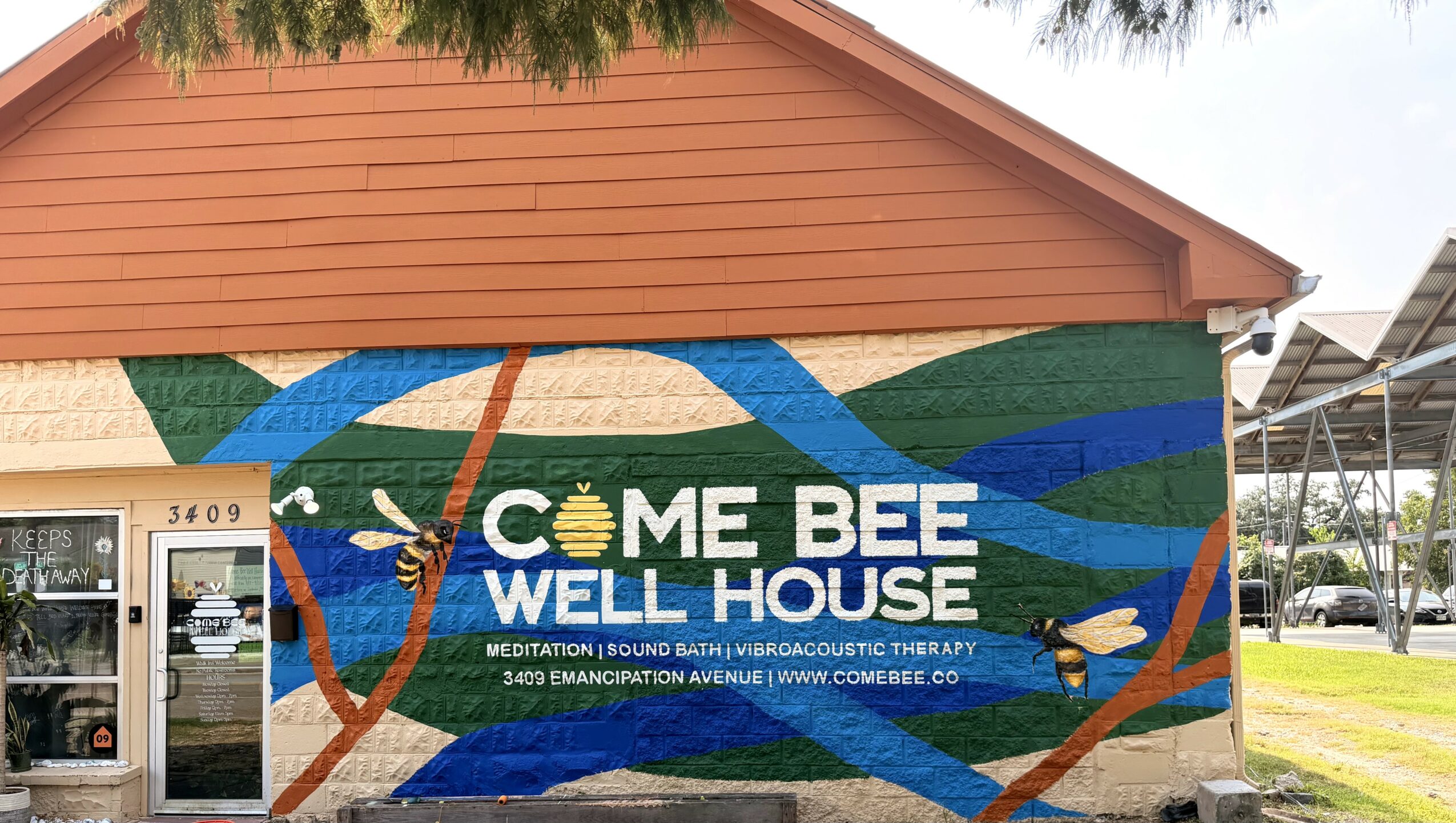
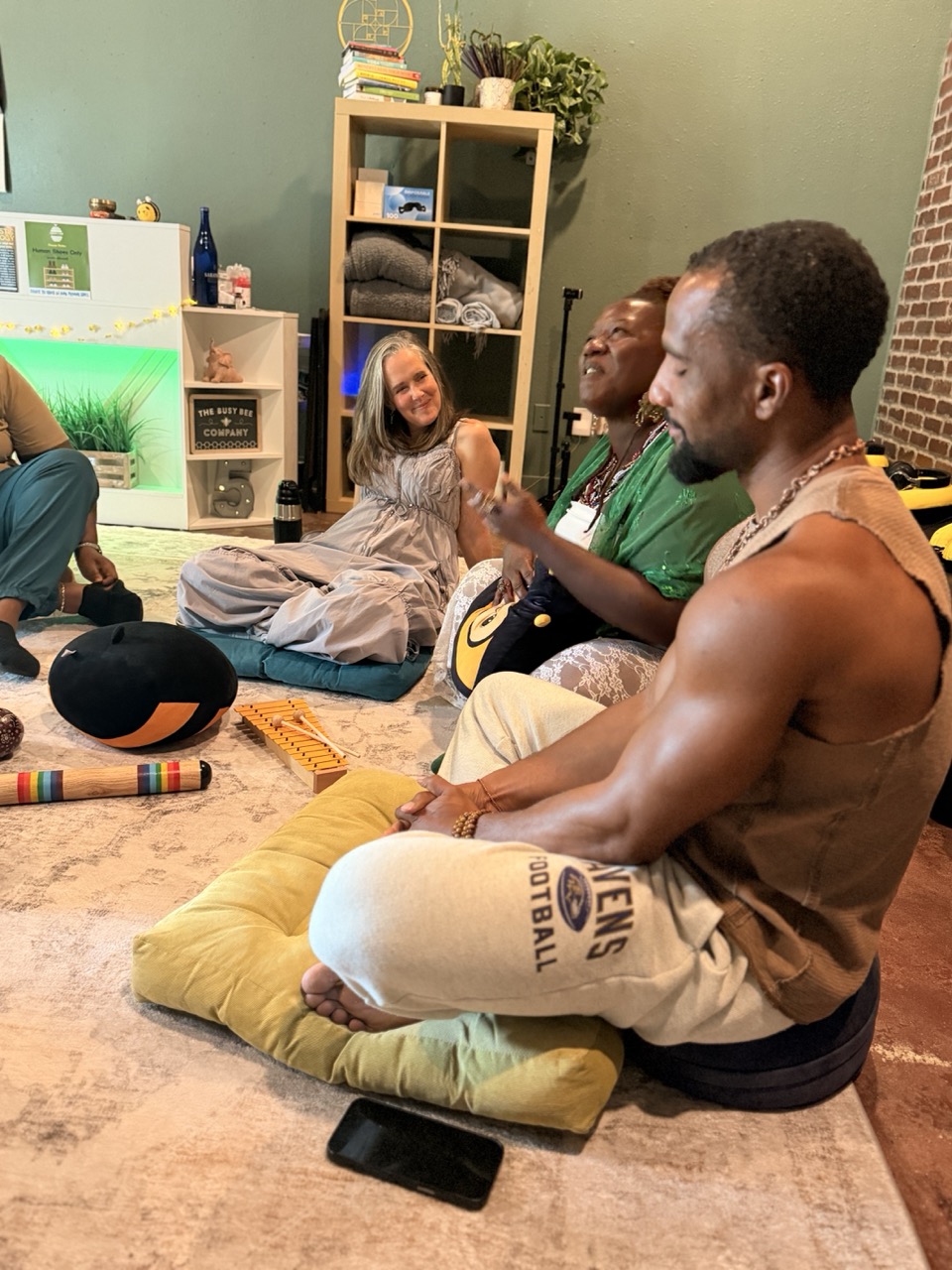
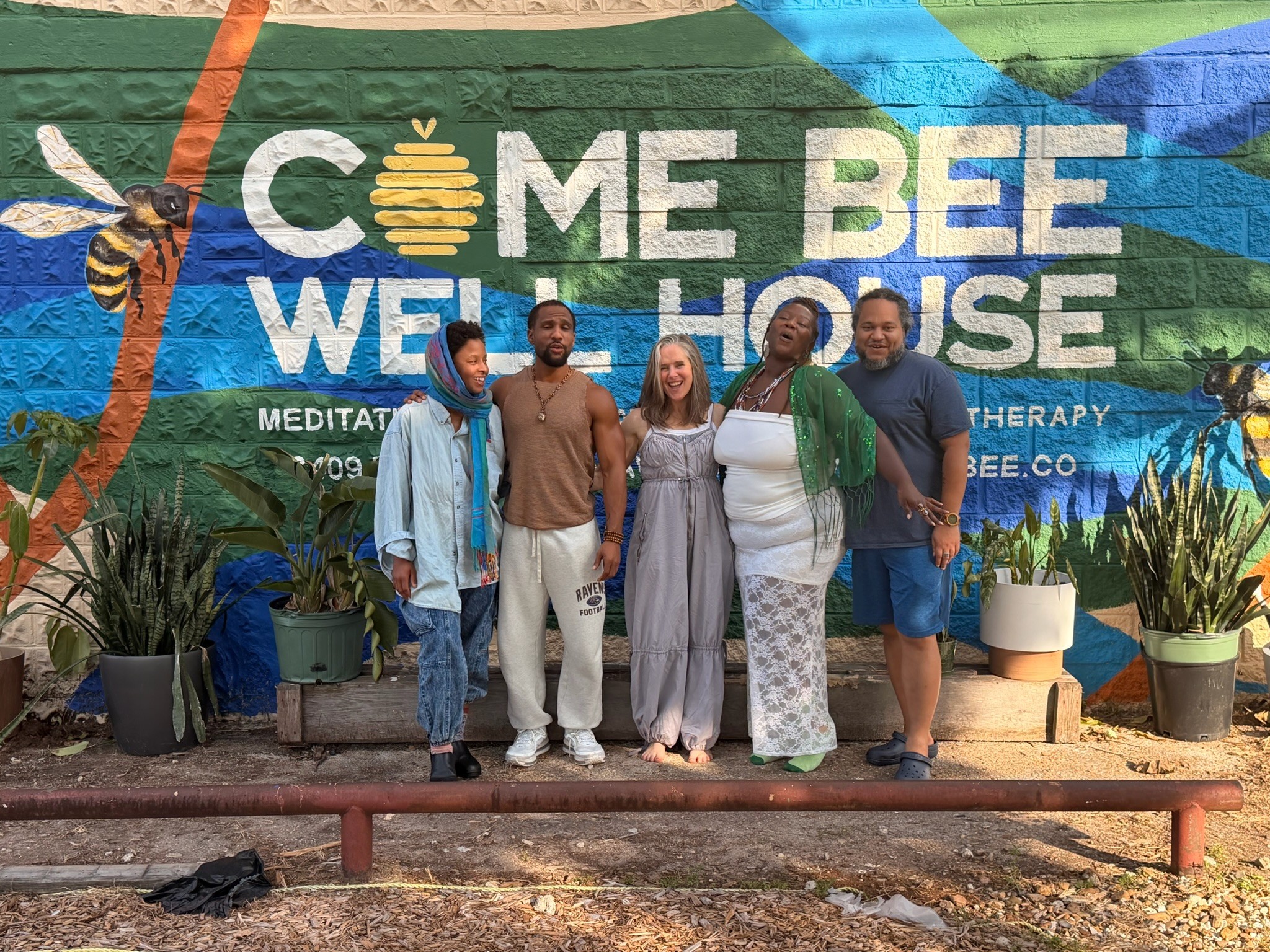
Today, Come Bee Well House is a wellness destination in Houston’s historic Third Ward where we help people regulate their nervous systems through guided meditation, breathwork, sound experiences, vibroacoustic technology, and intentional community. Just as importantly, we create opportunities for local wellness practitioners to build sustainable businesses while expanding access to holistic wellness.
People often think we’re in the wellness business, but I see it differently. We’re in the human capital preservation business. I believe the pursuit of generational wealth shouldn’t come at the expense of our generational health. My vision is to build Come Bee Well Houses across the country so that regardless of someone’s zip code, income, or background, they have access to a place where they can pause, heal, and remember that their well-being matters.
We all face challenges, but looking back would you describe it as a relatively smooth road?
It definitely hasn’t been a smooth road, and still, I wouldn’t trade the journey because every obstacle has refined the vision to become more impactful. One of the biggest challenges has been building something people don’t immediately have a category for. When people hear “wellness,” they often think of luxury, self-care trends, or something you do after you’ve already burned out. I’m inviting people to see restoration differently. I believe caring for your nervous system is just as essential as eating well, exercising, or getting enough sleep. That shift in mindset takes patience. It takes practice. It takes pursuit.
Another challenge has been becoming the leader the vision required. In the beginning, I was focused on creating a beautiful, culturally rooted wellness experience and proving that people would actually use it. Now, people are showing us that they don’t just want it, they want access to this kind of restoration in their own communities. That changes my responsibility. My job is no longer simply to create a great experience inside one house. I have to build the systems, team, and business model that can carry the integrity of that experience beyond me and, eventually, beyond this one location.
That has meant learning things I never expected to learn: finance, systems, hiring, contracts, marketing, and leadership. There have been plenty of moments where I had to admit, “I don’t know this yet,” and then commit to figuring it out. In many ways, I’m still doing that today. Testing and retesting. Listening to what people are telling us. Making adjustments and making sure the pulse is right.
I’ve also had to become comfortable building before there’s proof. There were seasons when I could see Come Bee Well House so clearly, even when there was very little evidence around me that said it would work. That’s a vulnerable place to build from because vision doesn’t come with receipts. Sometimes you’re making decisions based on what you believe is possible long before the numbers, the customers, or the recognition arrive to validate it.
I had to learn that I couldn’t always wait for proof. Sometimes my responsibility was to build the proof.
That required a different kind of confidence. Not the confidence that says, “I know exactly what I’m doing,” but the confidence to say, “I believe enough in what I’m building to keep learning what it requires of me.” And now, every person who walks through our doors, returns, brings someone with them, or tells us they want a Come Bee Well House in their community becomes another piece of evidence that the vision I could see before it existed is becoming real.
If there’s one thing this journey has taught me, it’s that excellence isn’t a destination. It’s a practice. I’m constantly asking, “How can this be better?” And sometimes the answer isn’t bigger, newer, or more impressive. Sometimes it’s more thoughtful, more intentional, or more aligned.
I’ve learned to pay attention to the smallest details because that’s often where the experience lives. How does someone feel when they walk through the door? What happens when a partnership ends? Does the business model actually support the mission? Can the systems we’re building carry the level of care we’re promising? I’m willing to question, test, listen, adjust, and even change my mind when something can be better.
I don’t believe excellence requires me to have everything figured out. It requires me to stay curious enough to keep asking better questions and humble enough to respond to what I learn. I believe this mission deserves that level of care. Looking back, I don’t see the obstacles as detours. They are preparing me to build the kind of wellness ecosystem where healing is accessible, wellness professionals can thrive, and communities become healthier together.
Appreciate you sharing that. What should we know about Come Bee Enterprises/ Come Bee Well House?
Come Bee Well House is what I like to call an everyday retreat. We’re a wellness destination in Houston’s historic Third Ward designed to make restoration something people can access as part of everyday life, not something reserved for a vacation, a crisis, or the moment after burnout.
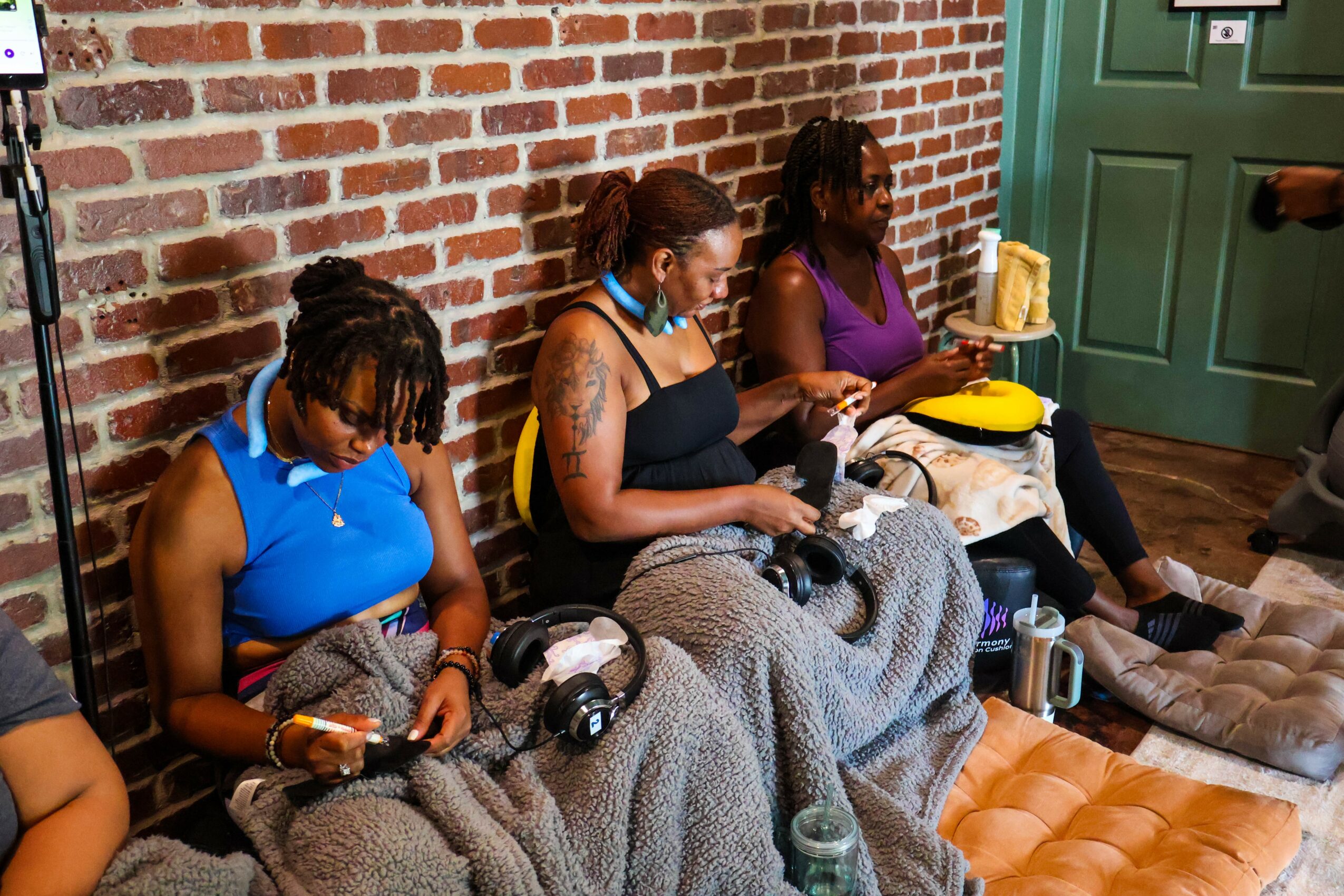
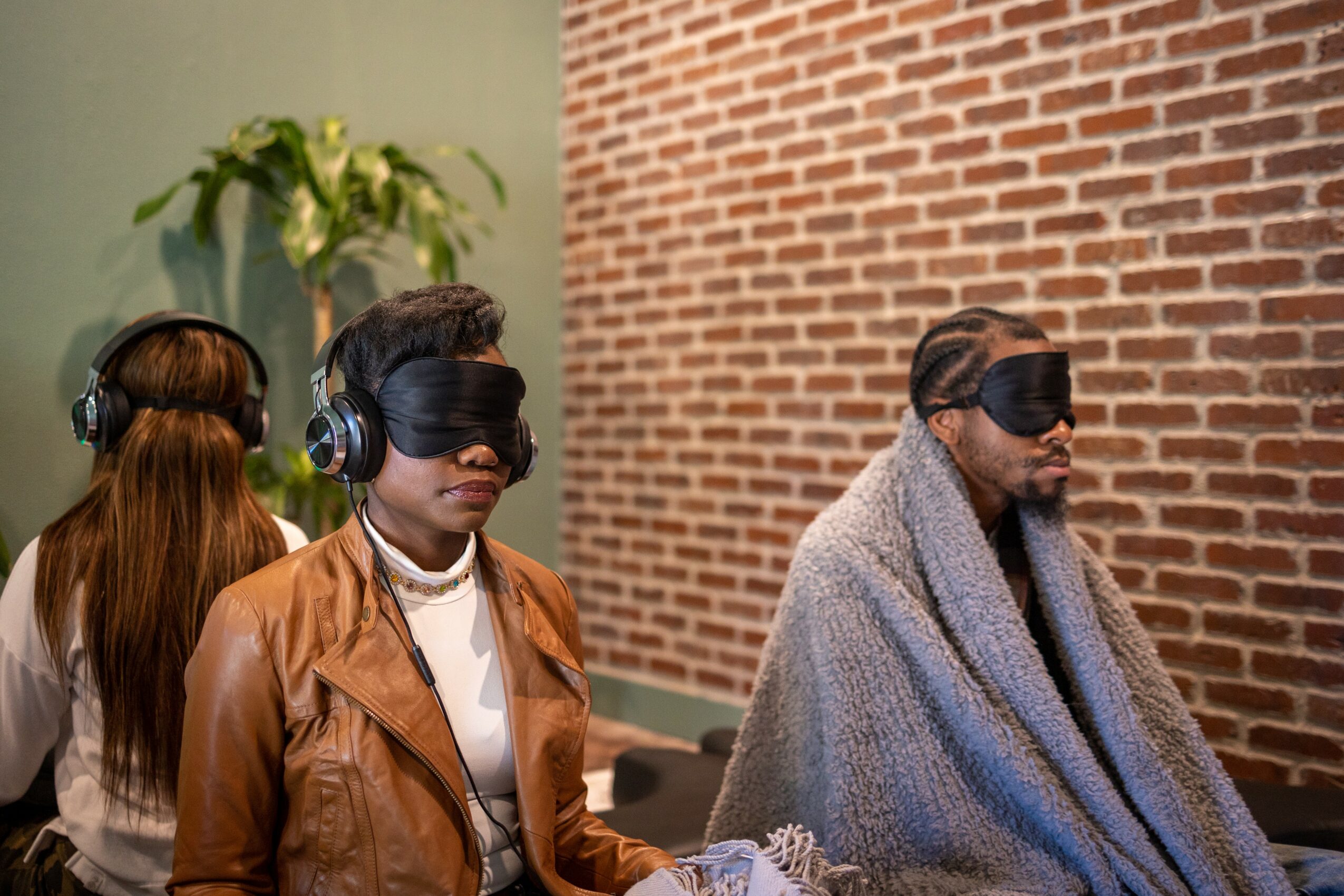
Our experiences center on nervous system restoration through guided meditation, breathwork, sound experiences, and vibroacoustic technology, which uses sound and vibration to create an immersive sensory experience. Guests can come in for an individual experience, attend a class led by one of our House Guides, gather with friends for a Small Group Saturday, or experience Come Bee Well House through private and corporate wellness programming.
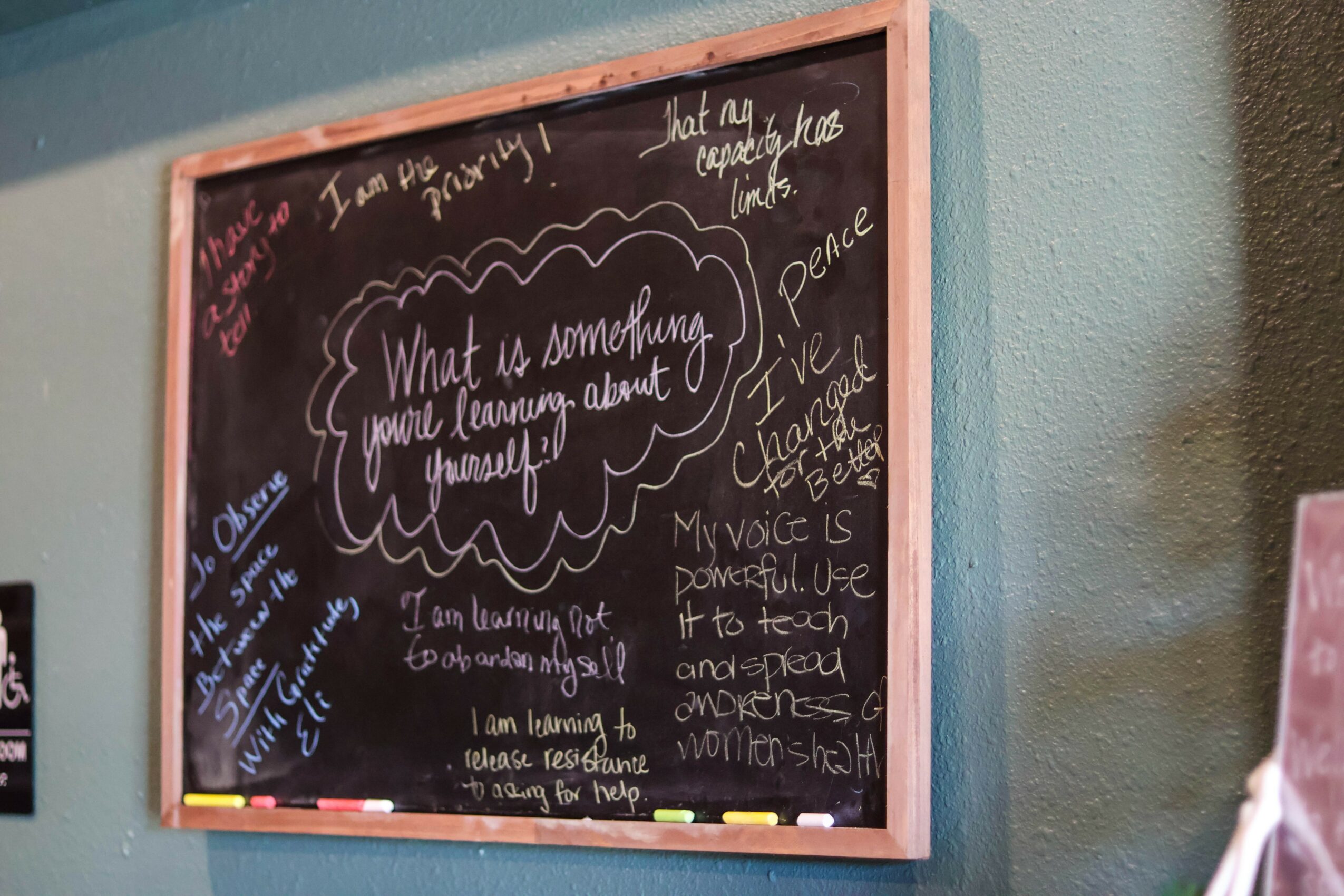
What sets us apart is that the House itself is part of the experience. We think intentionally about what you see, hear, feel, and encounter from the moment you arrive. Our goal isn’t to rush someone in for a service and send them back into the world. We want people to have room to arrive, experience, recover, and reconnect with themselves.
We’re also building more than a place for guests. Come Bee Well House is an ecosystem for wellness creatives. Through our House Guide model, local practitioners have a space to share their work, grow their audiences, and earn income doing what they’re gifted to do. That same commitment extends to our Healing Art Portal, where we feature work from local artists and give guests another pathway into reflection, restoration, and connection through art. The artwork isn’t simply décor. It’s part of the experience and another way we invest in the creative economy surrounding wellness. I believe that expanding access to wellness should also create opportunities for the practitioners and artists whose work helps make that wellness possible. More importantly, increasing access to wellness should also strengthen the people who are providing wellness within our communities.
Brand-wise, I’m most proud of the feeling we’ve created. People walk in and understand very quickly that Come Bee Well House isn’t asking them to perform wellness. You don’t have to know how to meditate. You don’t have to wear the right clothes, know the terminology, or already have a wellness practice. You can simply come in as you are. That’s important to me because we’re ultimately building toward something much larger than one beautiful space in Third Ward. I want Come Bee Well House to demonstrate what accessible, culturally rooted, intentional wellness can look like when restoration is treated as part of how we sustain our lives.
I want people to know that you don’t have to wait until you’re depleted to take care of yourself. Come Bee Well House exists so that restoration can become part of your rhythm, and eventually, my vision is for people to have access to that kind of space in communities across the country.
Is there something surprising that you feel even people who know you might not know about?
I am a Spelling Bee champion! Please note that I am very intentionally referring to my 5th-grade title.
I quickly lost the crown in 6th grade when my brain decided to scramble one thing while my lips confidently delivered another. The word was “scarce.” SCARCE. A perfectly reasonable word that I absolutely knew how to spell, and yet, on that particular day, the letters and I were apparently not in agreement.
I still remember standing there thinking, “That’s not what I meant to say!” But the judges were unmoved by my internal spelling abilities.
So yes, technically, I am a former Spelling Bee champion. The reign was brief, the defeat was humbling, and “scarce” has been on my personal watchlist ever since. For those who know me by “Miss Bee”, this gives the name a whole new meaning.
Pricing:
- Vibroacoustic Therapy Session: $50+
- Meditation Session: $21+
- House Events: $33+
- Small Group Saturdays: $750+
- Rental Space: $125+ PH
Contact Info:
- Website: https://www.comebee.co
- Instagram: https://www.instagram.com/comebeewellhouse_htx/
- Facebook: https://www.facebook.com/p/Come-Bee-Well-House-61583449724434/
- LinkedIn: https://www.linkedin.com/in/jasmine-lynch-ma/
- Youtube: https://www.youtube.com/@Comebeewellhouse/videos
- Yelp: https://www.yelp.com/biz/come-bee-well-house-houston?osq=Sound+Bath
- Other: https://comebee.co/press/