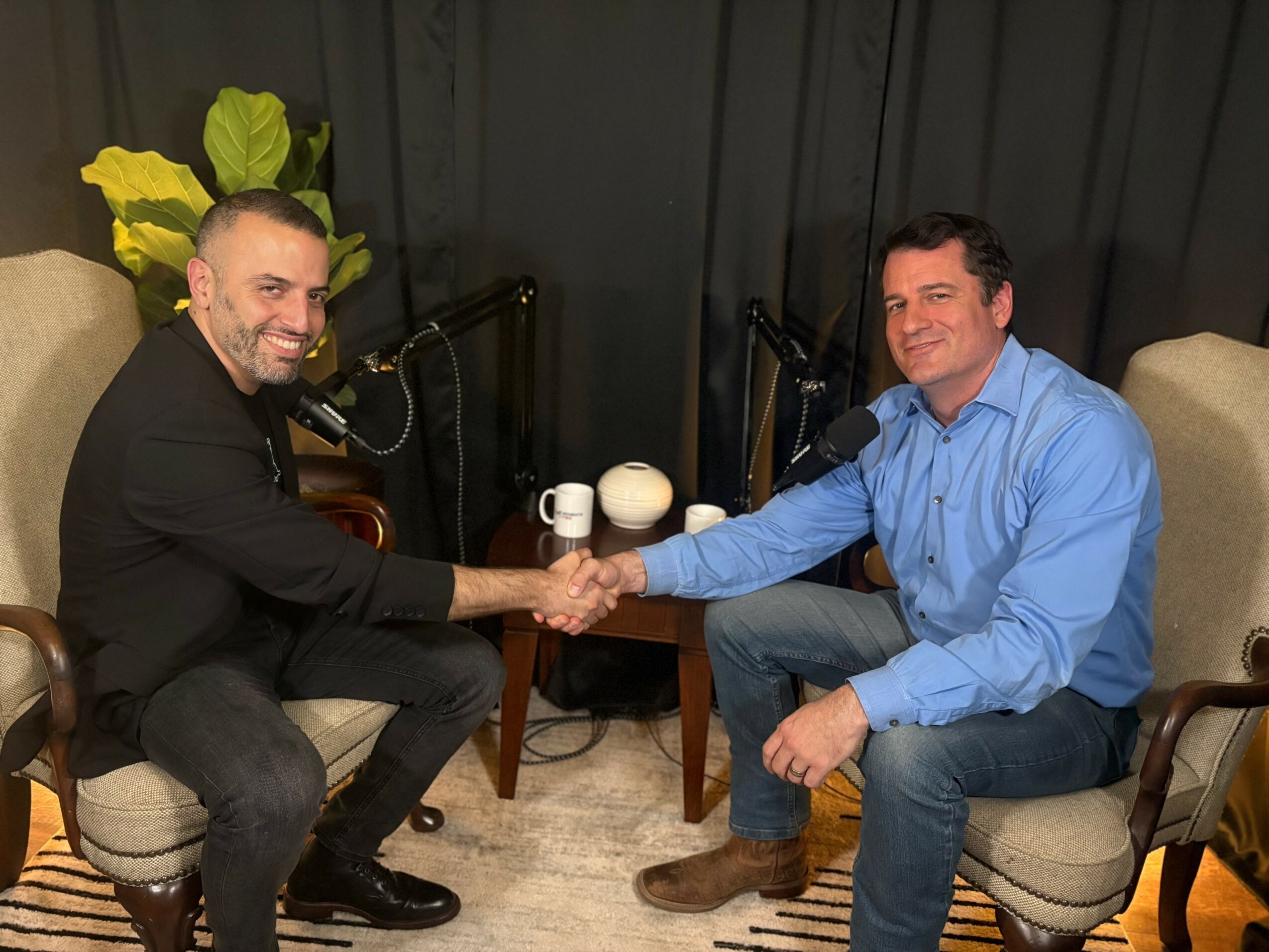






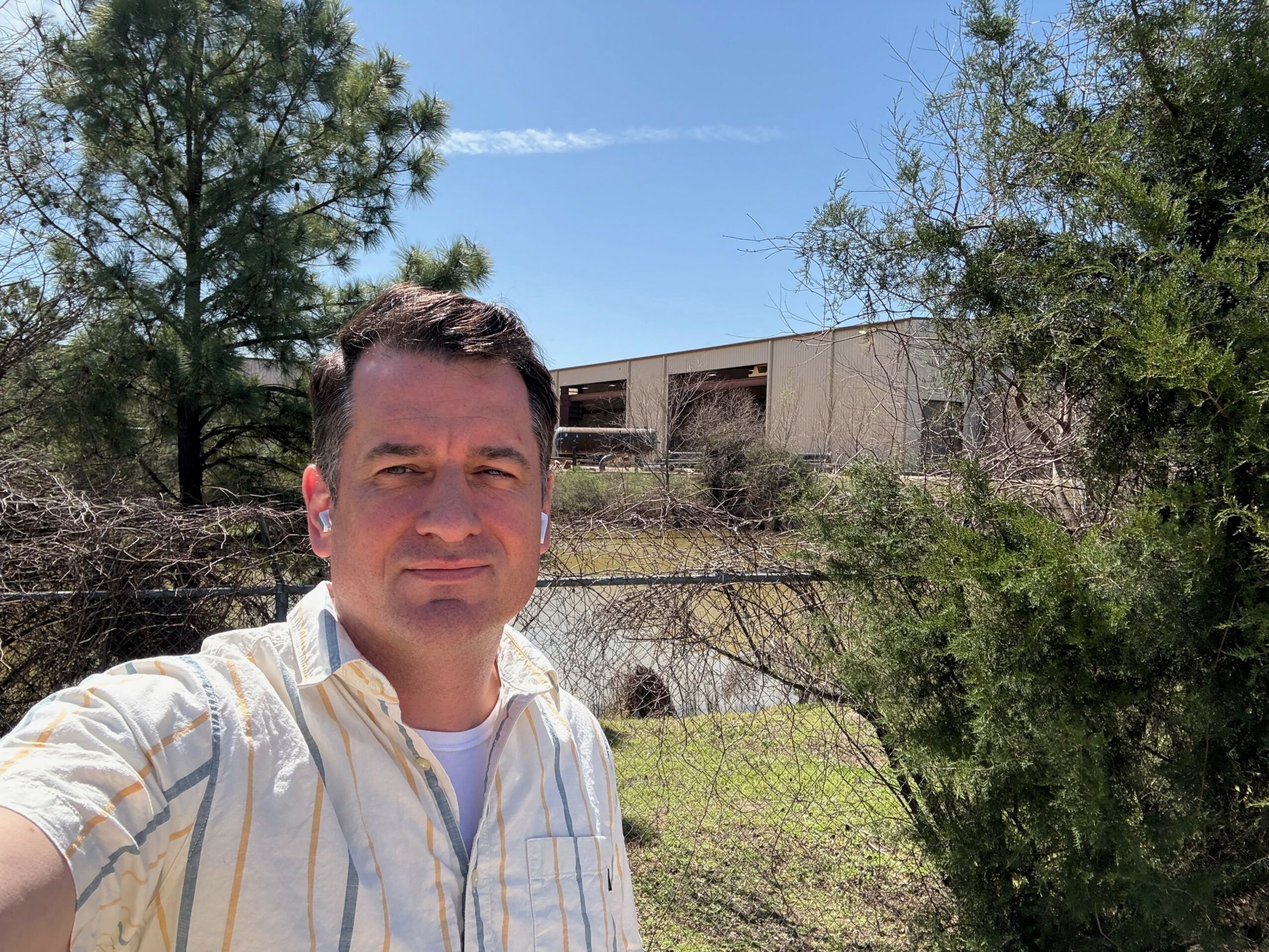
Today we’d like to introduce you to Travis Ziebro.
Hi Travis, so excited to have you with us today. What can you tell us about your story?
I started my career as a mechanical engineer working in industrial manufacturing. Over time, I moved into engineering leadership, earning an MBA and gaining extensive project management experience along the way. My pivotal entrepreneurial moment came in 2016, when I was laid off from a struggling fabrication company.
I decided to strike out on my own, offering consulting and software implementation services. At the time, I was also DJing about 60 events a year. Between DJing and consulting, I generated enough income to support my family and keep taking shots at building something of my own.
In 2019, we built our first custom software application for a client—and then attempted to launch the business into the teeth of COVID. I survived the next few years through a combination of small consulting engagements and one major software project.
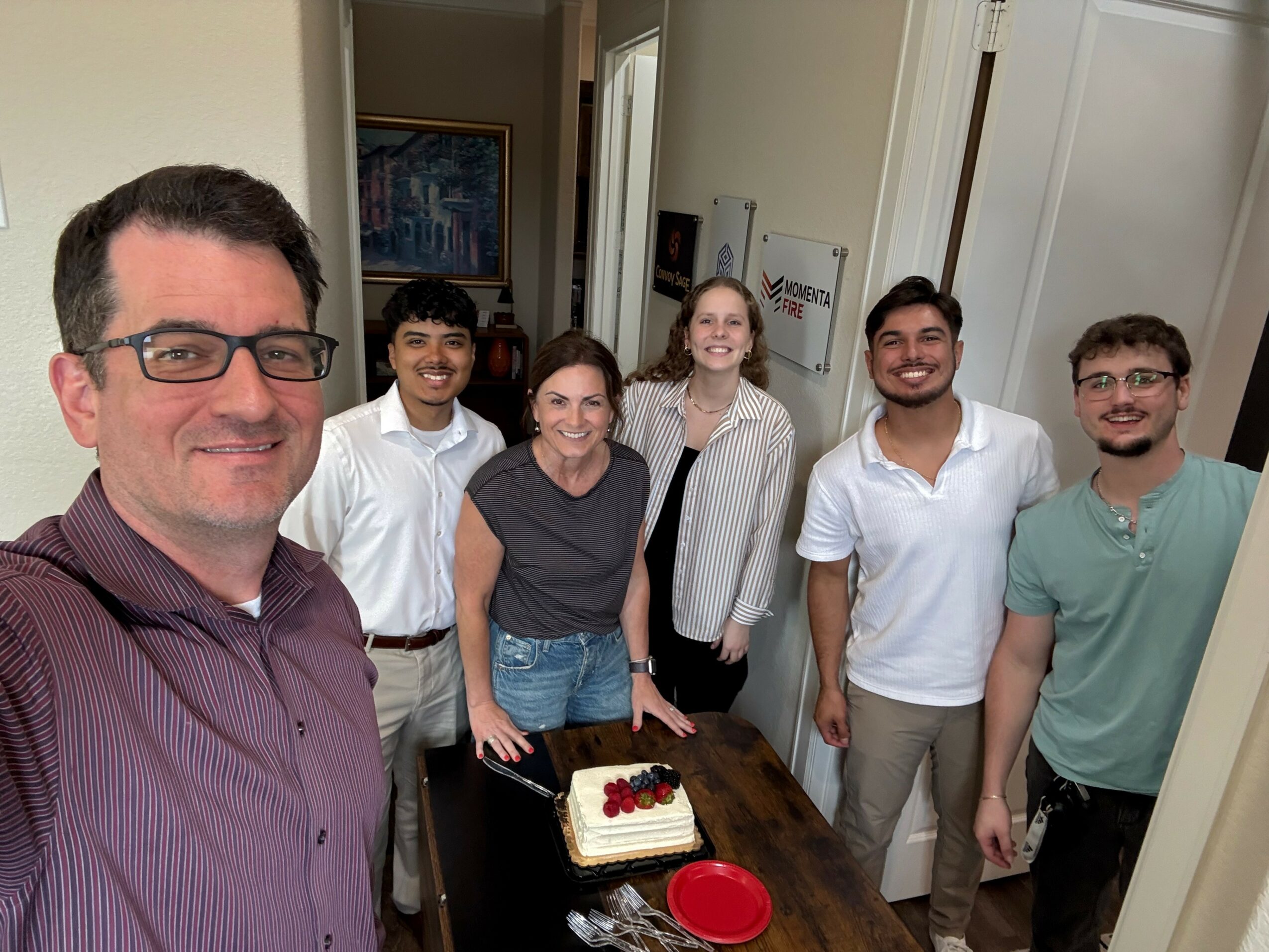
By late 2021, the technology side of the business had grown enough for me to leave the consulting work behind. Website development, in particular, eventually grew into Momenta Fire, an industrial marketing agency that now serves dozens of manufacturers, fabricators, and service companies. We are different from most agencies because we understand industrial markets and approach marketing with a strong focus on sales and measurable business results.
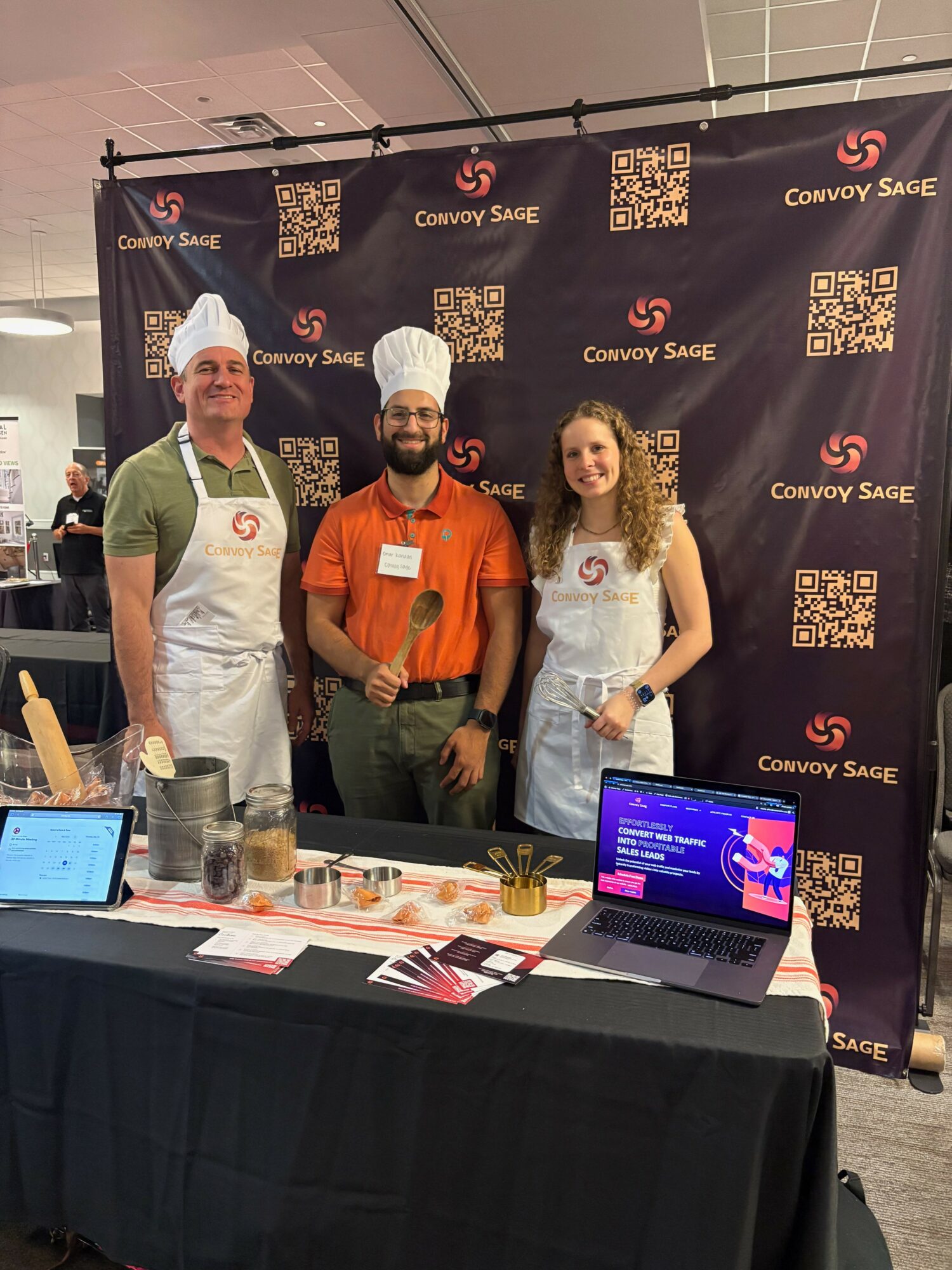
Along the way, our team has launched several other products and businesses. These include Convoy Sage, a website visitor identification service; Flarework, a flexible web and software development service; and Magic Asset, an AI-powered maintenance and troubleshooting platform.
That’s enough for now! I’ve promised myself and my team that these products have my full attention for the forseeable future.
I’m sure it wasn’t obstacle-free, but would you say the journey has been fairly smooth so far?
My second daughter was born two days after Hurricane Harvey, at a time when our income was limited, our insurance was poor, and our home had been flooded. Since then, I’ve overdrawn the bank account, maxed out credit cards, and been stiffed by customers I trusted. I’ve also had to learn that entrepreneurial judgment has very little to do with book smarts. Health coverage remains an ongoing challenge; our family has gone nearly a decade without conventional health insurance.
Thanks – so what else should our readers know about Momenta Tech?
What sets us apart is that we understand both the technical and commercial sides of industrial business. I spent much of my career in engineering and manufacturing, so we don’t approach these companies as outsiders trying to make complicated products sound trendy. We understand long sales cycles, technical buyers, aftermarket opportunities, and the importance of credibility. Our job is to understand what makes a client valuable, communicate it clearly, and connect that story to sales.
We describe our approach as “Industrial Intelligence.” It combines deep industry knowledge, strong creative execution, and a practical focus on measurable results. We are not interested in producing marketing simply for the sake of activity. We want the websites, content, and campaigns we create to help our clients win business.
Brand-wise, I am most proud that Momenta has developed a reputation for genuinely caring about the companies we serve. Many of our relationships have grown from a single project into long-term partnerships because clients trust our team to take ownership and tell them the truth. Several clients now rely on us as an extension of their internal sales and marketing teams.
I’m also proud that Momenta has become a platform for building new ideas. From the incubation lab, we launched Convoy Sage, a website visitor identification service; Flarework, a flexible web and software development service; and Magic Asset, an industrial AI platform. Each reflects the same core belief behind Momenta: industrial companies deserve technology and marketing built by people who understand how their businesses actually work.
Can you talk to us a bit about the role of luck?
Luck plays a larger role than most entrepreneurs like to admit. I was laid off despite stellar performance reviews, my second daughter was born two days after Hurricane Harvey, and I attempted to launch a custom software business just as COVID arrived. I’ve also been stiffed by customers, made costly mistakes, and watched promising opportunities disappear for reasons outside my control.
At the same time, I’ve been remarkably fortunate. Several industrial clients trusted me professionaly when I just started. I once bought a piano keyboard from a guy on Next Door and then sold that guy a six figure web app. My buddy suggested I mentor at UH and that turned into a huge talent pipeline for my company.
As a Christian, I tend to think of these matters as less as luck and more as providence, although it rarely feels that way in the moment. The setbacks forced me to become more resilient, disciplined, and humble. We can’t control what arrives at our door, but we are responsible for our response.
Contact Info:
- Website: https://momentatech.com
- LinkedIn: https://www.linkedin.com/in/ziebro/