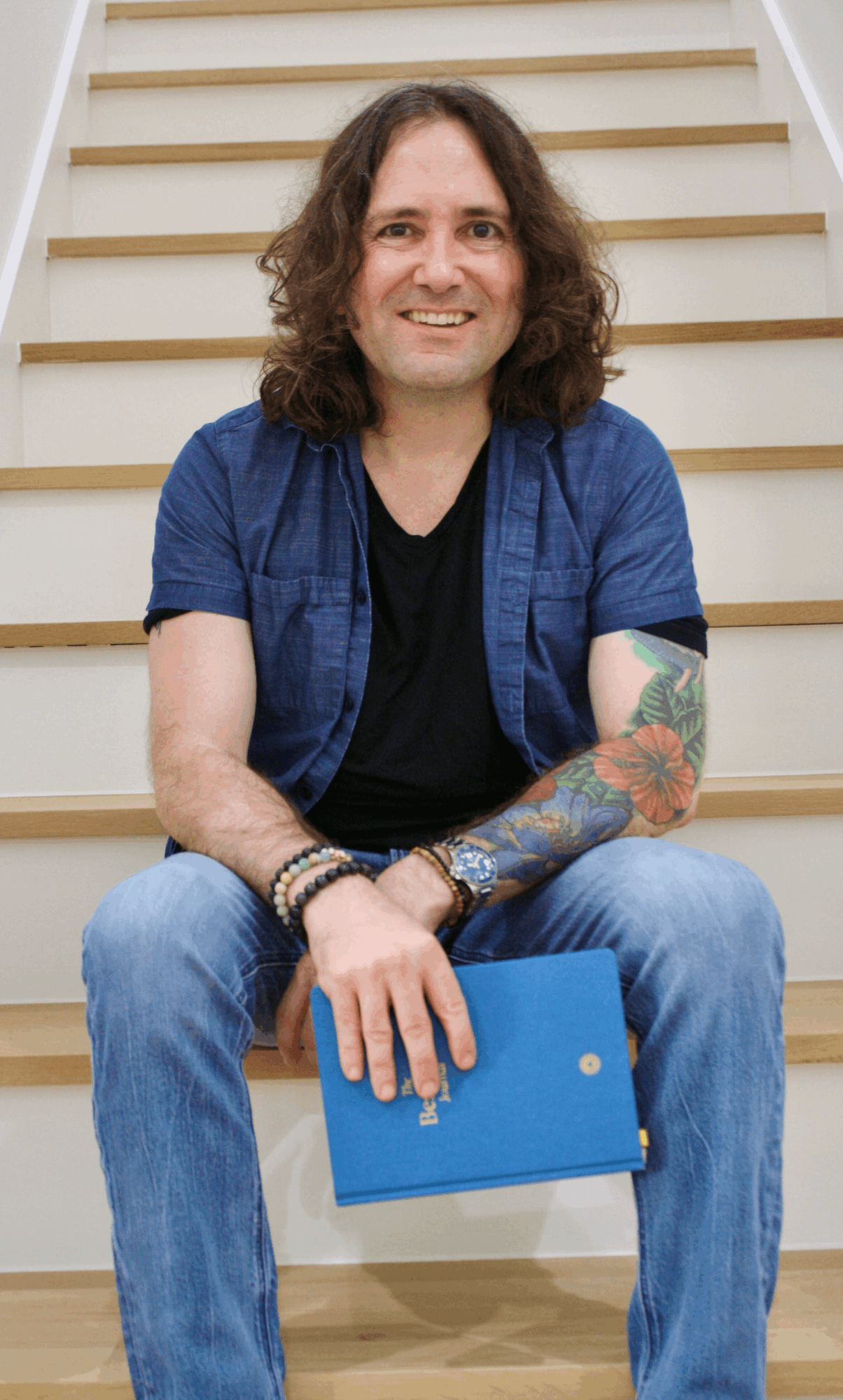





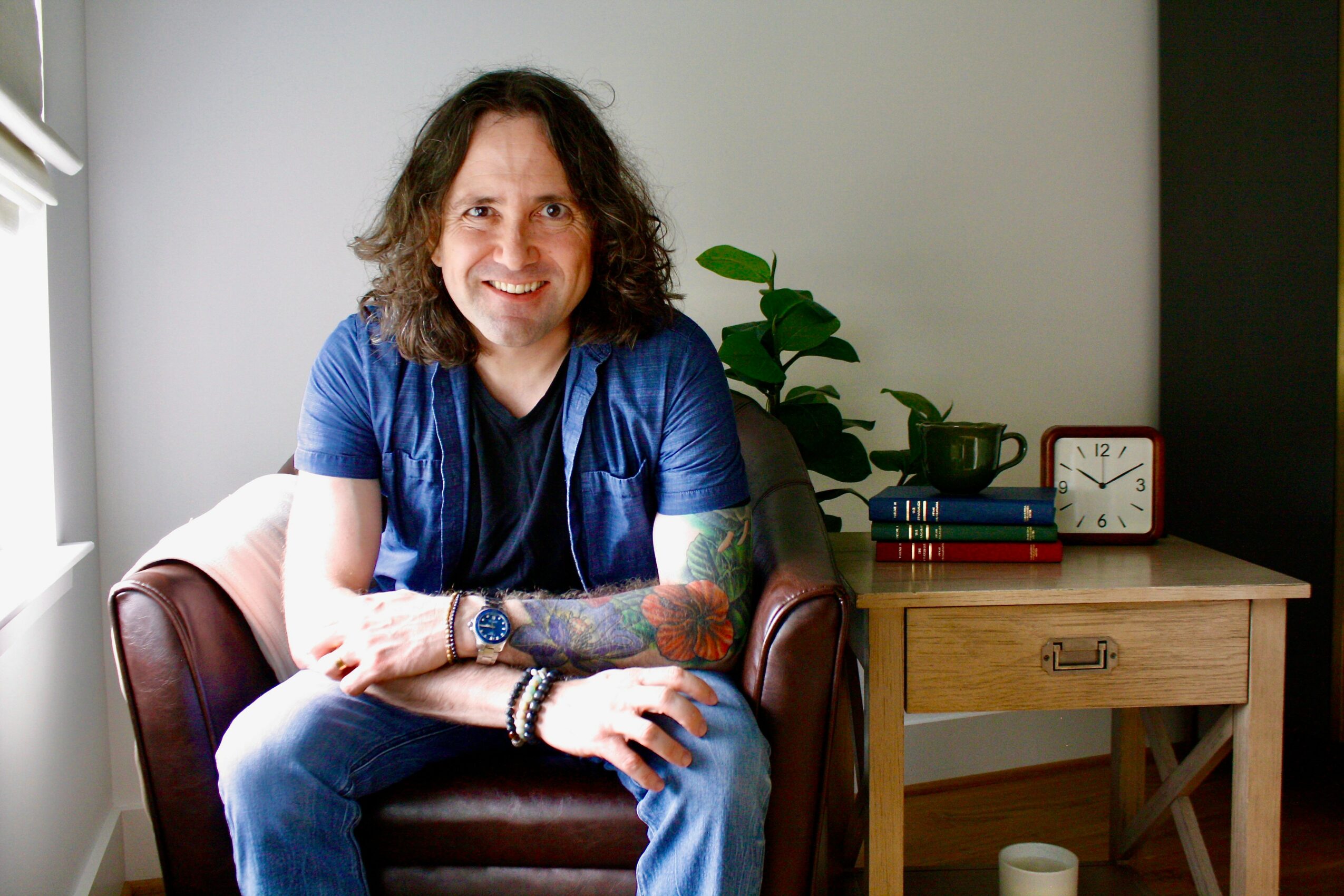
Today we’d like to introduce you to Chris Marullo.
Chris, we appreciate you taking the time to share your story with us today. Where does your story begin?
I’m a Licensed Professional Counselor in Houston. After treating people for several years, I started noticing that the common stuff we treat, such as anxiety, depression, and relationship problems, shows up differently in people who have ADHD. ADHD usually makes it worse.
In 2022, I became an ADHD-Certified Clinical Services Provider (ADHD-CCSP). The training was about how anxiety, depression, and relationship trouble get tangled up with ADHD. If somebody has ADHD, and you treat their anxiety the way you’d treat a neurotypical client’s anxiety, you’re going to miss things.
It also changed how I run the practice because getting treatment for ADHD requires you to do all the things ADHD makes hard. You have to research a therapist. Fill out the paperwork. Book the appointment. Remember the appointment. Keep track of your medication. The disorder itself makes getting treated for the disorder difficult.
So a lot of what we’ve built is about lowering those barriers. We have staff dedicated to appointment requests that come in by phone, email, and the website, and verify everyone’s insurance benefits. Then they follow up with appointment reminders and the initial paperwork. Nobody should have to be organized to get in the door.
Would you say it’s been a smooth road, and if not what are some of the biggest challenges you’ve faced along the way?
Depression, anxiety, and relationship issues, or any mental health concern, are exacerbated by ADHD, if not driven by the ADHD itself. As a therapist, I have to adapt to the individual.
A lot of people with depression have false, cynical views of themselves. But someone with ADHD can usually point to specific “failures,” like dropping out of college, and the validity of it can’t be disputed. It’s the same thing with anxiety. A lot of times when we have anxiety, we are worried about things that have not happened or will not happen. But people with ADHD will often think, “If I haven’t screwed up anything today, it’s because I haven’t found out what I screwed up yet.” It’s a different kind of anxiety. I really immerse myself in the person’s story to help them adapt to a world not made for their kind of brain.
For the practice, the pandemic was challenging. We moved everything online, and it turned into something we didn’t anticipate. We could serve people across the whole state of Texas instead of only those who could drive to us. Staying online also means we keep high school students through the transition to college, which is often when they need somebody most.
Moving online came with a tradeoff, though. I used to see elementary and middle school kids. Play therapy needs a room and actual toys, so we gave that up. But we found approaches that work well online. One of our clinicians does Parent Child Interaction Therapy, which is parent coaching work, entirely online.
Great, so let’s talk business. Can you tell our readers more about what you do and what you think sets you apart from others?
Most of my own caseload is mostly ADHD, and a lot of those people came in for something else. They called about anxiety, or about a relationship that wasn’t working, and the ADHD turned out to be driving it.
The work isn’t about trying harder at systems built for somebody else’s brain. Most people with ADHD have already tried harder than anyone gives them credit for. It’s about figuring out how their particular brain works and building something around that.
As a practice, we’re five clinicians who see clients across Texas, with a sixth joining soon. We see adults, teenagers and families. Everybody here has their own specialty, so somebody calling about one thing gets matched with the right person instead of just whoever has an opening. We’re in network with a number of major insurance plans and the full list is on our site.
Is there anything else you’d like to share with our readers?
Two things I’d want people to take away, whether or not they ever call us.
The first is for adults who are starting to wonder about themselves. A lot of the people I see found out they had ADHD pretty late. They spent twenty or thirty years being told they were lazy or not living up to their potential. Often they themselves believe they’re “stupid.” Now they’re running a job and a household and can’t understand why it takes them so much more effort than it seems to take everybody else. Some discovered their ADHD when their own kid got diagnosed, and they recognized themselves in the paperwork. If that sounds familiar, it’s worth getting evaluated. A diagnosis changes the strategies you use once you know what you’re actually working with. And a lot of what people have decided about themselves over the years turns out to be wrong.
The second is for parents. If you have a kid with ADHD heading to college, start that conversation as soon as possible. Everything that held them together in high school goes away at once. They won’t have the extra teacher support or you watching over their daily schedule anymore. College assumes a level of self-management that’s hard for any eighteen-year-old and considerably harder with ADHD. People with ADHD can be up to three years behind developmentally and maturity-wise regardless of their intelligence. Imagine sending a 15-year-old off to college. The kids who do well are usually the ones who practiced running their own systems while they still had a safety net.
Contact Info:
- Website: https://www.clearlakepsychotherapy.com
- LinkedIn: https://www.linkedin.com/in/christopher-marullo-ma-lpc-adhd-ccsp-018bb393/
- Other: https://www.texasadhdtherapist.com