


Today we’d like to introduce you to Andrea Miranda.
Hi Andrea, we’re thrilled to have a chance to learn your story today. So, before we get into specifics, maybe you can briefly walk us through how you got to where you are today?
I’m a theatre director, playwright, actor, and poet working between Costa Rica and the United States. My relationship with theatre began when I was very young. I remember my grandmother putting theatre productions on television for me to watch with her in bed, and I was fascinated by them. As a child, I was always memorizing texts and creating little worlds of my own. I even wrote and directed my first plays in high school, after receiving some basic theatre training through elective after-school arts workshops. This was long before I received any formal professional training.
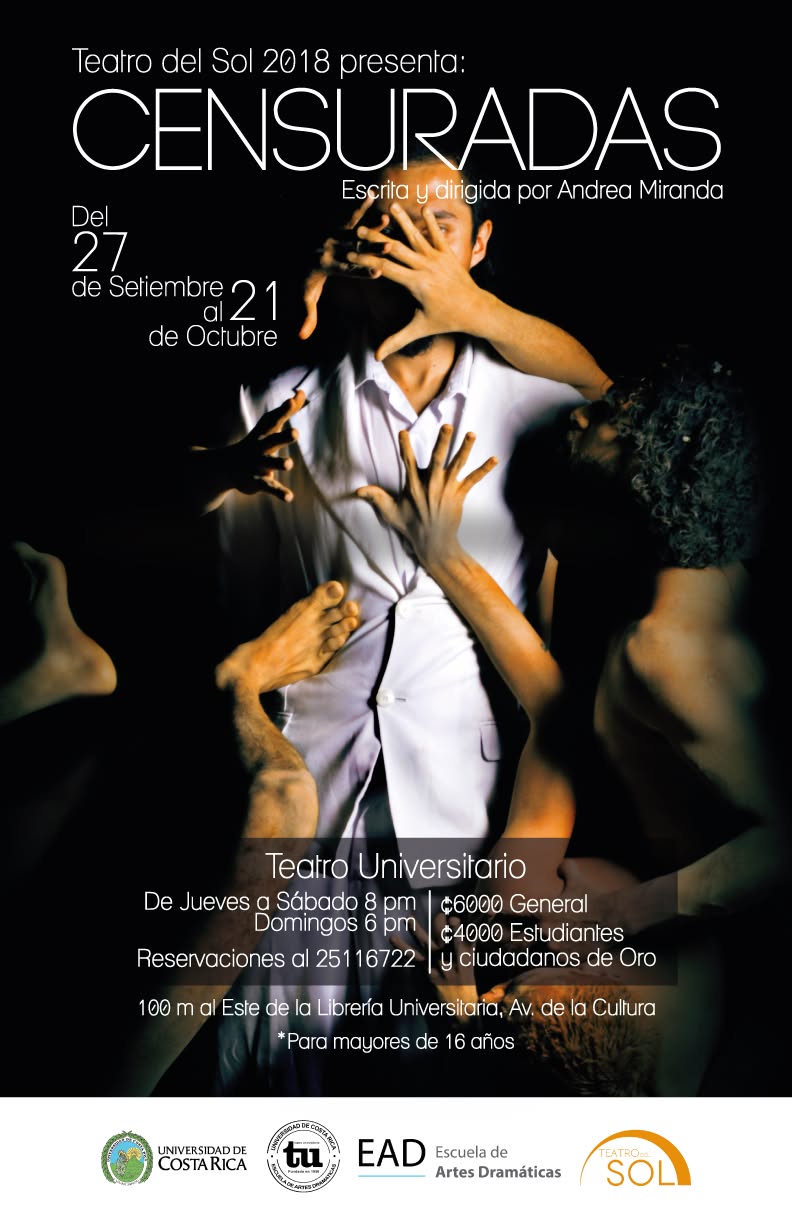
Later, I studied Theatrical Arts at the University of Costa Rica. It was through my playwriting courses that I finally found the courage to direct one of my own texts. In a way, that was a turning point for me. My greatest fear was not directing bodies onstage, but writing my own stories and then having the courage to bring them to life. That process eventually led to the creation of Manifiesto Escénico, the theatre company I have continued developing for almost a decade.
In Costa Rica, much of my practice has centered on directing and playwriting. Developing an artistic path from the ground up has taught me a great deal about patience, uncertainty, and staying close to my own voice while also learning how to connect with an audience.
Moving to the United States opened a very different chapter. While I continue to direct and develop my work in Costa Rica, in the United States I have dedicated much of my time to acting, writing, and exploring performance art and other performative practices. I have also experienced much more solitude, and, interestingly, that solitude has pushed me to look inward and write more. It has led me to translate my own texts, write in English, and become much more deeply involved in poetry, including poetry in English.
At the same time, my practice has expanded into photo performance, video performance, and, more recently, live performative acts onstage. Working between Costa Rica and the United States has also created a kind of duality in me that I did not necessarily expect. Living between two countries has allowed me to experience how themes such as migration, politics, and the realities of Latin American communities can be understood and felt differently in each place.
I find myself constantly looking for the common denominators between both realities, while also paying attention to their differences. That movement between two countries, two cultures, and two ways of experiencing the world has deeply shaped the artist I am today.
We all face challenges, but looking back would you describe it as a relatively smooth road?
No, it has definitely not been a smooth road. I think one of the biggest challenges has been learning how to sustain an artistic practice while constantly having to create the conditions for that practice to exist.
Starting a theatre company from the ground up in Costa Rica required a lot of persistence, especially financially. There were moments when I had to figure things out with very limited resources and learn how to keep creating without knowing exactly where the next opportunity would come from.
Moving to the United States brought a completely different kind of challenge. I had to start building relationships and finding my place within a new artistic community while also adapting to working in another language. That process has required a lot of patience and has come with many mistakes, especially because I’ve learned that you cannot simply translate an artistic voice from one language to another.
There has also been a certain loneliness in that process. But that solitude has become productive for me. It has pushed me inward, toward writing, poetry, and experimentation, and has given me space to question what I want to say and how I want to say it.
And then there is adulthood itself. There is something about reaching your thirties that makes you look backward, but also inward. Your relationship with time changes, and so does the way you think about the decisions you have made and the ones you still have to make. Experiencing that stage of adulthood while living between two countries has been challenging in its own way.
At a certain point, it becomes much harder to romanticize being an artist. There are bills to pay, food to put on the table, and practical decisions that have to be made. When your life exists between two countries, those decisions can become even more complicated. I want to continue making art, but I also want to have a comfortable and dignified life, and I don’t think those desires should contradict each other.
For that reason, I have also continued to professionalize myself in other areas. I work as an ELE specialist, teaching Spanish as a second language, and I have a medical translation certification. I also have a Master’s degree in Advanced Theatre Studies from Universidad Internacional de La Rioja in Spain. I have learned that professionalizing myself, becoming certified, and sometimes working in other fields are necessary parts of sustaining and valuing the art that I make.
I understand that, many times, art is not what brings the bread home. But because of everything else I do, when art does arrive, it can be a delicious dessert after a rainy day. And I hope that, with every step I take, the line between the two becomes thinner—that the art I have been building for years can eventually become my main source of income. But there is a great deal of work behind that possibility.
Perhaps one of the greatest challenges has been learning how to make room for both: protecting the part of myself that needs to create while also making responsible decisions about the life that allows me to keep creating.
Appreciate you sharing that. What else should we know about what you do?
I am a Costa Rican theatre director, playwright, actress, and poet working between Costa Rica and the United States. I am the founder and artistic director of Manifiesto Escénico Producciones, an independent theatre company dedicated to contemporary, experimental, and multidisciplinary creation.
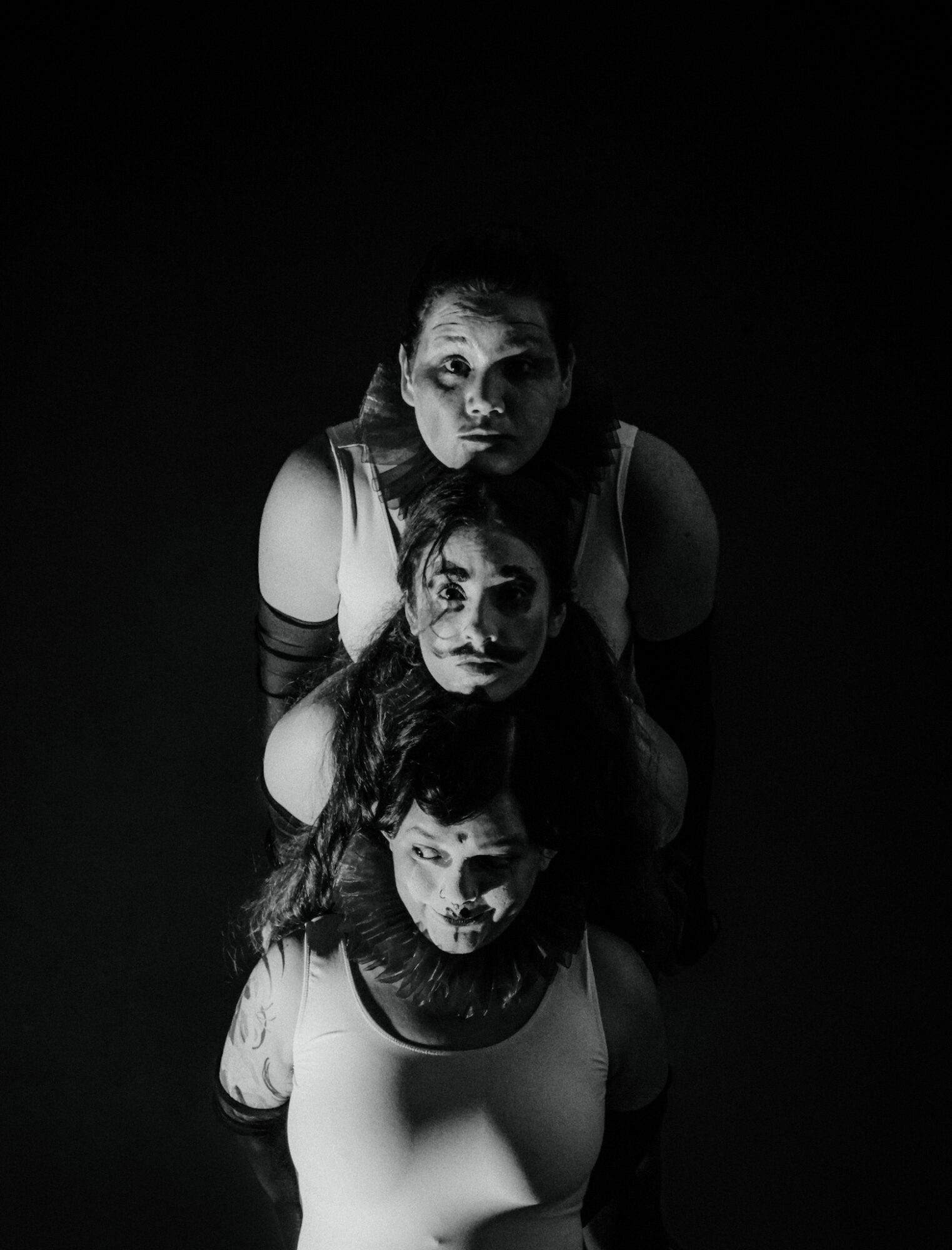
My artistic practice moves across physical theatre, poetic dramaturgy, ritual performance, and contemporary experimental creation. I am interested in creating theatrical worlds where the body becomes a symbolic territory charged with memory, desire, violence, fragility, and transformation.
My practice is deeply influenced by Antonin Artaud, Jerzy Grotowski, and the synthetic tradition that emerged from anti-naturalist movements and has continued to evolve through avant-garde and experimental theatre into contemporary and performative theatre, where different artistic languages converge and become hybrid. Through this dialogue between disciplines—and through the lens of my own biography, experiences, and artistic obsessions—I have developed a poetic language of my own.
For me, theatre is a ritual space for transformation, both in Spanish and in English. I see the stage as a liminal space where performers and audiences can enter an altered state, confront difficult questions, and experience something beyond everyday reality. Text is never absolute in my work; rather, it functions as a skeletal structure that enters into dialogue with the actor’s physical score, movement, musicality, sound, visual composition, and poetic imagery.
Over the years, I have had the opportunity to develop my artistic practice across both Costa Rica and Houston, Texas, working with a variety of independent and contemporary artistic communities. In Houston, I have had the opportunity to work with companies and organizations including Rec Room, where I was part of the Rec Room Writers Group, as well as The Octarine Accord, Stages, Creative Movement Practices, Teatro Insight, Void of Form, and others. These experiences have allowed me to collaborate with different artists, explore diverse approaches to theatre-making, and continue developing my own artistic language within an international and multidisciplinary environment.
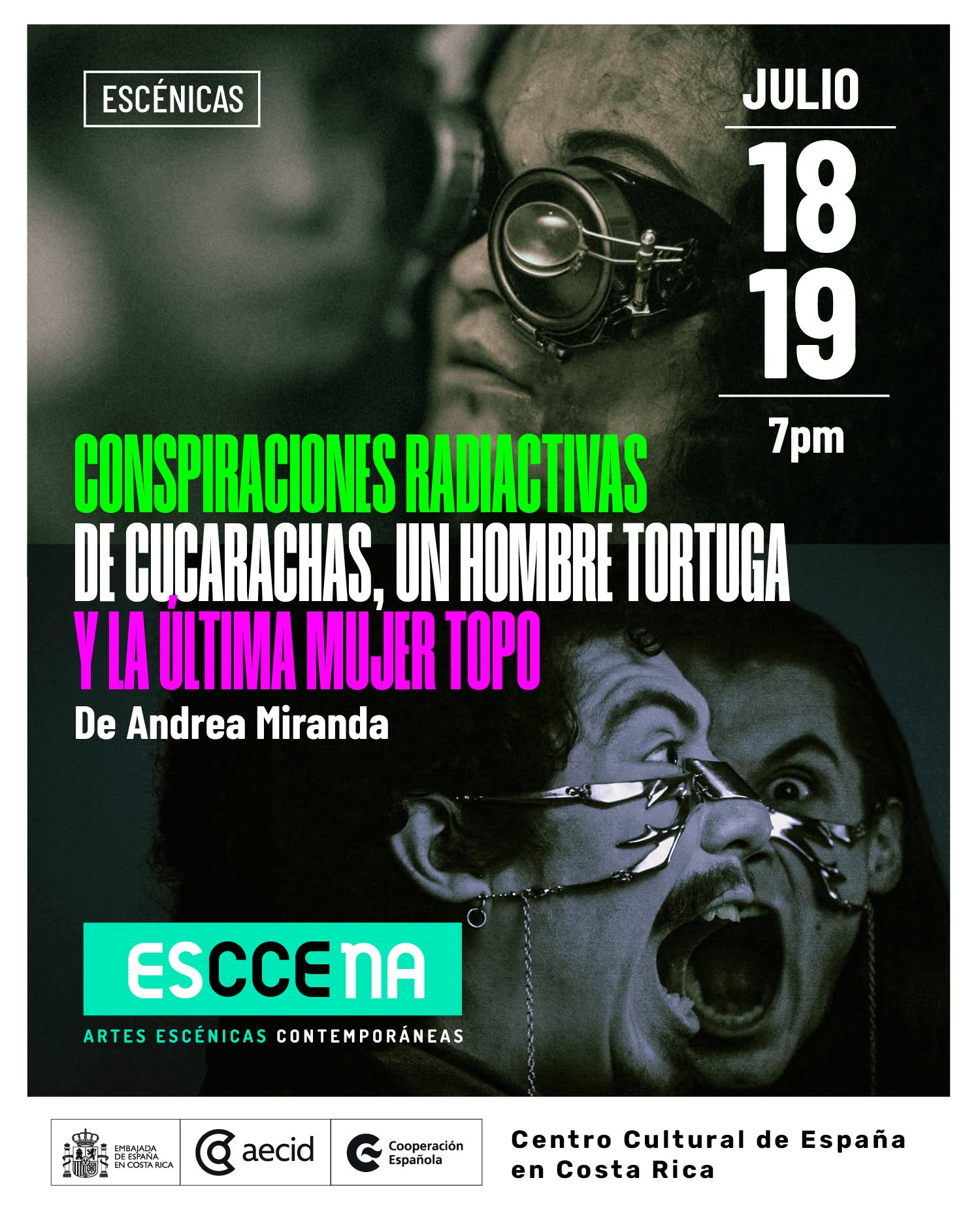
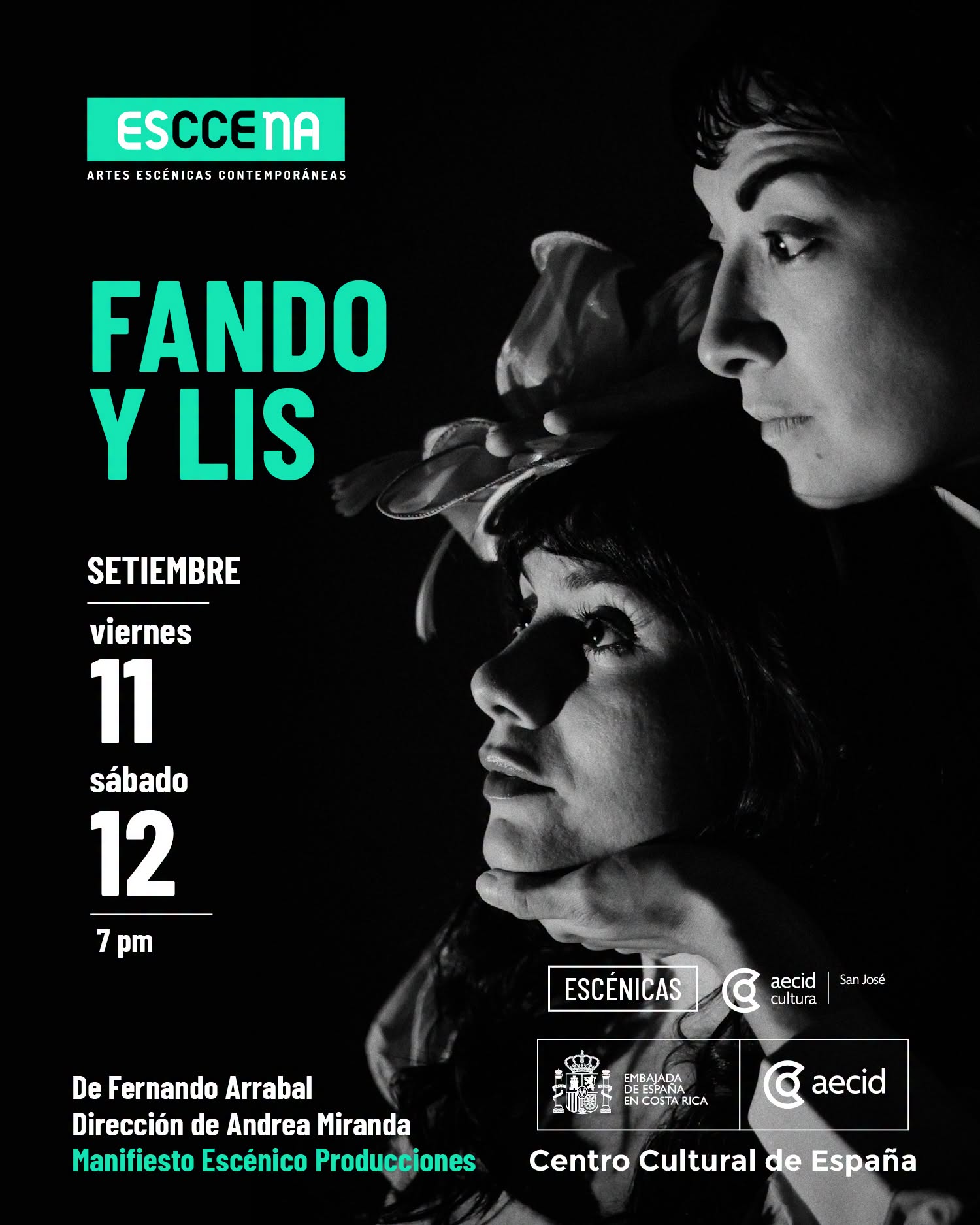
In Costa Rica, in recent years I have worked with the Centro Cultural de España en Costa Rica, including the production Conspiraciones Radiactivas de Cucarachas, un Hombre Tortuga y la Última Mujer Topo, a play that I wrote and developed in the writers’ residency at Rec Room Writers Group. This year, I also directed Fando y Lis, by renowned Spanish playwright Fernando Arrabal, as part of the ESCCENA season. This production also connects with my previous work in Houston, where I directed Fando y Lis in 2022 in its English version.
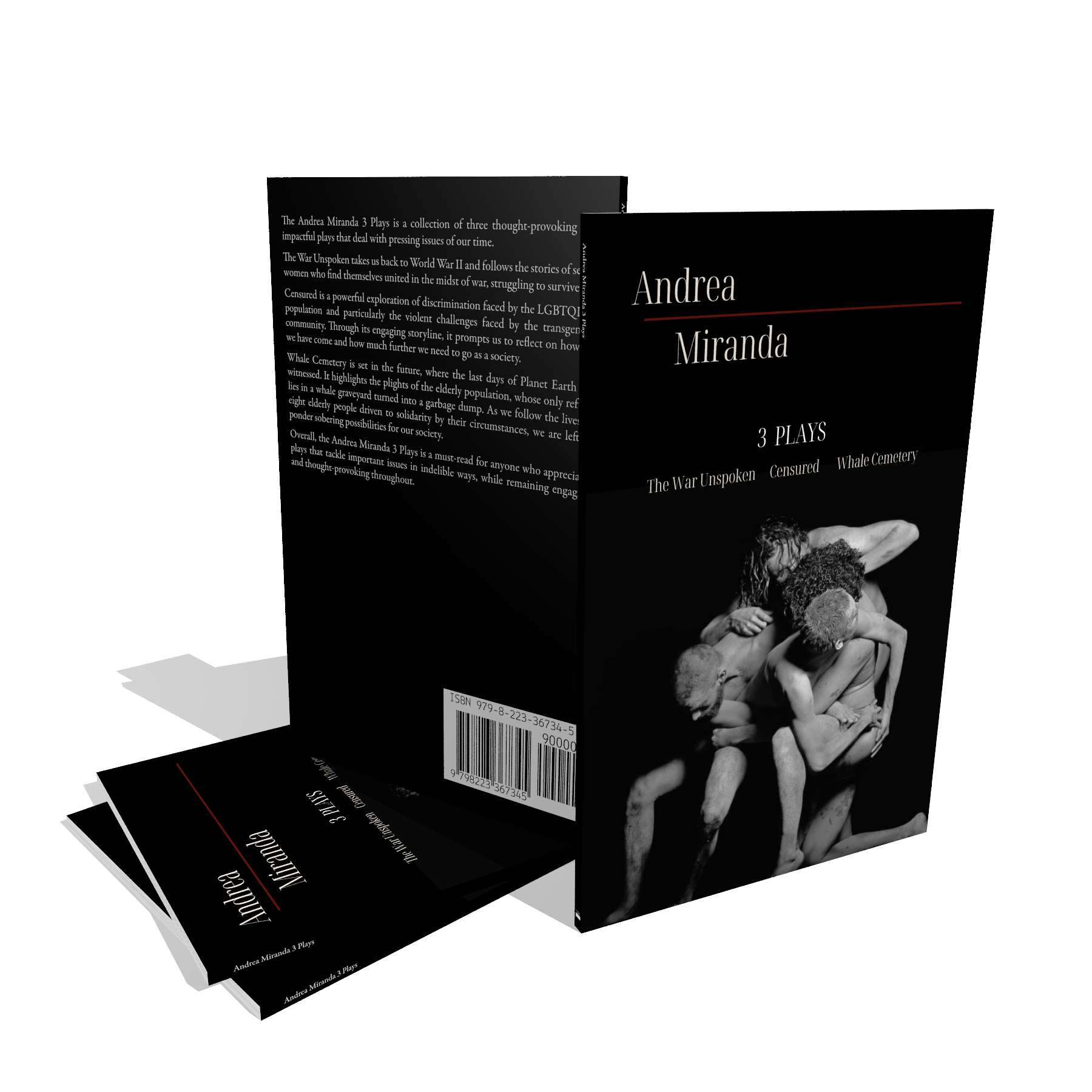
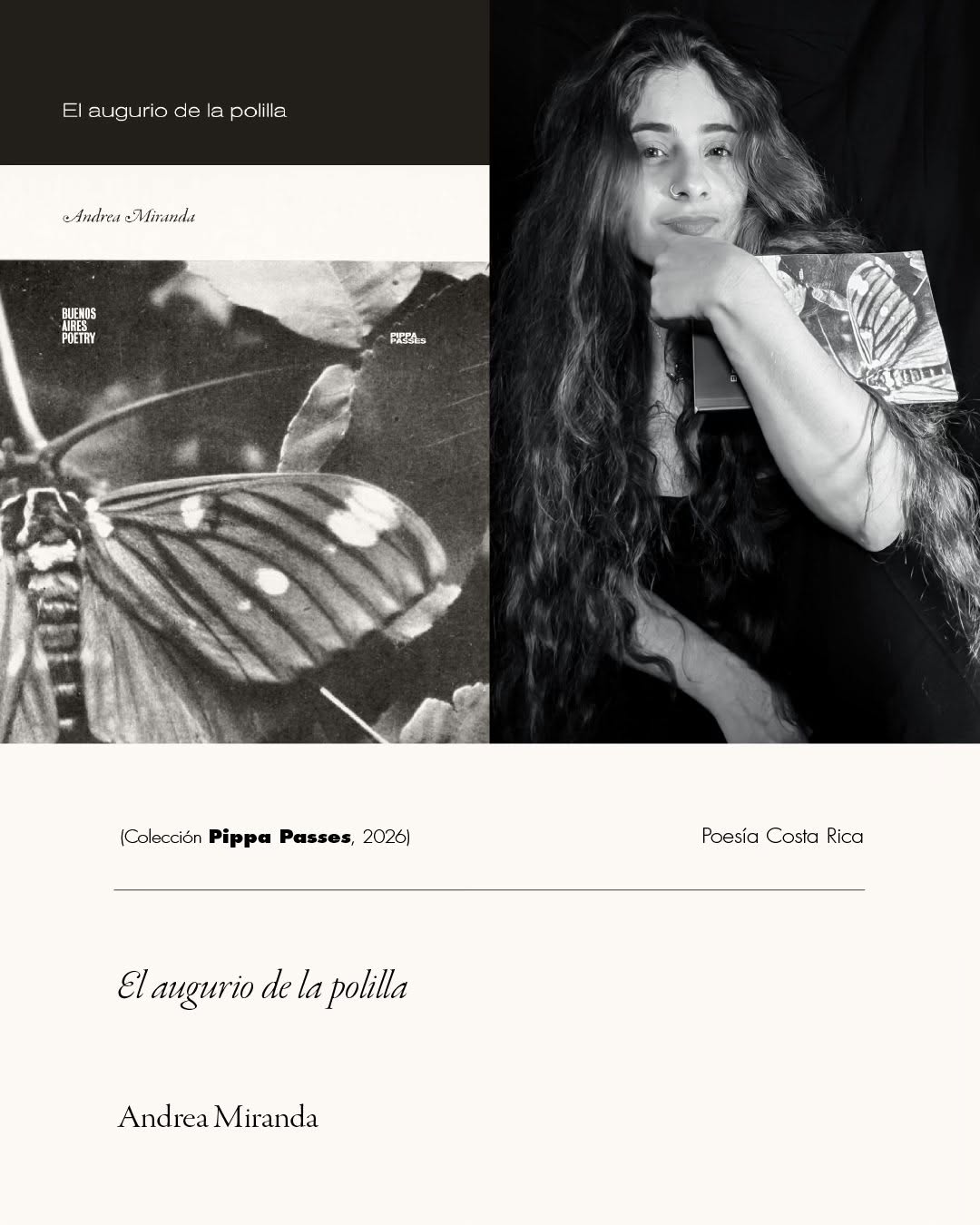
My work also extends beyond the stage into poetry and publishing. I have published both theatre and poetry with publishing houses such as Buenos Aires Poetry, Next Stage Press, and Santa Rabia Poetry, and later this year, a selection of my poems will be published in Huizache: The Magazine of New America, Volume 13. Through poetry, I explore many of the same questions that emerge in my theatre practice: the body, desire, memory, violence, identity, transformation, and the relationship between the intimate and the collective.
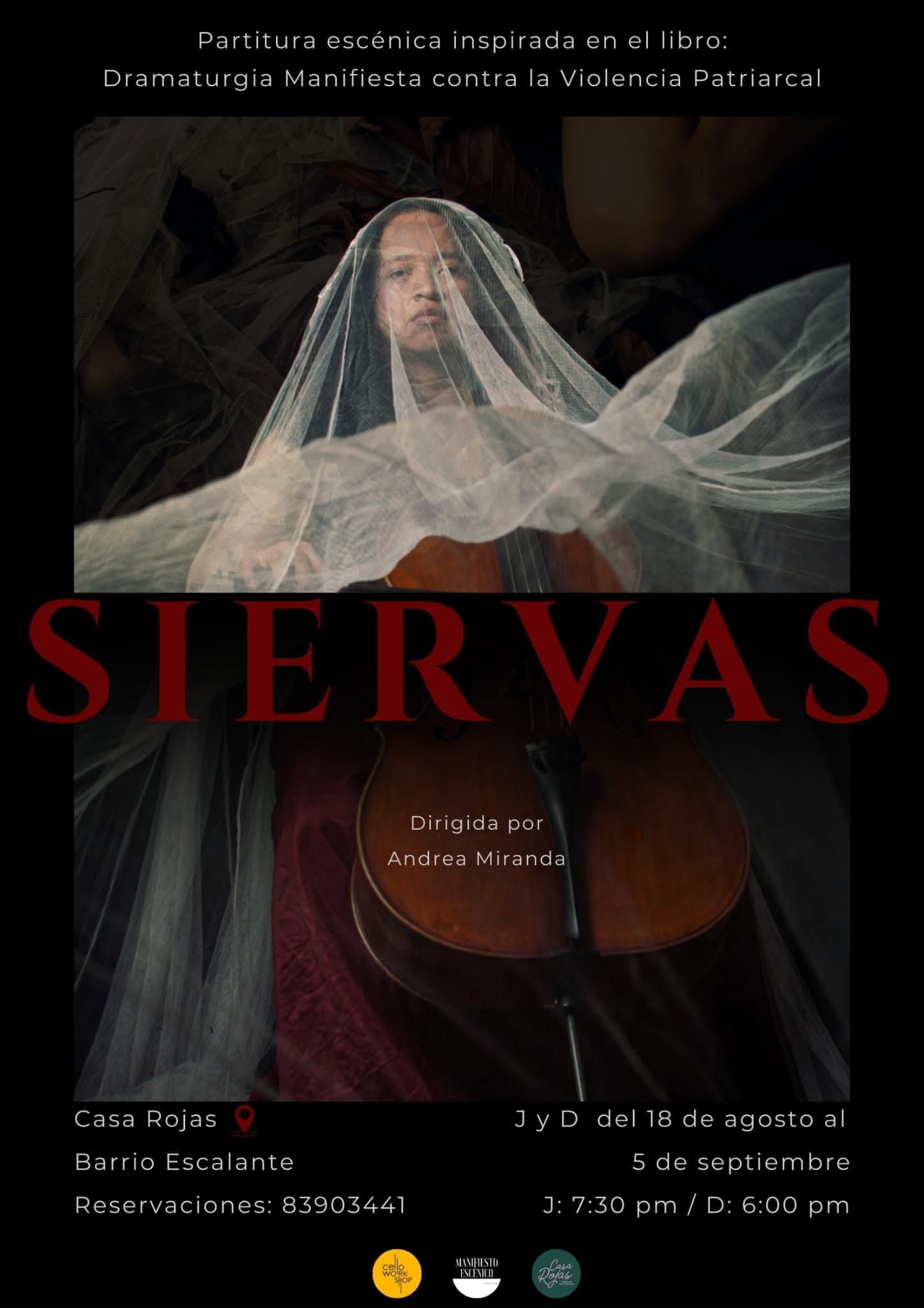
Since 2024, Manifiesto Escénico Producciones has also developed an independent publishing initiative dedicated to creating spaces for Costa Rican theatrical voices. The company began independently publishing theatre anthologies in 2024, with the aim of supporting and giving visibility to contemporary Costa Rican playwrights and their diverse perspectives. Among these publications are Dramaturgia Manifiesta contra la violencia patriarcal (2024) and A diez centímetros del suelo (2026). Both books are available in physical and digital formats through Amazon and other platforms.
Using my platform to bring visibility to the voices of Costa Rican playwrights is something that fills my heart. Being able to contribute my small part to the growth of the arts, and especially theatre, in Costa Rica is one of the most rewarding things I can imagine. The possibility that the work we create today might become part of the artistic history of my country is deeply meaningful to me. For me, art is never individual. Art belongs to all of us.
This publishing work is therefore an extension of my artistic practice: creating not only performances, but also platforms through which other voices can exist, circulate, and reach audiences.
I am most proud of continuing to follow my own artistic voice. Art has also been what has allowed me to move through some of the most difficult moments in my life. It is not simply something I do; it is part of my DNA. Whether I am writing, directing, acting, or creating, making art feels as essential to me as sleeping or eating. It is a fundamental part of my survival, a way of processing experience, making sense of the world, and transforming what I live through into something that can exist beyond me.
Rather than trying to fit my work into a predetermined category, I have built a practice in which theatre, poetry, performance, movement, sound, and visual language can coexist. I am proud of creating work that feels genuinely mine—work that emerges from my own experiences, imagination, questions, and way of seeing the world.
What sets me apart is my commitment to creating theatre from a place of instinct, embodiment, and poetic research. I am interested not only in telling a story, but in creating an atmosphere, an image, a physical experience, and an emotional architecture that can remain with the audience long after the performance ends. Whether I am directing, writing, or performing, I approach theatre as a living and transformative act.
At the same time, I believe that my work is not only about creating my own artistic universe, but also about creating spaces for other artists and voices to emerge. Whether through a performance, a poem, a publication, or a collaborative process, I am interested in building bridges between disciplines, cultures, languages, and artistic communities. My work exists in that space between the intimate and the collective, between the ritual and the contemporary, and between personal experience and shared human experience.
If you had to, what characteristic of yours would you give the most credit to?
I believe the quality that has been most important to my success is my persistence in remaining faithful to my own artistic voice. I have learned to keep creating even when the path is uncertain, when resources are limited, or when my work does not fit easily into existing categories.
I also believe in the importance of creating liminal spaces where opposites can coexist: where violence and tenderness can inhabit the same space, where beauty can emerge from discomfort, and where darkness can exist alongside light. I have learned that darkness is not necessarily something that needs to be eliminated; sometimes it is necessary, and the real challenge is learning how to enter it, understand it, and transform it without being consumed by it.
This way of working has allowed me to embrace complexity rather than simplify it. I am interested in the spaces between things—the places where contradictions, emotions, and different artistic languages meet. I believe this ability to remain present within those tensions, while continuing to search for my own language, has been fundamental to my growth and success as an artist.
Finally, being humble. Listening to feedback and understanding that not everyone will be happy, and not everyone will be pleased. But as long as I keep growing my own artistic garden, flowers will blossom. And people will start paying attention.
Contact Info:
- Instagram: https://www.instagram.com/manifiesto_escenico/
- Facebook: https://www.facebook.com/profile.php?id=100051497873567
- Youtube: https://www.youtube.com/@manifiestoescenico5971