




Today we’d like to introduce you to Jermori Caldwell.
Hi Jermori, it’s an honor to have you on the platform. Thanks for taking the time to share your story with us – to start maybe you can share some of your backstory with our readers?
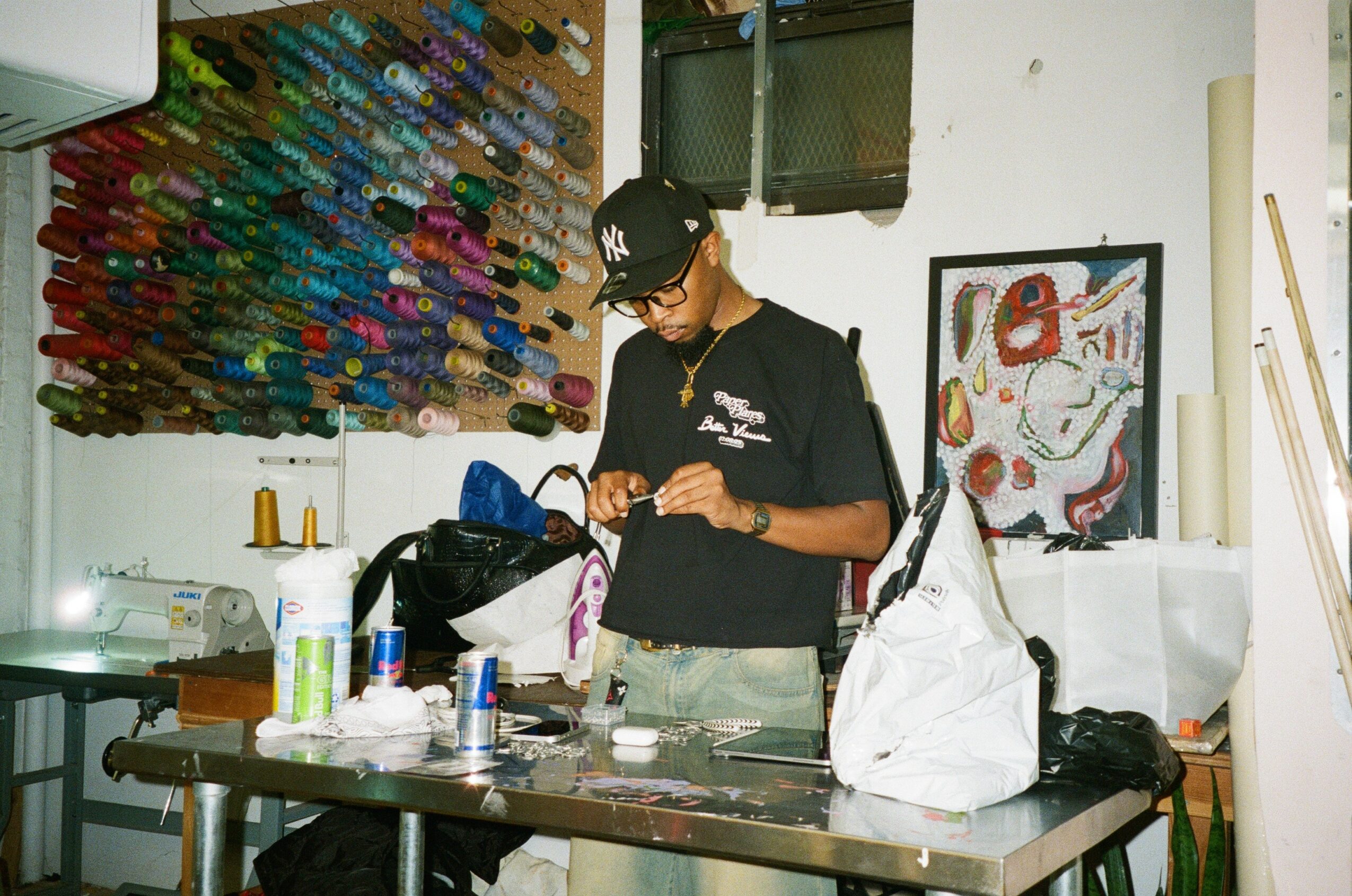
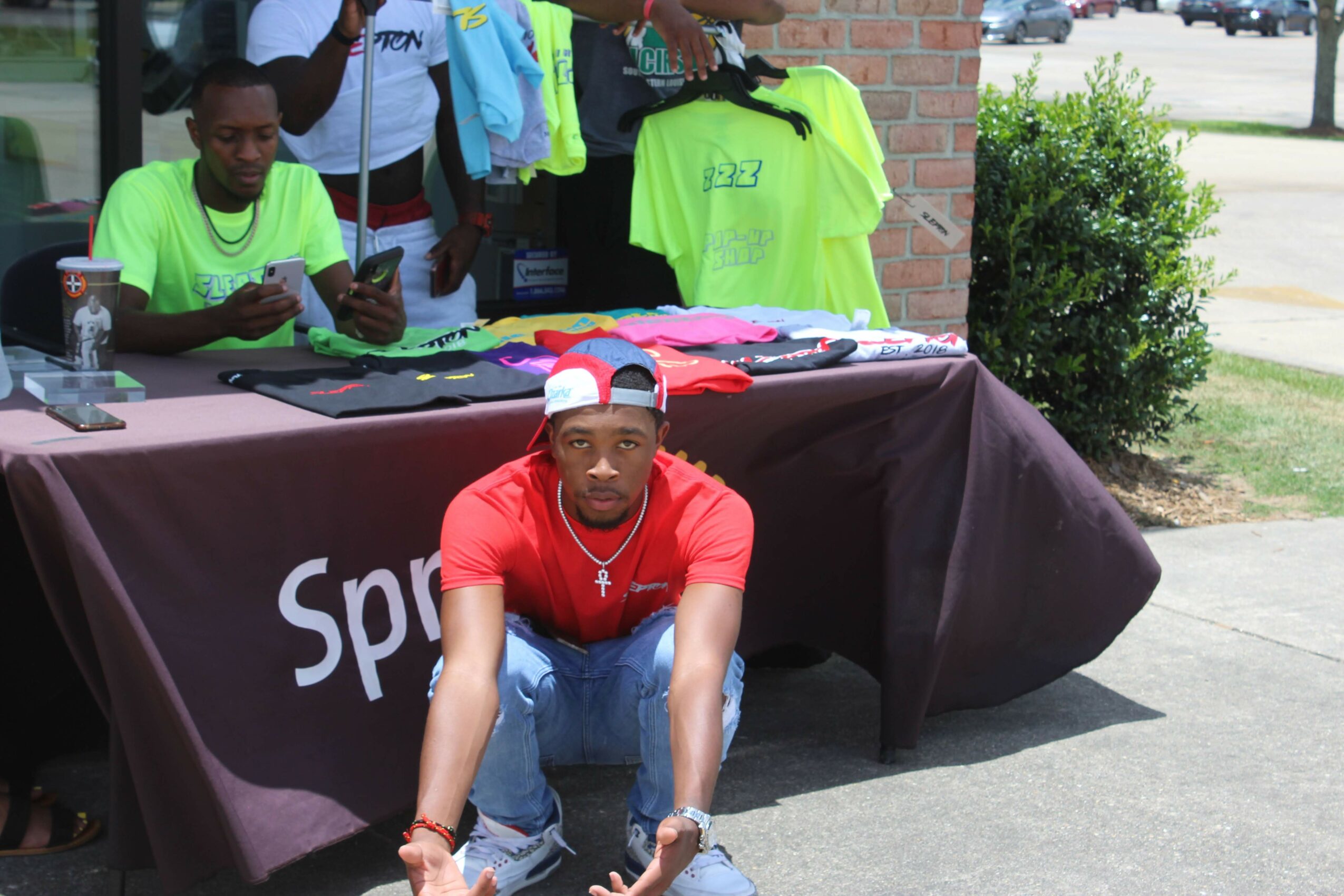
I started in 2018 in Thibodaux, Louisiana, with very little knowledge of the fashion industry. At the time, I knew one person who made shirts using a Silhouette machine and an iron. I had made a few shirts with her before, and that was pretty much the extent of what I knew. Outside of that, I was bleaching denim, drawing on coats and shoes, and experimenting with anything I could get my hands on. I was just in a period of really high creativity.
Fashion wasn’t even something I knew I was supposed to pursue. I just wanted to express myself and find ways to make what I wore different from everybody else. Eventually, that turned into the idea of creating my own brand, Slepton. I made 25 shirts for my first drop, and they sold within three days.
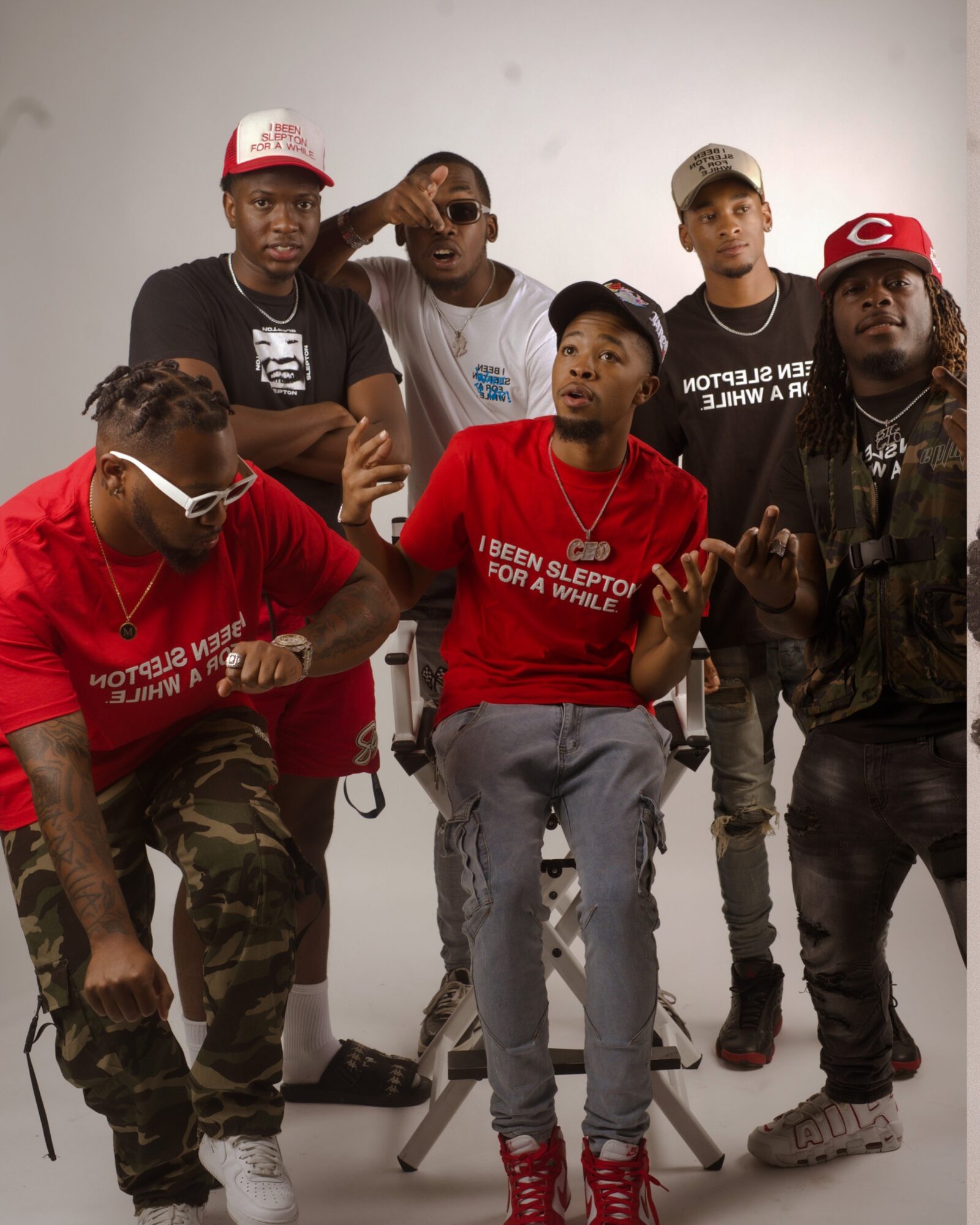
Looking back, growing up in Thibodaux became the foundation for almost everything I stand for today. It’s a small city in South Louisiana that I always felt was underrated and overlooked. In a lot of ways, it was “slept on.” I think that’s where my persistence comes from and why I’ve always felt connected to people, places and ideas that haven’t received the recognition they deserve yet. The name Slepton eventually became bigger than clothing to me. It represented the idea that being overlooked doesn’t determine what you’re capable of becoming.
In 2020, one of my shirt designs unexpectedly went viral. I remember thinking the design was regular, but the world saw something in it that I didn’t see yet. That was one of the first moments where I realized my perspective might actually mean something to people outside of my immediate environment.
Then I moved to Houston in 2021, and that’s where the journey really tested me. From 2021 until now, I’ve lost almost everything multiple times while pursuing this dream—cars, places to live, inventory, money, and a lot of the stability people naturally want in their twenties. 2022 and 2023 were especially difficult because I felt like I had reached the ceiling of what I could teach myself. My ambition had become bigger than my knowledge.
But I didn’t quit.
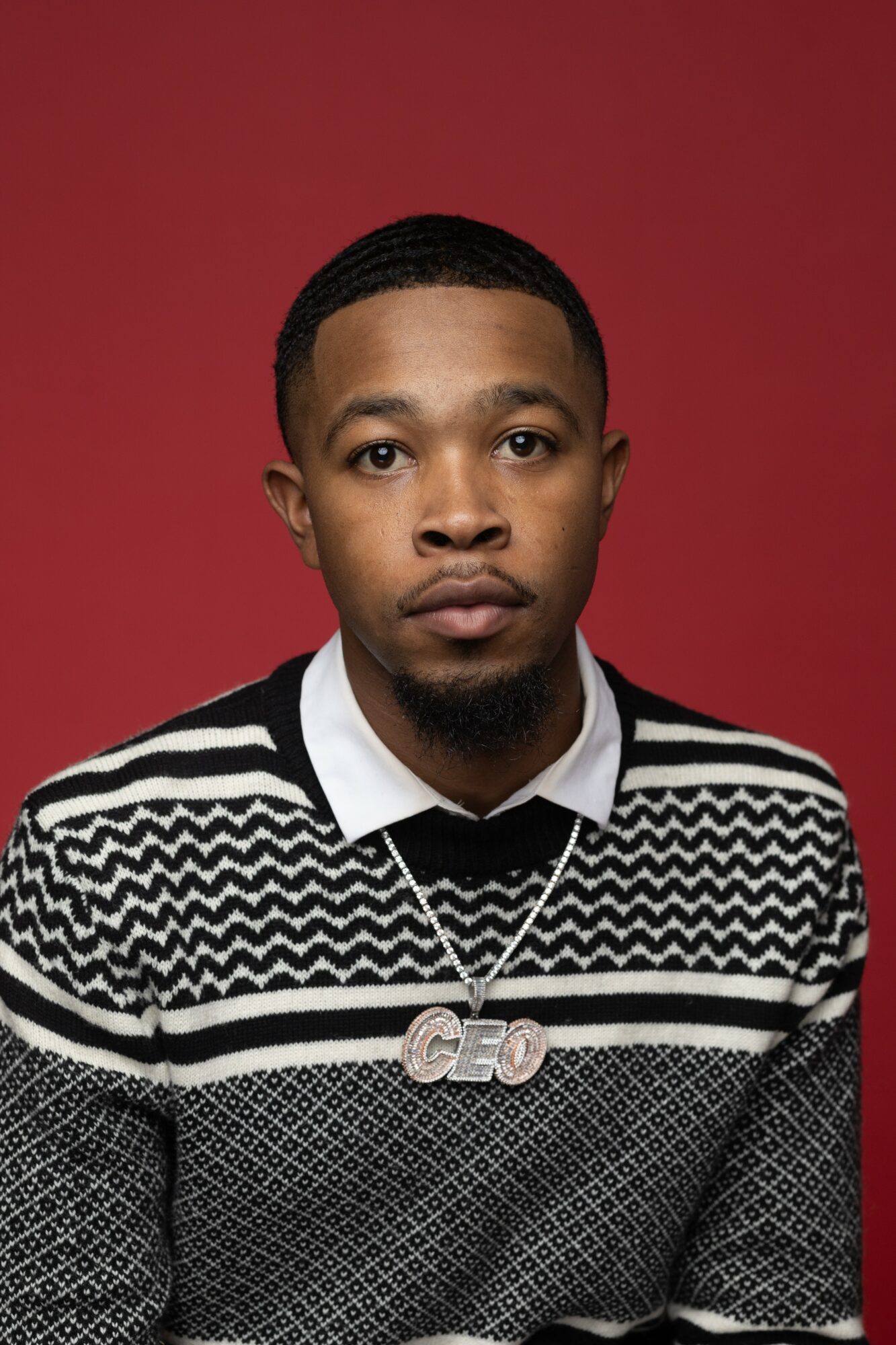
Eventually, that wall led me back to learning. I enrolled in fashion school here in Houston, and around that same period I traveled to New York. My second trip to New York changed the way I saw myself. I was only a few weeks into fashion school and showing my work during my first New York Fashion Week experience. For years, I actually refused to call myself a designer. I wanted to be the “CEO.” In my mind, I was the businessman who happened to be good at making clothes and understanding what the market wanted.
New York made me confront the possibility that I was actually a designer.
I remember realizing that school wasn’t giving me creativity—it was about to nurture, challenge and give structure to something that had already been inside of me. That changed the trajectory of everything.
The eight years I spent building Slepton also became the foundation for what is now Garment Control Group. The idea had actually been in the back of my mind for years, but I always thought it was something I would build after I “made it.” Instead, I realized that the process of trying, failing, losing, learning and figuring things out was exactly what qualified me to start helping the next designer.
I remembered what it felt like to have an idea but not know how to turn it into a real product. I remembered not understanding manufacturers, development, technical design, production or the systems behind building a fashion business. Garment Control Group became a way to create the infrastructure I wish I had access to when I started.
And that’s what makes this moment in my story special to me.
As of August 2026, I’m not telling this story from the finish line. I’m in the thick of the build.
I have school assignments due, client work due, calls booked, calls that don’t show up, designs I’m developing, businesses I’m building, negative accounts, responsibilities, wins and problems that still need to be solved. I’m really living it right now.
But creatively, I feel more alive than I have in a long time. I found my spark again.
I can feel the boy I was becoming the man I’m going to have to be for everything I’m asking for. At the same time, I’m watching more people discover my work every day. Every day it’s someone new who sees the vision, connects with the story or recognizes the light in what I’m building. I know it can take just one moment, one opportunity or one person seeing the work for life to change forever. My responsibility is to keep showing up so I’m there when that moment comes.
I’m approaching a decade since I started, and strangely, it feels like I’m just getting started.
Everything I’m building now—from Slepton to Garment Control Group to the designer I’m becoming—is leading toward the legacy I want to leave and the foundation I hope generations after me can build upon.
Alright, so let’s dig a little deeper into the story – has it been an easy path overall and if not, what were the challenges you’ve had to overcome?
It definitely has not been a smooth road. I think one of the hardest parts about chasing something you genuinely believe in is that belief doesn’t always immediately translate into stability.
There have been seasons where, creatively, I knew exactly who I was becoming, but financially my life didn’t reflect it yet. I’ve lost cars, apartments, inventory, money and relationships along the way. I’ve had moments where everything I built seemed to fall apart at once, and I still had to wake up the next morning and figure out how to keep going.
Moving to Houston in 2021 probably started the most difficult chapter of my journey. I came here because I knew I needed to put myself in a bigger environment, but being in a bigger environment also exposed everything I didn’t know. Around 2022 and 2023, I hit a ceiling. I had gotten as far as my natural creativity and self-taught knowledge could take me. I had ambition, but I didn’t always have the resources, technical knowledge, connections or infrastructure to match it.
One of my biggest struggles has actually been learning how to build the person behind the dream. Entrepreneurship will expose you. You can be talented and still need discipline. You can have a great product and still need to understand business. You can have vision and still need systems. You can believe you’re called to do something and still have days where you’re looking at your bank account wondering how you’re going to make everything work.
I’m living through some of that even as I answer this question.
I’m currently balancing my senior year of fashion school, client work, building Garment Control Group, continuing to develop Slepton and navigating the realities of being an entrepreneur. Some days I go from working on my graduate collection, to taking a client call, to figuring out how I’m going to handle a personal expense—all within the same few hours.
But I think that’s what has changed most about me. I used to look at struggle as evidence that maybe something wasn’t working. Now I understand that a lot of my hardest seasons were building capabilities I didn’t have yet.
Thibodaux taught me how to believe in something overlooked. Houston taught me how to survive long enough to build it.
I’m still in that process. I don’t have a story where everything suddenly became easy. What I have is a story where every time life gave me a reason to stop, I found another reason to keep creating.
And I think that’s ultimately what “Slepton” means to me. Being overlooked, underestimated or going through a difficult season doesn’t determine how the story ends.
Alright, so let’s switch gears a bit and talk business. What should we know about your work?
At my core, I’m a fashion designer and builder. I specialize in taking ideas that may initially feel unconventional, overlooked or difficult to execute and turning them into products with a story, function and identity.
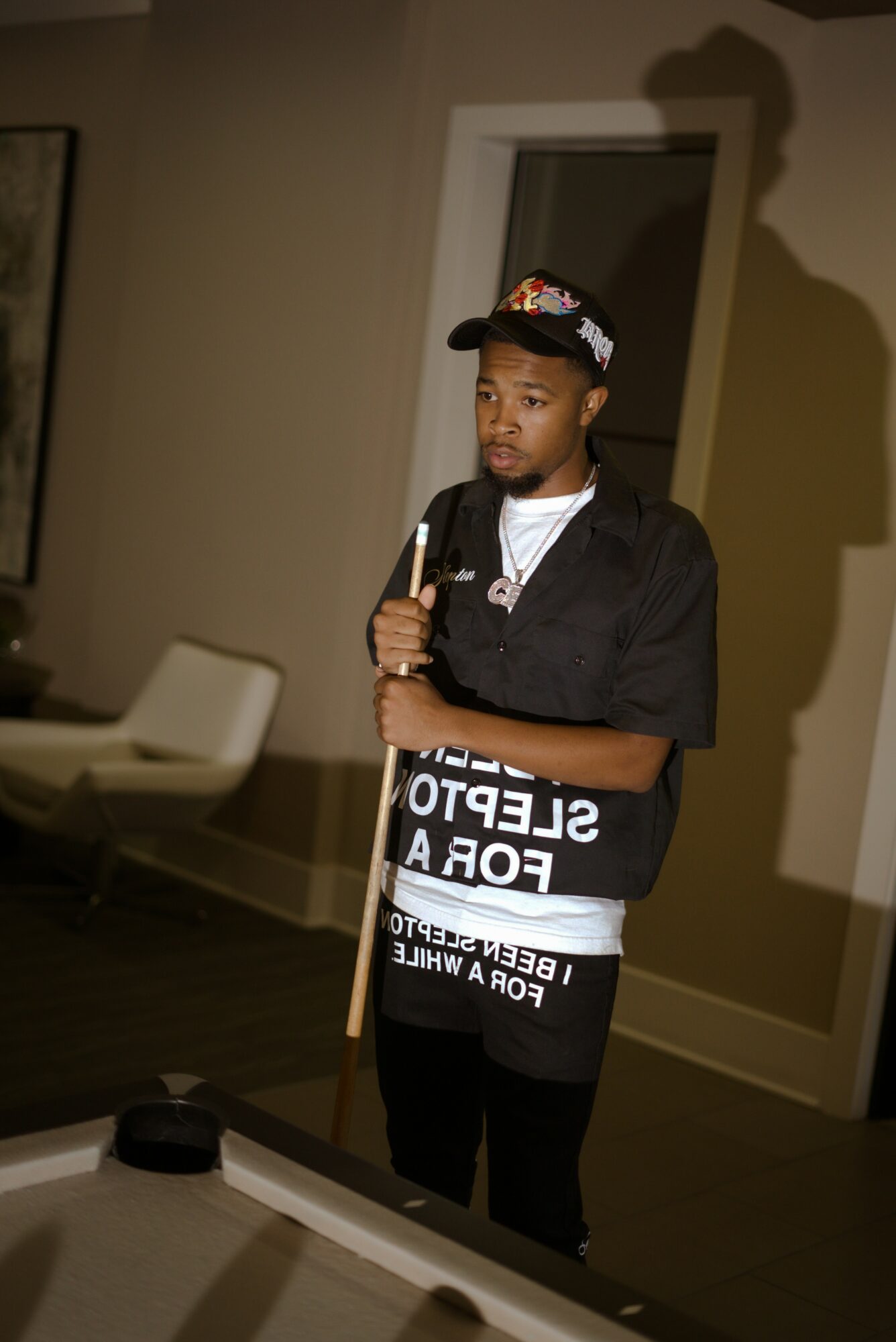
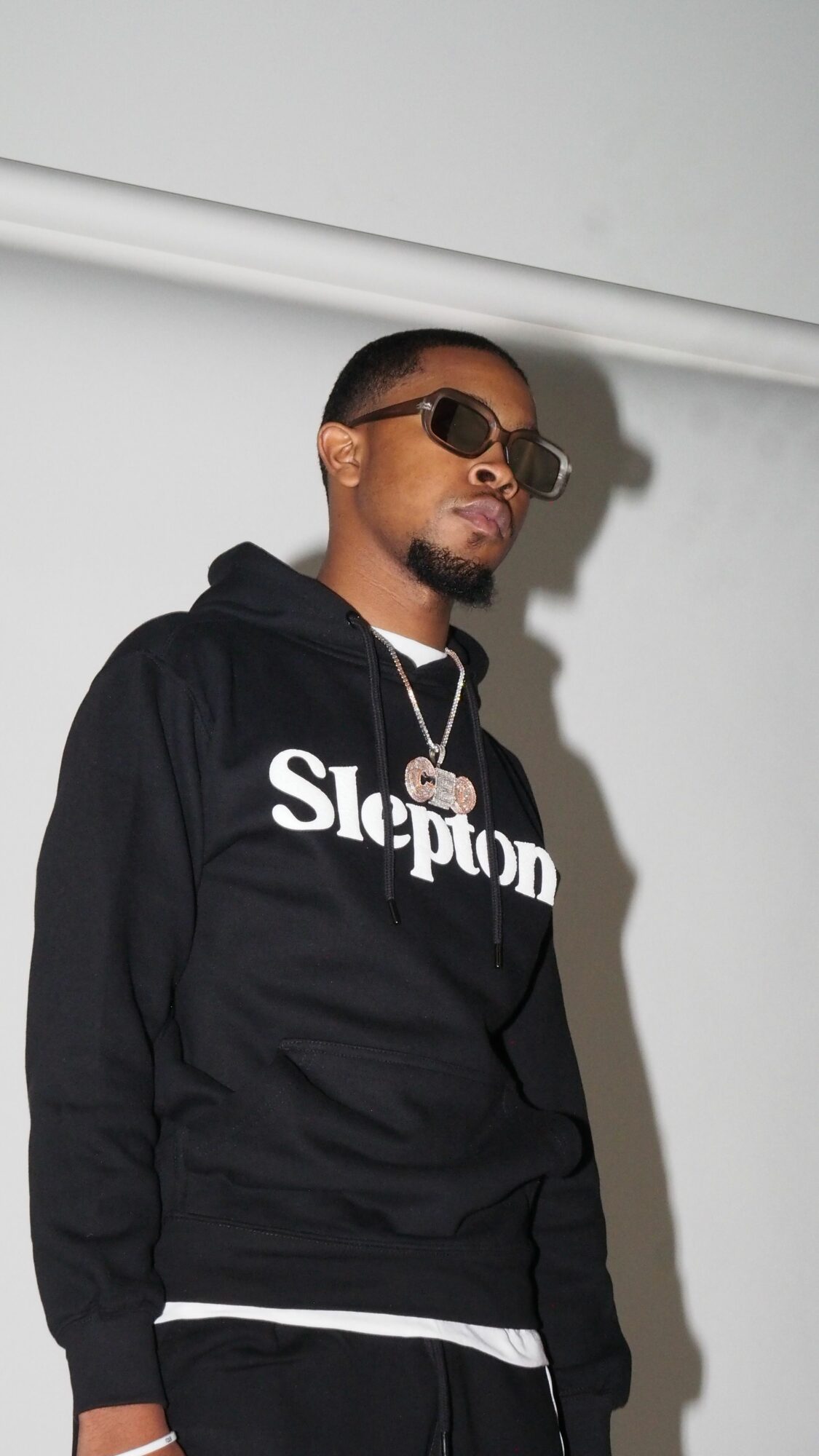
My personal brand, Slepton, is where that philosophy is expressed creatively. I describe the world I’m building through Slepton as “Southern Americana for the New American Dreamer.” A lot of my inspiration comes from South Louisiana, working-class America, overlooked objects and the environments that shaped me. I’ve always been attracted to taking something people normally wouldn’t pay attention to and making it the focal point.
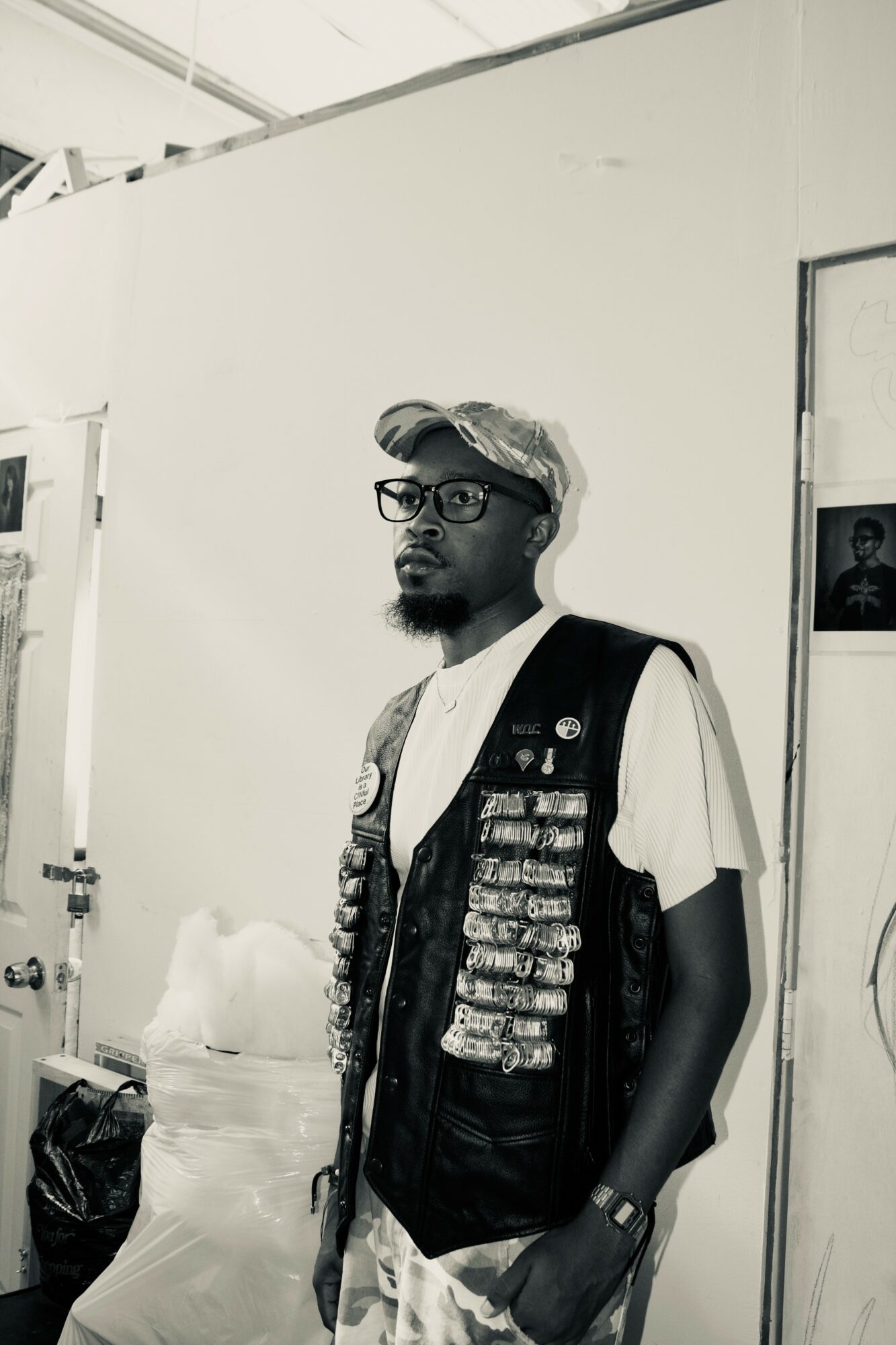
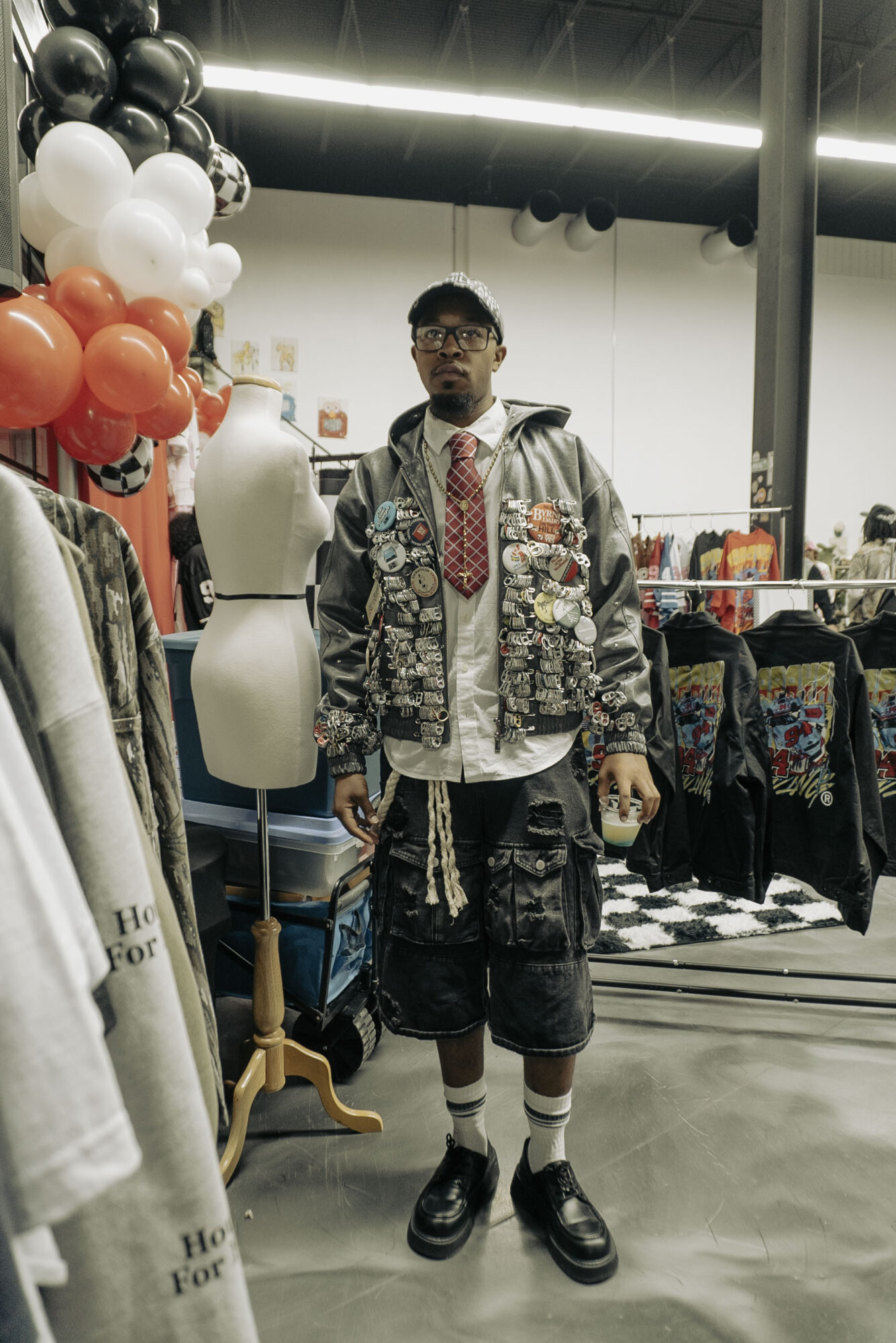
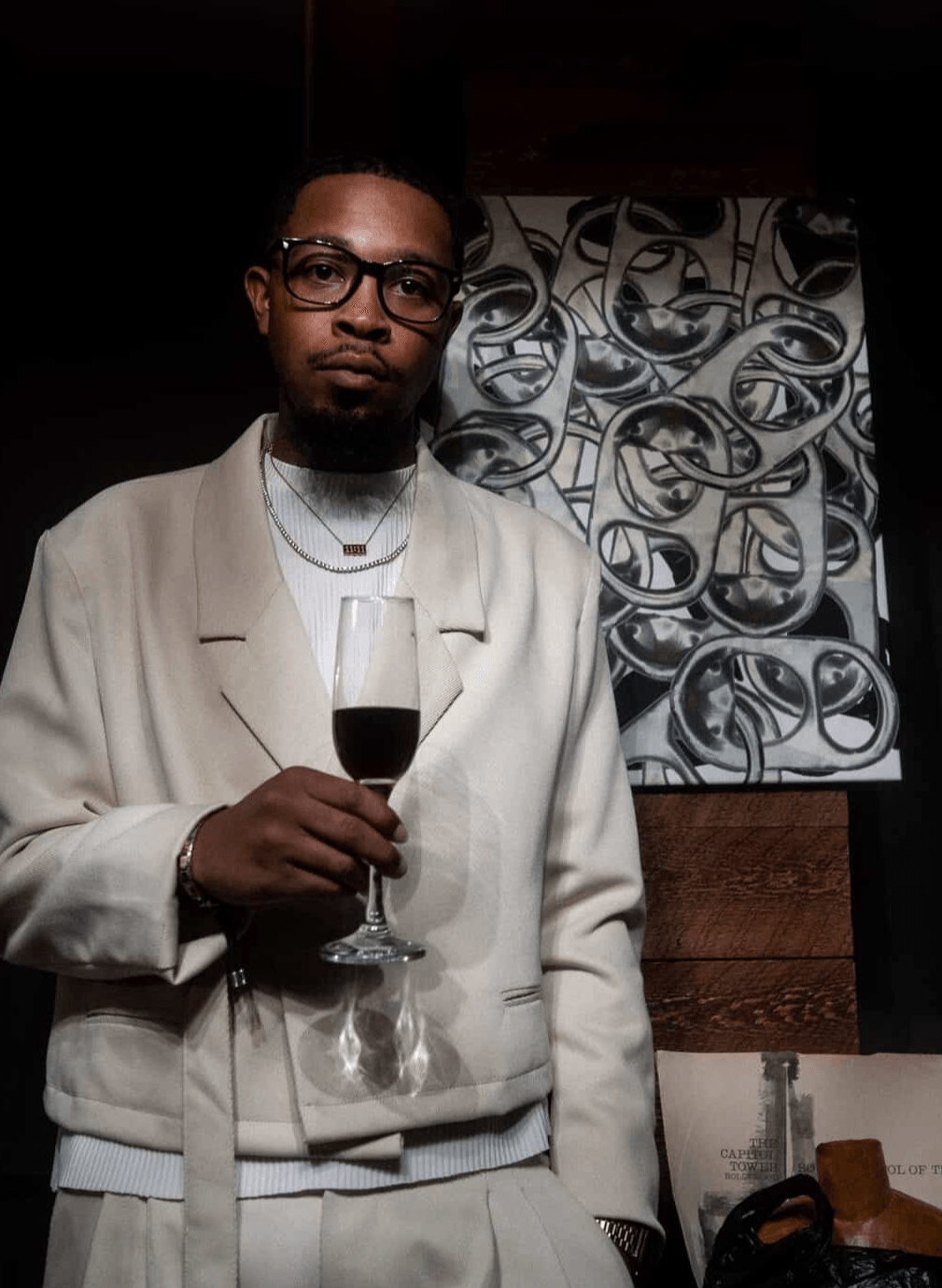
That shows up heavily in my design language. I’ve used soda can tabs as functional hardware and even constructed garments using thousands of them. I enjoy manipulating familiar materials, rethinking traditional workwear and combining craftsmanship with storytelling. I don’t necessarily want someone to look at my work and only think, “That’s a nice garment.” I want them to wonder why it exists.
As I’ve grown as a designer, I’ve also become passionate about what happens behind the garment. That’s where Garment Control Group comes in.
Garment Control Group is a fashion development company I built to help fashion founders turn ideas into production-ready products. I work with designers on everything from concept development and technical design to manufacturing strategy and production. Eventually, I want GCG to become something much larger: an infrastructure company for independent designers, almost like what a record label provides for an artist. The designer should be able to focus on their vision while having access to the development, production, strategy and systems necessary to bring that vision to the world.
In many ways, Slepton and Garment Control Group represent two sides of the same mission. Slepton allows me to prove what’s possible through my own work, and GCG allows me to help other designers do the same with theirs.
What I’m most proud of isn’t one placement, fashion show or product. I’m proud that the things I once didn’t know have become things I can now teach someone else.
I started with an iron and almost no understanding of how the fashion industry worked. Today, I’m studying fashion design formally, developing my graduate collection, building products, working with other founders and helping designers avoid mistakes that took me years to understand. I’m still a student while simultaneously becoming a resource for other people, and I’m proud of that duality.
I think what sets me apart is that I’ve experienced fashion from several different perspectives at the same time. I’m the designer sketching the idea, the founder thinking about whether it will sell, the product developer figuring out how it can actually be manufactured, and the student who is still willing to admit there is more to learn.
I’m not interested in choosing between creativity and business. I want to understand both deeply enough to build things that can survive beyond me.
Ultimately, I want my work to stand for overlooked potential. Whether it’s an overlooked material, an overlooked designer, an overlooked city or an overlooked idea, I have a natural desire to see what something can become before everyone else sees it.
Maybe that’s because I know what it feels like to be Slepton.
Alright, so to wrap up, is there anything else you’d like to share with us?
The biggest thing I would want someone reading this to know is that you don’t have to wait until everything makes sense to take yourself seriously.
I’m being interviewed during a season where I’m still figuring things out. I’m still in school. I’m still building my businesses. I’m still learning. There are things in my life that don’t look anything like the future I believe I’m creating yet.
And I’m okay with people seeing that part.
Social media has made us accustomed to hearing people’s stories after everything worked out. We hear about the struggle once there’s already a success story attached to it. I think there’s something powerful about documenting the middle; the part where you don’t have proof yet, but you continue showing up anyway.
That’s where I am right now.
I’ve been building for almost a decade, and one thing I’ve learned is that being overlooked isn’t always a disadvantage. Sometimes it gives you the space to develop without the pressure of everyone watching. It gives you time to become undeniable.
So, to anybody who feels overlooked, behind, underestimated or like the vision they have for their life is much bigger than their current circumstances: keep building.
Don’t allow where you are today to convince you that you’ve seen the full extent of what your life can become.
I’m from a small city in South Louisiana. I started making shirts with an iron. There was no master plan that showed me exactly how to get from there to here, and there’s still no map showing me exactly how to get from here to where I’m going.
But I’ve learned to keep moving anyway.
My faith has become a major part of that. I believe God gave me the ability to create, but I’ve also learned that having a gift doesn’t remove the responsibility to develop it. Faith still requires participation. So every day, my job is to keep learning, keep creating, keep serving people and keep putting myself in position for whatever is next.
Maybe someone will find this interview years from now when my life looks completely different.
If they do, I hope they understand that this version of me didn’t have all the answers.
He just refused to stop.
Never sleep on yourself.
Contact Info:
- Instagram: https://www.instagram.com/bigslepton/