



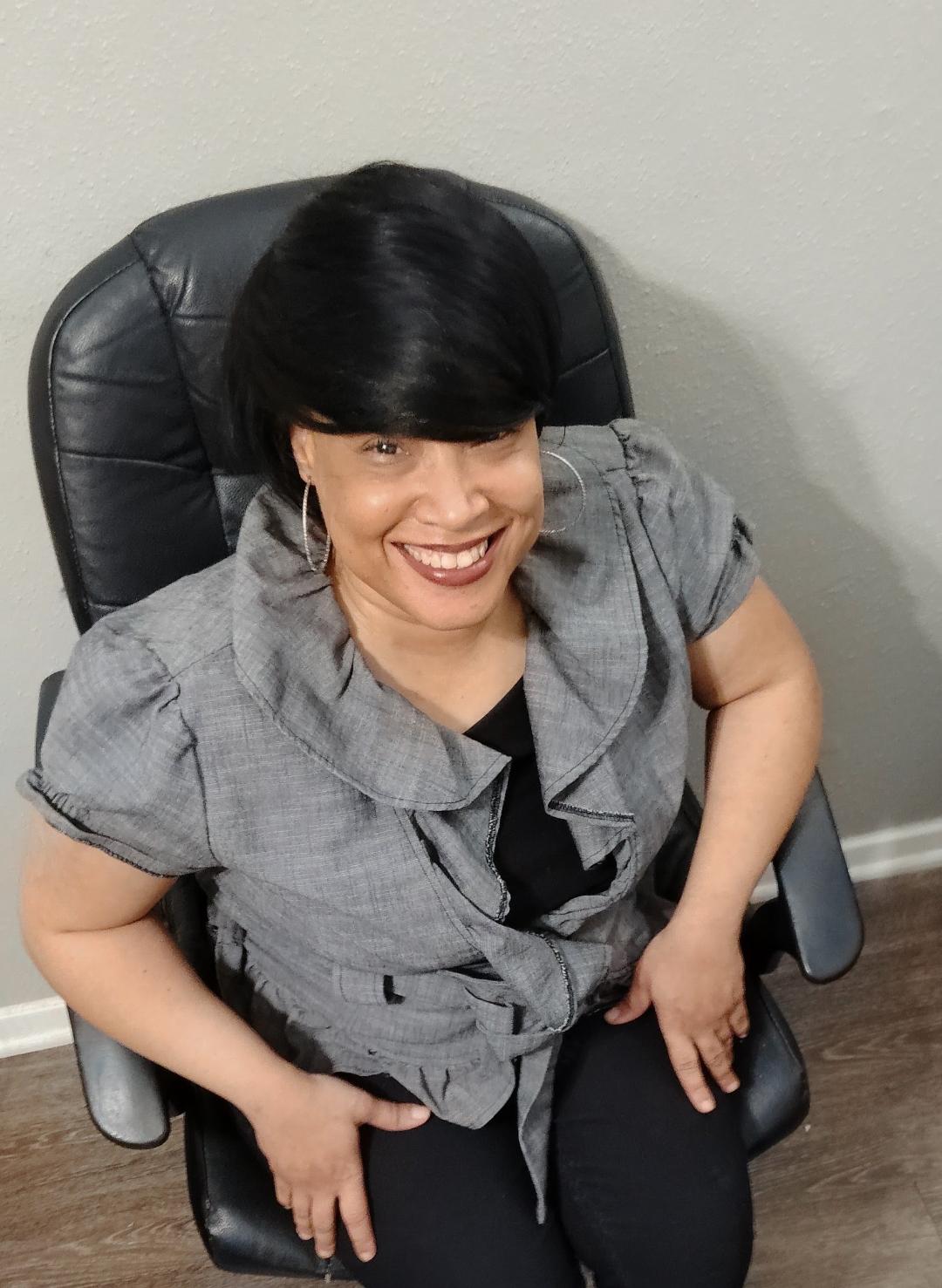
Today we’d like to introduce you to Kim Petitt.
Hi Kim, we’d love for you to start by introducing yourself.
I made a huge academic decision: I entered a doctoral program, and it has been the most challenging academic experience of my life. The decision to pursue a doctorate didn’t come from a long-held goal or dream. The desire came toward the end of my master’s program. I remember having moments where the thought crossed my mind, but I would immediately dismiss it. I didn’t know if it was something I should pursue or if it was even meant for me.
That changed when my Pastor, who holds eight degrees, spoke directly to me and told me to “go higher.” Hearing that from someone with his level of academic achievement carried weight. It wasn’t just encouragement; it was confirmation. That prophetic word settled something in me that I had been unsure about, and that’s when the desire became real. I decided to take the step.
Starting the doctoral program was hard. The level of discipline, structure, and endurance required was unlike anything I had experienced before. It stretched me in ways I wasn’t prepared for. As I progressed through the program, my lived experiences began shaping the direction of my doctoral capstone project. I knew what it felt like to be referred to in ways that stripped me of my dignity, words like cripple or handicap that reduced me to a condition instead of acknowledging me as a person, and that became the foundation of my study topic.
My capstone developed through several steps: recruitment efforts, screening participants, conducting interviews, analyzing patterns, and building a detailed audit trail. The work was demanding, but it was meaningful because it connected directly to real‑world challenges I had witnessed and personally experienced.
Now, I’m completing a project that represents developing something practical: a training program that organizations can use to strengthen how they communicate, how they address people, and how they uphold dignity. It represents turning lived experience into a professional tool that can help shift attitudes, correct outdated terminology, and reinforce respectful, person‑centered communication.
I didn’t begin this journey with certainty. I began it with a desire I tried to dismiss. It shows what can be created when personal history and scholarly development come together to address an issue that affects people every day in ways that most people never think about.
Would you say it’s been a smooth road, and if not what are some of the biggest challenges you’ve faced along the way?
The road has not been smooth. There have been a lot of challenges, roadblocks, and setbacks along the way. One of the challenges was simply adjusting to the level of academic pressure. The writing standards were higher, the assignments were more complex, and the level of analysis required was far beyond anything in my previous program. It took time to learn how to meet those expectations consistently. There were semesters when balancing deadlines felt overwhelming, and moments when I questioned whether I should continue. The feedback required major revisions, and moments when the workload made it hard to stay confident. Learning how to interpret advanced academic feedback without getting discouraged was its own challenge.
Another struggle was navigating life while trying to stay committed to the program. Unexpected situations, personal issues, and everyday responsibilities didn’t pause just because I was in school. There were times when I had to regroup and find a way to keep moving forward even when circumstances made it difficult.
There were also internal battles: doubt, hesitation, and imposter syndrome. Staying focused through those moments was not easy. The journey required consistency even when motivation dipped, discipline through exhaustion, and determination even when progress felt slow.
So no, it hasn’t been a smooth road. It has been a road with obstacles, pressure, and hard days. But each challenge became part of the path that brought me to where I am now, which is towards the final stretch of my program.
Can you tell our readers more about what you do and what you think sets you apart from others?
My doctoral work is in Human Services with a specialization in Leadership and Organizational Management. Within that area of discipline, my project involves a formative program studying cultural competence, leadership practices, and gaps in the literature regarding how language and communication affect people with disabilities. I’m building expertise in explaining why inclusive language matters and how the words we choose shape dignity, respect, and the way it impacts service delivery.
I’m most proud of being able to take painful experiences such as being labeled with disrespectful disability terms, and turn them into structured academic knowledge. Instead of letting those moments stay as wounds, I am using them to deepen my understanding of how language affects people and why organizations must be intentional about the terminology they use.
What sets me apart is my lived experience. I’m not approaching Person‑First Language from theory alone, which emphasizes the individual before their diagnosis or condition; I understand firsthand how damaging certain disability terms can be. It can impact self-esteem, confidence, and self-worth, and that perspective gives me clarity and authenticity. It allows me to speak about inclusive communication in a way that is grounded.
I’m still emerging in this field, but what I bring is a combination of doctoral‑level training and lived experience. That blend shapes my research study, how I communicate, and how I show up in this work.
What would you say have been one of the most important lessons you’ve learned?
The most important lesson I’ve learned is that God can take experiences that feel uncomfortable, or even wounding, and make them part of a story I never thought I’d be telling. Throughout my doctoral journey, I’ve had to face not only wounds from harmful disability labels from my past, but the reality that I still encounter them today. I chose to do a study in an area that not only affects me, but others too, and most people don’t intend to be insensitive or cause harm when they use words like cripple or handicap; they just don’t know, or it’s embedded in cultural habits. By shedding light on these institutional patterns, we can shift our collective vocabulary from old, hurtful traditions toward language that truly honors the dignity of every person.
I learned that God builds endurance in the moments that seem impossible. The journey isn’t shaped by big breakthroughs, but by the decision to keep showing up, keep studying, and keep pressing forward even when life is pulling in every direction.
I also learned that God doesn’t waste anything. The experiences I’ve been through became part of the foundation of my academic direction. They taught me how to turn hurt into understanding, and understanding into structured knowledge. Instead of letting those moments define me, I am learning to let them change me.
The journey taught me that resilience isn’t loud. Sometimes it’s simply choosing to continue, choosing to learn, and choosing to believe that what you’re building has meaning even if other people don’t understand.