




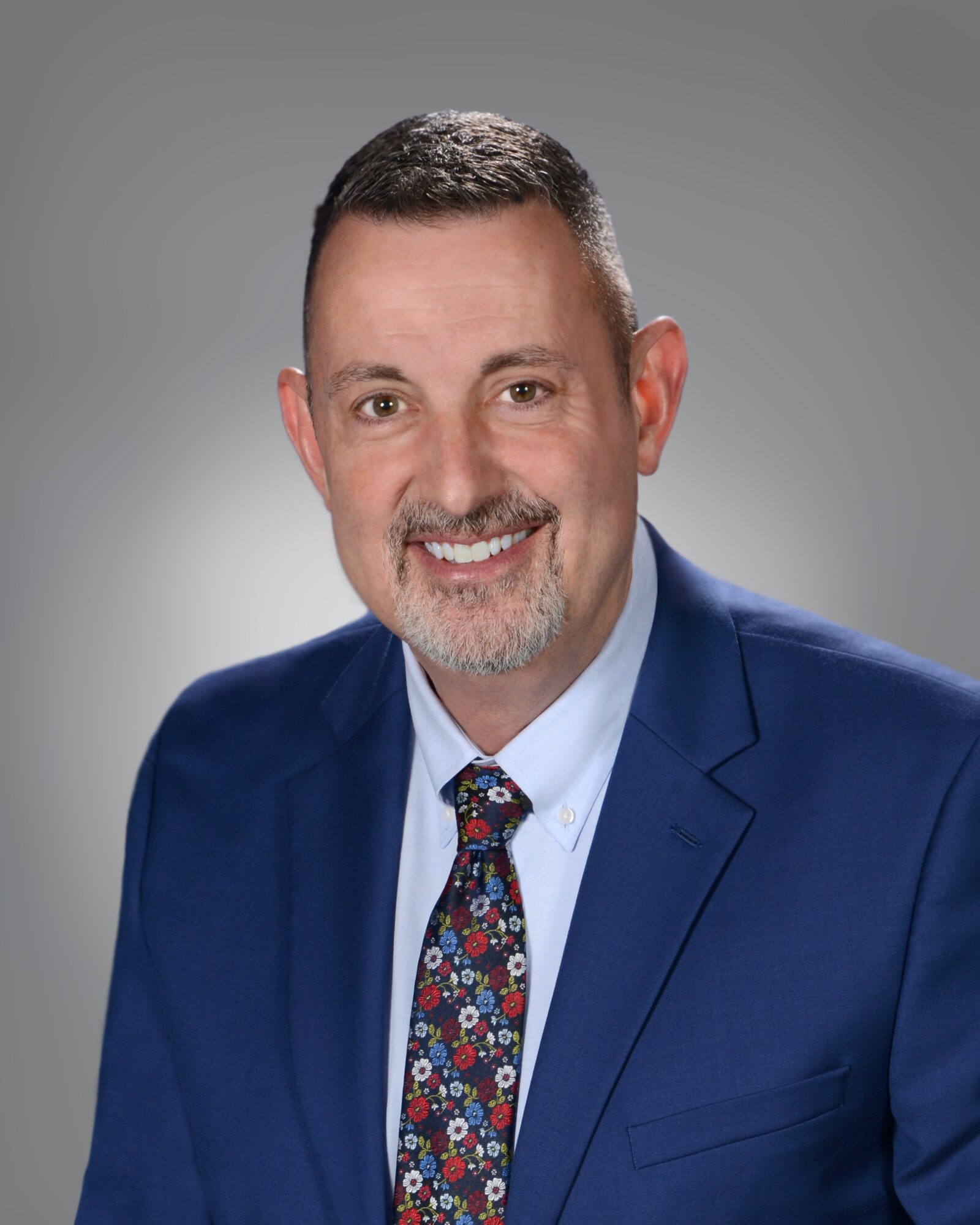
Today we’d like to introduce you to R. Scott Allen.
R. Scott, we appreciate you taking the time to share your story with us today. Where does your story begin?
I’ve spent more than 30 years in public education, and when I look back, the common thread throughout my career has been a belief in the power of education to change lives and the importance of making sure every child has access to extraordinary opportunities.
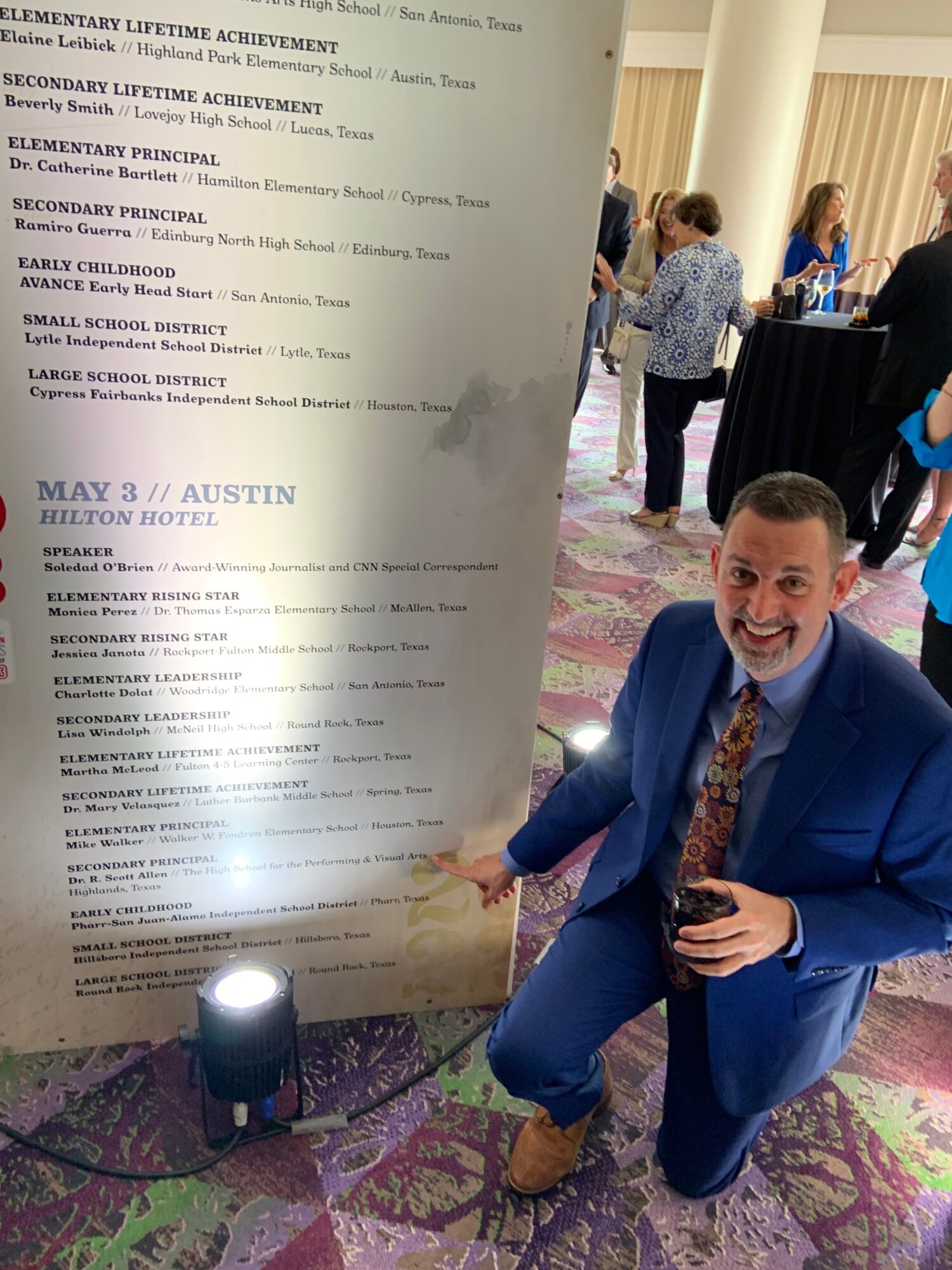
I began my career as a high school theatre teacher before moving into school administration. In January 2009, I became principal of Houston’s High School for the Performing and Visual Arts, now Kinder HSPVA. I spent 13 wonderful years there, working alongside incredibly talented students and educators. That experience shaped so much of who I am as a leader. I saw firsthand how the arts develop far more than artistic talent. They teach discipline, persistence, collaboration, creativity, and confidence. I also became deeply committed to expanding access to those opportunities for students from every background.
After retiring from Houston ISD in 2021, I had the opportunity to serve as Managing Director of the Arts Schools Network, a national organization supporting arts schools and educators. That experience broadened my perspective and reinforced my belief that arts education should be an essential part of every child’s learning experience.
And that brings me to FLAMA!
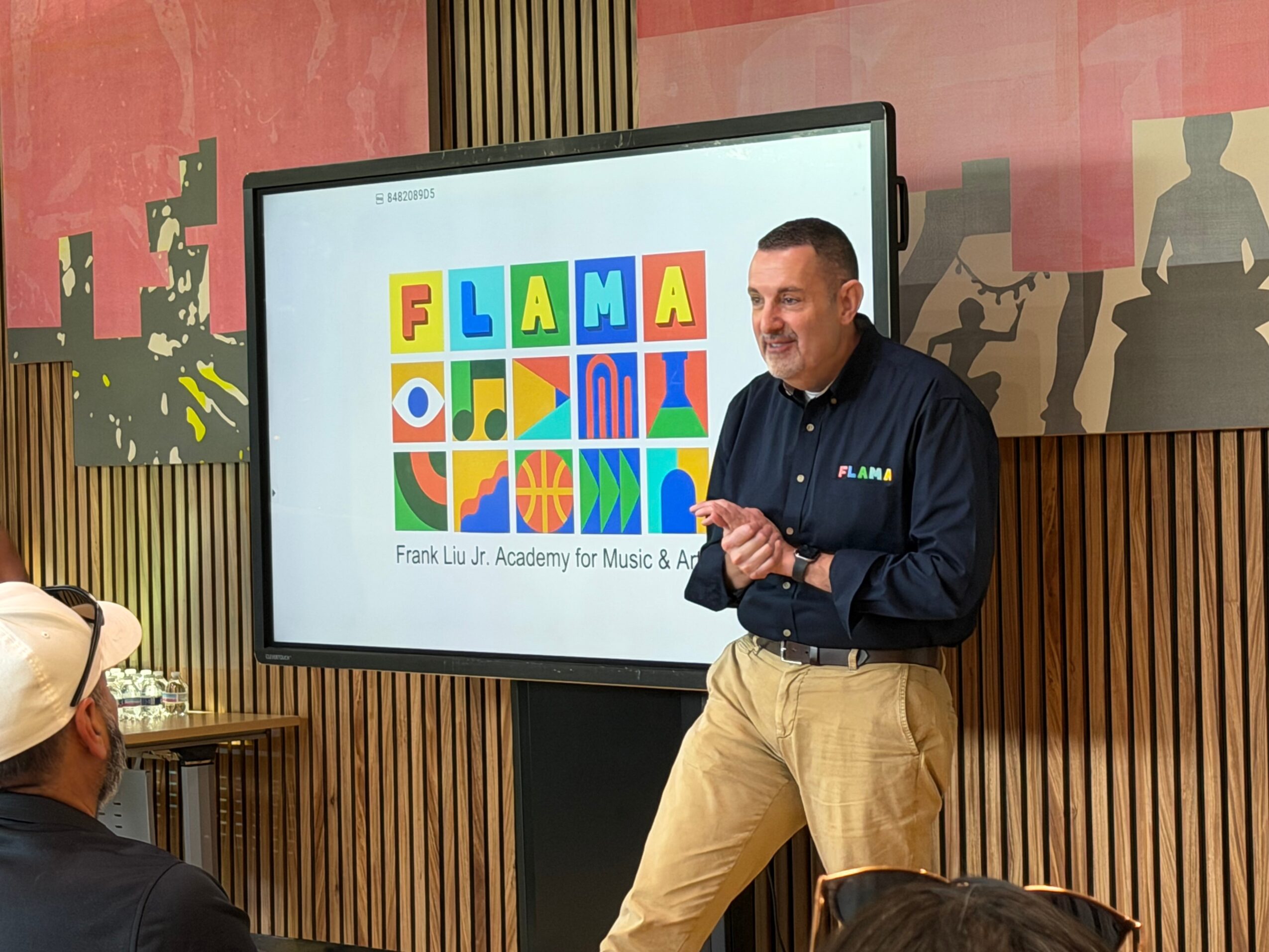
The Frank Liu Jr. Academy for Music and Arts grew out of the vision of Frank Liu Jr., a Houston businessman and musician who believed that children deserved access to music and the arts regardless of their family’s circumstances. His work began with a summer arts program in Houston’s Fifth Ward, and his dream eventually grew into the idea of creating a public school.
When the opportunity came to become FLAMA’s founding superintendent, it felt like so many pieces of my career were coming together. After spending much of my professional life working with talented high school artists, I now have the opportunity to help build a school where children experience the transformative power of music and the arts from the very beginning of their education.
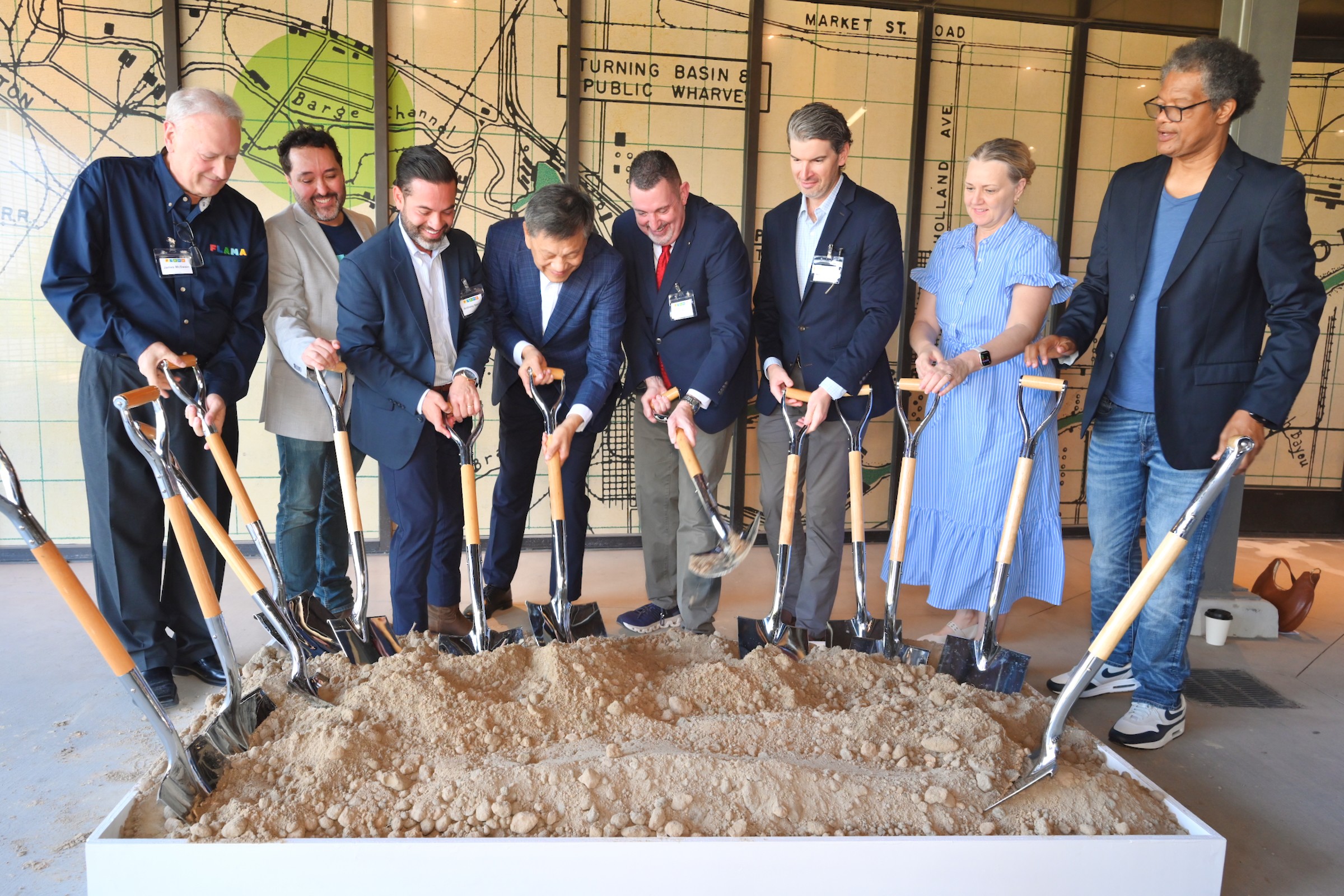
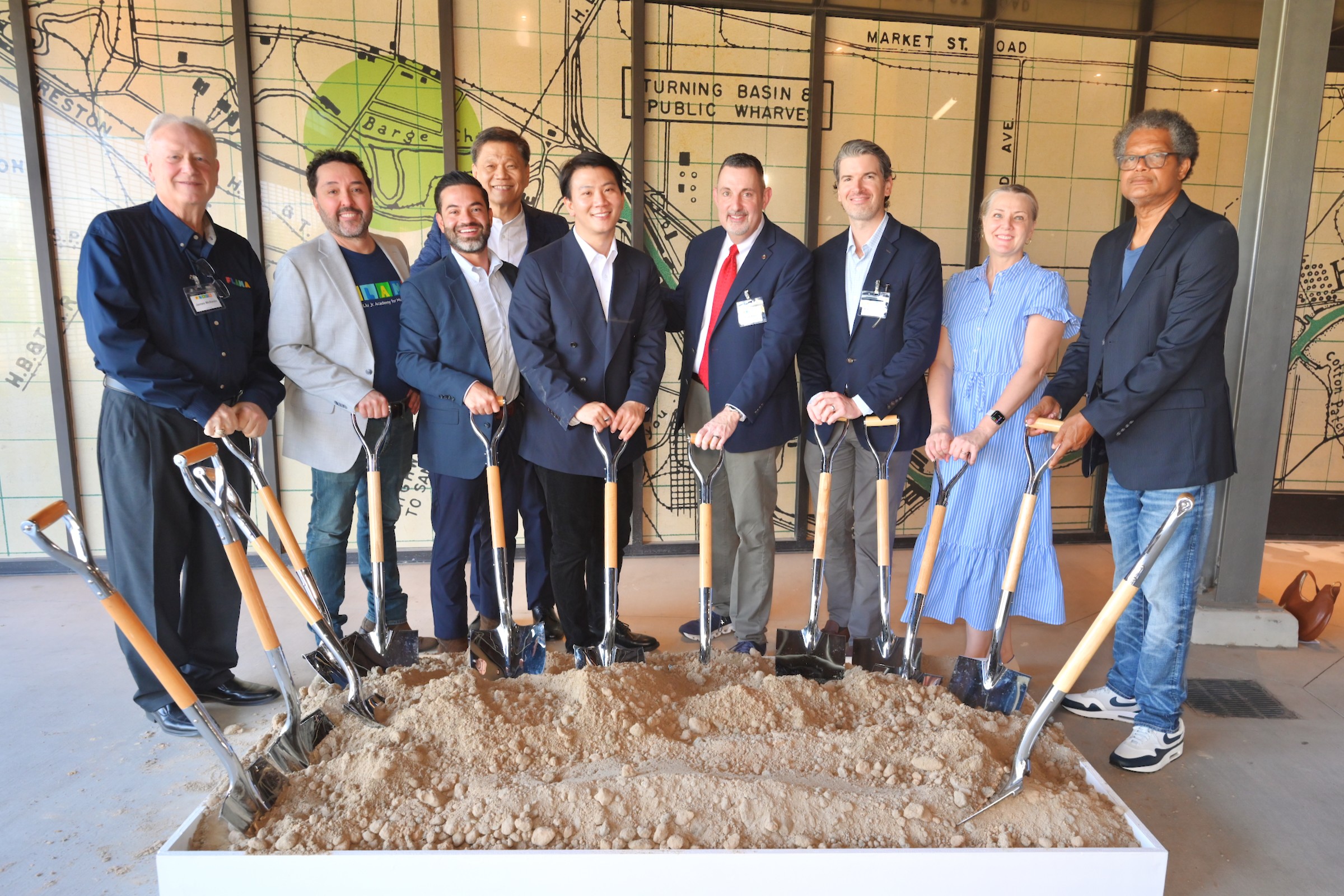
We’re preparing to open in Houston’s historic East End in August 2027, and we’re building something I believe is truly special: a school that combines rigorous academics, the science of how children learn, intentional development of executive function skills, and daily music and visual arts education.
What excites me most is that we’re not simply creating another arts school. We’re creating a school where the arts and academics strengthen one another, where children are known and valued, and where families don’t have to choose between a strong academic education and meaningful creative opportunities.
At this point in my career, I never imagined I’d be starting a school from the ground up. But I can’t think of a more meaningful way to bring together everything I’ve learned over the past three decades. In many ways, it feels like the work I’ve been preparing to do my entire career.
We all face challenges, but looking back would you describe it as a relatively smooth road?
Oh, absolutely not! And I think anyone who tells you that opening a school from the ground up is a smooth process probably hasn’t done it!
I’ve been in public education for more than 30 years, and I’ve certainly experienced my share of challenges. When I became principal of Kinder HSPVA, I inherited a nationally recognized school with an extraordinary reputation. But even successful schools have areas where they need to grow. One of my biggest challenges was expanding access to students from across Houston while maintaining the school’s high artistic standards. That required examining longstanding practices, having some difficult conversations, and challenging the idea that excellence and access were somehow competing priorities. I never believed they were.
Another important lesson came from realizing that we weren’t always doing enough to support students who struggled academically. We had talented young people who were being returned to their neighborhood schools rather than receiving the interventions they needed. Changing that culture required new systems, greater accountability, and a willingness to make some uncomfortable decisions. But seeing the number of students leaving the program drop reinforced something I’ve always believed: when we change our practices, we can change outcomes for children.
Now, founding FLAMA has brought an entirely new set of challenges! I’ve discovered that leading an established school and building one from scratch are two very different things. When you’re starting a school, you’re responsible for everything from curriculum and hiring to facilities, finances, community relationships, and convincing families to take a chance on something that doesn’t physically exist yet.
And perhaps the greatest personal challenge has been learning that I can’t do everything myself. I’ve always been a hands-on leader, but founding a school requires knowing when to delegate, when to ask for help, and when to recognize that someone else may have expertise you don’t.
I think the most important lesson throughout my career has been that leadership isn’t about having all the answers or getting everything right the first time. It’s about listening, being willing to acknowledge when something isn’t working, and having the courage to make changes.
There have certainly been frustrating days, but I still wake up excited about what we’re building. And when I think about the children who will walk through FLAMA’s doors for the first time in August 2027, every challenge feels worth it.
Can you tell our readers more about what you do and what you think sets you apart from others?
I’ve always believed that education and the arts have much more in common than people might realize. Both are about discovering potential, telling stories, building relationships, and creating something meaningful. And in many ways, my love of theatre has shaped the educator and leader I’ve become.
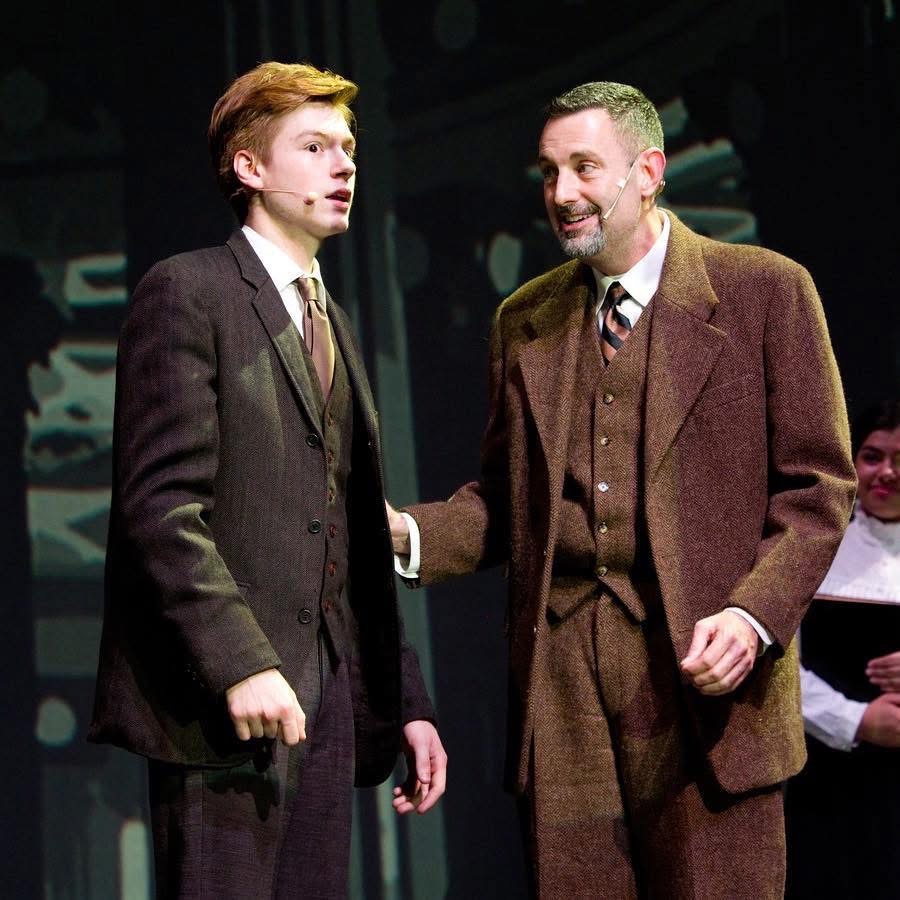
Long before I became a school superintendent, I was involved in theatre, first as a stage manager and later directing plays. One of my most memorable experiences was stage managing an Off-Broadway production of August Strindberg’s *The Pelican*. I still love the theatre, and those experiences taught me lessons I carry into my work every day.
Stage management teaches you that the smallest details matter, that preparation is everything, and that your job is often to make sure everyone else can do their best work. Directing, on the other hand, teaches you how to communicate a vision, bring together people with different talents, and help them discover something in themselves they may not have realized was there. Looking back, that’s a pretty good description of educational leadership, too!
Professionally, I’ve spent more than 30 years in public education as a teacher, school administrator, principal, and now founding superintendent. I spent 13 years leading Houston’s Kinder High School for the Performing and Visual Arts, one of the nation’s premier arts high schools, and later served as Managing Director of the Arts Schools Network, working with arts educators and school leaders across the country.
I suppose what I’ve become known for is bringing together high expectations, a deep appreciation for the arts, and a genuine belief that extraordinary educational opportunities should be available to every child. I’ve never believed that academic excellence and artistic excellence should compete with one another. In fact, I think they’re most powerful when they work together.
One of the things I’m proudest of is the work we did at Kinder HSPVA to make that extraordinary school more accessible to students from across Houston. During my tenure, Hispanic enrollment increased by 56%, the percentage of students from non-White backgrounds grew from 45% to 60%, and overall enrollment increased by 23%. We also strengthened academic expectations and student support systems. Early in my tenure, we reduced the number of students leaving the program for academic reasons. Those numbers matter to me because they represent young people who had opportunities they might otherwise have missed.
Today, as the founding superintendent of the Frank Liu Jr. Academy for Music and Arts, my work is a little bit of everything! I’m helping build a public charter school from the ground up, from developing our educational model and recruiting our founding team to building community partnerships and meeting families who will entrust us with their children.
What makes FLAMA special is that we’re not treating music and the arts as extras. They’re central to our approach, alongside rigorous academic instruction grounded in cognitive science and the intentional development of executive function skills. We want children to learn to read, write, and think deeply, but also to create, collaborate, persevere, and discover the joy of making something beautiful.
As for what sets me apart, I’m not sure I’ve ever thought about it in those terms. But I do think my background gives me an unusual perspective. I’ve worked in elementary education, led a nationally recognized arts high school, supported arts schools across the country, and spent time both backstage and directing productions. Those experiences have taught me to appreciate the big picture while never losing sight of the people and details that make it possible.
And perhaps most importantly, I genuinely love this work. I love watching young people discover something they’re good at. I love seeing teachers find new ways to reach children. And I love the energy that comes from bringing talented, passionate people together around a shared purpose.
I sometimes think about the difference between directing a play and founding a school. In theatre, you work for weeks or months toward opening night, hoping you’ve created something that will move an audience. With FLAMA, we’re working toward our own opening day in August 2027. But the real measure of our success won’t be what happens on opening day. It will be what happens in the lives of our students over the years that follow.
And that’s the production I’m most excited to be part of.
Where we are in life is often partly because of others. Who/what else deserves credit for how your story turned out?
Oh, goodness. Where would I even begin? One thing I know for certain is that I wouldn’t be where I am today without an extraordinary number of people who have believed in me, challenged me, encouraged me, and occasionally reminded me to get out of my own way!
I’ve always believed that education is a team effort, and leadership certainly is, too. Whatever successes I’ve enjoyed throughout my career have never been mine alone.
I think first about the mentors I’ve had along the way. I’ve been fortunate to work with remarkable educators and leaders who saw potential in me, sometimes before I recognized it myself. They gave me opportunities, trusted me with responsibilities, and weren’t afraid to tell me when I needed to do something differently. Some of the most valuable lessons I’ve learned came from people who challenged my thinking rather than simply agreeing with me. I try to carry that forward in how I mentor and support others.
Then there are the teachers and colleagues I’ve worked alongside over more than three decades. During my 13 years at Kinder HSPVA, I had the privilege of working with some of the most talented arts educators anywhere. They taught me so much about creativity, discipline, collaboration, and what happens when people are genuinely passionate about their work. Together, we accomplished things that none of us could have done individually. I may have been the principal, but the teachers, staff, and students were the people who made that school extraordinary.
And speaking of students, my former students deserve an enormous amount of credit. I still hear from many of them, and watching the lives they’ve built is one of the greatest joys of my career. Some have become professional artists, performers, and musicians. Others have pursued entirely different paths. What matters to me is seeing them become thoughtful, creative, accomplished adults who are making their own contributions to the world. They’ve taught me as much about education and life as I ever taught them. They continue to inspire me, and they remind me why I chose this profession in the first place.
My years with the Arts Schools Network also introduced me to an incredible community of educators and arts advocates from across the country. Those relationships broadened my perspective and helped me understand that while every school and community is different, we share a responsibility to ensure that young people have meaningful opportunities to experience the arts. I’m grateful for the friendships and professional relationships that grew out of that work.
Today, I’m especially grateful for the people who have made FLAMA possible. It begins with Frank Liu Jr., whose belief in the transformative power of music and the arts inspired this entire effort. Although his vision began long before I joined the organization, I feel an enormous responsibility to honor it. His family and the community leaders who continued that work after his passing deserve tremendous credit for bringing us to this point.
Our FLAMA Board of Directors has also been instrumental. These are people who volunteer their time, expertise, resources, and energy because they believe children deserve something extraordinary. Our Board Chair, Andrea Hauge, and the entire Board have helped guide the organization through the complicated process of creating a new public school. Founding a school takes a remarkable amount of faith, and I’m grateful that they’ve entrusted me with helping bring this vision to life.
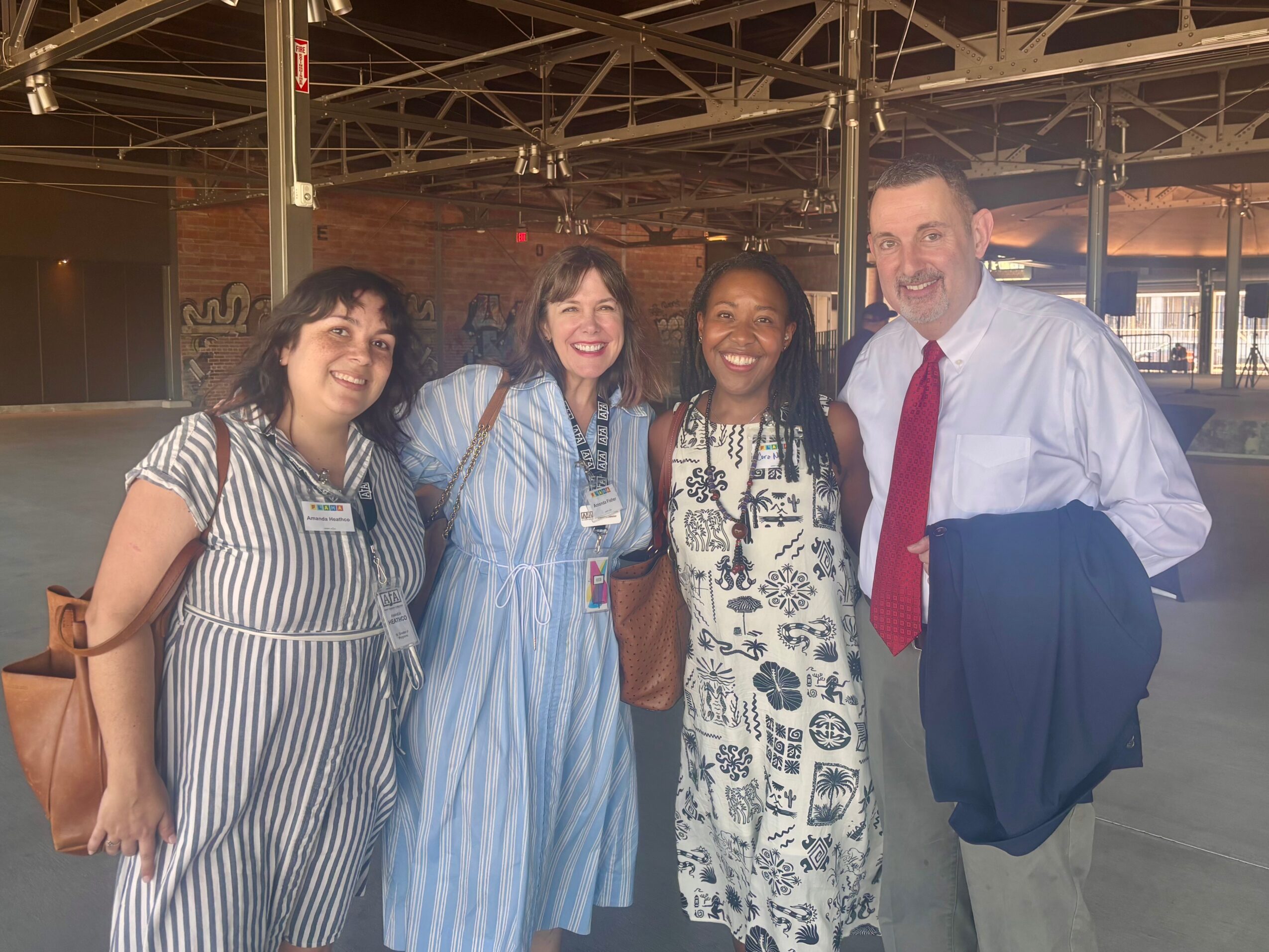
I’m equally grateful for our small but mighty founding team, including Cora Neely, our Director of Music and Arts, and the many community partners, supporters, and families who have welcomed us. Every conversation with a parent, every introduction to a neighborhood organization, and every person who shares our story helps move FLAMA closer to opening day. We’re building a school, but we’re also building relationships and trust.
And I certainly can’t leave out my friends and family. They’ve celebrated the victories, listened to the frustrations, and supported me through some pretty demanding seasons of life. Starting a school at this point in my career has been exciting, but it has also required long hours, plenty of travel, and more than a few moments of wondering what I’ve gotten myself into! Having people who love me, keep me grounded, and remind me that there’s a life beyond work has meant everything.
Even my experiences in theatre taught me how much success depends on the people around you. Anyone who has ever worked backstage knows that a great production is never the accomplishment of one person. There are actors, directors, stage managers, designers, technicians, and countless others whose contributions may never receive public recognition. But without them, the curtain doesn’t go up.
I think educational leadership works much the same way.
If there’s one thing I’ve learned, it’s that the most meaningful accomplishments in life are almost always shared. I’ve been fortunate to have people open doors for me, and I hope I’ve been able to open a few doors for others along the way.
At the end of the day, I don’t want my legacy to be about a title I’ve held or a school I’ve led. I’d much rather be remembered as someone who believed in people, helped them discover their potential, and made a difference in the lives of children.
And if I’ve been able to do any of that, it’s because so many wonderful people helped me get there.
Contact Info:
- Website: https://www.flama.org
- Instagram: https://www.instagram.com/flamaschool/
- Facebook: https://www.facebook.com/profile.php?id=61552141243234
- LinkedIn: https://www.linkedin.com/in/r-scott-allen-68606013/