



Today we’d like to introduce you to 365 Days Of Enough | The Girl Without A Face.
Hi 365 Days Of Enough | , can you start by introducing yourself? We’d love to learn more about how you got to where you are today?
365 DAYS OF ENOUGH
The Girl Without a Face
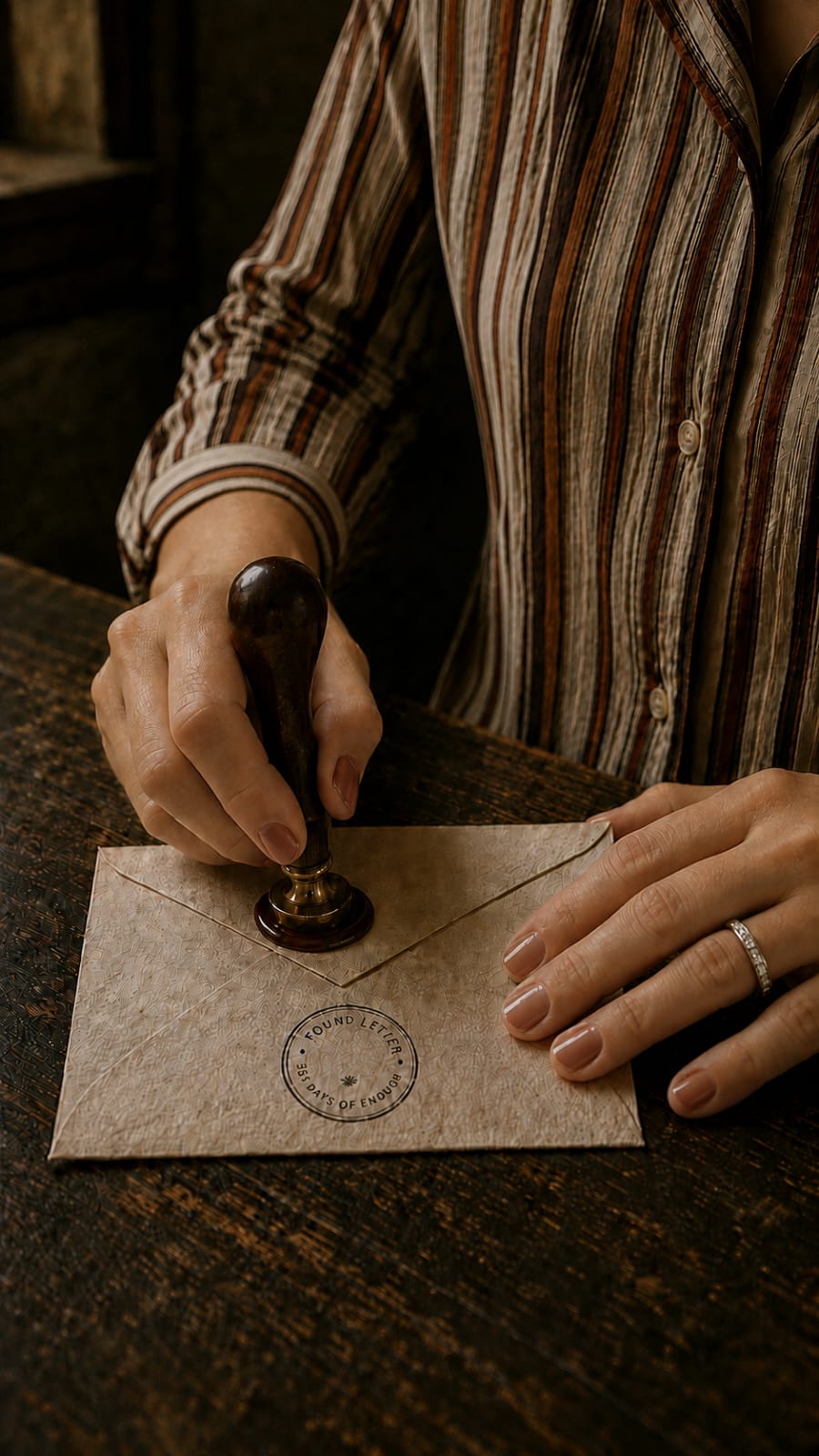
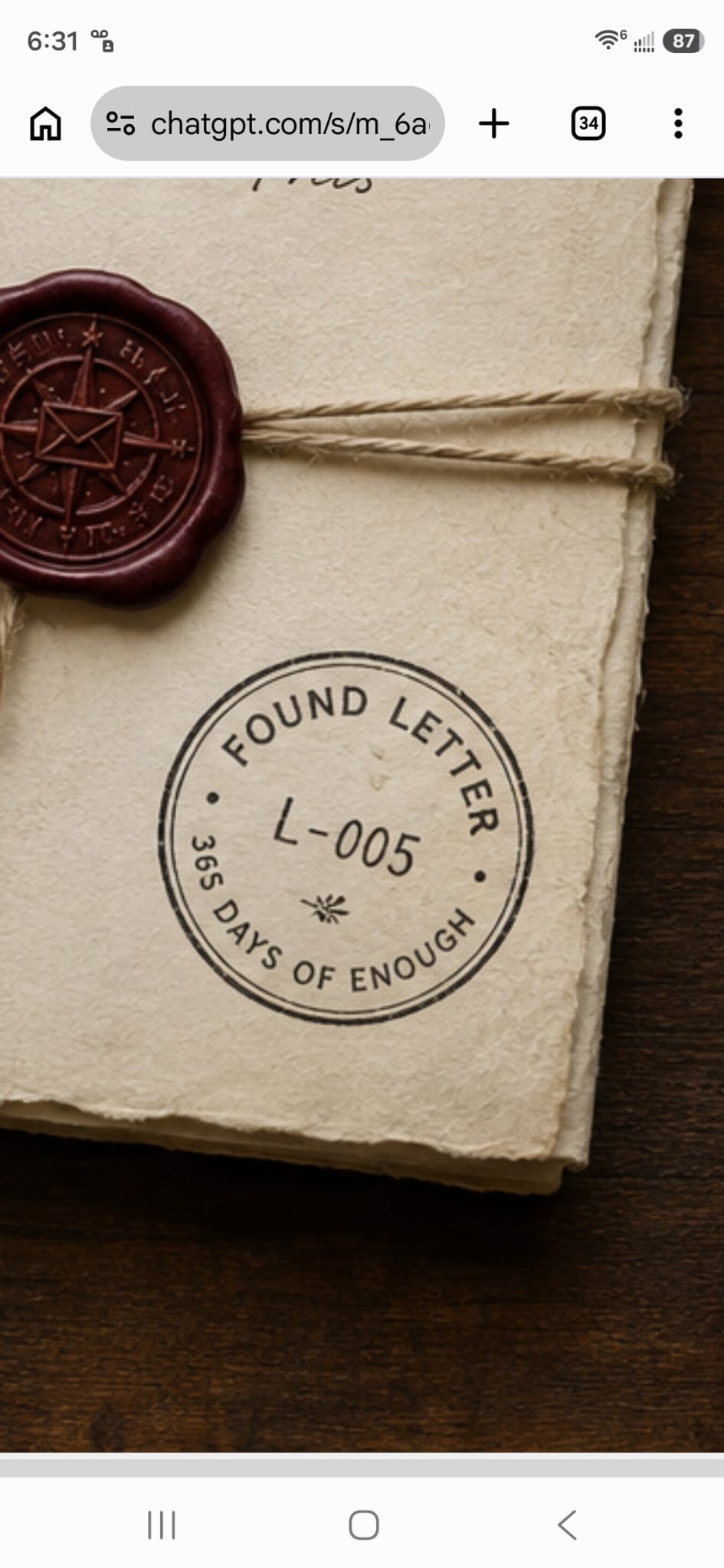
She is the creator of 365 Days of Enough, a global letter-leaving project rooted in travel, storytelling, and human connection. Instead of taking souvenirs from the cities she visits, she leaves letters for strangers to find. What began with one letter in a small bakery after a canceled flight to Europe has become a growing community built around the belief that small, deliberate acts of kindness can still interrupt a world that feels increasingly anonymous. Everything lives at @365DaysOfEnough.
PULL QUOTE 1: “I don’t want to be seen. I want to be the reason someone feels seen.”
PULL QUOTE 2: “A gesture doesn’t have to be kept forever to have mattered for a minute.”
PULL QUOTE 3: “I was tired of taking.”
Her story, in her words:
I have always been a collector of places.
Not magnets. Not postcards. The other things that no airport shop can sell you. The way a street smells at 7 a.m. before the bakeries open and the city is still deciding who it will be that day. The way a person holds their coffee with both hands while waiting for a train they are about to miss. The way a language you don’t speak still manages to tell you everything about how people love each other.
I travel for a living. It is part of how I understand myself. It is part of who I am. I know how to arrive. I know how to watch. I learn the rhythm of a place fast – where to stand, where to sit so you disappear. And for a long time, I thought that was enough. To be a good observer. To take beautiful photographs. To come home with stories that made other people say, “You have such a good life.”
And then, somewhere between one departure board and another, that good life started to feel quiet in the wrong way.
I was tired of moving through places and leaving with nothing but photographs. Travel can become very selfish without you realizing it.
I would land in a city that had existed centuries before me, full of lives that had absolutely nothing to do with me. I would walk through it, consume its light, take its beauty, collect its memory, and leave. No exchange. No trace. Just footprints on cobblestone that the rain would erase by morning.
I didn’t like who that was making me. A professional taker.
I was tired of taking.
So I asked myself a question I couldn’t un-ask: What if I did the opposite? What if, instead of taking something from every place I visit, I left something behind? Not something branded. Not something created for attention or followers. Something private that, in that moment, would belong completely to the person who found it after I was gone.
That question is where 365 Days of Enough really began.
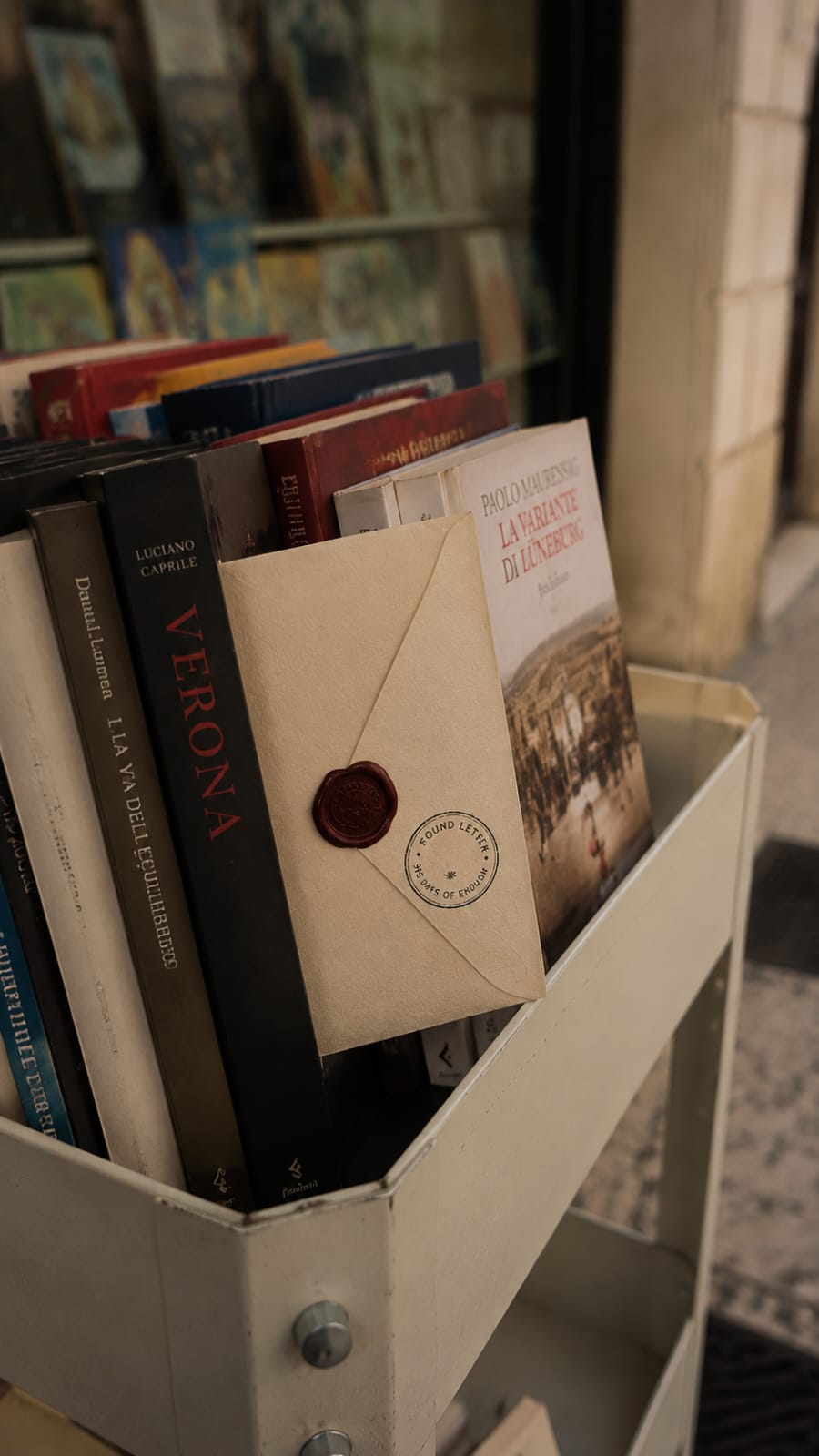
The rule was simple, and that was the point. Letters. Left for strangers. In real places. A bakery table. A park bench. A market stall. A bookstore with a line around the corner. Each letter is not simply a message, it is an interruption. A small, deliberate pause that says: someone was here. Someone thought about the person who would sit here next. Someone chose to leave rather than take.
People hear the name and think it’s a countdown. It isn’t. 365 was never about finishing. It was about committing. Anyone can leave one letter when they feel inspired. I wanted to see what would happen if I left one when it was inconvenient. When it was raining. When no one was watching. When it felt vulnerable and a little embarrassing.
365 Days of Enough is about stopping taking, and starting to leave. The first 365 letters are not the end. They are Chapter One. The first body of work.
And Chapter One didn’t even start where it was supposed to.
It was supposed to start in Porto, Portugal. Flight booked. Bag packed. I was already there in my mind, the blue tiles, the river, the bookstore everyone photographs but no one really sees. Then a thunderstorm came and erased the departure board. Canceled. No Porto. Just hours of airport air conditioning and then my house, and then a day with no plan that felt like a failure.
I could have let it be a wasted day. I have had enough wasted days to know what they feel like.
Instead, I drove to a small bakery I loved – one that somehow always reminded me of Portugal, and sat down with paper I had bought for Porto. I ordered coffee and wrote the first letter.
I left it on the bookshelves near the window. No one saw me do it. I stood up, pushed my chair in, and walked out with my heart beating so fast I could hear it over the espresso machine. That small, ridiculous courage – the courage of leaving a piece of yourself behind without waiting for applause –was the real beginning.
Looking back now, I’m glad Porto wasn’t the first chapter. The project was never about the perfect location. It was about choosing to begin before everything looked perfect. If I had waited for Porto, I would have taught myself that beautiful things only start in beautiful places. That bakery taught me the opposite.
What started as my own private rebellion against passive travel has become something much bigger than I expected, and much quieter than the internet usually allows.
I started sharing the letters online, not because I wanted to be seen, but because I wanted people to understand what I was actually looking for: the moment between people who may never meet.
Today, 365 Days of Enough lives in two places at once, and it has to. Offline, in the physical world – the envelope left on a bench, the three seconds of hesitation before someone opens it. And online, where a community of people who still believe in small, deliberate kindness is forming around it. People who have found a letter. People who are waiting to find one. People who tell me, “I needed to read exactly those words today,” and I believe them because I needed to write them.
We move through cities thinking we are invisible to each other. Most of the time we are just background actors in each other’s lives, extras in the film of a stranger’s day. But what if a bench could hold a story? What if a bakery table could become the beginning of a connection between two people who will never know each other’s names?
People see my pictures and think, “This is such a good life,” or “Life has been smooth for her,” or “She is lucky.” I won’t pretend that it has been an easy, beautiful road. It hasn’t. It is not about luck, either. I worked hard to become the person I am today and to achieve everything I have. Every stamp in my passport has a price you don’t see in the photo.
But the hardest part isn’t the travel. The hardest part is built into the design of the idea itself.
Once you leave a letter, you don’t own the ending. You have to be willing to give up control.
I learned that in one day in Porto – the city I finally got to.
In the morning, I left a letter on a bench near Livraria Lello. That bookstore everyone photographs. A few minutes later, a family sat down. I watched from a distance, pretending to look at postcards. The mother opened the envelope. They all leaned in. They read it together. The father smiled. One of the kids scanned the QR code. They stayed there for a few minutes, talking to each other, not to their phones. I had to turn away because I felt like I was intruding on something that was no longer mine. It was theirs now.
In the afternoon, at Mercado do Bolhão, the opposite happened. I left another letter. Two young women found it. They picked it up, read it, looked at each other, and left it right where it was. A few minutes later, a cleaner came, picked it up, and threw it in the trash.
I felt it physically. That drop in your stomach when you wonder if you made something worthless.
That second moment taught me more than the first one did. Because it forced me to decide what I actually believe. Those two women did stop. They did read. For sixty seconds, in the middle of their ordinary day, they read words written specifically for whoever would find them. That minute happened.
I have a photograph of that moment – proof that they stopped, proof that they read. But the photograph isn’t the point. What matters is what no photograph can tell me: whether those words stayed with them after they walked away. Maybe they did. Maybe they didn’t.
The letter ended up in the trash. The moment didn’t.
That is what I had to learn. A gesture doesn’t have to be kept forever to have mattered for a minute.
Everything has been a lesson in letting go – of the letter, of the outcome, and sometimes even of the need to know whether any of it mattered. I am learning that kindness is not always visible or measurable. And if I need proof every time, eventually I will stop. I don’t want to stop.
Maybe that is why, the longer I do this, the more I think about what these brief encounters mean to me. Happiness has become less about the places I get to see and more about the moments that almost didn’t happen – two lives arriving in exactly the same place at exactly the same second without ever introducing themselves.
Having the opportunity to be in the same place, at exactly the same moment as you, makes me happy. Not because we talk. Because we could have missed each other by one second and we didn’t.
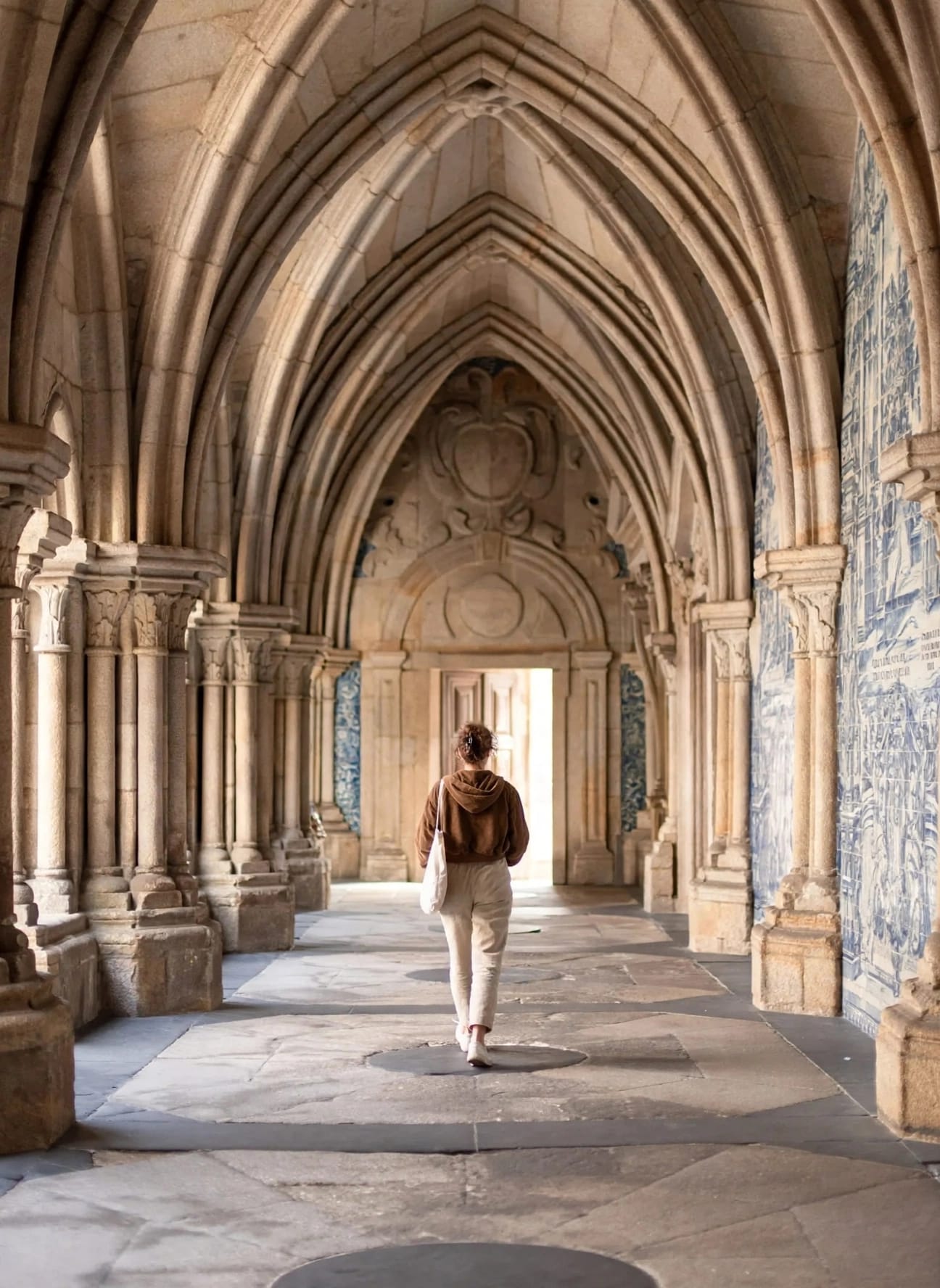
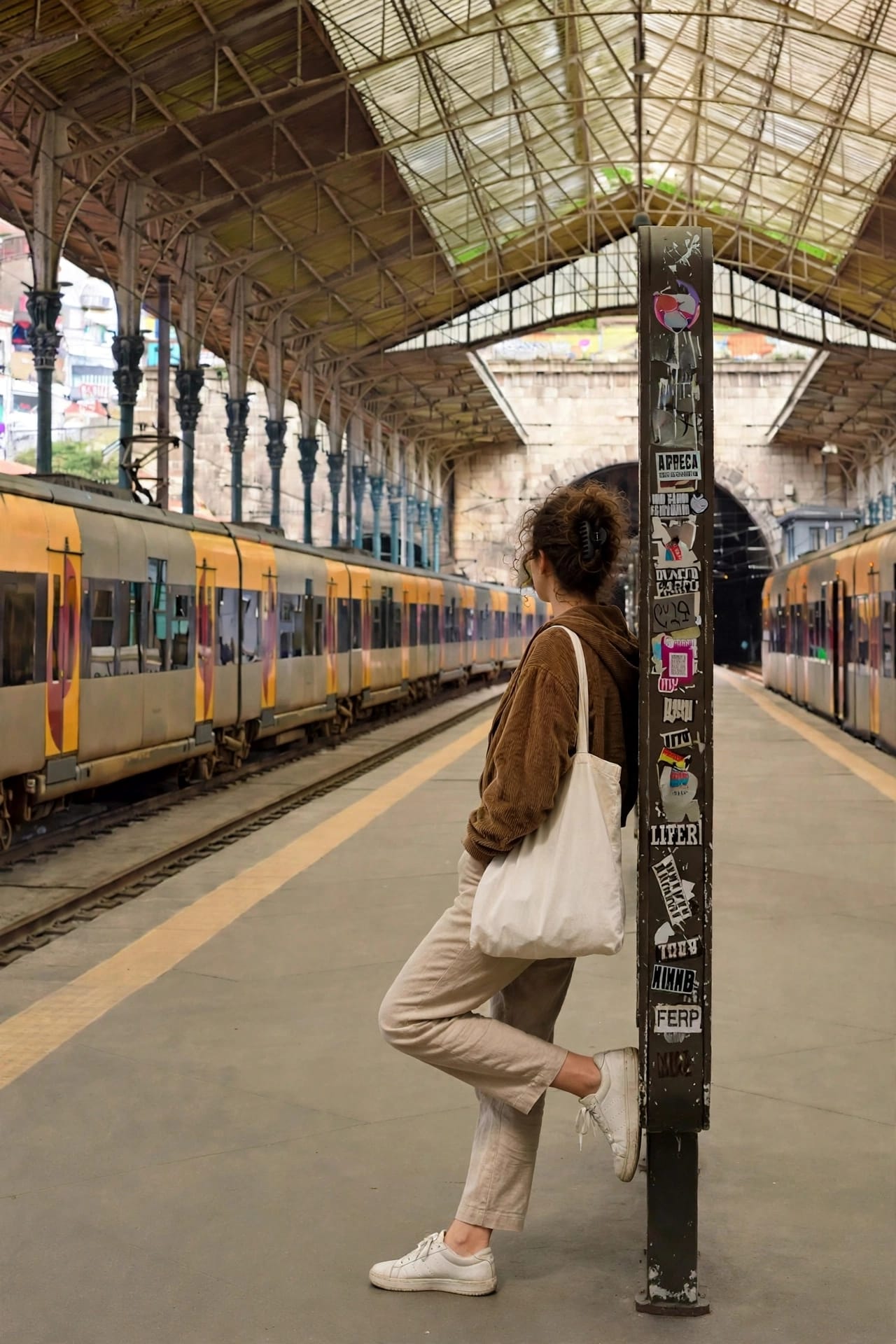
That idea of being present without needing to be at the center of the moment is also part of why I almost never show my face in the photographs. I did once because I wanted people to know there is a real person behind the letters, not a brand. But most of the time, my face would make it about a person. I want it to stay about a moment.
The woman in the photographs, usually seen from behind, is intentional. She could be anyone. She is part of all of us that moves through cities unnoticed, until we decide to leave something behind.
Maybe that is also why I love airports, train stations, cafes, and markets so much. They are places where people are between where they have been and where they are going. We are all so close and so separate at the same time. A letter changes that for five seconds. It says: someone noticed this place. Someone thought about the person who might be here next. Someone chose to leave rather than take.
I don’t need every letter to be found, framed, or remembered. I just want to keep creating reasons for people to feel less invisible.
I may have missed my flight to Porto that day. But that canceled flight gave me the beginning of a journey I didn’t know I needed.
And I am just getting started.
We all face challenges, but looking back would you describe it as a relatively smooth road?
No, it hasn’t been a completely smooth road. But surprisingly, the biggest obstacle hasn’t been the travel. It’s been learning to let go.
When you leave a letter in a city, you don’t get to decide what happens next. You don’t always get to know if it was kept, shared, or thrown away. You have to leave a piece of yourself behind and walk away without an ending.
That is the real work: to keep leaving kindness even when no one claps, no one posts about it, and no one keeps the letter. To keep doing it not because it is seen, but because it is who you are becoming.
I think that has been one of the biggest struggles, but also one of the most important lessons of this project — learning that something doesn’t have to be acknowledged to have mattered.
Can you tell our readers more about what you do and what you think sets you apart from others?
I work in aviation as a flight attendant based in Newark. My work puts me in a different city almost every day, surrounded by strangers whose paths may cross for only a few hours and then never cross again. 365 Days of Enough was born from that — my personal project to leave letters in the cities I pass through, on my own time.
What I am most proud of is that something so simple has started creating real moments between people. There is no guarantee that a letter will be found, that someone will keep it, or that I will ever know what happened to it. Sometimes I get to witness the moment from a distance. Sometimes someone scans the QR code or reaches out afterward. And sometimes I leave without ever knowing.
I think what sets 365 Days of Enough apart is that the project isn’t really about me, and I want to protect that. I don’t show my face because I don’t want the person leaving the letter to become more important than the person finding it. The city, the stranger, the words, and that brief moment of connection are the story.
Travel gives me the opportunity to take the project across borders, languages, and cultures, but the idea itself is universal. You don’t need to travel the world to remind someone that they matter. Sometimes all it takes is a piece of paper, a few honest words, and the willingness to leave something behind without asking for anything in return.
Can you talk to us a bit about happiness and what makes you happy?
Happiness is when I forget to take a picture.
When the coffee is good, the street is noisy, someone I love is laughing next to me, and I don’t think “I should remember this.” I just live it. The phone stays in my pocket. Nothing needs to be posted or proved.
Later I realize I have no photo of that moment, but I remember exactly how it felt. That’s when I know I was actually happy.
Contact Info:
- Website: https://365daysofenough.com
- Instagram: https://www.instagram.com/365daysofenough