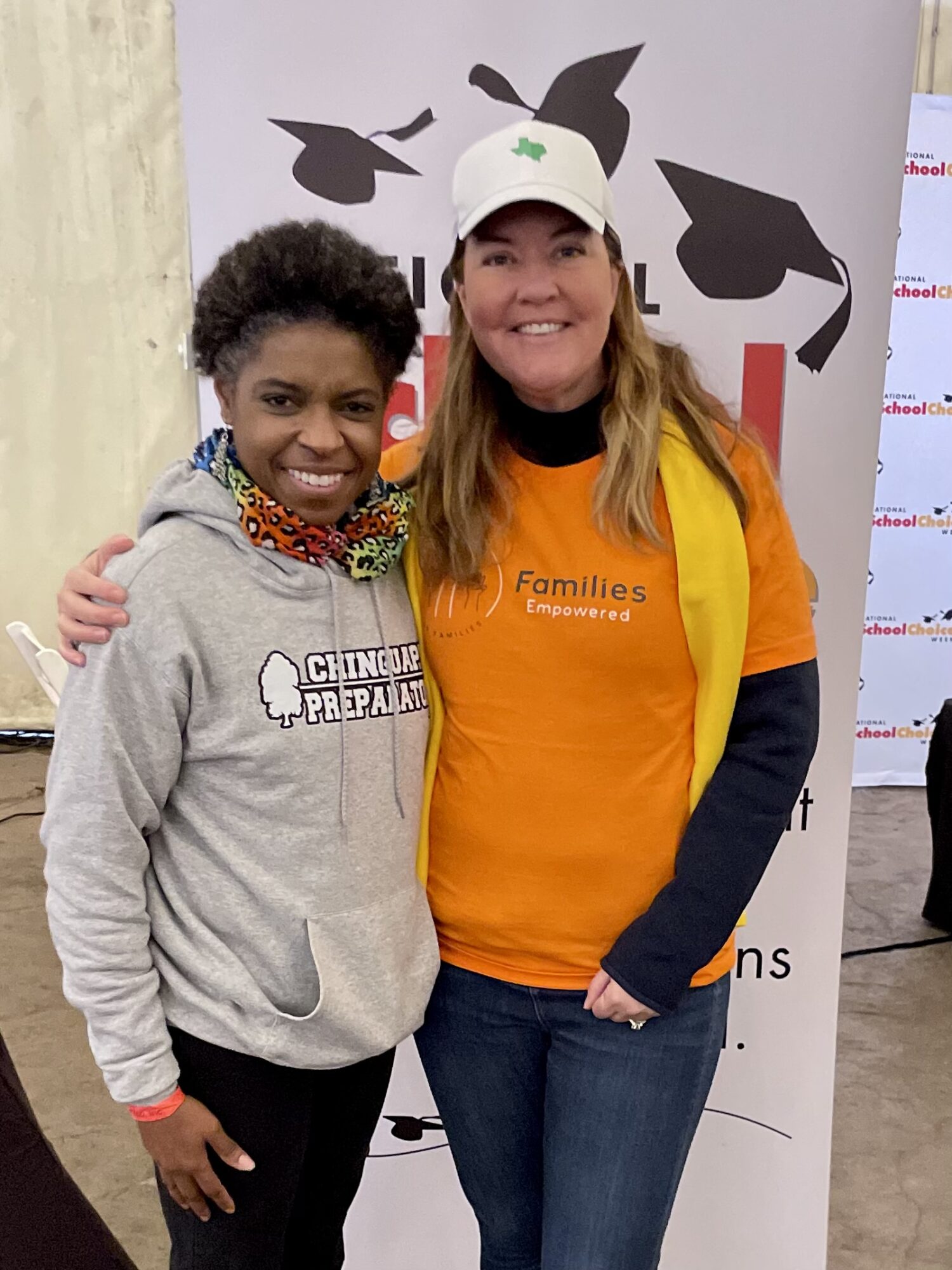





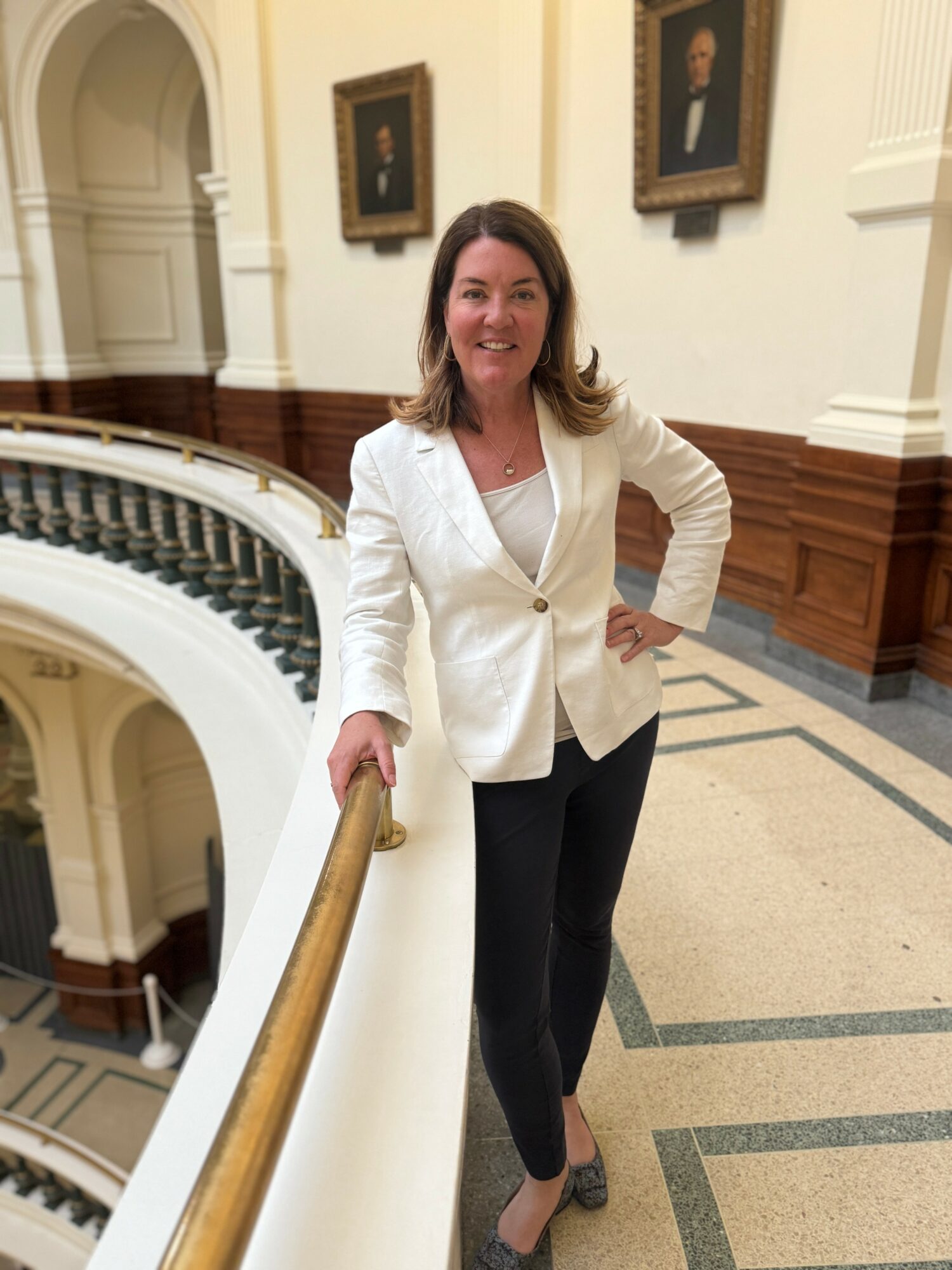
Today we’d like to introduce you to Colleen Dippel.
Hi Colleen, can you start by introducing yourself? We’d love to learn more about how you got to where you are today?
Families Empowered started with a very simple question: What happens to the families who don’t get in?
In 2009, I was a relatively new parent, but I had already spent much of my professional life in education. I had been a public-school teacher in Houston and had worked closely with school leaders and organizations trying to create more high-quality educational opportunities for children. I knew firsthand that Houston had some extraordinary schools—and I also knew that many of those schools had far more families who wanted to attend than they had seats available.
And I asked what seemed like an obvious question: Where do those parents go for help when they dont get in? What happens when their child is wait-listed?
There were organizations opening schools. There were people working on education policy. There were districts, charter networks and private schools all doing important work. But there wasn’t an independent organization whose primary job was simply to work for parents—to help a mother or father understand all of the choices available to their child and figure out what to do next.
So we decided to build one.
In those early days, we did research and talked to parents. We learned some important things. Parents wanted to find the best-fit school for their children. They often learned about schools through friends and family. And many simply didn’t know the rules of the game—where to apply, when to apply, what their options were, or what to do when their first choice didn’t work out.
That insight became the foundation of Families Empowered.
We would not exist to tell parents which school they should choose. We wouldn’t work for a particular school, school system or type of school. We would work for families. What began as an effort to solve a very specific problem in Houston grew into something much larger than I imagined when we started in 2009. Families Empowered developed direct family support, bilingual services, school-search resources and other tools designed around one question: What does this parent need in order to make an informed decision for their child?
Looking back, I think one of the most important things we did was resist the temptation to believe that we knew what was best for families. 16 years later we have expanded to serve over 116K families across Texas and serve families in Florida and Arizona.
I’m sure it wasn’t obstacle-free, but would you say the journey has been fairly smooth so far?
As Families Empowered has grown, the need for our work has grown with it. But one of the paradoxes we face is that the value of what we do is not always easy to see from the outside.
We don’t operate schools. We don’t award scholarships. We don’t advocate for one particular type of school. Instead, we do something that is both simpler and, in many ways, harder: we help families make sense of an increasingly complicated education landscape and navigate it successfully.
The changing landscape creates opportunities and challenges for parents. In Texas, the expansion of education freedom has the potential to create even more opportunities for families. But more choices do not automatically make choosing easier. In fact, more choice without better information can make the experience even more confusing for parents.
There is a natural funding mechanism for opening a school: schools receive tuition, public funding or philanthropic support tied to the students they serve. There is funding for scholarships. There is funding for policy and advocacy. There is funding for creating new educational models. But there is not an obvious funding mechanism for the independent organization sitting beside a parent saying, “Let’s figure out what your child needs, what your options are, and how we can help you get there.”
We deliberately provide our services to families for free because we believe access to good information should not depend on a family’s income. We also deliberately remain unbiased about where a family ultimately enrolls. Those commitments are fundamental to who we are, but they also make our funding model challenging.
Creating supply is only half of a functioning marketplace. Families also need transparent information, trusted guidance and the ability to navigate that marketplace. I often think back to the question that helped start Families Empowered: What happens to the families who don’t get in?
Today, I would ask an even broader question: What happens to families when we give them more choices but don’t give them the information and support they need to navigate those choices?
We’ve been impressed with Families Empowered, but for folks who might not be as familiar, what can you share with them about what you do and what sets you apart from others?
The Families Empowered brand stands for trust, independence, and an unwavering belief that parents know their children best. What sets us apart is that we don’t represent a school, a system, or a particular type of education—we represent families. We provide free, unbiased, personalized guidance that helps parents understand an increasingly complex education landscape and confidently choose the path that works best for their child. At our core, Families Empowered is a trusted partner to parents: we provide the information, tools, and support, and then trust families to decide.
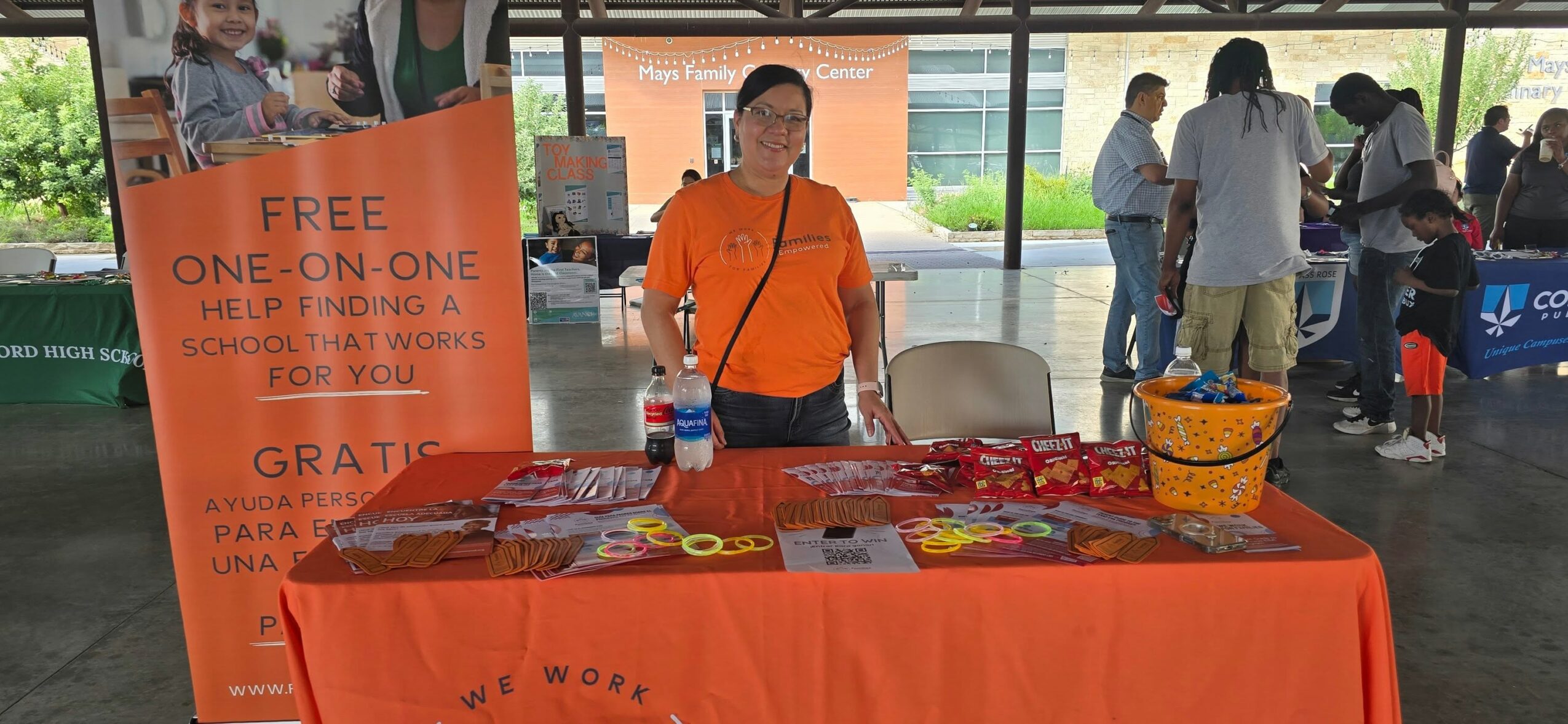
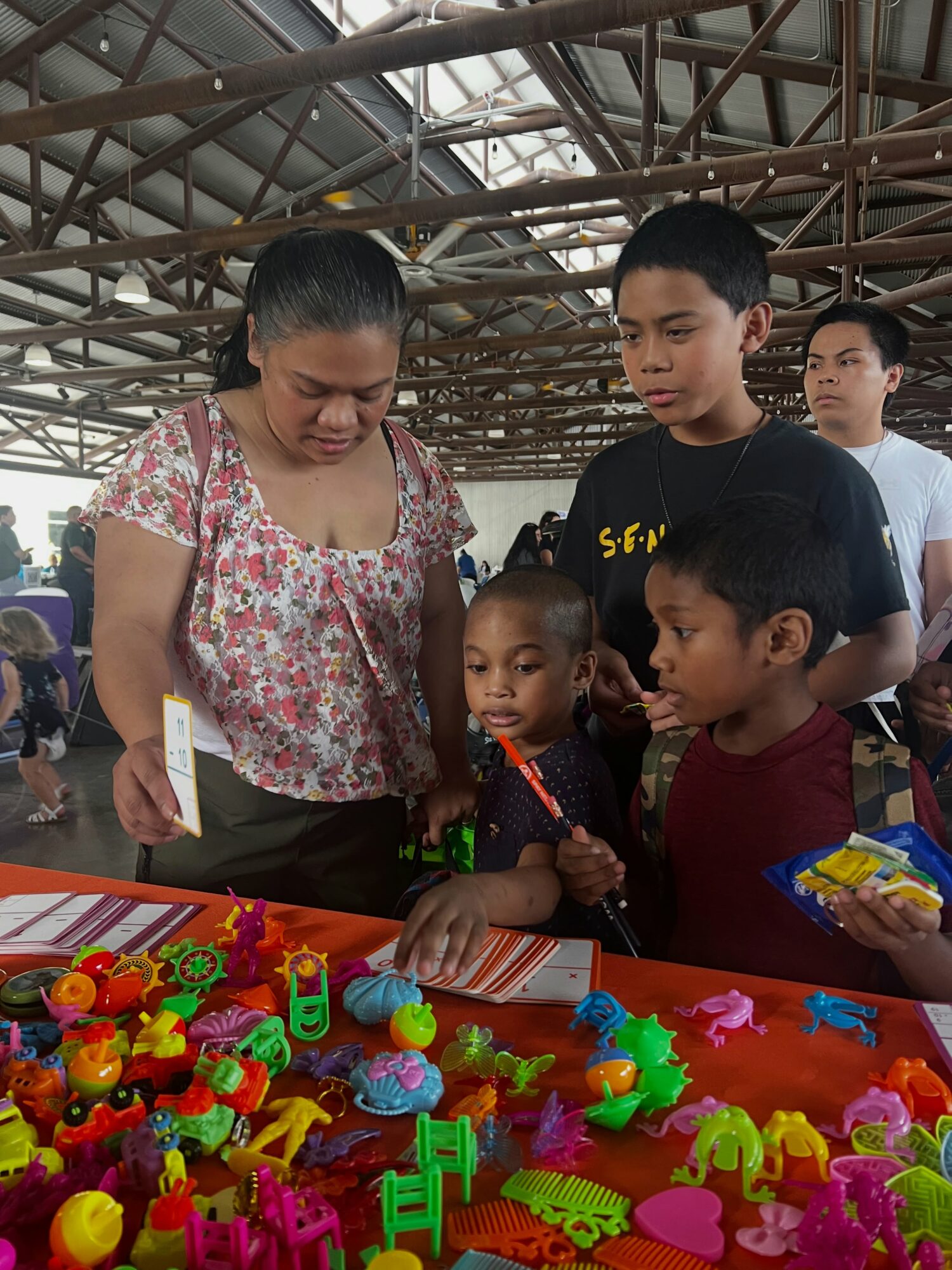
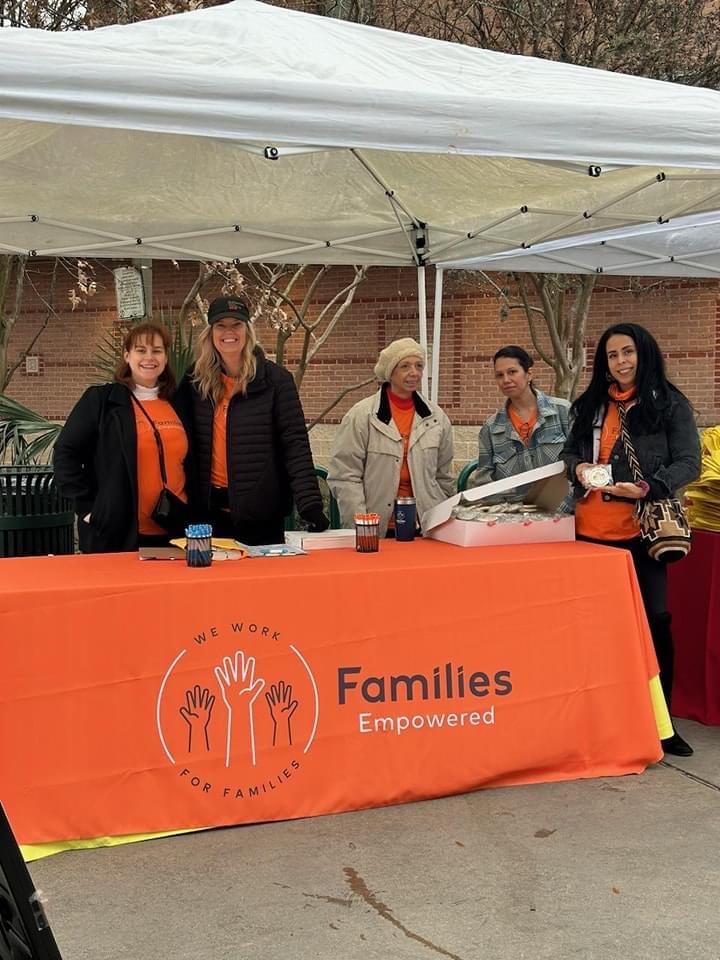
We offer free unbiased bilingual school navigation services to parents looking for the best schooling options. We have school success specialist who are available 5 days per week from 9am – 5pm. We communicate accurate actionable school application information to parents via email, text, social media and at family friendly in person school fairs. Our staff are skilled experts who believe the families we serve.
What were you like growing up?
As a child I was very social. I had lots of friends and loved to stay busy. My mother died when I was 5 and I was basically raised by a single father. This meant that I had to learn to be more self-sufficient than lots of other kids but that also helped me build resiliency. I also had lots of aunts, uncles, grandparents and cousins to help fill in the gaps so I was never lonely or sad as a child. I think my father and my maternal grandmother had the biggest impact on my life. My father taught me to be tough, honest, and self-sufficient. My grandmother taught me to be curious, steadfast, and kind.
Contact Info:
- Website: https://familiesempoweredtx.org/
- Instagram: https://www.instagram.com/familiesempowered
- Facebook: https://www.facebook.com/FamiliesEmpowered/
- Twitter: @FamsEmpowered
- Youtube: https://www.youtube.com/@familiesempowered6853