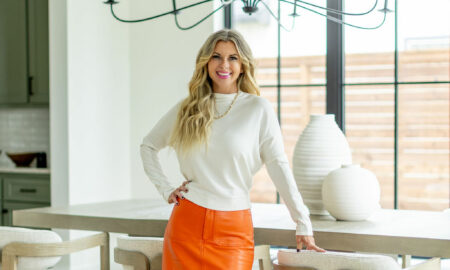





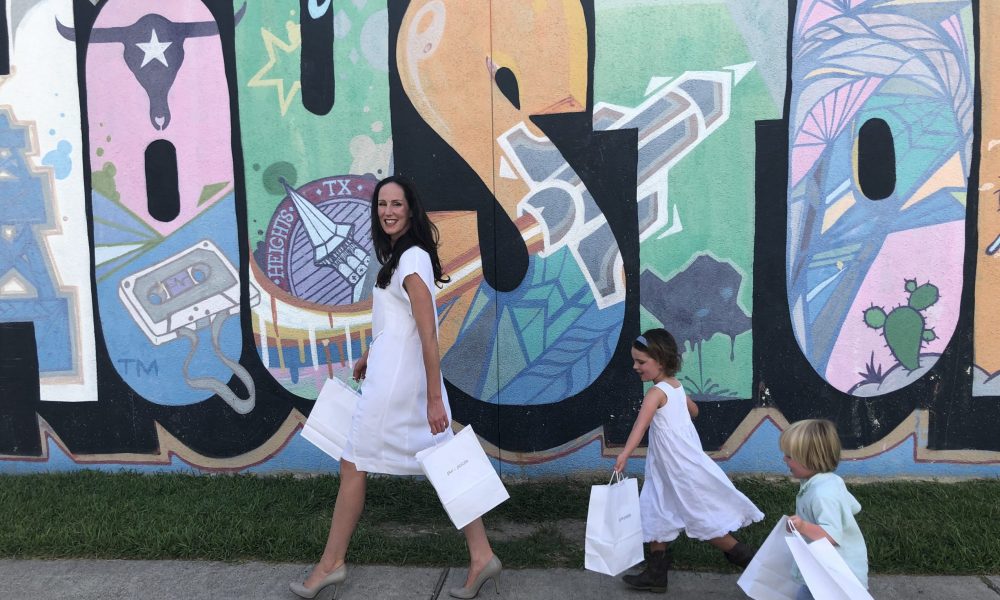
Today we’d like to introduce you to Courtney Sikes Longmore.
Courtney, can you briefly walk us through your story – how you started and how you got to where you are today.
Although Pure Palate was born in Texas in 2018, the inspiration for it really started four years ago in London, where I found myself as a new mother, trying to adjust to returning to my global role in advertising, and getting frustrated with the fact that the only way that I could continue to feed my new daughter the types of foods I wanted her to learn to love (fresh, varied, full of global flavors and lots of veg), was by continuing to make them all myself…. In the UK, the only alternative to homemade were the highly processed, bland, often fruit-sugar-packed pouches that didn’t come close to resembling anything like the real, full-flavored foods she was having at home. My female friends who’d just had babies were complaining about the same thing – it was largely down to us to do all of the learning, planning, shopping, cooking, and feeding, and while the time demands of all of that were insane (especially on top of our jobs), there just wasn’t a better option.
Fast forward a couple of years and I found myself back in the US in Houston, now pregnant with a second child, and seeing US mothers faced with the exact same poor choice: get back in the kitchen or accept sub-par taste and nutrition, so I decided to develop a better solution.
Being a planner/researcher by trade, and a Dr’s daughter by birth, I started with the science, and what I found in that year of reading 100s of medical white papers, talking to pediatricians and registered dietitians, and listening to what the thought leaders at the forefront of nutrition science had to say, led me to one clear conclusion: The baby foods available on the market were not only letting us down on food quality, they were also setting us up for future food fights with our children.
Because the science is clear: lifelong food preferences are largely taught before the age of 2, the way we eat at 2 predicts the way we will eat for life, and the ‘easiest’ way to develop a child’s healthy food preferences is through repeated exposures (8+!) to a wide variety of food flavors, textures, sights and smells…
Yet the majority of the baby foods you find in stores today are all the same: packed with fruit-sugars (sweet), often served in on-the-go pouches (so baby can’t see, smell or touch the foods), and finding a single-ingredient (aka authentically-flavored) vegetable other than carrot or sweet potato is like finding a pack of toilet paper on a bad coronavirus news day. How can we expect a 2-year-old to love the taste of broccoli when he’s only ever tasted it masked by the sweet taste of pear?
So what started as a desire for better quality, turned into a mission for better health, and Pure Palate was born.
Great, so let’s dig a little deeper into the story – has it been an easy path overall and if not, what were the challenges you’ve had to overcome?
When we launched, the biggest challenge was without a doubt, in shifting the cultural narrative around first foods – from one that is mainly about immediate nutrient provision for short-term growth (eg ‘patented formulations for superior brain development!’), to one that is about developing healthy habits for life, based on the science behind shaping food preferences.
It’s a longer-term game, and promising a solution to a problem in the future (even if it is a solution as compelling as protecting your future health or avoiding picky eating) is always a slightly harder sell than solving a problem parents are facing today (like your hungry child screaming in the back seat).
But that was then. And coronavirus is now. So there are MUCH bigger challenges operationally and strategically on the table. I’d like to go back and give my 2019 self a patronizing little pat on the hand. I still strongly believe that brands have the power and responsibility to make it easier for people to live healthier lives and that we need preventative-based health programs like this more than ever… but it’s hard to know where the market and consumer attitudes are going to land with the rapid change we’re facing. Food operations will continue to be very challenging, but we have a tech solution in development that will help us expand our guided approach to more parents in Texas and beyond, so we are optimistic about growth in different directions.
Please tell us about Pure Palate.
Pure Palate empowers parents to develop healthy eating habits in their children, in the precise window in which medical research shows that lifelong food preferences are forming. We give parents the science-backed guidance to navigate each stage of weaning with confidence and ease, and send palate developing baby foods directly to their door.
We run on a subscription model – new customers answer a few questions to get a personalized feeding plan for their baby, and every two weeks we deliver stage-based guidance and a variety pack of our full-flavor, fresh-frozen foods – we never mix fruits into our veg or savory meals (fruit sugar masks veggie flavors!) and use herbs, gentle spices and recipes from around the world to excite a baby’s palate. One of our favorite (and most common) pieces of feedback from parents is how they never would have thought to introduce foods like basil and tarragon zucchini, turmeric cod, or morrocan beef tagine – but once they see how ‘trainable’ babies’ tastes are, the whole journey becomes a lot more open and exciting. Now if only we could get our hands on those mac and cheese and nugget-packed kids’ menus in restaurants, we’d really have fun.
In addition to our foods, we also take great pride in our science-backed approach and relentless pursuit of new knowledge regarding how to help a child develop healthy food preferences and avoid picky eating. It’s so hard for parents today to weed through the sea of online opinion to find data-backed facts, we wanted to make sure that every program, recommendation, and food we offered was backed by science, and had real purpose.
It’s also why we’ve formed so many partnerships with Houston-area pediatricians and registered dietitians, why my inbox is full of alerts for the latest clinical studies into complementary feeding and picky eating avoidance, and why we will never let trends or competitors’ actions distract us from what the data says is best.
And from a personal reward standpoint, I love getting to know the moms and babies who have become our customers – their loyalty (we have 93% retention of subscribers) and positive feedback about their babies’ progress and love of our foods and flavors have kept me focused and motivated during the challenges of the last few months.
Do you look back particularly fondly on any memories from childhood?
Age 5 or 6, in my hometown of Memphis, on a fishing trip with my Dad and older brother – I was a middle child of 4, so always competing for attention a bit (ok a lot), but that day I was the one who caught an 9 pounds catfish – it nearly pulled me off the dock and into the lake, and we had to get bystanders to help us reel it in. But the picture of my smug little smile, holding up that fish that was almost as big as me (and the memory of my brother’s sulky frown, annoyed that his little sister made the catch) still makes me chuckle.
Pricing:
- Feeding plans starting from $35 per week
- Pause or cancel a subscription at any time
Contact Info:
- Website: https://pure-palate.com/
- Phone: 832-639-3526
- Email: info@pure-palate.com


Suggest a story: VoyageHouston is built on recommendations from the community; it’s how we uncover hidden gems, so if you or someone you know deserves recognition please let us know here.