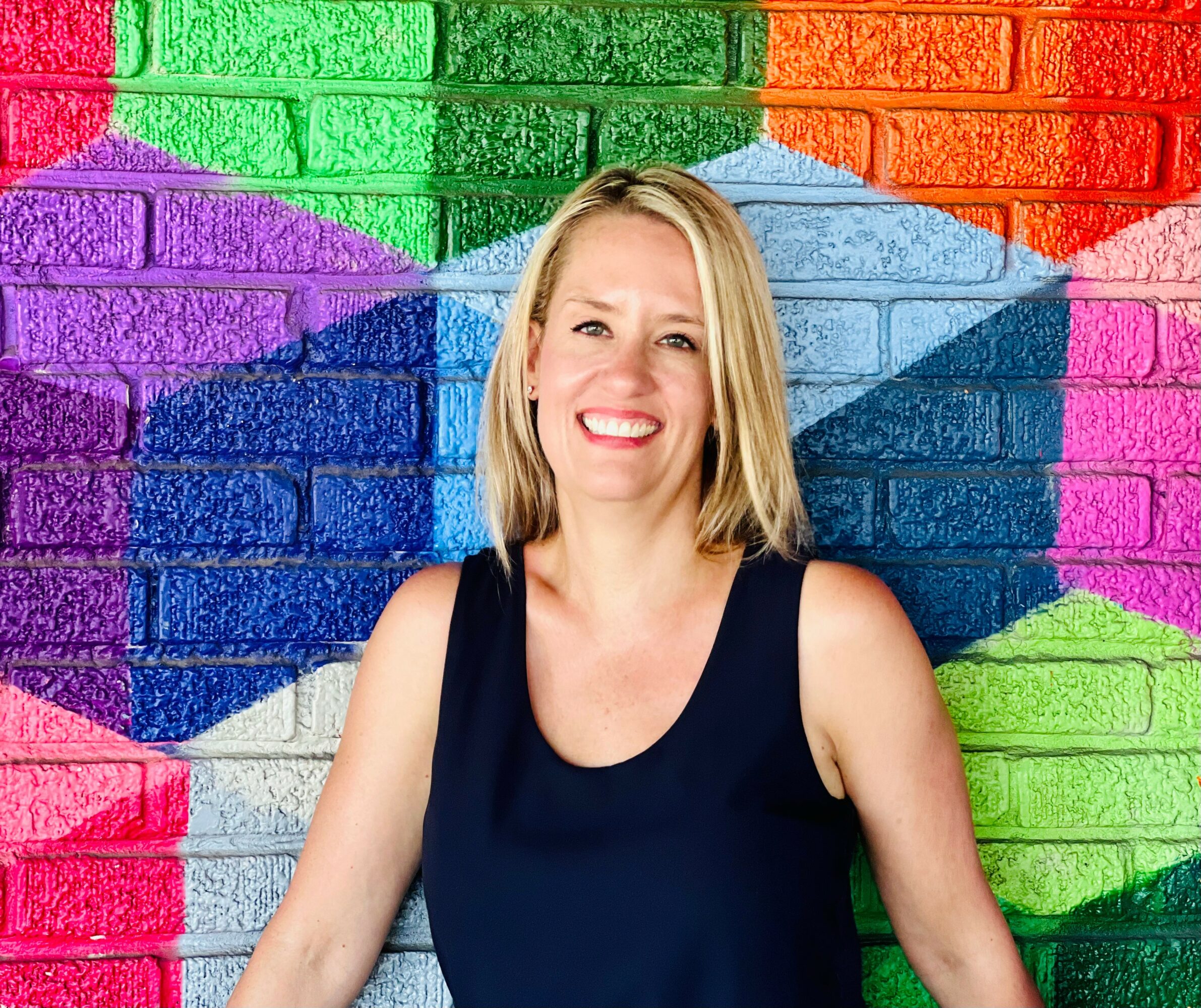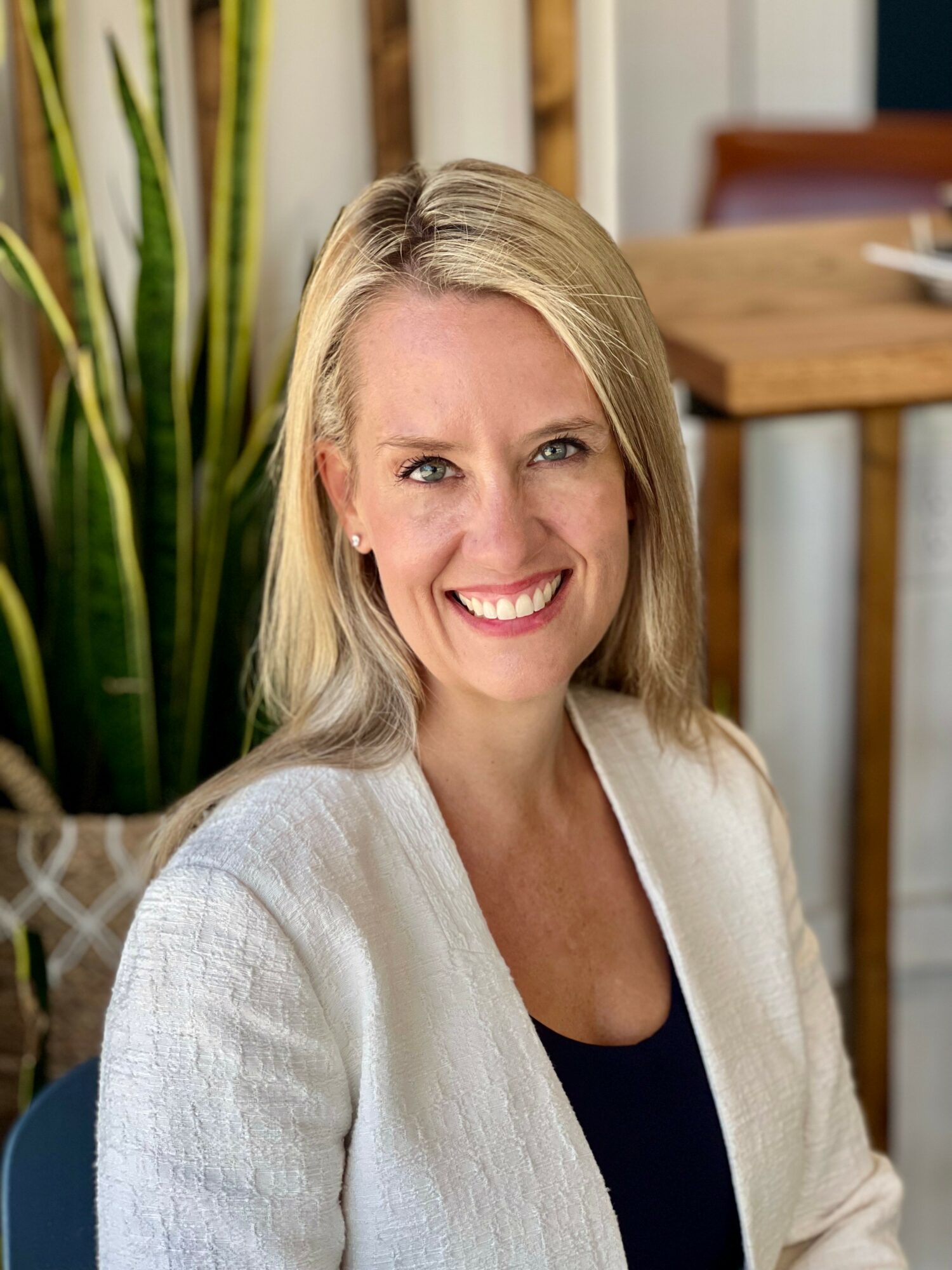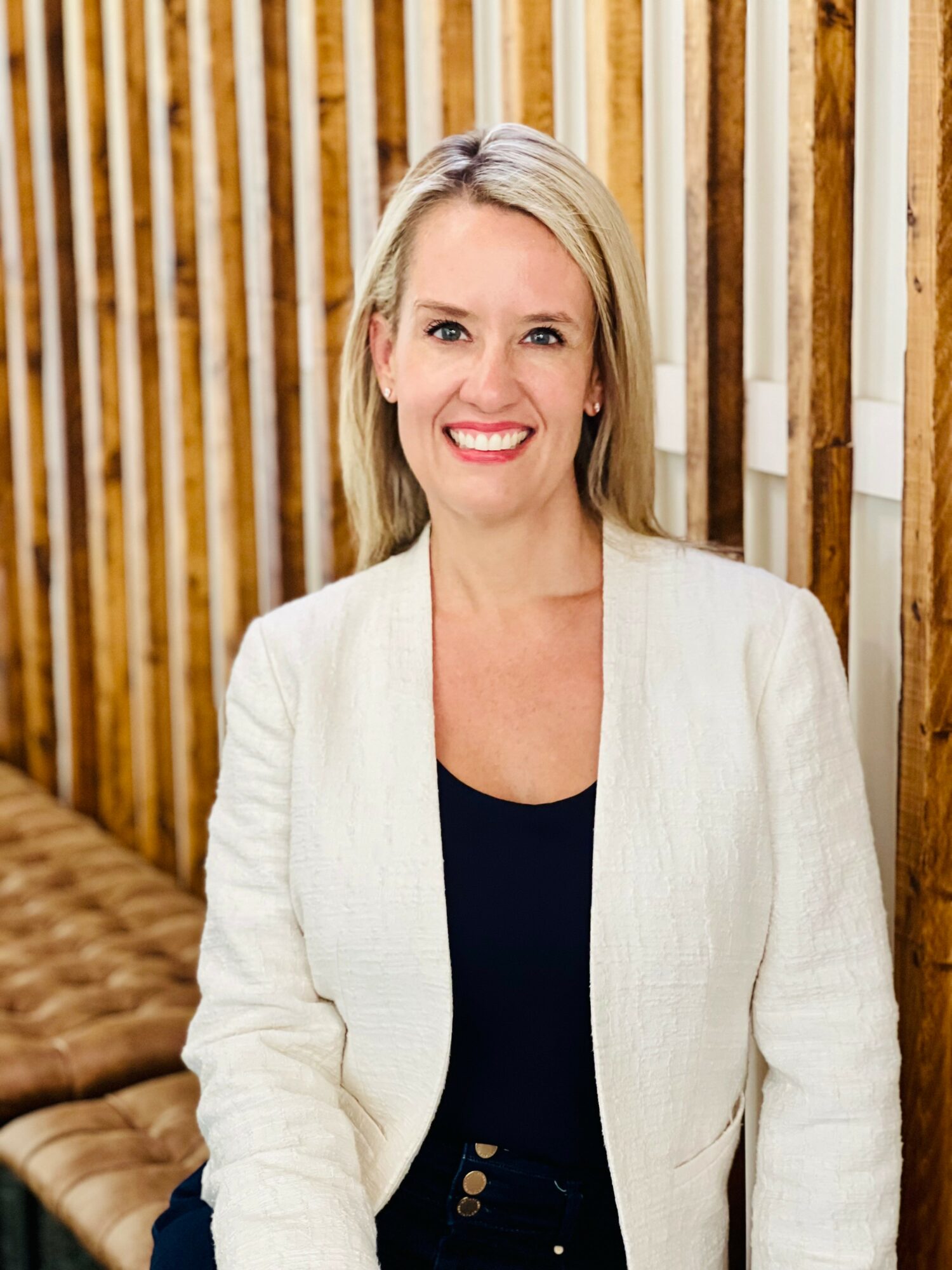





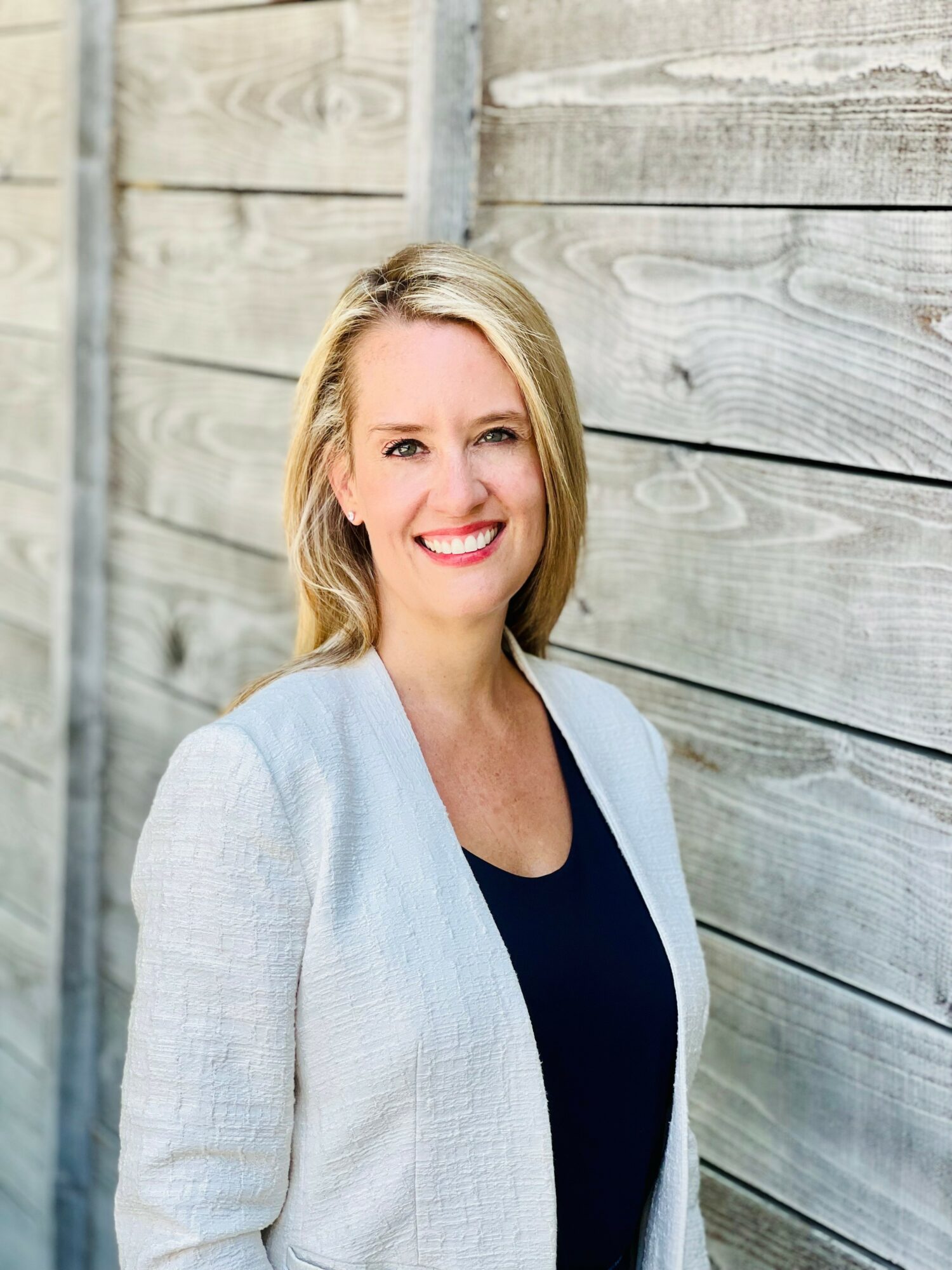
Today we’d like to introduce you to Julie Savage.
Julie, we appreciate you taking the time to share your story with us today. Where does your story begin?
If I look back, the thread that has always guided my life isn’t a specific career—it’s people.
My professional career started out in pharmaceutical sales, working with two companies under Johnson & Johnson. My work moved me from Maryland to Florida, and eventually out to the West Coast, where I trained teams across six states and later became a Sales Manager in Northern California. I was fortunate to have success in that world, but what really drove it wasn’t just performance. It was connection.
I found myself drawn to everyone, not just the physicians I was there to meet. The medical assistants, the front office staff, even housekeeping—people who are often overlooked. I was genuinely curious about them, their lives, their stories. And when people feel seen, they open up. Trust builds. Conversations become more real. Over time, I realized that what made me effective wasn’t pushing a product rather it was understanding people.
At the same time, my personal life was unfolding in a very different way. My husband was an active-duty Navy officer, and around the time of 9/11, he was forward deployed on the USS John F. Kennedy aircraft carrier to the Middle East. We spent long stretches apart, before cell phones made staying connected easy. It was a season of uncertainty, distance, and learning how to stay emotionally grounded when so much felt out of my control. Looking back, that time shaped me in ways I didn’t fully understand then. It deepened my capacity to sit with discomfort, to stay present, and to connect even when things felt hard.
As my career evolved into leadership, another pattern became even clearer: people opened up to me. My team members would share their struggles, their self-doubt, their hopes for what they wanted next. Supporting them, coaching them, helping them grow—that became the most meaningful part of my work. A lifelong friend of mine has said for years, “People just tell you things.” And she’s right. They always have. And I’ve felt honored to hold that trust with care and without judgment.
Eventually, my path shifted. With three children and years of moves behind us, I stepped away from corporate life to focus on my family. That chapter gave me a perspective I deeply value now. I understand both the demands of building a career and the complexity of stepping back to be present at home. It also brought me face-to-face with something I see in many people now: the quiet way we can lose ourselves while caring for everyone else.
When our youngest started school, I made a decision that had been quietly living inside me for years. I went back to graduate school to become a therapist. Owning my own practice had always been a dream, but for a long time, it felt too big—or maybe too personal—to say out loud. At some point, I realized that not trying would stay with me far longer than the fear of starting.
So I started. Midlife. With all the uncertainty and determination that comes with it.
Today, I work as a psychotherapist with adults who are often in transition. Many are navigating anxiety, depression, grief, or simply asking themselves, “How do I want to live now?” My work is grounded in the belief that healing isn’t about erasing the past rather it’s about learning how to hold it differently. Our experiences become part of us, but they don’t have to define us in limiting ways.
What I’ve come to believe is simple, but not easy: people don’t need to be fixed, they need to be met. When someone no longer feels alone in their experience, something begins to change. There’s more room for both the pain and the joy to exist, and for a different kind of connection to take shape.
And in many ways, that is the same thread that has always guided me. From exam rooms to boardrooms to therapy rooms, my work has never really been about a title. It has always been about creating space for people to feel seen, understood, and connected—both to themselves and to the world around them.
I’m sure it wasn’t obstacle-free, but would you say the journey has been fairly smooth so far?
It hasn’t been a completely smooth road and, in many ways, I’m grateful for that.
During my husband’s military service, especially around the time of 9/11, there were long stretches of distance and uncertainty. Being apart from him and from steady support systems brought a kind of loneliness that was quiet but very real. It asked me to be strong in ways I hadn’t anticipated, while still holding everything together day to day.
As our family grew, the challenges shifted. I was deeply invested in caring for my children, supporting my husband, and managing daily life, and over time I became less connected to parts of myself. Not in a dramatic way, but in the gradual way it happens for many people. Life becomes full, responsibilities grow, and somewhere in that, your own voice can get quieter.
There was internal questioning along the way and self-doubt, wondering if I was making the right choices, and trying to balance my relationships with my husband, my children, my parents, my friends, and myself. Like many people, I experienced seasons that required sacrifice.
Going back to graduate school later in life was another turning point. Starting over in a new field, investing time and energy into something deeply meaningful but uncertain brought up: Am I too late? Can I really do this? What if it doesn’t work? At the same time, there was a quiet knowing that regret would be harder to live with than the fear of beginning.
Those experiences are part of what allows me to sit with people now, not from a place of having it all figured out, but from a place of having lived through complexity, uncertainty, and growth. And I think that makes the work more real. For both of us.
Appreciate you sharing that. What else should we know about what you do?
My work as a psychotherapist is rooted in one core belief: healing happens through connection- connection to ourselves, our bodies, our stories, and the people around us.
I work primarily with adults who are navigating life transitions, anxiety, depression, trauma, relationship challenges, and the feeling of being disconnected from themselves. Many of the people I work with are successful, capable, and deeply caring individuals who have spent years showing up for others, but somewhere along the way have lost touch with their own needs, emotions, or sense of self.
My approach is holistic and focuses on the connection between the mind and the body. I believe our experiences don’t just live in our thoughts, they are also held in our bodies. Sometimes what we experience as anxiety, depression, or feeling “stuck” is connected to unresolved experiences that our system has been carrying for a long time.
I incorporate approaches such as EMDR and Internal Family Systems to help people understand, process, and heal painful experiences. Trauma work is not always something that can be resolved through words alone. Sometimes we have to access other parts of ourselves through imagery, music, creativity, metaphor, or simply slowing down enough to truly feel and understand what has been carried. Healing is not about erasing our past rather it is about integrating our experiences so they become part of our story rather than something that controls our story.
People often describe me as warm, open, and creative. I think what sets me apart is that I don’t sit across from my clients as someone who has “figured life out.” I sit beside them as another human being who understands that life can hold many truths at the same time—the joy and the pain, the gratitude and the grief, the happiness and the sadness and everything in-between.
One of the things I am most proud of is learning how to live with that complexity. I am still a work in progress, and I believe that is part of what allows me to connect so deeply with others. I have experienced seasons of uncertainty, change, sacrifice, and growth, and I have also experienced moments of deep peace and gratitude.
As a mother, I am currently navigating a bittersweet transition as two of our three children have launched into their own lives and are attending college out of state. There is incredible excitement in watching them become independent, but there is also the tenderness of learning how to stay connected while allowing space for separation. It mirrors so much of what I see in therapy; the ongoing process of loving deeply while allowing, at times, uncomfortable change.
Ultimately, I am most proud of the work I do alongside my clients: creating a space where they don’t have to carry everything alone. Together, we explore their stories, honor what they have survived, and help them reconnect with the parts of themselves that may have been waiting to be seen.
Are there any books, apps, podcasts or blogs that help you do your best?
I love to read. Currently, I am reading Anxiety Rx. I really appreciate how the author, Russell Kennedy, MD describes anxiety in language that is relatable. He shares his own story, he uses humor and he describes how to work with our bodies to help calm our minds.
I am enjoying Podcasts that Mel Robbins hosts. The guests she has on the show often inspire me to do a deeper dive in their professional lives and in the topics they discuss.
Contact Info: