




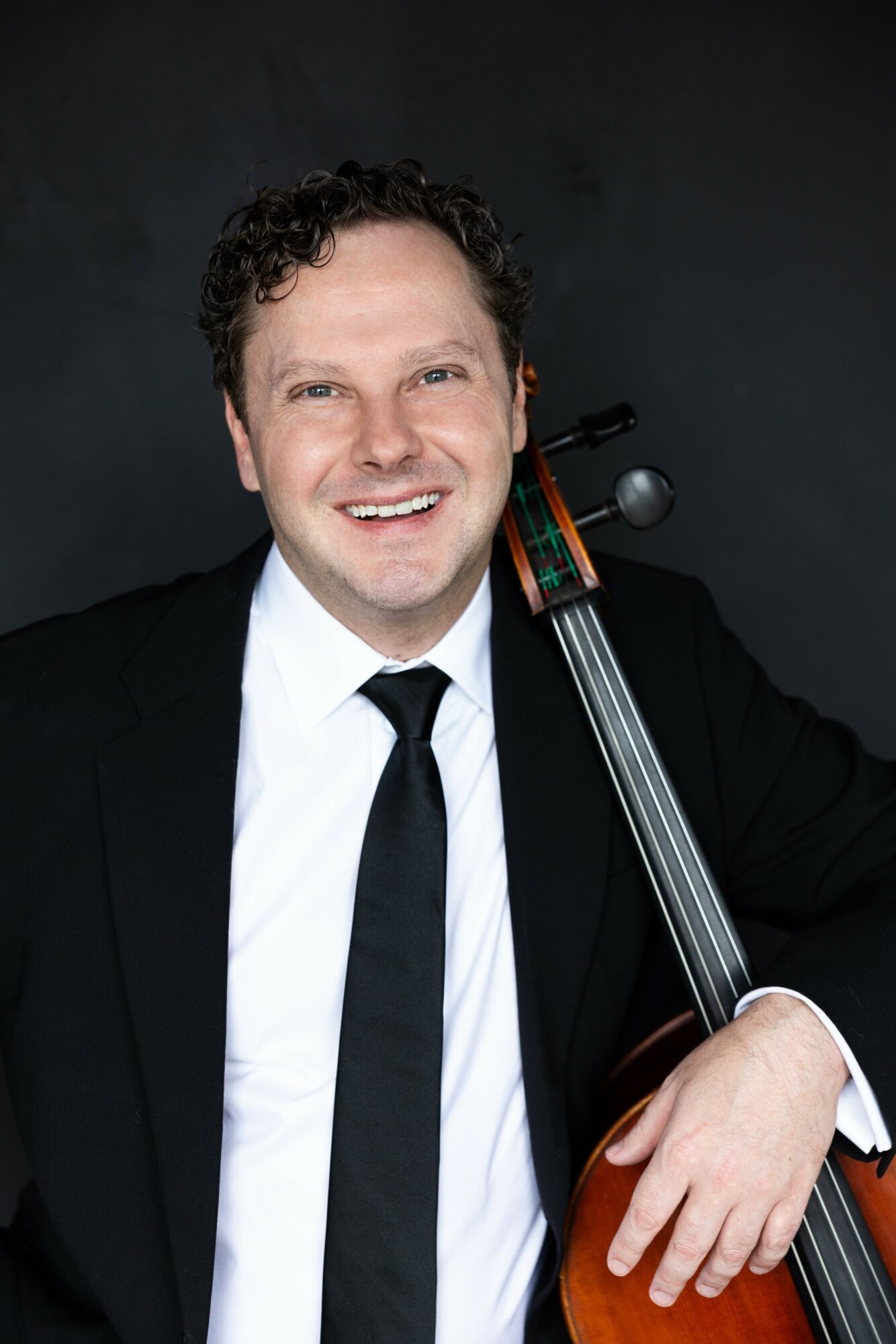
Today we’d like to introduce you to Patrick Moore.
Hi Patrick , so excited to have you on the platform. So before we get into questions about your work-life, maybe you can bring our readers up to speed on your story and how you got to where you are today?
I grew up listening to just about everything. Classical music was always at the center of my life, but I was also the kid who genuinely loved Enya and the wonderful Pure Moods CDs of the 1990s. Even as my musical world expanded to include everything from Bach and Brahms to contemporary and avant-garde music, I never lost my love for music that is simple, spacious, serene, and capable of changing the atmosphere of a room.
Improvisation became another important part of my musical life very early on. During my undergraduate years at Roosevelt University in Chicago, I found myself surrounded by a wonderfully wild group of jazz saxophone players. They were fearless musicians, and being around them helped me loosen some of the boundaries that classical training can create. They encouraged me to listen differently, react in the moment, and play from the heart rather than always from a printed page.
From there, I looked for opportunities to improvise wherever I could. Over the years I performed with groups ranging from Jacqui Sutton’s Frontier Jazz Orchestra to Cantiga, an ensemble that performs medieval music from the Cantigas de Santa Maria at the Texas Renaissance Festival. Each experience gave me another musical language and another way of thinking about what the cello could do.
At the same time, my classical career continued to grow. I became a chamber musician, teacher, arts administrator, and eventually the founding cellist and Executive Director of Axiom Quartet. I have spent much of my professional life moving between very structured classical repertoire and music that asks the performer to respond, invent, and take risks.
Somacello grew out of all of those experiences.
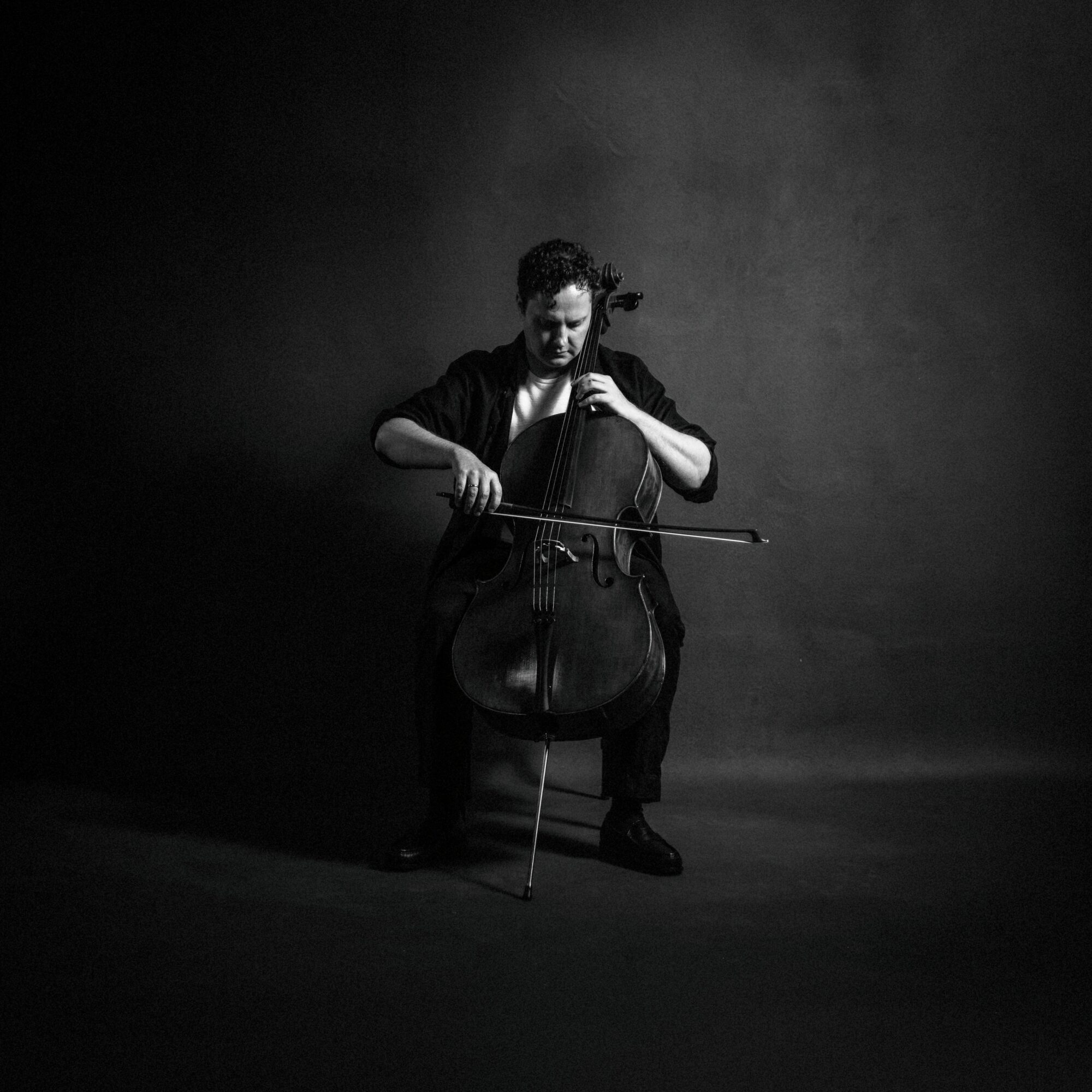
During a particularly demanding period of my life, I began improvising alone as a way of finding stillness. I was not trying to write a piece or create a project. I was simply playing long tones, harmonies, loops, and fragments of melody until I found a sound world that made everything seem quieter. Over time, I realized that the music was becoming something of its own.
Somacello is my attempt to bring together the different parts of my musical life: the sound and discipline of the classical cello, the freedom I learned from improvisers, my lifelong affection for ambient and meditative music, and my belief that music can create a space for people to slow down and listen deeply.
In many ways, it feels less like I suddenly decided to create something new and more like I finally arrived at a project I had been moving toward for most of my life.
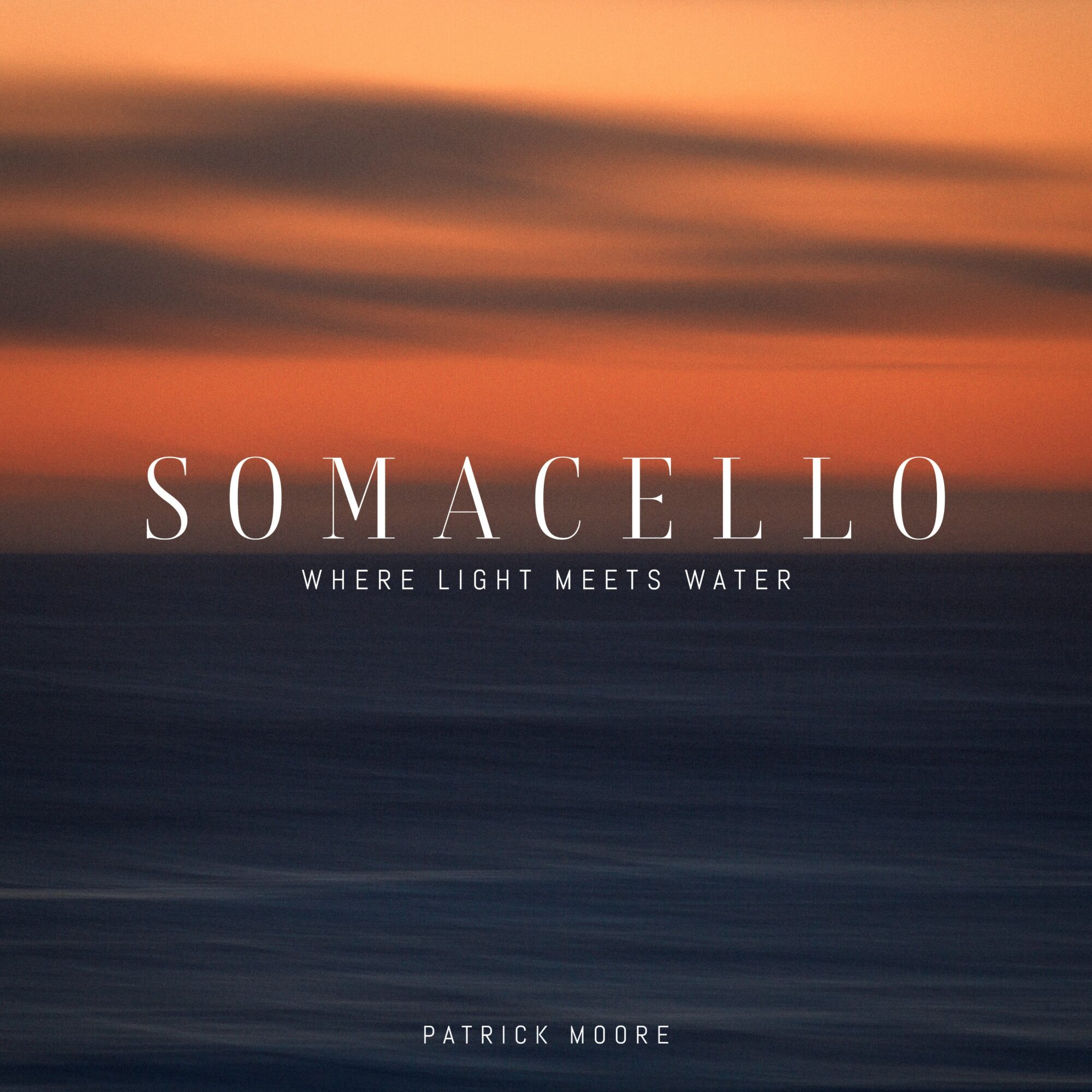
Somacello’s first album releases September 30 on all major streaming platforms. Put it on one evening as you fall asleep, let it play on repeat, and then reach out and tell me how your dreams unfold.
We all face challenges, but looking back would you describe it as a relatively smooth road?
It definitely has not been a completely smooth road. Like a lot of working musicians, I have spent much of my career wearing several hats at once: performer, teacher, arts administrator, contractor, and ensemble director. I am incredibly grateful for that career, but it can also leave very little room for the quiet, exploratory work that originally makes you fall in love with music.
One of the biggest challenges has been learning to give my own creative work the same seriousness that I give to everyone else’s. Classical musicians are trained to interpret great music at an extremely high level, but we are not always encouraged to think of ourselves as creators. Improvisation helped me push against that. Somacello has pushed me even further.
The project actually began during a period when I was feeling stretched very thin. I started improvising as a way to slow my mind down and reconnect with the instrument without a rehearsal deadline, a concert program, or someone else’s expectations attached to it. At first, I did not think of those improvisations as compositions. They were simply a place where I could breathe.
Turning that private practice into a public project has brought its own challenges. I have had to learn about recording, production, distribution, visual presentation, promotion, grant writing, and all the practical machinery required to bring a new artistic idea into the world. There is also the vulnerability of putting forward music that is deliberately simple and spacious when much of my professional training has been about complexity, precision, and virtuosity.
But that tension has also become one of the most meaningful parts of the project. Somacello has reminded me that artistic growth does not always mean adding more. Sometimes it means stripping things away, listening more carefully, trusting your instincts, and making enough space to hear what was already there.
Can you tell our readers more about what you do and what you think sets you apart from others?
My professional life has always lived at the intersection of performance, education, and building artistic communities.
I am a cellist, teacher, arts administrator, and the founding cellist and Executive Director of Axiom Quartet. Much of my career has been centered on chamber music and on finding ways to make classical music feel immediate, relevant, and alive. With Axiom, I have helped build programs that place major works from the classical repertoire alongside contemporary music, unexpected arrangements, and music that audiences may already know. I am especially interested in creating concerts that invite people in rather than asking them to arrive with a certain amount of musical knowledge.
Teaching is another major part of my work. I have taught students ranging from young beginners to university-level musicians, and I care deeply about helping students develop both a strong technical foundation and an individual artistic voice. I want students to understand the traditions they are inheriting, but I also want them to feel free enough to eventually make something of their own.
What probably sets me apart most is that I have never been very interested in staying inside one musical lane. I love Bach, Beethoven, Shostakovich, and the traditional cello repertoire, but I am equally fascinated by improvisation, ambient music, contemporary work, collaboration, and unusual performance spaces. I have spent my career asking how the cello can function outside of the expectations people normally place on it.
I am proud of the work I have done building Axiom Quartet and of the many students I have had the privilege to teach, but Somacello feels especially meaningful because it brings together so many different parts of my musical life. It combines my classical training, my years of improvising, my love of meditative and ambient music, and my interest in creating immersive experiences.
At this point in my career, I am less interested in proving what the cello can do and more interested in discovering what kind of space music can create for people. That question is at the heart of almost everything I am doing now.
Any advice for finding a mentor or networking in general?
Classical music is an unusual field because mentorship is built into almost every stage of our training. From a very young age, most of us study one-on-one with a teacher, and that relationship can continue through undergraduate and graduate school and well into a professional career. I have been extraordinarily fortunate to have teachers and mentors who invested deeply in me, and that is a large part of why I feel such a responsibility to teach and give something back to the musical community that gave me so much.
I think a great mentor has to be someone you trust, but trust goes beyond simply believing that they know what they are talking about. The most important mentors create an environment where you can be vulnerable. You have to be able to admit what you do not know, try something that may fail, ask the embarrassing question, or show them an idea that is not fully formed yet. That kind of vulnerability is where a tremendous amount of growth happens.
A good mentor also should not be trying to turn you into a copy of themselves. The best teachers I have known give you tools, challenge your assumptions, and sometimes tell you things you do not particularly want to hear, but ultimately help you discover your own artistic voice. At some point, part of growing up as an artist is learning to trust that voice yourself.
I also think mentors are everywhere if you are willing to listen. They are certainly our teachers, but they can also be colleagues, friends, family members, students, collaborators, and people working in completely different fields. Some of the most important things I have learned about music and creativity have come from conversations that had nothing to do with a cello lesson.
That is probably also my advice about networking. I have never been particularly interested in networking as a transactional exercise. Most of the meaningful opportunities in my career have grown out of genuine relationships. Be curious about what other people are doing. Show up for their work. Ask questions. Find ways to contribute. Stay in touch. Over time, those relationships become a community.
And eventually, I think the goal is to reach a point where you can listen to all of those voices without losing your own. A mentor can open a door, but eventually you have to be willing to walk through it and decide where you want to go.
Contact Info:
- Website: https://www.moorecello.com
- Instagram: https://www.instagram.com/moorecello/
- Youtube: https://www.youtube.com/channel/UCRzr0fSyoqDDQjv7wagOoVA
- Other: https://open.spotify.com/artist/1VscopzvTZiXqcgV1sDBIX?si=tOA87Vy1S4af7W_NltZElg