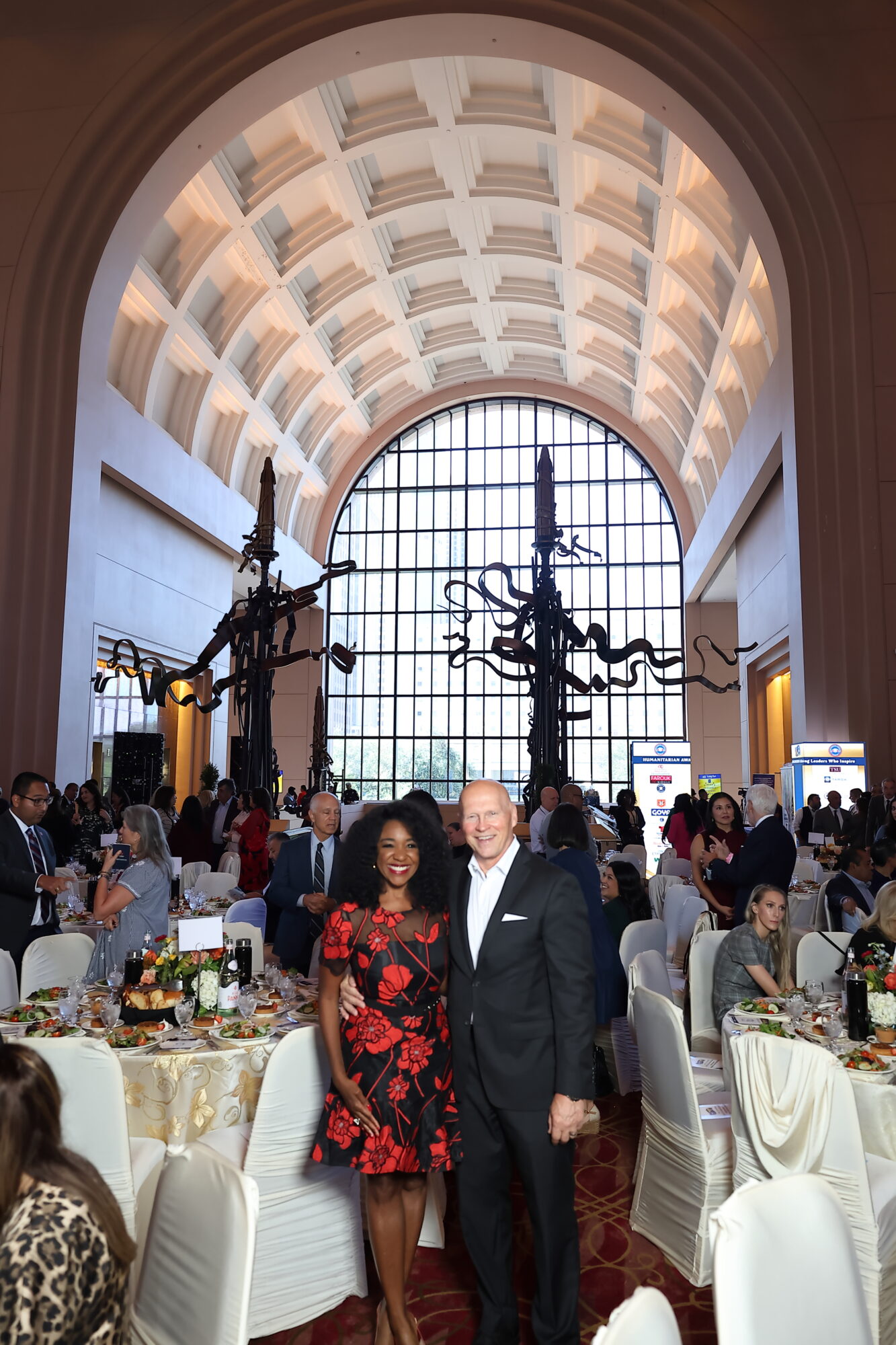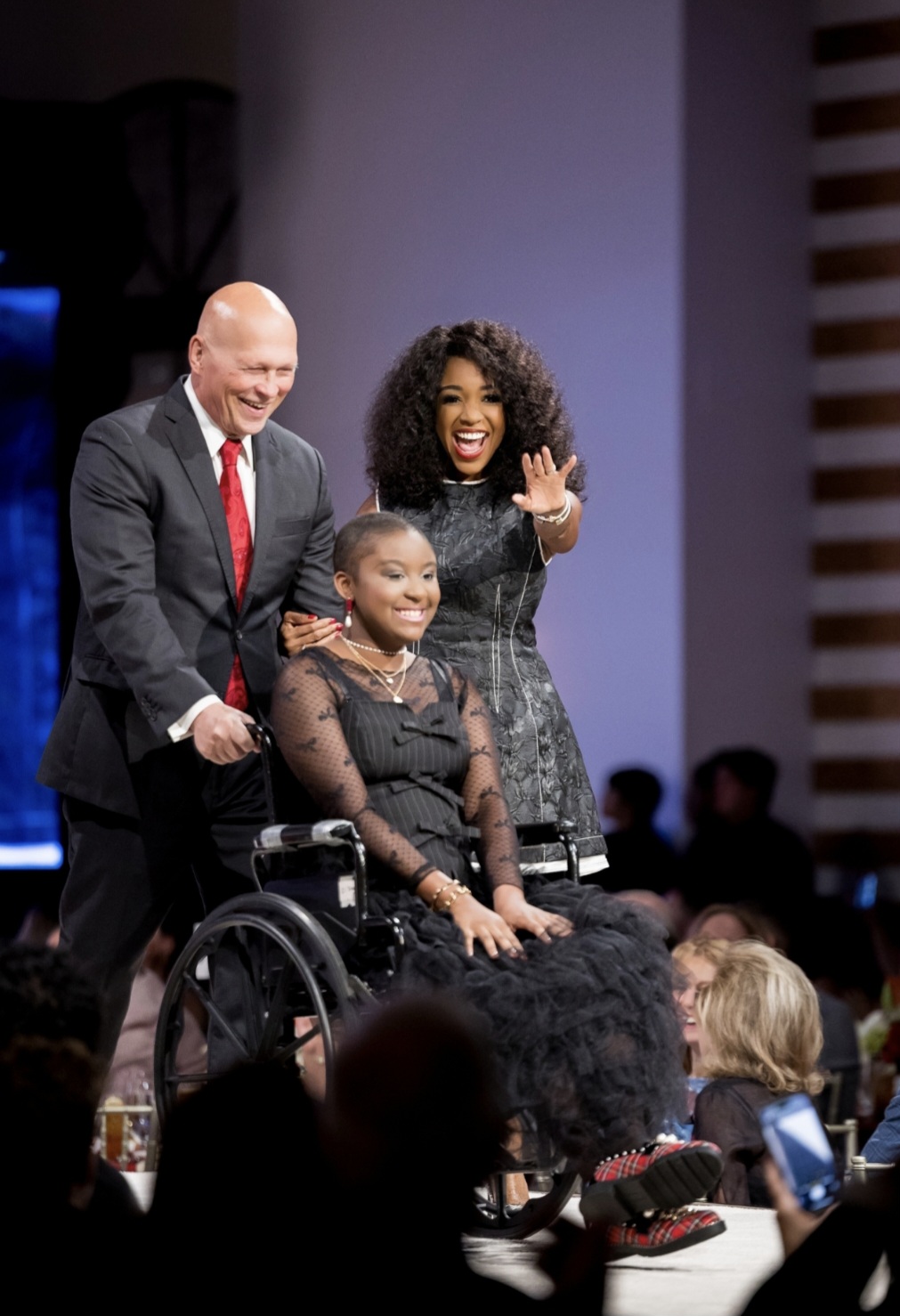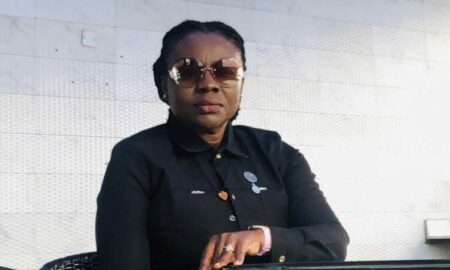







In this conversation, Dr. Jacquie Baly, Founder and CEO of BalyProjects and Chair of the Harris County Women’s Commission, reflects on being named a Humanitarian of the Year and shares how decades of work across policy, education, and philanthropy have shaped her commitment to systems-level change, women’s equity, and preparing the next generation of leaders to serve with purpose, judgment, and integrity.
Hi Dr. Baly, thank you so much for taking the time to share your journey and this meaningful milestone with our readers. Being named a Humanitarian of the Year Honoree reflects decades of service and impact, and we’re excited to learn more about your work and what drives you. Let’s jump right in.
You were recently recognized as a Humanitarian of the Year in the Philanthropic Female category. What did that moment mean to you personally, and how did it feel to see your years of community service honored in this way?
Being recognized as a Humanitarian of the Year was deeply humbling. Personally, it felt less like a spotlight moment and more like a quiet pause to reflect on a lifetime of work that has always been rooted in community, not recognition. Much of my service has happened behind the scenes—on boards, in classrooms, in policy rooms, and alongside families and organizations doing the hard, unglamorous work of building opportunity.
What meant the most to me was that the award acknowledged consistency. Community impact isn’t created in a single campaign or event; it’s built over years of showing up, listening, advocating, and staying committed even when progress is slow or invisible. To see that kind of long-term service honored—particularly among leaders who embody both strong beliefs and empathy—was profoundly significant.
Ultimately, I see the recognition not as a culmination, but as encouragement. It reaffirmed my responsibility to keep using my voice, my platform, and my experience to open doors for others and to strengthen the systems that allow communities to thrive.
As the Founder and CEO of BalyProjects, you work at the intersection of public policy and community impact. How does your consulting work translate into real, tangible change for the people and neighborhoods you serve?
At BalyProjects, the work is intentionally designed to move beyond strategy on paper and into outcomes people can actually feel in their daily lives. Operating at the intersection of public policy and community impact means translating complex systems—government, infrastructure, funding streams, and regulatory processes—into solutions that improve access, opportunity, and quality of life at the neighborhood level.
In practice, that looks like helping public and private leaders make decisions that are informed by data and grounded in community realities. Whether it’s infrastructure planning, workforce development, economic mobility, or governance strategy, my role is to ensure that policies are not only technically sound but also implementable in practice. That includes aligning stakeholders, anticipating unintended consequences, and building consensus so initiatives don’t stall once they leave the boardroom.
Real change happens when strategy meets execution. When a neighborhood gains better infrastructure or when institutions operate more transparently and effectively—that’s when consulting work becomes tangible. For me, success is measured not by reports delivered, but by systems that function better and communities that are stronger because of the decisions made.
You also serve as Chair of the Harris County Women’s Commission, advocating for equity and opportunity for women. What are some of the biggest challenges women in your community are facing right now, and how are you working to address them?
Women in our community are navigating a convergence of economic and structural challenges. The most pressing issues I see are financial instability, access to quality childcare, and workforce disruption—challenges that are compounded for women who are single heads of household, first-generation professionals, or caregivers for both children and aging parents.
One of the biggest gaps is that many systems were not designed with women’s lived realities in mind. Policies often assume linear careers, stable childcare, and predictable income, which simply doesn’t reflect how many women are balancing work, family, and caregiving responsibilities today. As a result, too many women are one disruption away from economic insecurity.
As Chair of the Harris County Women’s Commission, my focus has been on moving beyond awareness and toward structural solutions. That means elevating data-driven policy recommendations, partnering with workforce and nonprofit organizations, and advising county leadership on initiatives that support economic mobility—such as financial education, access to workforce training, and policies that reduce barriers to employment and advancement.
Equally important is using the Commission as a platform to amplify women’s voices. We actively listen to women across the county to ensure their experiences inform policy discussions, not just after decisions are made, but at the outset. Advocacy, for me, is about turning those lived experiences into actionable policy and sustainable change—so women aren’t just surviving systems but thriving within them.
Education has been a consistent thread in your career, both as a professor and mentor. How do you approach shaping the next generation of leaders, and what lessons do you hope your students carry with them beyond the classroom?
Education has always been more than instruction for me—it’s about formation. Whether I’m in the classroom or mentoring one-on-one, my goal is to help students develop judgment, resilience, and a sense of responsibility for the systems they will one day influence.
I approach leadership development by teaching students how to think, not what to think. That means grounding them in theory and data while also challenging them to understand power, institutions, and human behavior in real-world contexts. I want them to see leadership as a practice—one that requires preparation, adaptability, and ethical clarity—rather than a title or a moment.
Beyond content mastery, I emphasize three lessons I hope they carry with them long after they leave the classroom. First, discipline matters. Consistency and follow-through build credibility over time. Second, systems matter. Talent opens doors, but understanding how institutions work determines long-term impact. And finally, purpose matters. The most effective leaders anchor their decisions in values, especially when navigating uncertainty or disruption.
If my students leave with the confidence to lead thoughtfully, the humility to keep learning, and the courage to act with integrity, then the work of education has done what it’s meant to do.
Philanthropy has helped you raise millions for nonprofits and community initiatives. What have you learned about generosity and leadership through this work, and how can everyday professionals step into a more service-driven mindset?
Philanthropy has taught me that generosity is less about capacity and more about commitment. The most effective leaders I’ve worked with aren’t defined by the size of their check, but by their willingness to show up, stay engaged, and take responsibility for outcomes. Raising millions for community initiatives has reinforced that real impact comes from sustained leadership, not one-time gestures.
One of the biggest lessons I’ve learned is that trust is the true currency of philanthropy. People give when they believe in the mission and the leadership stewarding it. That requires transparency, accountability, and a clear connection between resources and results. When donors can see how their contributions translate into lives changed, generosity becomes catalytic.
For everyday professionals, stepping into a service-driven mindset doesn’t require a title or a board seat. It starts with asking a simple question: How can my skills, network, or influence be useful right now? Service can take the form of mentoring, opening doors for others, volunteering expertise, or advocating for your organization.
Ultimately, philanthropy is leadership in action. It’s about recognizing that success carries responsibility—and choosing to use what you’ve earned to strengthen the communities that made that success possible.
Looking ahead, what impact or legacy do you hope to continue building through your policy, education, and humanitarian efforts over the next chapter of your career?
As I look ahead, the impact I hope to continue building is centered on strengthening communities and developing leaders who can sustain progress long after I step out of any single role. Titles and milestones matter far less to me than whether the institutions, policies, and people I’ve worked with are stronger and more resilient because I was there.
Across policy, education, and humanitarian work, my focus is on creating pathways to economic mobility, to leadership, and to decision-making spaces that have historically been inaccessible to too many voices. That means advancing practical, durable policies, preparing students to lead with judgment and integrity, and supporting organizations that deliver measurable results for families and communities.
Legacy, for me, is about transfer. It’s about knowledge passed down, doors held open, and leadership that is multiplied rather than centralized. If the next generation of leaders is better equipped to navigate complexity, govern responsibly, and serve with purpose, then I will consider this next chapter meaningful and well spent.
Ultimately, I want my work to leave behind more than programs or initiatives—I want it to leave behind people who are confident in their ability to lead, grounded in values, and committed to building effective and impactful policies.
Links:
- https://houston.culturemap.com/news/society/trailblazing-houston-women-honored-at-crohns-and-colitis-winter-ball/
- https://ghwcc.org/news/congratulations-to-dr-jacquie-baly/